REVIEW · BUDAPEST
Budapest Grand Walk
Book on Viator →Operated by Taste Hungary · Bookable on Viator
Budapest gets personal on this walking route. I like the Hungarian sparkling wine start because it feels like Budapest right away, not a slow bus-tour fade-in. I also love how the tour brings you to the Shoes on the Danube Holocaust Memorial with big Danube views, so the history lands where it happened.
One heads-up: this is moderate walking and it can run a bit long if you’re not clear about your next stop. Also, it’s a shared small group (2–8), so you’ll move at a human pace, not a sprint-and-go one.
In This Review
- Key highlights that make this tour worth your afternoon
- Where it starts: Tasting Table Budapest and that first sip
- Pest’s Palace district: National Radio, the National Museum, and Andrássy Avenue
- St. Stephen’s Basilica: short visit, big payoff
- Heroes Square and Andrássy Avenue views
- Jewish Quarter: Grand Synagogue, Gozsdu udvar, and Király utca
- The coffee stop and Budapest’s oldest metro ride (M1)
- Danube promenade: Parliament, Chain Bridge, and Buda Castle across the water
- Buda Castle area: courtyards, monuments, and those river stories
- Bridges and everyday Budapest life
- Price and value: what $125 buys in a 4-hour tour
- Who should book this Budapest Grand Walk?
- Should you book the Budapest Grand Walk?
- FAQ
- How long is the Budapest Grand Walk?
- Where do I meet the guide?
- Is the tour offered in English?
- How many people are in the group?
- Do I need to walk much?
- What transportation do we use?
- Is wine or coffee included?
- What major sights are covered?
- What if I cancel?
Key highlights that make this tour worth your afternoon
- Sparkling wine aperitif at Tasting Table Budapest before you even begin walking
- Pest’s big-boulevard hits plus stories tied to major moments, including 1956
- St. Stephen’s Basilica stop with its most famous relic, the mummified right hand
- Europe’s oldest metro ride (M1) plus a coffee break built into the route
- Former Jewish Quarter focus including the Grand Synagogue and Gozsdu udvar
- Danube promenade views from Parliament and Chain Bridge toward Buda Castle
Where it starts: Tasting Table Budapest and that first sip
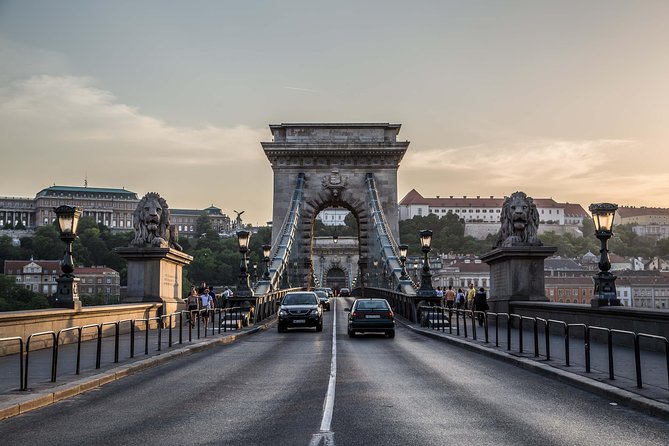
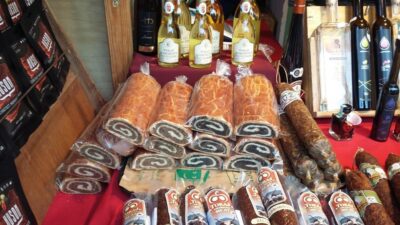
You meet mid-afternoon at Tasting Table Budapest at Bródy Sándor u. 22 (1088). The vibe here is simple: you check in, you get your bearings, and you start with a glass of Hungarian sparkling wine. It’s a smart move because it turns a tourist plan into a real Budapest moment immediately.
The tour uses a mobile ticket, which keeps things easy on your phone and reduces time spent at counters. You’ll also get the guide’s overview early, so later stops make more sense. You’re not just collecting landmarks. You’re getting the “why” behind the streets you’re walking.
Practical tip: since the tour is scheduled for about 4 hours, I’d plan something flexible afterward. If you have dinner reservations across town, tell the guide at the start so the route can match your timing.
You can also read our reviews of more tours and experiences in Budapest.



Pest’s Palace district: National Radio, the National Museum, and Andrássy Avenue
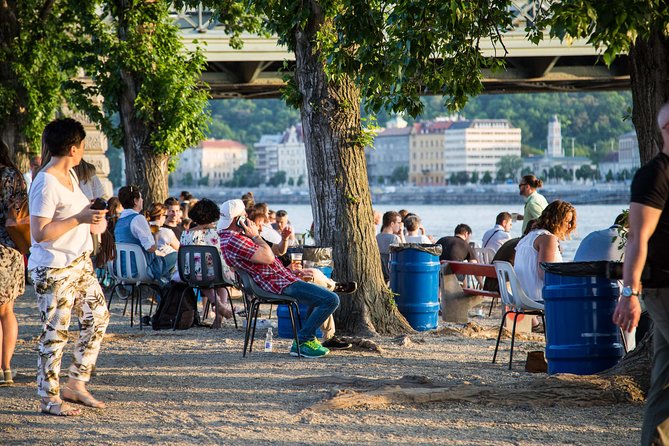
After the aperitif, you head into Pest’s elegant streets. This is the side of Budapest that many people rush through on day trips. Here, you get time to see how the architecture and the politics of the last century sit side-by-side.
You pass the Hungarian National Radio Building, tied to the 1956 Revolution. The point isn’t just that it happened there. Your guide connects it to the way ordinary people endured, argued, and tried to reshape the future. That kind of context changes how you see the building later, even after the group moves on.
You also encounter the National Museum area and then roll through the corridor of Andrássy Avenue, including a stop/pass by the Hungarian State Opera House. The Opera House is described as neo-Renaissance and credited to architect Miklós Ybl. Even if you don’t care about opera, the building works as a landmark for the city’s ambition and style.
What I like about this portion: it balances “pretty streets” with real historical framing. What can feel like sightseeing turns into a guided walk through how modern Hungary formed.
St. Stephen’s Basilica: short visit, big payoff
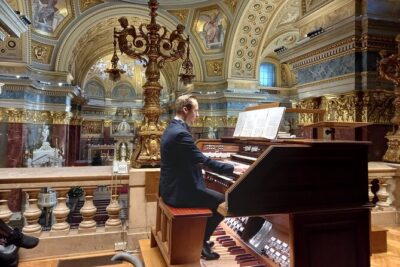
You’ll stop at St. Stephen’s Basilica (Szent István Bazilika) for about 15 minutes, and admission is free for the tour stop. Named for Stephen, the first King of Hungary, the Basilica’s star feature is the mummified right hand of King Stephen, housed in the church.
This isn’t the kind of stop that needs hours to appreciate. In a 4-hour route, that matters. You get a clear reason to walk in, look up, and understand why the Basilica is so important without turning your afternoon into a checklist marathon.
One practical note: since the timing is tight, go in ready to focus. You’ll get more out of this stop if you use the time to look for the relic story the guide shares, then take a couple of quiet minutes for your own photos.
Heroes Square and Andrássy Avenue views
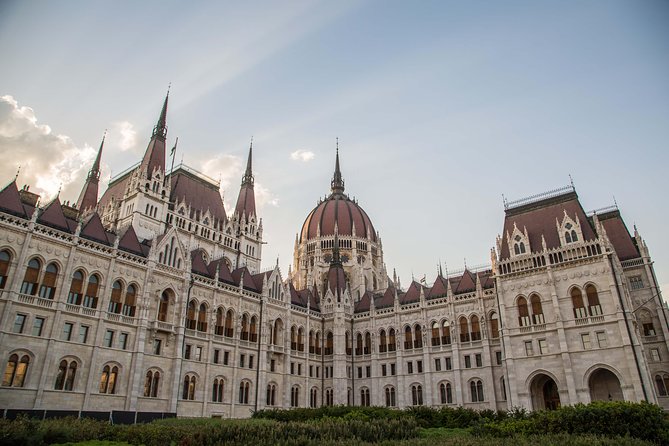
The tour includes a look at Heroes Square. Even if you’ve seen it in photos, it’s still one of those places where Budapest feels like a capital, not just a pretty city. Your guide points out what you’re looking at and ties the monument feel to national identity.
You’ll also see more of Andrássy Avenue along the way. It’s a boulevard you can’t really appreciate from inside a tram window. Walking portions gives you a better sense of scale—how the buildings line up, how the city opens outward, and how the sightlines lead you toward the next big Danube view.
If you like “photo moments” but hate standing around waiting for other people, this part is built well. The group moves with a purpose.
Jewish Quarter: Grand Synagogue, Gozsdu udvar, and Király utca
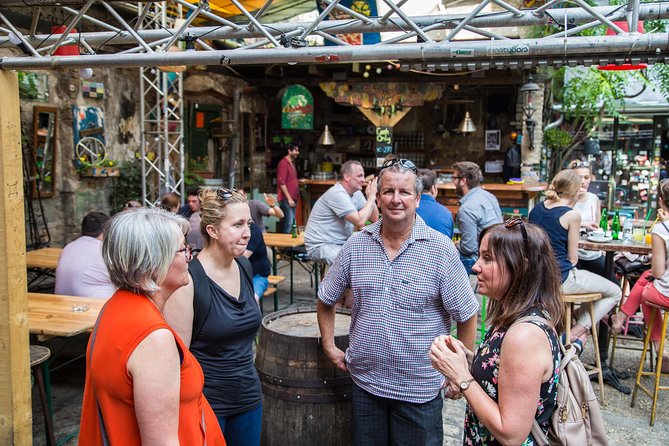
One of the strongest sections is the walk through the former Jewish Quarter. You’ll see the Grand Synagogue, described as Europe’s largest, along with the Gozsdu udvar complex and the lively stretch of Király utca.
This is not treated like a museum wall. Your guide connects the district to how community life shaped the city. You also get the larger arc in mind: the neighborhood wasn’t just scenery—it was a heart of daily culture, work, worship, and family life.
What makes it especially valuable is the later emotional link to the Danube memorials. By the time you reach the river, you’ll understand this isn’t only about buildings. It’s also about loss, survival, and how Budapest remembers.
Practical tip: for this section, keep your pace steady. The tour works best when you’re willing to walk through streets, not just stop at the first big landmark.



The coffee stop and Budapest’s oldest metro ride (M1)
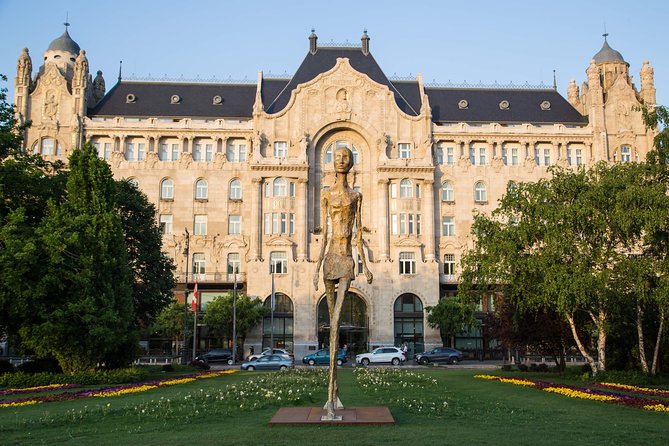
A key part of the tour’s rhythm is switching from walking to transit. You hop on continental Europe’s oldest metro line, the M1, and it’s a fun reset in the middle of an active afternoon.
Right after (or around) that metro segment, you’ll stop for coffee at a popular café. Coffee is included, and your guide plans the timing so it doesn’t feel random. Even if you don’t drink coffee, this pause is still useful. It gives you a breather before the Danube stretch, and it gives you a chance to ask follow-up questions when everyone’s brains are working again.
This combination is smart for value. A lot of walking tours skip the “you need a break” part. Here, it’s built in.
Danube promenade: Parliament, Chain Bridge, and Buda Castle across the water
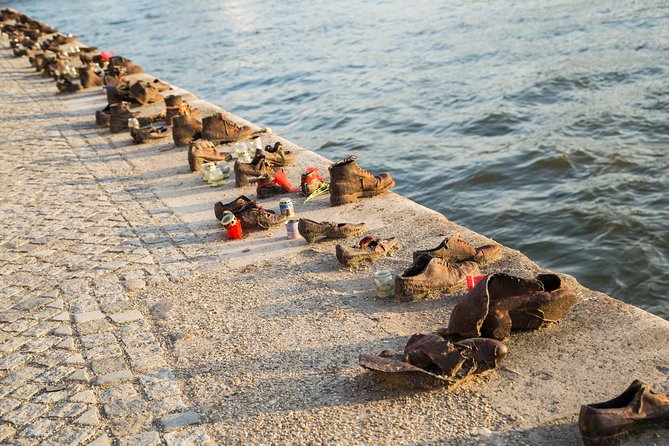
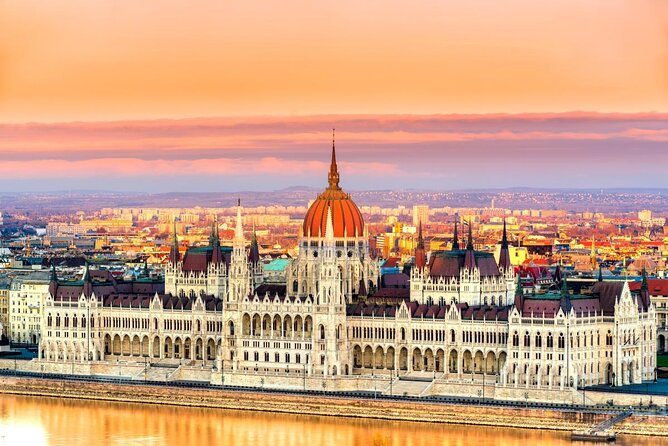
Once you get to the river, the tour changes character. The route is designed to give you wide views: the Parliament dominates the Danube bank, and you can appreciate its size when you’re standing where the guide wants you.
Then comes Chain Bridge. You’ll finish near the bridge on the Pest side, and your guide departs there. You can cross on your own if you want to continue toward Buda Castle.
That handoff is actually good planning. It means you’re not forced to stay in a group line at the castle. If you want to linger for photos or head elsewhere, you can. If you’d rather keep moving, you have that option too.
Buda Castle area: courtyards, monuments, and those river stories
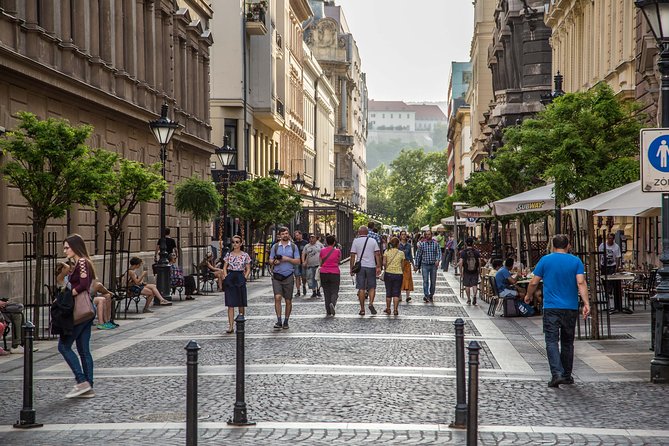
Even though the group ends at Chain Bridge, the tour includes multiple looks tied to the Buda Castle complex. You’ll pass through the complex of seven buildings with connected courtyards in the 7th district—the kind of space where Budapest feels old and lived-in, not staged.
This is also where you start noticing the layers of memory in the city. You’ll see monuments including the Shoes on the Danube Holocaust Memorial and the Soviet Monument. Your guide explains why memorials reference people and events beyond Hungary too, including references to a US major and Ronald Reagan.
I like this approach because it stops the sightseeing from becoming shallow. You’re forced to pay attention to what the symbols mean, and how the riverfront became a place for public remembrance.
One thing to be aware of: the Shoes memorial is visually simple and emotionally heavy. Give it a moment of real quiet. The tour is fast enough to cover the basics, but you’ll get more out if you slow your own eyes for a minute.
Bridges and everyday Budapest life
A final theme that runs through the walk is how bridges shape daily life. Your guide points out how the bridges linking Buda and Pest matter to the city’s layout and rhythm. This isn’t a throwaway line. It helps you see why Budapest developed the way it did, with the Danube as the divider and the connector.
Along the route you’ll also pass important civic spots such as the Hungarian Academy of Sciences, housed in an elegant neoclassical palace built in 1865, plus areas like Liberty Square with the former stock exchange.
By the time you reach Chain Bridge, you should feel like you understand the city’s structure. Not just the “where,” but the “how does it work” part.
Price and value: what $125 buys in a 4-hour tour
At $125 per person for a roughly 4-hour small-group experience, this isn’t a budget add-on. But it’s also not paying just for a walk between Instagram spots.
You’re paying for:
- an English-speaking local guide who ties buildings to Hungary’s political and cultural shifts
- sparkling wine at the start
- coffee/tea during the tour
- some public transportation, including a ride on the M1 metro line
- multiple photo stops with time to ask questions
- a route that covers both major sights and lesser-seen details in a way that stays coherent
The best value here is the structure. Instead of you piecing together history, transit, and timing on your own, the guide does that work while you enjoy walking and looking. If you’re in Budapest for a short stay or it’s your first day, that “get your bearings fast” advantage is real.
Who should book this Budapest Grand Walk?
This works best if you:
- want a strong first-day overview of Pest’s big sights and the Danube’s viewpoints
- like history, especially stories connected to the 20th century
- enjoy walking with planned breaks and transit hops
- appreciate a small group size (2–8) where you can ask questions
It may feel less ideal if you:
- want minimal walking and minimal street time
- prefer spending long hours inside a single landmark rather than moving across districts
- have a tight schedule with zero flexibility after the tour
Also, if you like consistency in guides, keep an eye on the guide name listed for your run. People have praised guides including Aniko and Angela for making the city feel clear and personal, with strong English and strong historical recall.
Should you book the Budapest Grand Walk?
If you’re asking whether this tour is worth your afternoon, I’d say yes—especially if you value context and you want to see Budapest in a way that makes later exploring easier. You’ll get the highlights people come for (Heroes Square, Parliament, St. Stephen’s Basilica, Chain Bridge, Buda Castle), plus meaningful stops that change your perspective, like the Jewish Quarter area and the Shoes on the Danube memorial.
Just go in with the right expectations: plan for comfortable shoes, accept a bit of walking, and leave yourself breathing room afterward. If you do, this tour can turn your first view of Budapest into a map you can actually use for the rest of your trip.
FAQ
How long is the Budapest Grand Walk?
It lasts about 4 hours.
Where do I meet the guide?
You meet at Tasting Table Budapest at Bródy Sándor u. 22, 1088 (Pest/Palace district). The tour ends near Chain Bridge on the Pest side.
Is the tour offered in English?
Yes, the tour is offered in English.
How many people are in the group?
It’s a shared small-group tour with a maximum of 8 travelers, and the guide notes options for larger groups or a private tour.
Do I need to walk much?
There is a moderate amount of walking. Comfortable shoes are recommended.
What transportation do we use?
The tour includes a few short trips on public transportation, including the M1 metro line, described as Europe’s oldest metro line.
Is wine or coffee included?
Yes. You start with a glass of Hungarian sparkling wine, and there’s a coffee break with coffee/tea included (one coffee or drink is included).
What major sights are covered?
You’ll see sights around Pest including St. Stephen’s Basilica, Andrássy Avenue, Heroes Square, areas of the former Jewish Quarter (including the Grand Synagogue), plus Danube viewpoints featuring Parliament, Chain Bridge, and Buda Castle area stops, including the Shoes on the Danube memorial.
What if I cancel?
This experience is non-refundable and can’t be changed for any reason. If it’s canceled because the minimum number of travelers isn’t met, you’ll be offered an alternative or a full refund.