REVIEW · SZENTENDRE
Hungary: Szentendre Retro Design Center Entry Ticket
Book on GetYourGuide →Operated by Retro Design Center · Bookable on GetYourGuide
A little time travel starts at Szentendre. This compact, 1-hour ticket to the Retro Design Center lets you step into everyday 70s Eastern Europe with photo-friendly vehicles (yes, you can sit in them) and room-by-room scenes like a Polish market diorama and a decorated apartment. I particularly love the up-close car collection, from the Ikarus bus to the pink Cabriolet Wartburg, because it turns history into something you can actually look at and photograph. I also like the small details—retro radios, TVs, and household appliances—that help you understand what people saw and used every day. The main drawback to flag: the museum is in a town outside Budapest, and if you’re trying to catch a guided element, timing matters.
You’ll get an English host/greeter to welcome you with a 70s-style attitude, and you’ll follow along using printed text in English, German, or Russian as you move through the exhibits. With almost 1,000 square meters to explore, it can be a fast walk if you rush, or a slow, nostalgia-heavy browse if you like reading labels and taking photos.
In This Review
- Key points you’ll care about
- Szentendre Retro Design Center: what this ticket feels like
- The hippie greeter and your arrival plan
- 30 vintage vehicles: where you’ll spend your camera time
- Photo tips that actually help
- Polish Market diorama and the 70s apartment rooms
- Toys, radios, TVs, appliances, and the LP walls
- The written guide: using English, German, or Russian labels
- Price and logistics: value, time, and getting there
- Who it’s best for (and who should reconsider)
- Should you book the Szentendre Retro Design Center entry ticket?
- FAQ
- How long does the Retro Design Center visit take?
- How much does the ticket cost?
- Is there an English-speaking host or greeter?
- What languages are the written text guides available in?
- What can I see inside during the visit?
- Is parking included?
Key points you’ll care about
- Hippie welcome on arrival: you’ll be greeted by a friendly, 70s-themed character as you enter.
- Sit-in photo moments: cars and vehicles are set up so you can step inside for pictures.
- The Ikarus bus is a star: it’s the display most people want to see first.
- Polish Market diorama: a detailed scene that breaks up the car-heavy layout.
- Communist-era everyday objects: toys, household appliances, radios, and TV sets that tell a real story.
- Short visit that still feels full: the layout is made for a quick but meaningful walk.
Szentendre Retro Design Center: what this ticket feels like
If you like the look of the 70s and the feel of East Bloc daily life, this is a smart stop. The Retro Design Center is set up like a walk-through time capsule: you’re not just looking at cars behind glass; you’re moving through themed spaces where the objects and set dressing are the point.
For me, the best part is how quickly you get your bearings. Within minutes you’ll understand the museum’s logic: big iconic items first (especially vehicles), then smaller, more personal things (toys, electronics, household tools), and finally rooms decorated to make you picture how people actually lived. It’s history you can see at arm’s length.
The ticket is timed as a 1-hour experience, so you’re not signing up for a half-day outing. That said, you’re visiting a museum in a small town outside Budapest, so plan the day around the travel time. If you’re based in Budapest, treat this as a real day trip, not a quick add-on between other stops.
You can also read our reviews of more tours and experiences in Szentendre.


The hippie greeter and your arrival plan
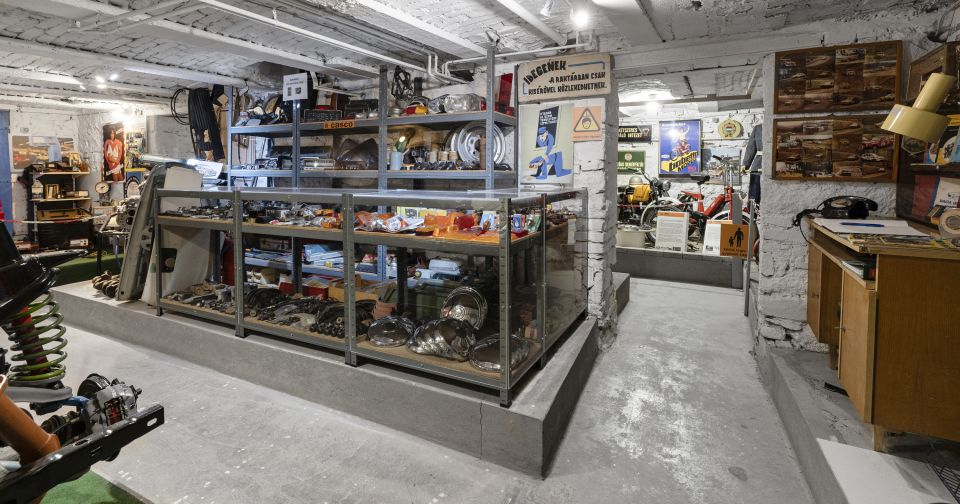
Expect a friendly welcome right as you arrive. A staff greeter in a 70s persona greets you at the entrance, and it sets the tone immediately. It sounds simple, but it matters: you don’t arrive to a quiet hallway and a ticket booth. You arrive to a scene.
Once inside, you’ll want to move in a way that prevents decision fatigue. Start with the cars/vehicles displays first, because they’re the biggest visual targets and they’re also where the photo moments are. After that, you can slow down for the dioramas and the smaller displays.
English support is built in, with an English host/greeter. On top of that, the museum uses printed interpretive text, and the available languages include English, German, and Russian. That’s useful because some of the details—especially for the dioramas and period objects—make more sense when you can read the explanation in your preferred language.
30 vintage vehicles: where you’ll spend your camera time
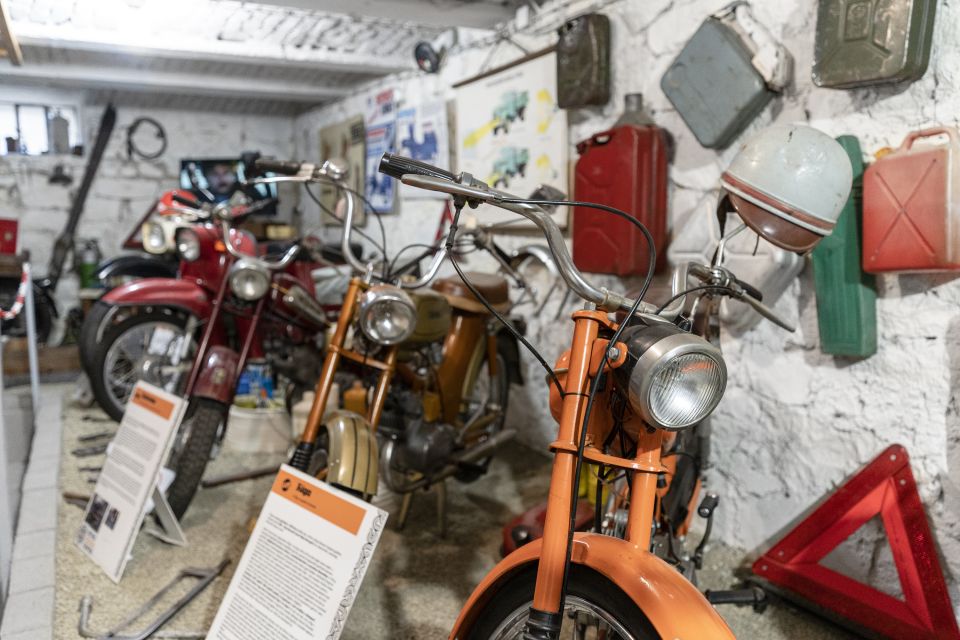
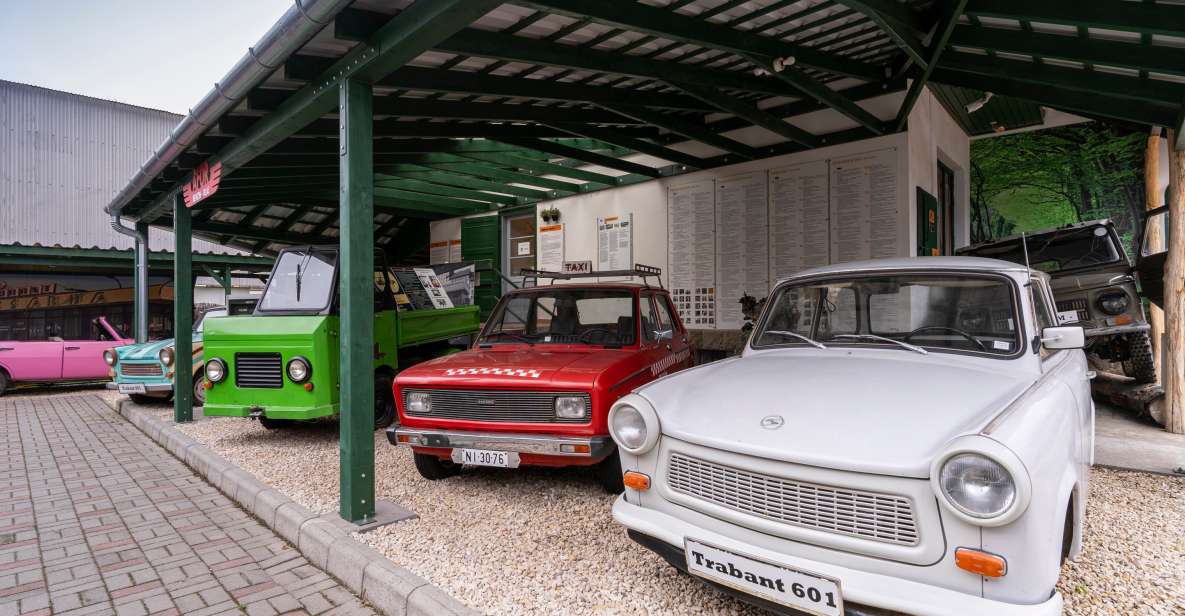
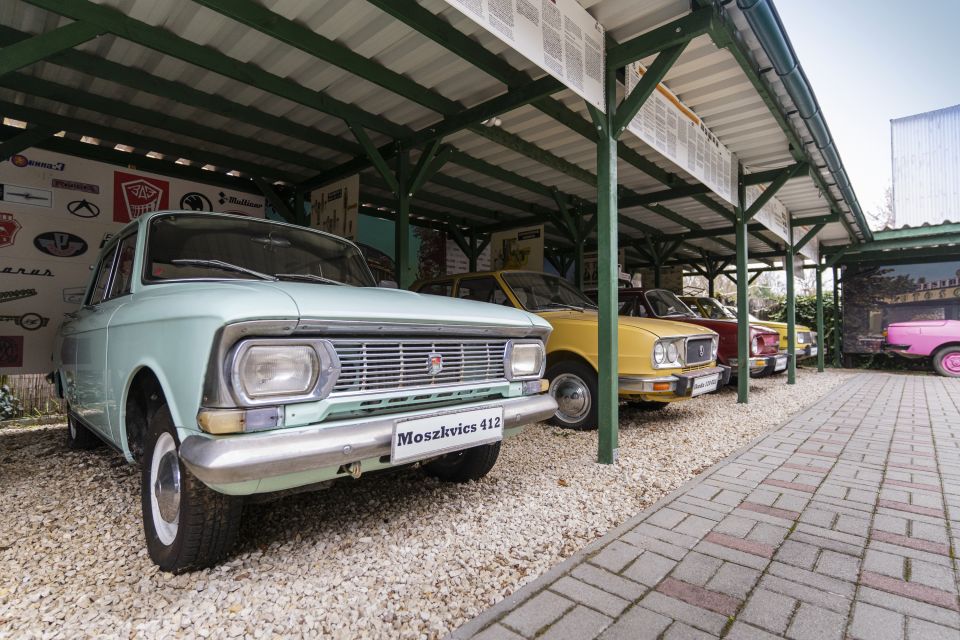
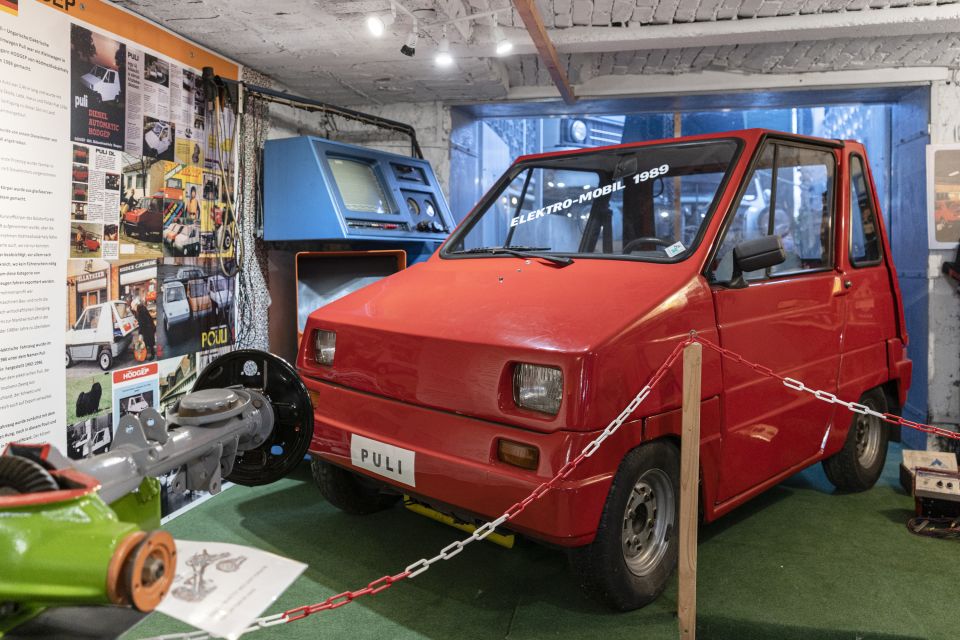
The star attraction is the collection of about 30 vintage cars and other vehicles from the Eastern Bloc era. You’ll see familiar names and less familiar ones, and the display layout makes it easy to compare shapes and design choices across models.
Here are the vehicles you should look for right away:
- Ikarus bus: This is the big centerpiece for many people. Even from a few steps away, it signals the museum’s theme instantly—big, functional, and unmistakably period.
- Trabant and Moskvitch: these are classic Eastern Bloc shapes that help anchor the era.
- Zhighuli and other period models: they add variety beyond just the most famous brands.
- Pink Cabriolet Wartburg: the color makes it pop, and it’s exactly the kind of object that turns photos into memories.
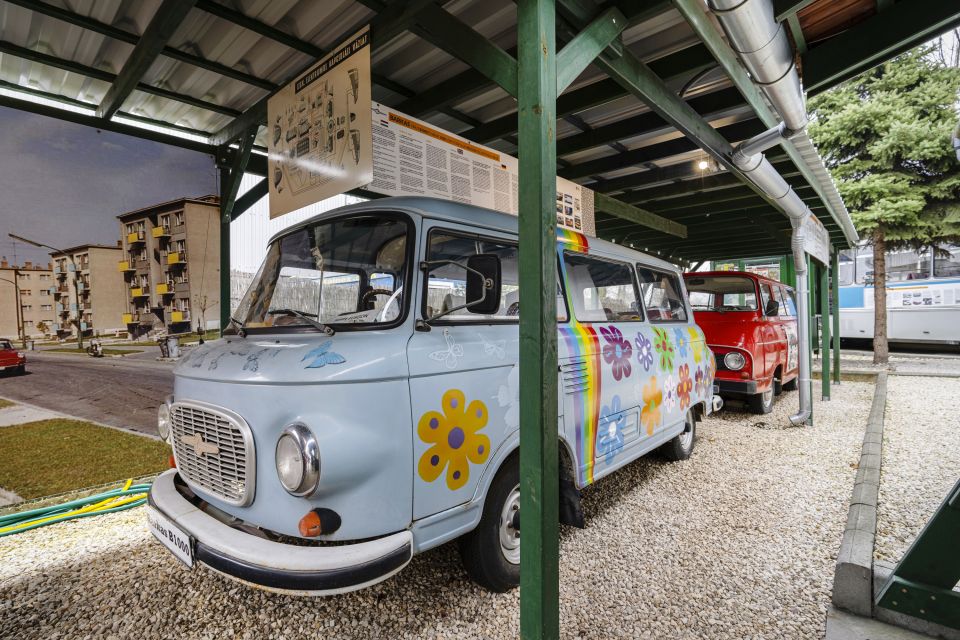
- Barkas Furgon van: another recognizable form that broadens the story beyond passenger cars.
What I like is the mix: it’s not only about one iconic vehicle. You’ll see enough variety that you start noticing design themes—where curves were used, how practical features were emphasized, and how vehicles differed even across the same general region.
Photo tips that actually help
If you care about photos, plan your route so you’re not backtracking. Start with the buses and the most “pose-friendly” vehicles first, then move through smaller cars. Also, don’t be shy about stepping inside for pictures—this museum is set up so you can sit in vehicles rather than only peer at them from outside the display boundaries.
One practical note: the experience lasts about 1 hour. If you want photos inside multiple vehicles, that time can disappear quickly. Pick your priorities before you start.
Polish Market diorama and the 70s apartment rooms
After the vehicle displays, you’ll reach the staged scenes, and this is where the museum starts to feel personal. One of the most talked-about stops is the Polish Market diorama. It’s a scene that gives context to the “objects” you saw as isolated items earlier. Instead of just seeing products and props, you see them arranged as if they were part of daily life.
You’ll also encounter a camping scene and a furnished apartment decorated in a 70s style, with a living room and kitchen setup. This part is valuable because it’s not only about what people owned. It’s about how those items were organized—where you’d sit, how the space would be used, and how the room looked as a whole.
If you’re traveling as a couple or a group, this is where you can split your interests without losing the plot. One person can focus on the visual details in the diorama; another can read the printed text and then explain what they learned about the setting.
A small drawback to consider: if you’re expecting a super-detailed, lecture-style explanation, the museum relies on signage and printed guides. You’ll get information, but it’s designed for self-paced understanding rather than long narration.



Toys, radios, TVs, appliances, and the LP walls
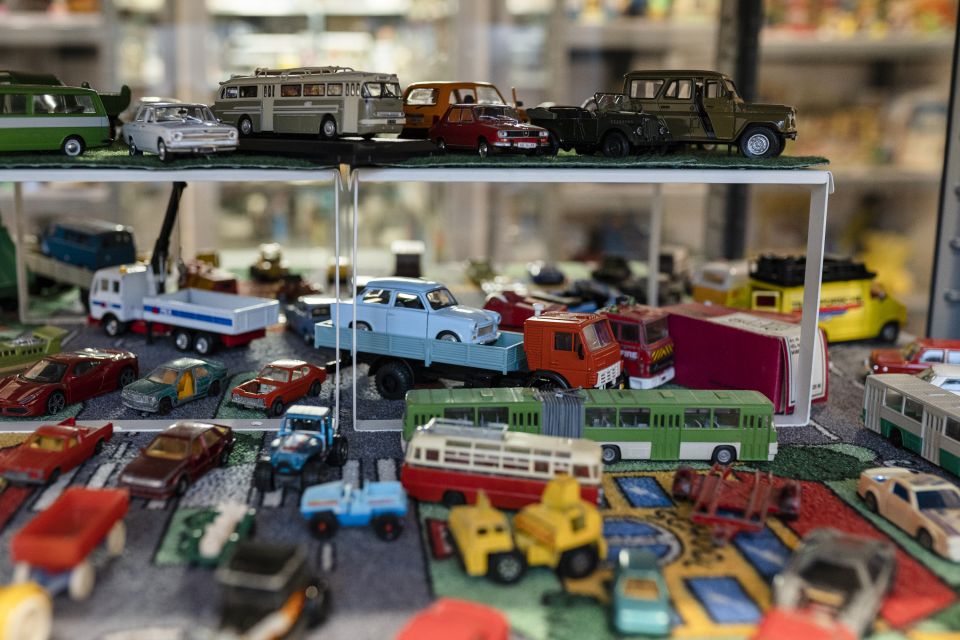
This is the section that often surprises people. The vehicle displays are fun, but the everyday items are what give the museum its staying power.
You’ll see:
- retro toys, including communist-era playthings
- television sets and radio devices
- household appliances
- walls lined with 70s LPs (turntable culture, in physical form)
This category of exhibits works because it hits multiple senses of memory. Even if you’ve never lived in the region during that era, you can recognize how consumer electronics and home entertainment were part of routine. Toys and household goods also make the period feel less abstract. You can imagine a child using something small and bright, and you can picture an evening with a radio playing.
If you like reading details, slow down here. These objects are the ones where the printed text helps you connect the dots between appearance and real-life use.
The written guide: using English, German, or Russian labels
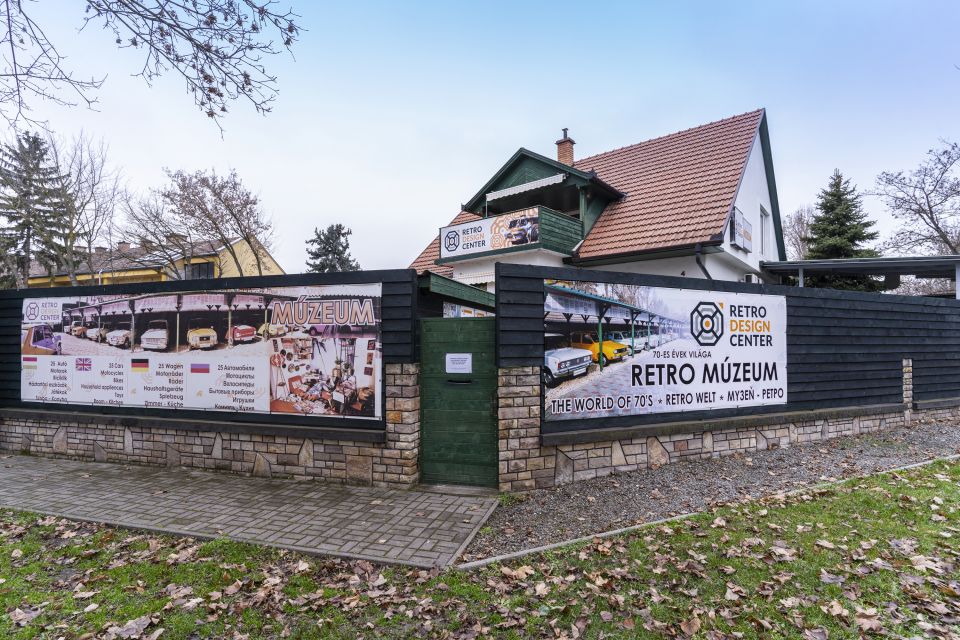
Throughout the exhibits, you’ll find text in English, German, or Russian. That’s a big deal for a museum like this, where the most interesting insights often come from those explanations rather than from a spoken tour.
Here’s how to get the most from it:
- Don’t read every single label if you’re short on time. Instead, read the ones near the objects you already want to photograph or sit in.
- Pair what you see with the label. A car name, a toy description, or an appliance explanation turns your view from nostalgic guessing into something specific.
- If you choose English text, you’ll still get full meaning for the key points. If you see another language option, it can help you spot the broader period context.
One practical timing consideration: there can be a guided element, and it may run only in the morning. The museum itself may stay open beyond that, but the guided portion is not guaranteed for later entry. If your schedule is tight and you want any guide-style interpretation, aim for morning timing.
Price and logistics: value, time, and getting there
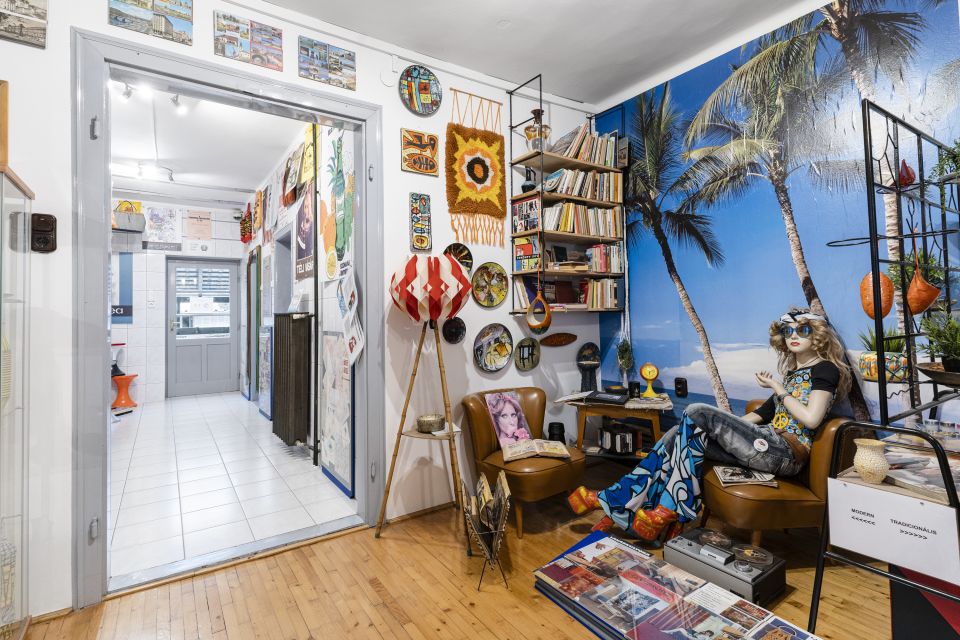
At about $11 per person, this ticket is priced like a quick but meaningful museum visit. That value comes from how much you cover in one stop: vehicles, dioramas, everyday objects, and furnished rooms—under one roof and in roughly an hour.
The catch is logistics. The Retro Design Center is located in Szentendre, outside Budapest. So you need to treat it as a day trip, and you should budget for transit time and the fact that you’re traveling to a smaller town.
Parking isn’t included, so if you’re driving, plan around that ahead of time. Also remember that the museum experience is 1 hour, which means it’s easier to fit after lunch than it is to squeeze between long, high-effort sightseeing blocks.
Who it’s best for (and who should reconsider)
This works especially well if you:
- want a short cultural stop that isn’t another long-walk museum
- enjoy 20th-century design and everyday technology
- like interactive photo moments
- are curious about what East Bloc daily life looked like through objects and rooms
If you mainly want large-scale art exhibits or world-famous masterpieces, you might find this more niche than you expected. But if you’re into design, toys, vehicles, and homes as historical artifacts, this hits the right notes.
Should you book the Szentendre Retro Design Center entry ticket?
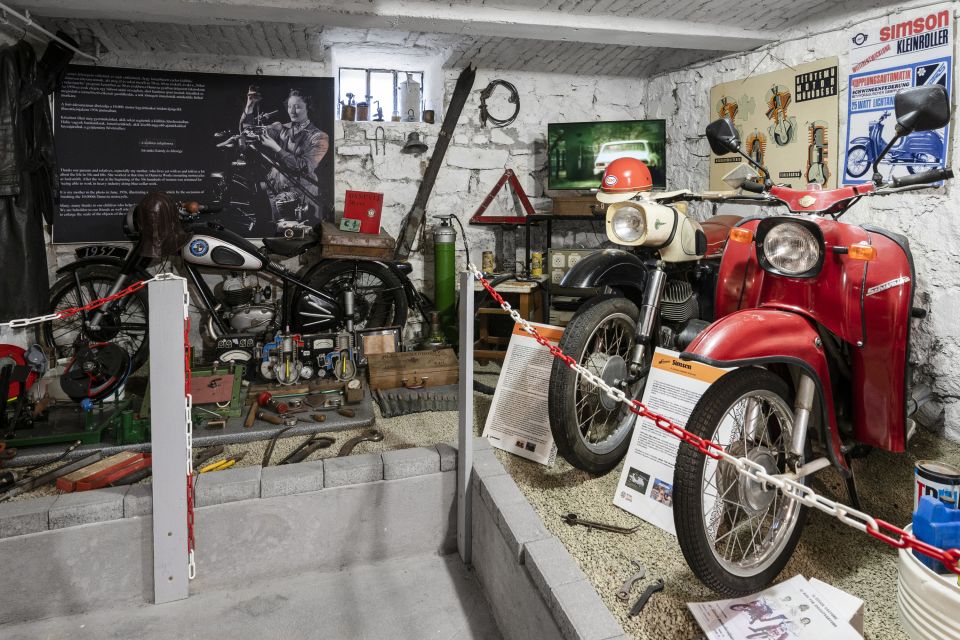
I’d book it if you want a fun, time-efficient way to understand the look and feel of 70s Eastern Europe through real objects—especially if you’re excited to see the Ikarus bus, sit in retro vehicles, and browse the smaller everyday items like toys, radios, and TVs.
I’d think twice if you only have afternoon time and you’re counting on any guided portion, because the interpretation timing can be limited. Also, if you hate day trips or you dislike planning around travel time, choose your Budapest day carefully.
If you like practical value, short stops with strong character, and museums where you can actually participate with photos, this one is an easy yes. It’s small, it’s specific, and it makes the era tangible fast.
FAQ
How long does the Retro Design Center visit take?
The entry ticket is designed for about 1 hour.
How much does the ticket cost?
The price is about $11 per person.
Is there an English-speaking host or greeter?
Yes. The host/greeter is listed as English.
What languages are the written text guides available in?
The text guide is available in English, German, and Russian.
What can I see inside during the visit?
You can expect vehicles (including an Ikarus bus and models like Trabant and Moskvitch), themed scenes such as a Polish Market diorama and a camping scene, plus displays of retro toys, television sets, household appliances, radios, and walls of 70s LPs.
Is parking included?
No. Parking is not included.