REVIEW · BUDAPEST
The Real Saw | Escape Room by PÁNiQ SZOBA
Book on GetYourGuide →Operated by PÁNiQ SZOBA · Bookable on GetYourGuide
A Saw room with real bite.
This 60-minute escape room puts you inside a Jigsaw-style puzzle world with that dark, nasty movie mood. I like the meticulously built setting and the way the puzzles push real team problem-solving instead of letting one person bulldoze the whole game. My main caution: the lighting and some mechanics can make the start feel extra hard, especially if you are relying on clear lock visibility or you get put into a tight role fast.
If you like being tested, not just entertained, this is your kind of hour. It is also a private-group activity, which helps if you want your team to hear instructions properly and keep the pace moving.
In This Review
- Key things you should know before you go
- Entering The Real Saw in Central Hungary (and finding the door)
- 60 minutes of Jigsaw-style pressure: what the hour actually feels like
- Puzzles and set design: horror tone with real mechanics
- Game master guidance: help is there, but it can change how your team thinks
- Rules inside: no photos, no audio, and a few things to plan around
- Who this escape room suits best (and who might want to skip)
- Price and value: is $23 per person worth the hour?
- Practical booking rhythm: how to time it with your Budapest plans
- Tips to help your team win more often
- Should you book The Real Saw at PÁNiQ SZOBA?
Key things you should know before you go
- 60 minutes on the clock: plan to think fast and communicate nonstop.
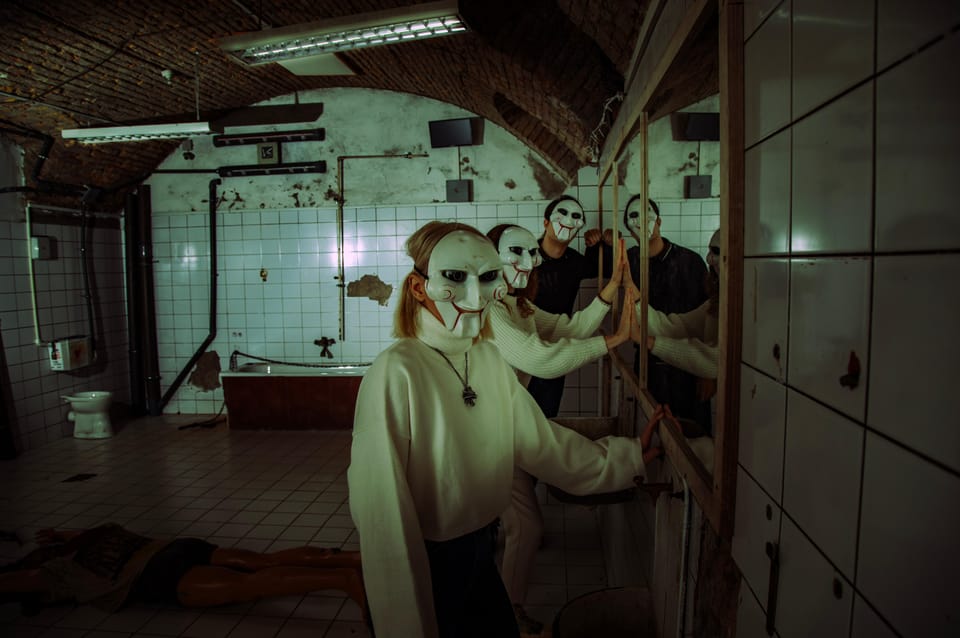
- Saw movie-style atmosphere: the set design aims for that horror tone, not a generic puzzle room.
- Teamwork is mandatory: puzzles are designed so you will likely need multiple people working at once.
- English and Hungarian support: you can get help in the language you need.
- Strict rules inside: no photography and no audio recording, plus no alcohol or drugs.
- Minimum age is 14: it is not built for younger kids.
Entering The Real Saw in Central Hungary (and finding the door)
The experience starts with a simple, old-school door hunt. You go to the address provided by the organizer and look for the entrance with a white barred door. When you arrive, ring the doorbell to get access.
That might sound minor, but it matters because escape rooms run like trains. If you arrive late or unsure where to go, you can waste the first minutes that are supposed to be used for getting organized.
Once you are inside, expect a safety briefing before the clock starts. The room is built for tension and fear, but you should still get clear guidance on what is safe and how to handle the game elements.
You can also read our reviews of more tours and experiences in Budapest.



60 minutes of Jigsaw-style pressure: what the hour actually feels like
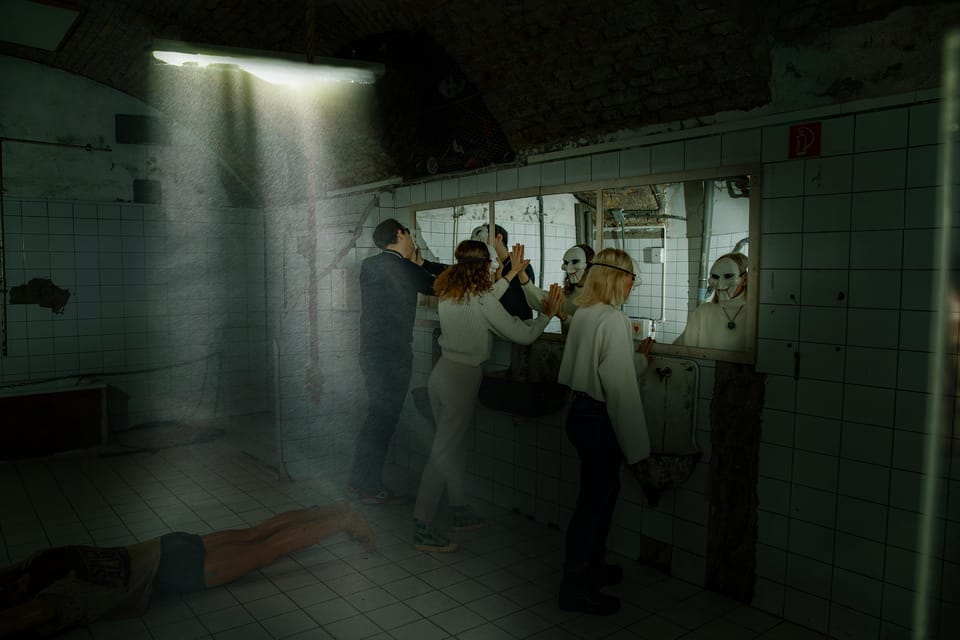
You will get a full 60 minutes of gameplay. The whole structure is basically: you and your team solve a chain of puzzles, you search the room for eerie clues, and you unlock progress before time runs out.
The pacing is the big deal. This is not the kind of escape room where you wander for an hour and solve one puzzle at the end. The design pushes you into a cycle: find something → test something → realize you are missing a step → regroup. If your team likes to keep talking and sharing what you see, you will do better than a group that splits up and goes quiet.
And since it is built around the Saw movies, the mood is part of the challenge. Expect a dark, atmospheric feel that adds pressure. One practical tip: when you first enter, treat the room like a system. Assign roles quickly. One person watches locks and numbers. Another person watches clues and patterns. A third person manages the time and keeps the group from repeating the same wrong tries.
Puzzles and set design: horror tone with real mechanics
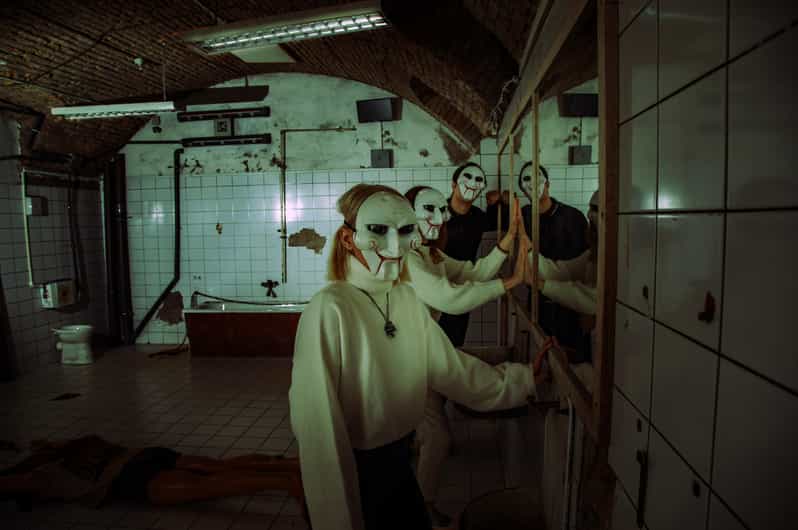
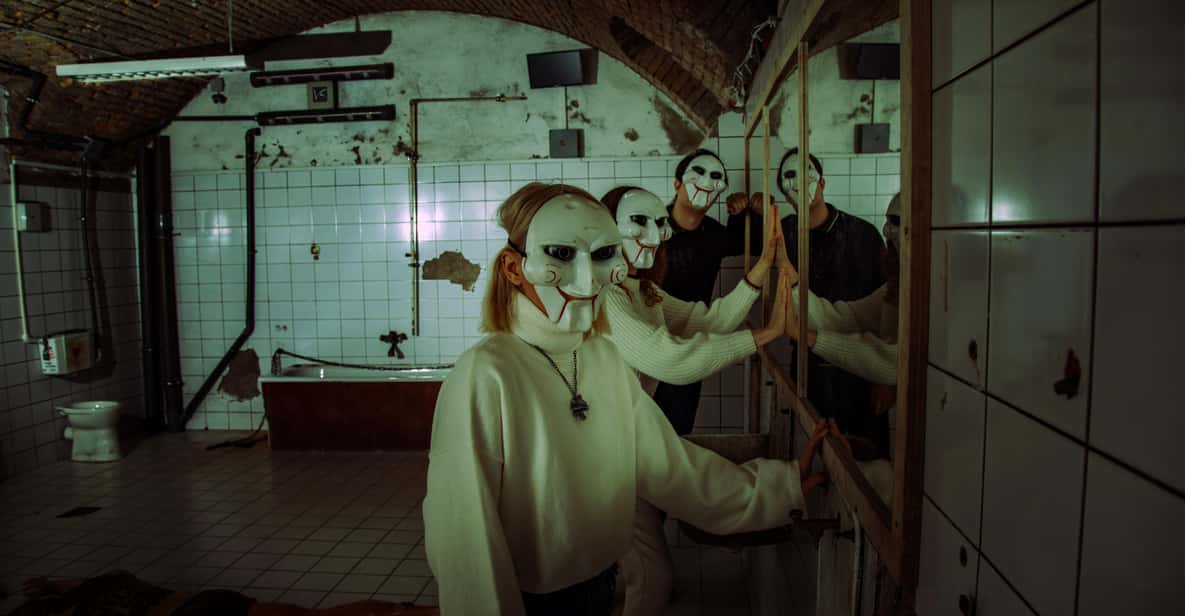
The headline promise is horror-themed escape, and the room does aim for that. You get a Saw-like environment with eerie clues and puzzles designed to feel like they come from Jigsaw’s world, not a generic horror costume.
In a good run, this is the best part: the room design feels intentional, and the puzzles feel connected to the theme. You are not just solving random riddles. You are interacting with a system of locks, clues, and steps that makes sense only if you collaborate.
That said, I think it is smart to go in with a realistic mindset about puzzle rooms. In any mechanical experience, you can hit a problem like a lock that does not behave normally, or a setup that slows you down at the beginning. One person had issues with light levels making lock numbers hard to see, and another described worn or failing locks that needed intervention. That is not something you can plan away entirely, but you can prepare by keeping your team flexible and not panicking if the first puzzle refuses to cooperate.
Game master guidance: help is there, but it can change how your team thinks
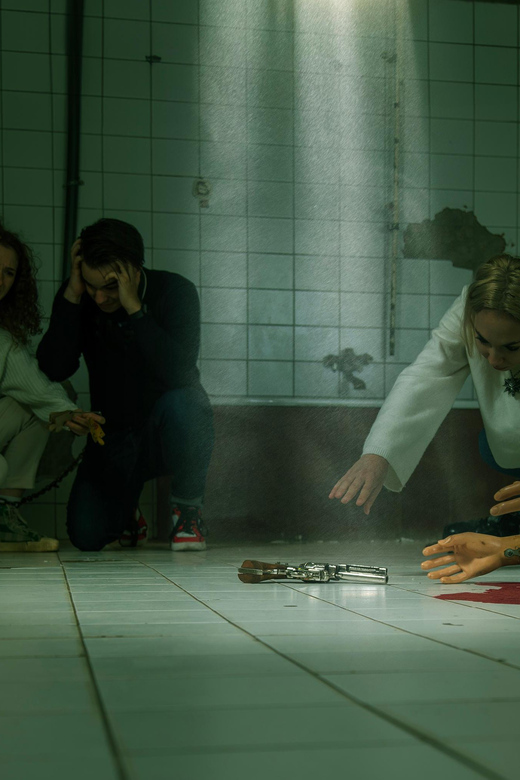
You do not run this alone. You get professional game masters to guide and assist, and you also get a safety briefing and instructions.
Where the experience can swing is in how hints are delivered. In an ideal hint moment, the game master nudges your team toward the next missing step without spoiling the whole puzzle trail. You stay active, you learn what is needed, and the room keeps its tension.
In a less ideal situation, hints can land in a way that makes you feel behind. One account described hints pointing to steps that were already solved, and that created confusion instead of clarity. Another described a guide who did not seem fully attentive to what the team needed in the moment.
So here is my practical advice: if you get a hint, repeat it back to your team in plain language. Confirm what you should do next right now. If the hint does not click, ask a follow-up using a specific question like: What exact object or lock should we check next?
You will get more value out of hints when your team is ready to act immediately.
Rules inside: no photos, no audio, and a few things to plan around
PÁNiQ SZOBA is clear about what is not allowed. Inside the room, you cannot take photography and you cannot do audio recording. The goal is to keep the experience intact and prevent spoilers.
Alcohol and drugs are also not allowed. This is standard safety logic, but it still matters if you are coming straight from a night out or staying nearby and thinking you can relax with a drink beforehand. Don’t.
One more thing to consider is what kind of physical interaction the puzzles may require. In one account, a heartbeat-style puzzle involved a stethoscope-like element and caused ear injury when someone inserted an ear piece. That does not mean you will have the same problem, but if you are sensitive to anything involving your ears or you have had ear issues before, it is reasonable to let the staff know so they can guide you safely during the process.





Who this escape room suits best (and who might want to skip)
This is designed for people who like a scare and enjoy a puzzle challenge with real pressure. It is also labeled as not suitable for children under 14.
So who will love it?
- Teens and adults who enjoy horror-themed rooms and timed challenges.
- Groups that communicate well and can handle frustration without shutting down.
- First-timers who like guidance and want a movie-world setting for their first try.
Who might want a second thought?
- Anyone who hates very dark rooms and depends on strong visibility for lock numbers.
- Groups that want a calm, leisurely puzzle walk-through.
- People who are worried about puzzles that may require close physical interaction with props.
If you are the type who gets anxious when you feel stuck, bring patience and a teammate who thinks out loud. That one habit can rescue the hour.
Price and value: is $23 per person worth the hour?
At about $23 per person for one hour, you are paying for three things: time on a game clock, a themed room build, and staffed guidance.
Escape rooms are at their best when the puzzles feel consistent and the room mechanics work smoothly. When everything clicks, this feels like good value because you get a full hour of active engagement. Plus, the Saw movie theme can make the puzzles more fun, even when you are stuck, because you are playing inside a story world.
When mechanics fail or the lighting is too dim, the value can drop. That can add delays and frustration that do not feel like part of the challenge.
So I would treat this as a strong buy if:
- You want horror tone and a timed puzzle sprint.
- You are going with a group that can problem-solve together.
- You can accept that a room is a machine, and sometimes machines need human help.
If you want a perfectly polished, frictionless experience every single minute, you might be happier choosing an option with a reputation for consistently smooth runs. But based on the overall rating and the fact that the concept is tightly themed, this is still one of the more compelling horror-style escape choices in the area.
Practical booking rhythm: how to time it with your Budapest plans
The schedule runs on advance reservations, and you are expected to book a time slot on the organizer’s website. You will typically purchase tickets first, then select a slot on their booking page. Availability can change, so it is smart to book early if you have a specific day and time in mind.
The good news: the overall plan is simple. You show up, you get in through the white barred door entrance, you ring the bell, you get briefed, and you play for an hour.
If you are on a short stay and you are trying to fit it in last minute, do not rely on luck. Check the site for time slots carefully so you are not planning around a phantom opening.
Tips to help your team win more often
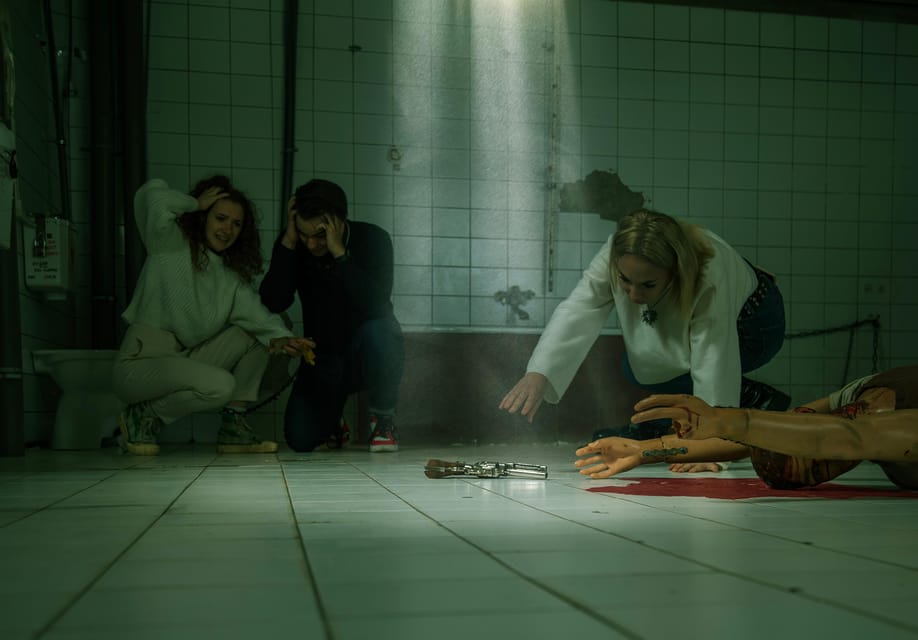
I will keep this practical, because escape rooms reward habits more than hope.
- Do a quick role split in the first 5 minutes. One person manages locks, one person scans clues, one person handles communication and keeps track of what has already been tried.
- Say what you see immediately. If someone finds a clue and stays silent, the team loses time.
- Write down partial steps in your head. If you cannot write, at least repeat the order of actions out loud so you don’t loop.
- When you ask for a hint, ask for a next step. Hints that tell you what to do now beat hints that just restate the theme.
- If the room is darker than you expect, trust the team’s callouts. Use people as your flashlight.
These are small moves, but they can turn a slow start into momentum.
Should you book The Real Saw at PÁNiQ SZOBA?
Yes, if you want a Saw-style horror escape room with a real time limit, a strong atmosphere, and enough structure that a game master can keep you moving. The hour is exactly long enough to feel intense without dragging, and the Saw theme gives the puzzles extra energy.
Think twice if you dislike very dark environments, if your group includes people who are sensitive to physical puzzle elements, or if you are expecting a totally frictionless experience with no chance of mechanical hiccups. This room is clearly built to create stress and fear. Your comfort level with that matters.
If you are planning a “fun but challenging” evening in Central Hungary, this one is a solid candidate. Book your slot, gather your bravest (and most talkative) friends, and go in ready to solve as a team.