REVIEW · BUDAPEST
Budapest: Wine, Cheese, and Charcuterie Tasting
Book on GetYourGuide →Operated by Taste Hungary · Bookable on GetYourGuide
A tasting you can plan around and actually learn from. In Budapest, this sommelier-led session pairs five Hungarian wines with artisan cheese and charcuterie, plus bread and oils.
I like that it gives you a real map of Hungarian wine—regions, varieties, and styles—without making it feel like a classroom. And I really enjoy the way the lineup ends with Tokaj sweet wine, because it connects the tasting to the bigger story of Hungary.
The only catch: it’s very food-and-alcohol focused. If you don’t eat pork or duck, or you’re avoiding charcuterie, you may want to think ahead about how much of the board you’ll genuinely enjoy.
In This Review
- Key highlights to look for
- Where to go in Budapest: the easy walk to a proper wine room
- 1.5 hours of Hungarian wine: how the tasting is paced
- Five Hungarian wines: the best way to understand what Hungary tastes like
- What the tasting sheet helps you do
- The Tokaj finish: why the sweet wine is more than dessert
- Cheese, charcuterie, bread, and artisan oils: the pairing logic
- Bread and artisan oils: the palate reset you’ll notice
- If you have dietary limits
- Sommelier-led in English: what makes the instruction feel useful
- Setting and group feel: why this doesn’t feel stiff
- Price and value: is $50 per person a fair deal?
- Practical tips before you go
- Should you book this Budapest wine and cheese tasting?
- FAQ
- What is the duration of the Budapest wine, cheese, and charcuterie tasting?
- How many wines are included?
- What food is included besides the wines?
- Where does the tasting take place?
- Is the tour offered in English?
- What is the legal drinking age for Hungary?
- Is this experience suitable for children?
- Can I cancel if my plans change?
Key highlights to look for
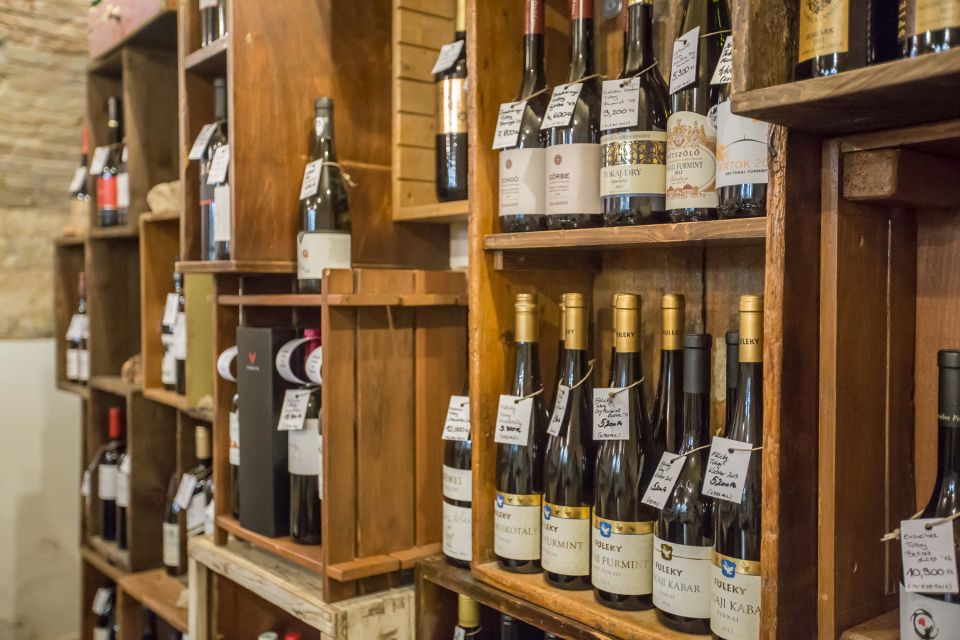
- Five full glasses of Hungarian wine, not tiny sips
- Tokaj sweet wine as the final step in the lineup
- Artisan cheese and charcuterie paired wine-by-wine
- Bread and artisan oils included to reset your palate
- A real sommelier-led explanation in English
- Tasting sheets with a map of Hungarian wine regions for notes
Where to go in Budapest: the easy walk to a proper wine room

This tasting meets at The Tasting Table Budapest, Bródy Sándor utca 9, in District VIII. The location is practical: it’s only about a 5-minute walk from both Astoria (M2) and Kálvin tér (M3), and trams 47 and 49 stop nearby too.
What I like about the meeting point is that you can build it into a normal day. You’re not trekking across town. You’re in the central area where you’re already likely to be for museums, cafés, and a pre-dinner stroll. And since it runs on most days in the afternoon (roughly 3:00PM to 5:00PM), it works well as a “bridge” between daytime sightseeing and evening plans.
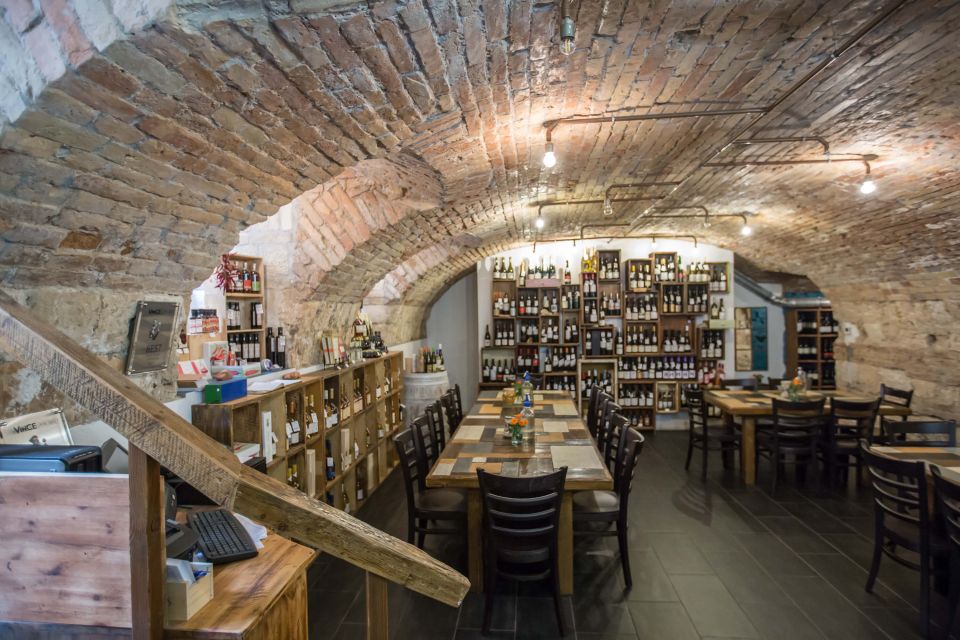
Inside, the vibe is the opposite of flashy. One guest described the space as a downstairs brick room with arches. In plain terms: it feels like you’ve stepped into a real tasting setting, not a loud marketing room.
You can also read our reviews of more food & drink experiences in Budapest


1.5 hours of Hungarian wine: how the tasting is paced
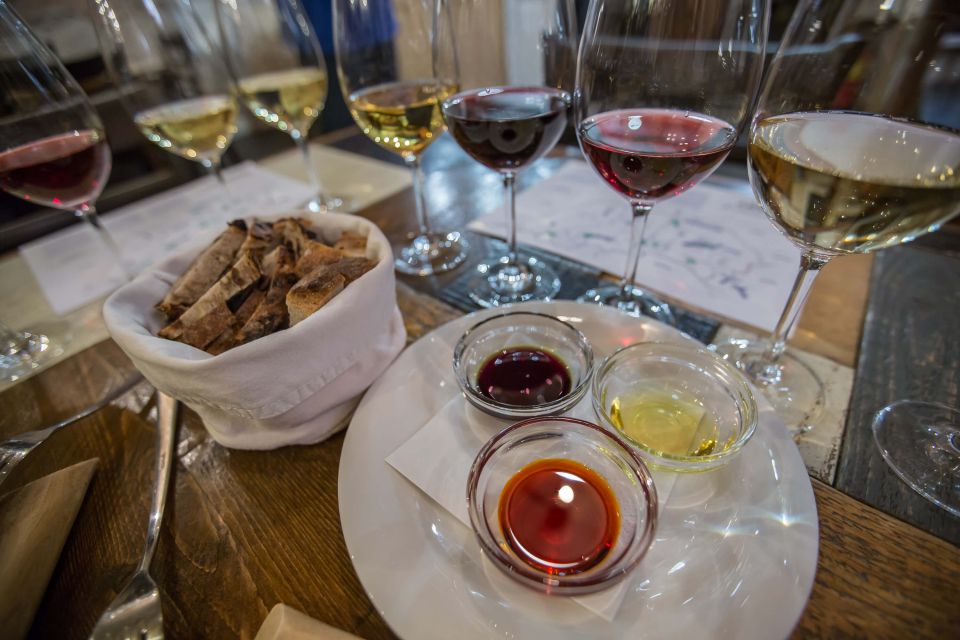
The whole experience is about 1.5 hours. That timing matters. You get enough time to taste five wines, smell and compare flavors, and still eat the board without rushing. It also keeps the experience focused on education and enjoyment rather than turning into a long, drawn-out event.
The format is simple:
- You sit with the group and taste in sequence.
- You get explanations tied directly to what’s in your glass.
- Each wine has a pairing alongside the cheese and charcuterie.
You also get tasting sheets, which is underrated. You can jot down what you like and what you want to remember later—especially helpful since Hungarian wine can be new territory for many visitors.
Five Hungarian wines: the best way to understand what Hungary tastes like
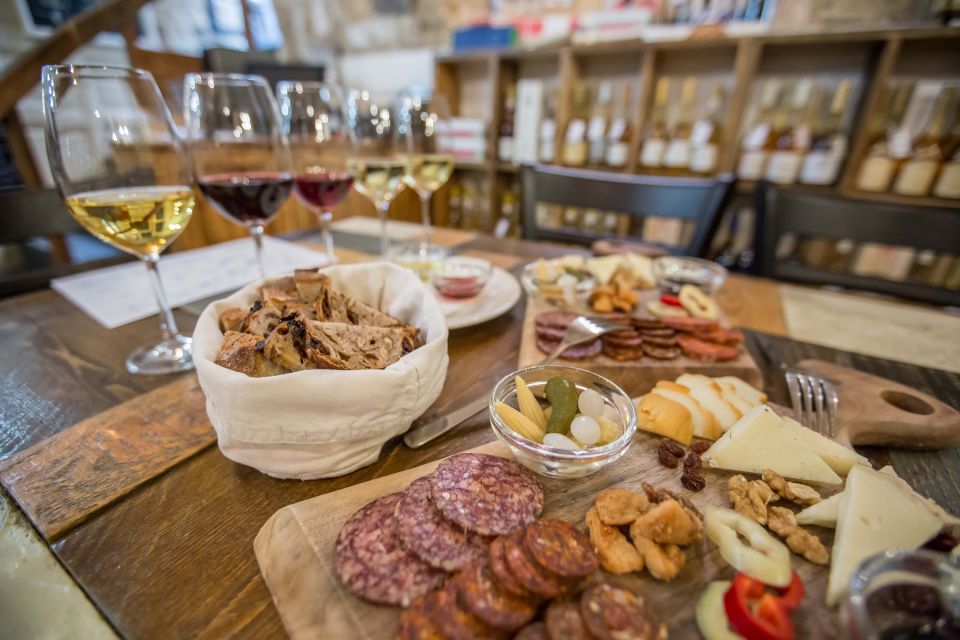
The lineup is designed to teach you how Hungarian wine hangs together. You’re not just sampling random bottles. The tastings aim to show indigenous grape varieties and the styles that make Hungary distinct.
Here’s the big idea: Hungary isn’t one single wine style. It’s a set of regions and traditions that create very different flavors—dry reds, whites, and finally a sweet wine that’s central to Hungary’s reputation.
From what you’ll experience, you can expect:
- A progression through different styles so your palate doesn’t get stuck on one flavor profile.
- Explanations about where the grapes come from and why the wines taste different.
- Help recognizing unique characteristics, including wines that may not be easy to find outside Hungary.
One practical bonus: this is the kind of tasting that helps you later when you’re scanning menus. Once you’ve tasted a few styles and learned the names, you’ll be better at spotting what you actually enjoy.
What the tasting sheet helps you do
You’ll get tasting sheets with a map of Hungarian wine regions. That’s not just paper. It helps you connect each wine to geography and then make sense of Hungary as a wine country rather than a list of labels.
I find it turns the experience from “fun tasting” into “take-home knowledge,” even if you’re not a wine nerd.
The Tokaj finish: why the sweet wine is more than dessert
The final pour is a glass of sweet wine from Tokaj. That’s a smart choice, and not only because sweet wine is a crowd-pleaser.
Tokaj is one of Hungary’s most important wine stories, and ending here gives you a strong finish. You can compare how the flavors feel after you’ve worked your way through drier wines and saltier bites from the board.
Sweet wines change your palate in a way that can make the earlier tastes feel more distinct. And if you’ve never had Tokaj before, this is the moment where Hungarian wine stops being unfamiliar and starts feeling memorable.
If you’re wondering whether to pay attention: yes. Even if sweet wine isn’t your usual style, Tokaj is the type of wine that expands your sense of what Hungary can do.
You can also read our reviews of more wine tours in Budapest

Cheese, charcuterie, bread, and artisan oils: the pairing logic
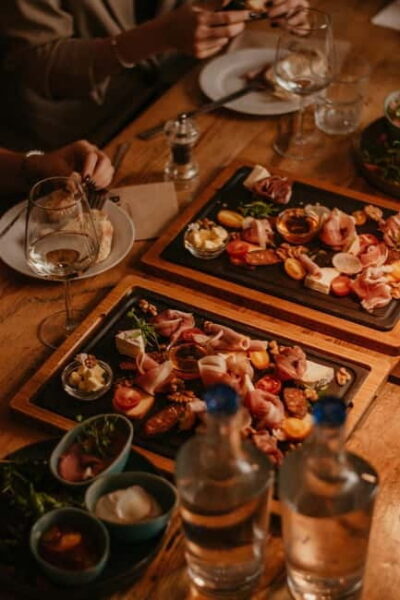
Food is a major part of the value here. You’ll get a cheese and charcuterie board alongside the wines, and it isn’t the generic “snack plate” version of wine pairing.
The experience explicitly includes a range of meats, and several are named:
- Mangalica pork sausages
- Free-range water buffalo salami
- Smoked duck breast
- Grey beef sausage
- Various styles of cheese
That’s a big deal if you want to taste Hungarian products rather than international cheese clichés. These items give you a spectrum of salty, smoky, and savory flavors, which is exactly what you want with wine tasting. You get to see how a wine changes when the food hits your mouth.
Bread and artisan oils: the palate reset you’ll notice
You also taste bread and artisan oils. This matters because oils and bread can cut through rich flavors and help you reset between pours. It keeps the tasting from turning into one long blur of meat and alcohol.
If you’ve ever done tastings where everything tastes similar at the end, you’ll appreciate this extra step.
If you have dietary limits
This includes charcuterie and named meat items, so it’s not built for strict vegetarian diets. If you eat cheese and bread but skip meats, you can still enjoy a good part of the board—but you’ll likely want to be okay with the fact that a lot of the pairing is meat-forward.
Sommelier-led in English: what makes the instruction feel useful
The tasting is led by a sommelier, and it’s conducted in English. The guide’s job isn’t to recite facts. It’s to point you toward what to taste and why it matters.
From the experience as described by guests, guides such as Thomas, Jon, Bence, and Sam have led tastings. The common thread is that the explanations are interactive and tied to the wines in front of you. That makes it easier to ask questions and get real answers instead of just listening.
A practical tip: use your tasting sheet during the talk. Jot down two things per wine:
1) One flavor note you noticed
2) One pairing you liked
Do that, and you’ll leave with a personal shortlist of what to look for later in Budapest bottle shops and wine bars.
Setting and group feel: why this doesn’t feel stiff
This is not a big, anonymous bus tour. People describe the experience as relaxed and engaging, with an intimate, cozy feel. In other words, you’ll probably talk to at least a few people, and the tasting doesn’t feel like you’re trapped in a script.
That matters if you’re traveling solo, on a couple trip, or in a small group. You can still enjoy the learning without worrying you’ll be ignored.
Also, since the venue is central, you can easily continue the day after the tasting—grab a drink nearby, pop into a shop, or just walk off the last sip.
Price and value: is $50 per person a fair deal?
At $50 per person, you’re paying for:
- 5 glasses of Hungarian wine
- a local cheese and charcuterie plate
- bread and artisan oils
- tasting sheets (with a wine-region map)
- an English sommelier-led format
The biggest value point is that it’s not “tasting size” wine. You get real pours—enough that you can actually learn what you prefer. And the food is part of the package, not an optional add-on.
If your goal is just to sample one or two wines, then $50 might feel high. But if you want an efficient way to understand Hungarian wine styles, paired with serious local food, this is one of those experiences that tends to feel worth it.
One more value angle: people often leave with a bottle they like. Even if you don’t plan on buying, it’s nice to know the tasting helps you pick a favorite confidently.
Practical tips before you go
A few small things make this smoother:
- Plan it as an early afternoon activity. With 1.5 hours, it’s great before dinner rather than late night.
- Take the tasting sheet seriously for at least the first two wines. Hungarian wine names can be hard to remember without notes.
- If you’re unsure about sweet wine, don’t skip paying attention to the Tokaj pour. That’s one of the best chances to understand the Hungarian wine story.
- If you don’t like pork or duck, plan your expectations around cheese and the parts of the board you can eat.
Should you book this Budapest wine and cheese tasting?
I’d book it if you want a focused introduction to Hungarian wine that’s connected to real food. The best reasons are straightforward: five wines in a row, a serious cheese-and-charcuterie pairing, and a sommelier explaining enough to help you remember what you tasted.
Skip it if you’re not interested in alcohol-heavy activities, or if you have strict dietary needs that would severely limit what you can eat. Also, if you’re the type who hates structured tasting formats, this may feel a bit guided.
If you’re on the fence, aim for this when you’re already in central Budapest. The location is easy, the timing fits nicely, and you’ll come away with names, styles, and flavors you can actually look for again.
FAQ
What is the duration of the Budapest wine, cheese, and charcuterie tasting?
It lasts about 1.5 hours.
How many wines are included?
You’ll taste five glasses of Hungarian wine.
What food is included besides the wines?
A local cheese and charcuterie plate is included, along with bread and artisan oil.
Where does the tasting take place?
The meeting point is The Tasting Table Budapest, Bródy Sándor utca 9, 1088 Budapest (District VIII).
Is the tour offered in English?
Yes. The live guide provides the experience in English.
What is the legal drinking age for Hungary?
The legal drinking age is 18 in Hungary.
Is this experience suitable for children?
No. It is not suitable for children under 18.
Can I cancel if my plans change?
Free cancellation is available up to 24 hours in advance for a full refund.