REVIEW · BUDAPEST
Hungarian Wine Tasting (with Cheese and Charcuterie) in Budapest
Book on Viator →Operated by Taste Hungary · Bookable on Viator
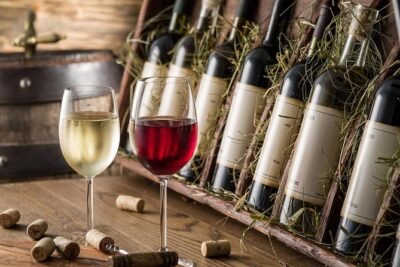
Budapest tastes different in a wine cellar. In the 19th-century Tasting Table Cellar, you get Hungarian wine and food together, not in a stuffy classroom.
I like that the session is guided by a real sommelier (I’ve heard names like Sam, Thomas, Tomasz, and Mathew show up depending on the night), and the explanations actually connect grapes to place.
I love the pairing focus: you’re served cheese and cured meats alongside five generous glasses of wine made from Hungarian varieties. One possible drawback: the board is high-quality, but if you expect a big, filling meal, you may find the portions on the lighter side.
In This Review
- Key things to know before you go
- Inside the Tasting Table Cellar: Budapest’s vaulted wine mood
- Meet the sommelier and get the Hungarian wine regions map
- Stop 1: Taste Hungary, with five indigenous wines and real pairings
- What makes the tasting work
- Possible drawback: the experience can feel timing-tight
- Cheese and charcuterie: the post-Communist comeback you can taste
- Why the pairing matters (even if you’re not a wine nerd)
- The quantity question
- The featured meats and cheeses: what you may see on your board
- Which wines you’ll likely taste, and why Hungarian grapes surprise people
- Tokaji can show up as a memorable finish
- Pacing, group size, and how to make the 90 minutes count
- English-friendly and solo-friendly: who this tasting suits best
- Vegetarian: possible with notice
- Value check: what $50 buys you in Budapest
- Practical logistics: how the day-of experience feels
- Should you book this Hungarian wine and cheese tasting?
Key things to know before you go
- 19th-century vaulted cellar setting in Budapest that keeps the vibe intimate and atmospheric
- Five wines from indigenous Hungarian grape varietals, served with a structured tasting approach
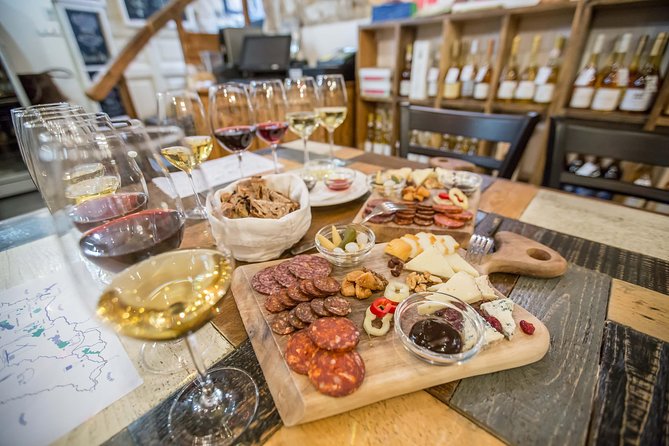
- Cheese and charcuterie lineup that can include beef sausage, smoked duck breast, free-range water buffalo salami, and Mangalica pork sausages
- Included tasting sheets and a map of Hungarian wine regions, so your learning sticks
- Communal seating for up to 24 people, easy to chat with your tablemates
- Vegetarian is possible with advance notice, so you can still enjoy the pairing experience
Inside the Tasting Table Cellar: Budapest’s vaulted wine mood
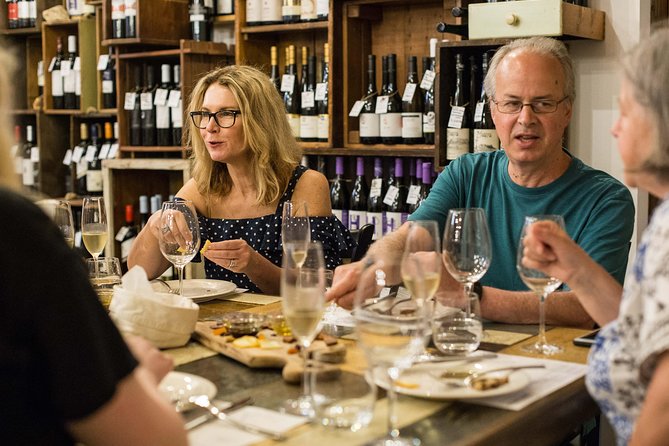
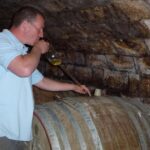
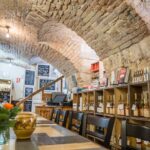
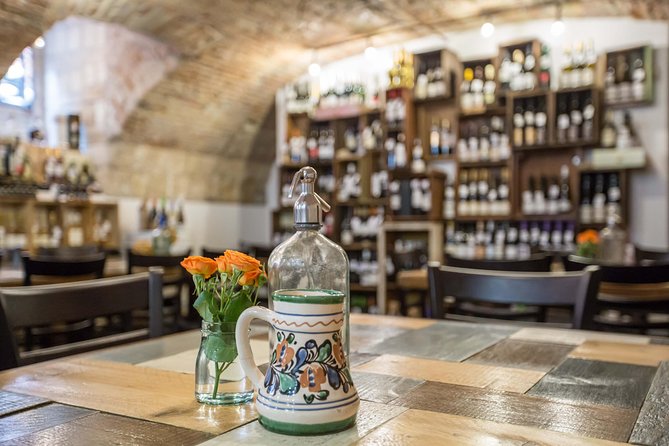
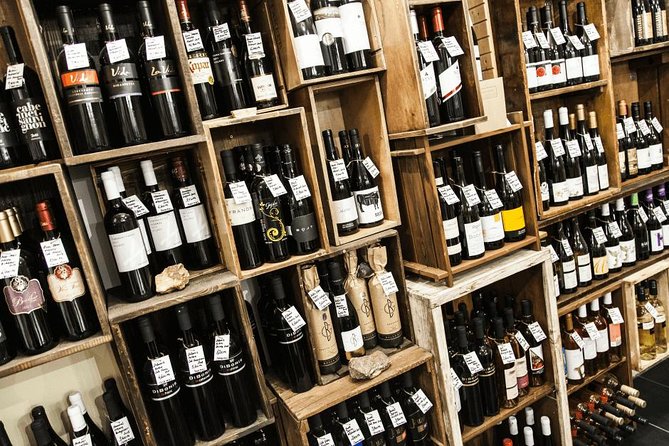
This tasting happens in the Tasting Table Cellar, with vaulted ceilings that make the whole thing feel like you’ve stepped into old Budapest. It’s the kind of room where the lighting, the stone, and the low-ceiling hush help you slow down and pay attention to flavors.
You’ll be seated at communal tables in the tasting room. That matters, because it turns the experience into something social without requiring awkward icebreakers.
The session runs about 90 minutes, starting at 3:00 pm. If you like your afternoons with a clear plan, this fits nicely between sightseeing blocks.
You can also read our reviews of more food & drink experiences in Budapest


Meet the sommelier and get the Hungarian wine regions map
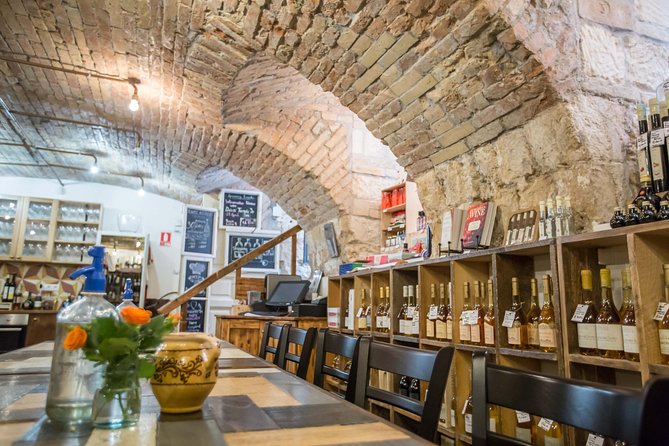
A resident sommelier leads the tasting and stays with your group for the whole session. You can ask questions about wine styles, grape traits, and the regions where they grow, and the tone stays friendly and practical.
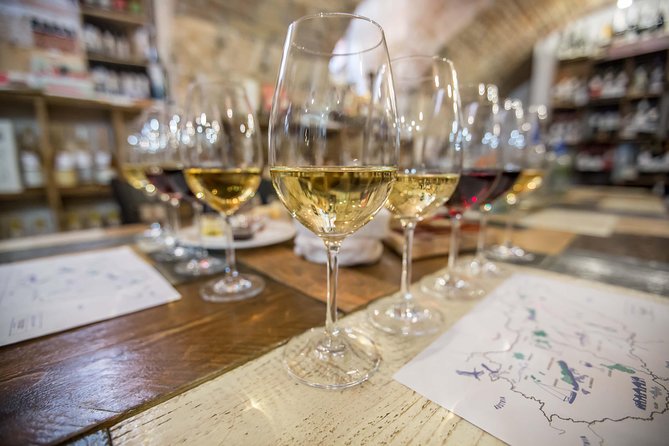
You also get tasting sheets plus a map of Hungarian wine regions. I like that kind of setup because it stops the information from becoming random trivia.
In real terms, you’re not just drinking. You’re learning how Hungarian wine differs from what many visitors expect, and why. The guide talks about the story of Hungarian viticulture and how wine culture evolved over time, so each glass has context.
Stop 1: Taste Hungary, with five indigenous wines and real pairings
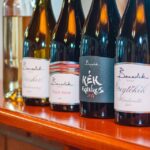
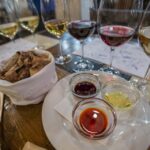
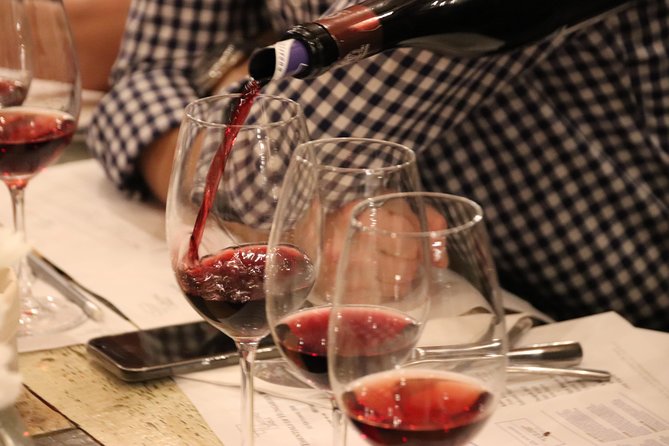
The core of the experience is one main tasting flow: Taste Hungary. This is where you sample five generous glasses of wine made from indigenous Hungarian grape varietals, not just a mix of international standards.
Each pour comes with commentary that links the wine to its flavor profile and the land behind it. That’s what you want on a short timeline—clear explanations that help you identify what you’re tasting.
What makes the tasting work
The format is built around pairing. You taste wine and then connect it to the cheese and cured meats in front of you. That’s a big deal because it trains your palate faster than sipping alone.
Also, the pacing tends to give you time to actually enjoy the glasses. In multiple sessions, I’ve seen the guides slow down for people to linger at their table, rather than rushing through everything like a conveyor belt.
Possible drawback: the experience can feel timing-tight
A few people have noted that they were nudged to wrap up early to make space for the next group. If you’re the type who likes to take extra time between courses, I’d plan a relaxed mindset and focus on enjoying the moment as it comes.
You can also read our reviews of more wine tours in Budapest

Cheese and charcuterie: the post-Communist comeback you can taste
Hungarian cheese and cured meats have a strong tradition, and the tasting touches the revival story after the end of the Communist era. The result is that you’re tasting modern artisanal products while still getting the background on why the foods changed and grew.
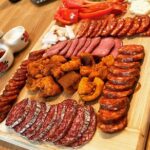
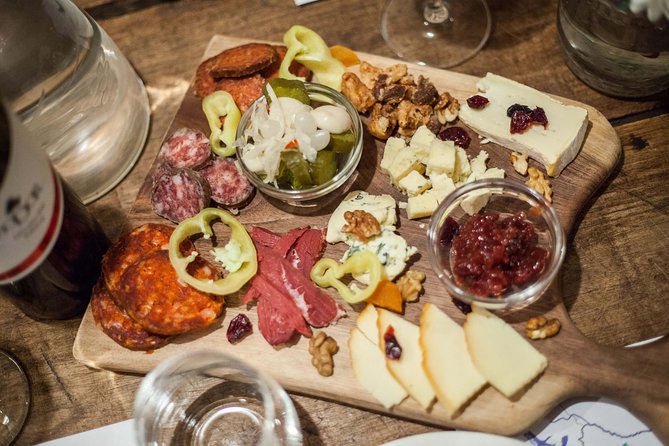
Your starter is a cheese and charcuterie board with local specialties. The included spread can include 4 kinds of cheeses and 4 kinds of cured meats, plus fresh artisan bread and mineral water.
Why the pairing matters (even if you’re not a wine nerd)
Cheese and cured meat do more than fill the table. They show you how Hungarian reds, whites, and specialty styles behave alongside salty, fatty, smoky, and sometimes gamey flavors.
That makes the wines easier to remember. You’re not just learning names; you’re learning what a wine tastes like next to specific foods.
The quantity question
Here’s the honest thing: at this price point, a few people felt the charcuterie side was slightly light in volume. The quality seems to land well, but if you’re a big eater, I’d plan to top up elsewhere after the tasting.
The featured meats and cheeses: what you may see on your board
The tasting includes a specific style of Hungarian selection. Depending on your session, you may encounter items like:
- Beef sausage
- Smoked duck breast
- Free-range water buffalo salami
- Mangalica pork sausages
On the cheese side, you’ll get four different cheeses as part of the board. Even without knowing the exact names ahead of time, the key point is variety: you’re tasting multiple textures and fat levels, which helps the wine pairing make sense.
Which wines you’ll likely taste, and why Hungarian grapes surprise people
The headline is that you’re drinking Hungarian wines made from indigenous grape varietals. That’s the part you’ll feel most the moment the glasses hit your table, because the flavor shapes are distinct from the grapes most people are used to.
You’ll also learn how Hungary’s wine regions connect to soil, climate, and style. That’s especially useful if you’re visiting more of the country later, because you’ll know what to look for.
Tokaji can show up as a memorable finish
In at least one session, the tasting finished with Tokaji, and it made sense as a closer because it gives a sweet-sour, aromatic signature that sticks in your mind. Since the exact lineup isn’t stated as guaranteed here, treat that as a possibility, not a promise.
Pacing, group size, and how to make the 90 minutes count
This isn’t a huge crowd situation. The group size is capped at 24 travelers, and you’ll sit at shared tables. That scale keeps it lively but not chaotic, and it’s often easier to ask questions when your group isn’t too large.
The tasting lasts about 1.5 hours. That’s long enough to learn how Hungarian wine works and short enough that you don’t lose the whole afternoon. If you hate sitting through long lectures, this timing is a win.
Practical tip: bring your curiosity. If you ask what kind of food a wine loves, what style you should try next, or what region it comes from, the guide can tailor the conversation to what you care about.
English-friendly and solo-friendly: who this tasting suits best
The tasting is offered in English, and the tone is designed for real people, not just certified wine professionals. If you’re on your first visit to Hungarian wine, this is a great starting point because it gives you a framework quickly.
It also works well if you’re traveling solo. Communal tables mean you’ll likely end up chatting with other people nearby, and the shared wine-and-food structure makes conversation easy.
This experience is ideal if you enjoy good food and drink, and you like learning while you eat. If you prefer ultra-technical tastings with lab-like analysis, you might want something more specialized—but for most visitors, the mix of story, pairing, and taste hits the sweet spot.
Vegetarian: possible with notice
Vegetarians are welcome, but you should let the organizers know in advance so alternatives can be prepared. If you wait until the day of, you might find options limited, so plan ahead.
Value check: what $50 buys you in Budapest
At $50 per person, you’re paying for more than sips of wine. You get:
- Five glasses of wine
- 4 cheeses and 4 cured meats
- Bread and mineral water
- A professional sommelier
- Tasting sheets and a map of Hungarian wine regions
That’s the value story. You’re not just buying wine. You’re buying education plus curated food that makes the tasting meaningful.
Is it a heavy meal? Not really. The board is designed for pairing, not to replace dinner. So if you tend to eat big portions, pair it with a plan for food afterward.
Practical logistics: how the day-of experience feels
You’ll use a mobile ticket. Confirmation arrives at booking time, and you’ll meet at the Tasting Table Cellar by Taste Hungary at Bródy Sándor u. 9, 1088 Budapest.
It’s described as near public transportation, which helps because Budapest can be a lot of walking. If you’re visiting earlier sites that day, try not to schedule anything too tight right before the 3:00 pm start.
One more note: the legal drinking age is 18 in Hungary, so the tasting is for adults.
Should you book this Hungarian wine and cheese tasting?
Book it if you want a high-value Hungarian wine tasting in Budapest that pairs wine with real food and gives you a clear map of the regions and grape styles. It’s a strong choice for first-timers, food lovers, and anyone who wants a friendly 90-minute experience without getting stuck in a long lecture.
Skip it (or consider another option) if you’re mainly after a large, filling meal or you get frustrated by sessions that may move on to the next group on schedule. In that case, you can still enjoy the wines, but manage your expectations on portion size and timing.
If you like your travel with taste, this is an easy afternoon yes.