REVIEW · BUDAPEST
Budapest’s TOP Sights Evening Cruise & Welcome Drink
Book on Viator →Operated by Explore Budapest by Boat! · Bookable on Viator
Budapest glows best from the Danube. This short evening cruise strings together major landmarks on both banks, with an onboard welcome drink and photo stops like the Panorama Terrace to capture the city at night. You get an efficient way to see the big hitters—Hungarian Parliament, Buda Castle, Matthias Church, and the bridges—without spending your whole evening hopping between neighborhoods.
The one drawback to watch for: timing. If your departure is still bright out, you can miss some of the full-on lit-up effect, and glare can make photos harder from the river.
In This Review
- Key Points to Know Before You Go
- A One-Hour Danube Line-Up of Budapest’s Biggest Icons
- Where the Cruise Starts: The Shoes on the Danube
- Drinks Included: What You Actually Get, and How to Use It
- Panorama Terrace and the Photo Reality of Budapest at Night
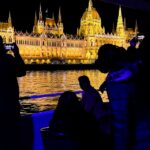
- Parliament to Margaret Bridge: The Riverfront Icons That Define Budapest
- Matthias Church and the Buda Castle Area: Where the City Gets Dramatic
- Gellért Hill, Citadella, and Liberty Statue: Views with a Side of History
- Gellért Spa, BME, and the Cultural Stops You Can Spot Later
- Liberty Bridge and the Final Stretch Back to Shoes on the Danube
- Onboard Comfort, Audio Commentary, and How to Avoid Photo Frustration
- Kossuth Museum Ship: An Easy Add-On If You Want More
- Price and Value: Why This One Costs About $23
- Who Should Book This Danube Evening Cruise
- Should You Book? My Decision Guide
- FAQ
- How long is the Budapest Danube evening cruise?
- Where does the tour start and end?
- What’s included in the price?
- Are drinks available for purchase onboard?
- Is the ticket mobile?
- Is there WiFi on the boat?
- Is there a restroom onboard?
- Is the cruise always running, or does weather matter?
- How big are the groups?
Key Points to Know Before You Go
- One hour, 20+ sights: Great for a first pass when your schedule is tight.
- Welcome drink included: Check in for your drink coupon/token so it’s ready when you board.
- Panorama Terrace photos: A dedicated moment to shoot Budapest lit up at night.
- Bluetooth-free viewing: There’s onboard WiFi and a warm, practical setup for an easy cruise.
- Audio/GPS commentary: The commentary is synced, but volume and clarity can vary depending on where you sit.
- Extra drinks available: Bars are onboard, so you can keep the night going if you want.
A One-Hour Danube Line-Up of Budapest’s Biggest Icons
If you want Budapest’s night vibe without a long bus day, this cruise is built for you. In about an hour, you glide past the river’s top attractions on both sides, which means less decision-making and more actually looking. It’s especially useful early in your trip when you’re still figuring out where everything sits.
What makes it work is the pace. You’re not wandering for hours, and you’re not stuck only near one famous spot. Instead, the boat keeps moving, so landmarks roll by in a natural sequence—Parliament, then bridges, then the castle and church area, and back toward the city’s lights. That kind of flow helps you build a mental map fast.
I also like that you’re not forced into museum mode. The included coffee/tea and soft drinks (plus alcoholic beverages as part of the package) keep things casual. You can stay focused on the view, or step back for a moment with your drink and let the city do the talking.
You can also read our reviews of more boat tours in Budapest

Where the Cruise Starts: The Shoes on the Danube
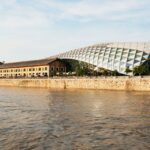
Your cruise begins at the Shoes on the Danube Bank (Budapest 1054). It’s a striking meeting point that puts you right on the river where the action starts. It also makes the whole thing easier for first-timers: you’re not hunting obscure side streets or needing a complicated transfer.
The tour ends at the same pontoon. That roundtrip setup is a small detail, but it matters. You don’t have to plan your next leg of the night immediately—you can just walk off and decide what sounds good next.
This location also helps with timing. You can arrive, settle in, and be ready when the boat pulls away. If you’re the type who likes to get photos at the start of a trip, this area is a good base because it’s already a photo stop in its own right.
Drinks Included: What You Actually Get, and How to Use It
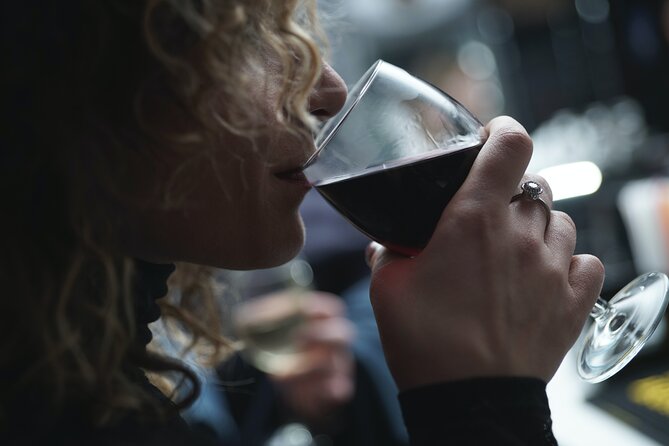
This is a value-minded cruise, and the included drink is part of that equation. You should plan to get your welcome drink (and your choice of options like soda/pop, coffee/tea, and alcoholic drinks depending on what’s offered with your package). The ship also has bars onboard, so you can buy more if you want.
Here’s the practical tip: don’t wait until you’re thirsty to handle your drink token/coupon. Some confusion shows up when people don’t check in, so I’d treat check-in as step one. If you do it right away, your drink is usually straightforward.
A second thing to know: onboard reflection can compete with the view. If glare is bad on your side of the boat, having a drink and staying flexible helps. You’ll still get plenty of photo chances as the boat changes angle.
Panorama Terrace and the Photo Reality of Budapest at Night
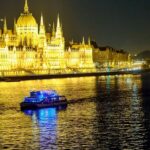
One of the highlights is the Panorama Terrace for photos. Even if you’re not a serious photographer, you’ll appreciate a moment where the city looks staged for you. Budapest’s illuminated riverfront can look unreal, and that terrace time helps you grab a clean shot without constantly shifting positions.
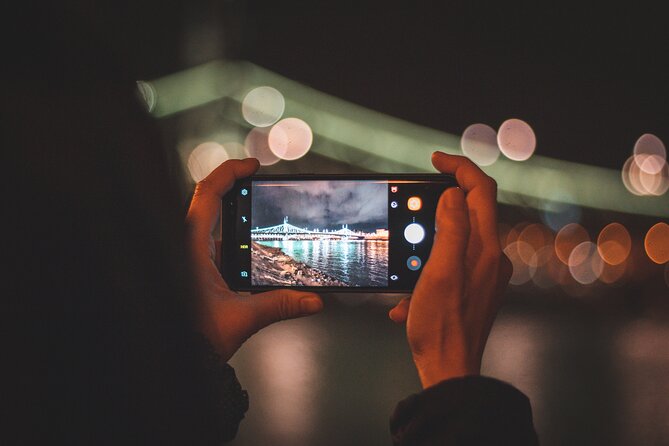
That said, night photos on the Danube aren’t automatically easy. The boat’s lights and reflections on the water and windows can interfere. If you’re serious about photos, bring your patience—and consider positioning yourself for the best view rather than staying glued to one spot.
Also, watch the clock. If the cruise happens before it’s fully dark, the city will look pretty but not as dramatic. Some people prefer booking a later slot for the strongest lit-up effect, especially in warmer months when sunset hangs around longer.
Parliament to Margaret Bridge: The Riverfront Icons That Define Budapest
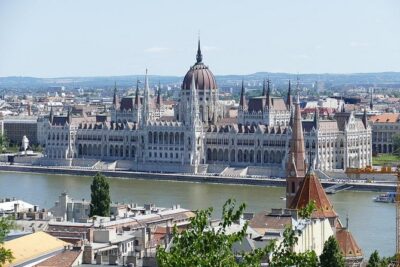
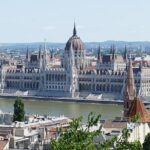
The cruise’s opening stretch is a crowd-pleaser for a reason. The Hungarian Parliament Building dominates the skyline on the Pest side. Completed in 1904, it’s huge, with a red dome reaching 96 meters. Architecturally, it blends Gothic Revival and Renaissance Revival styles, and the scale alone sets the tone for the whole river ride.
Next comes the Margaret Bridge, completed in 1876. It’s one of the older public bridges in Budapest and connects Buda and Pest. It’s named after Princess Margaret, the daughter of King Béla IV, who lived on the nearby Margaret Island. Even the bridge’s history reads like a mini timeline of the city—damaged during WWII and rebuilt with a simplified design.
This part of the cruise is where you start to feel the rhythm of Budapest. The Parliament is stately and unmistakable. Then the bridge gives you a transition—moving you from one landmark cluster to the next while giving you changing angles across the river.
You can also read our reviews of more evening experiences in Budapest

Matthias Church and the Buda Castle Area: Where the City Gets Dramatic

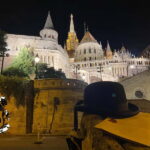
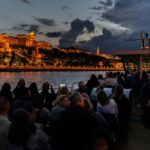
As you glide toward Matthias Church, you’ll see why people stop dead in this area. The Church of Our Lady dates back to the 13th century, with an original Romanesque foundation, later rebuilt in Gothic style in the 14th century. What makes it pop is the mix of Gothic, Renaissance, and Baroque elements, plus the colorful stained glass and the distinctive patterned tile roof.
Matthias Church also has royal significance. It was the site of royal weddings and coronations, which adds weight to what you’re seeing. From the river, you’re not getting the close-up details like you would on foot, but you’ll still understand the importance of the setting.
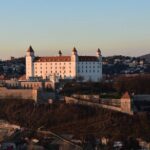
Then the cruise shifts toward Buda Castle, also known as the Royal Palace. The castle complex has been rebuilt and reshaped multiple times since its original 14th-century construction. Today it’s a UNESCO World Heritage Site and it houses museums such as the Hungarian National Gallery and Budapest History Museum. On the boat, what stands out is the silhouette and the feeling of power from that elevated viewpoint.
If you want a deeper experience later, this is the part that tells you where to go next. The cruise is your preview; the castle area is your next chapter.
Gellért Hill, Citadella, and Liberty Statue: Views with a Side of History
Gellért Hill sits on the western bank and rises to 235 meters, giving you a naturally strategic overlook. It’s named after Saint Gellért, a bishop martyred in Hungary in the 11th century. Even if you never step onto the hill during this cruise, passing by this section helps you understand how the city protects and presents itself.
This area is tied to two major landmarks:
- The Citadella fortress, built by the Habsburgs in the mid-19th century, used as a barracks and prison before becoming a tourist attraction.
- The Liberty Statue, a 14-meter-tall figure erected in 1947 to commemorate Soviet liberation from Nazi occupation in WWII.
From the river, you get a sense of placement rather than a full walkthrough. But that’s exactly what a cruise is good at: it gives you orientation. You’ll likely spot these shapes again if you later visit viewpoints on the Buda side.
Gellért Spa, BME, and the Cultural Stops You Can Spot Later
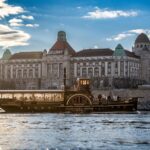
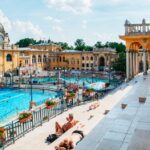
As the boat moves along the Buda side, you pass the Gellért Spa, an iconic thermal bath built in Art Nouveau style and completed in 1918. People come for the mosaics, stained glass, and thermal pools. The spa also has indoor and outdoor options, plus saunas and steam rooms.
It’s not a bath visit day on this cruise, but it’s a good way to put a famous building on your mental map. If you plan to soak during your trip, this gives you your first visual reference point.
You’ll also pass landmarks tied to modern Hungary, including the Budapest University of Technology and Economics (BME), founded in 1782. It’s known as the oldest and largest technical university in the country, with faculties across engineering, computer science, natural sciences, economics, and more.
And then there are cultural institutions visible from the river route—like the Museum of Contemporary Arts and the National Theater of Hungary. You won’t get tickets or entry on the boat, but you’ll know where those buildings belong if you decide to explore later.
Liberty Bridge and the Final Stretch Back to Shoes on the Danube
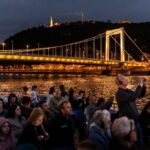
The Liberty Bridge (Szabadság híd) is a signature crossing. It was built between 1894 and 1896 and was originally named after Emperor Franz Joseph I. It’s a suspension bridge with a distinctive green color that was added during a renovation in the 1980s.
World War II left its mark here, too—damage during retreating German forces, followed by rebuilding and later renaming in honor of Hungary’s 1945 liberation from Nazi occupation.
This is the kind of landmark that makes the cruise feel complete. Early in the trip you’ve been focused on big symbolism (Parliament, churches, castles). Now you see a bridge tied to modern identity and movement—pedestrians and vehicles use it, and it’s an important link between Buda and Pest.
When you return to the Shoes on the Danube, you’ve basically covered an evening’s worth of Budapest architecture in one easy loop.
Onboard Comfort, Audio Commentary, and How to Avoid Photo Frustration
The cruise is built to be comfortable enough for a one-hour ride. There’s a restroom onboard, plus onboard WiFi and air-conditioned comfort. Background music plays, and there’s commentary as you pass each sight.
Here’s where you should set expectations: commentary quality depends on how you listen. Some parts can be clearer than others, and it can be harder to identify which building is being described if you’re not positioned well. If you notice audio is hard to hear, I’d switch seats early rather than waiting for the issue to fix itself.
Light can also create trouble. One downside that pops up is reflections on the water or windows, which can make cameras struggle—especially if the cruise is earlier in the evening. If you know you’re sensitive to glare, bring simple strategies: wipe your lens, hold your phone slightly different angles, and be willing to move along the deck.
Finally, the vibe on board can depend on how full it gets. The maximum group size is up to 150, but not every departure feels crowded. Some trips run light enough for better photo viewing from both sides.
Kossuth Museum Ship: An Easy Add-On If You Want More
One neat extra in this experience is the option to stop by the Kossuth Museum ship for free either before or after your cruise. If you like short add-ons that deepen context without turning your evening into a museum marathon, this fits well.
It also gives you something to do while the light changes. In practice, it works like a flexible bridge between the cruise and your next dinner plan.
Price and Value: Why This One Costs About $23
At around $23.11 per person, this cruise is priced for people who want the Danube night experience without a big commitment. You’re paying for the convenience: a timed route, an onboard set-up, and an included welcome drink plus tea/coffee/soft options.
What makes it good value is the mix of practicality and wow factor:
- you see major sights in a single hour
- you don’t need to coordinate multiple transport hops
- the cruise keeps the city moving past you, which saves time and energy
It also helps that the experience is flexible in how you spend the night. You can keep it simple with the included drink, or buy extra at the bar if you want to extend the mood.
If you’re strict about wanting the darkest night lighting, choose your departure time carefully. That’s the one place where value can feel better or worse depending on sunset and glare.
Who Should Book This Danube Evening Cruise
This is a great match if you:
- have limited time and want a quick “greatest hits” loop
- want an easy way to see Budapest’s night lighting
- like photo opportunities without planning multiple stops on foot
- want a casual evening with coffee/tea and an included drink
It may not be your best pick if you:
- are very sensitive to glare and want zero photo obstacles
- need perfect clarity from a low-volume audio setup
- only care about the city being fully dark and dramatic (timing matters)
Should You Book? My Decision Guide
I’d book this if your priority is an efficient, low-stress Budapest evening with the river doing the work. The route covers the landmarks you’ll be thinking about all trip—Parliament, Matthias Church, Buda Castle, Gellért Hill, and the bridges—and the included welcome drink makes it feel like more than just a scenic boat ride.
To get the best experience, do three things:
- arrive on time for check-in so your drink setup is smooth
- pick a later slot if you want the full lit-up effect
- position yourself for photos early, then move as the light changes
If you want a simple night out that helps you understand the city fast, this cruise is a solid choice.
FAQ
How long is the Budapest Danube evening cruise?
It lasts about 1 hour.
Where does the tour start and end?
The meeting point and the end point are at Shoes on the Danube Bank (Budapest 1054). It’s a roundtrip and returns to the same pontoon.
What’s included in the price?
The experience includes alcoholic beverages, soda/pop, coffee and/or tea, background music, WiFi on board, a restroom on board, and an air-conditioned vehicle. A welcome drink is part of the experience.
Are drinks available for purchase onboard?
Yes. There are bars onboard, so you can buy extra drinks if you want.
Is the ticket mobile?
Yes, it’s listed as a mobile ticket.
Is there WiFi on the boat?
WiFi is included on board.
Is there a restroom onboard?
Yes, there is a restroom onboard.
Is the cruise always running, or does weather matter?
It requires good weather. If it’s canceled due to poor weather, you’ll be offered a different date or a full refund.
How big are the groups?
The maximum number of travelers is 150.