REVIEW · BUDAPEST
Communism in Hungary with a Historian
Book on Viator →Operated by Budapest Explorers · Bookable on Viator
Budapest has more than one way to tell its story. This 3-hour Communism in Hungary walk uses real street-level monuments and guide-led context to explain how the system shaped daily life. You’ll move through Buda and Pest with a group cap of 10 and hear human-scale stories, not just dates.
I love how the tour blends politics and everyday reality—from how apartments and jobs worked to what churches and ordinary people did to survive. I also like the pacing: it’s guided, but you still get time at each stop to ask questions and connect the dots across neighborhoods. Guides I met while studying this topic (like Judit, Raymond, and Gábor from the tour team) are big on turning the city into a story you can follow.
One drawback to note: most key sights here are covered from the outside. If you want inside access to places like St. Stephen’s Basilica or the Hungarian Parliament Building, you’ll need to plan for separate tickets since this tour’s admissions are not included for those stops.
In This Review
- Key highlights worth planning for
- Why Budapest’s Communist Past Feels Different With a Guide
- Metro, Meeting Points, and Small-Group Flow in Buda and Pest
- Elizabeth Square and the Former Stalin Square Story You Can Still See
- St. Stephen’s Basilica: Religion, Public Life, and What Survived
- Szabadság tér: Embassies, Memorials, and a Bunker You Can View Outside
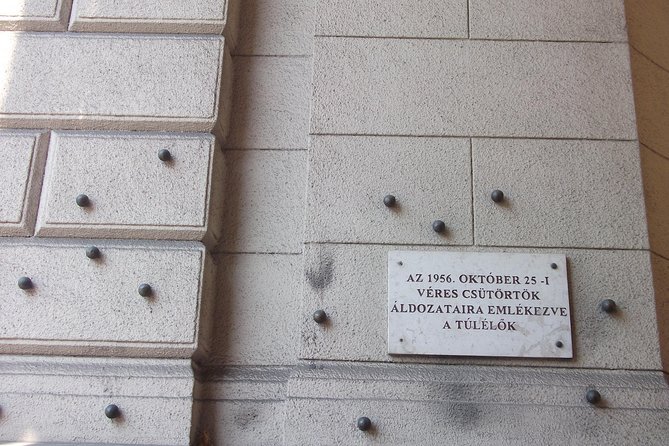
- The Hungarian Parliament and Bloody Thursday of 1956
- Bambi Café and the Coffee-Plus-Context End of the Tour
- Price, Timing, and Value for a 3-Hour Communism Tour
- Who Should Book This Tour (and Who Might Want a Different One)
- Should You Book? My Practical Take
- FAQ
- How long is the Communism in Hungary tour?
- Where do I meet the guide?
- What time does the tour start?
- What language is the tour offered in?
- How big is the group?
- Are metro tickets included?
- Is coffee included?
- Do I need separate tickets for St. Stephen’s Basilica or the Hungarian Parliament Building?
- What’s the cancellation policy?
Key highlights worth planning for
- Elizabeth Square (the former Stalin square) with monuments and the stories behind them
- Metro ride with tickets included, which helps you actually understand the geography
- Szabadság tér remnants of Communism, including memorials, statues, embassies, and even a bunker piece you can view from outside
- 1956 Revolution context at the Hungarian Parliament area, focused on Bloody Thursday
- A communist-style café stop with coffee included, usually ending at Bambi Café
Why Budapest’s Communist Past Feels Different With a Guide
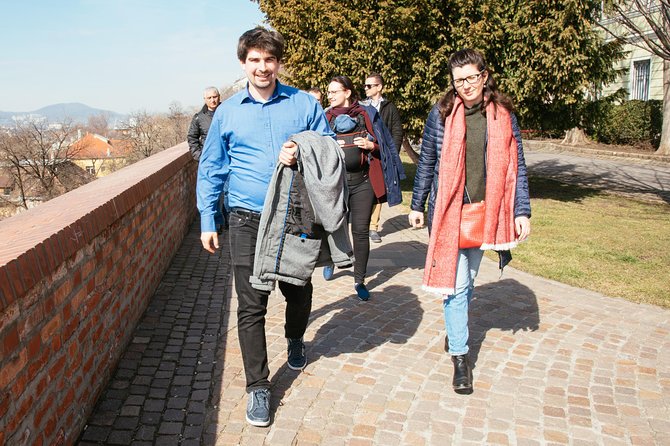
Communism in Hungary isn’t something you only read about. It’s written into the city you walk every day—squares renamed, monuments repurposed, and buildings that made life feel controlled even when nothing seemed to be happening.
On this tour, the guide helps you translate what you’re seeing into how people lived. You’ll hear family and personal stories that connect the political system to jobs, housing, religious life, fear, and everyday choices. This is the big value: you leave with explanations you can carry back into any conversation about modern Hungary.
The group size matters too. With a maximum of 10, the guide can answer your questions without rushing you along. That’s rare on city tours, and it makes the walking pace feel more like a conversation with a smart friend who knows the city inside out.
You can also read our reviews of more tours and experiences in Budapest.

Metro, Meeting Points, and Small-Group Flow in Buda and Pest
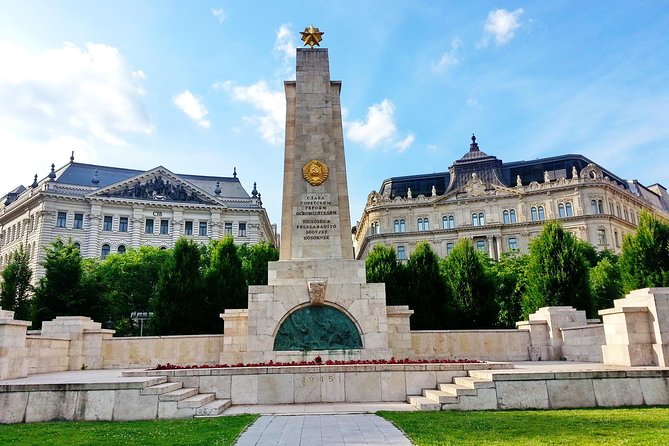
You start at Kempinski Hotel Corvinus Budapest (Erzsébet tér 7–8), and you’ll work your way through both sides of the city. The tour is timed to move efficiently, and you’ll take the metro with tickets included, so you’re not just hopping between stops by taxi or slow surface routes.
You also get a clear endpoint. The tour usually finishes at Bambi Café on the Buda side, close to the center and Margaret Bridge. On colder or wetter days, the ending often shifts to the Pest side closer to the tour’s start area—useful if you don’t want to do extra fuss when the weather turns.
Since this is an approximately 3-hour walk, I’d plan it like a “busy afternoon” item, not a lazy stroll. Wear comfortable shoes and bring a layer. Even with a short walking day, you’ll spend time outside looking at monuments, embassies, and big institutions.
Elizabeth Square and the Former Stalin Square Story You Can Still See
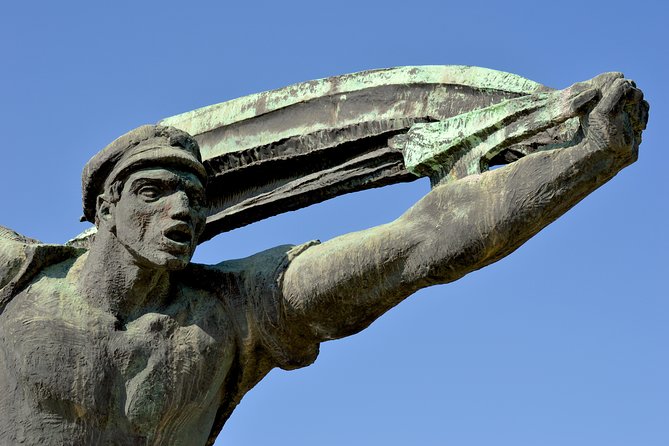
You begin at Elizabeth Square, a place with a heavy past. The tour frames it as the former Stalin square, and you’ll learn how public spaces were used to project power and rewrite meaning.
This stop is short—about 15 minutes—but it’s the kind of start that changes how you look at everything that comes next. Once you understand the “why” behind a renamed square, nearby buildings and monuments don’t feel random anymore. They feel like pieces of a larger design.
A practical tip: take a few seconds before the guide starts talking to look around without moving. When your brain has a quick map in place, the stories land faster, and you’ll remember more.
St. Stephen’s Basilica: Religion, Public Life, and What Survived
Next is St. Stephen’s Basilica (Szent István Bazilika), covered largely from the outside (you’ll walk by and see it from outside). The theme here is religion during Communism—how religious institutions navigated pressure, restrictions, and the state’s need to control public life.
The tour notes family stories as part of this theme. That helps because you’re not only hearing doctrine-level history; you’re hearing how people tried to keep faith and community life going inside a system that wanted loyalty and compliance.
Admission isn’t included for this stop. If you’re the type who wants to see the interior, I’d treat this tour as your guide-led “big picture,” then add an optional visit separately on another day when you can control the timing and ticketing.
Szabadság tér: Embassies, Memorials, and a Bunker You Can View Outside
Szabadság tér is where the tour starts to feel like modern Budapest with historical tension layered on top. Expect about 45 minutes here, which is long enough to actually notice details beyond the headline.
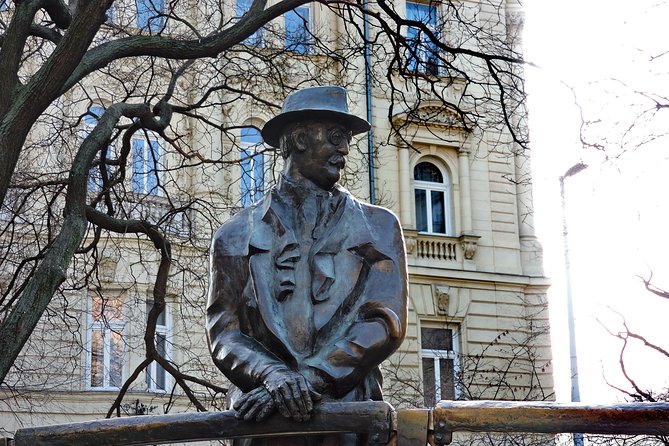
You’ll see remnants connected to Communism through things like memorials, statues, and embassies. That mix is important. It shows how political history doesn’t sit in a museum box—it stays in the same streets people still use.
One of the standout details is that you’ll also see part of a bunker from the outside. Even without entering anything, the guide’s explanation helps the bunker stop being “just a weird building feature.” It becomes a clue about how the state prepared for fear, conflict, and instability.
This is also a great moment to ask questions. If you’ve wondered how the system affected education, daily routines, or whether people talked openly, this is the stop where those threads tend to connect.

The Hungarian Parliament and Bloody Thursday of 1956
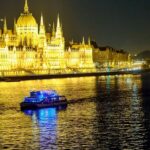
The tour then moves to the Hungarian Parliament Building area, with a focus on one of the key moments of the 1956 Revolution. The spotlight is Bloody Thursday, which the tour ties to Kossuth Square, in front of the Parliament.
This stop is shorter—around 15 minutes—but it’s one of the most emotionally charged points on the walk. Knowing the political stakes of 1956 changes how you read the surrounding architecture and public space. Instead of just seeing a landmark, you understand why people would risk everything for change.
Admission isn’t included here either, so you’re viewing and learning from the outside. That actually works for the tour’s purpose. The point isn’t to become a ticketed sightseer—it’s to understand how events unfolded in public space, and why that mattered.
Bambi Café and the Coffee-Plus-Context End of the Tour
The final stop is the one that feels most like a time capsule: Bambi Café. The tour wraps up here on the Buda side in many cases, and you’ll also get coffee included at this communist-style café.
This is where the history stops being abstract. Over coffee, you’ll talk through what you’ve seen: why monuments were placed where they were, how everyday life adapted, and what people did when speaking up could bring consequences. I like tour endings like this because it gives your brain time to consolidate the story while you’re still physically close to the sites.
One especially useful detail: Bambi Café opened in 1961 and, according to the tour’s own context, hasn’t changed too much since. Even if you’re not a café person, that continuity adds a layer you don’t get from a quick “photo and go” stop.
Price, Timing, and Value for a 3-Hour Communism Tour
At $59.13 per person for about 3 hours, this tour prices like a serious guided experience rather than a budget sightseeing shuffle. The value comes from several things you don’t always get together:
- Metro tickets included, which saves time and makes the route easier
- A small group cap of 10, which helps you get answers instead of just hearing announcements
- A guided story focus with family/personal anecdotes, which turns landmarks into context
- A coffee-included ending, so the tour has a built-in “slow down” moment
Also, because the tour covers Buda and Pest and connects multiple sites, it’s a good choice when you only have limited time in Budapest. If you’re the type who likes to read about the Cold War but feels lost when it becomes a list of facts, this format helps. You’ll understand why one square and one monument link to the next.
If your goal is only to see buildings for photos, you might find parts too focused on explanation and outside viewing. But if you want a workable mental map of how Communism shaped the city—and how people coped—this tour is well matched.
Who Should Book This Tour (and Who Might Want a Different One)
This is a great fit if you:
- Want a hands-on historical walk that connects political events to daily life
- Like asking questions and hearing family-level stories (guides such as Judit, Raymond, Gabriel, Greg, András, Virág, and Gábor have been highlighted for engaging, story-driven guiding)
- Plan to stay in Budapest long enough to pair this tour with other stops on 20th-century history
It may not be ideal if you’re seeking only inside access to major monuments. Since key sights like St. Stephen’s Basilica and the Hungarian Parliament are covered from the outside and admissions aren’t included, you’ll need separate plans if interiors are your priority.
One more note: this Communism-focused route does not center on synagogue visits. If that’s a major interest for you, plan a separate, dedicated tour for that topic.
Should You Book? My Practical Take
I’d book this tour if you want more than a “what happened” timeline. You’ll come away with a clearer sense of how the system affected housing, religion, work, and public behavior, plus a city map that makes the landmarks feel connected instead of random.
If you’re sensitive to heavy topics, I’d still say the tone is designed to be human and understandable, not just grim. And because it’s a small group, you’ll usually be able to pace your questions without feeling like the guide has to bulldoze through the material.
If you’re short on time in Budapest and want one guided experience that explains how the city got shaped by the 20th century, this is a strong bet. Then you can spend the rest of your visit walking on your own with your new context switched on.
FAQ
How long is the Communism in Hungary tour?
It lasts about 3 hours (approx.).
Where do I meet the guide?
You meet at Kempinski Hotel Corvinus Budapest, Erzsébet tér 7–8, 1051 Hungary.
What time does the tour start?
The start time is 2:00 pm.
What language is the tour offered in?
The tour is offered in English.
How big is the group?
The tour has a maximum of 10 travelers.
Are metro tickets included?
Yes. The tour includes travel by metro with tickets included.
Is coffee included?
Yes. The tour includes a communist-style café stop with coffee included.
Do I need separate tickets for St. Stephen’s Basilica or the Hungarian Parliament Building?
Admission is not included for St. Stephen’s Basilica and the Hungarian Parliament Building, since the tour covers them from the outside.
What’s the cancellation policy?
You can cancel for a full refund if you cancel at least 24 hours before the experience’s start time.