
REVIEW · BUDAPEST
Escape Rooms by PanIQ Room in Budapest
Book on GetYourGuide →Operated by PÁNiQ SZOBA · Bookable on GetYourGuide
Budapest turns into a detective movie for an hour. PanIQ Room throws you into puzzle-heavy rooms with 13 different storylines, so every game feels like its own mission instead of a repeat of the same tasks. I like how the details are built to keep you focused, not just searching for random props.
What I really liked is the straightforward location and the game rhythm: you’re briefed, you start fast, and you’re not left wondering what to do. One thing to keep in mind is that if you ask for hints, the language support can be a tiny bit uneven depending on your game master’s English vs Hungarian pace.
In This Review
- Key things to know before you go
- Where PanIQ Room Fits Into a Budapest Day
- Picking Your One-Hour Mission From 13 Themed Rooms
- What Happens Before the Timer Starts (Briefing, Rules, and Setup)
- How Hints Work: Walkie-Talkie Assistance When You Get Stuck
- Inside the Rooms: What the Puzzles and Sets Actually Feel Like
- Timing Pressure: Your Best Strategy for the Last 10 Minutes
- Price and Value: Is $20 a Good Deal?
- Photos and the End-of-Game Wrap-Up
- Who This Experience Suits (And Who Should Skip It)
- Practical Tips So You Don’t Lose Minutes
- Should You Book Escape Rooms by PanIQ Room in Budapest?
- FAQ
- Where is the meeting point for PanIQ Room?
- How long does the escape room game last?
- How much does it cost per person?
- What languages are game masters available in?
- Are cameras allowed during the game?
- Is it suitable for children?
- Do you get help during the escape room?
Key things to know before you go
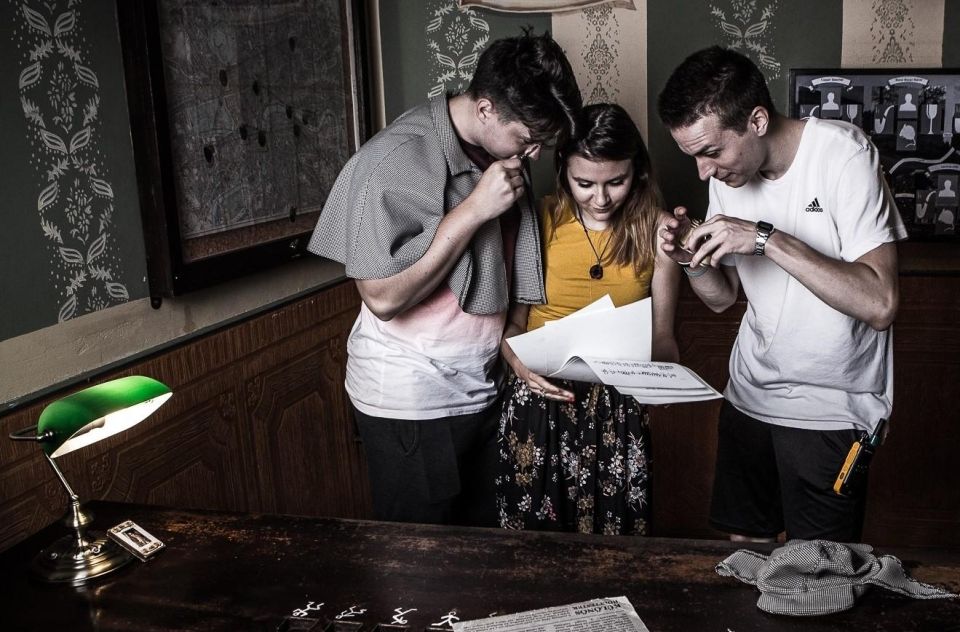
- 13 room choices: jungle-style mysteries, ancient artifacts, and a Saw-themed challenge are among the options.
- One-hour countdown: a tight schedule that rewards clear teamwork and quick testing of ideas.
- Walkie-talkie hint help: you get unlimited assistance during the game, so you can recover when you get stuck.
- Real set design and props: the rooms are built to feel like a scene from a suspense plot, not a bare puzzle board.
- Team problem-solving pressure: it’s made for groups who enjoy communicating and trying approaches out loud.
- Post-game photo moment: there’s a picture at the end to mark your win or your best effort.
Where PanIQ Room Fits Into a Budapest Day
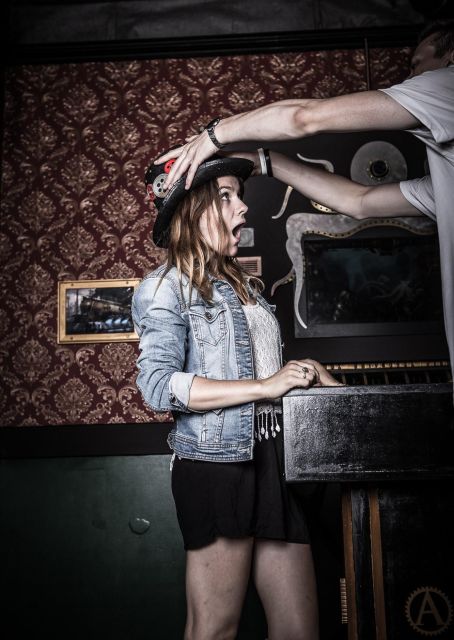
Escape Rooms by PanIQ Room (run by PÁNiQ SZOBA) is a great “you can do this even on a busy trip” kind of activity. With a set duration of 1 hour, you can slot it into an evening plan without needing a full day. It also works nicely if you’re traveling with people who want something active but not overly physical.
The biggest practical win for me is how easy the meeting point is to handle. You don’t need secret codes or complicated instructions: you just ring the doorbell next to the entrance. That kind of clarity matters when you’re trying to stay on schedule in a city where small timing slips can ripple through your plans.
If you’re the type who likes to move from “seeing” to “doing,” this is a solid match. You’ll be concentrating on clues, codes, and hidden objects rather than wandering around hoping inspiration hits. That makes the experience feel self-contained, which is a relief when you’re also juggling Budapest sightseeing.
You can also read our reviews of more tours and experiences in Budapest.



Picking Your One-Hour Mission From 13 Themed Rooms
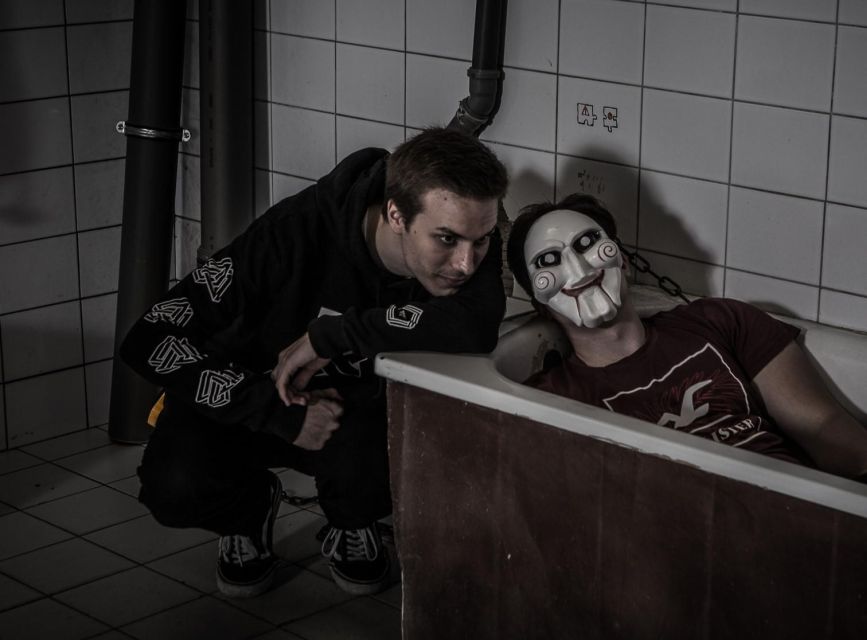
PanIQ Room’s main feature is its choice of 13 different rooms. That number isn’t just marketing fluff. It means you can pick a theme that matches your group’s mood and comfort level.
You’ll commonly see options like:
- a jungle themed experience
- puzzles linked to ancient artifacts
- a Saw movie–inspired challenge that leans into darker, higher-stakes vibes
This matters because escape rooms often fall into two camps: groups who want a specific story style, and groups who just want good puzzles. With PanIQ Room, you can have both. If your group loves spooky movie energy, you can try the Saw-themed scenario. If you’d rather keep it more adventurous and visual, you might prefer something like the jungle setup.
One small drawback: while the puzzles get good feedback, not every room seems to hit the same level on atmosphere for everyone. One past participant felt decoration could be stronger in places. Translation: if you’re extra picky about set dressing, keep your expectations reasonable. The core experience still centers on puzzles and interaction.
What Happens Before the Timer Starts (Briefing, Rules, and Setup)
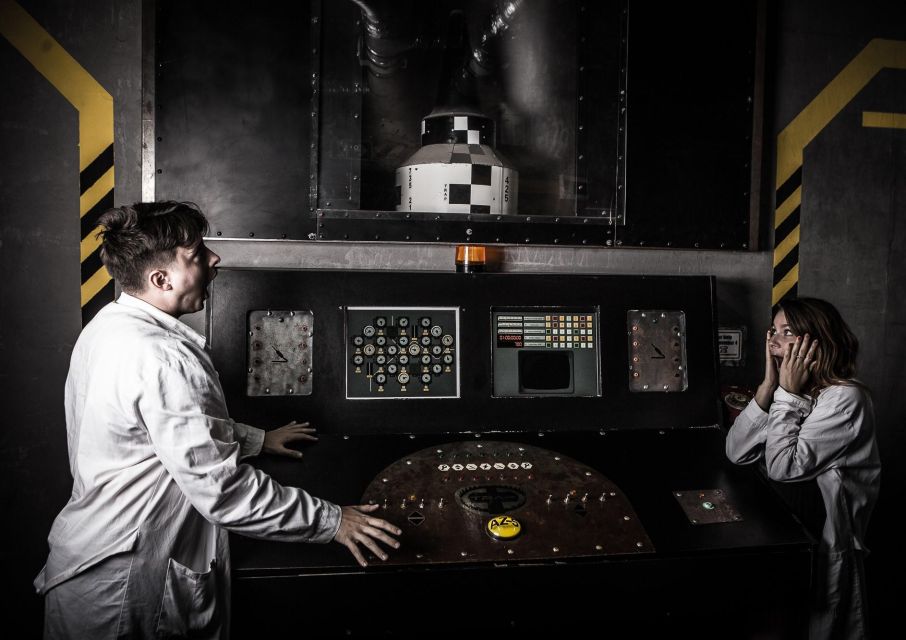
Your game starts with a briefing and rules, and that’s more important than it sounds. The games are time-based, and the way instructions are given can affect your first 10 minutes. The team experience is the point here, and the briefing helps you avoid that classic early-game mistake: people rushing to solve without understanding how clue access and hints work.
The activity is designed for private groups, meaning you aren’t getting mixed into strangers’ dynamics. That’s a nice advantage because teamwork quality usually determines how smoothly the hour goes. You also have expert guidance from a dedicated game master.
The experience runs on a simple loop:
- you enter your chosen room and get oriented
- the clock starts
- you search, test ideas, and communicate constantly
- you request help when needed
- you finish at the end of the allotted hour
If you’re worried about feeling lost, don’t be. You’re not left totally alone in the puzzle maze.
How Hints Work: Walkie-Talkie Assistance When You Get Stuck
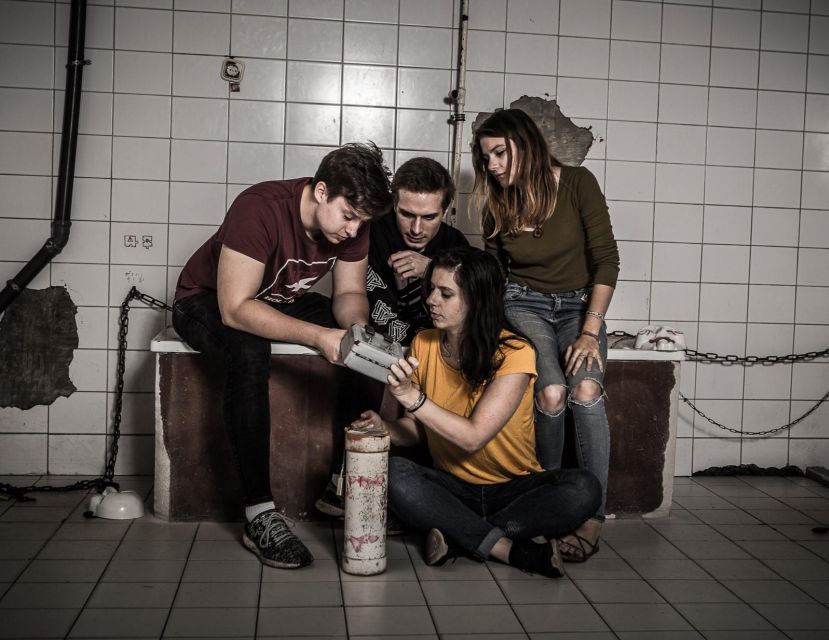
One of PanIQ Room’s most valuable features is unlimited walkie-talkie assistance. That changes how you play. Instead of treating every stuck moment as a dead end, you can ask for guidance and keep momentum.
This is especially helpful if your group splits up and then one person hits a wall. Escape rooms can go sideways when one or two clues hold up everyone else. Walkie help keeps your hour from collapsing into frustration.
Do note a practical consideration: language support is Hungarian and English. Some people have reported that there can be a slight language barrier when they ask for clues. That doesn’t mean you can’t play. It just means you should be ready to communicate clearly, keep your clue questions simple, and expect that the explanation style might vary a bit with the game master.
A tip that will save you time: assign one person as the clue requester. When people all talk to the game master at once, answers arrive slower and you lose the chance to act on the hint quickly.
Inside the Rooms: What the Puzzles and Sets Actually Feel Like
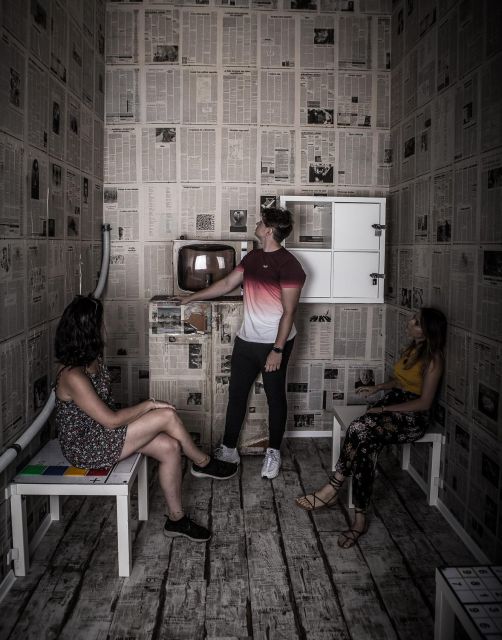
The core of PanIQ Room is the combination of puzzle design and set realism. Multiple participants highlighted the brilliant puzzles and good room quality. You should expect to spend your hour doing real detective work: finding clues, interpreting information, and using what you discover to progress.
The rooms are detailed enough that you feel like you’re inside the story. Props and set design are crafted to give context, so you’re not just solving math problems on a table. Instead, you’re scanning the environment for interactive elements.
Team play is also built into the challenge. You’ll naturally end up with:
- one person trying one line of logic
- another checking hidden spots
- someone else coordinating what you found
- a fourth person watching for patterns in codes or sequences
That group communication is where many escape rooms succeed or fail. PanIQ Room is set up so teamwork matters, but not in a way that makes you feel forced to “perform.” If your group communicates well, you’ll feel like you’re constantly making progress.
Now, let’s address the only clear technical “watch-out” that showed up in feedback. One participant noted magnet functions felt a bit bumpy. That’s not the same as a broken room, but it is a reminder that not every mechanism may feel perfectly smooth. If you encounter something interactive that seems slightly stubborn, try different angles or positions before you assume the clue is wrong.



Timing Pressure: Your Best Strategy for the Last 10 Minutes
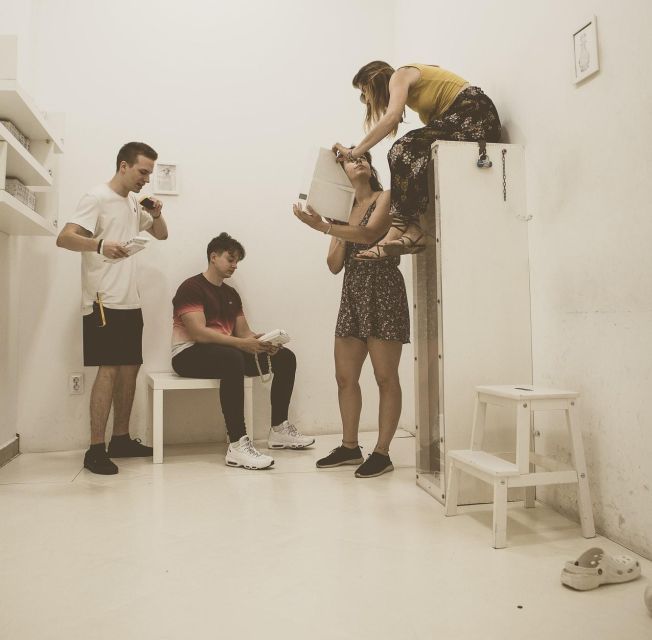
With a 1-hour run time, you’ll feel the clock from early on. That’s not a flaw. It’s the point. It forces you to prioritize what works instead of spending 30 minutes perfecting one idea.
Here’s how you can use that pressure to your advantage:
- Start with quick scanning, not deep guessing. Look for the obvious interactions first.
- Once you find something that looks like it belongs to a larger chain, commit and test it.
- If a solution stalls, switch roles. Don’t keep one person stuck doing the same thing.
- Ask for a walkie clue when you’re truly blocked, not when you’re just impatient.
Because you have hint help, you can play with a bit more courage. You don’t have to treat every puzzle like a final exam. Still, waiting too long to ask can reduce your time for applying the answer.
The best part of that final stretch is clarity. If your group communicates and uses hints well, the last minutes often turn into a rapid “putting pieces together” phase rather than a scramble.
Price and Value: Is $20 a Good Deal?
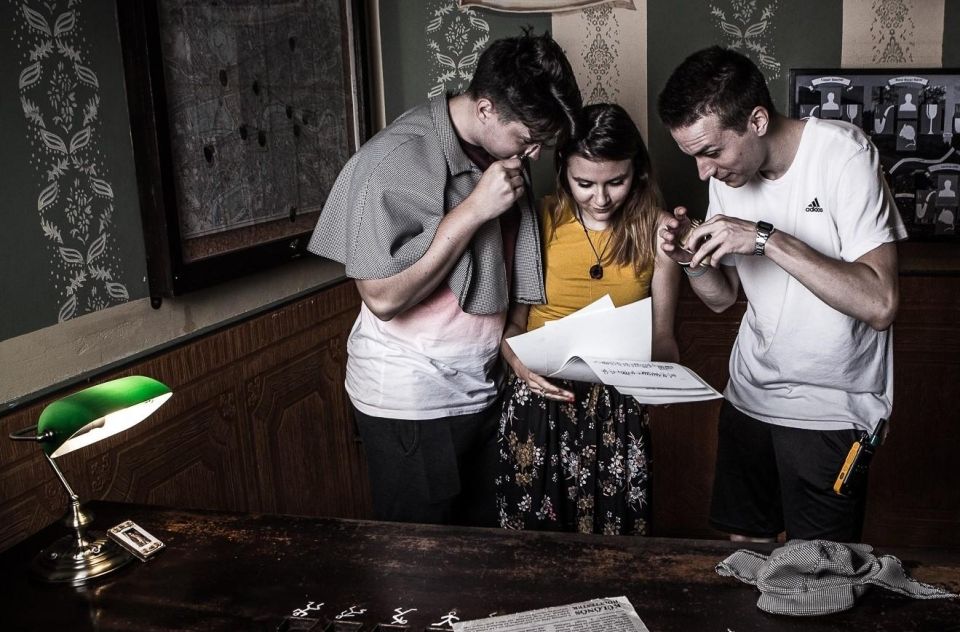
At $20 per person for a 1-hour escape game, PanIQ Room is priced in the “this should be fun and worth your time” zone. You’re not paying for a long guided tour. You’re paying for a structured activity built around puzzle quality, set design, and game master support.
The value makes sense if you:
- enjoy games that reward teamwork
- want a reliable, timed entertainment plan in Budapest
- are traveling with a group that will actually talk and test ideas together
Where value can dip is if you’re only mildly interested in escape rooms. An escape game is immersive in the practical sense: you’ll be concentrating for the full hour. If you’re expecting casual wandering, you might feel it’s too game-like.
Also, because there are 13 rooms, you get extra replay value. If you come back to Budapest or you have a larger group, you can pick different themes rather than repeating the same puzzle structure.
Finally, the review rating sits at 4.1 from 16 reviews, which suggests consistent fun with a few quirks rather than a flawless experience. For many people, that’s exactly what you want: entertaining, engaging, and not overly hyped.
Photos and the End-of-Game Wrap-Up
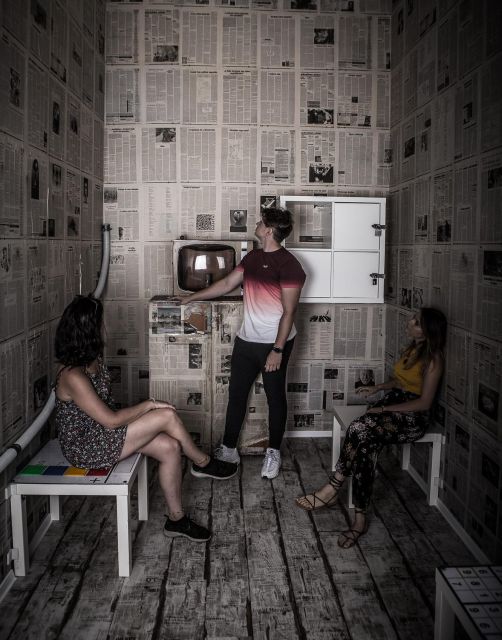
At the end, you get access to a post-game photo opportunity. It’s a small touch, but it helps you remember the moment when you step out—especially if you didn’t win. Escape rooms create shared adrenaline, and the picture becomes a quick souvenir of “we survived that hour.”
There’s also an unspoken value here: the photo moment signals that the game is truly finished, so you’re not lingering in an awkward wrap-up stage. You can head back out into Budapest with your brain still humming.
Who This Experience Suits (And Who Should Skip It)
This escape room experience is best for groups who enjoy problem-solving and communication. It’s also a strong fit for:
- friends traveling together
- couples who like shared challenges
- small groups who want a shared memory that’s not just sightseeing photos
It’s not suitable for children under 12. That’s a useful rule to respect. If you’re traveling with younger kids, choose something else in Budapest where the pacing and content match their attention span.
If you’re traveling solo, you can still play, but the “team up” nature means you’ll want to feel comfortable collaborating with your group members inside the room.
Finally, if you’re sensitive to darker themes, you may want to pick a room other than the Saw-inspired scenario. The existence of that option is a clue: the room themes vary, and so does the vibe.
Practical Tips So You Don’t Lose Minutes
Escape rooms are one of those activities where small prep makes a big difference.
- Wear comfortable clothes so you can crouch, lean, and move without fuss.
- Skip cameras. They’re not allowed, so don’t plan to document your progress during the hour.
- Don’t bring alcohol and drugs. It’s explicitly not allowed.
- Plan to arrive on time. You’ll want to be ready when your briefing begins, because the hour is tight.
- If you’re worried about language, pick one or two team members who can ask for hints. Keep questions short and specific.
One more time-saving strategy: agree on a simple communication rhythm before you enter. For example, decide that every time someone finds something new, they say what it could be and where it goes. That avoids the chaos of everyone describing clues in isolation.
Should You Book Escape Rooms by PanIQ Room in Budapest?
If you’re looking for a fun, structured, high-focus Budapest experience, I think yes, it’s worth booking. You get 13 room options, an expert game master, and unlimited walkie hints, all for a clear 1-hour time commitment at $20. That combination is exactly what makes escape rooms a reliable rainy-day plan or an evening “we need energy” activity.
I’d skip it only if you dislike timed challenges or you’re traveling with a group that won’t communicate. Also, if you’re extremely picky about set decoration or you need perfectly smooth interactive mechanisms every single time, go in with the understanding that rooms can vary.
If you want flexibility, the activity is offered with free cancellation up to 24 hours in advance and a reserve now, pay later option. That’s handy in Budapest, where weather and schedules can change fast.
Bottom line: for most groups, PanIQ Room is a smart value. Book a room that matches your vibe, bring a team that talks, and treat the hour like a shared mission. You’ll leave with a story you can’t get from any museum label.
FAQ
Where is the meeting point for PanIQ Room?
You need to ring the doorbell next to the entrance.
How long does the escape room game last?
The immersive game experience lasts 1 hour.
How much does it cost per person?
The price is listed as $20 per person.
What languages are game masters available in?
The activity is available in Hungarian and English.
Are cameras allowed during the game?
No. Cameras are not allowed.
Is it suitable for children?
It’s not suitable for children under 12 years.
Do you get help during the escape room?
Yes. You have unlimited walkie-talky assistance during the game.