REVIEW · BUDAPEST
Budapest: Historic Downtown Bicycle Ride with Scenic Views
Book on GetYourGuide →Operated by Bike Tour Kft · Bookable on GetYourGuide
Budapest looks different at bike speed—faster, and somehow more personal. This 3.5-hour ride strings together the city’s biggest highlights with photo stops and a small group so you get the overview without wearing yourself out. My favorite part is how the guide keeps the route moving while still giving you time to look up and take photos; the main drawback is simple: it’s only for people who feel comfortable cycling in traffic.
I also like that the route balances grand monuments and everyday city life. You’ll roll from the Jewish Quarter through Andrássy Avenue and Heroes’ Square, then cross bridges for Danube views and end back where you can keep eating and drinking. Just plan around the fact that meals aren’t included—this is sightseeing first, food second.
In This Review
- Key things I’d pin to the top
- Entering Budapest on wheels: what this 3.5-hour route really delivers
- Where you start in the Jewish Quarter: Madach as your launchpad
- The classic grandeur stretch: Andrássy Avenue, Heroes’ Square, and the House of Terror
- City Park and the thermal-bath sightlines: Városliget to Szechenyi and beyond
- Parliament and the Danube: why the bridge crossings are the star
- Buda-to-Pest return: Rudas, Gellért, Markets, and the synagogue finish
- Price and value: is $45 worth it?
- Guides, pacing, and the small-group feel that affects comfort
- What you should bring (and what you shouldn’t)
- Who this tour suits best—and who should skip it
- Should you book this Budapest bike ride?
- FAQ
- How long is the Budapest bicycle ride?
- How much does the tour cost?
- Is the tour private or small group?
- What language is the guide?
- Where do I meet the tour?
- What’s included in the price?
- Are meals included?
- Is the Shoes on the Danube Bank stop directly accessible?
- Is this tour suitable for kids and families?
Key things I’d pin to the top
- Small group (max 10) means you’re not lost in a crowd when the bike lane narrows
- Dense highlight circuit: Jewish Quarter, Heroes’ Square, Parliament area, Danube Bank, Buda sights
- Lots of planned photo time so you’re not rushing every landmark
- Thermal-bath sightings from the outside (great visuals, not a soak stop)
- No direct access to the Shoes on the Danube Bank, so expect a look from nearby viewpoints
- One refreshing drink included, but you’ll want your own snack strategy
Entering Budapest on wheels: what this 3.5-hour route really delivers
If you’re trying to understand Budapest quickly, this ride is built for that job. Three and a half hours sounds short, but the itinerary is packed in a smart way: you’re not doing long back-and-forth rides, and you’re not spending the whole time stuck far from the action. Instead, you’re moving between districts where the architecture and mood change fast—Pest’s grand boulevards to Buda’s hilltop views.
The biggest payoff is the “map in your head” effect. After this, you’ll know where the Jewish Quarter sits, how Andrássy Avenue pulls you toward the major monuments, and where the bridges fit into the Danube story. That makes it easier to plan the rest of your days—whether you want to return for a museum, a long riverside walk, or a specific basilica or church angle.
And yes, this is sightseeing by bike, not a training session. Reviews of the experience describe a relaxed pace and an easy, safe feel when you’re following the guide. You still need to be comfortable on a bike, but you’re not expected to sprint.
You can also read our reviews of more historical tours in Budapest

Where you start in the Jewish Quarter: Madach as your launchpad
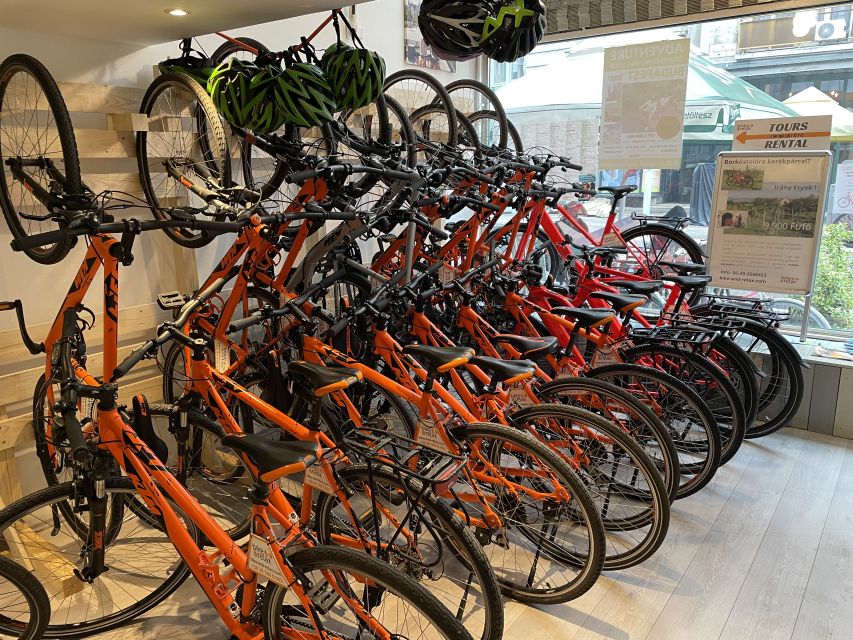
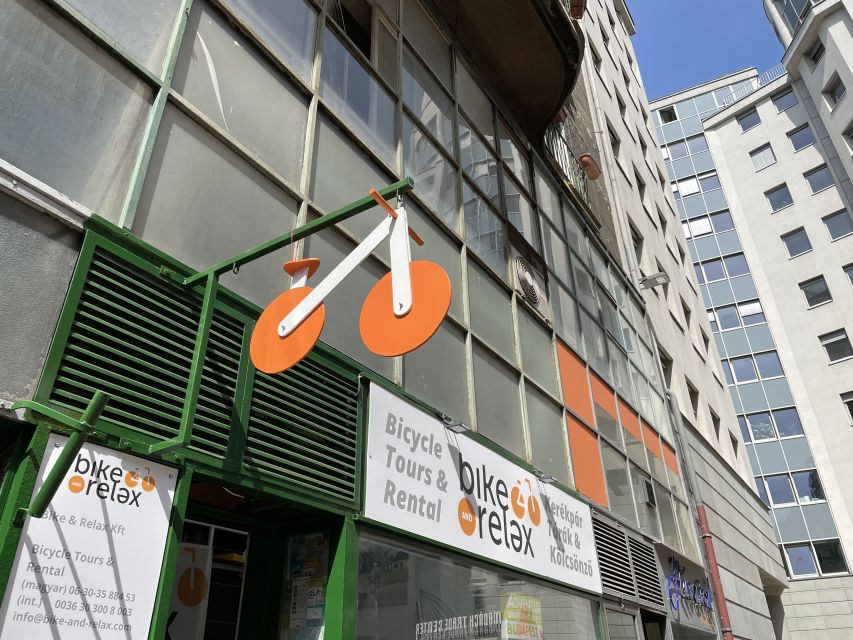
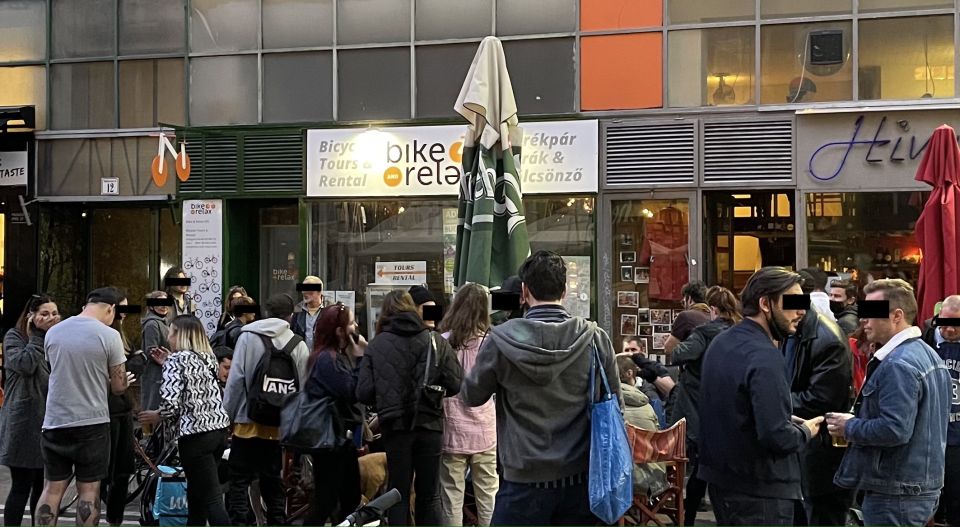
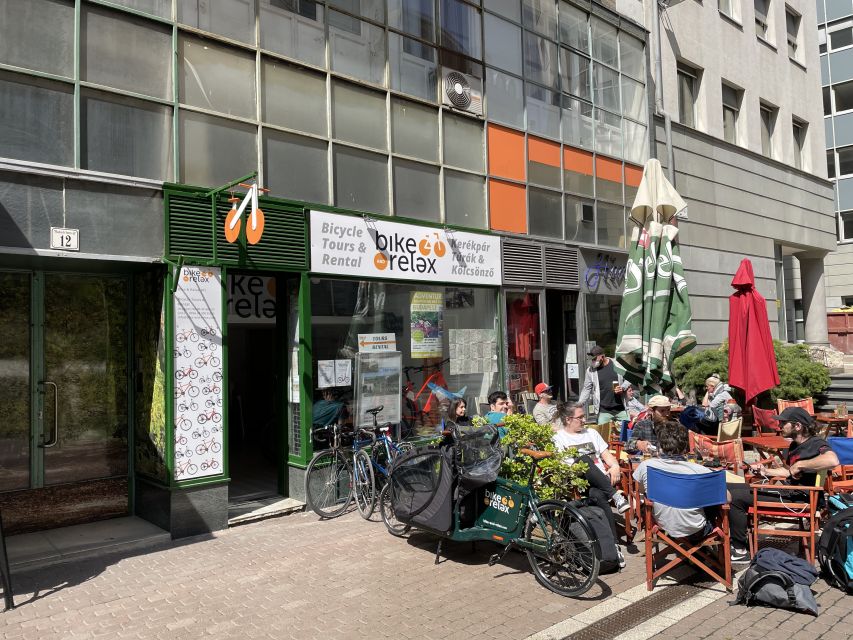
The ride begins near Madach in the Jewish district, at Madach Imre ut 12—right by the connection between Madach Square and Gozsdu court. You’re looking for a shop called Bike & Relax near Cafe Hivatal.
Why this matters: starting here puts you on the nightlife-and-neighborhood side of Budapest, so the first part of the day already has character. Also, meeting in the city’s core means you can reach the meeting point easily. The nearest metro station listed is Deák Square (M1, M2, M3), plus trams (47, 48, 49).
One practical note: the tour does not allow luggage or large bags. If you’re arriving from elsewhere with a suitcase, you’ll want a plan for storing it before you meet up.
The classic grandeur stretch: Andrássy Avenue, Heroes’ Square, and the House of Terror
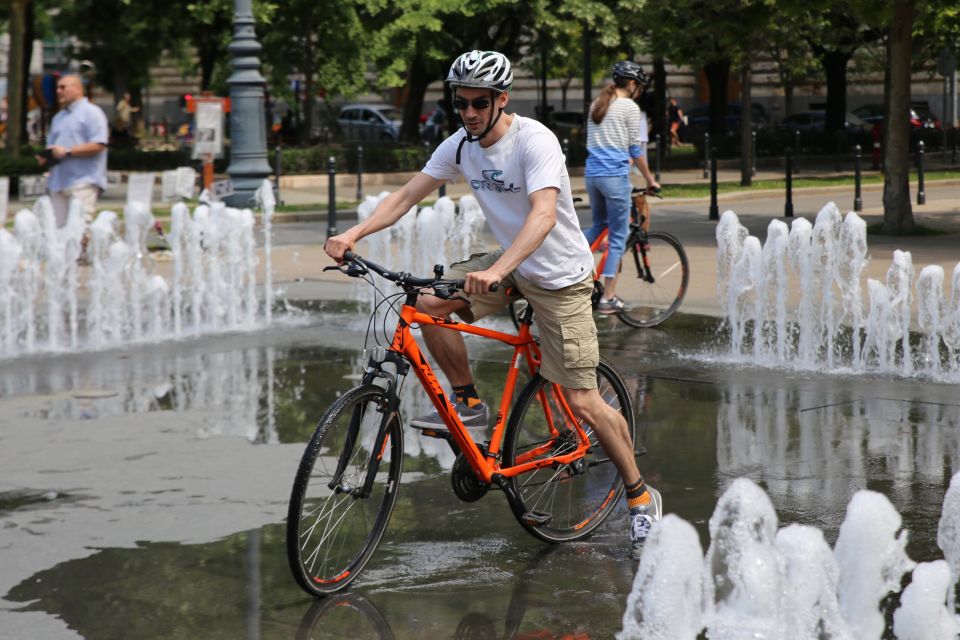
Right away, you get a neighborhood introduction with a guided walk-by feel: the tour spends about 20 minutes in the Jewish Quarter. That first block helps you orient yourself—both historically and geographically—before you hit the wider avenues and big memorial spaces.
Then you roll toward Franz Liszt Academy of Music for a photo stop. This is one of those places that rewards a pause. The building looks even more impressive up close, and a bike stop is the perfect format: you get the photo angle without the hassle of trying to find parking or fighting a crowd on foot.
From there, the route heads along Andrássy Avenue, a guided segment (about 10 minutes) that acts like a spine through the city. Think of it as the “main corridor” moment where Budapest turns more monumental.
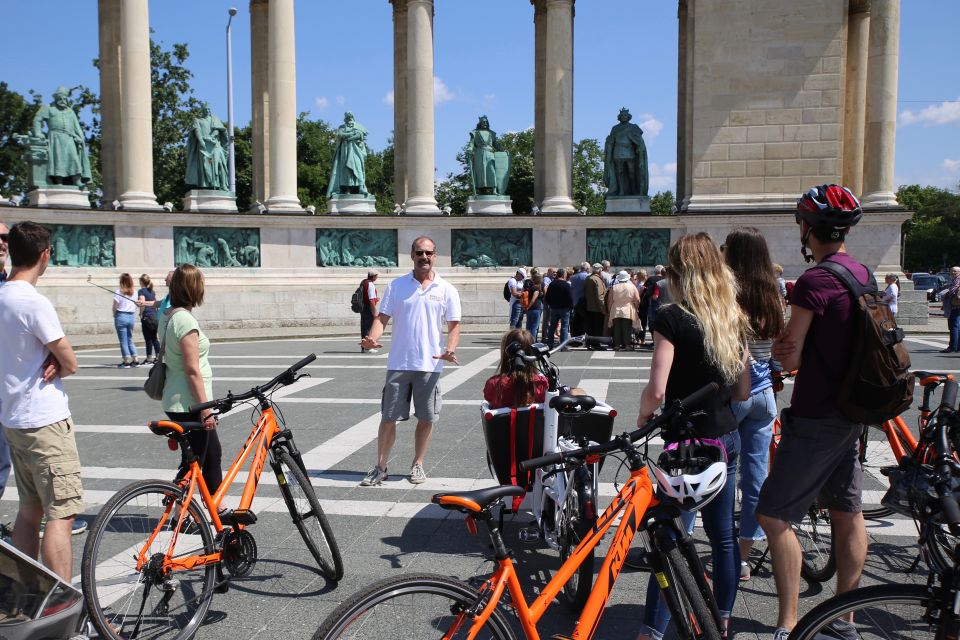
Next up: Heroes’ Square with a photo stop (around 15 minutes). This is where the scale of Budapest hits you. The tour’s pacing here gives you enough time to take the photo you want without feeling like you have to rush through.
Then comes a sobering shift: House of Terror for a photo stop. Even if you don’t go inside, the exterior stop works as an emotional marker. The guide also explains context along the way, which matters here more than with purely scenic viewpoints.
If you like your city tours to balance beauty with meaning, this is where the itinerary earns its keep.
City Park and the thermal-bath sightlines: Városliget to Szechenyi and beyond
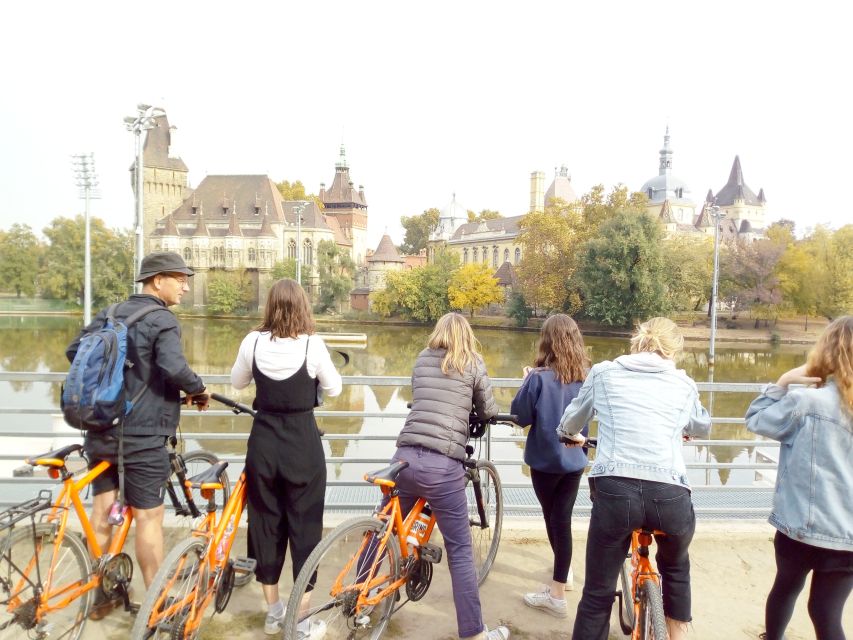
After the memorial-heavy portion, you get a breather in Városliget (City Park). The tour spends about 20 minutes with a guided segment here. This part is useful because it shows you a different side of Budapest—green space, grand buildings, and the “local leisure” feel.
The route then includes a photo stop at Szechenyi Thermal Bath. You’re not going in for a full soak here, but you still get the main visual: the bath complex is one of Budapest’s most recognizable looks. If you want a spa day, this stop acts like a preview that helps you decide whether it’s worth scheduling your own time later.
A little farther along, you get State Opera House photo time and later St. Stephen’s Basilica. These stops are short but deliberate. Both buildings are famous for a reason, and the bike format helps you see them as part of a wider neighborhood story rather than isolated postcards.
There’s a small consideration: these are photo stops, not extended visits. If you expect to go inside every major landmark, you’ll need to plan separate time for museums, churches, or bathhouses after the ride.
Parliament and the Danube: why the bridge crossings are the star
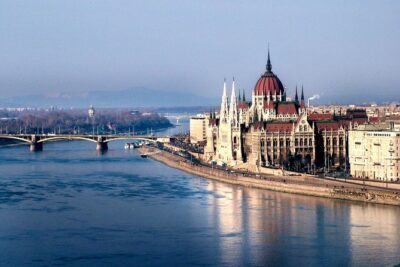
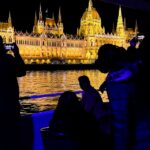
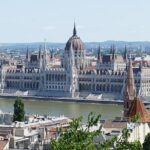
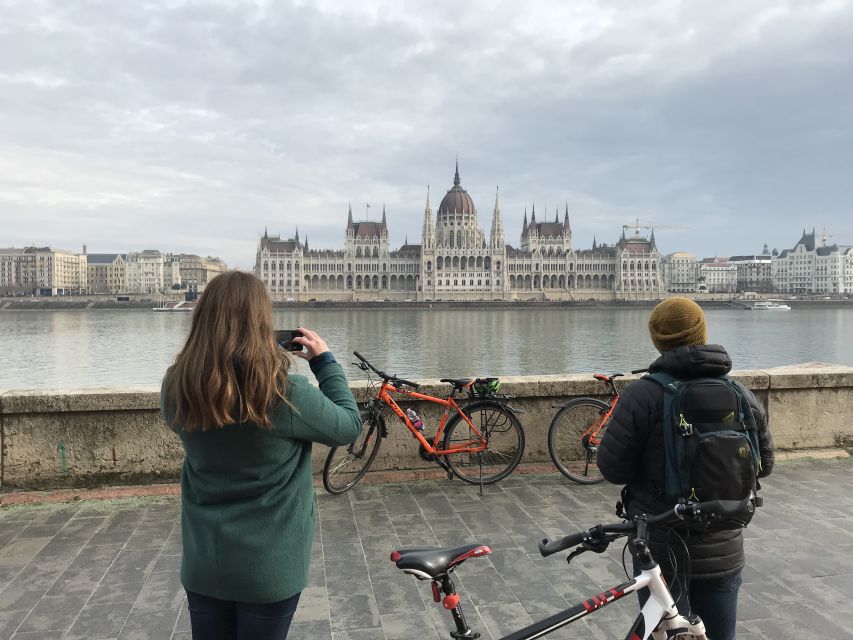
The tour saves one of the most photogenic stretches for the middle-to-late part of the ride: the Parliament area and then the Danube. There’s a photo stop at the Hungarian Parliament Building, followed by Szabadság Square for a photo pause.
Then you reach Shoes on the Danube Bank. Important: direct access is not granted, so you’ll see it from a viewpoint rather than right at the memorial. That limitation is worth knowing in advance—expect to look from nearby angles and keep moving when it’s time.
Next comes a guided bike segment across the Chain Bridge, including about 10 minutes for a guided portion. This is the bridge moment that makes Budapest feel like a film set. You get the classic views while still staying in motion. It’s also a smart move operationally: the guide helps manage the timing so you’re not stuck waiting for others to catch up.
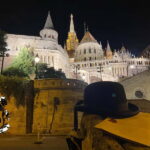
On the Buda side, the route continues with Matthias Church and Fisherman’s Bastion for photo stops. These are the kind of places where angles matter. Even with limited time, you’ll see enough to understand the layout of the hilltop viewpoints—and you’ll know where you’d want to return for a longer stroll and more photos.


Buda-to-Pest return: Rudas, Gellért, Markets, and the synagogue finish
After the hilltop views, the tour shifts back toward the river-lower city feel.
You’ll pass thermal-bath exteriors again with Rudas Thermal Bath (photo stop) and then Gellért Baths (photo stop). These two are especially interesting in a single day because they make you think about Budapest’s thermal identity as more than one famous bath. You’ll see multiple styles and settings—enough to help you choose what kind of spa experience you want later.
Then it turns into “city life” mode for a bit. On the way back you get photo stops at Central Market Hall and the Hungarian National Museum. Even if you don’t plan to go inside during the bike ride, these stops are valuable. They show you where the food-and-souvenirs energy is concentrated (Market Hall) and where culture-heavy browsing might fit in (National Museum).
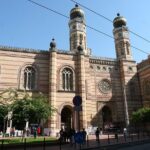
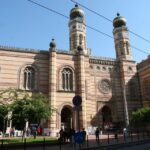
The tour ends back in the Jewish Quarter with a stop at the Dohány Street Synagogue, where you’ll get a welcome sight and a sense of closure to the route. Then you ride back to Madach to wrap up.
Why this ending works: you finish where evening plans are easy. You’re not stranded far from restaurants or bars. Your last hour lines up naturally with the idea of continuing your day on foot.
Price and value: is $45 worth it?
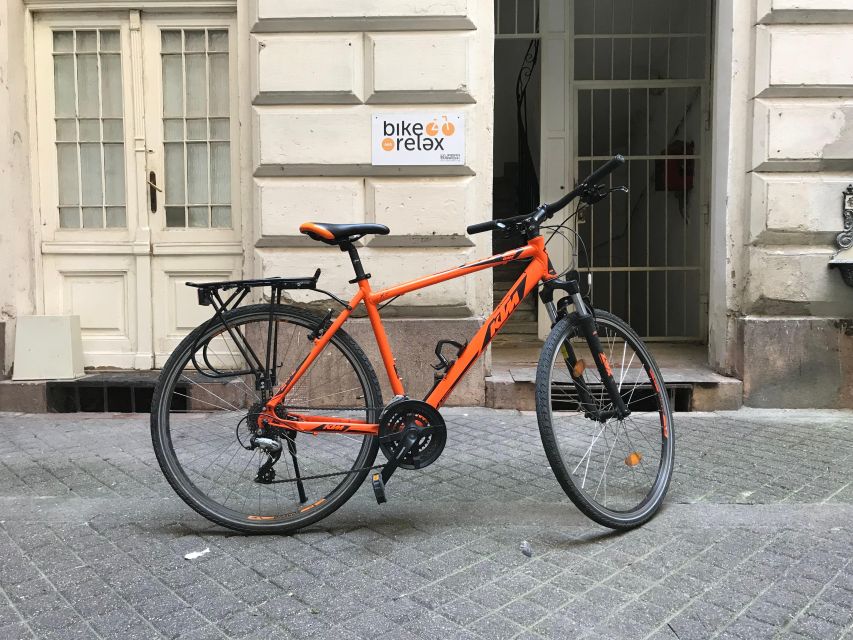
At $45 per person for a 3.5-hour guided ride with a live English guide and a refreshing drink included, the value comes from concentration. You’re paying for route planning, guidance, and a “highlight-to-highlight” transfer that would take much longer on foot across Budapest’s river and major avenues.
This is also one of those tours where group size matters. With a small group limited to 10 participants, the bike leader can keep everyone together without constantly waiting at every corner. That makes the whole experience feel smoother, safer, and faster.
Still, there are tradeoffs to keep you honest:
- Meals are not included, and the time is packed with sights.
- It’s photo-stop heavy, so you won’t get the slow, sit-down museum experience.
- You’re on a bike the whole time, so weather and personal comfort matter.
If you want to see a lot and get your bearings fast, this price feels fair. If you prefer long indoor visits, plan to pair this with separate tickets and time later.
Guides, pacing, and the small-group feel that affects comfort
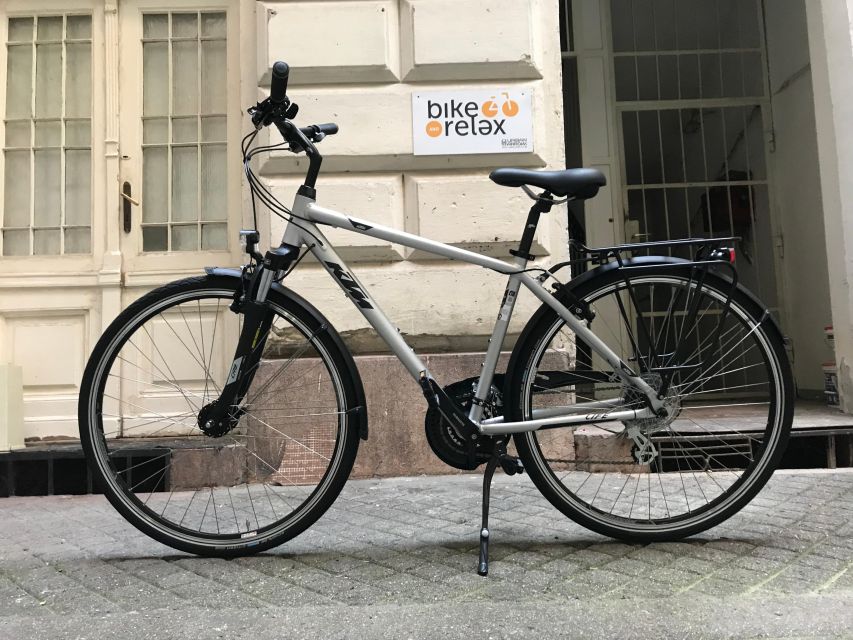
One theme from the experience’s strongest supporters is the guide quality. Names shared by participants include Oliver, Karol, Baliant, Esther, Joel, and Naomi, all described as fun and attentive, with solid answers about history and the city. Even when the stops are short, the explanation makes the landmarks click into place.
Pacing seems designed for real humans. Multiple participants describe the ride as relaxed and easy to follow, with a feeling of safety while cycling through busy areas. That’s a big deal in a city like Budapest, where you want confidence that the leader knows the route and timing.
A useful tip: bring your “photo mindset,” not your “wander forever” mindset. The tour gives you timed stops, so show up ready to shoot quickly, look closely, then move on.
And since there’s no meal included, pack a backup strategy. One rider specifically advised having snacks or being ready with breakfast because the tour is long and there may not be convenient food stops.
What you should bring (and what you shouldn’t)
For the best experience, stick to the basics:
- Comfortable shoes
- Weather-appropriate clothing
Avoid planning to carry extra gear. The tour states no luggage or large bags are allowed.
Also be prepared for a bike tour rhythm:
- You’ll be moving between districts.
- Stops are short by design.
- You’ll want water and some kind of snack plan for energy.
If you’re traveling in Hungary’s currency world, one participant also suggested having HUF or euros for small purchases like public toilets. The tour includes a refreshing drink, but toilet access can involve small practical costs depending on location.
Who this tour suits best—and who should skip it
This is not a universal fit. It’s great for people who can ride a bike and want a guided overview that covers both sides of the river.
It is not suitable for:
- people who can’t ride a bike or have no experience
- wheelchair users and those with mobility impairments
- visually impaired people
- people with epilepsy
- pregnant women
- people who get motion sickness
- people over 243 lbs (110 kg)
- babies under 1 year
If you’re bringing children, note there are limited child bikes and child seats. You may need to contact the local partner in advance for riders under 1.50m.
For me, the best match is:
- First-timers who want the big picture
- Couples and small groups who want a smooth, guided circuit
- History lovers who also like scenic city views
If you want a slow, deep museum day or you can’t commit to consistent bike riding, you’ll likely feel constrained.
Should you book this Budapest bike ride?
I’d book it if you want a high-impact Budapest introduction in one afternoon. The route is built around the city’s most recognizable landmarks—Heroes’ Square, Parliament, the Danube bridge views, Buda’s hilltop churches and viewpoints—plus neighborhood contrast in the Jewish Quarter. The small group size and guided pacing make it feel safe and efficient without turning into a race.
Skip it if cycling stresses you out, you need frequent long stops inside buildings, or you fall into one of the listed unsuitability categories.
If you’re deciding between doing this and building your day on your own, I’d lean toward booking if your schedule is tight. You’ll leave with a clearer sense of direction—and a shorter list of places you actually want to return to.
FAQ
How long is the Budapest bicycle ride?
The tour lasts 3.5 hours.
How much does the tour cost?
It costs $45 per person.
Is the tour private or small group?
It’s offered as a small-group tour limited to 10 participants, and private is also an option.
What language is the guide?
The live guide is English.
Where do I meet the tour?
Meet at Bike & Relax at Madach Imre ut 12 in the Jewish Quarter, near Cafe Hivatal and between Madach Square and Gozsdu court.
What’s included in the price?
Included: the 3.5-hour bike tour, a guide, and a refreshing drink.
Are meals included?
No. Meals and other drinks are not included.
Is the Shoes on the Danube Bank stop directly accessible?
Direct access is not granted, but you do get a photo stop in the area.
Is this tour suitable for kids and families?
There are a limited number of children bikes and child seats. If you’re traveling with children under 1.50m, you should contact the local partner in advance.