REVIEW · BUDAPEST
Hike to Spiritual Sites Near Budapest
Book on GetYourGuide →Operated by EvezzVelem · Bookable on GetYourGuide
Spiritual hiking near Budapest feels oddly practical. I love the Church of Pilis views over the Pilis hills, and I also like how Zsolt connects each stop to Hungarian history, language, and faith questions you can actually feel in the landscape. The only real drawback is the hiking can get muddy and slippery, and the uneven paths are not a fit if you have low fitness or mobility limits.
This is built as a day out of the city: you’re picked up from Budapest or Szentendre, driven into Pilis National Park, then walked and hiked between spiritual landmarks tied to Christianity and esoteric traditions. If you’re the type who enjoys nature and conversations that mix old myths, runes, and modern beliefs, you’ll probably have a great time.
In This Review
- Key Things That Make This Pilis Spiritual Hike Special
- Leaving Budapest for Pilis National Park (and why it’s worth it)
- Church of Pilis and the Startrail Stations of Hungarian Story
- How the Day Blends Samanism, Christianity, and Esotericism (without getting silly)
- Roger Viewpoint: the panoramic pause before the pilgrimage walk
- Mary’s way, the statue path, and the runic-stone detour
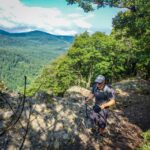
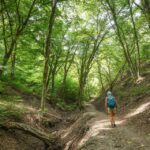
- Hiking reality check: distance, elevation, and footing
- Lunch in the right place: local food you’ll actually want
- The sauna option: a smart recovery move (if it’s available)
- Who this trip suits best (and who should skip it)
- Price and value: is $139 a good deal?
- Final verdict: should you book this Pilis spiritual hike?
- FAQ
- FAQ
- How long is the tour?
- Where does pickup happen?
- Is lunch included?
- How much hiking is involved?
- Do I need to be an experienced hiker?
- What should I bring?
- Should you book this spiritual hike near Budapest?
Key Things That Make This Pilis Spiritual Hike Special
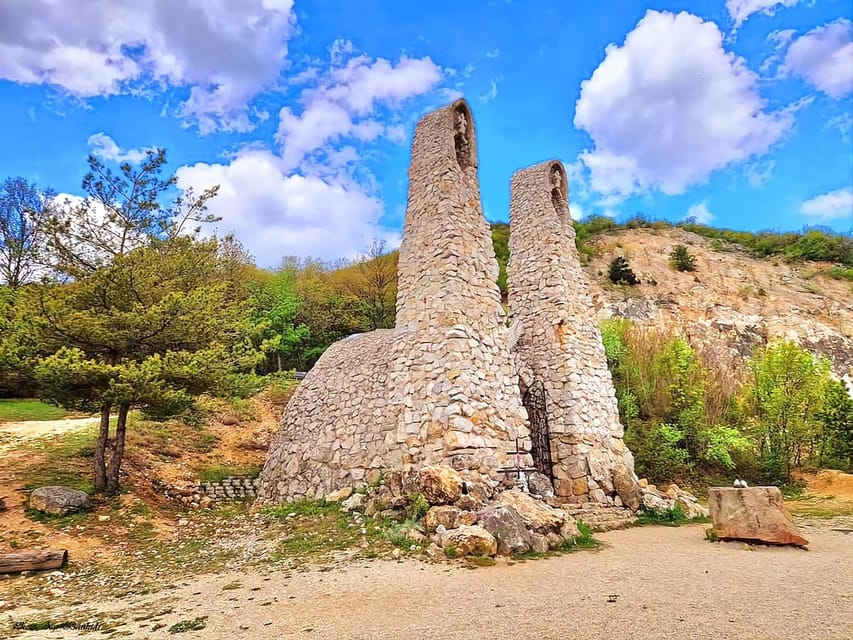
- Church of Pilis on the Startrail: a guided walk where each wooden figure-station points to major moments in Hungarian history
- Roger viewpoint first: clear-weather views that stretch tens of kilometers, then you head into the Mary pilgrimage path
- Runic stones + Love Rock + Heart of Earth: a short, real hike to places people visit for both Christian and esoteric reasons
- A guide who speaks culture, not just facts: Zsolt’s storytelling style makes the day feel like a thoughtful conversation
- Local food stop: you can grab Hungarian favorites like goulash after the outdoor time
- Optional sauna vibe after: the experience is described as including elegant sauna time, so ask ahead if you want it
Leaving Budapest for Pilis National Park (and why it’s worth it)
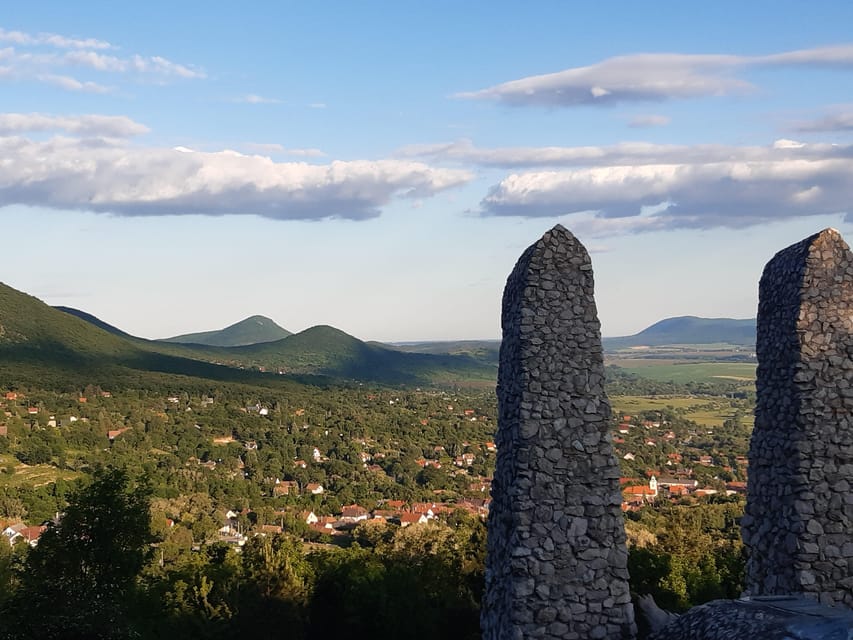
Budapest is close enough that you can do a day trip without feeling like you gave up the whole vacation. That’s the big win here. You get a car ride out to the Pilis hills, then the day shifts gears: less city, more quiet paths and long viewpoints.
The tour is private, so you’re not packed into a crowd. That matters on a hike like this, where the mood is part of the point. Your guide can slow down for questions, match pacing to your comfort level, and keep the history-and-belief thread coherent.
You’ll still want to plan like a hiker. Bring water and snacks. Wear shoes you don’t mind getting dirty. And if the weather turns, expect wet ground—this is forest hiking, not a showroom walkway.
You can also read our reviews of more hiking tours in Budapest

Church of Pilis and the Startrail Stations of Hungarian Story
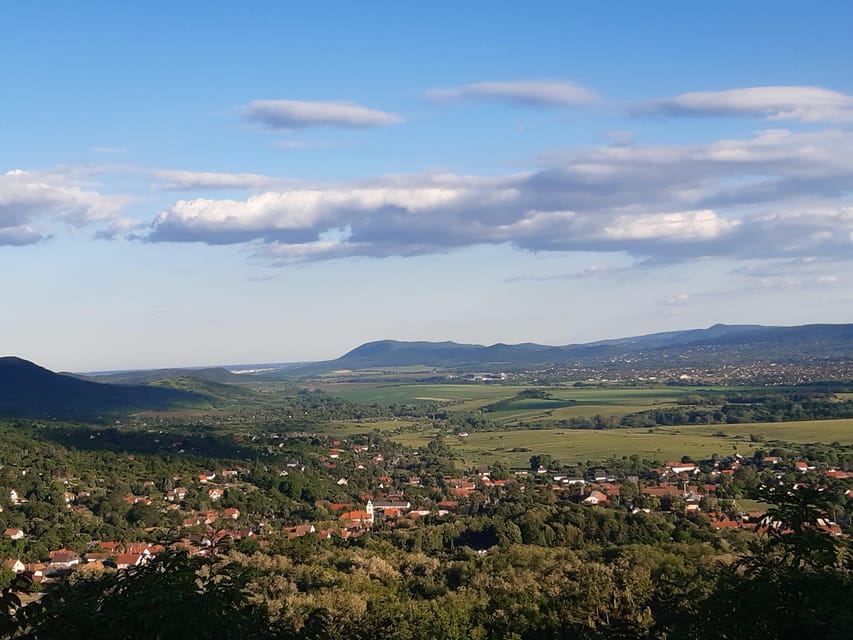
The first spiritual stop is the newly built Church of Pilis for the Blessed Virgin Mary. Even if you’re not chasing religion, the setting grabs you: open sightlines over the hills, fresh air, and a place designed to be visited with intention.
The path you take is called the Startrail, and it’s compared to the stations of Christ—but with a Hungarian history twist. Instead of walking a narrative about the Passion, you move through carved wooden figures representing important people from Hungary’s past. It’s a simple idea that works well in real life: you hike, you pause, you look closer, and you remember what you’re seeing.
What I think is most useful for you here is the way the guide frames the questions behind the carvings. You’ll hear prompts like whether the Hungarians descend from the HUNs of Attila, how Hungary arrived in today’s form, and what older runic writing might have looked like. There’s also attention to Hungarian being famously different from most European languages—where it came from, why it’s hard to learn, and what theories people argue about.
This is not one of those tours that pretends every belief is the same. Instead, it’s presented as a conversation about how religion and identity shift over time—through changes like Catholicism and Protestantism, the pressure of communism, and later the influence of esotericism.
A particularly interesting detail you’ll hear: the tour includes the Paulians—described as the only Hungarian monastic order. You’ll learn how they were founded by Ozseb about 800 years ago, gathered hermits in the area, and created a community that still operates today. Even if you don’t leave with a single verdict on what’s true, you’ll come away with a clearer sense of how Hungarian spirituality has layers.
One more thing: the guide tackles the Holy Crown of Hungary topic too—where it is now—framing it as part of the broader identity story. It’s the kind of information that makes the church feel less random and more connected to how people see themselves.
How the Day Blends Samanism, Christianity, and Esotericism (without getting silly)
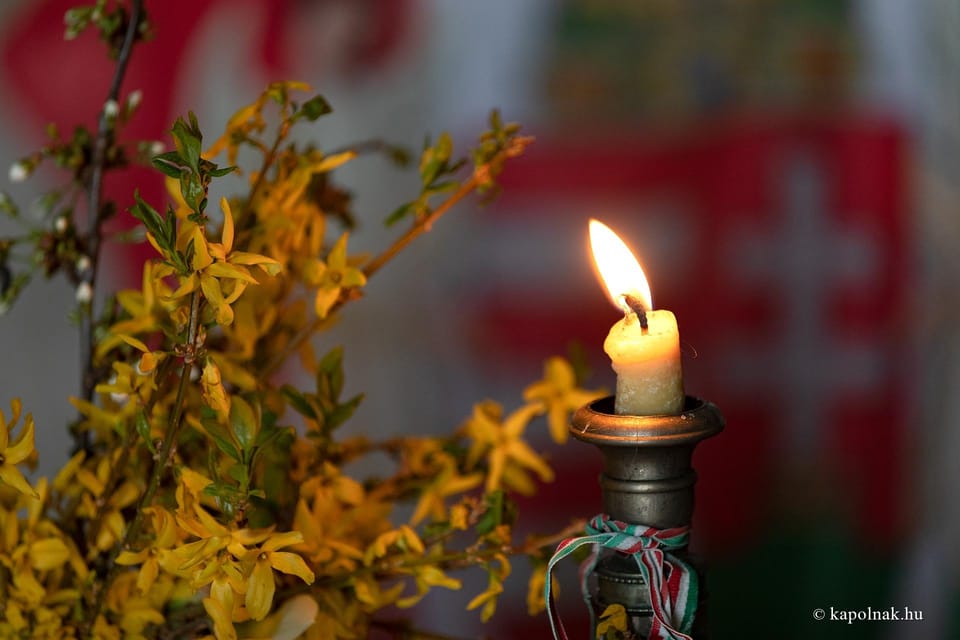
This tour’s theme is spirituality + nature, and it’s described as a mix: native samanism, Christianity, and Hinduism under the influence of esoteric teachings. That can sound confusing on paper. In practice, what you’ll experience is a guide pointing out how different traditions can coexist in the same area—and how modern visitors interpret older symbolism in new ways.
The best way to approach this day is to treat it like cultural listening. Ask yourself what each tradition is doing for people emotionally: offering comfort, meaning, community, or a sense of connection to the land. You don’t have to agree with everything to get value out of the experience.
You’ll also see how the places themselves help the blending happen. When a location is framed as holy, people show up with different reasons. Christian pilgrims may arrive for prayer and Mary. Esoteric seekers may arrive for energy-focused ideas. You’ll be standing in the same place, absorbing a shared atmosphere, even if the interpretation differs.
If you’re comfortable with that kind of respectful mix, you’ll enjoy the day. If you want one straight, official story only, you might find some sections more debate-like than devotional.
Roger Viewpoint: the panoramic pause before the pilgrimage walk
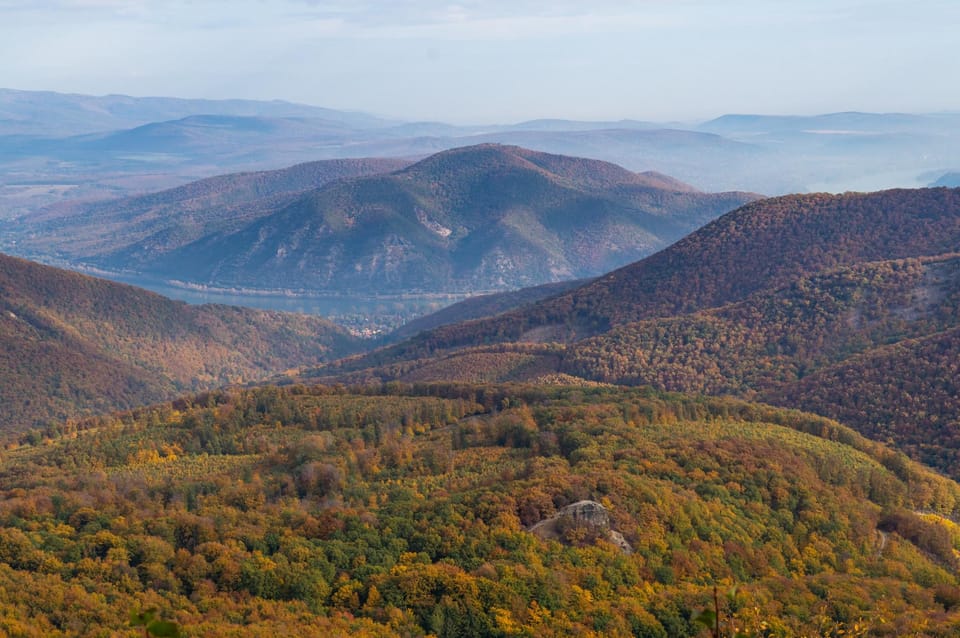
After you’ve absorbed the Church of Pilis mood, you drive and hike toward the second big highlight: the Roger viewpoint. It’s a very popular spot with Budapestians, and clear weather turns it into a serious visual reward.
Your guide points out what you can see from about 20–40 km away when conditions are good. That’s one of those moments where you stop thinking and just look. And it helps you reset before the more symbolic parts of the hike.
This segment works well because it’s not just a “walk to a view” moment. It’s a bridge from history and church atmosphere into pilgrimage-style path walking. You’re not rushing—you’re transitioning.
Mary’s way, the statue path, and the runic-stone detour
Then comes the pilgrimage-style section: the guided walk along the Way of Mary toward her statue. You’ll experience the path at a human scale: fewer city distractions, more time for your mind to wander, and frequent chances to pause and take in the setting.
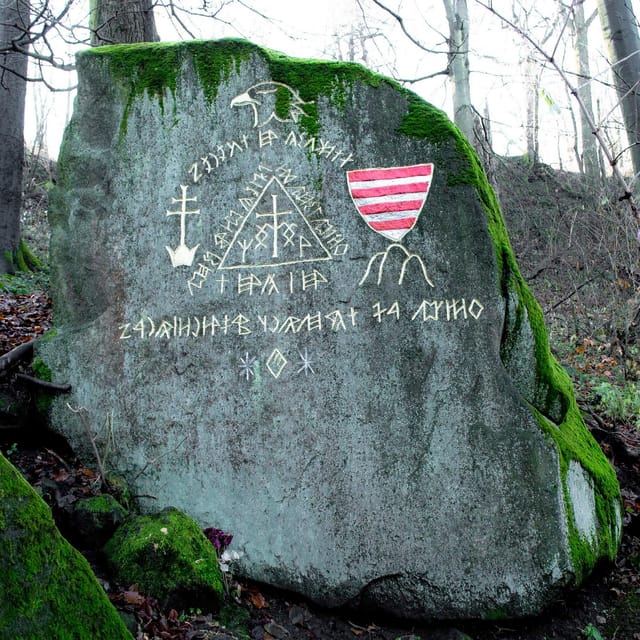
From there, you head toward several stones and rock features tied to runic writing and love/heart symbolism. The tour includes stops at:
- a stone with runic writing
- the Rock of Love
- the Heart of Earth, described as the Beating Rock in translation
The big point isn’t whether you can scientifically prove one meaning. The big point is that people visit these places because they believe they carry something—whether that’s Christian devotion, esoteric energy ideas, or both at once.
It’s also the kind of location where the vibe changes by season and weather. If it’s dry, the experience feels grounded and calm. If it’s raining, the stones and trails can make everything more dramatic—and harder. Either way, you’ll get a stronger sense of why these spots became pilgrimage sites for different communities over the decades.





Hiking reality check: distance, elevation, and footing
This walking leg totals about 8 km with roughly 250 m of elevation. It’s described as first down, then back up. That means you’ll feel it more on the return climb.
And yes: the ground can get muddy. One of the easiest ways to ruin a spiritual day is slipping around and worrying about your footing. So plan for uneven terrain. Trekking shoes help. Slow steps help more.
Lunch in the right place: local food you’ll actually want
After the outdoor legs, the tour includes time for a local restaurant where you can buy lunch. Meals and drinks aren’t included, but this stop is part of why the day feels complete.
Expect traditional Hungarian comfort food. One favorite mentioned is beef goulash—even for people who thought they just came for a hike. The value here is timing: you’re fed after real walking, so the food tastes earned.
If you’re hungry, this is also the easiest time to ask your guide what to order. They know the local rhythm and can help you avoid the tourist-trap feeling that sometimes hits between “activities.”
The sauna option: a smart recovery move (if it’s available)
The tour overview mentions treating yourself in an elegant sauna after the outdoor fun. The pricing details you have here don’t list sauna entry as explicitly included, so the practical move is simple: ask the provider ahead of time if sauna time is part of your specific booking.
If it is, this can be an excellent finish. After a day of hiking on uneven terrain, heat and steam help you loosen up. Even if you’re not a sauna person, it’s a nice reset before heading back to Budapest.
Who this trip suits best (and who should skip it)
This day trip is for you if:
- you like spiritual sites but also want real outdoor time
- you enjoy learning about Hungarian history, language, and how beliefs shift
- you’re comfortable on a hike with uneven terrain and some elevation
- you prefer a private guide who can match your pace and explain the symbolism
It’s not for you if:
- you’re using a wheelchair (not suitable)
- you’re pregnant (not recommended)
- you’re traveling with children under 7 (not recommended)
- you have very low fitness or you weigh over 130 kg (287 lbs)
Also, skip it if you expect stroller access. Strollers aren’t allowed. And keep the party vibe low—smoking in the vehicle and alcohol/drugs are not allowed.
Price and value: is $139 a good deal?
At $139 per person for a 7-hour private guided day trip, the value depends on what you want out of the day.
Here’s what you’re getting for that price:
- transportation by car with pickup options (Budapest or Szentendre)
- a live English-speaking guide
- entrance to the Church of Pilis
- guided visits to the viewpoints and spiritual sites
- a stop at a local restaurant (meals not included)
For me, the money makes sense when you want:
1) someone to interpret what you’re seeing, and
2) a car to get you into Pilis without planning and stress.
You’re not just buying a ticket to scenery. You’re buying guided context—why these places matter to people now, and how historical identity and belief overlap in the region. That’s hard to recreate if you’re trying to do it on your own with public transport.
If you’re mostly chasing views and don’t care about the story, you might question the cost. But if you’re the type who likes to connect places to language, history, and belief, the price feels fair.
Final verdict: should you book this Pilis spiritual hike?
I’d book this if you want a Budapest day trip that’s more than a photo stop. The blend of Church of Pilis, Marian pilgrimage atmosphere, and runic/heart symbolism makes it interesting even if you don’t follow every tradition. Add in the real hike and viewpoint, and it becomes a day with both meaning and movement.
I’d skip it if you want an easy, flat walk, or if weather affects you badly. The terrain can be muddy and slippery, and the uphill return is real.
If you book, do one thing that pays off fast: plan your footwear and bring water. Then let the day unfold. You’ll be walking through Pilis with a guide who turns ordinary stops into a story you can actually hold in your head as the views open up.
FAQ
FAQ
How long is the tour?
The tour lasts 7 hours.
Where does pickup happen?
You can be picked up from Budapest or Szentendre.
Is lunch included?
Meals and drinks are not included. There is a lunch stop at a local restaurant where you can purchase food.
How much hiking is involved?
One hiking leg totals about 8 km with around 250 m elevation gain, and there is also walking back to the car described as about 1.5 km back and forth.
Do I need to be an experienced hiker?
No experience is required, but this is not for very low fitness. The tour involves walking on uneven terrain.
What should I bring?
Bring comfortable shoes, weather-appropriate clothing, water, snacks, and any outdoor gear you need. A camera is also recommended.
Should you book this spiritual hike near Budapest?
If you want a private, guided day outside Budapest that combines Pilis nature with meaningful stops like the Church of Pilis, Mary’s way, and runic/heart symbolism sites, this is a strong choice. Book it especially if you enjoy learning about Hungarian history and belief through a guide’s storytelling, and you’re ready for a moderately challenging hike with uneven footing. If you’re looking for a very easy walk or need wheelchair access, skip this one and choose something flatter.