REVIEW · BUDAPEST
Lives of Hungarians Under Communist and Capitalist system
Book on Viator →Operated by Triptobudapest.hu - Free Budapest Walking Tours · Bookable on Viator
Budapest has receipts for the Communist era. This 90-minute walk pairs first-hand guide stories with real city landmarks, so the Communist period becomes personal instead of just textbook. I especially love the everyday-life focus—housing, travel documents, education, media, and even faith under pressure. The history lands in your lap, not in a lecture hall.
One thing to consider: the topic is heavy. If you’re coming only for light sightseeing, this can feel emotionally dense—though the payoff is clarity about why Budapest looks the way it does today.
In This Review
- Key highlights worth showing up for
- Why This Walk Through Budapest Feels Different
- Pricing That Makes History Accessible (and How Tipping Works)
- Meeting Near Budapest Eye: What the 90 Minutes Will Feel Like
- Stop 1: Budapest Eye and the 15-Minute Communism Orientation
- Stop 2: Fröccsterasz and the Everyday Side of Travel Under Communism
- Stop 3: St. Stephen’s Basilica and Religion at Family Level
- Stop 4: District V Inner City and the Systems You Lived Inside
- Stop 5: Szabadság tér—Nuclear Bunker Exits and Monument Contradictions
- Stop 6: Hungarian Parliament Area and 1956 on the Street
- The Big Takeaway: Why This Matters After You Leave Budapest
- Who This Tour Suits Best (and Who Might Want a Lighter Option)
- Should You Book This Tour?
- FAQ
- How long is the Budapest Communism tour?
- What time does the tour start, and where does it meet?
- Where does the tour end?
- Do I need to buy entrance tickets for the stops?
- Is there a mobile ticket?
- What tip should I plan for the guide?
- Can I cancel and get a full refund?
Key highlights worth showing up for
- Guides who lived through the system bring the Communist era to life with practical, grounded stories
- A short interactive history lesson gets you oriented fast, before you start walking
- Travel and bureaucracy details include basic travel documents and Communist-era transport themes
- Religion varies by family and faith as you visit St. Stephen’s Basilica
- Real-world 1956 evidence in the streets includes bullet holes around the Parliament area
- Small group size keeps it conversational, with a maximum of 20 people
Why This Walk Through Budapest Feels Different
This tour works because it doesn’t treat Communism as a single poster slogan. Instead, you get the Hungarian version of the story—how it shaped daily life, and how people carried those habits and memories into post-Communism.
I like that the pace stays human. You’re not stuck reading plaques for 90 minutes. You’re outside, moving between major landmarks, and your guide connects what you see to what people endured: where families lived, what they learned, how they traveled, and what the state wanted them to believe.
There’s also a built-in “why this matters” thread. You’re not only learning what happened. You’re figuring out why some Hungarians still feel nostalgia for parts of that era, while others remember the costs very clearly.
You can also read our reviews of more tours and experiences in Budapest.

Pricing That Makes History Accessible (and How Tipping Works)
The advertised price is $4.65 per person, and that’s a bargain on the surface. But here’s the fair, practical detail: part of what you pay is a booking fee. It’s for administration and marketing and does not go to the guide.
That’s why tipping matters. The tour is described as guide-dependent on donations at the end, and the most common tip mentioned is €10 per person (some people tip more). If you think the stories helped you understand Hungary with new eyes, plan to tip accordingly. It keeps the model working for guides doing real emotional labor.
Also note the timing: it tends to be booked about two weeks in advance on average. If you’re traveling in peak season or on a busy school holiday period, booking sooner is smart.
Meeting Near Budapest Eye: What the 90 Minutes Will Feel Like
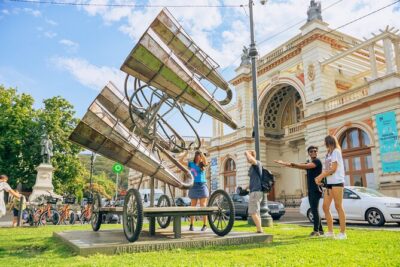
You meet at the Ferris Wheel of Budapest (Budapest Eye) in Erzsébet tér, near where you can quickly get your bearings. The tour starts at 3:30 pm and runs about 1 hour 30 minutes, with stops timed for walking plus short story breaks.
This is designed for small groups—up to 20 people—so you’re less likely to feel like a number. You’ll also be close to public transport, and the end point is near the M2 red metro line. For navigation stress, that’s a win.
You’ll receive a mobile ticket, which keeps it simple. And since it’s a walking experience with mostly short segments, most people can participate, especially if you’re comfortable on city sidewalks.
Stop 1: Budapest Eye and the 15-Minute Communism Orientation
Your first stop is right by the Ferris Wheel of Budapest, and the meeting point is very straightforward—your guide meets you within about 20 meters of Budapest Eye.
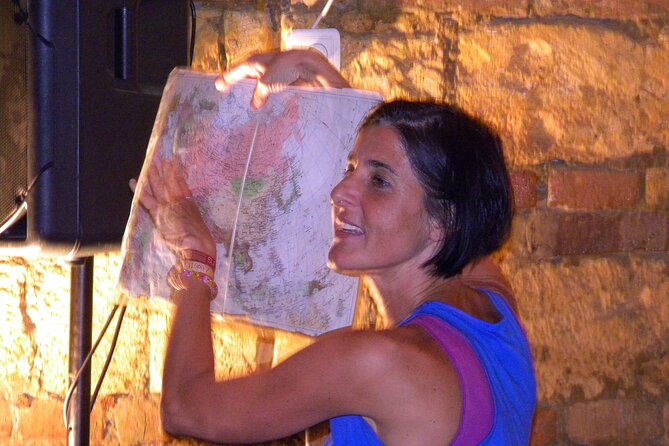
Before you even start covering landmarks, you get a 15-minute interactive history lesson on Hungarian and Central European Communism. That matters more than it sounds. Without that baseline, it’s easy to hear stories about shortages, control, and propaganda and still miss the logic of how the system functioned day to day.
This early setup also helps you ask better questions later. When your guide starts talking about travel rules or education patterns, you’re already tracking the big themes instead of getting lost in names and dates.
Stop 2: Fröccsterasz and the Everyday Side of Travel Under Communism
Next, you head to Fröccsterasz, where the focus shifts from general history to personal systems you could feel in real life.
Here you’ll hear stories about incoming and outgoing travel from Hungary—along with basic travel documents and what they meant in practice. You’ll also learn about Communist-era car types and other transportation themes, which gives you a visual sense of what daily movement looked like when supply chains and ownership worked differently.
This is one of the most useful parts of the tour for most visitors. It turns the abstract idea of state control into concrete moments: plans people had to make, papers people had to carry, and how travel could be easier or harder depending on who you were.
A small caution: this section is story-heavy. If you prefer nonstop landmark photos, plan on listening time.

Stop 3: St. Stephen’s Basilica and Religion at Family Level
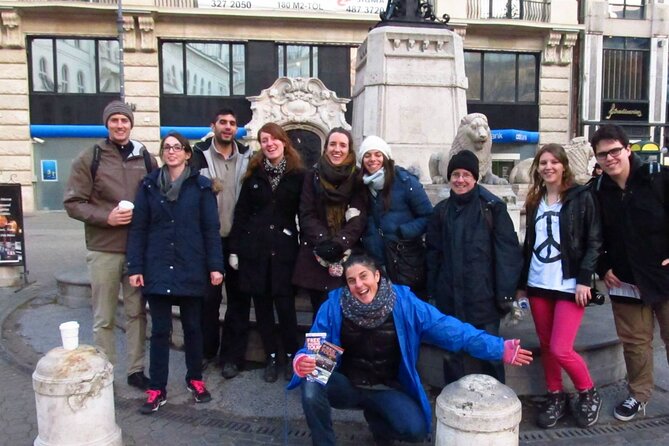
At St. Stephen’s Basilica (Szent István Bazilika), the guide brings religion into the conversation in a grounded way: you’ll learn about the difficulties faced by different denominations during Communism, and how religious life varied family by family.
This isn’t treated as a single straight-line timeline. It’s presented as lived reality. Some families could practice with more freedom than others. Some had to negotiate quietly. Others were targeted more directly.
Visiting the basilica while hearing those distinctions makes the building feel like more than architecture. You start to see how faith can be both comfort and risk when a state tries to control public life.
Also, the stop is about 15 minutes, so you’re getting context without dragging through a long museum-style visit.
Stop 4: District V Inner City and the Systems You Lived Inside
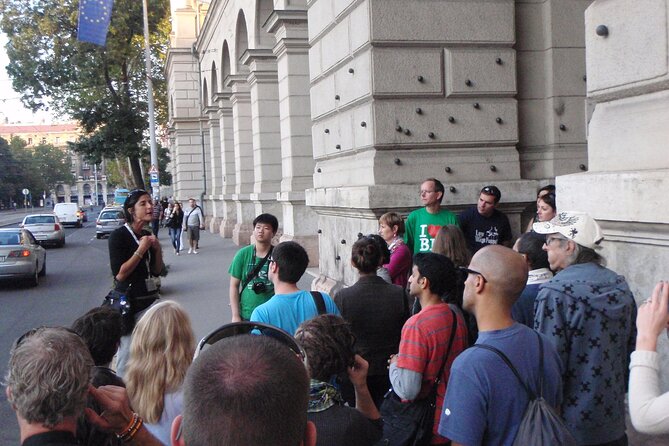
The tour then moves into District V / Inner City, where the guide covers the machinery of everyday life under Communism and after Communism.
You’ll talk about:
- Housing
- Health care
- Education
- Media culture and propaganda
- Sport and the Olympic Games in Communism
- Why some people carry nostalgia for Communism
This is the stop where the tour earns its value for anyone trying to understand Hungary beyond headlines. You’ll hear how these systems weren’t separate topics. They formed a single environment—how people were trained, how information was framed, and how public life worked.
And it sets you up to notice things on your own afterward. You’ll start looking at city design, public messaging, and even institutional buildings with a sharper “who benefits?” lens.
The duration here is about 20 minutes, so it’s enough time for real explanation, but not so long that you’ll tune out.
Stop 5: Szabadság tér—Nuclear Bunker Exits and Monument Contradictions
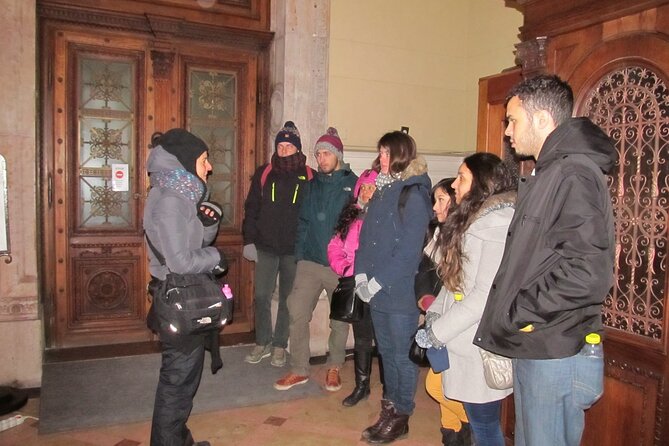
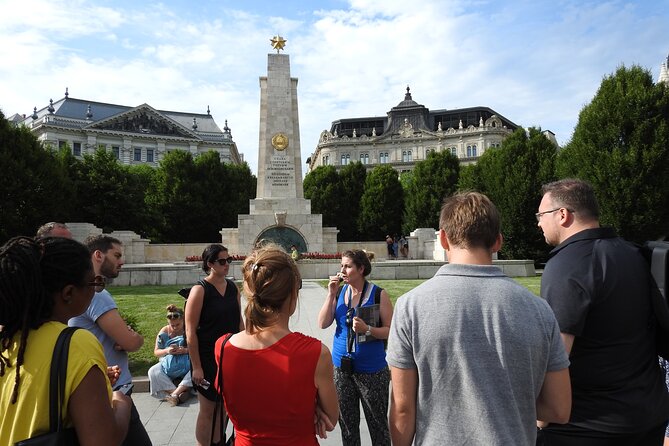
At Szabadság tér, the tour turns sharper and more physical.
You’ll see:
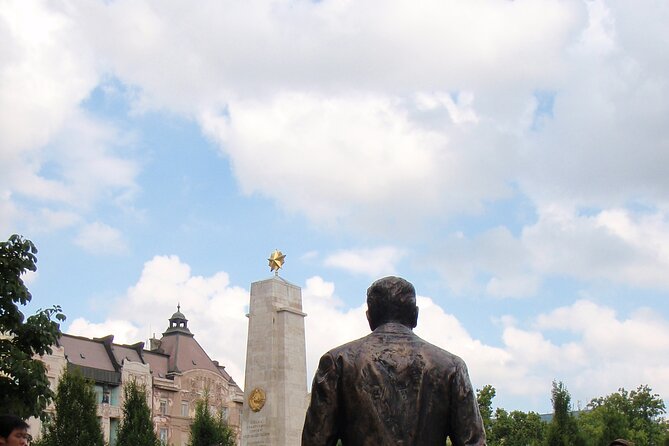
- Controversial monuments placed close together
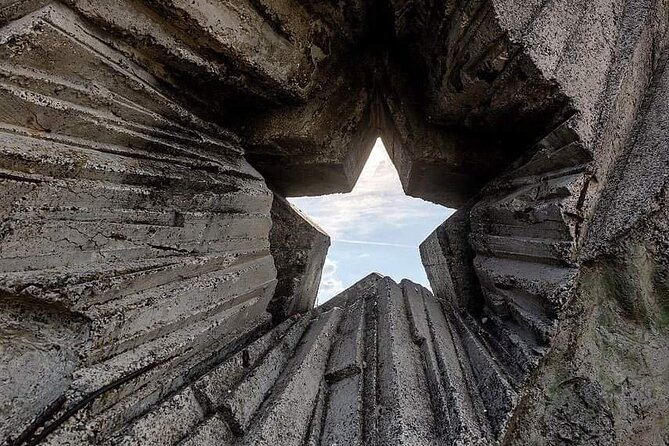
- The emergency exit of the F4 military nuclear bunker
- Some urban art guerilla statues
- A reference to the second most guarded building in Budapest, which sheltered a prominent Hungarian person for over 15 years
Even if you don’t memorize every detail, the effect is strong. This stop forces you to notice that Communist-era politics weren’t only about ideology. They were also about secrecy, fear, and who could safely exist in public.
The mention of an emergency exit from a nuclear bunker is especially eye-opening. It makes Cold War reality feel less like a distant phrase and more like something built into the city fabric.
This section is about 10 minutes, so it’s quick. Still, it gives you images that stick.
Stop 6: Hungarian Parliament Area and 1956 on the Street
You finish at the Hungarian Parliament Building area, and this is where the tour’s emotional weight lands.
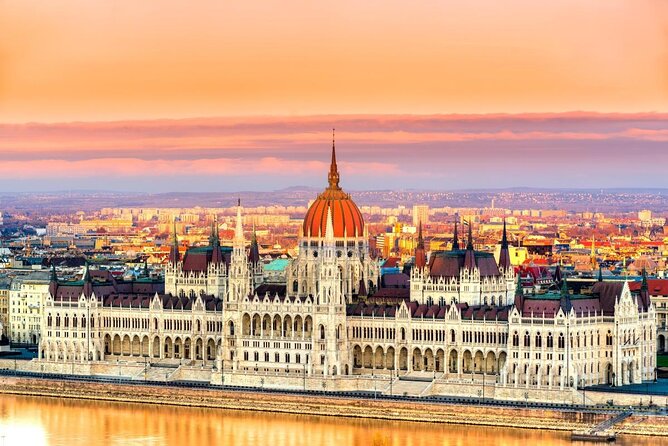
You’ll learn about the 1956 uprising in depth and see details around the Parliament area, including bullet holes on the facade of some residential buildings nearby. The guide also connects the revolution to personal experiences, including stories about experiencing 1956 and Communism as a child.
You’ll hear about heroes of 1956, and you’ll get a sense of how revolutionary memory continues to shape Hungarian identity.
This ending works well because you’re in a powerful setting. You can look at the Parliament and imagine what it means to people who saw it from a different angle—through fear, through hope, through survival.
The stop is about 15 minutes, so it ends with clarity instead of dragging into a long final monologue.
The Big Takeaway: Why This Matters After You Leave Budapest
The best part of this tour is the balance. It doesn’t push a single viewpoint. It connects the Communist period to post-Communism, then explains why people remember things differently.
You also end with a more useful kind of empathy. Instead of pitying people for hardship, you understand how everyday choices were shaped by paperwork, housing policies, education paths, controlled messaging, and the risks of stepping out of line.
If you’re traveling with teenagers, this format can be particularly effective. One review highlighted how the stories turned a school chapter into something real for kids. That’s the goal here: take history and make it behave like history, not just facts on a worksheet.
Who This Tour Suits Best (and Who Might Want a Lighter Option)
This experience is a strong fit if you want:
- Personal stories tied to real Budapest landmarks
- Context that explains why today’s attitudes can still refer back to Communism
- Practical details, like travel documents and education themes
- A small-group format that lets questions feel natural
You might want a different option if you’re the type who hates political context. This walk talks about propaganda, control, and the 1956 revolution in a direct way. It’s not pretend-friendly history.
If you’re comfortable walking short blocks and standing still for short stops, you’re good. Wear shoes you trust—your schedule is tight, and you’ll be moving between central locations.
Should You Book This Tour?
Yes, if your goal is understanding Hungary with your eyes open. The value is strong because you’re paying for a guide’s first-hand perspective plus a structured route through the city’s key symbolism—Budapest Eye, St. Stephen’s Basilica, District V, Szabadság tér, and the Parliament area.
Book it especially if you’re curious about the everyday parts of Communism, not just the major events. The strongest payoff comes when you connect travel, housing, education, religion, propaganda, and the 1956 legacy into one coherent picture.
My only reason to hesitate is if you’re specifically craving an upbeat sightseeing-only day. This tour can feel heavy, even when it’s explained clearly.
FAQ
How long is the Budapest Communism tour?
It runs for about 1 hour 30 minutes.
What time does the tour start, and where does it meet?
The start time is 3:30 pm, and you meet at the Ferris Wheel of Budapest (Budapest Eye) at Erzsébet tér.
Where does the tour end?
It ends near the Hungarian Parliament Building at Kossuth Lajos tér 1-3, about 50 meters from the M2 red metro line.
Do I need to buy entrance tickets for the stops?
Entrance tickets are listed as free for the stops included on the route.
Is there a mobile ticket?
Yes, it’s a mobile ticket.
What tip should I plan for the guide?
Tips are not included. The most common tip mentioned is €10 per person, with some people tipping more.
Can I cancel and get a full refund?
Yes. You can cancel up to 24 hours in advance for a full refund (based on local time).