REVIEW · BUDAPEST
Budapest: Concert on the Oldest Working Organ in the City
Book on GetYourGuide →Operated by Teleki Miklós · Bookable on GetYourGuide
Hear Budapest’s oldest organ in a Baroque church. In St. Michael’s Church, you get a focused, 70-minute session of live organ and chamber music on the oldest working organ in Budapest, usually with the award-winning Miklós Teleki at the console. I love the clean sound in a real church space, and I like that the program is built around famous works plus Hungarian selections. One thing to plan around: no audio or video recording is allowed inside.
What makes this experience practical is how the concert is staged for non-specialists. You get a short introduction in English (and Hungarian), a leaflet to follow along, and even a screen that helps you see the organist at work. For around $24, it’s one of the better ways to spend an evening in the 5th District without turning it into a whole production.
In This Review
- Key highlights at St. Michael’s organ concert
- Getting to St. Michael’s Church by the Danube (and why location matters)
- What the 70-minute concert feels like from your seat
- Miklós Teleki and the Majestic Sounds series style
- The organ itself: a 25-pipe instrument with real character
- Music choices you’ll actually recognize (and a few surprises)
- How the intro, leaflet, and screen help you enjoy it more
- Price and value: is $24 a smart buy?
- When to go: Friday evenings plus specific December dates
- Who should book this concert, and who might skip it?
- Should you book Budapest’s oldest-organ concert?
- FAQ
- Where is the concert held?
- How long is the concert?
- Who performs at the organ concerts?
- What music will I hear?
- Is audio or video recording allowed?
- Is this wheelchair accessible?
Key highlights at St. Michael’s organ concert
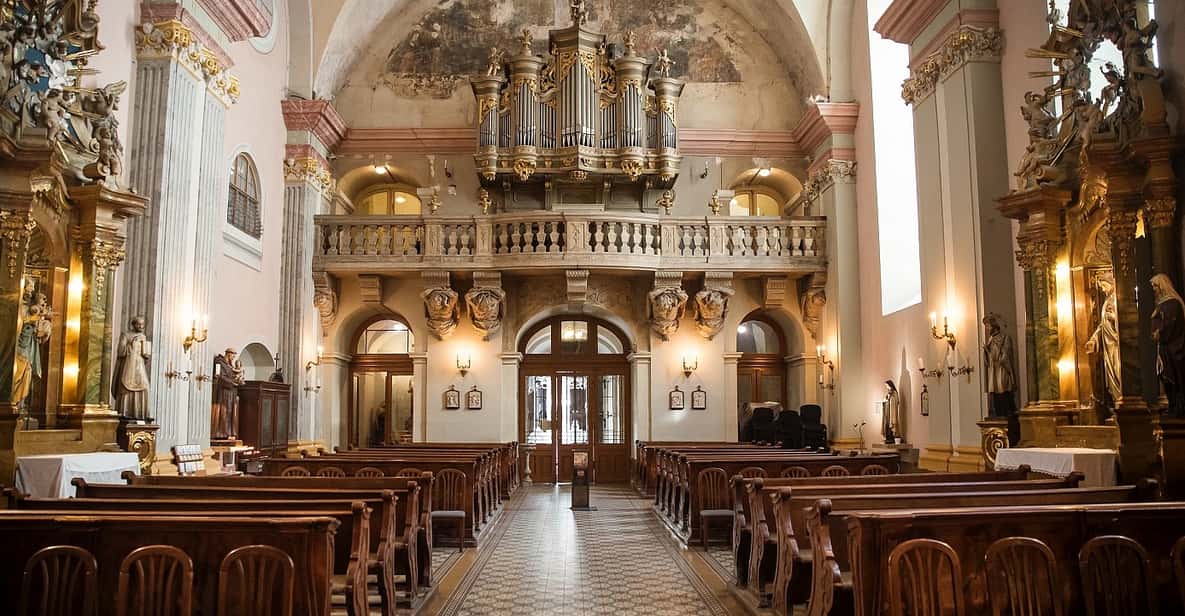
- The city’s oldest working organ in a Baroque church (not a silent museum piece)
- Miklós Teleki leads the Majestic Sounds series for many dates
- English + Hungarian introductions and a printed program leaflet for context
- A 25-pipe organ that stays close enough for detail, not just cathedral roar
- Varied music across eras, from Bach to Mozart to Liszt and Dubois
- Works for organ plus chamber concerts (soprano Nóra Ducza appears on selected dates)
Getting to St. Michael’s Church by the Danube (and why location matters)
This concert takes place at St. Michael’s Church in Budapest’s 5th District. The meeting point is at the corner of Váci utca and Nyáry Pál utca, postcode 1056, and you’re quite near the Danube.
That matters because you can pair this with an easy pre-concert walk. After dinner, you don’t need a complicated transit plan to reach a calm indoor space where the music can do its job. The church is a real stop in a real neighborhood, not out on a far-flung tour loop—so you can keep your evening flexible.
Also, the concert is designed for people arriving with tickets in hand. There’s no ticket-line hassle on the day, and you’ll be checked against a list at the door.
You can also read our reviews of more city tours in Budapest



What the 70-minute concert feels like from your seat
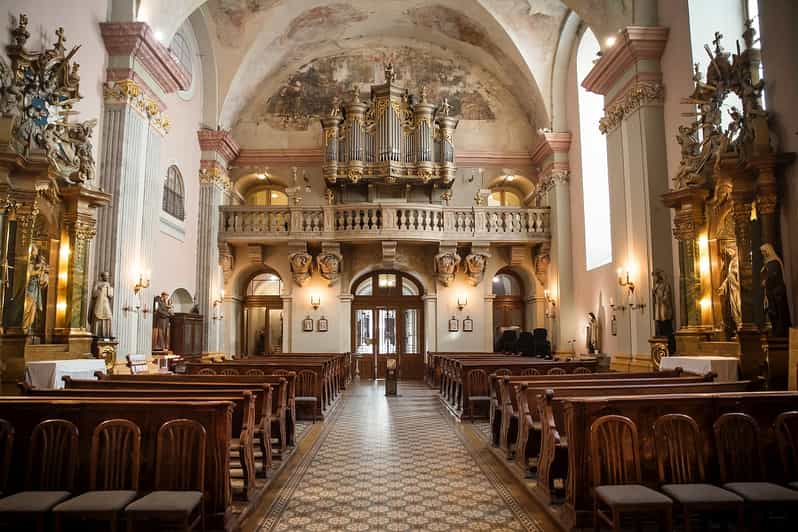
The format is simple: you sit down, listen, and let the program move at a human pace. It runs about 70 minutes, so you’re not committing to a long evening that later makes you regret your dinner timing.
This is music you can follow. You’re not expected to know what a fugue is to enjoy it—though if you do, the performer’s control will delight you. The organ sound in a church like this tends to hang in the air, and the shorter length keeps that effect from getting tiring. It’s the kind of concert where, by the end, you feel like you just spent an hour listening to a master craft rather than surviving background music.
One more practical note: the organist playing is shown on a screen, so even if you’re seated at an angle, you get a visual sense of what’s happening on the keys and stops.
Miklós Teleki and the Majestic Sounds series style
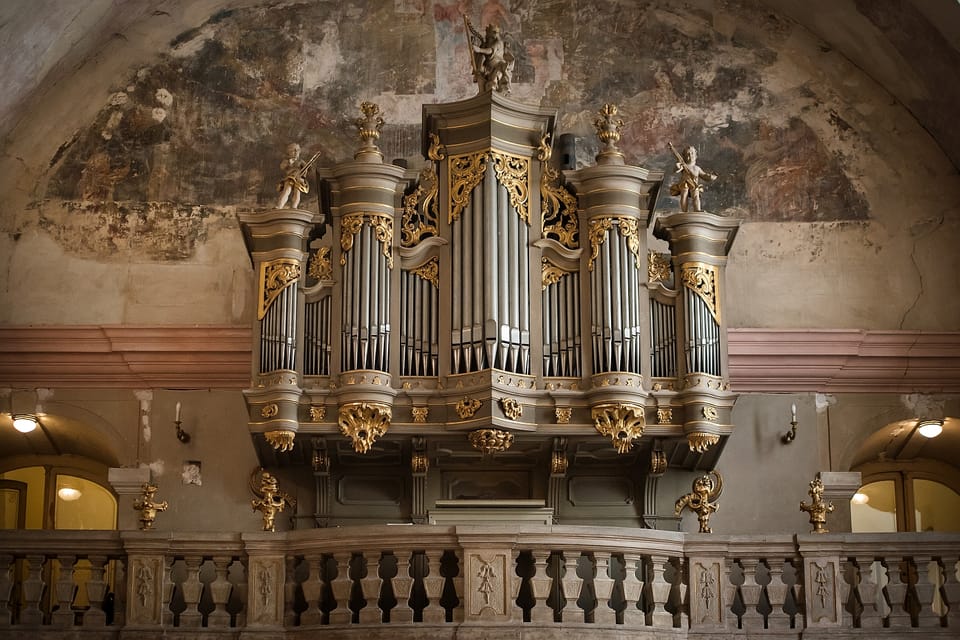
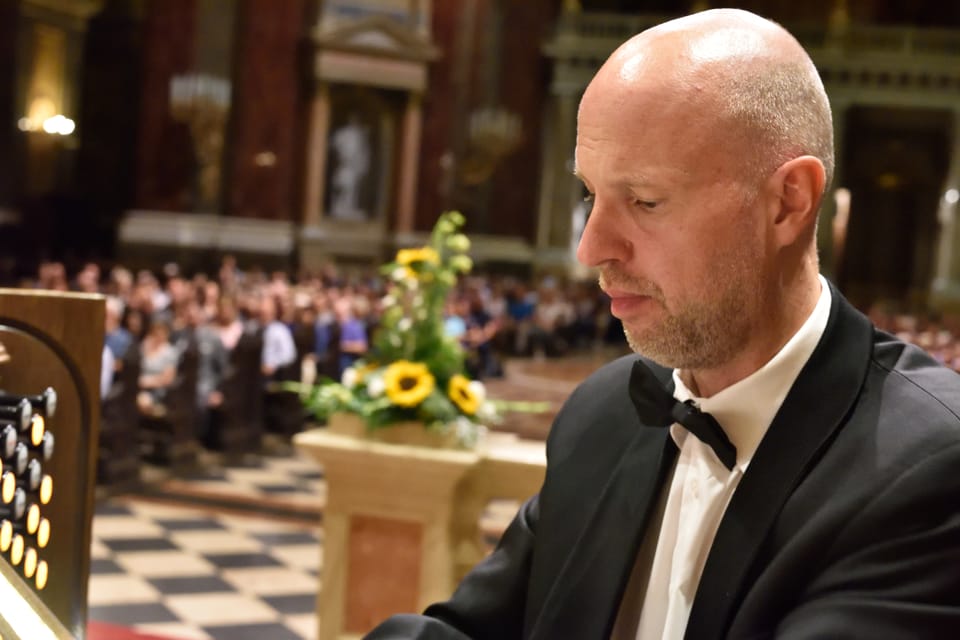
A big reason this concert earns top marks is the performance leadership. The series’ creative director and main organist is Miklós Teleki—an excellent, award-winning Hungarian musician who gives about 120 organ and piano recitals a year.
In plain terms: you’re hearing someone who does this for a living, not a one-off guest. That shows in how he shapes a piece. You can feel the structure when he shifts between quieter lyrical lines and brighter, more rhythmic passages.
Teleki performs at almost all recitals in the series, with a few notable exceptions. On certain dates, you might hear Andres Uibo (for example, 4 July) or Tamás Lozsányi (for example, 31 October). The point for you: it’s still consistent in quality and style because the series is built around top Hungarian organ talent.
At chamber-music concerts, the focus expands beyond the organ. On selected dates, you’ll hear Nóra Ducza, a young soprano, with Teleki, including dates listed as 30 May, 18 July, 29 August, 17 October, and 23 December.
The organ itself: a 25-pipe instrument with real character
Don’t expect a huge cathedral organ. This one is a 25-pipe organ, installed in the church and designed as a compact, expressive instrument. That turns out to be a plus for most listeners.
With a smaller setup:
- You often get more clarity between lines.
- The organ can feel less overwhelming and more conversational.
- You hear changes in articulation and stops more distinctly.
This is one of those setups where the venue and instrument work together. The church acoustics add warmth, but the sound still stays readable—so you don’t need to be an expert to appreciate the craft.
Music choices you’ll actually recognize (and a few surprises)
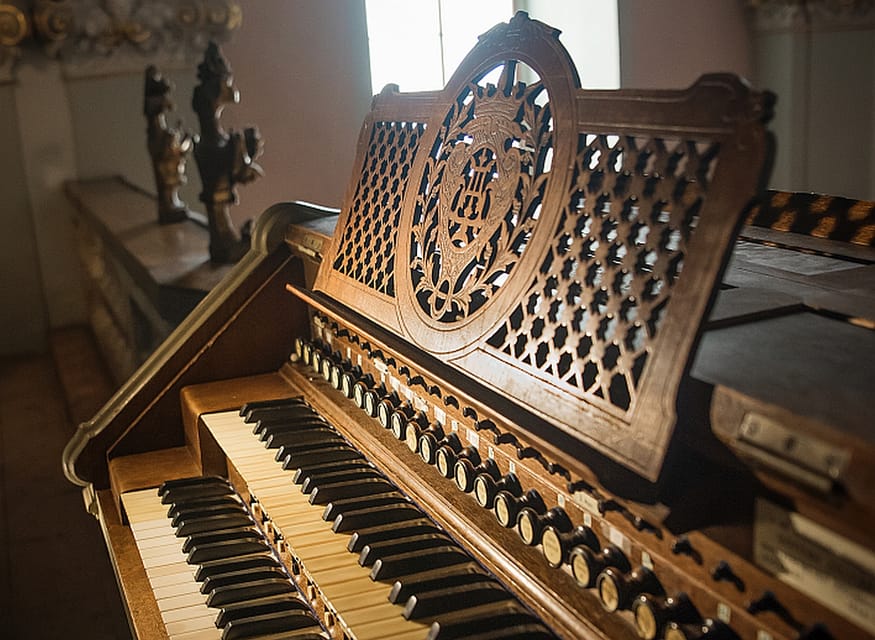
The programming is built around “old favorites,” with room for discovering new-to-you favorites. The series mentions selections like old Hungarian organ music, plus composers such as Bach, Dubois, Franck, Handel, Liszt, Mendelssohn, Mozart, Purcell, and Vivaldi.
To make it concrete, here are sample works that have appeared on different dates:
- J. S. Bach: Prelude and Fugue in B minor (BWV 544)
- Bach: Trio Sonata in E-flat major (BWV 525)
- Antonio Vivaldi – Bach: Concerto in A minor (BWV 593)
- Bach: Pastorella movements (BWV 590)
- Mozart: Fantasy in F minor
- Liszt: Consolation in D-flat major and Choral – Nun danket alle Gott
- Théodore Dubois: In Paradisum and Toccata in G major
- Bach: Nun komm, der Heiden Heiland (BWV 659)
- Bach: Toccata and Fugue in D minor (BWV 565)
If you’re not trying to memorize catalog numbers, just think of the “shape” of the evening: it tends to flow from a striking opening into carefully balanced variety—sometimes starting with fugue-like complexity, sometimes moving into more songful or celebratory writing.
That mix is also why this concert works for different tastes. Bach gives you brain candy. Mozart brings drama. Liszt adds color and emotional lift. Dubois can feel like organ music with a clear, vocal center.
You can also read our reviews of more tours and experiences in Budapest





How the intro, leaflet, and screen help you enjoy it more
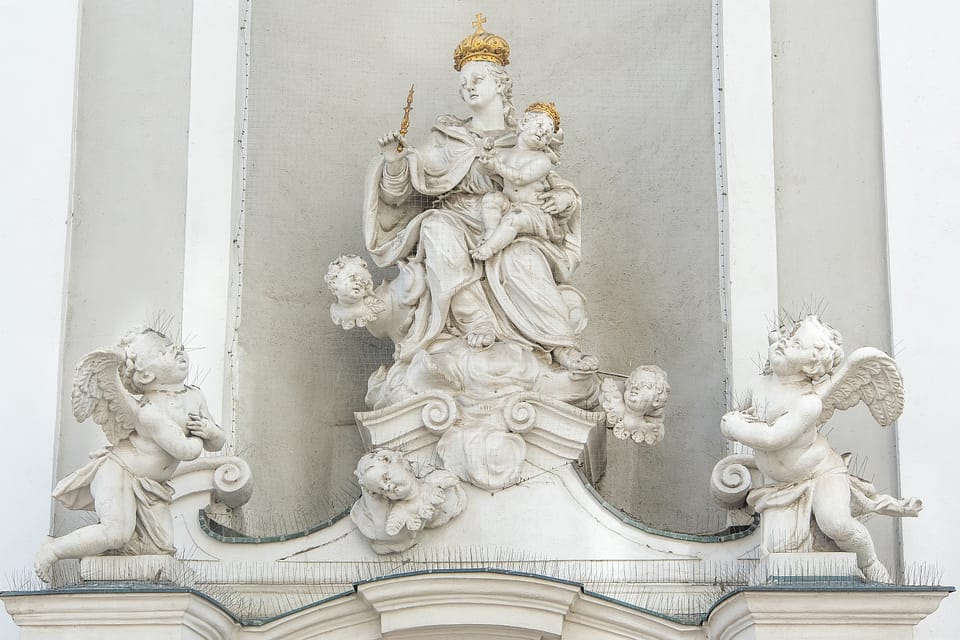
The concert is designed for listening, not homework. Before the music starts, you’ll get a short introduction in English and Hungarian. The program leaflet is available in those same languages and includes information about the organ.
On top of that, the organist appears on a screen, which helps you connect sound to technique. It’s a small thing, but it makes a difference, especially with instruments that rely on multiple stop changes. You start to notice when the performer flips from one color to another.
No recording is allowed—both video and audio are prohibited. That’s not meant to be annoying. It’s also how the concert stays quiet enough that people can truly listen.
Price and value: is $24 a smart buy?
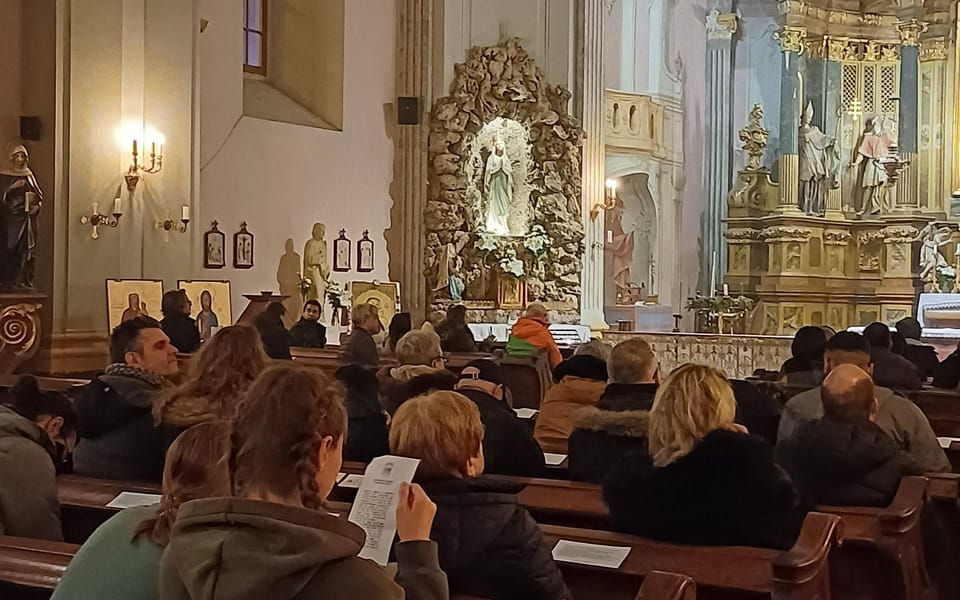
At about $24 per person, this concert is priced like a straightforward ticket, not a fancy add-on experience. You’re paying for:
- entry to a real church performance space,
- live solo organ or chamber programming, and
- the chance to hear the oldest working organ in Budapest in action.
You also get a set time commitment (about 70 minutes). That’s valuable in a city like Budapest, where evenings can turn into “we walked a lot and didn’t really rest” if you’re not careful.
Could you find cheaper music elsewhere? Maybe. But if you want a high-art evening that doesn’t require a museum-like attention span, this is strong value.
When to go: Friday evenings plus specific December dates
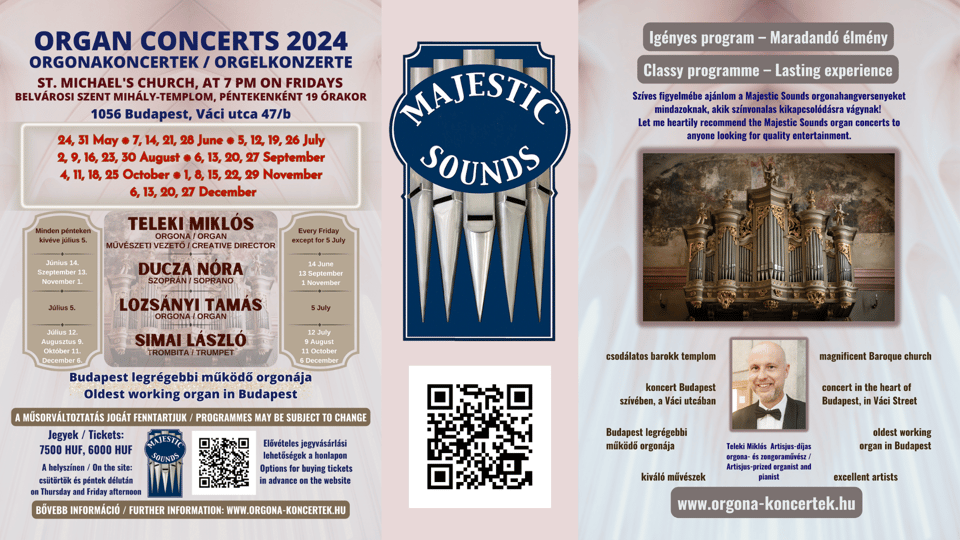
The series runs on different days depending on the program, but one schedule style is described as a Friday evening concert with organ and chamber pieces. In addition, the 2025 schedule lists two Tuesday night concerts on 23 and 30 December.
If you’re visiting around the holidays, those Tuesday dates are especially useful, because you get a structured evening activity when many normal plans feel crowded or limited.
For the soprano chamber dates, keep an eye on the listed days for Nóra Ducza with Teleki: 30 May, 18 July, 29 August, 17 October, and 23 December.
Who should book this concert, and who might skip it?
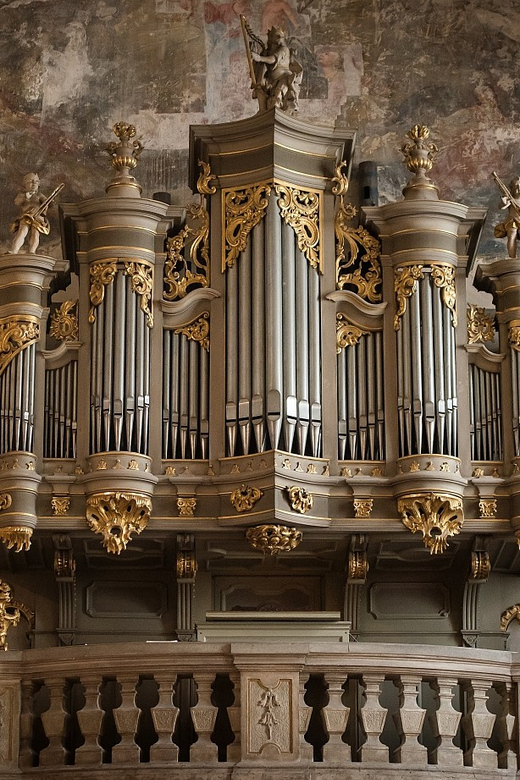
This is a great fit if you want:
- a peaceful indoor evening that doesn’t need translation tricks,
- live classical music in a Baroque church setting,
- a chance to hear a historically meaningful instrument that’s actually in use.
It’s also a strong choice if you like structure. The concert includes a printed program leaflet and a brief introduction, so you can follow along without guessing.
You might consider skipping if you:
- only want music at a high volume party level (this is calm and focused),
- hate sitting through classical programs that don’t include intermission,
- really need to record everything on your phone (recording is not allowed).
Should you book Budapest’s oldest-organ concert?
Yes—if you want a dependable, high-quality evening that’s easy to fit into your Budapest plans. The combination of a major Budapest venue (St. Michael’s Church), the oldest working organ in the city, and top-tier performance leadership from Miklós Teleki makes this feel like one of those “do it once and you’ll remember it” experiences.
Book it especially if you’re the type who enjoys craftsmanship: careful articulation, clear structure, and the way organ sound can be both powerful and precise. Even if you’re not an organ devotee, the short introduction, English/Hungarian leaflet, and screen support make it visitor-friendly.
FAQ
Where is the concert held?
It takes place at St. Michael’s Church in Budapest’s 5th District, near the corner of Váci utca and Nyáry Pál utca (1056), close to the Danube.
How long is the concert?
The concert lasts about 70 minutes.
Who performs at the organ concerts?
The series is led by the creative director and main organist Miklós Teleki, who performs at almost all recitals. On certain dates, other organists play, such as Andres Uibo and Tamás Lozsányi.
What music will I hear?
The program varies by date, but it can include organ works and chamber selections featuring composers such as Bach, Mozart, Liszt, Handel, Vivaldi, Purcell, Dubois, Franck, and others, plus old Hungarian organ music.
Is audio or video recording allowed?
No. Video recording and audio recording are not allowed during the concert.
Is this wheelchair accessible?
Yes. The experience is listed as wheelchair accessible.