REVIEW · BUDAPEST
Budapest City Landmarks Walking Tour in 2 Hours
Book on Viator →Operated by Triptobudapest.hu - Free Budapest Walking Tours · Bookable on Viator
Two hours can change how you see Budapest. This landmarks walk strings together classic buildings and street-level stories, with public art, food talk, and even basic Hungarian language sprinkled in along the way. I especially like the big-picture overview you get for planning the rest of your trip, and how the guide points out what to revisit later.
The only catch: it’s designed for movement and short stops, so the pace is brisk and you won’t have time to enter every site (like the Basilica).
In This Review
- Key Highlights You’ll Notice Right Away
- A Two-Hour Budapest Walking Tour That Gives You Bearings Fast
- Meeting at Budapest Eye and Finishing at Parliament: The Route Logic
- Erzsébet ter: The “How Budapest Works” Starter Pack
- Szent István Bazilika and St. Stephen’s Square: Big Architecture Without the Crowds
- Jozsef Nador Ter to Vorosmarty ter: Porcelain, Ceramics, and People-Watching
- Danube Embankment Views: Korzo to Chain-Bridge Perspectives
- Little Princess Statue Wish: A Short Break That Works
- Vigadó Square: Coronations and Music in One Place
- Szechenyi Lanchid and Gresham Palace: Bridge Story + Art Nouveau Details
- Hungarian Academy of Sciences: Words to Impress and Nobel Pride
- Shoes on the Danube Bank: A Quiet, Serious Pause
- Hungarian Parliament Building: Neo-Gothic Architecture and a Plan for Tomorrow
- Price and Value: Why $3.63 Makes Sense Here
- How to Make Sure You Enjoy Every Minute
- Who Should Book This Tour (and Who Might Want Something Else)
- Should You Book It?
- FAQ
- How long is the Budapest City Landmarks Walking Tour?
- Where do I meet the guide?
- Where does the tour end?
- Is the tour offered in English?
- Does the tour enter Szent István Basilica?
- What is included in the price?
- Are tips required?
- What happens if the weather is bad?
- Can I cancel and get a full refund?
Key Highlights You’ll Notice Right Away

- Meet at Budapest Eye on Elisabeth Square with a guide holding a small blue flag
- A guided overview from Pest landmarks to Buda views in about two hours
- Ceramics and design stops featuring Herendi and Zsolnay pieces (seen from the street)
- Danube storytelling with UNESCO-listed viewpoints toward Castle Hill and more
- An emotional, reflective pause at Shoes on the Danube Bank
- A useful “what next” wrap-up at the Hungarian Parliament Building
A Two-Hour Budapest Walking Tour That Gives You Bearings Fast
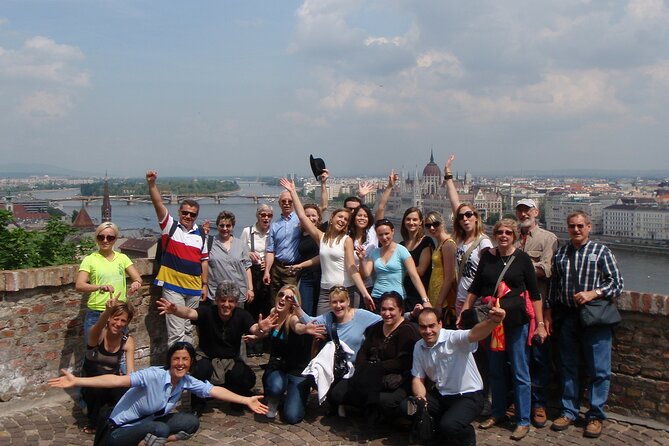
Budapest is big in feel. Even when the sights are famous, you can still feel scattered. This tour fixes that with a simple goal: take you to the city’s major landmarks and key neighborhoods in a short time, then point you toward what matters most.
I like that it isn’t just “look at this building.” The route is built around why these places are here and how to think about them—from architecture and public art to day-to-day culture. You also get practical guidance for your free time, including restaurant and nightlife suggestions at the end.
One more smart design choice: after you finish, you’ve still got most of the day left. That means you can go back to your favorite spot at your own speed—whether that’s a river view you want at golden hour or a building you want to study from a new angle.
You can also read our reviews of more walking tours in Budapest



Meeting at Budapest Eye and Finishing at Parliament: The Route Logic
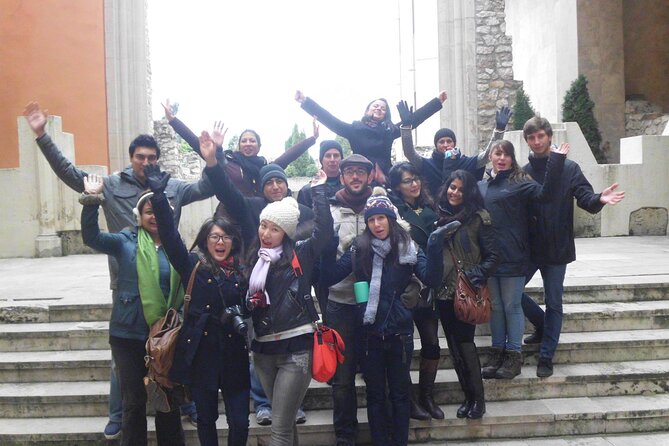
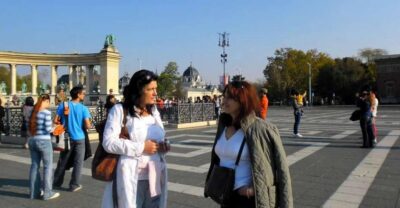
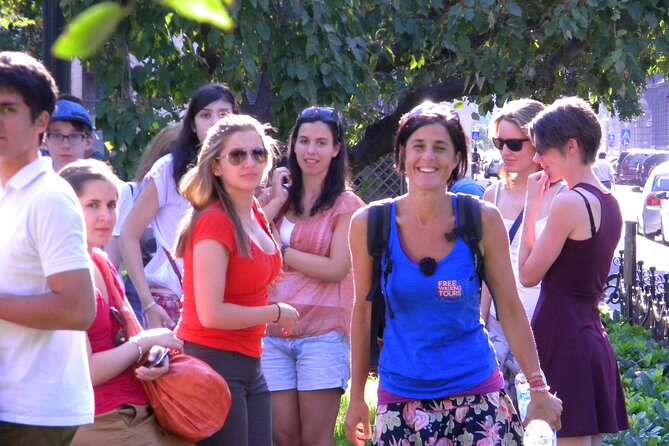
The tour begins at the Budapest Eye (Elisabeth Square), where your licensed local guide meets you about 20 meters away, holding a small blue flag. The plan is easy: go from a landmark that’s impossible to miss, then walk toward another landmark that’s hard to forget.
You’ll end at the Hungarian Parliament Building (Kossuth Lajos tér). That ending matters, because Parliament is a natural launching point for the rest of your trip. It’s close to areas people usually want to revisit, and the tour finishes with practical recommendations and an orientation so you’re not wandering blindly after you’ve already walked for hours.
It runs in English, uses a mobile ticket, and keeps the group to a maximum of 30 travelers, which helps the whole thing feel organized rather than chaotic. Reviews also mention guides using a speaker so it’s easier to hear the storytelling without craning your neck.
Erzsébet ter: The “How Budapest Works” Starter Pack
Your first stop is Erzsébet ter, right by Elisabeth Square and the Budapest Eye. This is where the tour sets expectations and tone. Your guide introduces the city through a blend of history, architecture, public art, society, food, and basic Hungarian language—and you’ll also learn what the walk includes on the map.
This start is valuable because it trains your eyes for what you’ll see next. Instead of arriving and only collecting photos, you start connecting the dots: how different eras left their marks, how neighborhoods changed, and what locals care about.
A small but important practical detail: the guide’s meeting point is clearly defined, and it’s close to the Budapest Eye. If you’re the type who likes to arrive early and get your bearings, do it here—this tour moves forward, and you don’t want to lose time at the first handoff.
Szent István Bazilika and St. Stephen’s Square: Big Architecture Without the Crowds
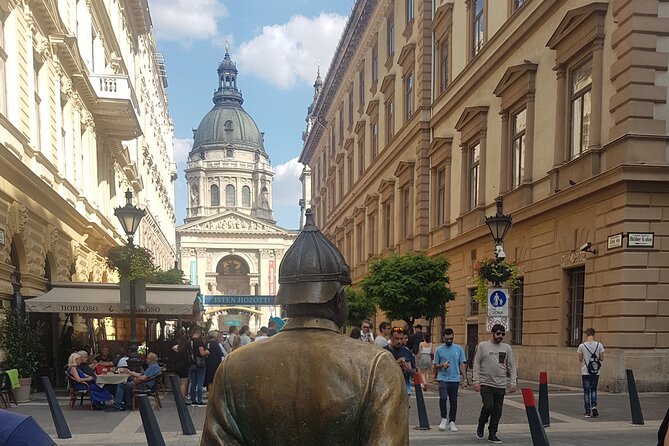
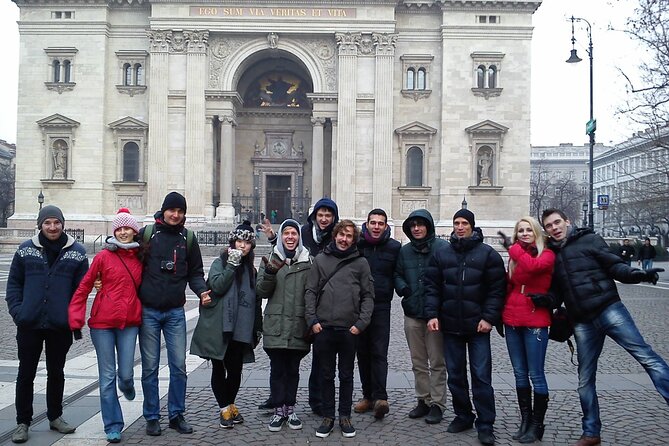
Next up is Szent Istvan Bazilika (Szent István Basilica). Even though the tour does not enter the Basilica, it’s still a strong stop because you learn what makes it so dominant—its architecture across different periods and its scale, with seating for 8,500 people. You also see the surrounding pedestrian area and get context that helps when you return later and decide whether to go inside.
Right after that, you reach St. Stephen’s Square. This stop mixes public art with culture. You’ll see the well-known public artwork about fat policemen with shiny bellies, and then the guide shifts to food and daily life: Hungarian culinary art, a bit of cooking history, what to eat in Budapest, and how to avoid tourist traps.
This is one of the most practical parts of the whole experience. A landmark walk is easy to forget once you’re hungry. By talking food here, before you’re exhausted, you walk away with better instincts for meals the same day.
Jozsef Nador Ter to Vorosmarty ter: Porcelain, Ceramics, and People-Watching
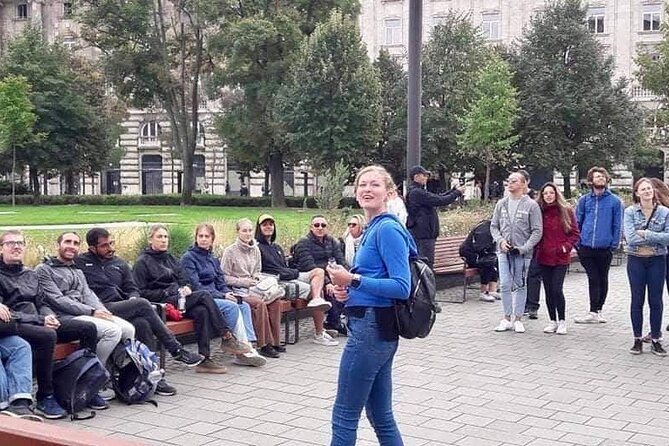
At Jozsef Nador Ter, the tour focuses on Hungarian Habsburg ties and two famous ceramic names: Herendi hand-painted porcelain and Zsolnay glazed colorful ceramic pieces. You’re not doing a museum-style interior visit here. Instead, you’re learning why these designs mattered—and how Budapest’s taste was shaped—while you’re still walking through real streets.
Then you’re at Vorosmarty Square near the end of Váci utca. This area is perfect for a pause because it’s built for people-watching. You also learn about the second oldest underground in the world and that one of its terminals sits nearby. If you’re a design fan, you’ll also hear about neo-classical-style buildings and the posh Gerbaud café in the area.
The guide adds local rhythm too: you’ll get context on Christmas markets and traditions in Budapest. Even if you’re not traveling in December, this kind of seasonal knowledge helps you understand why the city turns certain corners in certain months.
You can also read our reviews of more city tours in Budapest





Danube Embankment Views: Korzo to Chain-Bridge Perspectives
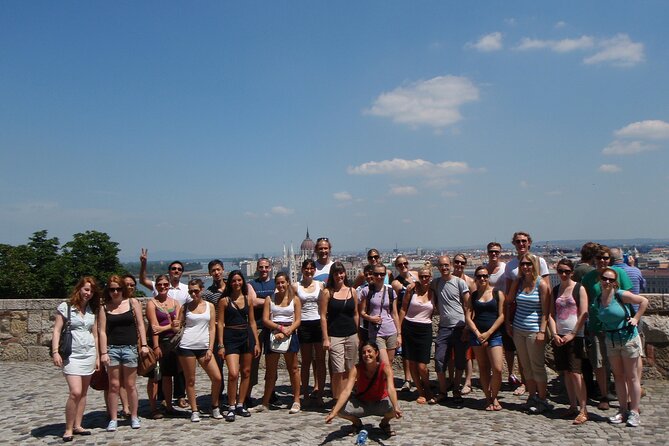
The walk hits the Danube Embankment (Dunakorzo) at Korzo. This stop leans hard into panorama. You’ll see the first non-Communist statue in Budapest, plus the main riverside buildings and a view line that points toward major Castle Hill landmarks—Matthias Church, Fisherman’s Bastion, Buda Castle, and Gellért Hill with the Citadel.
The tour notes that many of these sights are UNESCO World Heritage-listed, and that’s exactly how it feels: you’re not just looking at pretty buildings; you’re seeing a world-famous cityscape in fragments that you can later reconnect.
One drawback of view-focused stops: your comfort matters. Keep moving, but take photos without rushing past the whole scene. This is the kind of place where 30 extra seconds to let the view settle can change the photos you come away with.
Little Princess Statue Wish: A Short Break That Works
At the Little Princess Statue, the tour does something small and memorable: you stop for making a secret wish while touching the statue’s shiny knees. It’s quick—just a couple of minutes—but it’s a nice reset after heavier history stops.
This is also a useful reminder for the tour format. It’s not all “read and listen.” You get moments where you can step back, look around, and add a little ritual to the day.
Vigadó Square: Coronations and Music in One Place
At Vigadó Square (Vigado ter), the tour tells a story that connects power and art. You’ll hear about a coronation banquette tied to Franz Joseph and Sissy in the XIX century, and you’ll also connect the area to musicians who played there—Franz Liszt, Debussy, and Brahms.
Even if you only know one or two of those names, the point lands: Budapest has always been a city where politics and culture share the same stage. The guide’s job is to show you the link in human terms, not just in dates.
If you like music history, this is a high payoff stop. If you don’t, it still works because it’s a quick way to understand why Budapest’s cultural reputation isn’t random.
Szechenyi Lanchid and Gresham Palace: Bridge Story + Art Nouveau Details
At Szechenyi Lanchid (Chain Bridge), the tour provides the history of Pest and Buda through the bridge’s story—specifically that it was the first permanent bridge built in the city. Bridges are practical, but in Budapest they’re also emotional connectors. Your guide helps you see it that way, not just as a landmark you walk past.
Then comes Gresham Palace, a famous Secessionist building from Budapest’s golden age around the turn of the century. The guide talks about its Art Nouveau-style ornaments and why the building’s look still feels distinct today.
This pair of stops is a good example of the tour’s balance: engineering history on one side, design history on the other. It gives you two different ways to understand Budapest’s “old-world” personality without feeling stuck in only one theme.
Hungarian Academy of Sciences: Words to Impress and Nobel Pride
At the Hungarian Academy of Sciences, you’ll get more than visuals. The tour includes Hungarian words and phrases—meant to help you impress friends and feel slightly more at home in the city.
You’ll also hear why Hungary has the largest Nobel Prize awards per capita, plus references to people of Hungarian origin and Hungarian inventions you’d miss in everyday life.
One caution: this stop is more idea-heavy than photo-heavy. If you like to learn while walking, it’s a great one. If you’re the type who needs constant visuals, you may want to slow your note-taking here and just absorb the guide’s key points, then revisit what interests you later.
Shoes on the Danube Bank: A Quiet, Serious Pause
At Shoes on the Danube Bank, the mood changes. You’ll stop at 60 pairs of shoes placed to commemorate the 60th anniversary of the Holocaust. The guide explains WWII history, deportations, and more recent history of the Hungarian Jewish people.
You’ll also be invited to close your eyes and imagine individuals who died there—ranging from synagogue goers to assimilated Jewish people, across ages and social roles.
This is the one stop where you should plan for feelings, not just facts. If you prefer light sightseeing only, you might find this intense. If you’re okay with respectful remembrance, it becomes one of the most powerful parts of the day.
Hungarian Parliament Building: Neo-Gothic Architecture and a Plan for Tomorrow
The final stop is the Hungarian Parliament Building. The tour focuses on recent history and elections, along with the building’s neo-gothic architecture, described as harmoniously beautiful.
This is also where the tour shifts from sightseeing to strategy. You’ll get useful recommendations for restaurants, nightlife, and what to do on your next days, plus a final orientation so you understand where to go from here.
Think of it as the landing gear for your trip. After walking through the city’s eras and symbols, you finish at a place that represents modern Hungary’s public life.
Price and Value: Why $3.63 Makes Sense Here
On paper, $3.63 per person is hard to beat. In reality, the value comes from how the tour uses that time: you get a guided route across major sights, short context at every stop, and practical ideas for the rest of the day.
Also, many of the stops are marked as admission ticket free, and you don’t need to plan additional entry fees for the core tour experience. The learning is built into the walking.
One important detail: the price includes a booking fee, and that fee is described as directed toward administration rather than guide earnings. The guides depend on your tips or donations at the end, and the amount is your choice. If you book, plan to bring a little extra cash or have a payment option ready so you can reward the guide fairly.
How to Make Sure You Enjoy Every Minute
This is a walking tour, and even if the pace feels comfortable, you’re still on your feet. Do the boring preparation that makes the fun easier.
- Wear comfortable shoes and bring a drink. One review specifically suggests taking a drink with you.
- Use your mobile ticket before you start, not halfway through.
- If you’re taking photos, pause at view stops but don’t get stuck. The best views are the ones you see in full, not just through a screen.
- Ask questions. Several guides are praised for answering well and going deeper when people want more context.
- If you’re doing castles and museums later, this tour helps you choose wisely which spots deserve your extra time.
And if you’ve got free time afterward, use the guide’s direction. The whole point is that you can return to the landmarks you like most once you’ve learned how the city fits together.
Who Should Book This Tour (and Who Might Want Something Else)
This tour is a great match if you:
- Are visiting Budapest for the first time and want a fast orientation
- Have a short schedule and want a major-sights overview in about two hours
- Like learning through architecture, public art, and local stories
- Want quick practical advice for food and where to go next
- Appreciate an added language moment, including basic Hungarian words and phrases
It may not be your best choice if you:
- Want to spend a long time inside churches, museums, or major interiors
- Need lots of quiet time to sit down and linger
- Prefer sightseeing that avoids emotional WWII remembrance
Weather matters too. The experience is noted as requiring good weather, so plan for that and be flexible.
Should You Book It?
Yes, if you want an efficient introduction that leaves you with a plan. This walk connects Pest landmarks, Buda views, public art, and Danube history, and it finishes at the Parliament with recommendations for what comes next. For the low listed price, it’s one of the easiest ways to understand Budapest, not just pass through it.
If you’d rather do fewer stops and go inside everything, you might prefer a longer, museum-heavy day. But for most first-timers and time-crunched trips, this is a smart starting move.
FAQ
How long is the Budapest City Landmarks Walking Tour?
It runs for about 2 hours.
Where do I meet the guide?
Meet at the Ferris Wheel of Budapest on Erzsébet tér (Elisabeth Square). Your guide holds a small blue flag about 20 meters from Budapest Eye.
Where does the tour end?
The tour ends at the Hungarian Parliament Building on Kossuth Lajos tér 1-3.
Is the tour offered in English?
Yes, the tour is offered in English.
Does the tour enter Szent István Basilica?
No. The route includes seeing it, but the tour does not enter the Basilica.
What is included in the price?
It includes the booking fee and a mobile ticket, and admission tickets for the stops are free as listed for the tour.
Are tips required?
Tips or donations are not included in the price. Guides depend on donations at the end, and the amount is your choice.
What happens if the weather is bad?
This tour requires good weather. If it’s canceled due to poor weather, you’ll be offered a different date or a full refund.
Can I cancel and get a full refund?
Yes. You can cancel up to 24 hours in advance of the experience for a full refund.