REVIEW · BUDAPEST
Budapest: Essentials of Hungarian Wine Tasting Class
Book on GetYourGuide →Operated by Taste Hungary · Bookable on GetYourGuide
Eight pours, one smart story. This 2-hour Budapest tasting turns Hungarian wine into a set of clear ideas you can actually remember, led by a sommelier and backed by a simple plan: start light, move through reds and whites, then finish with sweetness. I especially like the region-and-grape crash course built into the tasting, and I also love that the wine comes with local food pairings instead of just bread and silence.
One possible snag: if you’re picky about tasting flight setup, you may notice you are using the same glass for multiple stages, since at least one guest wished for quicker glass changes between whites and reds.
In This Review
- Key highlights worth planning for
- Budapest’s Hungarian Wine Class: what the 2 hours really gives you
- Where to go: the tasting room near the National Museum
- The tasting format: 8 wines that map Hungary fast
- Guides you might meet
- What you learn: Hungary’s regions, grapes, and why the wine tastes the way it does
- The food pairings: local Hungarian flavors that make the tasting click
- The Tokaj Aszú finish: why the last pour matters
- Atmosphere and group vibe: small, social, and often lively
- Value check: is $65 worth it for Budapest wine?
- How to get the most out of your tasting notes (without turning it into homework)
- Who this is best for (and who might want another format)
- Should you book this Budapest Hungarian wine tasting?
- FAQ
- How long is the Budapest Hungarian wine tasting class?
- How many wines will I taste?
- What’s included besides the wine?
- Where is the meeting point?
- What language is the host?
- What age do I need to participate?
Key highlights worth planning for
- 8 wines in a logical order, from aperitif to sweet Tokaj Aszú
- Sommelier-led storytelling about regions, grapes, soil, climate, and styles
- Local cheese and charcuterie pairings that help you taste beyond the liquid
- A setting close to major transit, just 150 meters from the National Museum
- Tasting sheets and a map of Hungarian wine regions, so you can keep notes
Budapest’s Hungarian Wine Class: what the 2 hours really gives you
Hungarian wine can feel mysterious at first, mostly because the country doesn’t market itself like France or Italy. This class works because it treats wine knowledge like a practical skill, not a trivia contest. You get an evening structure you can follow, with each pour tied to a bigger idea: what the grape is like, why that region tastes different, and how style changes as you move from dry to sweet.
The second reason this works is pacing. You are not just sitting through a lecture. The sommelier guides you, but the format keeps pulling you back to the glass, then back to your senses with food pairings. That matters in wine, because taste memory builds through repetition and contrast, not through long explanations.
At $65 per person, you’re paying for three things at once: a professional host, eight wines, and a meal-style pairing setup. If you’ve ever paid for a wine bar flight and still ended up hungry, this is the fix. For the price, you’re also getting context that makes future shopping easier, not harder.
You can also read our reviews of more food & drink experiences in Budapest


Where to go: the tasting room near the National Museum
You’ll meet at The Tasting Table Budapest, at Bródy Sándor utca 9, in District VIII. The location is handy: it’s about 150 meters from the National Museum and roughly a five-minute walk from both Astoria (M2) and Kálvin tér (M3). Trams 47 and 49 also stop at Astoria and Kálvin tér, which makes it simple to combine with other sightseeing.
This matters more than it sounds. If you’re doing Budapest right, you’ll likely spend most of your day in District V or VII, then come across for an evening activity. A place that’s easy to reach on foot and by tram helps you keep the night relaxed instead of stressful.
The tasting format: 8 wines that map Hungary fast
This experience is built around a guided tasting of 8 Hungarian wines over about 2 hours. The plan is intentionally readable: an aperitif first, then a run of whites and reds (and there may be a rosé depending on the session), and finally a sweet finish with Tokaj Aszú made from botrytised grapes.
That order isn’t random. Starting with lighter drinks helps your palate wake up. Moving through dry whites and reds builds comparison, so you can start noticing patterns like acidity, texture, and fruit style. Ending with a sweet Tokaj Aszú is a clean marker: you taste the peak sweetness category in one go, then you’re done—no lingering fatigue.
You also get tasting sheets with a map of Hungarian wine regions. That’s a smart inclusion because Hungarian wine is regional by nature. Many wines are easier to understand when you can place the vineyards on a map, connect them to nearby influences, and remember which grapes show up where.
Guides you might meet
The class is led by an English-speaking sommelier. Reviewers have referenced hosts with names like Somali, Tomas, Carlos, John, Christian, Sebastian, Sam, and Nikki. Different personalities, same goal: explain what you’re tasting in plain terms, then keep the evening fun enough that you actually want to taste again later.
What you learn: Hungary’s regions, grapes, and why the wine tastes the way it does
The goal here is not turning you into a wine scientist. It’s giving you a foundation so Hungarian wine stops feeling like a closed book.
Across the eight wines, the sommelier covers a quick but organized sweep of:
- Wine history in the region (how winemaking became what it is today)
- Major Hungarian wine regions
- Important varietals you’ll see again if you shop or tour later
- Unique characteristics and styles, including why certain flavors show up in specific areas
- Current promising trends, so the story doesn’t end in the past
What makes this feel valuable is that it stays tied to the tasting, not abstract facts. For example, when you hear how soil and climate influence taste, you’re tasting the evidence minutes later. That’s the fastest way to build real understanding.
And if you worry you’ll need to know wine terms already: you don’t. The class is set up so first-timers can follow along, while wine lovers can still get enough structure to feel challenged. You’ll likely leave with a short list of grapes and styles you actually want to remember—Cabernet Franc shows up in at least one review as an example of a grape that can surprise you.
You can also read our reviews of more wine tours in Budapest

The food pairings: local Hungarian flavors that make the tasting click
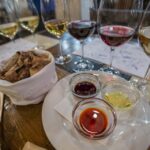
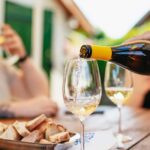
Wine tastings often treat food like an afterthought. Here, food is part of the teaching. You get food pairings made from local Hungarian flavors, with multiple reviews praising the cheese and charcuterie setup.
Expect a selection that helps you taste different parts of the wine:
- salty, savory bites that highlight fruit
- cheeses that respond to acidity and tannin
- breads and accompaniments that keep your palate from getting stuck
Many guests describe the pairing boards as substantial. Several mention generous amounts and a board that felt close to dinner. One person even said it was enough to fill out the evening without needing to eat elsewhere.
Practical tip: eat enough to keep the wines enjoyable. With eight pours, it’s easy to get too far ahead of your comfort level, especially with the note that pours can be generous. If you tend to get tipsy faster, slow down. Sip water (mineral water is included) between wines, and take a breath before the next flight.
The Tokaj Aszú finish: why the last pour matters
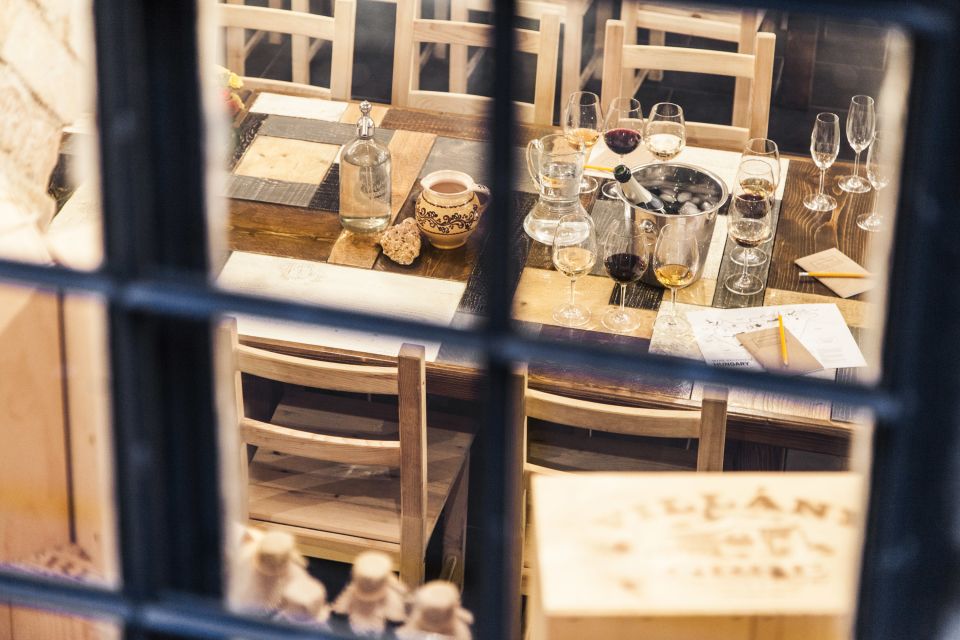
Tokaj Aszú is not just dessert wine. It’s a whole category of Hungarian identity, and this class ends there on purpose. After you taste dry and mid-range wines, the sweet botrytised finish gives you a contrast you can clearly describe later: honeyed aroma, rich sweetness, and that signature layered texture people associate with Tokaj.
Finishing strong also does a psychological job. You wrap up with a memorable high point, instead of leaving your palate tired from too many heavy sips. It’s a smart way to make sure you end the experience with something you’ll remember on the walk back.
Atmosphere and group vibe: small, social, and often lively
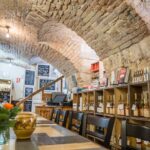
The tasting takes place in a venue that several guests describe as charming, including references to a brick arched wine cellar look and a photogenic setup. That helps because Hungarian wine can feel “quiet and old-world” at first glance, and the room style supports the mood without making it stuffy.
Group size seems to stay manageable. One review mentioned a group of about ten, and another highlighted meeting other travelers as part of the fun. Some evenings run long when conversation keeps going after the tasting portion, so don’t stack another hard commitment immediately afterward if you like an easy schedule.
Value check: is $65 worth it for Budapest wine?
For many visitors, $65 sounds like a lot until you break down what you’re buying. In this class, you’re not only paying for wine; you’re paying for an evening plan that includes:
- a sommelier-led guided tasting
- 8 wines across different styles
- mineral water
- food pairings using Hungarian flavors
- tasting sheets and a map for notes
If you were to buy eight wines individually at a bar, you’d probably spend similar money quickly, yet you might not get the structured story that helps the tasting connect to the rest of Hungary. This class leans toward that “education with a meal” model, which tends to feel fair once you’re sitting with the flight and the board arrives.
The best value move for you is to treat this as research for future wine stops. If you take a few notes—grape names, region terms, the style cues—you’ll be in better shape when you decide what bottles to buy later.
How to get the most out of your tasting notes (without turning it into homework)
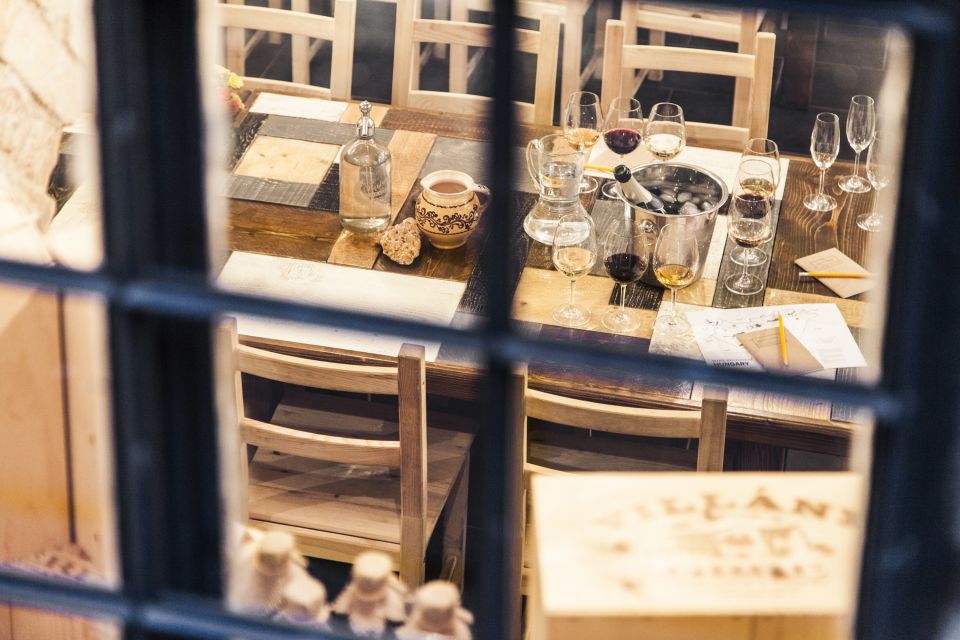
You’ll get tasting sheets, but the sheets only help if you use them. Instead of writing down everything, pick a few repeatable details. I like to mark:
- whether the wine feels more dry or sweet
- the main fruit direction you notice
- how the wine sits on your palate (light, structured, bold, smooth)
- what the pairing did—did the wine taste brighter, richer, or calmer?
If your goal is future shopping, also write down the grape names that you actually enjoyed, not just the ones you’re expected to recognize. Hungarian wine has plenty of grapes that can be unfamiliar at first, and the point of the class is to help you feel confident the next time you see them on a label.
One more practical idea: drink water between wines, and keep your pace steady. Several reviews mention strong enjoyment and getting tipsy. You’ll enjoy the last pours more if you keep your rhythm.
Who this is best for (and who might want another format)
This class fits best if you fall into one of these buckets:
- You like wine and want a fast, guided way to understand Hungarian styles
- You’re curious about a country that isn’t on everyone’s wine map yet
- You want an activity that feels social, with food and conversation built in
- You’d rather learn through tasting than through a slideshow
It may not be your best pick if you want total silence and ultra-formal wine education. The vibe can be lively, and at least one guest noted that constant conversation can make certain points harder to hear. The fix is simple: pick a seat where you can face the sommelier, and focus on the moments when the host is presenting each wine.
If you are extremely sensitive to glass switching, keep in mind there’s at least one suggestion that quicker glass changes between whites and reds would improve the experience.
Should you book this Budapest Hungarian wine tasting?
Book it if you want a two-hour, high-reward way to get oriented to Hungarian wine without needing prior knowledge. The combination of 8 wines, a sommelier-led story, and Hungarian cheese-and-charcuterie pairings makes it feel like more than a casual sip session. It’s also a smart use of an evening in Budapest because the location is convenient and the format is compact.
Skip it or consider another option if you dislike social settings, hate getting a lot of pours in one sitting, or want a super quiet tasting room with perfect glass choreography. If that’s you, you can still enjoy Hungarian wine in the city, just by choosing a different style of visit.
If you’re on the fence, use this rule: if you like learning by tasting, this class is a solid bet. The odds of leaving with new favorite grapes—and a clear idea of what to look for next—are very good.
FAQ
How long is the Budapest Hungarian wine tasting class?
It runs for about 2 hours, with most sessions offered in the evening from roughly 6:00 PM to 8:00 PM.
How many wines will I taste?
You will taste 8 Hungarian wines during the guided tasting, typically starting with an aperitif and ending with sweet botrytised Tokaj Aszú.
What’s included besides the wine?
The tasting includes mineral water and food pairings with local Hungarian flavors, plus tasting sheets to take notes.
Where is the meeting point?
You meet at The Tasting Table Budapest, Bródy Sándor utca 9, 1088 Budapest (District VIII), about 150 meters from the National Museum.
What language is the host?
The class is hosted in English.
What age do I need to participate?
The legal drinking age is 18 in Hungary, so you must be 18 or older.