REVIEW · BUDAPEST
Budapest Jewish Cuisine & Culture Walk
Book on Viator →Operated by Taste Hungary · Bookable on Viator
Budapest’s Jewish quarter hits you on two fronts: food and memory. This 4-hour culinary walk in the Seventh District mixes street-level history with real tastings, including flodni, turos taska, and a traditional lunch with wine. I especially like how the tour keeps the group small, so the guide can slow down and explain what you’re actually looking at.
You’ll also get the cultural backbone, not just snack stops: WWII Jewish ghetto memorials and the Moorish-style exterior of the Dohány Street Synagogue. One thing to keep in mind: Dohány Grand Synagogue entrance fees aren’t included, so if you want the inside, you may pay extra.
In This Review
- Key things to know before you go
- Why the Seventh District matters for Budapest Jewish culture
- Meeting Madách Imre tér and pacing a 4-hour Jewish food walk
- Dohány Street Synagogue exterior and WWII memorials on your route
- Jewish tastings that balance sweet, savory, and meat-forward comfort
- Traditional lunch: solet, goose soup, and wine that ties it together
- Kosher pálinka and ruin pub stops for the day’s finale
- Guides in practice: why Orsi, Anna, Eszter, and others shape the day
- Price and value for a $155 Budapest Jewish walk
- Who should book this walk (and who might want a different plan)
- Should you book the Budapest Jewish Cuisine & Culture Walk?
- FAQ
- How long is the Budapest Jewish Cuisine & Culture Walk?
- What time does the tour start, and where do I meet?
- How big is the group?
- What’s included in the price?
- Is the Dohány Grand Synagogue entrance included?
- What Jewish foods and treats will I try?
- Is wine and pálinka included?
- Can I request dietary accommodations?
- What language is the tour offered in?
- What is the cancellation policy?
Key things to know before you go
- Small-group pacing (up to 8) makes the walk feel less like a herd and more like a guided hang.
- WWII memorials + walking route turns the history into something you can see, not just read.
- Flavor mix of sweet and savory includes turos taska, flodni, and meat-forward Jewish dishes like sausage and goose crackling.
- Lunch with wine keeps the day from feeling like endless grazing.
- Kosher pálinka stop adds a sharp, local finish at a ruin pub or wine bar.
Why the Seventh District matters for Budapest Jewish culture
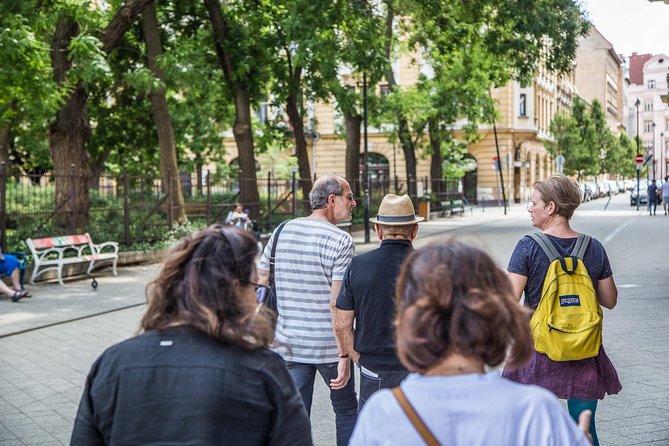
Start in the Seventh District, the old heart of Jewish life in Budapest. The streets here have that unmistakable city feel: neoclassical buildings, synagogues, and the kind of small streets where you can imagine daily life before the war. Your guide explains how the area grew from medieval roots into a thriving Jewish community.
Then comes the hard part. During World War II, this area became the Jewish ghetto. You’ll learn what changed, what was taken away, and how the survivors helped rebuild the community afterward. It’s not taught like a distant lecture. It’s mapped onto the sidewalks you’re walking.
This is also where Budapest’s present-day scene overlaps with the past. The neighborhood is now known for arty street art and cool shops, and you’ll see how that “today” layer sits right next to the “then” layer. That contrast is the point of the tour. You don’t just eat; you understand why these foods and institutions became what they are.
You can also read our reviews of more tours and experiences in Budapest.



Meeting Madách Imre tér and pacing a 4-hour Jewish food walk
You meet at Madách Imre tér and the tour runs for about four hours. The start time is 11:00 am, and you finish back near the meeting point. It’s set up as a walking tour, so comfortable shoes matter more than you think.
The group size stays small. One description says the experience is limited to six people, and another limit shown for the activity is up to 8. Either way, you’re not stuck behind a wall of strangers. The small size is one reason people rate this tour so highly.
Timing is another practical point. The official duration is around four hours, but guides may linger at key spots, and the meal stops take real time. If you want a tight schedule for the rest of your day, give yourself a buffer.
A nice extra: you get a mobile ticket, and the meeting area is near public transportation. So you’re not hunting across town before you even taste anything.
Dohány Street Synagogue exterior and WWII memorials on your route
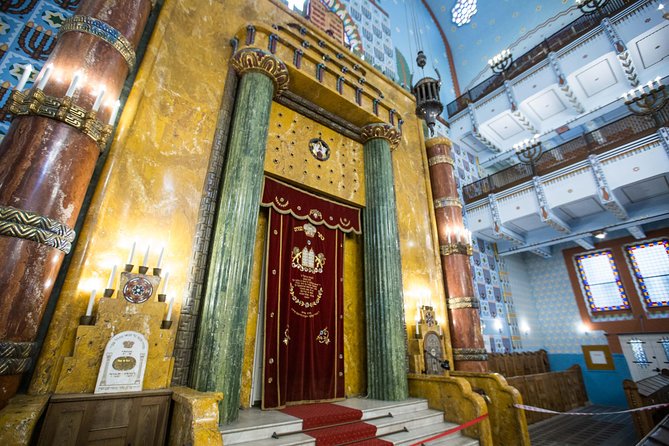
One of the strongest sections of the walk is the mix of architecture and remembrance. You’ll head to see the Moorish-style exterior of the Dohány Street Synagogue, described as Europe’s largest synagogue. Even if you’re not going inside, the exterior makes an impression.
Right around the same zone, you’ll also see WWII memorials to Jewish victims. This part matters because it’s not “background.” Your guide ties the memorials to what you saw earlier about the ghetto and what happened to the Jewish community during the war.
One important planning note: entrance fees to the Dohány Grand Synagogue aren’t included. The tour includes synagogue entrance fee to a synagogue, but the big Dohány interior is specifically listed as not included. If your priority is stepping inside the Dohány Grand Synagogue, budget for that separately.
If your tour day falls on Sabbath, keep expectations realistic. There’s at least one report of the main synagogue and museum being closed, with the guide still offering a strong walk through the area and its historic markers. So you’re not left with nothing, but the access may differ by day.
Jewish tastings that balance sweet, savory, and meat-forward comfort
This is a food tour, so yes, you’ll eat. But it’s also a culture tour, so the tastings are woven into the story of Jewish life in Hungary.
You’ll make several stops at local eateries for samples. The exact tasting list can shift based on what’s available. Still, the foods highlighted for this experience are consistent enough to plan around:
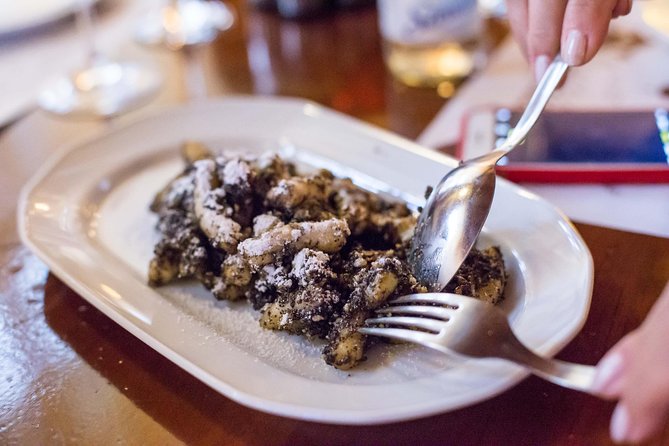
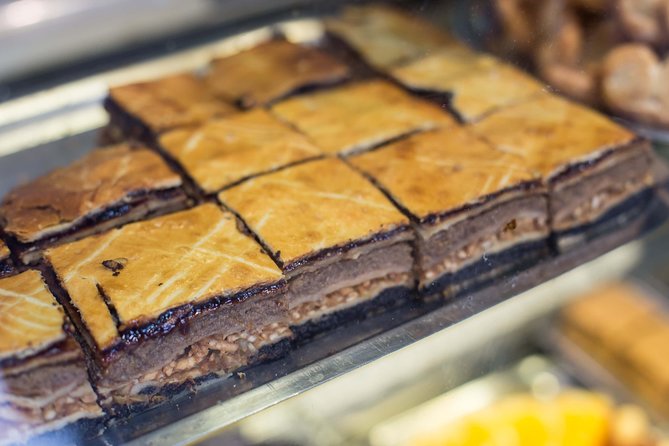
- Turos taska (curd-cheese pastries): sweet, comforting, and easy to recognize as Jewish-Hungarian bakery culture.
- Flodni: a classic sweet treat in this tradition (your guide will point out what to look for as you taste).
- Savory bites like sausage and goose crackling: meat-forward, old-school comfort food.
The route also includes savory and sweet stops so you don’t feel like you’re stuck on one flavor track. That balance is a big part of the appeal. You get to taste what people actually reach for, not just one “symbolic” dish.
A practical tip: eat lightly before you go. Multiple guides and participants point out that the day can include a lot of food, and one reviewer even notes skipping dinner afterward. You don’t want to be too full for the walk, especially when your final stops include both coffee and alcohol tastings.
Traditional lunch: solet, goose soup, and wine that ties it together
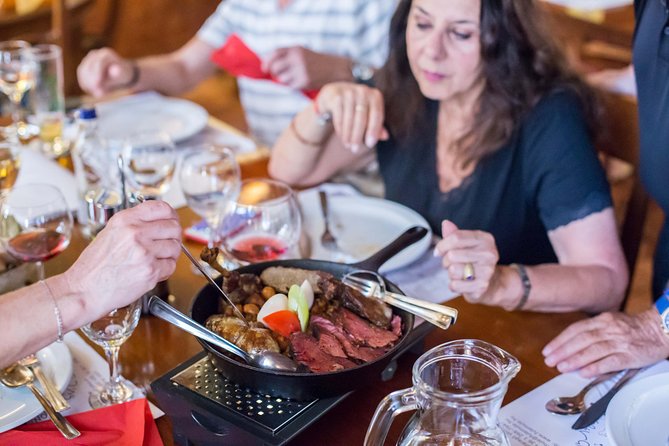
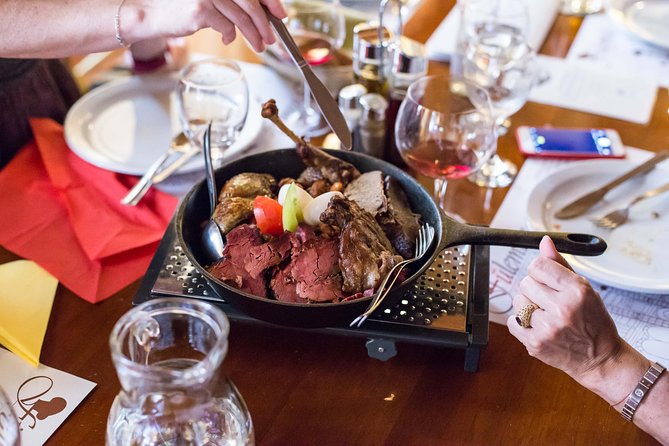
After the earlier tastings and sightseeing, you sit down for lunch at a restaurant. This meal is a central piece of the experience because it gives you a real “Hungary meal” rhythm instead of only snack portions.
The lunch described includes solet (a Hungarian bean stew) and goose soup. You’ll also get wine with the meal.
On some days, the lunch menu may include items like matzo ball soup, cholent, or brisket—those show up in reports as examples of what can be served. Since the tasting menu varies by day, think of these as possibilities your guide can share depending on availability.
Another small detail that matters: you eat as a group and talk with the guide and other guests. That makes the lunch feel less like a check-in at a restaurant and more like part of the storytelling. You can ask questions that came up during the walk—especially about the ghetto history, community life, and the foods you just tasted.
One consideration from the experience: if you’re picky or have very specific preferences, the lunch selection might not match your tastes perfectly. Dietary requirements can be advised at booking, but you still may not get a fully customized menu. If you know you’ll be unhappy with certain foods, send your requests early.



Kosher pálinka and ruin pub stops for the day’s finale
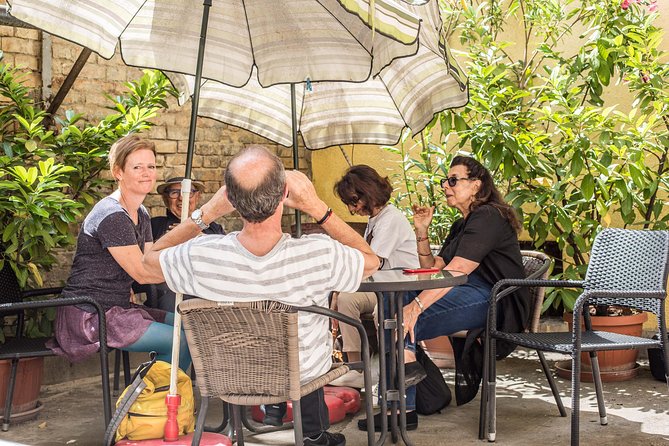
After lunch, the tour shifts gears to a more relaxed finish. You’ll go to a coffee bar first, then continue to a stop for kosher pálinka—Hungarian fruit brandy—served in a ruin pub or a similar wine bar setting.
This portion is more than just “let’s drink something.” It gives you a cultural tasting moment that lines up with the neighborhood itself. Ruin pubs are part of how the Seventh District’s modern identity shows itself, and pálinka is a recognizable Hungarian signature that pairs well with the earlier savory foods and sweet pastries.
The alcohol isn’t watered down into a random souvenir. Your guide frames it as part of local drinking culture tied to the area.
If you don’t drink alcohol, you should raise that at booking. The tour includes drinks tastings, but the only specific guidance provided is that dietary requirements can be advised. So treat it as a heads-up request rather than an automatic guarantee.
Guides in practice: why Orsi, Anna, Eszter, and others shape the day
What makes this tour work isn’t just the route. It’s the guide. This experience is led by local experts, and you’ll see names pop up in reports such as Orsi, Anna, Eszter, Andrew, Dora, Daniel, and Elza.
The best part, based on those accounts, is the way guides connect the food to the people and the place. One guide is described as having graduate studies in Jewish history, and several mentions highlight that the guide was fluent in English and willing to spend extra time when the group was engaged.
Even when the meal portion or one restaurant stop doesn’t perfectly match everyone’s taste, the overall experience stays strong because the walking narration hits what you can actually see. That’s the difference between a food stop tour and a real “I understand this neighborhood now” tour.
And since the group is small, you’re more likely to get direct answers instead of generic explanations.
Price and value for a $155 Budapest Jewish walk
At $155 per person, it’s not the cheapest way to see the Jewish quarter. But it does include a lot that adds up fast:
- An expert guide
- Food tastings
- Drinks tastings, including pálinka
- Lunch with wine
- Entrance fee to a synagogue (with a key exception noted for Dohány Grand Synagogue)
That package matters in a city where you can easily spend nearly the same on separate entrances, a guided walk, and a couple of meals. Here, you’re paying for the structure: the guide’s context, the linked stops, and the fact that you don’t have to plan each tasting and meal on your own.
One smart way to judge the value: if you’re the type who would otherwise book a general walking tour plus hunt down a Jewish lunch spot plus arrange tastings, this is more efficient. If you only want architecture photos and don’t care much about food, you might feel like you’re paying for parts you won’t use.
Also note: this tour is booked on average about 59 days in advance, which suggests it’s popular. If you want a specific date, don’t wait until the last minute.
Who should book this walk (and who might want a different plan)
I think this tour fits you best if you want:
- A guided way to understand the Budapest Jewish quarter beyond surface-level sightseeing
- A food experience with Jewish-Hungarian classics like turos taska and flodni
- WWII memorials and ghetto history handled on foot, with context tied to real locations
- A small group where the guide can answer questions
You might want to consider another approach if:
- You only care about entering the Dohány Grand Synagogue interior. Since the entrance fee isn’t included, you may still need a separate plan.
- You dislike walking tours or long restaurant stops. This day moves from tastings to lunch to coffee and pálinka, so it’s not a quick hit.
If you’re visiting Budapest for the first time, this tour is a strong “get your bearings” day. It’s also a good fit for a food-first traveler who wants the story behind the plates.
Should you book the Budapest Jewish Cuisine & Culture Walk?
Yes, I’d book it if you want a guided walk that connects WWII remembrance, Jewish sites, and Hungarian Jewish food in one plan. The small-group setup, the number of tastings, and the fact that the guide explains what you’re seeing are the standout reasons.
If you do book, go in with three practical moves:
- Eat light beforehand, because the day can add up fast.
- Wear comfortable shoes for a neighborhood walk with stops.
- If Dohány interior is a must, plan for separate entrance costs.
With those in mind, this isn’t just a meal tour. It’s a way to understand why this neighborhood still matters.
FAQ
How long is the Budapest Jewish Cuisine & Culture Walk?
It lasts about 4 hours.
What time does the tour start, and where do I meet?
The tour meets at Madách Imre tér and starts at 11:00 am. It ends back at or near the meeting point.
How big is the group?
It’s a small group experience with a maximum of 8 travelers.
What’s included in the price?
You get an expert guide, food tastings, drinks tastings including pálinka, lunch with wine, and entrance fee to a synagogue.
Is the Dohány Grand Synagogue entrance included?
No. Entrance fees to Dohány Grand Synagogue are not included.
What Jewish foods and treats will I try?
You may sample items like turos taska and flodni, plus savory options such as sausage and goose crackling. The exact selection can vary by day based on availability.
Is wine and pálinka included?
Yes. Lunch includes wine, and the tour includes drinks tastings including pálinka.
Can I request dietary accommodations?
Yes. You should advise any specific dietary requirements at time of booking.
What language is the tour offered in?
The tour is offered in English.
What is the cancellation policy?
The experience is non-refundable and cannot be changed. If it’s canceled because the minimum number of travelers isn’t met, you’ll be offered an alternative date/experience or a full refund.