REVIEW · BUDAPEST
Budapest: Mika Tivadar Secret Museum Entry Ticket
Book on GetYourGuide →Operated by Gozsdu hotel kft. · Bookable on GetYourGuide
Budapest can be read like a secret book.
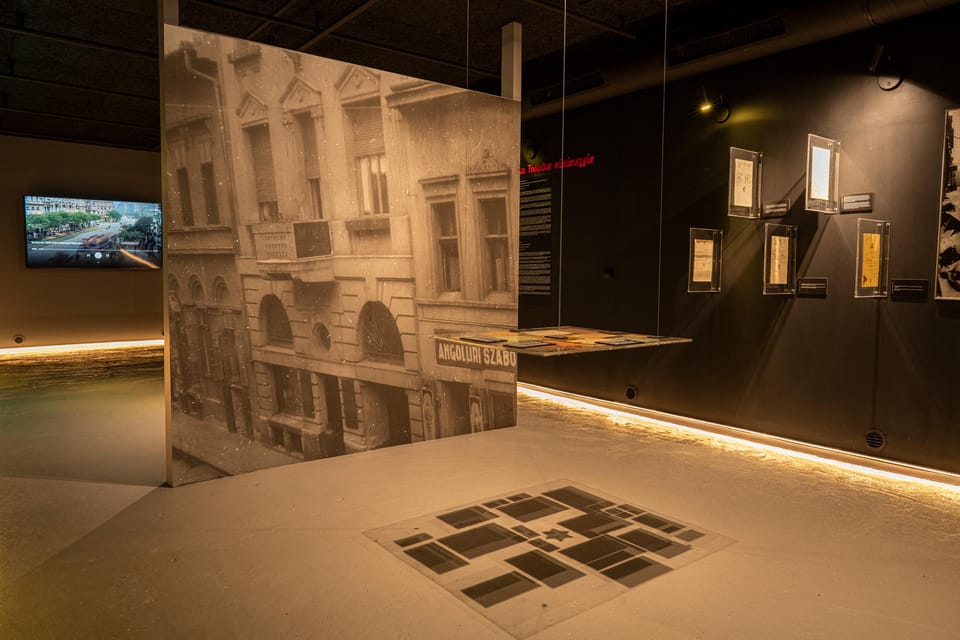
At the Mika Tivadar Secret Museum, the story of the building turns into a guided-feeling walk along Kazinczy Street, flashing you through late-19th-century to interwar Budapest with photo scenes, objects, and chapter-style narration.
I especially like the self-guided audio, which you run on your own phone in 8 languages, so you control the pace. I also love the way the museum ties local life to Europe’s bigger names and events, from royalty to cabaret culture.
One drawback to keep in mind: this stop is not suitable for wheelchair users, so plan accordingly.
In This Review
- Key things that make this museum worth your time
- Mika Tivadar Secret Museum: why Kazinczy Street feels like a time machine
- Enter with your phone: how the audio tour is designed
- Inside the 140 sqm exhibit: what you’ll actually see
- The Blue Cat cabaret and early cinema you didn’t expect
- Budapest ghetto and the story told across communities
- Where to start: meeting point and how to plan your time
- Price and value: is $5 worth it?
- The onsite cocktail bar and restaurant: how it fits the museum
- Who should book this museum ticket?
- Quick do-this, not-that tips before you go
- Should you book the Mika Tivadar Secret Museum ticket?
- FAQ
- How long does the Mika Tivadar Secret Museum visit take?
- Where do I meet for this ticket?
- Do I get a museum guide or tour guide?
- How do I access the audio guide?
- What should I bring with me?
- Is Wi‑Fi available inside?
- Is it wheelchair accessible?
Key things that make this museum worth your time
- 8-language audio on your mobile, with voice effects that make the chapters feel like scenes
- 140 sqm of specialty museum space, packed with photos, written narratives, and antique objects
- Kazinczy Street connections: the museum doesn’t just talk about itself
- Big-name history in small rooms, including a Blue Cat cabaret and early Hungarian cinema
- Onsite bar and restaurant, so you can keep the “district 7 mood” going after
- Smart meeting point at Hotel Mika Downtown reception, with a quick start so you waste less time
Mika Tivadar Secret Museum: why Kazinczy Street feels like a time machine
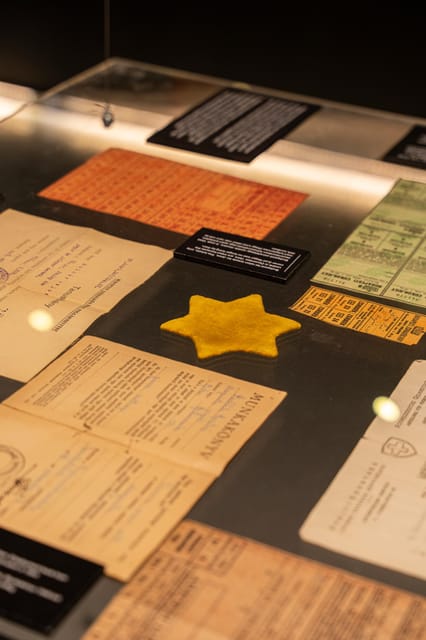
Kazinczy Street is the kind of Budapest street where you can walk past handsome facades and still wonder what life used to be like behind them. This museum takes that exact question and answers it by treating one property like a doorway. The museum focuses on the house you step into, then stretches outward to show you surrounding buildings on Kazinczy Street—so you’re not just looking at history, you’re getting a sense of how a whole neighborhood functioned.
What makes the experience especially satisfying is the time span it covers. You’re carried from the late 19th century into the years between the two world wars. The museum is also built around storytelling in chapters, not a random room-by-room checklist. That matters because it helps you connect the dots: buildings, events, and the social mix of the area start to feel linked instead of separate.
Another big win is perspective. The museum places emphasis on the role of the many ethnic communities living in Hungary. You’ll see how Hungarian life intersected with the wider European power game, rather than treating Budapest as isolated. It’s also why the museum can feel personal even if your own history doesn’t match the Hungarian timeline—there’s an effort to make the human story travel well.
You can also read our reviews of more tours and experiences in Budapest



Enter with your phone: how the audio tour is designed
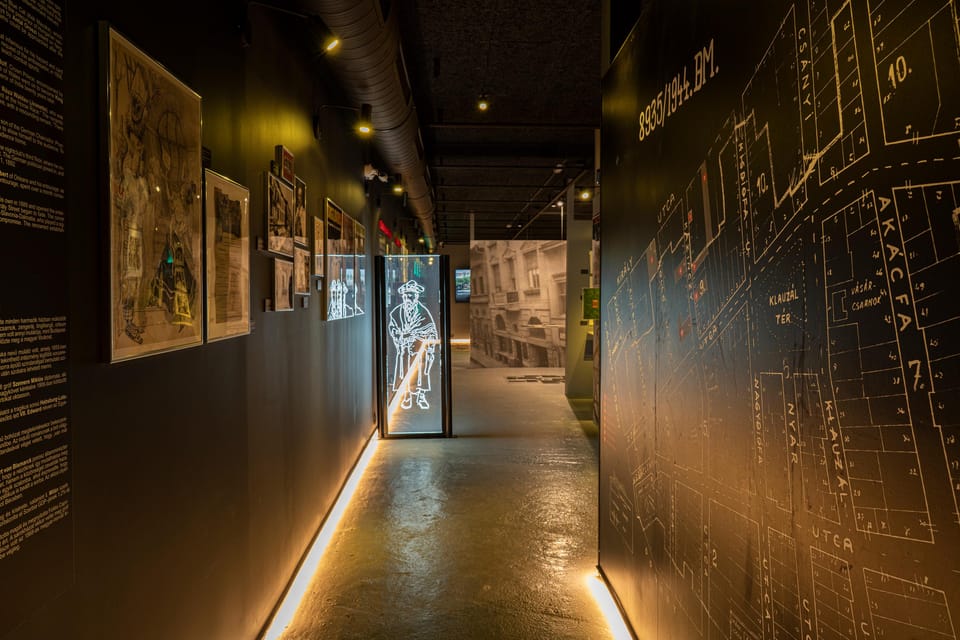
No waiting for a guide. You’re greeted, you get a printed flyer, and you get a brief overview of what’s ahead. Then the museum’s real “engine” kicks in: voiceovers for each chapter that you listen to on your own mobile device.
Here’s how to make it smooth:
- Bring a charged smartphone. That’s not a suggestion. The whole experience depends on it.
- Use the museum’s free Wi‑Fi if you need it (it’s available on site).
- Plan to scan and play the audio on your phone at each section so the story matches what you’re looking at.
I like this setup because it cuts friction. You don’t have to match your pace to other people, and you’re not forced into one fixed route. If you’re the type who likes to pause and reread captions, you’ll appreciate the control. If you’re the type who prefers to keep moving, you can still do it without feeling “left behind.”
One practical note: there’s no museum guide or tour guide included as part of this ticket. That’s important because you’ll want to rely on the on-your-phone audio and the printed flyer, not expect a person to fill in context beyond what’s provided.
Inside the 140 sqm exhibit: what you’ll actually see
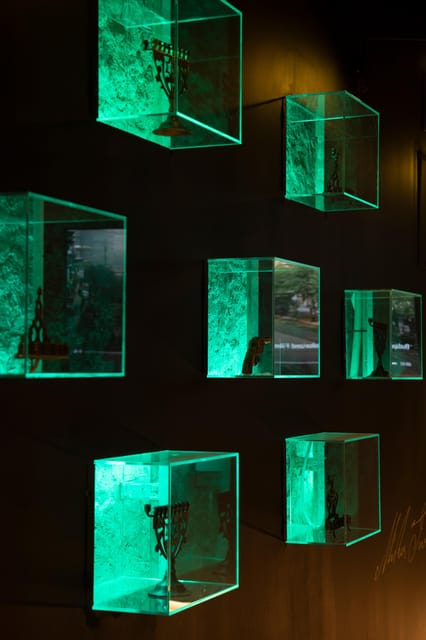
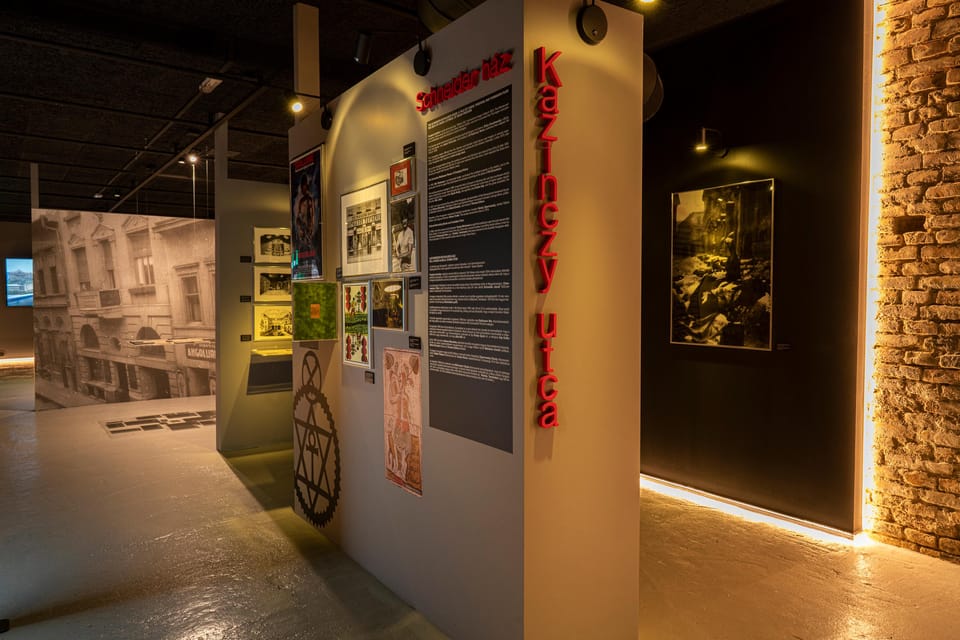
The museum footprint is compact—about 140 sqm—but it’s not shallow. It’s designed like a sequence of scenes where you walk through period rooms and story points, with authentic installations, photographs, and written narratives. Antique objects also appear, which helps you shift from “dates on a wall” to “real artifacts with real lives attached.”
The museum’s tone is part educational, part atmospheric. There are voice effects and background ambiance that make it easier to stay present while you read. That combination is especially effective in a small space. You’re not fighting your way through a huge floor plan; instead, the museum uses sound and storytelling to keep your brain engaged.
You’ll also notice a theme of connections—places and people linked through the same streets and social networks. The museum references iconic visitors who once walked these halls, including King Edward VII of the United Kingdom, German statesman Otto von Bismarck, and Milan I of Serbia. Even if you don’t memorize names, the effect is clear: Budapest wasn’t off the map. It sat inside European currents.
One more unexpected perk: the museum is willing to include pop-culture surprises. You’ll learn about a connection between Sylvester Stallone and Arnold Schwarzenegger tied to a tiny house on Kazinczy Street. Whether you care about movie history or not, it’s a clever way to show how the street keeps producing new stories long after the 1930s.
The Blue Cat cabaret and early cinema you didn’t expect
A huge part of the appeal is that the museum treats entertainment as history, not as an add-on. One of the most striking sections points to the Blue Cat, described as Europe’s most famous cabaret that once operated here. It’s a reminder that nightlife culture—who performed, who visited, who felt excluded—was part of the social map as much as politics and economics.
Then the museum shifts into film. It notes that Hungary’s first cinema opened at this very spot. It also ties the early cinema scene to Michael Curtiz, the Oscar-winning director of Casablanca, noting that he began his film career here. If you’re the kind of person who likes museums that connect local specifics to global culture, this section delivers.
For me, the best value of these entertainment clues is that they make the era feel vivid. Instead of picturing “19th-century Budapest” as costumes only, you get a sense of how people spent evenings, how performances shaped reputations, and how new technology (cinema) changed what city life could look like.
Budapest ghetto and the story told across communities
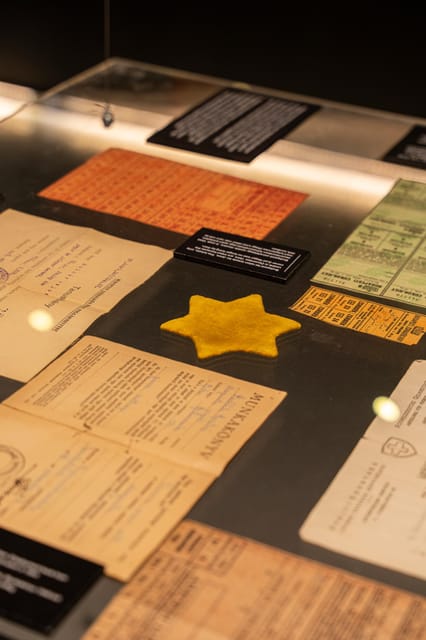
The museum doesn’t shy away from heavy themes. It includes material connected to the Budapest Ghetto, and it’s also explicit about highlighting the role of different ethnic communities living in Hungary. This is one reason the museum feels more grounded than a purely decorative “old streets” experience.
You’ll also see how the museum frames Hungarian events inside the context of Europe’s great powers. That approach matters because it helps you understand why a single neighborhood could reflect larger forces at work—alliances, invasions, shifts in power, and social upheaval.
One especially interesting detail tied to larger global events: the museum explains how veterans of the 1848–49 Hungarian Revolution played a role in the Mexican Civil War. That kind of cross-continental connection is exactly the sort of information that makes a small museum feel bigger than its walls.
You can also read our reviews of more museum experiences in Budapest






Where to start: meeting point and how to plan your time
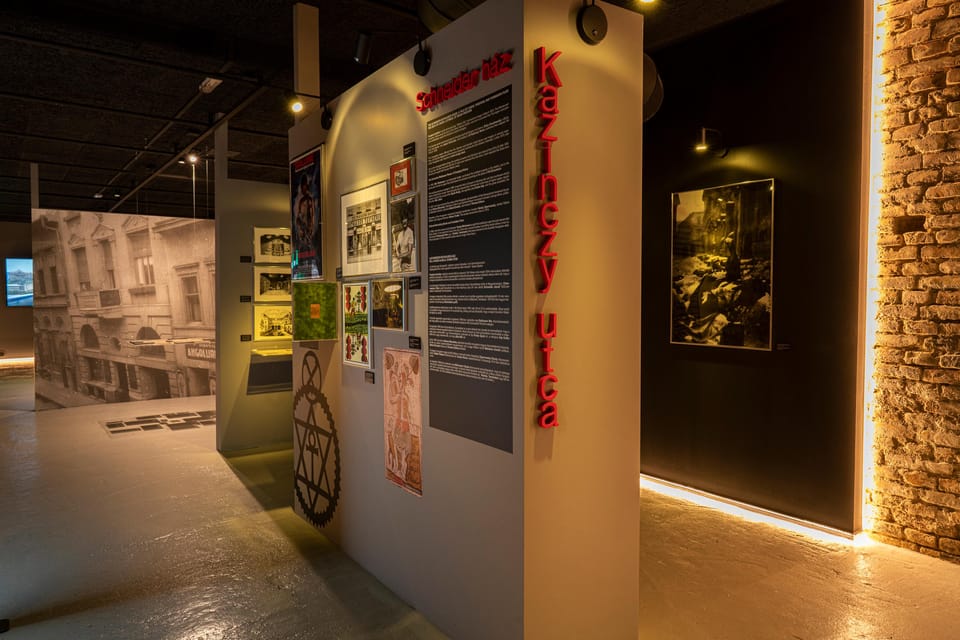
Your meeting point is Hotel Mika Downtown reception. From there, the process is simple: you’re greeted, you get your flyer, and you start the chapter audio on your phone.
The ticket is priced to match the time commitment: about 30 minutes is the stated duration. That said, how long you spend depends on how closely you read and how often you pause the audio to look at displays. The museum’s compact size makes it easy to fit into a tight day in Budapest, especially if you want something more meaningful than another photo stop.
Timing tip: if you’re doing a busy walking loop around District VII, this fits well as a structured break. You can do it in one block, then continue your evening toward the area’s nightlife vibe—while the museum’s story is still fresh in your head.
Also, your ticket experience includes skip-the-ticket-line entry, so you spend less time waiting around and more time inside.
Price and value: is $5 worth it?
At around $5 per person, this museum is priced like a quick add-on—yet the experience aims to be a complete, story-driven visit. For that money, you get:
- A self-guided audio experience in 8 languages
- Voiceovers with voice effects you access via mobile
- Free Wi‑Fi
- Onsite bar/restaurant access while you’re in the area
For most people, the value isn’t just the content. It’s the format. Paying a small amount for a museum that gives you control of pace, plus multilingual audio, is a strong deal. It’s also a nice way to see “history” through daily life details—who was there, what entertainment existed, how the neighborhood changed—without needing a full guided tour budget.
The onsite cocktail bar and restaurant: how it fits the museum
This is one of those rare museums where the setting supports the story. An onsite cocktail bar and restaurant is part of the experience, and it turns your visit into more than reading captions. It makes sense because the museum is also about the social life of the district, including the nightlife culture that used to define the area.
Practically, it’s useful if you’re traveling in a group with mixed energy levels. Some people love to keep walking; others want a breather. You can finish the main museum walk, then stay for a drink or a meal without needing to exit the area and start searching.
It’s also a good way to balance the emotional weight of some history. A quiet pause with a cocktail is a simple rhythm reset.
Who should book this museum ticket?
I’d point you toward Mika Tivadar Secret Museum if you like:
- Compact museums with a clear narrative
- Audio tours you can control on your own phone
- History that connects to entertainment, film, and street life
- A tour that tries to include multiple community stories, not only one national viewpoint
It might not be the best choice if:
- You need wheelchair accessibility, because it isn’t suitable for wheelchair users
- You only enjoy guided tours led by a person, since there’s no guide included and your main support is the mobile audio plus the flyer
If you’re visiting Budapest for a long weekend, this fits nicely as a focused cultural stop. If you’re already doing a lot of big-ticket attractions, it can also be the “small but memorable” counterweight.
Quick do-this, not-that tips before you go
- Do charge your phone fully. Then charge it again if you can. You need it for the audio.
- Do plan on keeping your hands free for reading. The museum is compact, and you’ll want to switch your attention between displays and captions.
- Don’t assume it’s a traditional museum with a docented guide hovering nearby. Your guidance comes from the chapter audio and the short in-person greeting.
- Do think of it as District VII storytelling. The museum is trying to explain a neighborhood, not just one building.
Should you book the Mika Tivadar Secret Museum ticket?
If you want a good-value Budapest experience that teaches without feeling textbook-like, I think this is an easy yes. The combination of self-guided audio in 8 languages, the compact 140 sqm format, and the way the museum connects Kazinczy Street to big personalities, cabaret culture, and film history makes it land well even when you’re pressed for time.
Book it if you like smart, story-based visiting where you control the pace. Skip it only if you need wheelchair access or you strongly prefer a live guide. Otherwise, for the price and format, this is one of the most practical ways to learn something real in central Budapest while keeping your day moving.
FAQ
How long does the Mika Tivadar Secret Museum visit take?
The experience is listed at about 30 minutes. Your actual time will depend on how you move through the chapters and how much you read at each section.
Where do I meet for this ticket?
You meet at Hotel Mika Downtown reception.
Do I get a museum guide or tour guide?
No. There’s no museum guide included. You’ll be greeted, given a printed flyer, and the main storytelling is handled through voiceovers on your phone.
How do I access the audio guide?
Audio is accessed on your mobile device. The museum provides free Wi‑Fi, and the voiceovers are available for the different chapters in 8 languages.
What should I bring with me?
Bring a charged smartphone. You’ll use it to listen to the voiceovers.
Is Wi‑Fi available inside?
Yes. Free Wi‑Fi is available.
Is it wheelchair accessible?
No. This experience is not suitable for wheelchair users.