REVIEW · BUDAPEST
Budapest: Parliament Building Entry Ticket and Audio Guide
Book on GetYourGuide →Operated by Magic Tourways · Bookable on GetYourGuide
Budapest Parliament interiors hit fast. This entry ticket plus audio guide lets you pace yourself through jaw-dropping rooms, with the Main Staircase and Assembly Hall doing most of the talking. I especially like the built-in narration, because it turns those statues and symbols into something you can actually picture. The one trade-off: the core inside tour is only about 45 minutes, so if you want long, unhurried time in every corridor, you may feel the visit is short for the price.
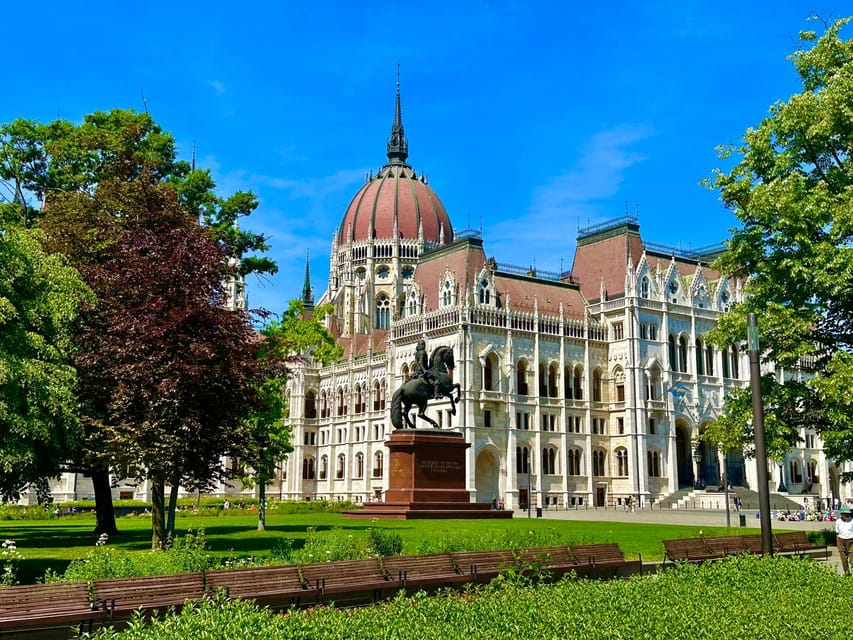
Before you even reach security, the experience starts on Kossuth Square with a mapped audio route. You get context for major landmarks like the statue of Ferenc Rákóczi and the memorials tied to Bloody Thursday and the Red Terror. It’s a nice way to understand what you’re looking at, instead of just snapping photos and moving on.
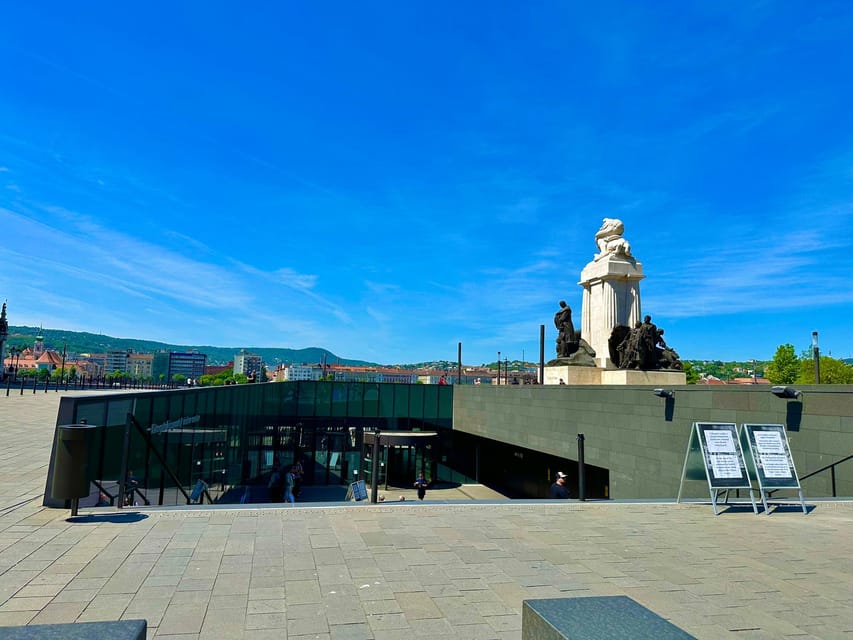
One practical note to plan for: the meeting point is outside the Visitor Centre near the entrance, and the area can be confusing because there are nearby entrances. Add in the security check and the fact that it’s audio-led (not a live guide), and you’ll get the most out of it if you’re comfortable following simple instructions and listening on your own.
In This Review
- Key points worth knowing before you go
- Kossuth Square Audio Start: get the story before the wow
- Visitor Centre check-in and your multilingual headset
- The Main Staircase is the scene-stealer
- Assembly Hall and the Hall of the Dome: politics meets architecture
- The Old Upper House and Councils of Deputies
- History of the House exhibition: fill in the gaps
- Timing, crowds, and why the visit can feel short
- Price and value: what your $45 includes (and what it doesn’t)
- Small practical tips that make a big difference
- Who this Parliament audio ticket is best for
- Should you book this Parliament entry with audio?
- FAQ
- How long is the Parliament Building experience?
- Where exactly do I meet for this experience?
- Is a live guide included?
- Do I need my own earphones?
- What languages is the audio guide available in?
- What do I need to bring for entry?
- Are pets allowed inside?
- Does the ticket include entry to the Parliament Building?
- Is free cancellation available?
Key points worth knowing before you go
- Kossuth Square first: your headset walk covers the square’s history and key monuments before you enter.
- Room-by-room narration: the device guides you through major interiors without you needing your own earphones.
- Top visual hits: Main Staircase, Assembly Hall, and Hall of the Dome are designed to make you stop.
- Crown Jewels moment: you’ll get a dedicated segment for what’s on view in the Dome Hall.
- History of the House exhibition: after the main circuit, there’s extra context to tie it together.
- Follow the Visitor Centre entrance: meet outside, near the entrance, not down by the river-side access.
Kossuth Square Audio Start: get the story before the wow
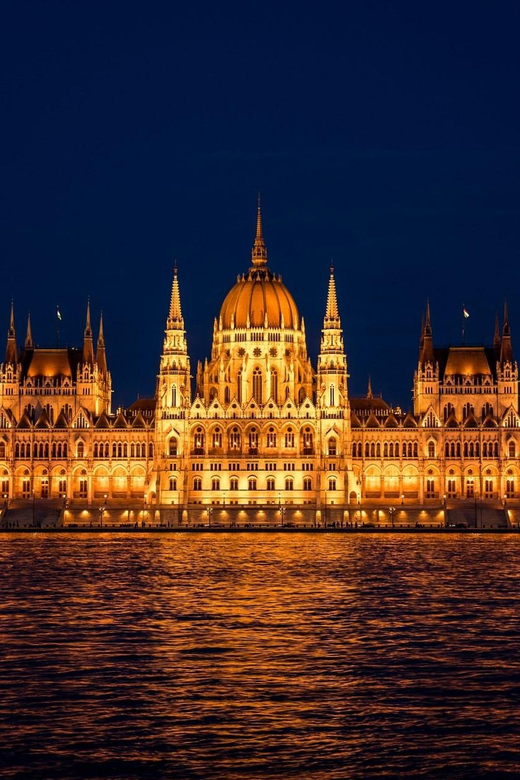
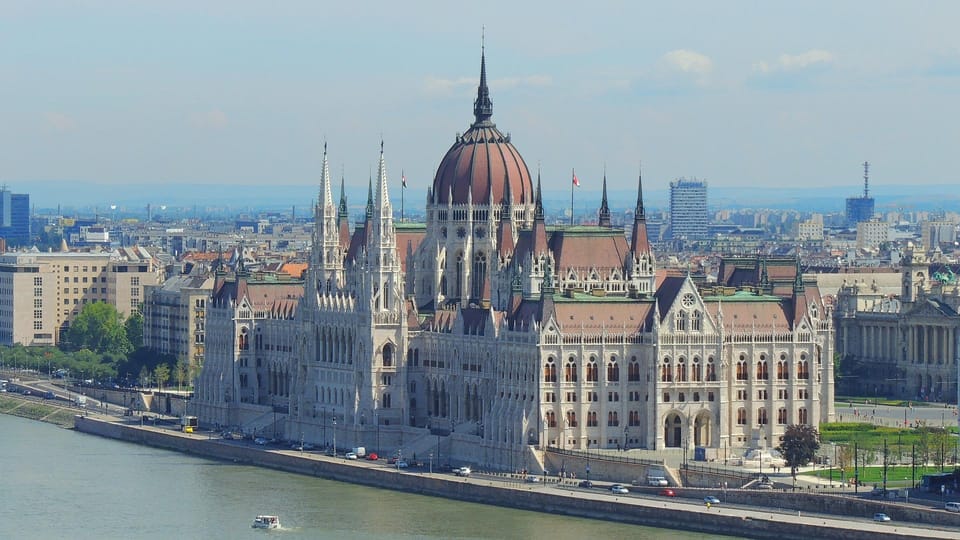
The best part of this visit is that you don’t start inside a ticket line and hope for the best. You start on Kossuth Square with a downloadable audio guide route that helps you orient fast. This matters because the Parliament isn’t just one building. It’s surrounded by monuments that point to events, ideologies, and turning points in Hungarian political life.
As you walk, the audio focuses on specific stops around the square, including the statue of Ferenc Rákóczi. You also hear about the Monument to the Victims of the Red Terror and the National Unity Monument. The audio connects those memorials to painful history, including the events known as Bloody Thursday. Even if your Hungarian history is shaky, the narration does the heavy lifting, so you can connect the exterior symbols to what you’ll later see on the inside.
And yes, the square itself is photogenic. But the goal here isn’t just photos. It’s learning what to notice once you get to the Parliament steps—where people stand, what those facades represent, and why the building’s political status casts a shadow far beyond its walls.
You can also read our reviews of more tours and experiences in Budapest


Visitor Centre check-in and your multilingual headset
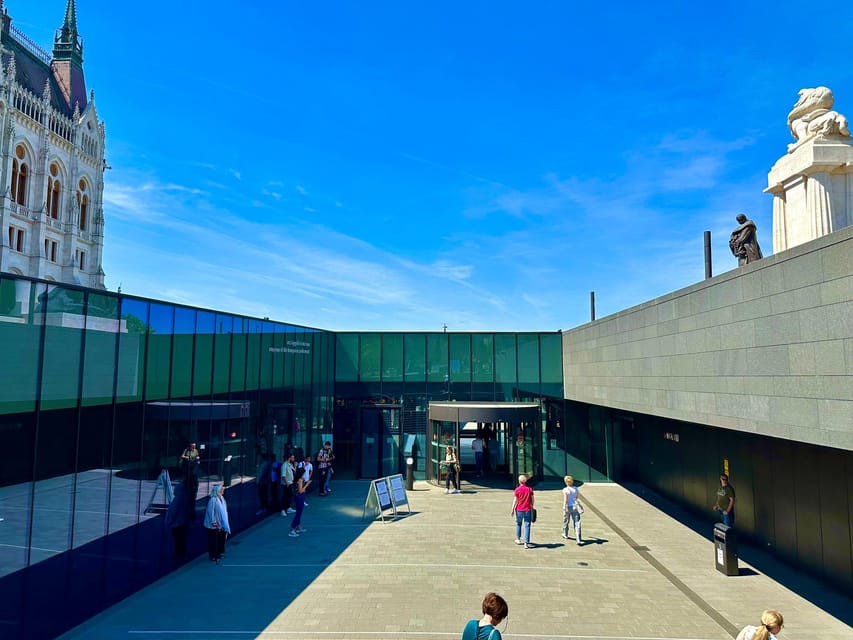
After the Kossuth Square portion, you head to the Parliament Visitor Centre. Your ticket is for timed entry, but the process is designed to stay smooth: plan for about 15 minutes for check-in, info, and ticket handling.
Here’s what you should do to avoid stress:
- Meet outside the Visitor Centre near the entrance (this wording is important).
- Keep your passport or ID card ready.
- Expect a security check before you enter the building.
Once you pass security, you’re given the multilingual audio guide device for inside the Parliament. The audio languages list is broad, including English and many others (Arabic, Chinese, French, German, Italian, Spanish, and more). One detail that saves headaches: you’re provided the audio setup, so you don’t need to bring your own earphones.
Also, don’t ignore the support option. The provider lists 24/7 email and WhatsApp support, which is comforting if your device or language selection acts up.
The Main Staircase is the scene-stealer
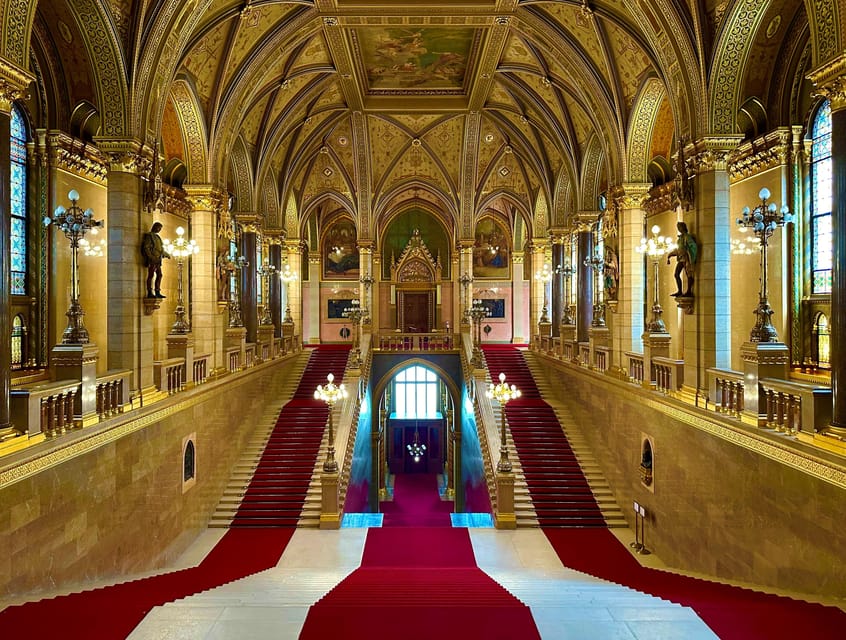
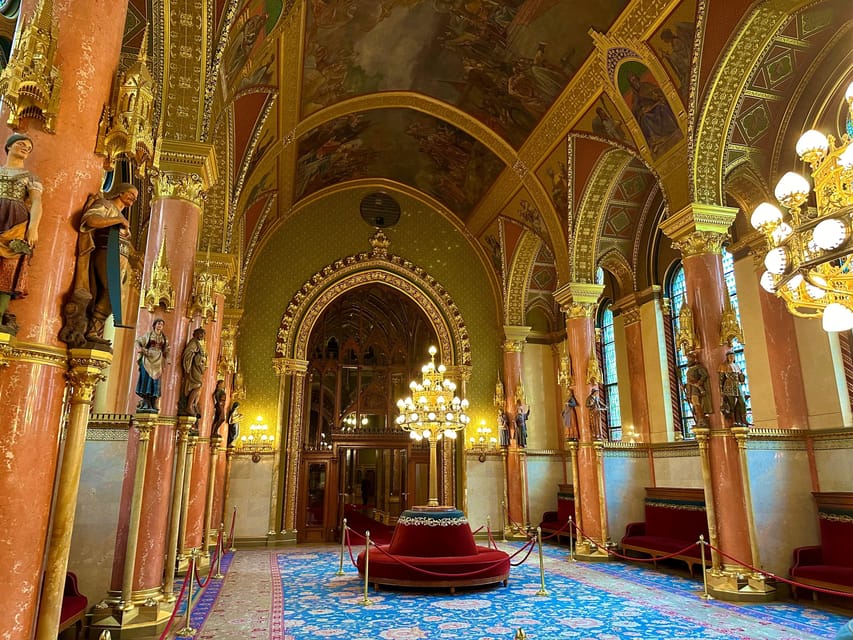
Then comes the moment you’ll remember later: stepping onto the grand Main Staircase. This is where Budapest’s Parliament “wow factor” becomes real, not just marketing. Long red carpets guide your path, and the space is laced with chandeliers and gold-plated ornamentation that feels almost excessive—in the best possible way.
The audio guide helps here by giving context to what you’re seeing while you’re already staring upward. That’s key. Without narration, the staircase can become a fancy photo stop. With it, you understand why these decorative choices matter in a building built to represent state power.
You’ll move from the Main Staircase toward the big public-facing interiors, following the guided audio route at your own pace. The flow is designed to prevent a total bottleneck. You’re not stuck in one spot for ages, and you also don’t feel rushed like a conveyor belt (though the schedule is still tight, because the inside segment is limited).
Assembly Hall and the Hall of the Dome: politics meets architecture
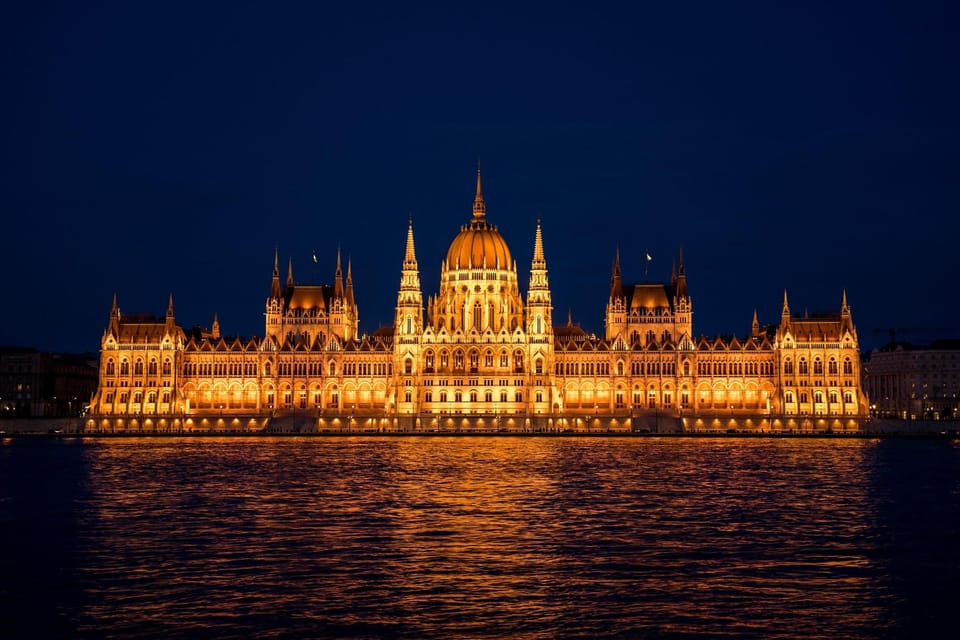
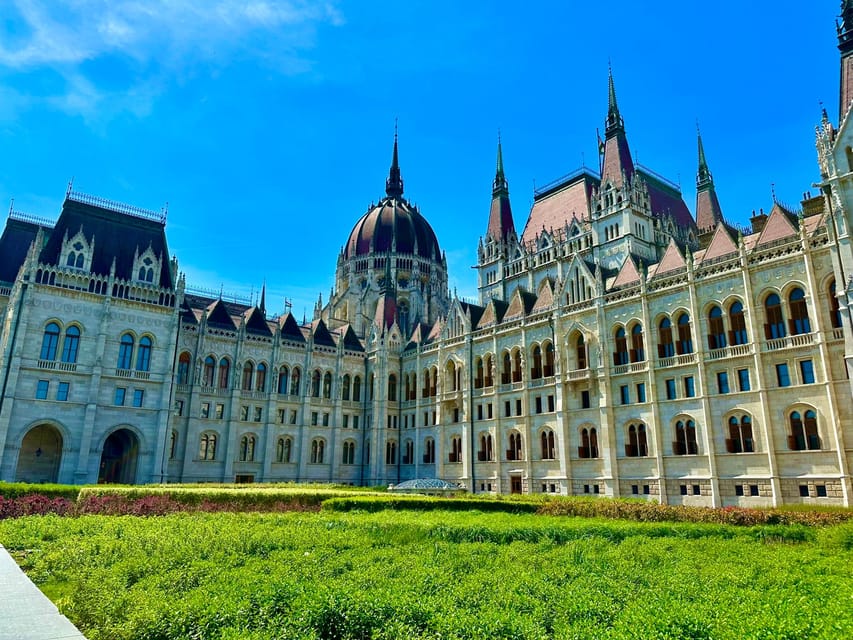
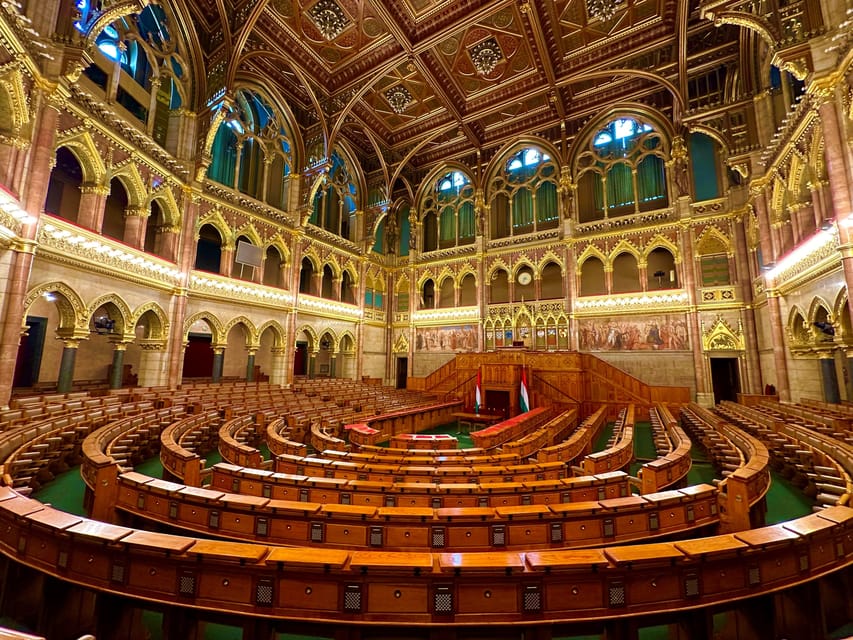
Next up is the Assembly Hall, where legislative sessions occur. Even if you’re not a political wonk, you’ll see the room’s intent: it’s built to project gravity, permanence, and ceremony.
Then the route continues to the Hall of the Dome. This section is where you’ll get a clear payoff if you’ve come partly for the Crown Jewels. The narration points out what you’re looking at and places it in the broader context of Hungarian state symbolism.
A big reason this audio format works: it keeps you moving between rooms while still telling you why each room matters. You’re not only sightseeing; you’re building a mental map of the building’s role—how ceremonial spaces differ from working ones, and where power is staged visually.
The Old Upper House and Councils of Deputies
Inside, you’ll also have time for the Old Upper House and the Councils of Deputies. This is the political-history side of the architecture, and it adds depth to the spectacle.
If you only stop at the showy rooms, the Parliament can feel like a beautiful shell. This section helps you understand it as a functioning governmental landmark with layers of history behind the décor.
One practical tip: the route is largely about following the audio cues and your position in the circuit. You might wish for more time in certain rooms (the building’s details make you want that), but the structure is meant to hit the highlights without turning into a half-day project.
You can also read our reviews of more guided tours in Budapest




History of the House exhibition: fill in the gaps
After the main interior route, you can visit the History of the House exhibition. This is where the visit shifts from seeing and listening to explaining.
It offers deeper insights into Parliament’s past and present, so your understanding doesn’t end at architectural impressions. Think of it as the chapter that makes the building’s symbolism click: why certain elements survived, what changed, and how the Parliament’s story has evolved.
This add-on is especially useful if you like to connect what you see today with how it got that way. Even if you keep your expectations realistic for time, it’s worth making a few minutes for this exhibition before you step back outside.
Timing, crowds, and why the visit can feel short
The total duration is listed as 1 hour, with around 45 minutes for the building portion plus time for check-in. That means you’ll get the core experience: square context, entry, a main interior circuit, and time for the exhibition.
Some people will love the compact pace. Others will feel it’s a bit pricey for what is, in clock time, a brief tour. If you’re the type who reads every plaque and lingers by ceiling details, you may feel constrained.
A smart compromise:
- Be ready when you arrive at the Visitor Centre area.
- Use the audio to guide what to look at.
- Save your longer photo stops for the rooms that match your interests most (for many people, the staircase and the Dome Hall are the best time-and-photo trade).
If you go expecting a quick hit, you’ll likely leave happy.
Price and value: what your $45 includes (and what it doesn’t)
The price listed is $45 per person. That’s not “cheap,” but the value math depends on what you care about.
Here’s the value side:
- Entry to the Hungarian Parliament Building
- Multilingual audio guidance inside the building (not just a vague brochure experience)
- Audio coverage of the surrounding area at Kossuth Square
- A scheduled flow that helps you spend time inside, not stuck figuring out where to stand and when to move
Here’s what to watch:
- The visit is audio-led, not a live guide, so you won’t get Q&A or spontaneous stories.
- The experience can feel short for the cost.
- Some people found the final price higher than booking in other ways, especially based on whether discounts or nationality-based pricing is shown clearly. If price transparency matters to you, it’s worth checking what options you have before you confirm.
Bottom line: this ticket is best value if you want a structured highlights route and you’ll actually listen to the narration. If you prefer a long, freeform museum-style wander with deep reading time, you might feel boxed in.
Small practical tips that make a big difference
A few details will save you energy and make the visit smoother:
- Meet outside the Visitor Centre near the entrance. The area has more than one entrance close by, and it can be easy to choose the wrong one.
- Bring passport or ID card. No ID, no entry.
- Use the restroom before you start if you can. There’s typically a WC before entry during the process.
- If you need mobility help, you might find an elevator option during your visit, based on how staff handle access.
- Timing note: if your schedule matches, you may catch the guard change around 10:00, which is a real atmosphere moment outside.
These are the kinds of small things that turn a “good tour” into a “smooth day in Budapest.”
Who this Parliament audio ticket is best for
This experience suits you best if:
- You want a high-impact highlights tour without planning every step in advance.
- You enjoy learning by listening to context while you look at the art and architecture.
- You like a controlled time frame—seeing a lot without spending the whole day on one stop.
It’s less ideal if:
- You prefer a personal live guide and direct back-and-forth explanations.
- You want to linger for a long time in every corridor and side room.
For most first-timers to Budapest, the Parliament visit is a must. For people who are short on time, this is a solid way to get the essentials done correctly.
Should you book this Parliament entry with audio?
I’d book it if you want the best shot at seeing the Parliament’s headline rooms—staircase, assembly spaces, the Dome Hall, and the exhibition—within a tight schedule and with a guide that explains what you’re looking at. If you’re the type who hates time pressure or feels audio-only tours are frustrating, you may want to compare other ways to visit.
If you do book, go in with one mindset: use the audio to steer your eyes. The building rewards attention, and when you’re listening to what the symbols mean, the architecture hits harder.
FAQ
How long is the Parliament Building experience?
It’s about 1 hour total, including roughly 15 minutes for check-in and ticket handling and about a 45-minute audio-guided tour inside.
Where exactly do I meet for this experience?
Meet outside the Visitor Centre near the entrance.
Is a live guide included?
No. This is an audio-guided experience with multilingual narration.
Do I need my own earphones?
You don’t need to bring your own earphones, because the audio setup is provided.
What languages is the audio guide available in?
The audio guide supports many languages, including Arabic, Chinese, English, French, German, Italian, Spanish, and many others.
What do I need to bring for entry?
Bring your passport or ID card.
Are pets allowed inside?
No, pets are not allowed.
Does the ticket include entry to the Parliament Building?
Yes. The package includes an entry ticket plus the audio guide for the building.
Is free cancellation available?
Yes, you can cancel up to 24 hours in advance for a full refund.