
REVIEW · BUDAPEST
Budapest: Light Art Museum – Immersive New Media Experience
Book on GetYourGuide →Operated by Intersputnik Kft · Bookable on GetYourGuide
Light hits different when it becomes art.
In Budapest’s Light Art Museum, you walk through a light-and-new-media show built inside a repurposed historic farmers’ market space. I like that it leans into both color-and-optical-illusion fun and real names from light art history, not just random effects. The one thing to consider is that some areas can be age-restricted and, on certain days, parts of the museum may be closed.
What I really love is the hands-on feel.
You get a lot of up-close moments with projection mapping, site-specific light installations, and interactive displays that make you look twice. I also like that it’s paced for a casual visit—expect around 2 hours—and the venue limits attendance enough that it usually doesn’t feel packed. Still, if you’re expecting a huge traditional museum with nonstop rooms, the experience can feel short, especially if exhibitions are shut for the day.
If you want a calm, quick hit of creative visual play in central Budapest, this ticket fits nicely.
If you need a guided narrative the whole way, just know there’s no tour guide included, so you’ll be reading the info on your own. Also, plan for the possibility of light info screens switching languages, which can slow your understanding.
In This Review
- Key highlights worth planning around
- Why Budapest’s Light Art Museum feels different
- Price and what you truly get for about $18
- The layout: from market hall to light-art rooms
- Standout installation: the airlock dome (and why you lie down)
- The Sphere, projection mapping, and interactive photo moments
- Light-art legends you can recognize: Moholy-Nagy and Vasarely
- What the museum feels like: interactive, not a quiet sit-down
- Family fit: kid-friendly moments, but not every room
- Timing tips: avoid the crowd without losing your best moments
- Language and info: English/Hungarian support, self-guided by design
- When things don’t go as planned: closed artworks and shorter visits
- Who should book this ticket?
- Quick comparison: museum vs attraction energy
- Should you book this Light Art Museum ticket?
- FAQ
- FAQ
- How long is the Light Art Museum ticket good for?
- Is there a tour guide included?
- Can I use skip the line?
- What languages are supported?
- Is it good for families and kids?
- Is free cancellation available?
Key highlights worth planning around
- A historic farmers’ market hall turned into a light-art show gives you a cool setting before you even start.
- About 2 hours is the sweet spot for most people, with enough time to take photos and rewatch favorite effects.
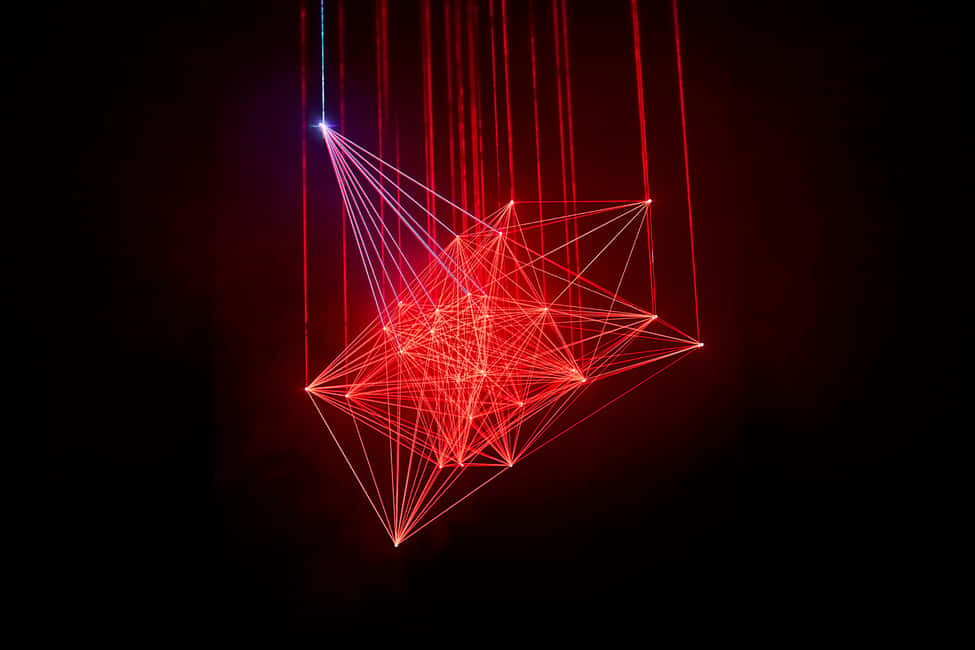
- Standouts like the airlock dome and the Sphere are built for close viewing and, yes, lying down at the right moment.
- Light-art references include pioneer László Moholy-Nagy and op-art icon Victor Vasarely.
- Limited entry helps with crowding, so you can actually focus on what you’re seeing.
- Not every section is for everyone, since there’s a part specifically marked over 18.
Why Budapest’s Light Art Museum feels different
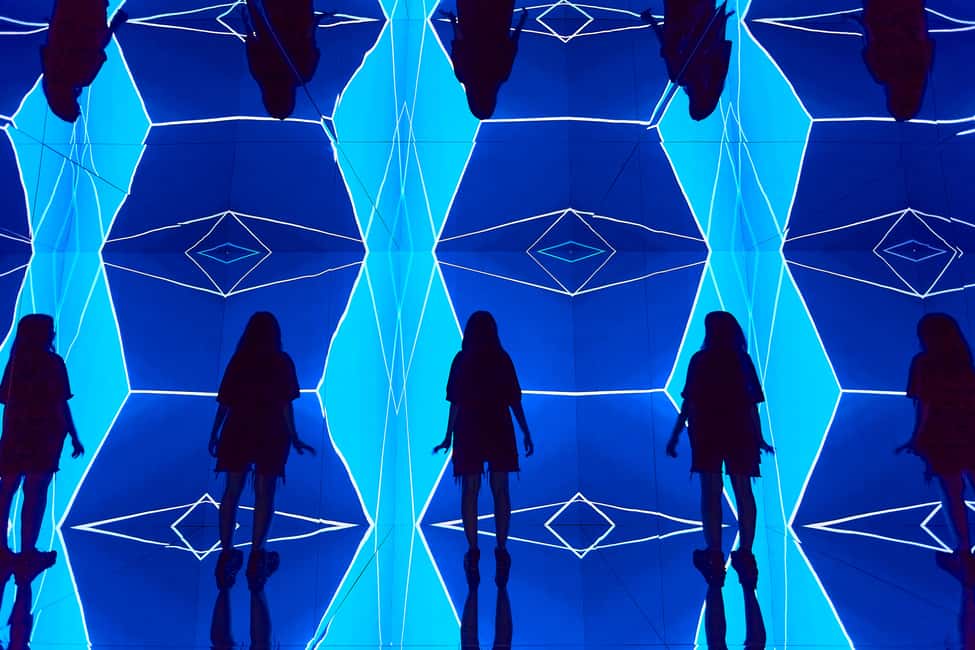
Budapest already has plenty of big-name museums. This one works because it doesn’t try to out-formal the city. Instead, it turns a repurposed market building into a space where light, color, and modern media become the main event.
You walk in and the walls stop behaving like walls. You’re surrounded by projection, optical-illusion style visuals, and installations designed so your position matters. I like that it feels playful without pretending to be educational in a stuffy way.
It also gives you an easy win on a tight itinerary. With about 2 hours built in, you’re not committing to a half-day of museum stamina.
You can also read our reviews of more museum experiences in Budapest


Price and what you truly get for about $18
The ticket price is listed as $18 per person, with a skip-the-line option. That matters because it reduces the friction of a short visit—especially if you’re pairing it with other sights in central Budapest.
You’re not paying for a guided lecture. You’re paying for a timed on-site experience with admission included, plus the freedom to explore at your own speed for roughly 2 hours. In other words, it’s closer to an attraction than a classic museum visit.
Value is strongest if you enjoy:
- trying interactive displays
- taking photos (it’s designed for that)
- reading enough to connect art and light-tech ideas
Value is weaker if you only like traditional, label-heavy galleries. You might find some sections more conceptual than you expected, and you may not see every installation on days when rooms are closed.
The layout: from market hall to light-art rooms
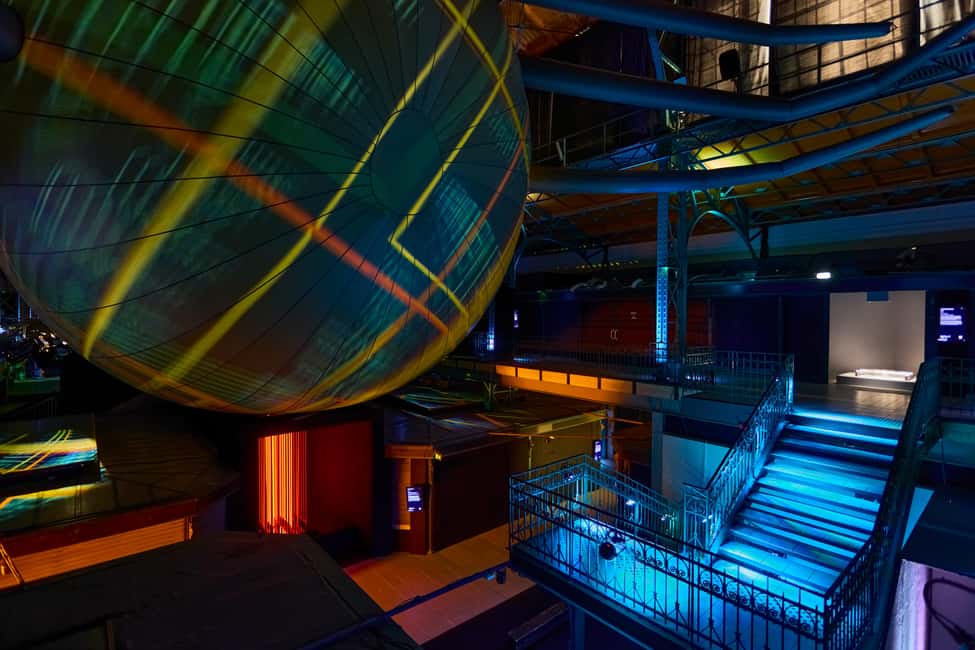
This museum lives in a fabulous hall that used to be a popular farmers’ market. That old-world shell is part of the trick. The architecture gives you scale and drama, and then the lighting design turns the space into something futuristic.
As you move through, the museum switches styles often. One area might feel like a projection piece, another like an optical illusion corridor, and another like a dedicated installation space. The pacing helps because the experience doesn’t get repetitive.
A practical tip: you’ll move from room to room faster than you’d expect in a quiet gallery. It helps to set a simple goal before you go—like spending extra time in the center installations—so you don’t rush through the best parts.
Standout installation: the airlock dome (and why you lie down)
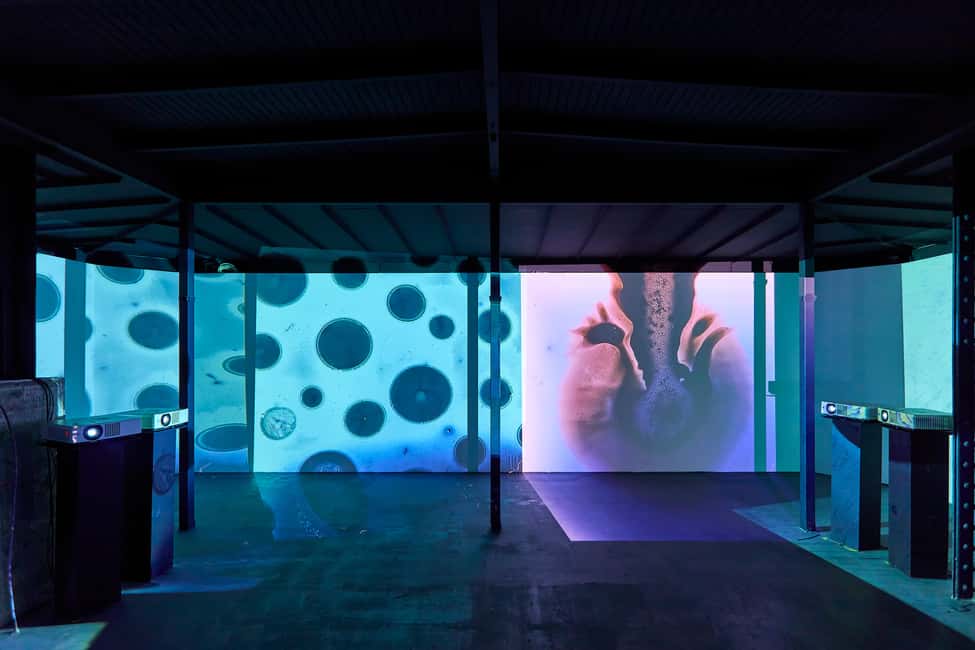
One feature gets called out again and again: the airlocked dome in the middle. It’s described as fantastic, and the best tip is very specific—lie down to experience it at its best.
That tells you how the dome is designed. It’s not just something you look at from standing eye level. The effect is built around your viewpoint, and changing your posture changes what you perceive.
If you like immersive-style optical effects that reward patience, make this your anchor stop. Give it time, then come back if you still want more. When the dome is working the way it should, it’s the kind of moment that makes the whole museum feel worth it.
The Sphere, projection mapping, and interactive photo moments
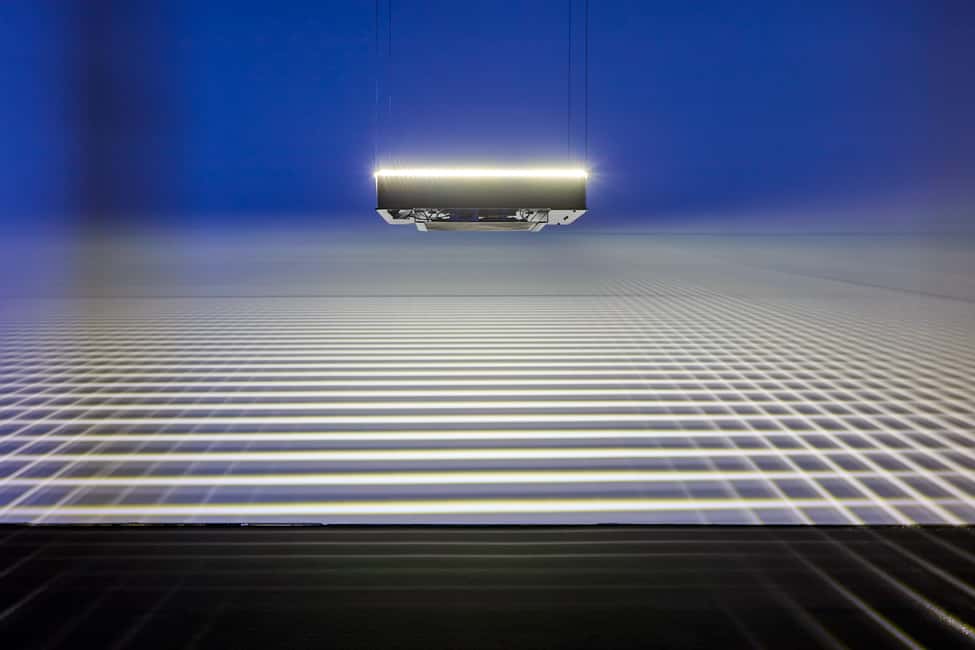
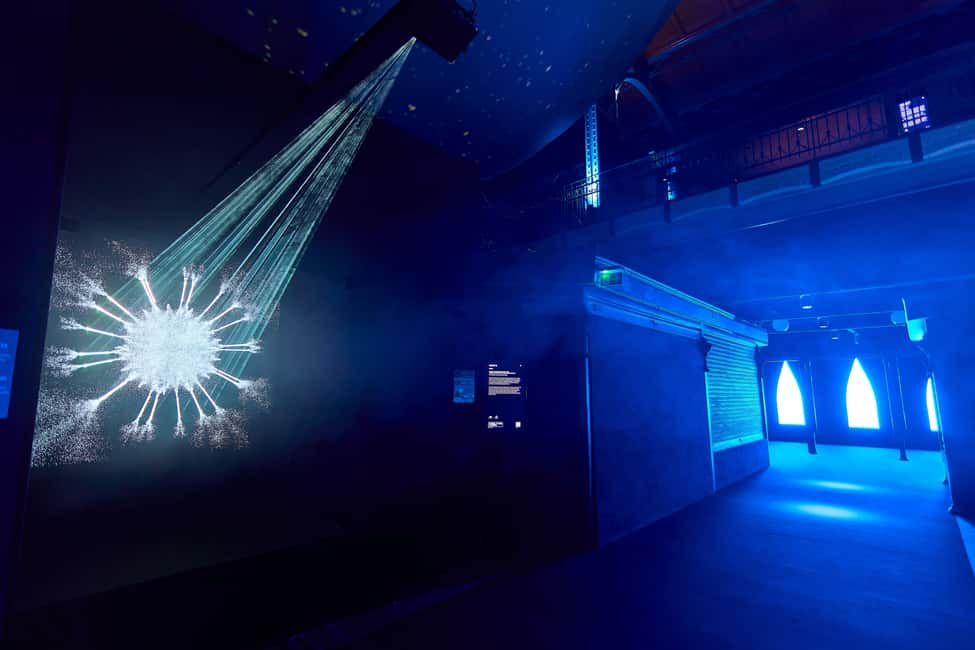
Another highlight people mention is the Sphere, described as unbelievable. That’s your clue that this isn’t a small decorative object. It’s an installation built to dominate the room and play with your sense of scale.
You’ll also see plenty of projection mapping and light-based visual effects. The museum leans into the idea that light can be structured like a medium—shaping surfaces, creating depth, and making moving images feel physical.
Expect photo-friendly setups. Reviews call out the ability to snap amazing photos of unique pieces, including light-art works and optical-illusion displays. If you’re a serious photographer, treat the visit like a studio session: move slowly, find your angle, and don’t assume the first viewpoint is the best one.






Light-art legends you can recognize: Moholy-Nagy and Vasarely
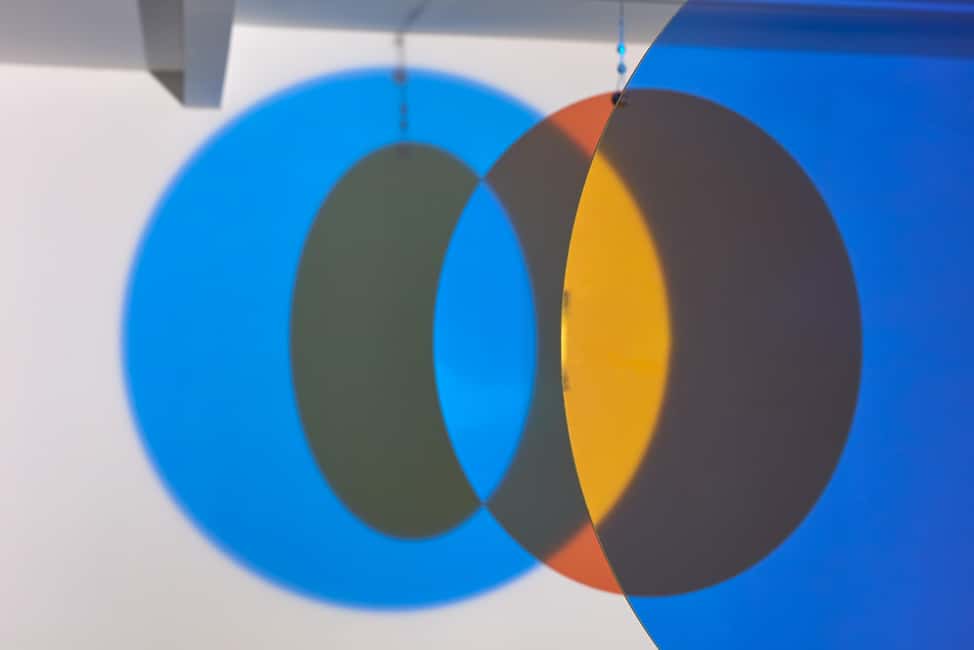
One of the smartest things about this museum is that it doesn’t just show light effects—it connects them to actual artists. You can spot references to László Moholy-Nagy, described as a pioneer light artist, and Victor Vasarely, an op-art icon.
Why does that matter for you? Because it gives your experience context. Even if you don’t read every label, you start to recognize patterns. Op-art and light art often share ideas about illusion, perception, and how geometry and color can trick your brain.
If you’re traveling with someone who likes explanations, this is the section that usually bridges the gap between fun and meaning. For you, it turns a cool room into a story you can remember.
What the museum feels like: interactive, not a quiet sit-down
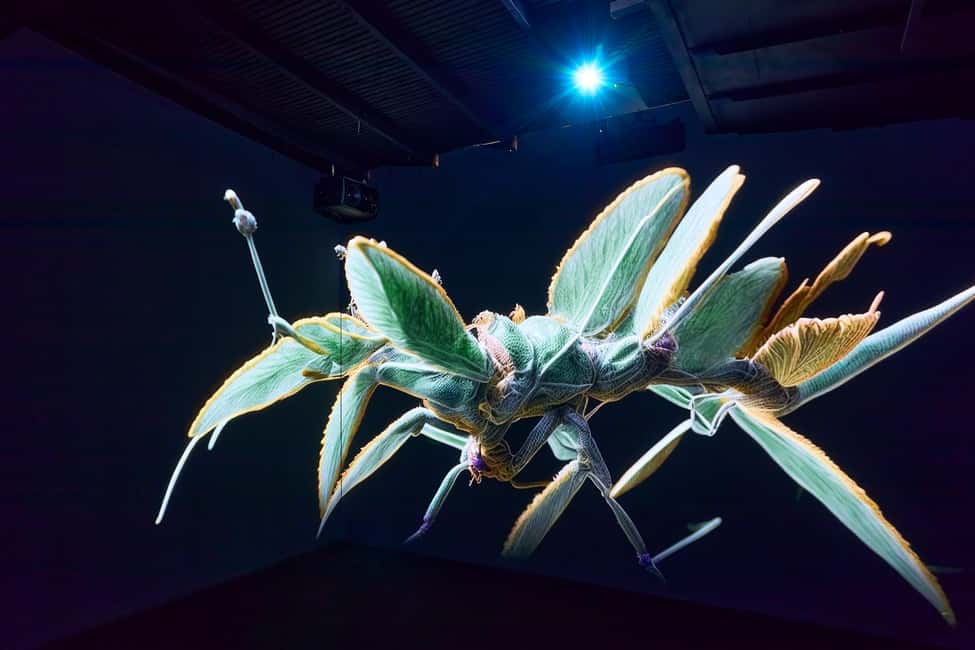
The museum is designed for interaction and movement. Expect to stand close, change your position, and notice how the light behaves around you.
You’re not just passing through; the space encourages participation. That’s why the best moments feel personal. A projection effect might look different depending on where you stand, and optical illusion installations often reward slowing down.
There’s also a mix of styles: contemporary and modern art, plus elements labeled around art, science, and new media. That mix is part of why the experience can appeal to both teens and adults.
One caution: the museum info and explanations aren’t always perfectly smooth. Some people note that information screens can switch languages, so it can be hard to read everything. If you care about details, bring your best patience and plan to treat some explanations as optional.
Family fit: kid-friendly moments, but not every room
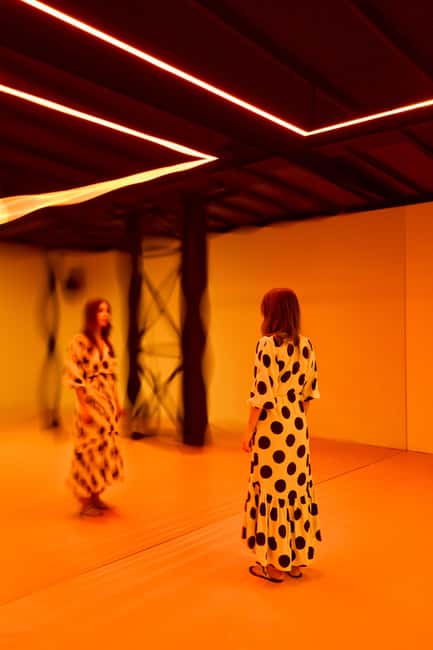
The museum is popular with families, and many people explicitly mention it working well for kids. There are also very interactive displays that little ones often enjoy, and the overall mood tends toward playful curiosity.
That said, there’s a real consideration you should know up front: there’s a section specifically for over 18. So if you’re traveling with younger kids, plan your route with that in mind. It may affect where you can go together, depending on the rules for that area.
My advice is to treat it like a family-friendly attraction with adult-interest design. You can absolutely enjoy it as a family, but you’ll want a bit of flexibility so everyone stays comfortable.
Timing tips: avoid the crowd without losing your best moments
The museum runs on timed exploration, and the price includes a skip-the-line option. That’s helpful, but you can also improve your experience by choosing the right time of day.
One practical clue from experiences is that arriving early can make it feel calmer. People describe visiting first thing and not having many people around, which makes it easier to explore without pressure.
If you want the best shot at a quieter run:
- aim for earlier entry times if your schedule allows
- don’t try to squeeze it in during peak sightseeing rush hours
- plan on lingering in the dome and Sphere area, since those are the crowd magnets
And if you’re the type who likes to rewatch light effects, don’t feel rushed. The museum is designed so you can spend more time in the rooms you love.
Language and info: English/Hungarian support, self-guided by design
The museum provides hosts/greeters in English and Hungarian, and the on-site experience is self-guided since no tour guide is included. That’s not a negative; it just means you set your own pace.
Information is available in English for those who read labels, and some people say they spent time enjoying the art and reading explanations in English. On the flip side, a common annoyance is that screen language can flip, so you might miss parts if you’re trying to follow along in one language.
If you’re doing this with a group that wants explanations, consider splitting roles. One person can focus on reading, while others enjoy the visuals. Then you swap notes afterward.
When things don’t go as planned: closed artworks and shorter visits
Most of the experience depends on the installations running and the galleries being open. Occasionally, people report that a lot of the artworks were closed, and in that case the museum experience can be much shorter than expected.
That doesn’t mean the museum isn’t good. It means you should keep expectations realistic. If you arrive on a day with closures, you might finish quickly.
My practical advice: treat your entry as a chance to experience the core highlights. The airlock dome and major light installations tend to be the reason people come. If those are running, you’ll still get a strong visit.
Who should book this ticket?
You should book if:
- you like modern art that’s meant to be seen, not studied for hours
- you enjoy optical illusions and light-based effects
- you want a fun, photo-friendly activity that takes about 2 hours
- you’re curious about how art connects to science and new media
You might skip or pair it with something else if:
- you strongly prefer traditional museum galleries and long, quiet rooms
- you need a guided narrative in a specific area
- you’re traveling with very young kids and can’t manage the over-18 section
Quick comparison: museum vs attraction energy
This ticket sits in an in-between zone. It’s not purely a theme attraction, because it references real art movements and artists. But it’s also not a traditional museum, because the main point is the sensory effect and the interactive media environment.
If you treat it like an art-tech attraction with smart art context, you’ll be happier. If you treat it like a slow-paced history lecture, you might feel impatient.
That balance is exactly why it works for a wide range of travelers.
Should you book this Light Art Museum ticket?
If you’re asking me if it’s worth your time, my answer is yes—with the right expectations. For most people, $18 plus a skip-the-line option and about 2 hours of light-art fun is a fair deal in a city where you’re paying for experiences anyway.
Book it when you want:
- a different kind of Budapest stop
- a room-to-room experience with strong visual payoff
- a calm, flexible activity that doesn’t eat your whole day
Consider skipping or delaying if:
- you only like guided tours with deep explanations
- you have concerns about the over-18 area and traveling with kids
- you’re hoping for a full museum equivalent with dozens of open rooms, every single day
FAQ
FAQ
How long is the Light Art Museum ticket good for?
The admission includes about 2 hours of exploration. The ticket is valid for 1 day, but you’ll need to check available starting times.
Is there a tour guide included?
No. This is self-guided, with a host or greeter available in English and Hungarian, but no tour guide is included.
Can I use skip the line?
Yes. The ticket includes a skip-the-line option.
What languages are supported?
Hosts/greeters are available in English and Hungarian. The experience also has information you can read, including English for those who want it, though screen language can sometimes change.
Is it good for families and kids?
Many people mention it as kid-friendly and enjoyable for young children. One important note is that there is a section specifically for over 18, so plan around that if you’re traveling with younger kids.
Is free cancellation available?
Yes. You can cancel up to 24 hours in advance for a full refund.