REVIEW · BUDAPEST
Nightmare in Budapest Interactive Horror Experience
Book on Viator →Operated by Nightmare in Budapest · Bookable on Viator
Budapest’s darkest 30 minutes are real theater. I love how real costumed performers guide you room to room, and I love the limited group size that makes the scares feel personal. The one caution: expect close, physical scare moments and some content that may feel intense for younger visitors.
You’ll meet at Nightmare in Budapest on Rákóczi út and step into a maze-like show built for English speakers, with a runtime listed around 25–35 minutes. If you hate the dark or you’re easily overwhelmed, this may be the kind of attraction that tests your nerves first—then rewards you with a very memorable story.
In This Review
- Key things that make Nightmare in Budapest worth your time
- Entering The Nightmare: what the show is really like
- The room-to-room labyrinth: 400 m² of problem-solving under fear
- The cast and the hands-on scare style (what to mentally prepare)
- Timing and location: how to plan your evening on Rákóczi út
- Price and value: is $24.44 for 30 minutes actually fair?
- How the show keeps changing: different characters every day
- What you’ll do during the 25–35 minutes
- Who should book (and who should think twice)
- Practical tips to get the most out of it
- Should you book Nightmare in Budapest?
- FAQ
- How long is Nightmare in Budapest?
- What’s the price?
- Where do I meet for the show?
- What time is it offered?
- Is the show in English?
- How big is the group?
- Do I need to book ahead?
- Can I book through Viator and just show up?
- What if I want something to remember it?
- Cancellation
Key things that make Nightmare in Budapest worth your time
- A small group (max 6) keeps you near the action instead of stuck watching from the back.
- 400 m² of labyrinth space means you actually move through the show, not just sit and scream.
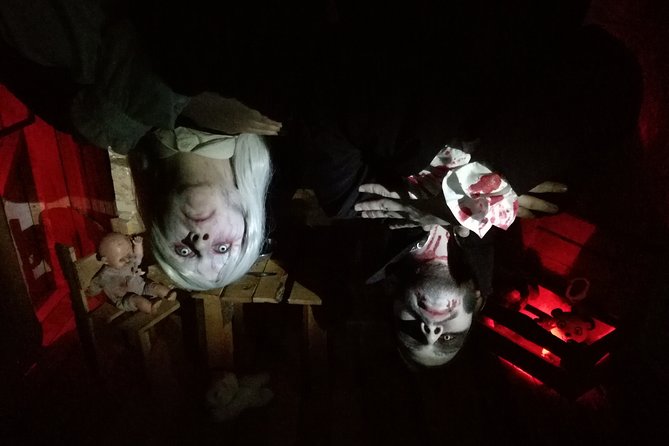
- Real actors in full costume create the fear through interaction, not just sound effects.
- Multiple themed chambers with tasks and obstacles so the show keeps changing.
- Limited entry slots are why booking ahead matters.
- Expect darkness and jump scares, including rooms that can go pitch black.
Entering The Nightmare: what the show is really like
Nightmare in Budapest is Hungary’s first (and, as described, only) interactive horror show. Instead of watching from a fixed seat, you move through a series of spaces where performers pull you into the story. The baseline experience is called The Nightmare, where you descend deeper into the dark realm ruled by the horror creatures and lords of the dark.
I like that the concept isn’t just a haunted house crawl. It’s theater with a plot. Your route can shift as you go, because you’re being guided through different rooms and you may run into tasks or obstacles that affect how the evening feels. Even the pacing matters: the show is listed at about 25–35 minutes, which is long enough to feel like an event, but short enough that you won’t spend the whole afternoon sweating in dread.
And yes, it’s designed to frighten. The dark rooms, the sudden cues, and the “what happens next” factor are built to keep you alert.
You can also read our reviews of more tours and experiences in Budapest.



The room-to-room labyrinth: 400 m² of problem-solving under fear
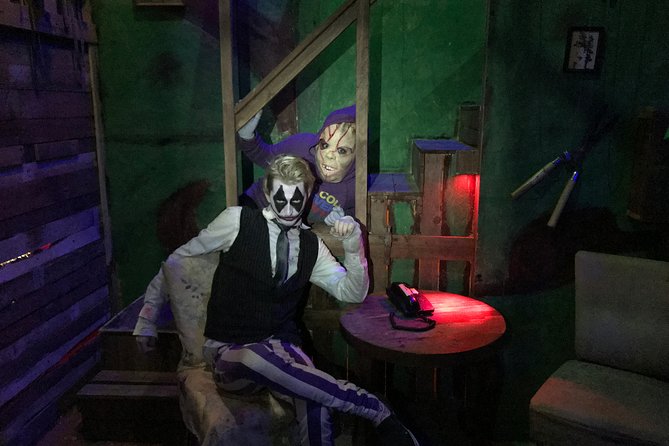
A big part of why this experience gets such strong reactions is the physical footprint. You’re working through labyrinth-like space spread across 400 m². That translates to movement, turns, and repeated moments of losing your bearings—especially in sections that use blackout-style lighting effects for scare impact.
You should expect a sequence of chambers with different themes, which matters because it breaks the monotony. A straight corridor haunted attraction can feel repetitive. Here, the show’s format leans on change: new space, new mood, and new threats.
Also, the experience includes “bargaining” and sometimes running for your life, depending on what’s happening in your path. That gives it a role-play feel. You’re not just standing there. You’re responding—often quickly—while the performers steer the story.
Practical tip: if you’re going in with a strategy like I’ll keep my eyes forward and stay calm, that can help. But the show is built to interrupt that plan with sudden darkness, cues, and close-by performers.
The cast and the hands-on scare style (what to mentally prepare)
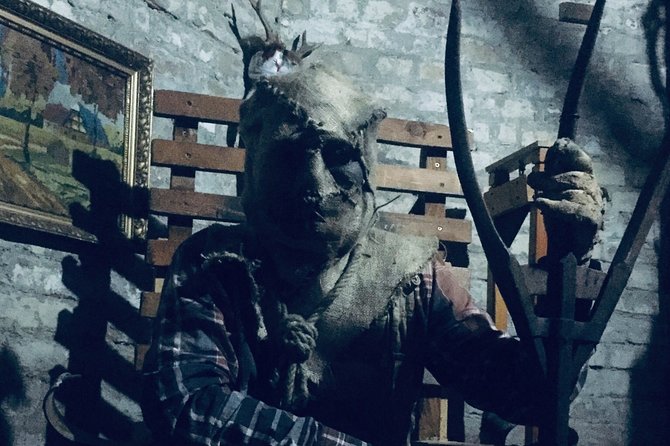
The heart of Nightmare in Budapest is the performers. This is an interaction-heavy format with horror characters in full costume, and the show uses real people to create fear at close range.
From what you can expect in the experience style, plan on moments where performers will guide you, pressure you, and sometimes use physical scare tactics. One common point you’ll want to take seriously is that you may be touched and pushed around. That doesn’t mean you should worry about injury—but it does mean you should consider your personal comfort level and any health sensitivities.
One helpful detail: the staff appears used to adjusting their approach when someone shares health concerns. So if you have specific medical issues, mention them when appropriate. You know your limits best, and this show is best enjoyed when you’re not forcing yourself past them.
Timing and location: how to plan your evening on Rákóczi út
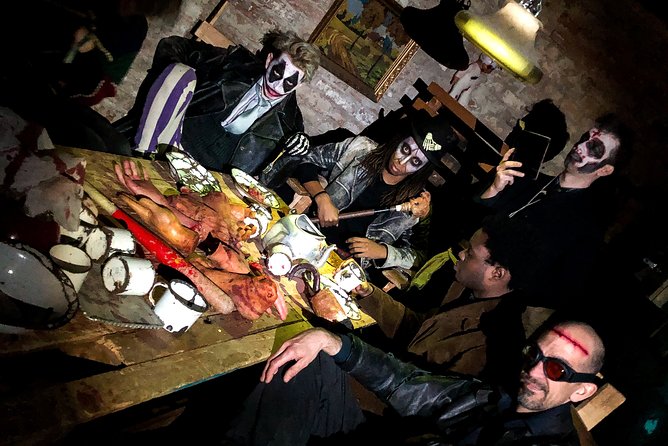
The meeting point is Nightmare in Budapest, located at Rákóczi út 30, 1072 Budapest. The attraction notes it’s near public transportation, which is great for visitors staying in central areas. You don’t want to plan a long “how do I get there” quest on a day you’ll be jumping every two minutes.
Hours are listed as Tuesday–Sunday, 2:00 PM to 9:00 PM. That flexibility helps you slot it in as:
- a rainy-day plan,
- a pre-dinner or post-dinner activity, or
- an evening activity when you want something different from the usual museum routine.
You’ll also want to pay attention to the “book in advance” advice. Entry slots are limited, and the show is described as being booked about 17 days ahead on average. Translation: if you wait until the last minute, you risk missing the only times that work for you.
Price and value: is $24.44 for 30 minutes actually fair?
At $24.44 per person for around 30 minutes, you’re not buying a long event. You’re buying intensity, movement, and live performance.
Here’s why that pricing can feel fair:
- Limited group size (max 6) increases the chance that you’re part of the action instead of a background spectator.
- Real actors cost money to cast, train, and run on schedule, unlike a “lights and sound” haunt.
- You’re paying for a timed story experience with multiple chambers, tasks, and changing threats—not just a single dark room.
If you’re a visitor who likes hands-on entertainment, it’s the kind of attraction where you can walk away feeling like you got your money’s worth in emotion alone. If you’re hoping for a calm, low-stimulation evening, it may feel expensive for what you actually want—so consider your vibe first.





How the show keeps changing: different characters every day
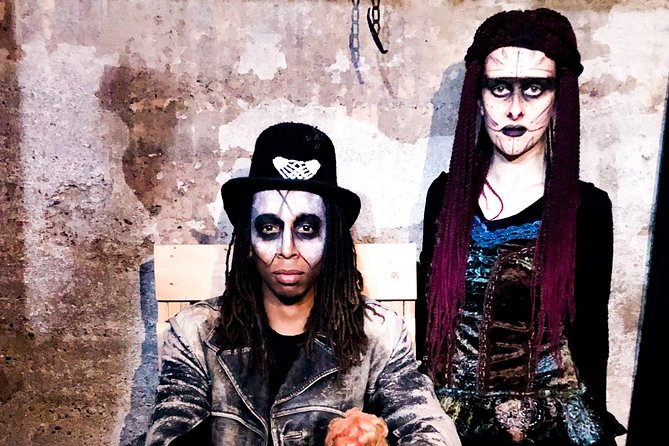
Nightmare in Budapest runs daily, and the experience description notes that every day has different horror characters waiting for you. That matters for two reasons.
First, it reduces the “I’ve seen this already” feeling if you come more than once (or if you’re returning to Budapest and want a different version). Second, it means the tone can shift even if the general structure feels familiar: the creatures, the personalities, and the way they interact with you can change.
So even if you’re not a hardcore horror fan, the format rewards curiosity. You’re not only there for jump scares—you’re there to see how the show’s cast turns the same space into different fear.
What you’ll do during the 25–35 minutes
You can think of your time like this: step into a staged realm, move through several chambers, react to tasks and obstacles, and follow (or try to follow) the guidance of horror creatures and performers. The story framing is that you’re descending deeper into their realm, which makes the show feel like one continuous experience even as you cross into different themed rooms.
The “obstacles and tasks” piece is especially important. A pure horror walk can become passive. Here, you’re asked to participate—often through the way you respond to prompts, choices, or challenges. That keeps your brain working under pressure, which is part of why the scares can feel more intense.
Also, the show uses changes in lighting and the environment to build suspense. One of the strongest practical takeaways from visitor feedback is that darkness is used to create fear, including moments where it can be pitch black. That’s not just ambiance. It’s part of how the show controls your attention.
Who should book (and who should think twice)
This is a strong match if you:
- enjoy horror experiences with real actors,
- like interactive theater where you’re part of the action,
- want a rainy-day plan that still feels exciting and different.
It can also work well for couples or friends because the small group size keeps the atmosphere shared. You’ll feel the tension together rather than being separated from the story.
You should think twice if you:
- hate darkness or scare tactics that rely on blackout-style lighting,
- are uncomfortable with close contact during a guided experience,
- are sensitive to content that can be intense (some visitors specifically noted adults-only suitability due to content).
If you’re unsure, don’t just guess based on the word horror. Ask yourself: would you enjoy being frightened and guided by performers, or do you want something more passive and observational?
Practical tips to get the most out of it
A few things make the biggest difference in how you experience the show:
- Book ahead. Limited entry slots mean you’ll lose options fast near your dates.
- Bring your English. Knowledge of English is required, so you’ll want to be comfortable understanding prompts.
- Expect close-up interactions. Plan mentally for moments where performers might touch or push as part of the scare style.
- If you’re claustrophobic, know what to expect. One helpful detail from experience descriptions is that it’s not presented as heavily enclosed. Still, it includes darkness and close performers, so go in knowing you may feel squeezed by the scare choreography even if the space isn’t tiny.
- If health matters, say something. The approach may adjust when someone mentions heart problems, so don’t quietly suffer.
Should you book Nightmare in Budapest?
I’d book it if you want a memorable, story-driven horror activity that feels like live theater and not a one-note haunted walk. The combination of small group size, real costumed actors, and a maze-like 400 m² layout makes it feel like you’re inside a script, not just outside looking in.
Skip it (or at least think hard) if you’re not into intense scares, you strongly dislike darkness, or you’re not comfortable with close physical scare moments. For everyone else, this is one of those Budapest experiences that turns a normal evening into a real tale you’ll keep telling.
If you’re debating it, aim to book sooner rather than later, pick a time that fits your energy, and go in ready to play along.
FAQ
How long is Nightmare in Budapest?
The show runs about 25–35 minutes, listed as approximately 30 minutes.
What’s the price?
The price is $24.44 per person.
Where do I meet for the show?
You meet at Nightmare in Budapest, Rákóczi út 30, 1072 Budapest.
What time is it offered?
It runs Tuesday through Sunday from 2:00 PM to 9:00 PM.
Is the show in English?
Yes, knowledge of English is required, and the experience is offered in English.
How big is the group?
The tour/activity has a maximum of 6 travelers.
Do I need to book ahead?
Yes. Entry is limited, and booking in advance is recommended to secure available slots.
Can I book through Viator and just show up?
The information says booking via Viator is not the same as booking with them, and the haunted house cannot be visited at any time. You should make an appointment by email or phone before your visit.
What if I want something to remember it?
Some visitors report receiving small gifts and being emailed videos captured from their experience.
Cancellation
Free cancellation is available up to 24 hours in advance for a full refund.