REVIEW · BUDAPEST
Pest side stories with a Historian
Book on Viator →Operated by Budapest Explorers · Bookable on Viator
Budapest’s Pest side tells a story fast. This historian-led walk connects Heroes’ Square to the city’s older layers of everyday life, with stops that feel linked instead of random. I like that the group is capped at 10 guests, so you get more back-and-forth with your guide, and I also like the practical perks: a mobile ticket, refreshments, and metro tickets included. One thing to consider: it’s a lot of walking in about three hours, so comfy shoes matter.
The route is built for orientation. You’ll move from squares with changing identities, to the big-name monuments, and then down into what’s claimed to be the oldest underground in Europe—without wasting time on logistics. If you’re not into history talk (or you get tired easily on afternoons), you may feel the pace more than you’d like.
In This Review
- Quick highlights: what makes this Pest walking tour work
- Following the layers of Pest: a 3-hour orientation you’ll actually use
- Meet at Kempinski, then head straight to Erzsébet-tér’s changing identity
- Elizabeth Square to St. Stephen’s Basilica: when symbols become landmarks
- Heroes’ Square: the fastest way to grasp 1,100 years of identity
- A medieval-looking castle built in 1896: Vajdahunyad Castle’s twist
- Andrassy Avenue: walking a UNESCO address in the heart of Pest
- Vorosmarty Square: the commercial heart with a historical spine
- Millennium Underground: stepping into the oldest European subway claim
- About the guides: stories that feel like explanations, not lectures
- Walking pace and what to wear for a comfortable Pest afternoon
- So, is it worth $58.94 for a 3-hour Pest walk?
- Should you book Pest side stories with a historian?
- FAQ
- How long is the tour?
- How much does it cost per person?
- Is the tour only for beginners, or can most people join?
- What languages is the tour offered in?
- How big is the group?
- Are tickets and refreshments included?
- Which major stops are included?
- Can I cancel and get a full refund?
Quick highlights: what makes this Pest walking tour work
- Small-group cap (10 max) for a more personal pace and easier questions
- Historian guide stories that tie the landmarks to real events and eras
- Free entry options at major stops, plus optional entry into St. Stephen’s Basilica
- Metro tickets and refreshments included, so you’re not scrambling mid-walk
- A smart arc through central Pest, from squares to UNESCO and the Millennium Underground
Following the layers of Pest: a 3-hour orientation you’ll actually use
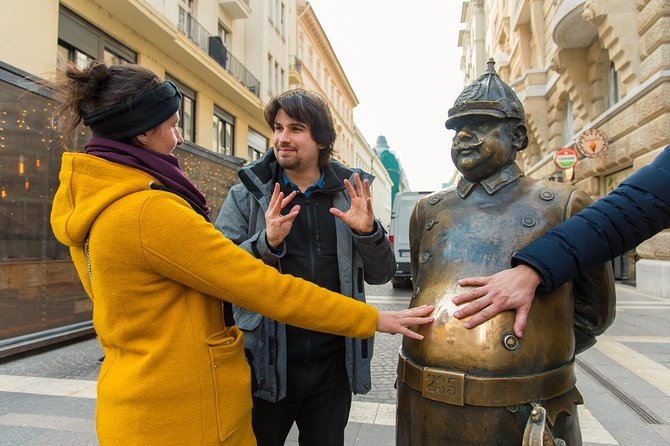
This tour is basically an educated walk across central Pest—good for first-timers and for people who think they already know Budapest. You get a guide who frames each stop as a clue to how the city changed: political power, commerce, national identity, and daily movement.
It also respects your time. At roughly 3 hours, you see a lot of the classic anchors—without the feeling that someone dropped you in front of buildings and left you to read plaques. And because it’s booked about a month in advance on average, it’s a safe bet you’ll want to lock in your slot early if you’re visiting during peak season.
The value here is that the inclusions aren’t gimmicks. Metro tickets help you keep momentum, and the refreshments are the kind of small support that makes a walking tour feel doable instead of punishing.
You can also read our reviews of more tours and experiences in Budapest.



Meet at Kempinski, then head straight to Erzsébet-tér’s changing identity
The tour begins at the Kempinski Hotel Corvinus Budapest at Erzsébet tér 7–8 (a very central starting point). The timing starts at 2:00 pm, which is great for daylight views, but you’ll want to plan for warm afternoons in summer because you’re outside for a good chunk of the experience.
From the start, your first stop is Elizabeth Square (Erzsébet tér), a place that has been more than one kind of hub over time. It was once a market square, then it took on the label of Stalin Square and even served as a bus station. Today, it’s known more for a younger, night-out feel, and you’ll also notice interesting statues and sites that show how public spaces get repurposed again and again.
Why I like this opening: it gives you a mental map. You’re not just seeing a pretty square—you’re learning how Budapest layers meaning onto the same ground.
Elizabeth Square to St. Stephen’s Basilica: when symbols become landmarks
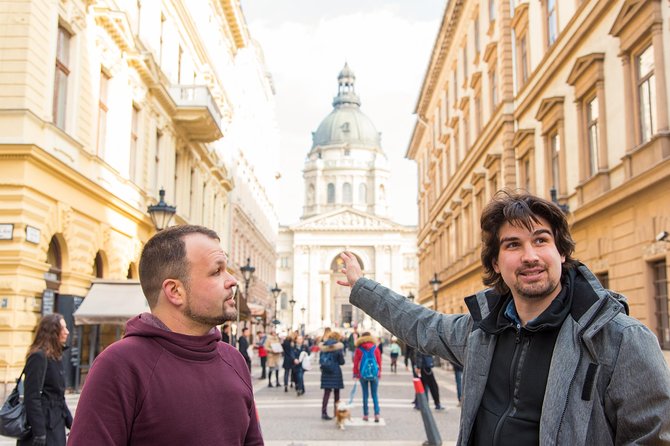
After Elizabeth Square, you’ll move to St. Stephen’s Basilica (Szent István Bazilika), the largest church in Budapest. The plan is around 20 minutes, and entrance is optional if the group is interested.
Even if you don’t go inside, being there matters. A landmark like this works as both a religious site and a national symbol, and a good historian guide will help you connect the basilica to what people in different eras wanted visitors—and locals—to feel. If you do choose to enter, factor in a bit of extra time and keep your energy for the next walk.
Practical tip: this is one of those stops where you’ll get the most out of the guided explanation if you pay attention to what your guide points out and why. If you try to do everything on your phone at once, you can miss the connections.
Heroes’ Square: the fastest way to grasp 1,100 years of identity
Next up is Heroes’ Square, a stop built for orientation. This isn’t just a monument stop; it’s described as a perfect place to understand more than 1,100 years of Hungarian history. You’ll have about 30 minutes here, and the time is well used if you let the guide lead you from figure to figure instead of rushing for the photo.
Heroes’ Square is one of the city’s main anchors for a reason: it visually compresses national storytelling into sculpture and layout. Your guide can help you read it—what the symbols are aiming to represent and how the monument fits into the long arc of Hungarian life and power.
Possible drawback: if you love quiet sightseeing more than explanations, this is still worthwhile, but you may want to pace yourself. It can feel like a lot of “what you’re looking at” in a single stop.
A medieval-looking castle built in 1896: Vajdahunyad Castle’s twist
Then comes Vajdahunyad Castle, a site many people skim past because it doesn’t always get the same attention as the basilica or the big-name riverside views. Here, you’ll get about 30 minutes, and the standout idea is that it was built in 1896 while looking medieval.
That timing matters. The “fake medieval” look isn’t a mistake—it’s a statement about what people wanted to believe, celebrate, or stage at the moment it was created. Your guide should help you connect style to intention, showing why this castle feels like it stepped out of an older Hungary.
I think this stop is a great breather. It gives your eyes a new visual language, and the story behind it keeps it from turning into a simple photo stop.





Andrassy Avenue: walking a UNESCO address in the heart of Pest
After the castle, you’ll head to Andrassy Avenue, described as the pride of Budapestians and a UNESCO World Heritage site since 2002. You’ll spend about 30 minutes, which is enough to appreciate the street’s role as a major showcase for the city.
For practical travelers, UNESCO streets aren’t just bragging rights. They give you a sense of how a city designed a grand main corridor—how architecture, urban planning, and status moved together. The guide’s job is to help you see the street as a whole, not only as individual buildings.
This is also where your timing helps. You’re moving through a central area rather than hopping around farther out. That keeps the afternoon from feeling like constant transit.
Vorosmarty Square: the commercial heart with a historical spine
Next is Vorosmarty Square (Vorosmarty ter), with around 15 minutes on the clock. This is described as an iconic central square, focused on commerce, with high-end products right in the heart of historical Pest.
This stop is short by design. It helps you notice how central Pest functioned as a meeting point and shopping hub, and it gives your guide a chance to connect wealth, trade, and public life without turning the tour into a full-on shopping loop.
If you’re the type who likes to window-shop while you listen, this stop fits well. If you want every stop to be long, you might wish there was more time—but it works as a pacing tool for a walking tour.
Millennium Underground: stepping into the oldest European subway claim
One of the coolest moments on this route is Millennium Underground, described as the oldest underground on the European continent. You’ll have about 30 minutes here.
Even if you’ve seen metro stations before, this one has a specific historical meaning. Underground transit isn’t just a convenience—it reflects the moment a city decided it needed modern infrastructure and how it wanted to show that it could handle the future.
The value of this stop on a walking tour is that it breaks the “squares and monuments” pattern. You shift from sculptures and civic design to movement and engineering—still history, but in a different form.
About the guides: stories that feel like explanations, not lectures
A big reason people rate this tour extremely high is the way the guide talks. You may encounter guides such as Steven “the tall”, Greg, Andrew, and the team behind the scenes (names like Daniel and András/Andrew, plus others) keep the tone friendly and story-driven.
One thing I’d treat as a tip, not a promise: when your guide offers to enter St. Stephen’s Basilica if the group is interested, ask yourself if you want the extra context. If you do, you’ll usually get more out of the inside view because the guide can connect what you’re seeing to what they’ve been explaining outside.
Walking pace and what to wear for a comfortable Pest afternoon
This is a proper walking tour. There’s no magic trick to avoid the legs—about three hours of moving from stop to stop, including time at multiple central sites.
My practical advice:
- Wear shoes you can handle on uneven sidewalks.
- Bring a small water bottle or plan to use the refreshments included.
- If the weather is hot, consider light layers so you can handle sun outside and cooler indoor spaces if you opt into Basilica entry.
Because it’s capped at 10 guests, the pace tends to feel human. Smaller groups usually mean fewer long waits and fewer moments where someone has to “keep up” while the guide tries to manage a crowd.
So, is it worth $58.94 for a 3-hour Pest walk?
For $58.94 per person, you’re paying for four main things: a historian guide, a route that hits key anchors on Pest, and practical inclusions (refreshments and metro tickets). Because several major sights are listed as free, you’re also not shelling out for entrance fees all afternoon.
This makes it a strong value when you want more than sightseeing. If you like understanding why buildings and squares look the way they do—especially in a city where different eras leave visible marks—this kind of guided “story walk” tends to be worth it.
If your priority is casual wandering at your own pace, you might find it too structured. But if you want to get your bearings fast and learn while you walk, it’s a solid deal.
Should you book Pest side stories with a historian?
Book it if:
- You want a small-group Budapest experience rather than a giant bus tour.
- You enjoy historical storytelling that connects landmarks to events and everyday life.
- You’d like your afternoon in Pest to end with a clearer sense of how the city became what you see today.
Skip or consider another option if:
- You dislike walking for extended blocks.
- You prefer self-guided sightseeing with minimal narration.
- You’d rather spend your time only on places that have major sights you can explore fully on your own.
If you’re torn, here’s my honest take: the strongest reason to choose this tour is the combination of focused route + historian explanations + practical inclusions. It’s not trying to do everything in Budapest. It’s doing Pest well.
FAQ
How long is the tour?
The tour lasts about 3 hours.
How much does it cost per person?
The price is $58.94 per person.
Is the tour only for beginners, or can most people join?
The tour notes that most travelers can participate, so it’s not limited to experts.
What languages is the tour offered in?
The tour is offered in English.
How big is the group?
The experience has a maximum of 10 travelers.
Are tickets and refreshments included?
Yes. You’ll get a mobile ticket, and the tour includes refreshments and metro tickets.
Which major stops are included?
Key stops include Elizabeth Square, St. Stephen’s Basilica, Heroes’ Square, Vajdahunyad Castle, Andrassy Avenue, Vorosmarty Square, and Millennium Underground.
Can I cancel and get a full refund?
Yes. You can cancel for free up to 24 hours in advance for a full refund.