REVIEW · BUDAPEST
Stretched Strudel Making Class with 2 Different Fillings
Book on GetYourGuide →Operated by Cooking Hungary - Culinary Experiences · Bookable on GetYourGuide
Budapest turns strudel into a hands-on lesson. In a small-group class in a private apartment near Király u. 77, you learn stretched dough and make two strudels from scratch.
I love how much of it feels like a mother-to-you recipe moment, not just watching. And you get real take-home value with the family recipes you can follow later, plus Hungarian snacks and drinks while the oven works.
One thing to plan for: there’s no hotel pickup, so you’ll need to get yourself to Király u. 77 in central Budapest on time.
In This Review
- Key highlights to look for
- The stretched-strudel skill you’ll actually remember
- Arriving at Király u. 77: an apartment kitchen, not a factory
- The intro: what you learn before your hands even touch dough
- Stretching the dough: where the magic happens
- Choosing your two fillings: classic options and real variation
- Shaping and baking: the part you can relax into
- The tasting break: wine, snacks, and a friendly food lesson
- Taking home family recipes you can use, not just display
- Price and value: is $90 worth it?
- Who should book this strudel class in Budapest
- Should you book it?
- FAQ
- FAQ
- How long is the strudel-making class?
- Where does the class meet in Budapest?
- How many people are in the group?
- What will I make during the class?
- What fillings are included?
- Is the class taught in English?
- What’s included to eat and drink?
- Is hotel pickup included?
Key highlights to look for

- Small group (up to 10) keeps the teaching personal and the kitchen calm
- Stretched strudel method teaches the key skill: thin elastic dough you can shape
- Two strudels, two fillings so you get more variety than the usual single-roll class
- Chef talk in English includes the why behind the food, not just the how
- Hungarian tasting break with wine, soft drinks, mineral water, coffee, and typical snacks
- Recipes to take home based on family practice, not a generic handout
The stretched-strudel skill you’ll actually remember
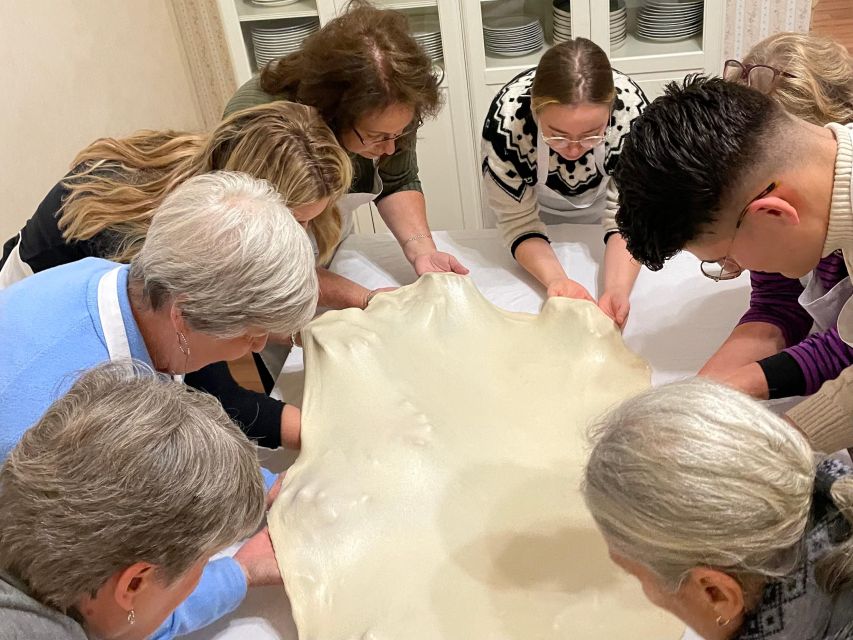
A lot of cooking classes give you a finished dish. This one gives you a technique. The star here is Hungarian stretched strudel, where the dough is pulled until it turns very thin and flexible, then shaped around filling. That stretchy, nearly see-through dough is the difference between strudel that tastes merely good and strudel that tastes like you’re biting into a real tradition.
What makes this class especially satisfying is that you’re not just making one roll. You’ll make two strudels, which means you practice the workflow more than once: dough handling, filling choices, shaping, and oven timing. If you’re the kind of traveler who likes bringing home one practical skill instead of only photos, this hits.
You’ll also get the cultural context as you work. Strudel is often described as a Habsburg Empire dessert with Turkish influence in Hungary, and the class connects that to Hungarian table culture. You’ll hear how strudel shows up in countryside wedding dinners, which helps explain why this isn’t treated like a throwaway pastry.
You can also read our reviews of more tours and experiences in Budapest



Arriving at Király u. 77: an apartment kitchen, not a factory
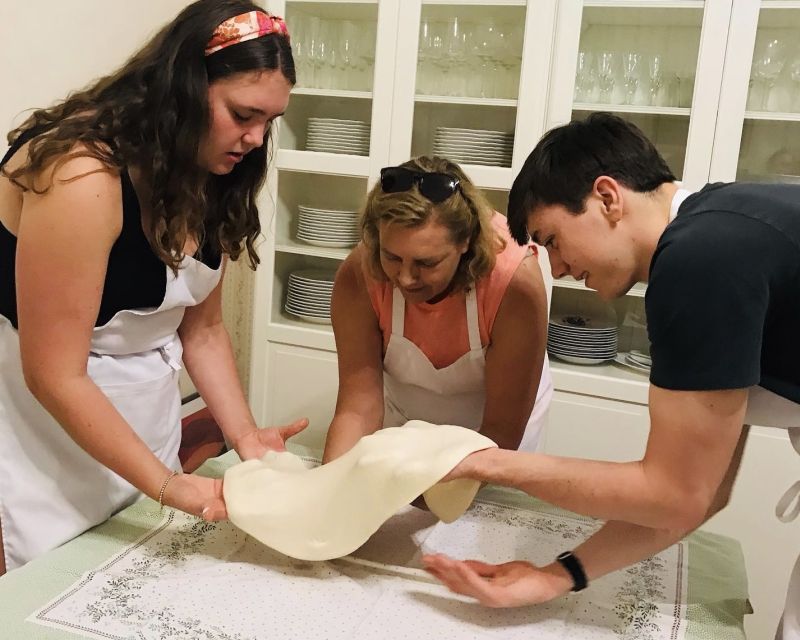
Meeting at Király u. 77 (1077 Budapest) means you’re stepping into a real home setup. That’s part of the charm. The tone is small-group and family-style, which usually translates into better pacing and more chances to ask questions while you’re doing the work.
For you, the practical benefit is simple: you get face time. With a limit of 10 participants, the chef can correct your dough handling and shaping right when it matters. In big classes, you often feel like you’re trying to follow instructions from the back row. Here, you’re close enough to get help before a small mistake becomes a bake-day disappointment.
No hotel pickup is a consideration. If you’re staying outside central Budapest or you plan to rely on taxis for everything, build a little buffer so you’re not rushing through the last minutes.
The intro: what you learn before your hands even touch dough
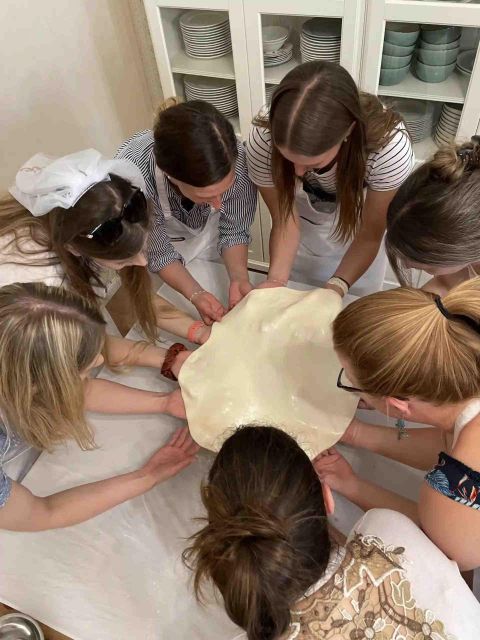
Before you start stretching, you’ll get a guided run-through from the chef, including the history and the role strudel plays in Hungarian life. You’ll also learn what typically goes into the dough and fillings in this tradition, so you understand what you’re tasting later.
This is where the class feels more grounded than a typical pastry workshop. You’re learning that strudel is a known, everyday-worthy dessert—something with family practice behind it. One of the standout points from prior classes is how patiently the chef shares the little details and habits learned while growing up. That kind of teaching matters for stretched dough, because the success isn’t only in ingredients. It’s in technique and timing.
In English instruction, that background helps you keep your confidence while your dough feels different from whatever you’ve made before.
Stretching the dough: where the magic happens
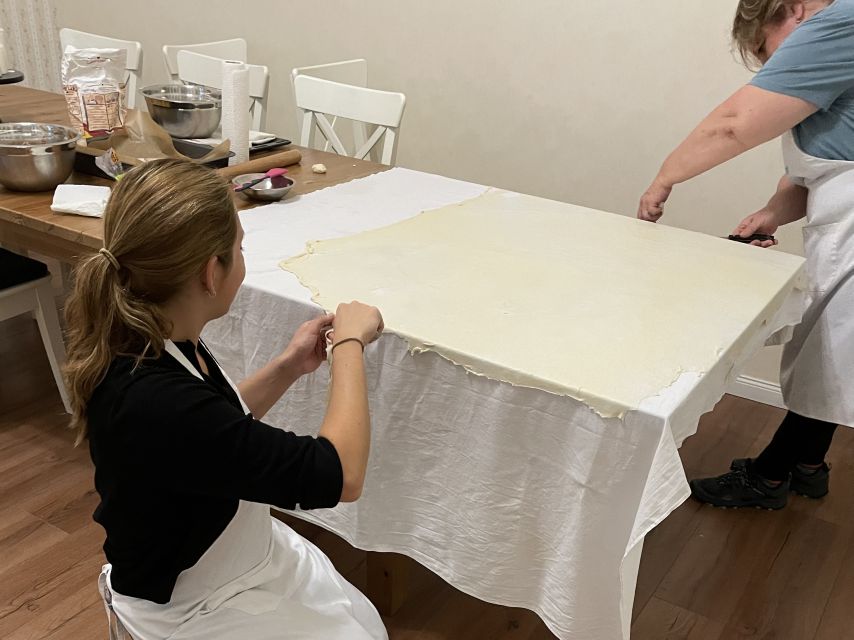
This is the core of the experience: stretching the elastic pastry by hand until it turns very thin. You won’t be left to figure it out alone. You’ll work with the chef’s guidance as you learn what “thin” means in real dough, not just in theory.
If you’ve ever tried stretching dough at home, you know the fear: tear it and you’re done. Here, the approach is incremental. The chef helps you handle the dough so it stays flexible, and you learn the practical rhythm of the process. The goal is even thickness where possible, without forcing it to do something it’s not ready to do.
What I like about teaching like this is that it makes the result feel repeatable. You’re not chasing a mysterious restaurant secret. You’re learning a method you can repeat next time—slow down, stretch carefully, shape thoughtfully, and don’t panic if the dough behaves like dough.
Choosing your two fillings: classic options and real variation
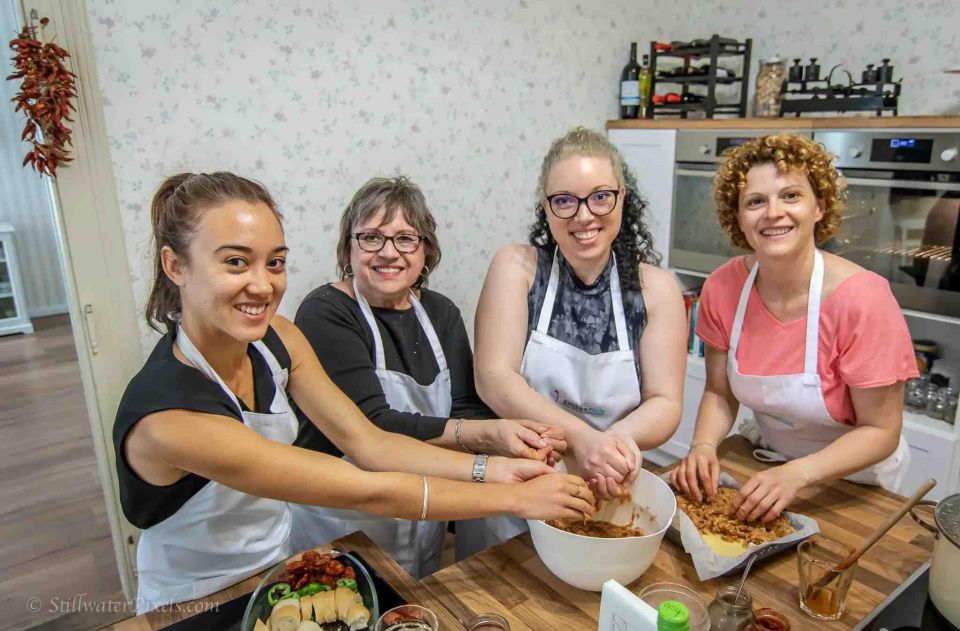
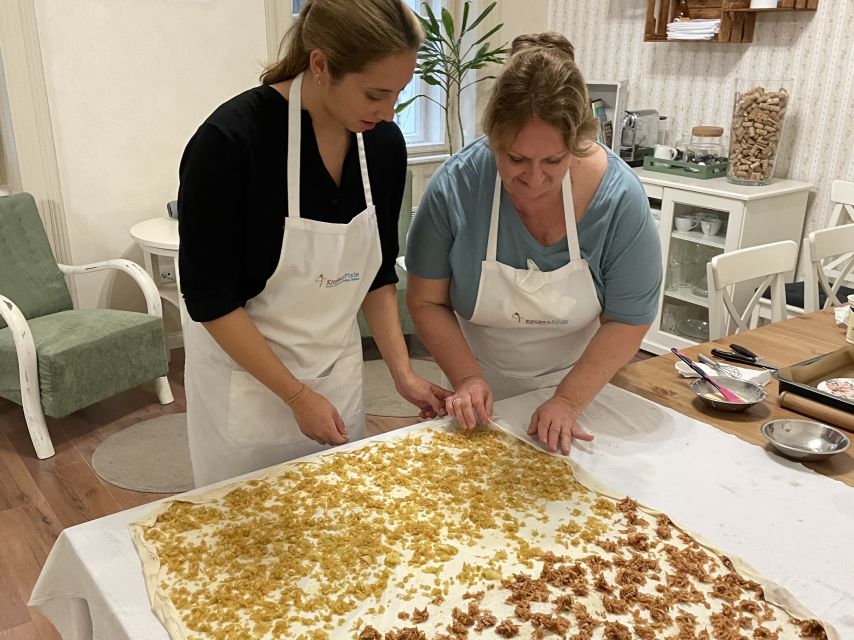
After you learn the dough technique, you’ll fill and bake two different strudels. The class includes typical filling styles, and you can choose your combination.
Common options you might see include:
- Poppy-seed with pumpkin
- Sweet or salty cabbage
- Sweet cottage cheese cream
A big plus for value: two strudels means you get variety without paying for two separate classes. It also helps you taste how different fillings balance against the same stretched crust.
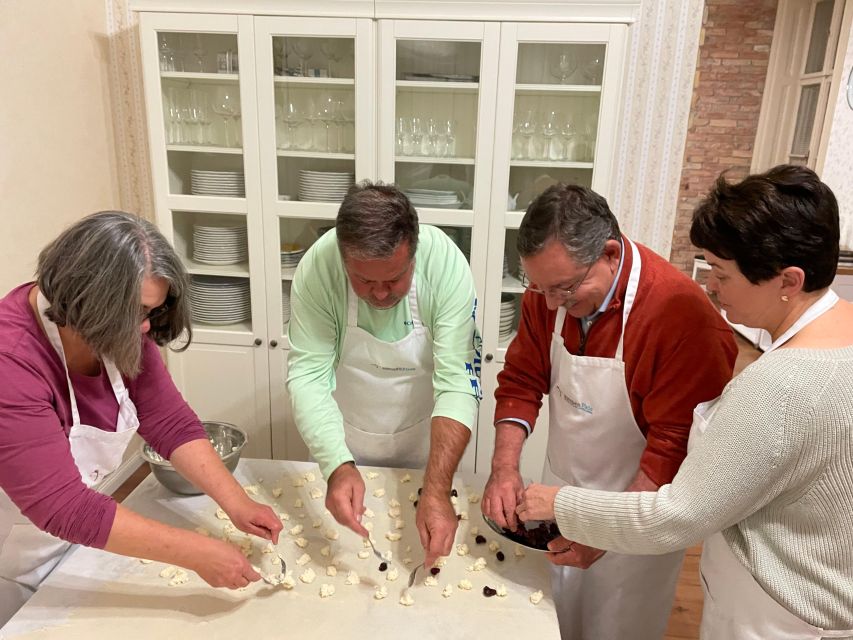
From a recent group experience, participants also made versions with apple and sour cherry with cottage cheese, and that matters because Hungarian pastry isn’t limited to one flavor personality. If you like fruit-based pastries, you’ll likely enjoy this sweeter route. If you prefer something savory or more old-school comfort-food, cabbage and cottage cheese options are the kind of fillings that taste like a family pantry staple.
Tip for your choices: match filling mood to your day. Fruit fillings tend to feel lighter and more dessert-like. Cabbage and savory-leaning combinations can feel more meal-adjacent. You’ll end up eating what you make after baking, so pick what you genuinely want to sit down with.






Shaping and baking: the part you can relax into
Once the fillings are inside, the work shifts from hands-on shaping to oven waiting. You’ll put the strudels in the oven to bake, then you get a tasting break.
This “while you wait” period is more than filler. You’re still building the food picture of Hungary, with time to talk, ask questions, and taste other familiar bites alongside drinks. It keeps the experience from turning into a long stretch of standing around.
When your strudels come out, you sit down with your group and eat them together. That shared moment is a big part of why the class feels welcoming. You’re not rushing out to find lunch elsewhere. You’ve created it, baked it, and now you’re tasting it at the best temperature: just-finished and warm.
The tasting break: wine, snacks, and a friendly food lesson
The class includes drinks and typical Hungarian bites while the strudels bake. You’ll have 2 dl Hungarian wine (if you drink alcohol), plus soft drinks, mineral water, and coffee. That drink lineup matters because it keeps the break comfortable and helps you focus on flavors rather than getting hungry.
One detail that impressed in a recent session: homemade soda with syrup made from family-grown elderberries and raspberries. That kind of drink is a reminder that Hungarian food culture often leans into home fruit syrups and pantry traditions. You might not get the exact same syrup every time, but it’s a good example of what you’re likely to encounter: personal, not mass-produced.
As for the snacks, the class includes typical Hungarian bites. Even without a huge menu, this tasting phase helps you understand what “goes with strudel” locally, which is exactly what you’ll want when you try to recreate the experience at home.
Taking home family recipes you can use, not just display
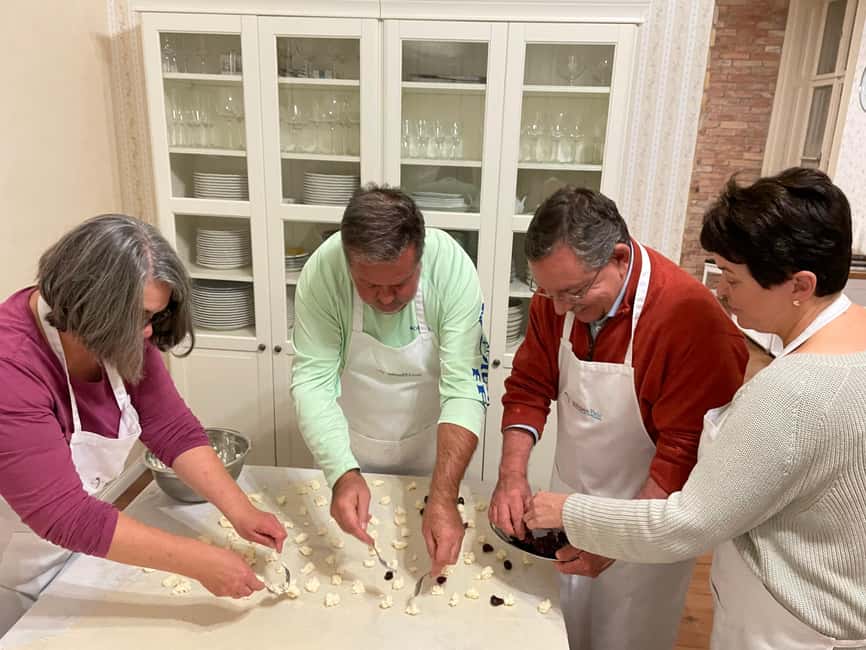
This is where the class earns its keep. You’ll leave with family recipes so you can recreate the strudels later. That makes the experience more than a one-time meal.
Why that matters: stretched strudel can be intimidating if you only have memory and maybe a couple of photos. Technique-heavy baking benefits from written steps you can follow when you’re calm and at home, with ingredients laid out and time to work slowly.
If you’re cooking for family or hosting friends back in your own kitchen, you’ll be able to make this feel like your own tradition. Even if your first bake isn’t perfect, the recipe and the technique guidance give you a starting point that’s much better than guessing.
Practical way to set yourself up: when you review the recipe at home, pay attention to how the filling is prepared and how the dough is handled. Ingredients matter, but stretched dough is where your notes from class become useful.
Price and value: is $90 worth it?
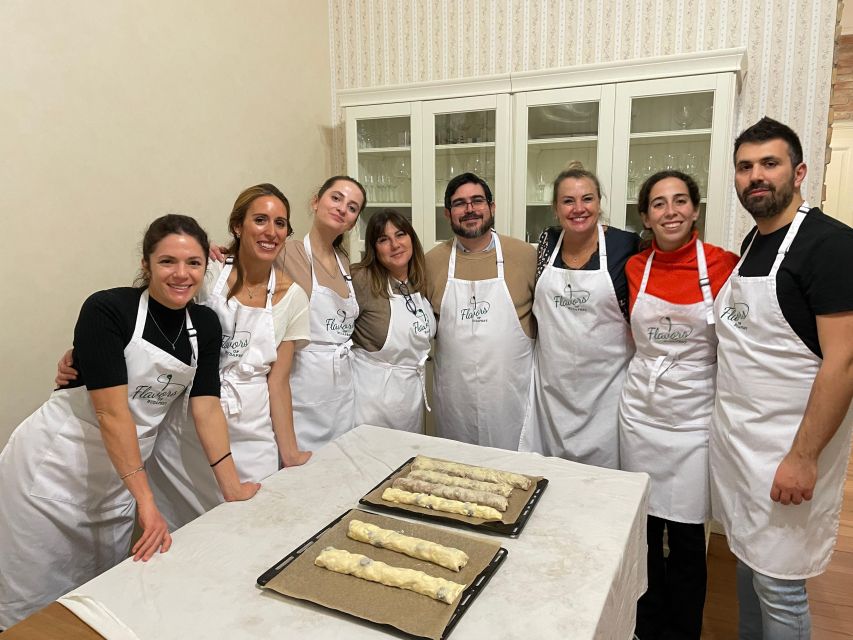
At $90 per person for about 2.5 hours, you’re paying for more than cooking time. You’re paying for:
- A small-group chef-led class with English instruction
- Full ingredient coverage, plus equipment and kitchen setup
- Hands-on teaching from start to finish
- Two strudels baked and eaten on-site
- Drinks and typical Hungarian snacks
- Family recipes to take home
Here’s the fair way to think about value. If you tried to do this at home without lessons, you’d spend money on ingredients and still struggle with the one skill that actually matters: stretching the dough thin without tearing it. This class reduces that guesswork.
Also, two strudels means more learning per dollar than a one-item demo. You’re practicing dough work twice, tasting two fillings, and getting two results you can eat rather than one single roll.
If you’re only looking for a quick pastry snack, it might feel pricey. But if you want a real culinary skill plus an authentic food-and-culture experience in central Budapest, it’s well aligned with what you’re paying for.
Who should book this strudel class in Budapest
This class suits you if:
- You want a hands-on food experience where you do the stretching and shaping
- You like learning the story behind dishes, not just collecting recipes
- You’ll enjoy eating what you make (two strudels is a lot of pastry for most people)
- You want a small-group format that stays friendly and teachable
It’s also a strong pick for couples and small groups who want something more personal than a big tour. The apartment setting and the chef’s guidance make it feel like an actual lesson rather than a show.
One note: it’s not suitable for children under 10, so plan accordingly if traveling with kids.
Should you book it?
Book this stretched strudel class if you want a technique you can repeat, not only a souvenir meal. The mix of hands-on stretched dough, two fillings, Hungarian tastings, and take-home family recipes makes it feel genuinely practical.
Skip it if you hate kitchens with time pressure, or if you can’t do basic self-navigation to central meeting points. And if you’re expecting a sightseeing-heavy day, this is about food craft first, city wandering second.
If you want one Budapest experience that feels both authentic and usable back home, this is a smart choice.
FAQ
FAQ
How long is the strudel-making class?
The class runs for about 2.5 hours.
Where does the class meet in Budapest?
You meet at the local partner’s private apartment at Király u. 77, 1077 Hungary.
How many people are in the group?
It’s a small group limited to 10 participants.
What will I make during the class?
You’ll make two stretched strudels from beginning to end.
What fillings are included?
You can choose typical Hungarian fillings such as poppy-seed with pumpkin, sweet or salty cabbage, and sweet cottage cheese cream.
Is the class taught in English?
Yes. Instruction is in English.
What’s included to eat and drink?
The class includes typical Hungarian snacks, coffee, soft drinks, mineral water, and 2 dl Hungarian wine, along with everything needed to make the strudels.
Is hotel pickup included?
No. Hotel pickup and drop-off are not included. The activity ends back at the meeting point.