REVIEW · BUDAPEST
Budapest: 3-hour City Tour with Castle Walk + 1-hour Cruise
Book on GetYourGuide →Operated by Eurama Sightseeing City Tours Budapest · Bookable on GetYourGuide
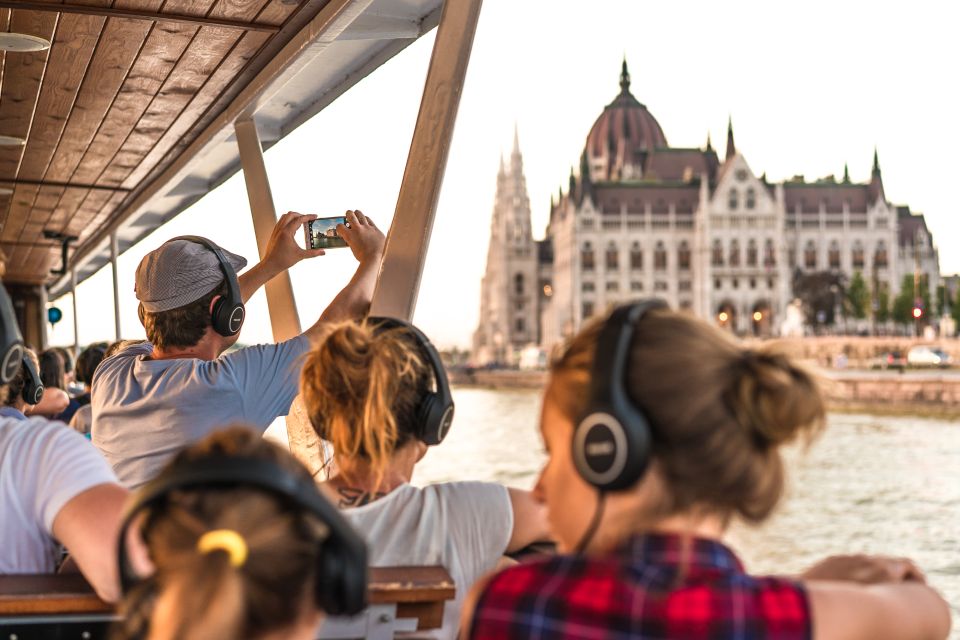
Budapest is best when you can see it twice. This 4-hour combo tour mixes a guided Castle Hill walk with a 1-hour Danube cruise, so you get big-city views from land and water without planning a thing. I especially like how the route hits major photo targets like the Parliament building and Heroes’ Square, and then adds the Buda-side viewpoints that most first visits miss. The one thing to watch: the schedule can feel tight, and a few stops depend on the day’s pacing, so you’ll want to move quickly between bus, walking, and boat.
You’ll start on a comfortable, air-conditioned coach with a live guide (English and several other languages are offered). Then the cruise takes over at Vigadó tér, Dock 6, passing famous landmarks and bridges as the river pulls the city into one smooth panorama.
In This Review
- Key Points at a Glance
- Entering the Big Picture: Bus Tour Meets Danube Cruise
- Price and Value for a 4-Hour Budapest Sampler
- Parliament to Castle District: The Land Route That Sets Up Great Views
- Gellért Hill Photo Stop: Where Budapest Starts to Make Sense
- Heroes’ Square and Andrássy Avenue: Grand Monuments, Short Stops
- Danube Cruise from Vigadó tér: The City Looks Different on Water
- The Best Part: Guides Who Keep the Story Clear
- Timing, Photo Stops, and How to Avoid Getting Frustrated
- Who This Tour Suits (and Who Should Skip It)
- Booking Tips: How to Get the Most Out of Your 4 Hours
- Should You Book the Eurama 3-Hour Bus Tour + 1-Hour Danube Cruise?
- FAQ
- How long is the tour?
- What’s included in the ticket price?
- Where does the boat cruise depart from?
- Is hotel pickup included?
- What languages are available for the live guide?
- Is this tour wheelchair accessible?
Key Points at a Glance
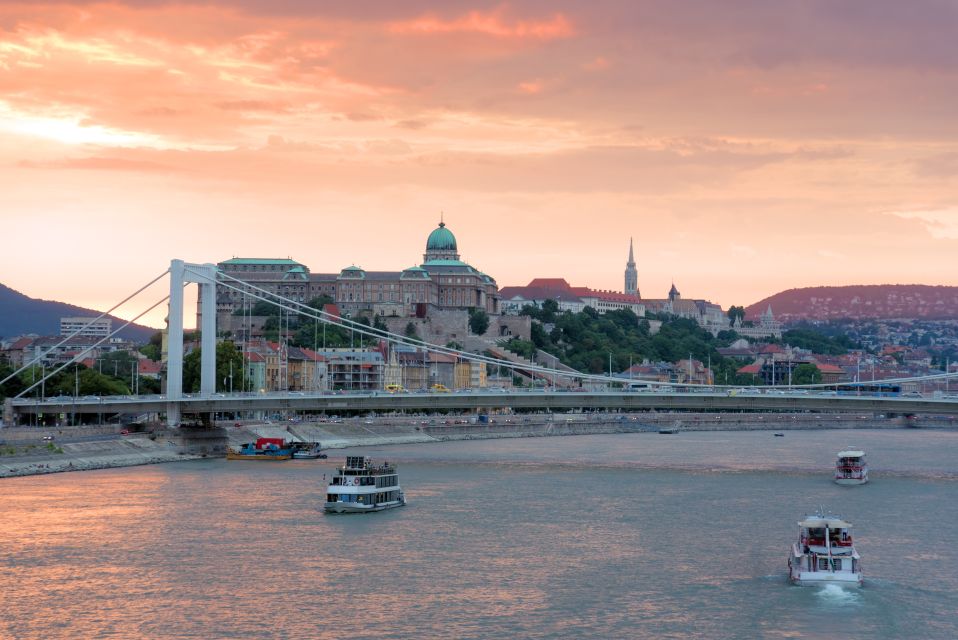
- Castle Hill on foot: Fisherman’s Bastion and the exterior of Matthias Church, plus hilltop viewpoints.
- Danube cruise that actually connects the dots: Parliament to the Castle District, then major bridges and landmarks.
- Pro-level guiding you can follow: guides like Maria and Attila stood out for keeping facts clear and stories engaging.
- A practical first-timer route: lots of famous stops without needing a car or multiple tickets.
- Tight timing in places: you may get less photo time than you want at certain points, depending on the day.
Entering the Big Picture: Bus Tour Meets Danube Cruise
If you want Budapest fast and you don’t want to map everything yourself, this tour is built for that. The bus portion gives you the landmarks, context, and city layout. The cruise then lets you see how those same landmarks line up across the river, which is where Budapest starts to feel like a real place, not just a list of photos.
I like the pacing model here: you’re not stuck doing all sightseeing on foot. Instead, you alternate between short rides and focused viewing. That matters in Budapest, where hills and distances can turn a “quick walk” into an afternoon project.
On the bus, you pass the Hungarian Parliament building and cross the Danube via Margaret Bridge, then head toward Buda’s hill areas. Later, you swing back across the Elizabeth Bridge and cruise down Andrássy Avenue, hitting the grand monuments in Pest. It’s a classic route shape. What makes it work is that the live guide keeps the story straight, whether you’re hearing it in English, German, French, Italian, or Spanish.
You can also read our reviews of more boat tours in Budapest

Price and Value for a 4-Hour Budapest Sampler
The tour runs about 4 hours and costs $60 per person. For that price, you’re getting more than a basic overview. You’re paying for three things that add real value:
- A guided bus route (so you’re not guessing what you’re looking at)
- A walking segment on Castle Hill (so the viewpoints aren’t just from a window)
- A 1-hour Danube cruise (the city’s best photo angles are easier from the water)
If you’re traveling solo, short on time, or trying to avoid the “one more bus line” headache, this kind of packaged day tends to be cost-effective. You’ll also get a major convenience boost from optional hotel pickup—handy if it’s offered for your lodging.
Just be realistic about what $60 buys: you’ll see a lot, but you won’t linger forever at every stop. This isn’t a slow, wandering photo tour. It’s a structured sampler.
Parliament to Castle District: The Land Route That Sets Up Great Views

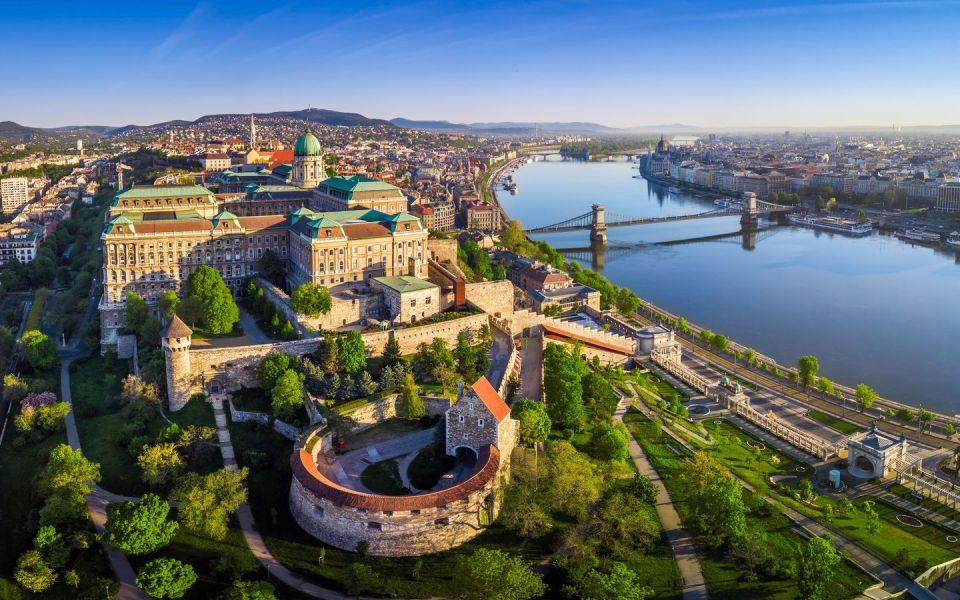
The first big land hit is the Hungarian Parliament building. You don’t just pass it—you get the kind of introduction that helps you recognize what you’re seeing and why it matters in the city’s story. After that, the route crosses the Danube on Margaret Bridge, which is a nice shift from “downtown traffic views” to broad river-and-city views.
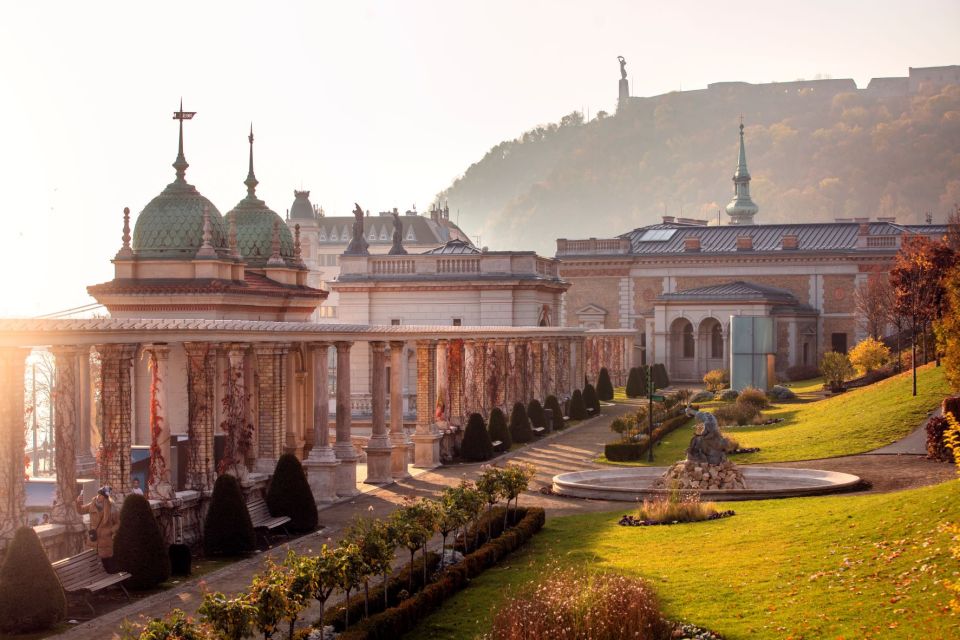
Then the coach takes you to the Royal Castle area on the Buda side. This is where the tour starts to feel more satisfying, because you stop walking just long enough to reach the real skyline moments.
Here’s what you get on Castle Hill:
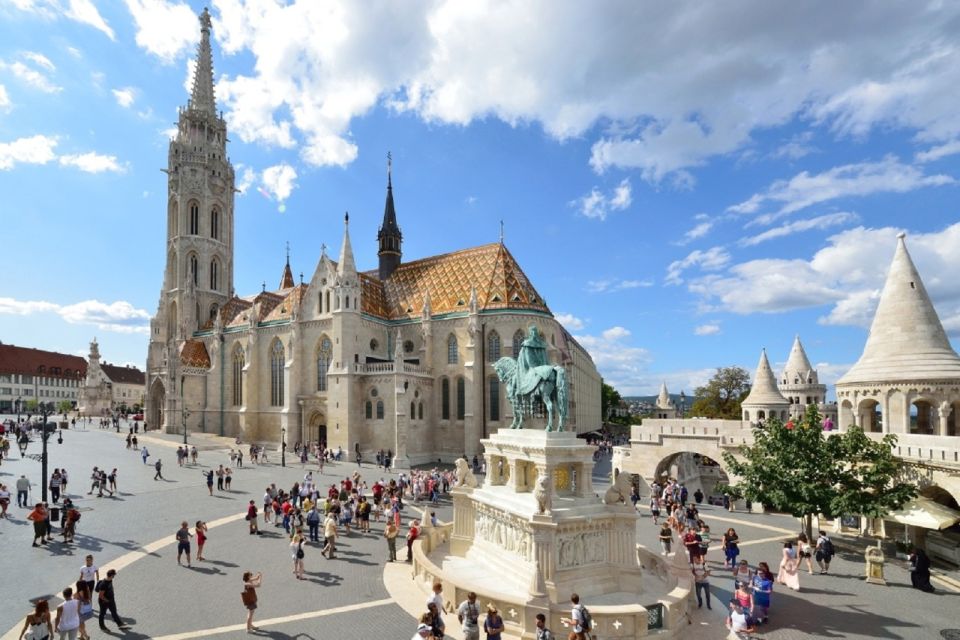
- A short walk to Fisherman’s Bastion
- A chance to see the exterior of Matthias Church
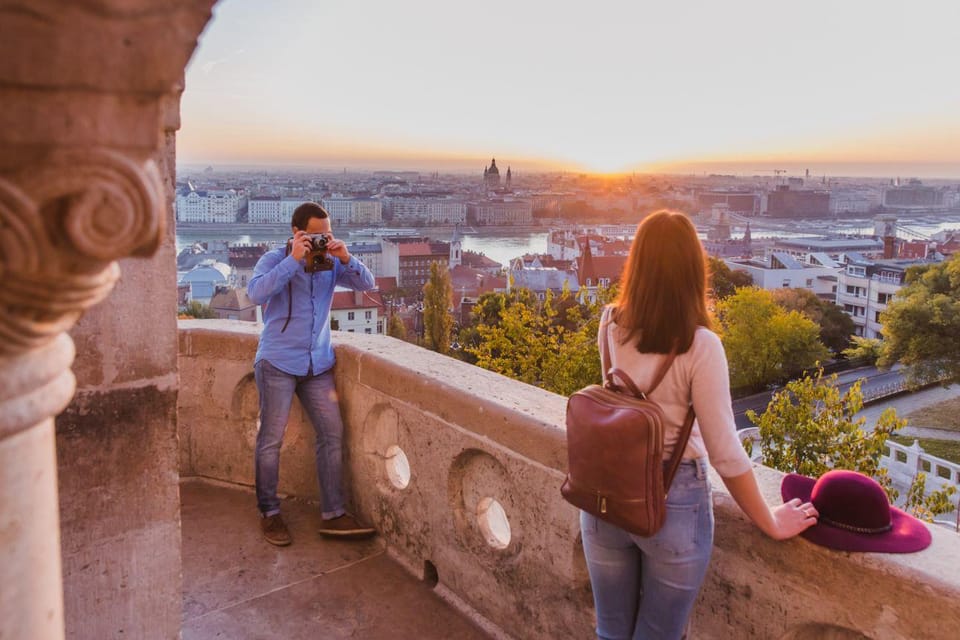
Even if you don’t go inside, the exterior views and the hilltop angles are a big part of why people come. Fisherman’s Bastion is all about the lookout. Matthias Church’s exterior gives you a sense of the castle district’s style and place in Budapest’s architecture.
The trade-off: Castle District walking is not designed for slow strolling. You’ll want to wear comfortable shoes because you’ll move from point to point, not pause for long photo sessions at every corner.
Gellért Hill Photo Stop: Where Budapest Starts to Make Sense
After the castle area, the bus heads up Gellért Hill. This is one of those stops that works even if you only have a few minutes, because it shows you how the city stacks up against the river.
You get:
- A photo stop
- Time to take in views over all of Budapest
If you’ve been seeing Budapest as separate neighborhoods from street level, this kind of viewpoint helps you connect the dots. It’s also a good reset moment between the bus-and-walk energy of Castle District and the monument-heavy sweep later toward Heroes’ Square.
From a practical angle, I’d treat this as your main “get the wide shots” window. If your camera battery is low, charge it before the tour. Once you’re on the route, you’ll mainly be dealing with short bursts of time.
Heroes’ Square and Andrássy Avenue: Grand Monuments, Short Stops

On the return toward Pest, the coach crosses the Elizabeth Bridge and follows Andrássy Avenue. This avenue is one of those Budapest stretches that feels intentionally ceremonial. Even when you’re just riding past, it sets a tone.
Heroes’ Square is then your next major land stop. You get a guided tour there with sightseeing and some walking, plus scenic views along the way. This is where the tour earns its “best of” label because Heroes’ Square is one of the city’s most instantly recognizable landmarks.
You also pass:
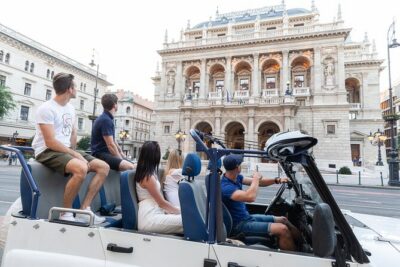
- The Opera building
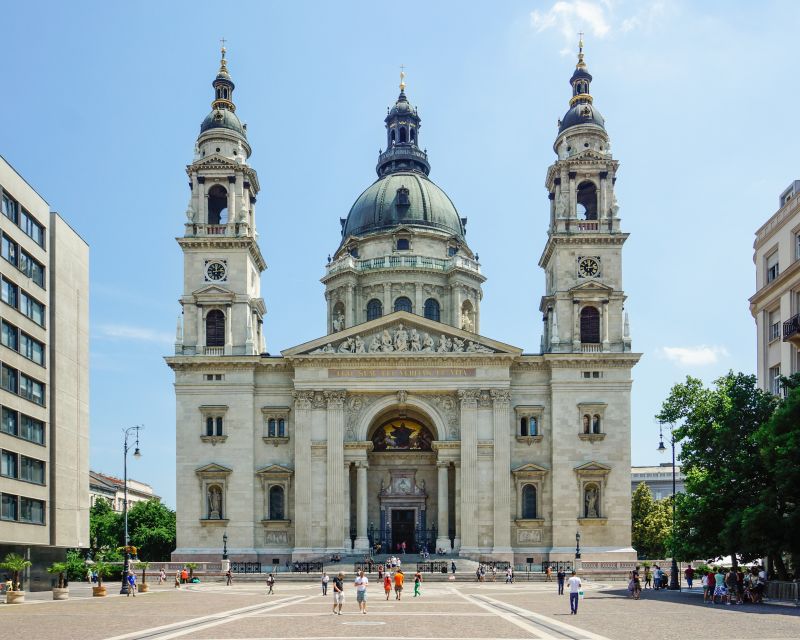
- St. Stephen’s Basilica
These are classic sights people put on their list. On this tour, the value is that you don’t just see them—you get the guiding context that makes them easier to remember later when you’re off on your own.
Timing note: some reviews hint that the schedule can feel rushed, with limited time for photos. That’s a real consideration here. If you care deeply about photography, you’ll want to be strategic about which stop gets your full attention.
You can also read our reviews of more city tours in Budapest


Danube Cruise from Vigadó tér: The City Looks Different on Water
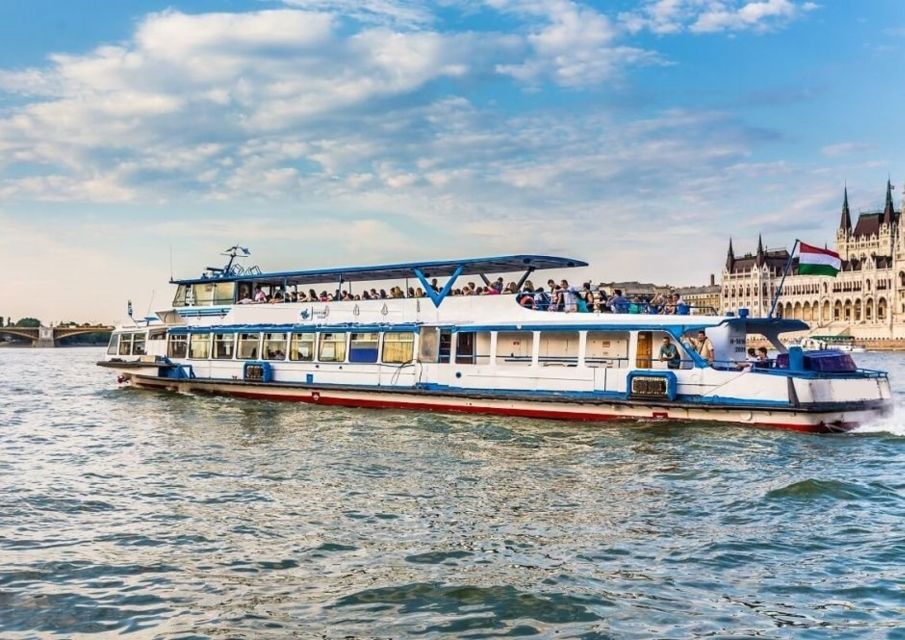
After the bus portion, the tour shifts to the boat at Vigadó tér, Dock 6. This part is straightforward: you turn landmarks into a moving picture.
The cruise passes by:
- The Parliament building
- The Castle District, with key landmarks in view
- The Liberty Monument and the Citadel, both on top of Gellért Hill
- The Petőfi and Rákóczi bridges
- The University of Technology and Economics of Budapest
- The Bálna Convention Center
Then you turn around with the boat and return to the same dock where you started.
Why this cruise works so well is simple: Budapest’s scale makes more sense when the river is your “lens.” From the water, the spacing between attractions feels clearer. You also get angles that are hard to recreate from roads.
The one possible drawback is timing pressure again. In at least one case, the handoff between walking tour and boat didn’t line up perfectly, which left someone waiting. You can reduce the odds of stress by showing up early, staying alert when the tour moves from stop to stop, and treating the boat as your fixed anchor.
The Best Part: Guides Who Keep the Story Clear
A big part of why this tour gets strong marks is how the guide performs. Names that stood out from the guide experience include Maria and Attila. Other guide mentions include Adam and Ingrid, and at least one tour with Dorothy.
What I take from that pattern is this: the tour isn’t only about transportation and views. It’s about having someone connect the sights to the city’s broader story. When a guide is quick on details and good at explaining clearly, the landmarks stop being random. They become chapters.
It also helps that there’s sometimes flexibility in who runs the tour, since the provider notes the tour may be operated by a bilingual guide. In plain terms: you’re not likely to feel abandoned if language varies across days, because the tour is designed to run with guided interpretation.
Timing, Photo Stops, and How to Avoid Getting Frustrated
This tour is efficient. That’s great—until you want extra minutes to linger. A couple of experiences in the feedback show that photo time can be limited, and some parts feel rushed if the group has to keep moving.
Here’s how I’d manage it:
- Pick one or two stops that matter most for photos (for many people, it’s Castle Hill and Gellért Hill).
- Keep moving at walking segments. If you fall behind, you’ll lose photo opportunities anyway.
- Be ready when the tour transitions from bus to boat. The boat departure is the hard deadline.
You’ll also find that the route includes short rides between stops (about 15 minutes each). Those short segments are useful for covering distance, but they don’t give you time for long detours. Think of this as a guided itinerary where your job is to keep pace.
Who This Tour Suits (and Who Should Skip It)
This is a strong fit for:
- First-time visitors who want the highlights without planning
- People who like city context as much as sightseeing
- Travelers who want both a bus overview and a Danube perspective in one half-day
It may be less ideal if:
- You want long, unhurried time at each attraction
- You’re extremely photo-focused and hate schedule pressure
Accessibility note: this tour is not suitable for wheelchair users, and non-folding wheelchairs and electric wheelchairs are not allowed. If you have mobility needs, double-check options before booking.
Booking Tips: How to Get the Most Out of Your 4 Hours
A small setup detail makes a big difference. The meeting point is at the Eurama office, where you should look for the blue Eurama meeting point flag. You’ll want to be there 30 minutes before departure time.
If hotel pickup is offered for your option, the pickup is scheduled about 30 minutes before the tour departs. Arrive ready to leave—bring water if you like, and plan for walking on Castle Hill.
Also, choose your expectations. This tour is designed to check off key sights: Parliament, Heroes’ Square, Castle District, Gellért Hill, and the Danube corridor with bridges and monuments. If you go into it thinking it’s a leisurely day-long wander, you’ll feel rushed. If you go in wanting a smart overview with standout views, it delivers.
Should You Book the Eurama 3-Hour Bus Tour + 1-Hour Danube Cruise?
Book it if you want an efficient, guided sampler of Budapest that covers both sides of the river. You’ll get the big names—Parliament, Heroes’ Square, Castle District—and you’ll finish with the kind of Danube perspective that makes the city click.
Skip it if you’re the type who needs long free time at each stop or if walking and tight transitions will stress you out. And if accessibility is a factor, this one is not built for wheelchair users.
My bottom line: for a $60, 4-hour package that combines air-conditioned transport, a short Castle Hill walk, and a full Danube cruise from Vigadó tér, this is a solid value for first-timers. It’s not a slow art tour. It’s a well-run highlights circuit—just keep an eye on the time and you’ll enjoy the best angles without the planning headache.
FAQ
How long is the tour?
The total duration is about 4 hours, including the 3-hour guided bus portion and the 1-hour river cruise.
What’s included in the ticket price?
It includes a live guided bus tour, an air-conditioned bus, a Castle Hill walk, and a 1-hour Danube cruise.
Where does the boat cruise depart from?
The cruise departs from Vigadó tér, Dock 6, and it returns to the same dock where it started.
Is hotel pickup included?
Hotel pickup is optional. If your option includes pickup, it happens about 30 minutes before the tour departs.
What languages are available for the live guide?
The live guide is offered in English, German, French, Italian, and Spanish.
Is this tour wheelchair accessible?
No. Non-folding wheelchairs and electric wheelchairs are not allowed, and the tour is not suitable for wheelchair users.