REVIEW · BUDAPEST
Big Bus Budapest Hop-On Hop-Off Bus and Walking Tour
Book on Viator →Operated by Big Bus - Hungary · Bookable on Viator
Budapest is easier when you stop guessing. This hop-on hop-off bus route is built to give you a fast, flexible overview of the sights.
I like that it’s truly self-paced, with the freedom to stay on the double-decker for panoramic views or get off when something grabs you. I also love the 16-language audio commentary, which turns the bus into a moving tour guide while you ride between major landmarks.
One thing to keep in mind: the experience can vary by bus and weather. If the roof leaks, the audio cuts out, or the ride gets crowded, you may need to switch buses or adjust your expectations about comfort.
In This Review
- Key points worth knowing before you ride
- Why This Double-Decker Loop Works in Budapest
- Price and Timing: When $42.13 Feels Like a Deal (or Not)
- Hop-On Hop-Off Rules: How to Use It Without Getting Frustrated
- The Included Walking Tour and Danube Discount: What You Gain
- Pest Classics: Basilica, Chain Bridge, Synagogue, and Heroes’ Square
- Stop 1 Area: Bajcsy-Zsilinszky út 17 and early visitor centers
- St. Stephen’s Basilica (Stop 5)
- Széchenyi Chain Bridge (Stop 6)
- József Attila Street (Stop 7) and Dohány Street Synagogue (Stop 8)
- Anker köz (Stop 9) and Anker Lane (Stop 5 on that segment)
- Andrássy Avenue (Stop 10) and Hungarian State Opera (Stop 11)
- Liszt Ferenc Square (Stop 12)
- Heroes’ Square (Stop 13)
- Food, Views, and Thermal Bath Stops: Keleti, Puskás, New York Café, Váci, Gellért
- Budapest-Keleti Railway Station (Stop 14)
- Puskás Aréna (Stop 15)
- New York Café (Stop 16)
- Váci Street (Stop 17)
- Gellért Thermal Bath (Stop 18)
- Castle Hill Access: Funicular, Castle Garden, and Buda Views
- Castle Garden Bazaar (Stop 19) and Budapest Castle Hill Funicular (Stop 20)
- Batthyány Square (Stop 21)
- Margaret Bridge (Stop 22)
- Nyugati Railway Station (Stop 23) and the final big station area
- Parliament and the Return Pass: How to Set Your Endgame
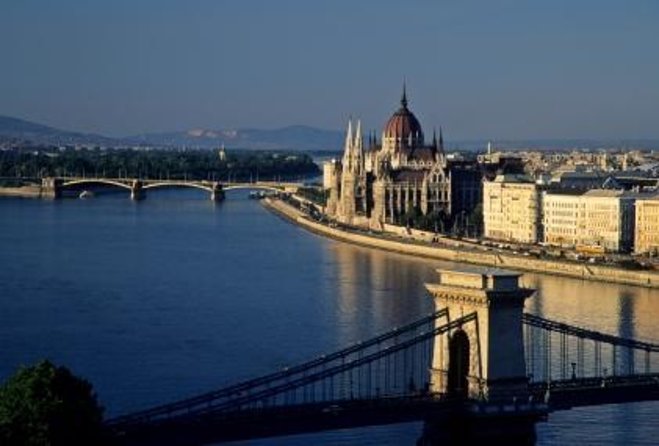
- Hungarian Parliament Building (Stop 24)
- Petőfi Square (Stop 22 on the return list), Fővám Square (Stop 23 on that segment), Kálvin Square (Stop 24), Astoria (Stop 25)
- Bajcsy-Zsilinszky Road (Stop 26) and Nyugati Railway Station (Stop 27)
- What Can Go Wrong, and How to Handle It Quickly
- Who This Tour Suits Best
- Final verdict: Should you book Big Bus Budapest?
Key points worth knowing before you ride
- 27 stops across Pest and Buda, including St. Stephen’s Basilica, Chain Bridge, Heroes’ Square, and Castle Hill access
- 16-language audio so you can follow along without downloading a separate guide
- Unlimited hop-on hop-off for 1, 2, or 3 consecutive days, so one ticket can stretch into a real itinerary
- A 1-hour guided walking tour included with your package for deeper context on foot
- Danube River Cruise comes as a 30% discount, not a guaranteed full included cruise
- Use the app’s Live Tracking and Find a Stop features if wait times or stop signage become annoying
Why This Double-Decker Loop Works in Budapest
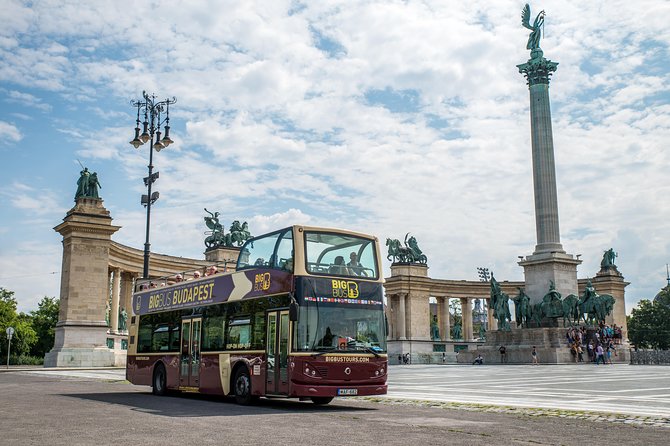
Budapest is big on views and angles. This bus does the job of connecting the dots, from the grand civic sights near Parliament to the hilltop energy around Castle Hill.
You also get the simple advantage of being able to choose your level of effort. You can sit upstairs for the ride, then hop off for one area you want to slow down—like a church, a bridge, or a café strip—without feeling locked into a schedule.
The audio is a real quality-of-life feature here. With audio commentary in 16 languages, you’re not stuck reading signs while traffic noise eats your attention.
You can also read our reviews of more walking tours in Budapest



Price and Timing: When $42.13 Feels Like a Deal (or Not)
At about $42 per person, you’re paying for transportation convenience plus guided content. That can be good value if you plan to use the hop-on hop-off part for at least a big chunk of a day (or grab a 2- or 3-day pass and spread it out).
The bus ride time is listed at around 1 hour 40 minutes. In real life, you should still plan for a fuller stretch. One rider advised allowing roughly 2 hours for a round-trip feel, since the bus has to move through traffic and the route logic matters.
Here’s the practical trick: if you want a specific stop later in the morning, don’t treat this as a guaranteed fast taxi. One person found the trip to a farther stop didn’t happen until around 10:30 on the first run. So if you have timed tickets on the Buda side, build in margin.
Also, traffic can change everything. A late wait can happen, especially in cold or rain. Use the app’s Live Tracking feature so you aren’t stuck staring at the street.
Hop-On Hop-Off Rules: How to Use It Without Getting Frustrated
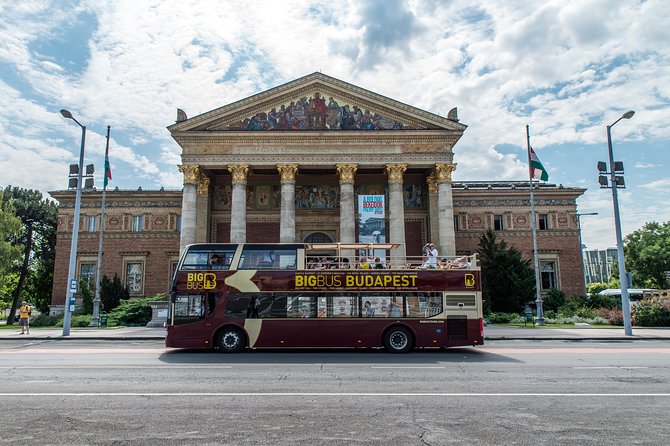
This is a “get your bearings fast” tool. The best strategy is not to try to see every stop. Pick 3–5 areas you actually want to explore, then use the bus as your link between them.
Boarding works at any of the 27 stops along the route. If you’re trying to minimize walking on day one, start at a major hub where you can easily transfer.
One important routing reality: the bus route runs in a one-direction, chronological flow. That means you can’t always hop off and immediately reverse direction later on the same bus. Plan your “must-see” stops in the order you’ll likely encounter them.
The Included Walking Tour and Danube Discount: What You Gain
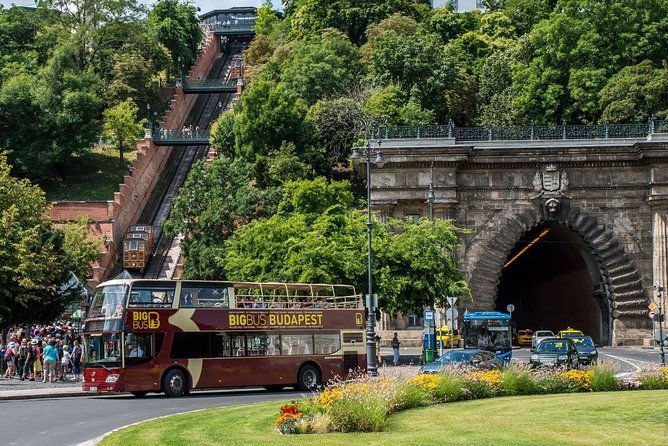
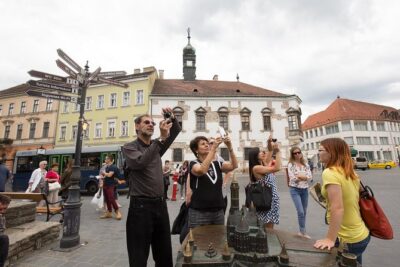
Your ticket package includes a 1-hour guided walking tour. That’s the part that helps the bus not feel like just sightseeing from a moving seat. A walking component is also where you notice street-level details—shopfronts, façades, and how neighborhoods actually flow.
The Danube piece is different. Instead of a fully included river cruise ticket, you get a 30% off a Danube River Cruise. One key heads-up from real experiences: cruise offerings and how they’re handled can change, and some cruises may not include the same style of audio commentary you get on the bus.
So treat the river option as a good bonus, but double-check what the discount applies to before you show up at the dock.
Pest Classics: Basilica, Chain Bridge, Synagogue, and Heroes’ Square
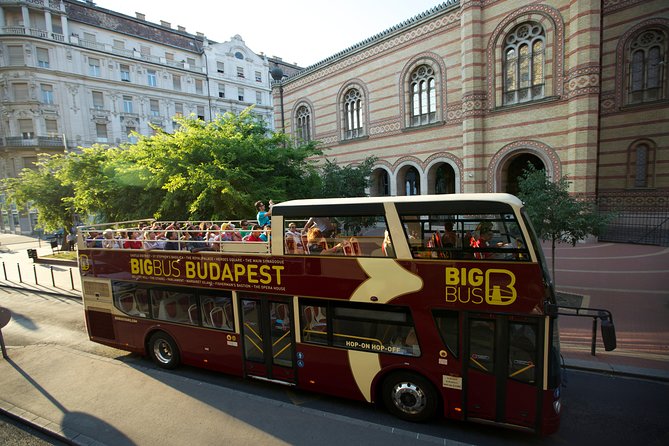
Your route begins at the Big Bus Shop / main redemption point on Bajcsy-Zsilinszky út 17, and then it connects into central Pest.






Stop 1 Area: Bajcsy-Zsilinszky út 17 and early visitor centers
Early stops include locations tied to the bus’s local visitor setup (including City Sightseeing visitor centers). This is handy if you want to sort out what you’re doing and confirm the plan before you commit to hopping on and off.
St. Stephen’s Basilica (Stop 5)
This is one of Budapest’s best “start here” landmarks. From this stop you’re positioned for the Basilica area, where the city feels especially grand and photo-friendly. If you want to experience the hilltop vibe of central Budapest, this is your anchor.
Tip: if it’s snowy or rainy, sitting downstairs can be more comfortable, and you can still hop off close to where you want to walk.
Széchenyi Chain Bridge (Stop 6)
This stop is about views and crossing. The Chain Bridge is the classic connection point, and the bus gives you a steady view as you approach and leave. It’s also an easy place to hop off if you want to do a short, high-impact walk.
József Attila Street (Stop 7) and Dohány Street Synagogue (Stop 8)
József Attila Street works as a transition area—use it if you’re aiming for neighborhoods rather than one single monument. Then you hit the big religious landmark: Dohány Street Synagogue.
If you plan to see the synagogue, hop off here and give yourself time. The bus can show you the street presence, but you’ll want to step in for the real experience.
Anker köz (Stop 9) and Anker Lane (Stop 5 on that segment)
This is a useful neighborhood stop if you like small streets and local character between major sights. It’s also a good “coffee and stretch” break, since you’re not forced into another huge attraction right after the synagogue.
Andrássy Avenue (Stop 10) and Hungarian State Opera (Stop 11)
Andrássy Avenue is where Budapest shows its grand, boulevard-style face. The bus stop puts you near the visual rhythm of the street, and the next stop lands you at the Hungarian State Opera.
This is a great combo: take the bus ride for the architecture views, then hop off for a slower look at the opera area if you’re into grand building façades.
Liszt Ferenc Square (Stop 12)
This stop is useful for resetting your route. It’s also a convenient area for continuing toward Heroes’ Square and the broader civic sights without feeling like you’re jumping randomly across the city.
Heroes’ Square (Stop 13)
Heroes’ Square is one of those Budapest moments where everything feels intentional and ceremonial. Hop off here if you want a “stop walking, look around” experience. It’s also a strong reference point for planning what you’ll do next on the bus or on foot.
One practical note: since this is a major attraction area, crowds can build. If you’re traveling at a peak time, plan to take your photos, then move on.
Food, Views, and Thermal Bath Stops: Keleti, Puskás, New York Café, Váci, Gellért
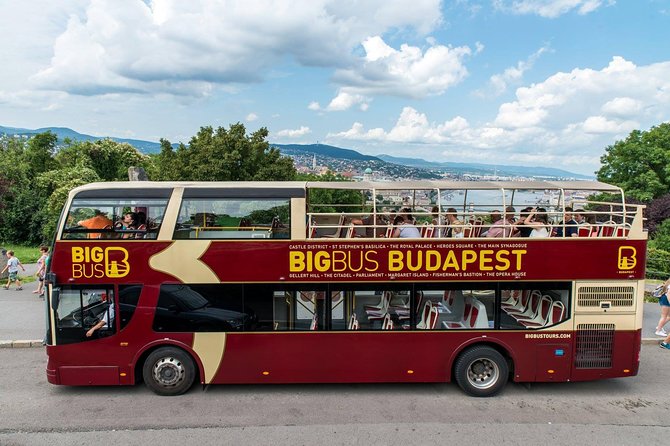
The route continues toward major hubs and some very practical “day in the city” stops.
Budapest-Keleti Railway Station (Stop 14)
This is a big transportation node. Even if you’re not catching a train, it’s a useful landmark for finding your place and moving efficiently.
Puskás Aréna (Stop 15)
If you’re in town for sports events or just want variety beyond the historic center, this stop is your connection point. It also helps you cover more ground without spending extra energy figuring out transit.
New York Café (Stop 16)
This stop is ideal if you want a quick “yes, that’s it” moment for one of Budapest’s famous café stops. Even if you don’t dine there, you can use it to break up the day and anchor your route around something memorable.
Váci Street (Stop 17)
For many visitors, Váci Street is a straightforward win: shops, foot traffic, and the kind of pedestrian energy where it’s easy to wander for an hour and still feel like you covered something.
Gellért Thermal Bath (Stop 18)
If Budapest has one vibe that screams “slow down,” it’s thermal baths. The Gellért Thermal Bath stop puts you in position for that plan. Just remember: a bus day is a walking day too, so if you’re going to the baths, consider saving energy earlier so you don’t arrive already drained.
Weather tip from real-world rides: rooftops and seating can be hit-or-miss in rain. You might want layers and a waterproof outer layer so wet seats or roof issues don’t ruin the rest of your day.
Castle Hill Access: Funicular, Castle Garden, and Buda Views
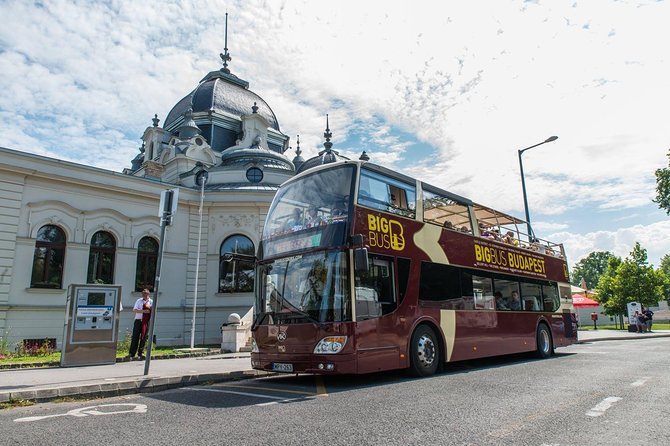
Now you’re moving toward the parts of Budapest that make people fall for the city.
Castle Garden Bazaar (Stop 19) and Budapest Castle Hill Funicular (Stop 20)
The Castle Garden area and the Funicular stop are closely linked for a reason. This is the easiest way to get toward the hilltop section without treating the terrain like a fitness test.
Hop off at the funicular access point if your goal is viewpoints and classic castle views. Hop off earlier if you want time to drift through the bazaar area before you commit to the hill.
A small comfort heads-up: some double-decker buses can be awkward upstairs. Reviews mention low roof height, and people have bumped their heads while moving around.
Batthyány Square (Stop 21)
This is a Buda-side anchor near the river. If you want a break from crowds or just want a river-facing angle, this stop helps you reframe your day.
Margaret Bridge (Stop 22)
Margaret Bridge is ideal for the “Budapest stretches across the water” perspective. It’s also a natural point to hop off if you want an easy walk between river-facing neighborhoods.
Nyugati Railway Station (Stop 23) and the final big station area
This stop is mainly about navigation. Nyugati Railway Station is a landmark you can use to recalibrate your plan and connect your sightseeing with transit.
Parliament and the Return Pass: How to Set Your Endgame
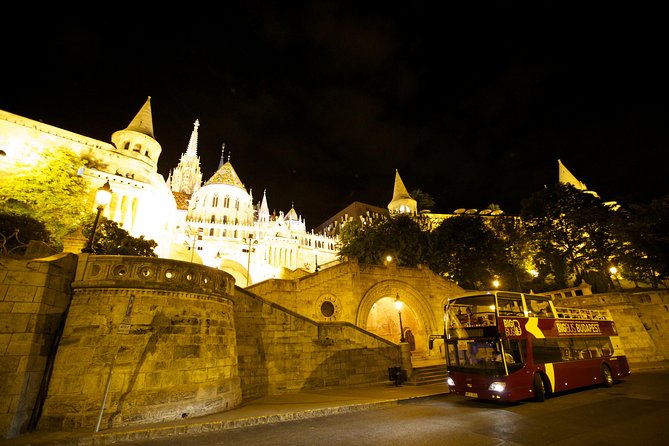
You’ll swing back toward the most famous political landmark on the route.
Hungarian Parliament Building (Stop 24)
This is the centerpiece for many itineraries. The bus angle and timing here can help you see the building without committing to a whole walking route first.
If you’re also visiting on foot later, use the bus stop as a “check the angle” moment. Take your photo, then hop off only if you’re ready for the walking approach.
Petőfi Square (Stop 22 on the return list), Fővám Square (Stop 23 on that segment), Kálvin Square (Stop 24), Astoria (Stop 25)
These return-area stops make it easier to get back toward central neighborhoods without treating your route like an unexplained maze.
Petőfi Square and Fővám Square give you options for river-adjacent walking and city-center wandering. Kálvin Square and Astoria help with the practical side: food, shopping, and easy navigation back into your day.
Bajcsy-Zsilinszky Road (Stop 26) and Nyugati Railway Station (Stop 27)
These closing stops help you finish where you can still move onward. If you’re planning dinner or want a clean route back to your base, this return stretch is useful.
What Can Go Wrong, and How to Handle It Quickly
This bus tour can be excellent. It can also be annoying if you hit the wrong bus at the wrong moment.
Here are the main issues I’d watch for, and what to do about them:
Audio glitches (cutting out, changing languages, or sounding out of sync).
Audio can stop mid-sentence. If your narration fails, don’t just sit there. You can switch buses, and audio is one of the things you’re paying for. Also double-check the language selection if the system lets you.
Comfort swings (wet seats, cold buses, and leaking roofs).
In bad weather, you might find open sides, puddles, or seats that aren’t as dry as you’d like. If rain is in the forecast, dress for it and sit downstairs if you want less exposure.
Crowding.
If the bus is full, you’ll have a harder time seeing out clearly. That makes the upstairs view less enjoyable, even if the bus is moving nicely.
Stop finding problems.
Some stops can be hard to spot if signage is minimal. Use the app’s Find a Stop feature, and use the photos as your reality check.
Wait times and traffic disruptions.
Sometimes the bus frequency can feel lower than expected, and one missed arrival can spiral into a long wait, especially in cold weather. Use Live Tracking and don’t rely on memory for how long a wait will last.
Switching buses mid-route.
You might be asked to get off and change buses. That’s inconvenient in rain, but it can fix issues like a broken vehicle or route adjustments. Build some buffer into your day so switching doesn’t break your plans.
Who This Tour Suits Best
This is a strong match if you want a practical, flexible city overview without overplanning.
I’d especially consider it if:
- You’re a first-time visitor who wants to see Heroes’ Square, Chain Bridge, Parliament area sights, and Castle Hill access efficiently.
- You like building your day around a few anchor stops rather than a rigid checklist.
- You want the audio commentary in 16 languages so you can learn while moving.
If you’re extremely sensitive to comfort and hate uncertainty, you should plan with extra margin. The tour experience can vary with weather, bus condition, and crowd levels.
Final verdict: Should you book Big Bus Budapest?
I think this is worth booking if you’ll use it as transportation plus interpretation, not just as a one-time ride. The value shines when you pair the bus loop with the included 1-hour walking tour and then decide whether the Danube cruise discount fits your schedule.
If you want to gamble less, I’d do two things: plan your timed activities with buffer time, and lean on the app for Live Tracking and finding stops. When everything lines up, this is one of the easiest ways to get your bearings in Budapest without wasting hours on transit decisions.