REVIEW · BUDAPEST
Budapest: Opera House Guided Tour
Book on GetYourGuide →Operated by bookinbudapest.com · Bookable on GetYourGuide
Budapest’s Opera House, minus the ticket stress, is the best way to see the inside without guessing. This fully restored landmark tour brings you into the grand rooms and, later, into the sound world of an opera house. I love the close-up view of auditorium frescoes and the staircase design that makes the place feel theatrical even before the music starts.
At 60 minutes it moves at a good clip, so if you want lots of slow, quiet staring in every corner, you may feel a little rushed. Also, some days the auditorium lighting can be reduced, and during rehearsals the operator can cancel and offer an alternative date.
In This Review
- Key things I’d bet on from this Budapest Opera House tour
- Why the Hungarian State Opera House feels special (even if you skip full shows)
- Finding your way: the meeting point is inside the Opera House hall
- The story you hear: from Miklós Ybl’s 1884 plans to the 2022 restoration
- Interior highlights you’ll actually get time for in 60 minutes
- Auditorium time: frescoes, acoustics, and the practical engineering you might miss
- The grand staircase and the mini concert that changes the mood fast
- Price and value: what you get for about $33
- Who this Budapest Opera House tour fits best
- Should you book this Opera House guided tour?
- FAQ
- How long is the Budapest Opera House guided tour?
- Where do I meet the guide?
- What languages are available for the live guide?
- Is there any performance included at the end?
- Is this tour suitable for wheelchair users?
- What happens if the Opera House cancels tours during rehearsals?
Key things I’d bet on from this Budapest Opera House tour
- A complete 60-minute interior visit with a live guide in multiple languages
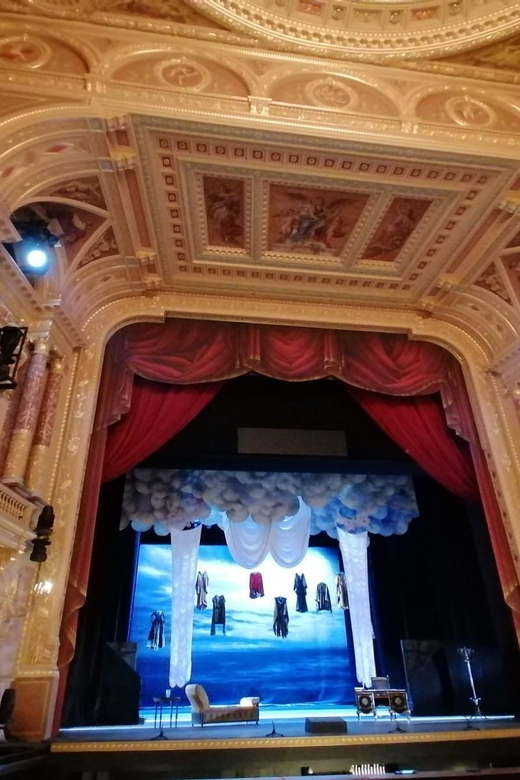
- Frescoes and grand staircase moments that give you real visual context, not just a quick walk-through
- History tied to design: built in 1884 on plans by Miklós Ybl, then fully restored in 2022
- Auditorium explanations that go beyond looks (including acoustics and practical details like ventilation/safety)
- A brief live concert at the end that functions like a low-pressure opera taster
- Skip-the-line entry so you spend less time waiting and more time looking
Why the Hungarian State Opera House feels special (even if you skip full shows)
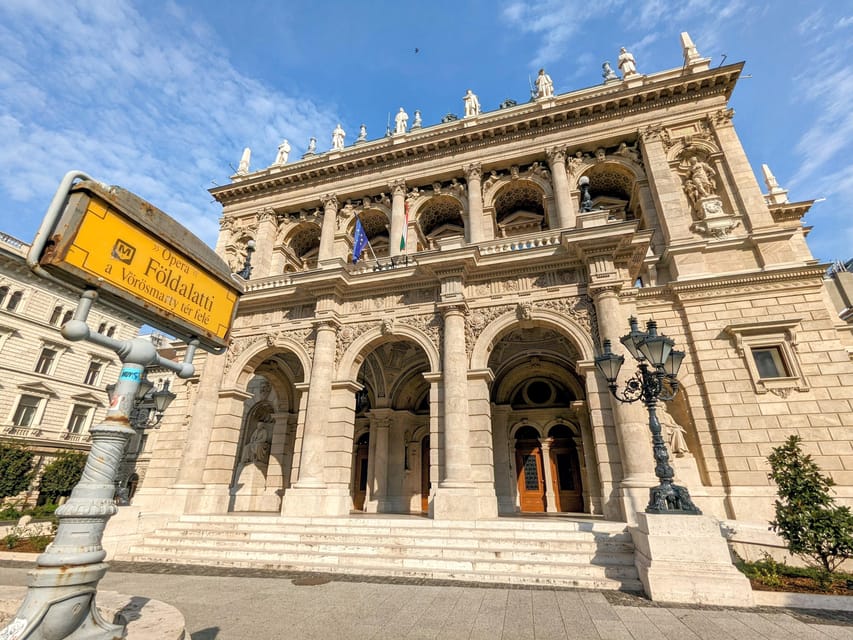
This tour is built for people who want the inside of a top-tier performance venue, without committing to a full evening. You get a guided run through the interior, then a short musical ending that lets you hear the space in action.
The big draw for me is how quickly you can connect the architecture to the experience. The Opera House isn’t just pretty. It’s designed to stage sightlines, sound, and movement, and the tour helps you notice that on purpose.
You can also read our reviews of more guided tours in Budapest



Finding your way: the meeting point is inside the Opera House hall
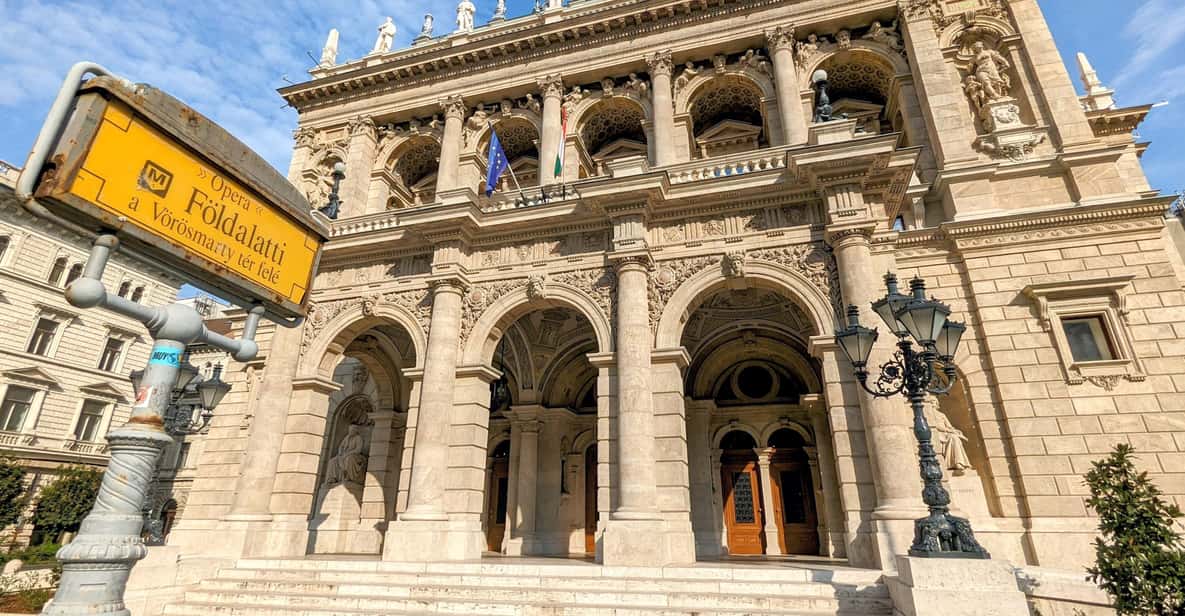
The meeting point is in the hall of the Opera House, and it’s explicitly inside. That matters more than you’d think, because it avoids the usual meet-at-the-corner chaos and gets you started in the right mindset: you’re already inside, looking at details instead of orienting outside first.
Plan to arrive a bit early so you can settle in before the guide starts. If you’re aiming for photos, arriving early also gives you a moment to compose yourself before the group funnels deeper into the building.
The story you hear: from Miklós Ybl’s 1884 plans to the 2022 restoration
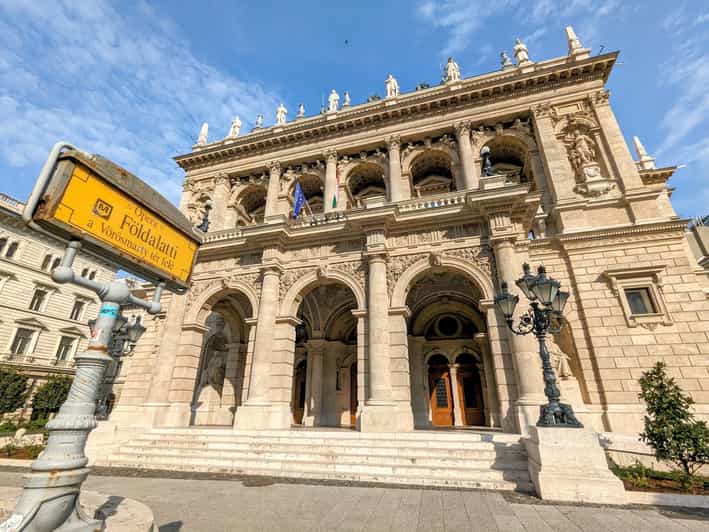
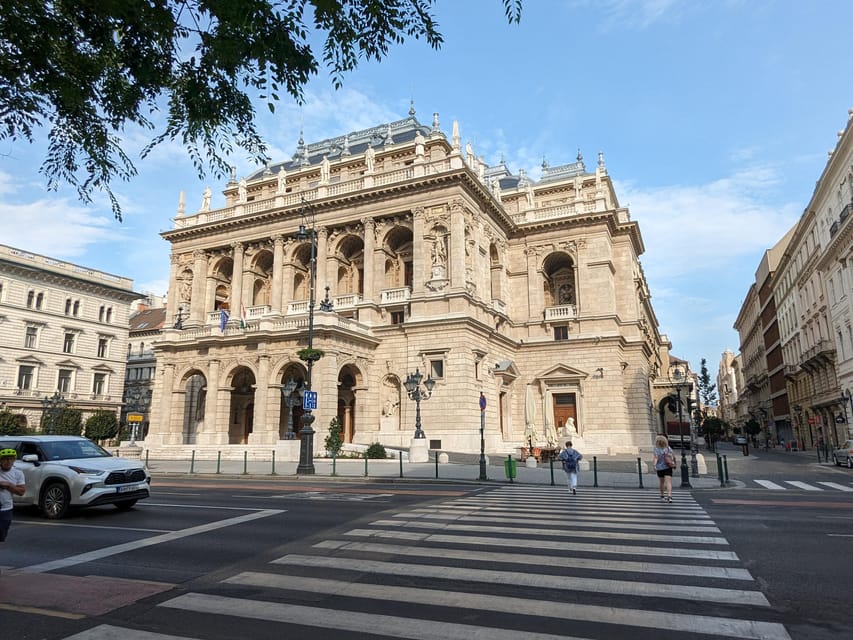
You’ll hear how the building goes back to 1884, created from the plans of Miklós Ybl, and how the Opera House was fully restored in 2022. That timeline gives you a useful lens. You’re not only admiring ornament; you’re seeing what survived, what was repaired, and what was brought back to its intended look.
One thing I appreciate is that the guide’s talk tends to connect the design choices to the bigger picture, including influences and the context around the Opera House’s creation. When a guide frames the building this way, the decorations stop feeling random and start feeling purposeful.
And because the restoration is recent, you don’t feel like you’re touring an exhibit that has faded into memory. You’re seeing a living, maintained performance venue with its visual impact turned on.
Interior highlights you’ll actually get time for in 60 minutes
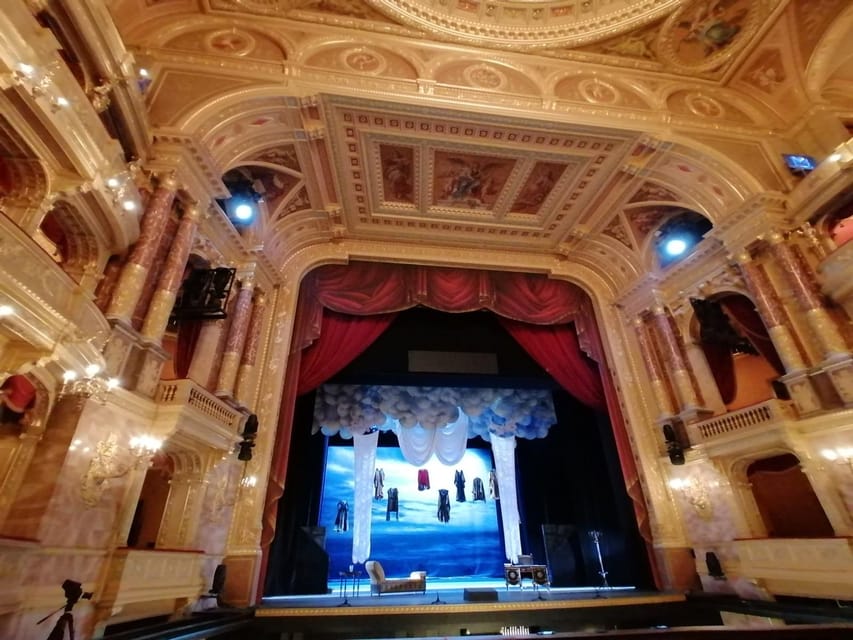
A 60-minute tour is short enough to stay efficient, but long enough for the guide to pace the key rooms. You’ll generally move through several standout areas where the architecture tells a story on its own.
Here are the big themes you’ll come across as you go:
- How the building is laid out for spectators and performers
- What specific decorative elements mean (not just what they look like)
- Why certain spaces feel dramatic, including the way the staircase and public areas frame movement
The pace works well if you like structure. You can’t “wander and hope” in a venue like this and still come away with the full picture. With a guide, you leave knowing where to look next time.
Auditorium time: frescoes, acoustics, and the practical engineering you might miss
The auditorium is where the tour earns its keep. You get the kind of view that makes you understand why people chase performances here.
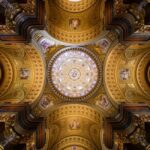
You’ll spend time looking at the frescoes and taking in the overall design of the hall. Then the guide usually shifts from decoration to function, including the acoustics—how sound carries—and the kinds of practical details that make a theater work safely and reliably.
Some days, lighting in the auditorium can be reduced due to rehearsals. If that happens, don’t panic. The reduced light is a tradeoff for rehearsal conditions, and it can still be enough to see the main features. Just be ready for the photo look to be different than you might expect.
If you’re the type who worries you’ll miss details while listening, this is one of those tours where the guide’s job is to keep people oriented. You’ll know where to look when they point things out.




The grand staircase and the mini concert that changes the mood fast
The staircase is a major character in this building, and the tour treats it like one. You’ll hear about the design of the staircase and get a chance to see the space from the perspective it was meant to create—grand, cinematic, and built for real arrival moments.
Then comes the ending: a brief concert with live singing. Multiple guide outcomes are consistent in one way: the musical taster is a real performance, not a recorded gimmick. The length seems to land around the 10–15 minute range depending on what’s scheduled.
This is the part that tends to surprise people who planned this as a history stop. The acoustics in that final moment make the Opera House feel less like a museum and more like a working stage. It’s also a smart option if you can’t secure tickets for a full production—this gives you the “what it sounds like” payoff without needing to plan a whole evening around the show calendar.
Price and value: what you get for about $33
For $33 per person and about one hour, you’re paying for three things at once:
- Access to the restored interior with a live guide
- A structured walk-through (so you know what you’re seeing and why it matters)
- A brief live concert that turns the tour into something you hear, not only something you look at
Food and drinks aren’t included, so you’ll want to plan a meal before or after if you’re hungry. But compared with paying just to enter and sightsee, the live singing at the end makes this feel like more of an experience than an architecture errand.
Also, the tour skips the ticket line, which is a quiet quality-of-life win. In a popular city attraction, shaving off waiting time keeps the whole visit smoother.
If you like flexibility, the operator offers reserve-now, pay-later and free cancellation up to 24 hours in advance. That means you can match the tour to your Budapest rhythm instead of locking yourself in too early.
Who this Budapest Opera House tour fits best
This is a great match if you’re any of the following:
- You love architecture and want a guide to translate ornament into meaning
- You’re curious about opera but don’t want to commit to a full evening show
- You want a “one-and-done” indoor landmark that still ends with a live arts moment
- You’re traveling with someone who isn’t sure about opera yet
I also like it for first-time visitors who want a high-impact cultural site without turning the trip into a performance logistics problem. Even if opera isn’t your main interest, the building’s design and the auditorium’s sound are worth your time.
The only group I’d flag is wheelchair users. This tour is listed as not suitable for wheelchair users, so if mobility access is a concern, you’ll need to look for an alternative format.
Should you book this Opera House guided tour?
I’d book it if you want the inside of Budapest’s Opera House in a focused hour, with a guide who explains the building as a working performance space. The Miklós Ybl origin story, the 2022 restoration context, and the brief live concert ending make it a strong value mix for the price.
Skip it only if you’re looking for long, slow self-guided wandering or you know you’ll hate reduced lighting conditions in the auditorium on rehearsal days. Otherwise, this is one of those tours that helps you leave with more than photos—you’ll leave with a sense of how the Opera House is built to sound and to perform.
FAQ
How long is the Budapest Opera House guided tour?
The tour lasts 60 minutes.
Where do I meet the guide?
You meet in the hall of the Opera House, and the meeting point is inside the building.
What languages are available for the live guide?
The live guide is available in English, German, Spanish, Italian, and French.
Is there any performance included at the end?
Yes. The tour includes a brief concert at the end.
Is this tour suitable for wheelchair users?
No. It’s not suitable for wheelchair users.
What happens if the Opera House cancels tours during rehearsals?
If tours are cancelled during rehearsals, an alternative date is offered. On some occasions there can also be reduced light conditions in the auditorium.