REVIEW · BUDAPEST
Budapest Grand Half-Day Jewish Heritage Tour
Book on GetYourGuide →Operated by Hungaria Koncert Ltd. · Bookable on GetYourGuide
Four hours in Budapest, with heavy meaning. This Jewish Heritage tour strings together major sites like Dohány Street Synagogue and the Jewish Museum, then keeps going into the Jewish Quarter with memorial stops tied to Raoul Wallenberg and Carl Lutz. I love the skip-the-line access and the chance to see Dohány Synagogue properly, not just from outside. I also like how the route connects faith, community life, and the Holocaust without turning it into a lecture you can’t digest. One consideration: the 4-hour pacing can feel tight, and on some departures the tour may end a bit earlier than expected.
You’ll meet at Dohány Street Synagogue (Dohány u. 2), then spend the morning/afternoon moving between interior visits and outside viewpoints, with guided context as you go. If you want one outing that covers both the grandeur of Budapest’s Jewish life and the hardest chapters of the 20th century, this is a strong pick. Just plan for comfortable shoes, because the route is built for walking.
In This Review
- Key highlights that make this tour work
- Four hours with the right mix: synagogues, museums, and memory
- Starting at Dohány Street Synagogue: what you’ll feel before you even walk in
- Jewish Museum Budapest: where the objects give the story
- The memorial parks: Wallenberg, Carl Lutz, and the Tree of Life
- The synagogue triangle: Rumbach and Heroes Temple from the outside, Kazinczy on the inside
- Walking the Jewish Quarter: former ghetto streets and what you can still see
- Carl Lutz Memorial to Gozsdu Passage: stitching past and present Budapest
- The built-in kosher break: cake and coffee plus a restaurant discount
- Price and value: what $116 buys you in real terms
- Who this tour suits best (and who might want something different)
- A short decision guide: should you book it
- FAQ
- Where is the meeting point?
- How long is the tour?
- What language is the tour guide?
- What’s included in the price?
- Does it include a skip-the-line entrance?
- What should I bring?
- What is not allowed during the tour?
- Is it wheelchair accessible?
- Can I cancel for a full refund?
Key highlights that make this tour work
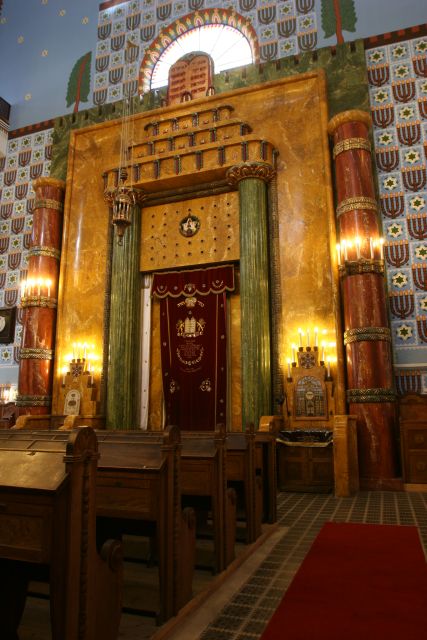
- Dohány Street Synagogue inside, including enough time to take in its scale and symbols
- Jewish Museum Budapest with a guide-led walkthrough of the story behind the artifacts
- Raoul Wallenberg Holocaust Memorial Park plus the Tree of Life stop
- Carl Lutz Memorial park, tied to his lifesaving work in Hungary
- Kazinczy Street Synagogue inside (outside visits for some others), including its art-nouveau style look
- A real walk through the former Jewish Quarter, with synagogues, monuments, and kosher spots along the way
Four hours with the right mix: synagogues, museums, and memory
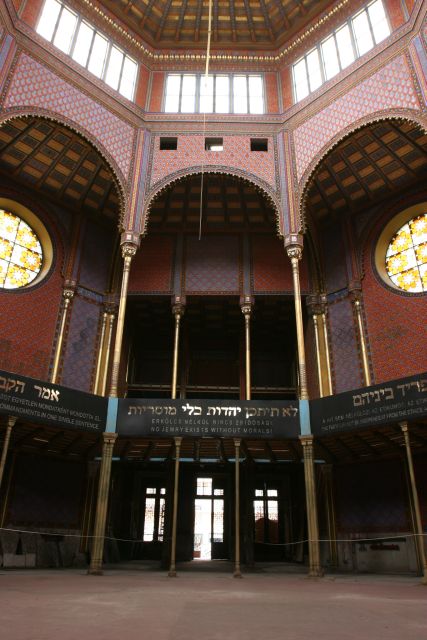
If you only have half a day in Budapest and you want your Jewish heritage time to feel structured, this tour hits a good formula. You start with the biggest landmark (Dohány Street Synagogue), move into museum and memorial learning, then you end with streets-and-neighborhood context in the Jewish Quarter. It’s not trying to be a whole-day history seminar. It’s more like: get your bearings fast, then understand the threads that connect everything you’re seeing.
The value is in the balance. The synagogue interiors give you the visual language of community and worship. The Jewish Museum gives you the why—how Jewish life worked in Hungary and how it changed over time. The memorial parks (including Raoul Wallenberg and Carl Lutz) then anchor the emotional center, so the later neighborhood walk doesn’t feel like sightseeing with no stakes.
One more practical plus: you get a live English guide throughout, and the tour includes the main entry fees for the big-ticket sites. At $116 per person for about four hours, that adds up fast compared with paying individual tickets and piecing together your own route.
You can also read our reviews of more historical tours in Budapest


Starting at Dohány Street Synagogue: what you’ll feel before you even walk in
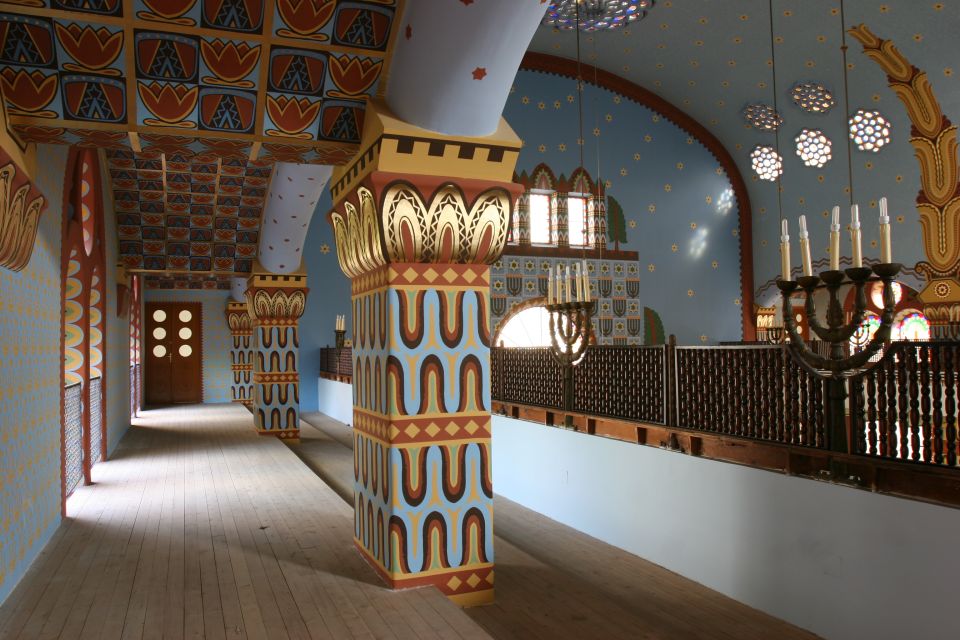
Your tour starts at Dohány Street Synagogue, a landmark that’s hard to miss—both for its size and for what it represents in the city. The tour is designed so you begin here and then keep building from that first impression. You get inside, not just a quick exterior glance, and you also get time to take in details that you’ll miss if you’re rushing on your own.
Two things to watch for as you enter:
- Time your photos. Interiors can feel crowded around focal points, so I’d keep your camera ready but not constantly held up.
- Listen for the symbols. Guides typically connect architectural features to community identity and historical meaning, and this is where it helps to have a real person explain it in plain language.
Also, skip-the-line access matters more than you think. Budapest is popular, and synagogues and museums attract visitors who’ve come from all over Europe and beyond. A separate entrance is one of those small perks that makes the experience smoother without adding cost.
Jewish Museum Budapest: where the objects give the story
After Dohány Street Synagogue, the tour moves into the Jewish Museum Budapest. This stop is one of the places where you start turning feelings into understanding. You’re not just learning dates. You’re seeing how community life, religious practice, and historical pressures show up in real collections and exhibits.
What I like about a museum stop on a walking heritage tour is that it prevents the route from becoming a “see and move on” checklist. The museum creates context for everything you’ll see next—especially the neighborhood sites and memorial parks. By the time you’re walking the streets afterward, you’ll understand why certain names, locations, and monuments matter.
If you tend to read slowly at museums, you’ll still be fine. This is guided and paced for a half-day window, so you won’t be left alone staring at labels for hours. Still, bring the mindset that this is a learning stop, not a quick break.
The memorial parks: Wallenberg, Carl Lutz, and the Tree of Life
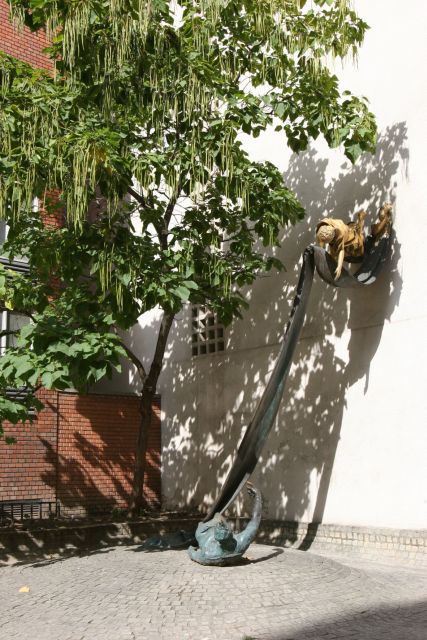
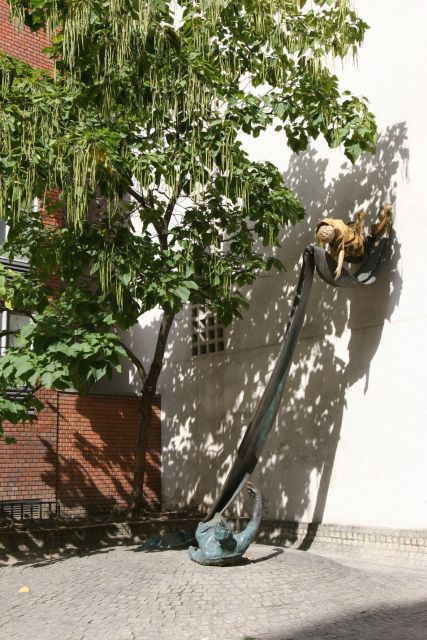
Then comes the emotional shift. You visit Raoul Wallenberg Holocaust Memorial Park, including the Tree of Life. This is where the tour earns its seriousness. The guide’s job here is crucial: they keep the story grounded and connected to people, not just events.
Raoul Wallenberg’s name sits in international history for a reason, and the tour helps you understand why someone can become a symbol of rescue across borders. The Tree of Life adds another layer—moving the experience from remembrance into something like resilience and continuation.
Later, you also pass through the Carl Lutz Memorial area, connecting it to his work saving people in Hungary—often remembered as Hungary’s Schindler. The reason this pairing works is simple: you don’t just hear one rescue story. You see how multiple individuals mattered, and how survival sometimes depended on networks, documents, and brave action under extreme conditions.
A practical note: memorial parks are often outdoors, so dress for the weather. Even in pleasant seasons, you’ll be standing and walking more than you’d expect for a “half-day” tour.
The synagogue triangle: Rumbach and Heroes Temple from the outside, Kazinczy on the inside
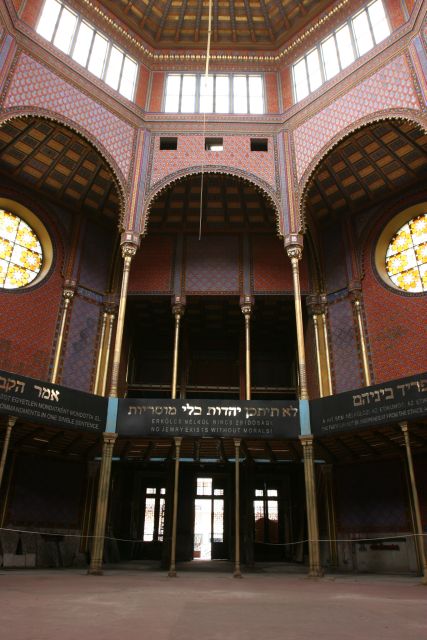
As the route heads deeper into the Jewish Quarter, you’ll meet the synagogues in two styles: some are viewed from outside, and one of the most important stops is inside.
You’ll see:
- Rumbach Street Synagogue from the outside
- Temple of Heroes from the outside
- Kazinczy Street Synagogue with an inside visit
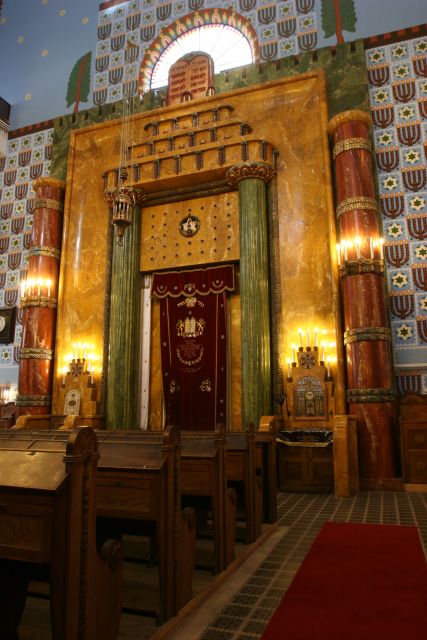
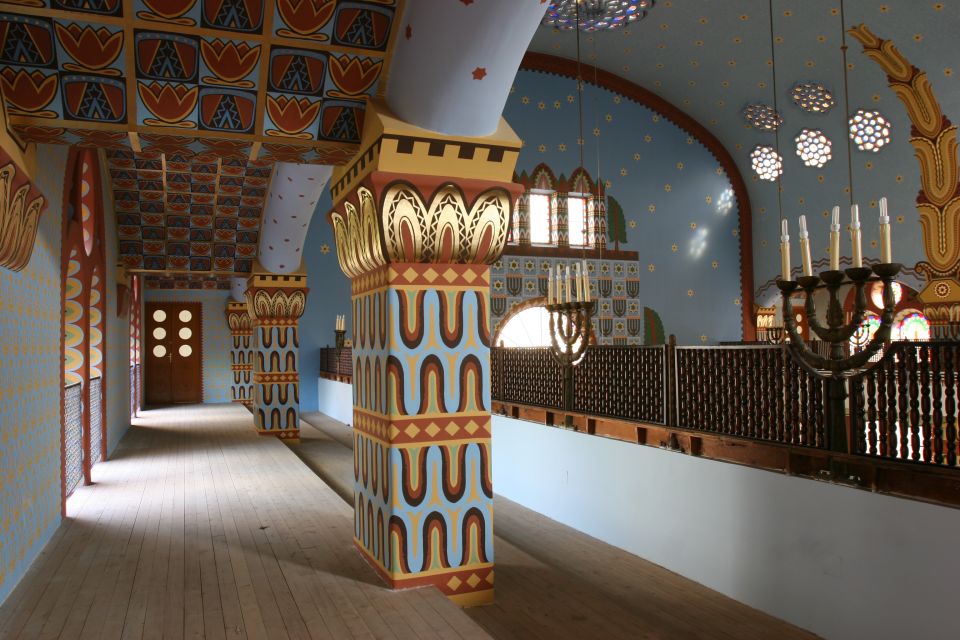
Kazinczy Street Synagogue is a highlight because it’s one of the largest operating Orthodox synagogues in Europe and it’s built in an art-nouveau style. The interior visit gives you a sense of living tradition and active worship, not just historical architecture. Outside visits are still valuable here—they help you map where religious life sits in the neighborhood layout and why the Jewish Quarter looks the way it does.
Here’s the key trade-off: outside visits mean less time at each building. If you’re hoping for a long, stop-by-stop architectural tour, you might wish you had more hours. But the upside is you fit in more variety: grandeur, museum learning, memorial reflection, and then an Orthodox synagogue interior—all in one route.
You can also read our reviews of more tours and experiences in Budapest




Walking the Jewish Quarter: former ghetto streets and what you can still see
After a break, you continue on foot through the Jewish Quarter, including streets associated with the former ghetto. This is where you see how history lives in the present. Even if you don’t plan to shop or eat, the neighborhood itself becomes part of the curriculum.
On this walk, you’ll pass by:
- synagogues and monuments
- kosher restaurants and kosher shops
- the kind of street-level reality that makes the history feel close, not abstract
I like this part because it’s not only sad. It’s also about persistence—how community life continues and re-forms. Your guide provides local stories and explains what you’re seeing, including basic context about Budapest that helps you connect the dots between the Jewish Quarter and the rest of the city.
Two practical tips for this neighborhood segment:
- Stay present. The street scenes move fast, so listen first and look second.
- Wear shoes that handle uneven pavement. Even when the streets look “normal,” walking time adds up quickly.
Carl Lutz Memorial to Gozsdu Passage: stitching past and present Budapest

One of the tour’s smarter touches is how it threads between memorial focus and recognizable city life. You visit the Carl Lutz memorial park and then continue past Madách Square and Gozsdu Passage, a well-known pedestrian-style area.
This transition matters. After heavy memorial material, you don’t want to bounce straight back into random city sights. The tour uses these streets as a bridge: you understand where the Jewish Quarter fits into Budapest’s broader geography and social life.
If you’re the type who likes getting oriented in a new city, you’ll appreciate that you’re not just trapped inside a single “theme zone.” You leave with a sense of how this neighborhood sits in the urban fabric.
The built-in kosher break: cake and coffee plus a restaurant discount

This tour includes a stop for cake and coffee at a kosher confectionary. There’s also a 10% discount at Carmel Restaurant when you choose the lunch option.
This is more than a snack. Food is one of the easiest ways to feel the present-day identity of the area. And in a four-hour schedule, you do need a break. It can help you reset your mind after the memorial parks so you can enjoy the later synagogue and neighborhood walking with better focus.
If you’re sensitive to service speed (some tours keep moving right up to the end), keep expectations flexible. A short café pause can feel like it’s on a clock, because it is.
Price and value: what $116 buys you in real terms
At $116 for about four hours, you’re paying for three things:
- a professional guide throughout (so you’re not assembling the route yourself)
- entrance fees that would add up quickly if booked separately
- a curated walk that covers several major Jewish heritage sites in one go
This tour includes entrance fees for:
- Jewish Museum Budapest
- Dohány Street Synagogue
- Raoul Wallenberg Holocaust Memorial Park
- Kazinczy Street Synagogue
What’s not included is pickup, which is standard but worth noting. You’re meeting at Dohány Street Synagogue, so you’ll handle your own transit to the start.
Is it expensive? It can be, depending on what you compare it to. But for a guided, multi-stop half-day that includes major entries, I think it’s a fair value—especially if you’d otherwise spend time figuring out tickets, timing, and walking directions.
Who this tour suits best (and who might want something different)
This tour is ideal if you:
- want a structured introduction to Budapest Jewish heritage
- care about both the beauty of places of worship and the historical story behind them
- like a walking format where you can connect sites to the neighborhood layout
- want English guidance without getting lost in a self-guided plan
It may not be the best fit if you:
- need step-free routes (the tour is not suitable for wheelchair users)
- prefer slower pacing with extended time in fewer places
- want a broader “Budapest city sights” tour alongside Jewish history (this one stays focused)
Also note what you bring and what you leave at home. You’ll want passport or ID and comfortable shoes. Pets and luggage or large bags aren’t allowed.
A short decision guide: should you book it
Book it if you want one high-impact outing that covers the core of Budapest Jewish heritage: Dohány Street Synagogue, the Jewish Museum, the memorial parks for Wallenberg and Lutz, and the Jewish Quarter streets—ending with an Orthodox synagogue interior at Kazinczy Street Synagogue.
Skip it (or look for a longer option) if you’re the type who needs more time at each stop, or if you’re traveling with mobility constraints. The tour is built for a tight half-day route, and that pacing is part of the deal.
If you’re trying to choose between “I’ll do this on my own” and “I want the story explained,” I’d pick the guided version. This is one of those topics where context changes everything.
FAQ
Where is the meeting point?
You meet at Dohány Street Synagogue, Dohány u. 2, 1074.
How long is the tour?
The duration is 4 hours.
What language is the tour guide?
The tour is offered with a live English guide.
What’s included in the price?
The tour includes a professional guide and entrance fees for the Jewish Museum, Dohány Street Synagogue, Raoul Wallenberg Holocaust Memorial Park, and Kazinczy Street Synagogue.
Does it include a skip-the-line entrance?
Yes. You skip the line through a separate entrance.
What should I bring?
Bring a passport or ID card and wear comfortable shoes.
What is not allowed during the tour?
Pets are not allowed, and luggage or large bags are not allowed.
Is it wheelchair accessible?
No. The tour is not suitable for wheelchair users.
Can I cancel for a full refund?
Yes. Free cancellation is available up to 24 hours in advance for a full refund.