REVIEW · BUDAPEST
Comprehensive sightseeing tour
Book on Viator →Operated by Tourist Angel · Bookable on Viator
Six hours later, Budapest finally makes sense. This private, English-speaking walking tour stitches together Pest and Buda so you get the big picture fast—then see the key sights up close instead of from a bus window. I especially like the hotel pickup option, because it saves that awkward hunt for a meeting point on busy streets.
I also like that the day mixes famous landmarks with places that explain how Budapest works—thermal baths, a grand boulevard and opera house, the Parliament area, then the river views from Castle Hill. One possible drawback: it is a full walking day with lots of quick stops, and a couple of big interiors cost extra (like Matthias Church if you choose to go inside).
In This Review
- Key highlights worth planning around
- Price and logistics: what $144.18 buys you
- Where you start: Szent István tér and getting your bearings
- Heroes’ Square and the Millennium Monument: the Hungary timeline in stone
- City Park to Vajdahunyad Castle: romance plus architecture lessons
- Szechenyi Baths and the grand city boulevard: thermal life and design
- Opera House quick look, then a real interior: St. Stephen’s Basilica
- Szabadság tér and Kossuth Lajos Square: monuments that explain 20th-century turns
- Parliament area to Buda Castle: the river crossing you feel in your legs
- King Matthias Fountain, Sandor Palace, and the Guards in uniform
- Fisherman’s Bastion and Matthias Church: best views, then optional interior
- What to budget for during the day: included vs. not included
- The guide effect: when your pace and questions matter
- Footwear, timing, and one renovation note
- Who this tour suits best (and who should consider something else)
- Should you book it?
- FAQ
- How long is the tour?
- Is the tour private?
- Does the price include entry to any attractions?
- Can I get hotel pickup?
- Is lunch included?
- Is public transport part of the tour?
- What should I wear for church stops?
Key highlights worth planning around
- Hotel pickup and drop-off make the route easier to follow, even if it is your first day in town
- Basilica visit is included, and church rules mean you should dress for shoulders and legs
- Heroes’ Square, the Millennium Monument, and Castle Hill give you the Hungary timeline in one sweep
- Andrassy Avenue and Metro Line 1 show how old Budapest modernized at street level and underground
- Buda Castle and Fisherman’s Bastion are timed for panorama moments across the Danube
- Guide flexibility can matter, especially when you want to move at a comfortable pace (some guides are praised for this)
Price and logistics: what $144.18 buys you
At $144.18 per person for roughly 6 to 7 hours, the value here comes from the guide time and the way the route is structured. You are paying for someone to connect the dots between monuments, regimes, architecture, and the river geography that splits Buda and Pest.
It is also a private tour where only your group participates, which can be a big deal if you want questions answered and slower moments without holding up strangers. The day is built around walking, so if you prefer a mostly bus-based highlights loop, this may feel like too much shoe time.
Pickup is part of the deal. You can meet at Szent István tér 4 (1051), or the guide can pick you up at your hotel or accommodation location (the guide meets you at reception or outside). After the tour, drop-off can be back at your hotel or another city point, using public transport or car depending on your option.
You can also read our reviews of more tours and experiences in Budapest.


Where you start: Szent István tér and getting your bearings
The tour begins at Szent István tér 4, a smart starting choice because it puts you close to the city’s major central landmarks on the Pest side. From that area, you can start learning Budapest’s layout immediately: broad boulevards, big public squares, and the way the Danube shapes viewpoints.
If this is your first day, you will get something underrated from the start: orientation. Instead of seeing each place as a standalone postcard, the guide helps you understand why these sites sit where they do and how the story shifts as you cross toward Buda.
Heroes’ Square and the Millennium Monument: the Hungary timeline in stone
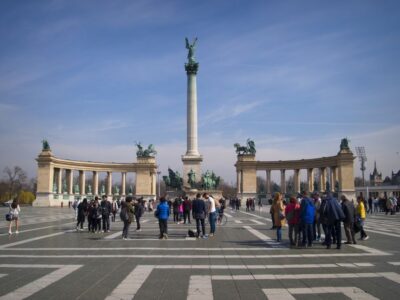
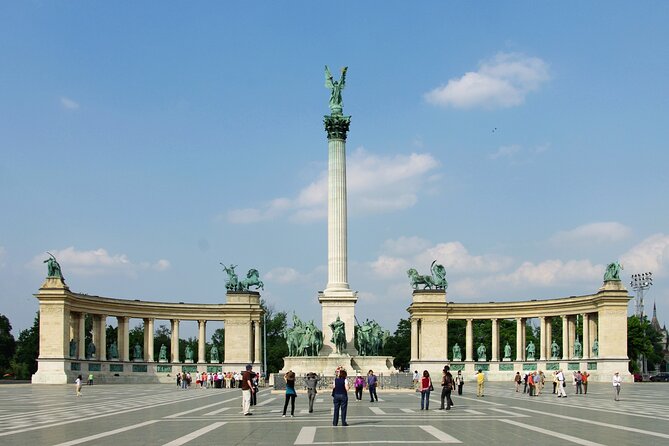
First stop is Heroes’ Square, widely known as the largest square in Budapest. You get a walk-through of the space and its major features: the Millennium Monument in the center, plus the Arts Hall and Fine Arts Museum along the sides.
Then you move right into the monument itself. The Millennium Monument commemorates 1000 years of Hungarian history, and in front of it you find the grave of the unknown heroes. If you like symbolism, this is the kind of place where a quick glance becomes more meaningful once you understand what the figures and colonnades are referring to.
This pairing is efficient because it teaches you how Hungarians use public space for memory. It is also free to enter, so you are not losing tour time on tickets.
City Park to Vajdahunyad Castle: romance plus architecture lessons
Next comes Vajdahunyad Castle inside City Park, described here as the oldest public park in the world. You cross over a bridge to reach a small island setting on the lake, where the castle sits like a picture. In the courtyard area, you will notice copies of buildings showing different periods and styles of Hungarian architecture.
The short time at this stop (about 15 minutes) works if you treat it like a preview. You get the layout, the setting, and the big idea: Budapest does not just have one style—it layers them.
Then, in the inner courtyard, you can spot Anonymus Szobor. This statue honors Anonymus, the first history writer of Hungary who lived in the 12th century. Even in a few minutes, it adds a cultural angle beyond politics and wars.
Szechenyi Baths and the grand city boulevard: thermal life and design
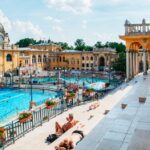
The tour continues past the Szechenyi Baths and Pool, including the sightline of the main building. The tour note says it is the largest thermal bath of Europe, and you can see the outdoor pools and people swimming through the windows during your short pass-by stop.
A quick word of practical advice: baths are a Budapest lifestyle, not just an attraction. If Szechenyi Baths are on your must-do list, seeing the building from the outside first helps you decide whether you want to book a separate longer visit later.
Then the tour moves along Andrassy Avenue, a 2-mile historical thoroughfare. The cool detail here is the Millennium Subway, which runs under the avenue: Budapest Metro line 1, built in 1896, with preserved original stations. Even if you do not go underground during this tour, you will leave with a mental map for where that historic metro fits into the city.

Opera House quick look, then a real interior: St. Stephen’s Basilica
You get a short look at the Hungarian State Opera House (Magyar Állami Operaház). The stop is only about five minutes, but it is enough time to appreciate the scale and beauty before moving on. Admission here is not included, so think of this as a view-and-context stop, not a full interior visit.
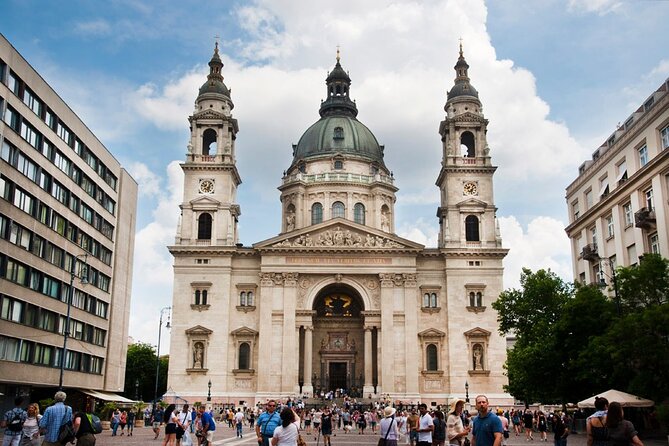
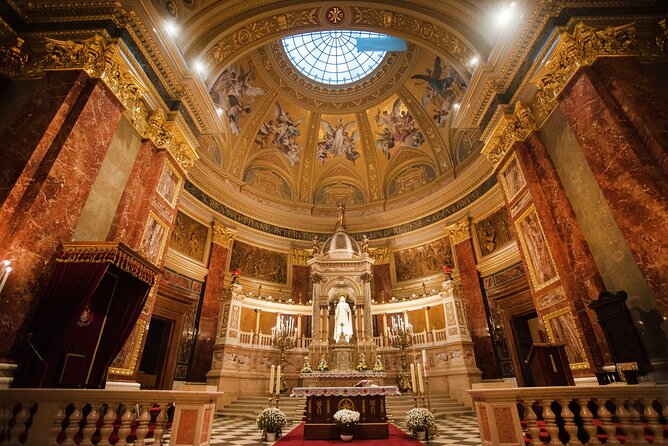
The tour’s main included interior moment is St. Stephen’s Basilica (Szent Istvan Bazilika). The timing is about 30 minutes, and the tour includes admission (with one caveat: it is open every day except Sunday morning religious service). This matters because church schedules can block visits at certain hours, and you will want that flexibility built into your trip plan.
The Basilica’s standout details include the statues and frescoes, plus the mention of the mummified right hand of the first king. Whether or not you are a religious-history fan, the building is visually impressive, and it is a strong place to slow down.
Dress code is practical, too. The tour information says you should cover legs and shoulders in church areas, so plan clothing accordingly.
Szabadság tér and Kossuth Lajos Square: monuments that explain 20th-century turns
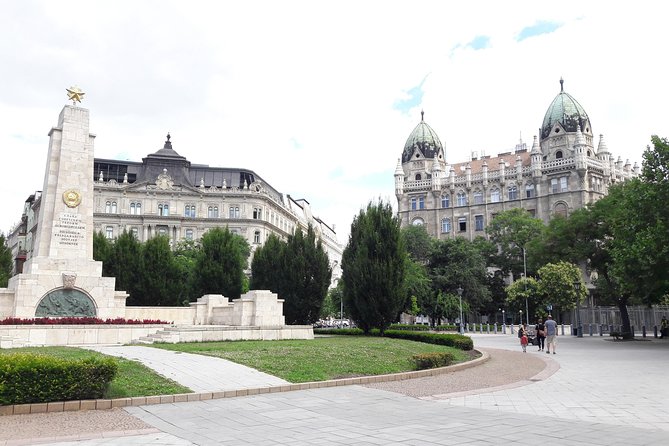
After the Basilica, the tour heads to Szabadság ter for a short stop. You will see monuments tied to the Nazi and Soviet occupations and the dictatorships period, plus a fountain that becomes a focal point during warm season.
Then comes Kossuth Lajos Square, with memories of freedom heroes and the 1956 revolution against the Communist dictatorship. These stops are brief, but they matter because Budapest’s story is not only kings and castles. It is also resistance, occupation, and political change you can read in stone.
If you prefer emotional history to dates, these squares can hit harder than you expect—especially with a guide who knows how to connect each symbol to what happened next.
Parliament area to Buda Castle: the river crossing you feel in your legs
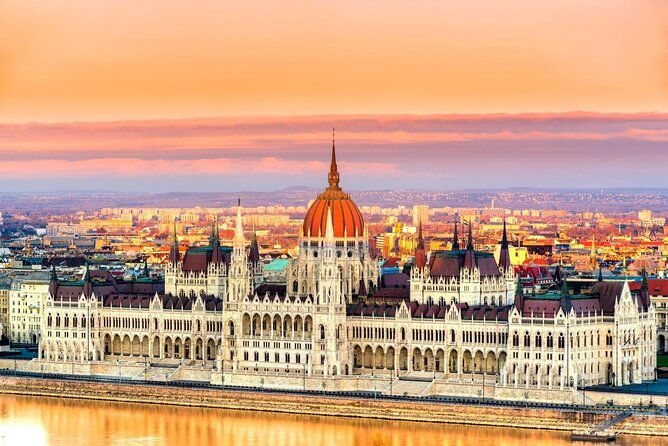
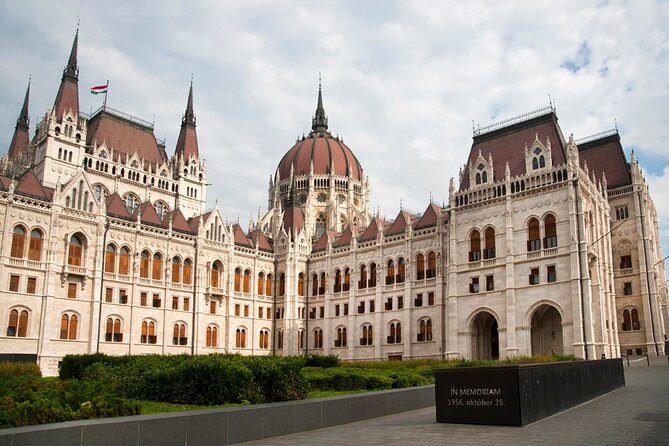
From Pest’s political landmarks, the tour brings you toward the Hungarian Parliament Building. The stop is about ten minutes, and admission is not included. Still, the viewpoint works because you see the building as part of the larger Danube corridor, not as a lonely photo spot.
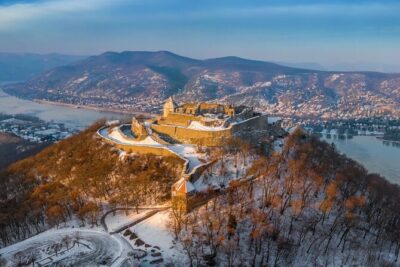
Then comes the bigger shift: crossing the river Danube to Buda Castle. The Buda side is where Budapest’s skyline drama kicks in. You get about 45 minutes and focus on the panoramic terrace of the Royal Palace with major city views.
Buda Castle itself is noted as free here, so you do not need ticket planning for this segment. The time budget feels just right: long enough to look around and settle into the views, not so long that it drags when you still have the final hilltop scenes ahead.
King Matthias Fountain, Sandor Palace, and the Guards in uniform
Back on the Castle area route, you’ll see the Fountain of King Matthias. It is a short photo stop (about five minutes), but it helps connect the terraces and courtyards to the broader medieval-to-19th-century layers in the castle grounds.
Next is Sandor Palace, the palace of the president with guards in historical uniforms. Admission is not listed, and the stop is about five minutes—again, a quick look that adds atmosphere.
These are the kinds of stops that can feel optional on a checklist tour, but on this route they act like punctuation. They break up heavier history moments and keep the day moving smoothly.
Fisherman’s Bastion and Matthias Church: best views, then optional interior
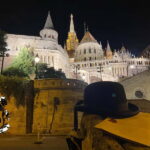
The tour ends with hilltop views: Fisherman’s Bastion. You get a about 10 minutes to admire one of Budapest’s most famous panorama points over the Danube and the Hungarian Parliament building.
This stop is not marked with admission included, so treat it as mostly scenery and walking around. Still, it is one of the best payoffs for a walking day because the view is the reward.
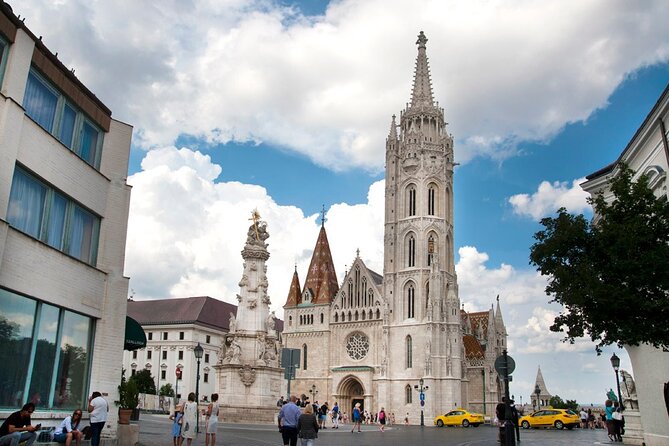
Then you can walk around Matthias Church, built in the Middle Ages in a Gothic style. The default stop is about five minutes for the exterior area, with an optional inside visit on request. If you choose to go inside, the tour says it is extra (listed as 5 EUR per person) and takes about 30 minutes, with the entrance ticket required separately.
The biggest planning takeaway: decide early whether you want that extra interior time. If you skip it, you keep energy for the views and return stroll. If you add it, budget the extra time and follow church dress expectations.
What to budget for during the day: included vs. not included
Here is the practical money map based on what the tour includes:
Included:
- Entry to St. Stephen’s Basilica (except Sunday morning religious service)
- The rest of the stops are listed as free entries or as pass-by viewing points
- One hour optional lunch break can be taken (and may be excluded from tour duration)
Not included:
- Matthias Church interior (optional request for guided visit) at 5 EUR per person, plus entrance ticket
- Hungarian State Opera House and Hungarian Parliament Building (not included)
- Cost of lunch and drinks
- Public transport tickets
The $144.18 price starts to feel more reasonable when you compare it to how much effort it saves you: you do not have to plan ticket timing for multiple paid interiors, and the guide takes care of pacing so you see both sides of the river in one day.
The guide effect: when your pace and questions matter
One theme from strong feedback is that the guide makes the day feel personal. Names that came up often include Katalin, Elisabeth, Flora, Dalia, and Noemi—and each name is tied to a slightly different strength.
If you want a tour that keeps moving but still lets you ask questions, Dalia is recommended for attentive, flexible pacing. Katalin stands out for being friendly and strong on history facts, which helps when you are trying to understand the meaning behind monuments. Elisabeth is praised for thoroughness, useful if you like structure. Flora gets credit for being engaging and knowledgeable, which can make the shorter stops feel less rushed.
Noemi was highlighted for guiding guests through key spots on the Pest side first, then Buda, and for doing a great job in French. That could matter if you prefer a clear, translated explanation.
If the option exists to request a guide, it is worth doing it. For a day this packed, the right guide turns walking time into learning time.
Footwear, timing, and one renovation note
This tour is built for walking, with quick stops that still add up. Wear shoes you trust for long city sidewalks and uneven sections near older areas. Bring a light layer; weather can swing, and you will be outside during most of the day.
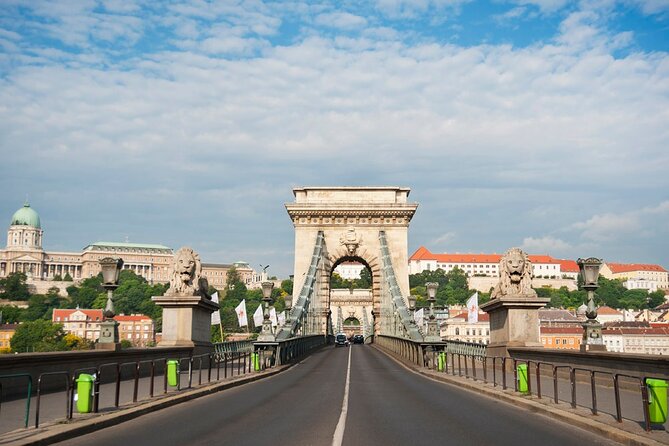
The tour notes a current caveat: the iconic bridge is listed as under renovation for 2021 to 2022. Even if the schedule has changed since then, the point to take is simple: your routing may adjust, so do not build a separate strict plan for bridge photos at an exact time.
Also note the Basilica timing rule for Sundays: if you are visiting on a Sunday morning, it can affect interior access.
Who this tour suits best (and who should consider something else)
This is a good fit if you want:
- A first-day orientation to Budapest
- A feet-on-the-ground way to see both Pest and Buda without bouncing between destinations on your own
- A guide-led explanation of what monuments actually mean
- A private setting where you can move at your pace
You might skip this tour or supplement it with other plans if you:
- Hate walking and want mostly vehicle sightseeing
- Want multiple long interior visits every stop
- Prefer a slower pace focused on fewer sites
If you do want to add on later, the day naturally points you toward separate time investments: Szechenyi Baths for a real soak, Parliament for a guided look, and Matthias Church if the optional interior visit sounds worth it.
Should you book it?
I think this tour is a smart book if you want a single-day plan that connects the dots between Budapest’s public squares, thermal-culture sights, and the hilltop panoramas. At $144.18, the price makes sense because you are buying guide time, route efficiency, and saved effort finding meeting points thanks to pickup.
Book it if your top goal is to get oriented and leave with a clear sense of the city’s geography and political story. Consider it less if your must-do list is mostly indoor-only attractions that you want to linger in.
If you can request a guide, I’d aim for Dalia, Katalin, Elisabeth, Flora, or Noemi based on the strengths tied to each name. For many people, that is the difference between a packed itinerary and a day that actually sticks.
FAQ
How long is the tour?
The tour runs about 6 to 7 hours.
Is the tour private?
Yes. It is private, meaning only your group participates.
Does the price include entry to any attractions?
St. Stephen’s Basilica entry is included (except Sunday morning religious service). Matthias Church inside is optional and not included.
Can I get hotel pickup?
Yes. Pickup is offered from your hotel or accommodation, or you can meet at Szent István tér 4, 1051 Hungary.
Is lunch included?
Lunch is not included, but there is an optional one-hour lunch break that may be excluded from the tour duration.
Is public transport part of the tour?
You may use public transport as part of the route depending on your selected option, but public transport tickets are not included.
What should I wear for church stops?
The tour requires covering legs and shoulders in church areas.