REVIEW · BUDAPEST
Life Under Communism with House of Terror or Statue Park
Book on GetYourGuide →Operated by FUNGARIAN · Bookable on GetYourGuide
Communism hits differently when you hear it in context. I loved how this 3-hour private format turns theory into everyday detail, from the 1960s through the late 1980s. The whole thing begins at Bambi Eszpresszó, a symbolic 1980s meeting place that sets the tone fast.
My second favorite part: you get a real back-and-forth with your guides, and there’s time for genuine dialogue plus a chance to use Budapest’s public transportation system on the way. One consideration: it’s not suitable for mobility impairments, so plan on comfort on your feet.
In This Review
- Key points I’d plan around
- Life Under Communism in Budapest: What the 3 Hours Really Cover
- Your Meeting Point: Why Bambi Eszpresszó Changes the Whole Mood
- How the Guides Explain the Communist System Without Hand-Waving
- Everyday Life in Budapest, from the 1960s to the Late 1980s
- House of Terror or Statue Park: Picking the Right Ending
- The Private-Group Advantage: Annamaria and Miklos Work the Room
- Price and Value: $282 per Group Up to 5
- Getting There, Timing, and What to Wear
- Who Should Book This Tour (and Who Might Skip It)
- Should You Book Life Under Communism with House of Terror or Statue Park?
- FAQ
- How long is Life Under Communism?
- Where does the tour start?
- What is the price?
- Is this a private tour?
- Who provides the tour?
- What languages are offered?
- What’s included in the price?
- Is food and drink included?
- Is transportation included?
- Is the tour suitable for people with mobility impairments?
- Do I need to cancel far in advance?
- What should I bring?
Key points I’d plan around
- Start at Bambi Eszpresszó for an immediate sense of 1980s daily life
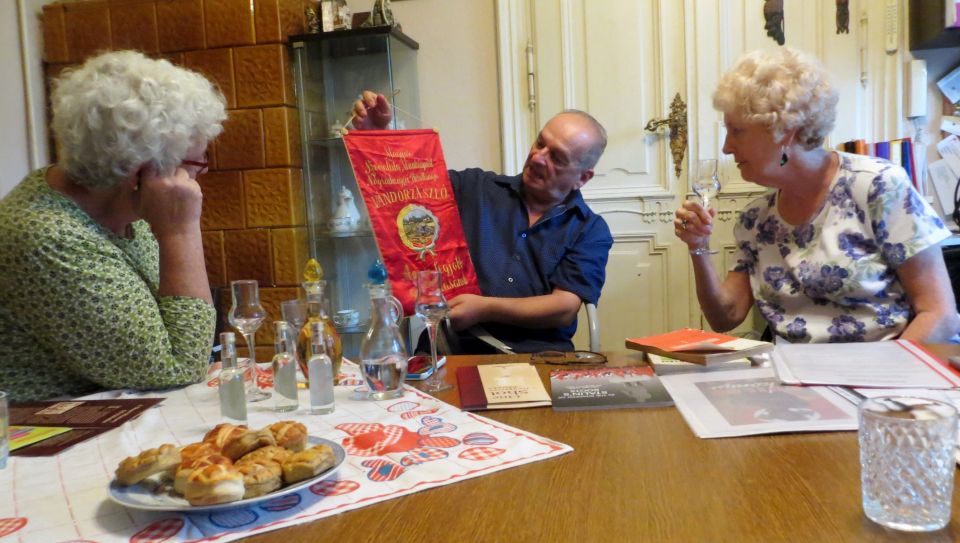
- Private-group pacing with personal presentation, printed materials, notebooks, and pens
- Plain-language explanation of how the communist system worked on multiple levels
- From theory to street reality, with reminders of the past still visible today
- Annamaria and Miklos tailor the tour to your interests and comfort level
- 3 hours is just right to learn, ask questions, and not feel rushed
Life Under Communism in Budapest: What the 3 Hours Really Cover
This tour is built for one goal: helping you understand how communism affected real life, not just big political events. You’ll move through decades—starting in the 1960s and continuing to the late 1980s—so the system doesn’t feel like one static idea. Instead, you see how the day-to-day experience changed as Hungary changed.
I like that it’s structured like a lecture plus a walk-and-talk. You’re not stuck listening the whole time. The guides bring in details of everyday life in Budapest and explain how decades of communist rule left traces you can still spot today. The interaction matters, too. You’re encouraged to ask questions and keep the pace aligned with what your group wants to understand.
The tour also keeps a balanced tone. It doesn’t just list facts and move on. You get an overview of how the system worked on multiple levels, then you get anchored examples so it’s easier to connect what you’re seeing around you with what you’re hearing. It’s history with gears.
You can also read our reviews of more tours and experiences in Budapest.



Your Meeting Point: Why Bambi Eszpresszó Changes the Whole Mood
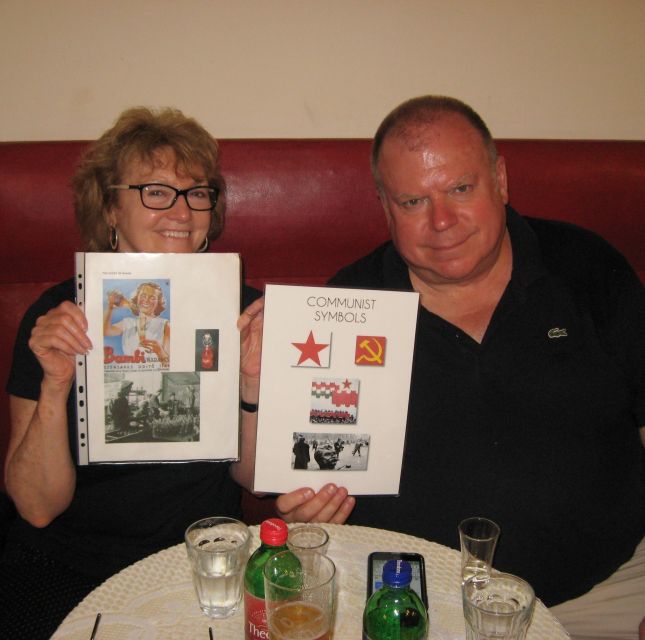
You don’t start at a museum gate. You start at Bambi Eszpresszó, described as an emblematic meeting place of the 1980s. That detail isn’t small. It’s a smart way to frame the entire experience: communism wasn’t only offices and posters. It was also conversations, routines, and where people gathered.
From your pickup, your guide meets you at your accommodation in Budapest and you head together to the first stop. That matters if you’re trying to get oriented quickly. You don’t have to figure out logistics mid-thought. You can focus on what you’re hearing.
Once you’re at Bambi Eszpresszó, the tour shifts from “learning about the past” to “standing in the right place to understand it.” The guides use that symbolic setting to bring you closer to what daily life felt like—so when later you see remnants of the communist era, your brain already has the right frame.
Practical note: bring comfortable shoes. Even though the tour is only 3 hours, you should expect walking and standing.
How the Guides Explain the Communist System Without Hand-Waving

The guides—Annamaria and Miklos—present an overview of how the communist system worked on several levels. The value here is clarity. You’ll get the big structure explained, then you’ll see how that structure showed up in everyday decisions.
Think of it like layers:
- The top layer is the system itself: how power and rules shaped what was possible.
- The middle layer is how those rules impacted services, daily routines, and social life.
- The bottom layer is the lived experience in Budapest—what people dealt with day after day.
I like this approach because it prevents a common problem with political history tours. You often learn ideology, but not daily impact. Here, the everyday examples are part of the teaching, not an afterthought.
You’ll also receive printed materials, plus notebooks and pens. That’s a subtle but real perk. It encourages you to take notes, compare what the guide says across decades, and keep your understanding organized. It turns the session into something you can actually remember and review later, instead of just letting the facts pass through your ears.
And because it’s a private group, the pace can match you. The tour can be adapted to your interests and knowledge level. That adaptability shows up in the tone: it stays conversational, with room for honest dialogue.
Everyday Life in Budapest, from the 1960s to the Late 1980s
This is where the tour becomes more than a lecture. The guides focus on the details of everyday communist life in Budapest, moving through time so you can see patterns and changes. You’re not just learning what communism was. You’re learning what it felt like to live inside it.
You can expect the guide to connect daily life to system-level logic. For example, when you hear how the system worked, the tour pushes you to ask: How did people actually manage their days? How did scarcity, rules, and institutions affect choices? How did people adapt socially and practically?
The “remnants” theme is also important. The tour doesn’t treat the communist era as finished and sealed behind glass. You’ll notice the leftover traces of that period in the city. That helps you build a mental map of history you can take with you even after the tour ends.
One thing I appreciate: the interaction doesn’t stop at the start. You have time to talk, not just listen. In practical terms, that means you can tailor the focus. If your interest is more about daily routines, ask. If it’s more about how the system shaped people’s options, ask. This tour is built to handle those different angles.
House of Terror or Statue Park: Picking the Right Ending
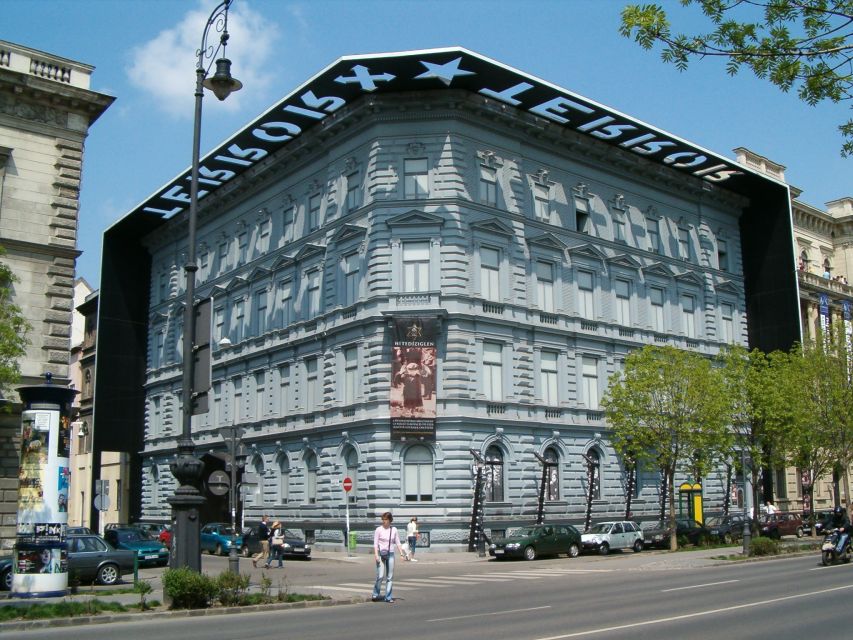
The tour is designed around life under communism, paired with House of Terror or Statue Park. Since those are different kinds of experiences, your choice changes the tone at the end.
- House of Terror tends to be the more confrontational, heavy-message option. If you want the emotional punch and the sharper reminder of repression, it’s likely the better fit.
- Statue Park tends to feel more about the visual story—how symbolism, power, and public messaging played out in concrete form. If you want that atmospheric “walk through memory” approach, it may suit you better.
Either way, the core tour theme stays the same: you’ll contrast what you’re hearing about decades of communism with the changes that came over the past fifty years. The added site helps you anchor those ideas in a place, rather than leaving the story floating in abstract terms.
If you’re deciding between the two, think about what you want your final impression to be:
- Do you want your last stop to feel like a direct warning?
- Or do you want it to feel like history made visible through symbols?
Also, since the tour mentions private group and a 3-hour duration, you’re not looking at a full-day commitment. It’s structured for impact without overload.





The Private-Group Advantage: Annamaria and Miklos Work the Room
This isn’t a large-bus situation. It’s a private group, and the guides run it that way. You can hear it in how the tour is described: it’s interactive, personal, and shaped by your group’s interests and experience level.
One of the most useful parts of a private tour is not just attention—it’s how quickly you can correct course. If you care about a specific decade, you can guide the conversation. If you want more context before you move on, you can ask. If you’d like more dialogue, there’s room for it.
There’s also a practical upside: pickup is included. Your guide meets you at your accommodation in Budapest. That reduces stress at the start, which is when tours most often feel chaotic.
And yes, there’s a chance to ride Budapest’s public transportation system during the experience. That’s not only for efficiency. It’s also a way to see parts of the city you might otherwise skip, while still keeping the day on-theme. It’s a reminder that history isn’t only something you visit. It’s something you travel through.
If you like your guides to communicate clearly and keep the discussion moving, you’ll probably enjoy this format.
Price and Value: $282 per Group Up to 5
Let’s talk value without pretending cost doesn’t matter. The price is $282 per group up to 5 for a total duration of 3 hours. That sounds simple, but here’s the useful way to think about it:
- If you’re traveling solo, you may feel the cost more.
- If you’re a small group (friends, family, or couples), the per-person cost drops quickly.
- Because it’s private and interactive, you’re paying for more than a route. You’re paying for tailored teaching, dialogue time, and a guide who can adjust pacing to your group.
You also get more “stuff” than a typical walking tour: printed materials plus notebooks and pens. Those are small items, but they support the learning style. They help you slow down enough to take notes while the guide is explaining how the communist system worked.
And since the tour includes pickup, you’re not spending energy solving logistics. That can save time and reduce the mental overhead of a half-day plan.
My bottom line: this is best value when you’re at least a couple people, and especially if you want a guided, conversation-friendly learning experience rather than just sightseeing.
Getting There, Timing, and What to Wear
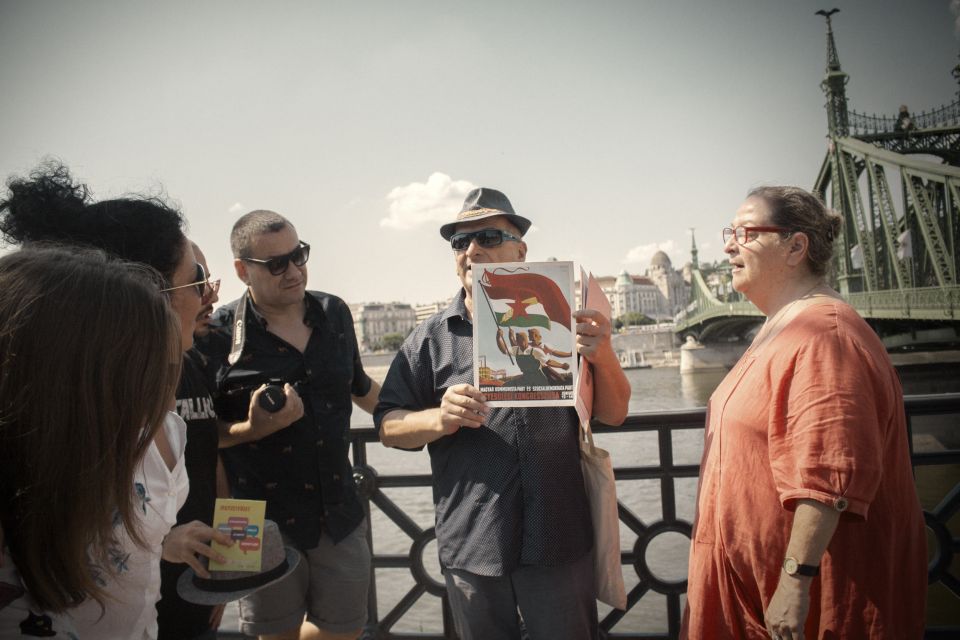
You’ll want to treat this like a walking-and-learning tour, not a sit-down lecture in a classroom forever. Wear comfortable shoes. The tour says it’s not suitable for mobility impairments, so you should assume there’s enough movement and uneven comfort that it could be difficult.
Weather matters. Dress for conditions and bring comfortable clothes. Since it’s 3 hours, you don’t want clothing that makes you miserable halfway through when your attention is focused on history.
Timing-wise, you’ll check available starting times when you book. Since you have pickup included, the easiest plan is to be ready at your accommodation so you can meet your guide without rushing.
One more practical point: food and drinks aren’t included. If you’re coming straight from breakfast or you’re planning to eat after, schedule a snack stop nearby, especially if you tend to get hungry during active tours.
Transportation is listed as not included. Since there’s a mention of using public transportation during the experience, I recommend planning to cover any transit costs your guide uses as part of the route. If that part matters to your budget, ask your guide in advance what the plan will be for getting between segments.
Who Should Book This Tour (and Who Might Skip It)
You should book this if you:
- want a guided, interactive explanation of how communism affected daily life in Budapest
- enjoy asking questions and shaping the discussion to your interests
- like private tours that don’t rush you through stops
- want an easy, focused way to learn about the 1960s to late 1980s without getting lost in dates
You might skip it if:
- you need fully step-free access or you’re at risk with walking/standing (the tour isn’t suitable for mobility impairments)
- you’re looking for a purely visual, self-paced experience instead of discussion-based learning
- you’d rather do a full museum day than a 3-hour blended session with dialogue
If you love history but hate when it turns into a memorization contest, this one usually works because it connects system and everyday life in a way you can actually remember.
Should You Book Life Under Communism with House of Terror or Statue Park?
Yes, I’d book it if you want Budapest history that explains how people lived, not just what governments did. The combo of a private group, interactive presentation, and experienced guides Annamaria and Miklos is the real draw. Starting at Bambi Eszpresszó gives you a strong atmosphere cue, and pairing with House of Terror or Statue Park helps you land the story in a real place.
Choose House of Terror if you want a more direct emotional finish. Choose Statue Park if you want the symbolism-driven side of memory. Either way, the format is designed to help you understand communism through daily life details you can picture long after the tour ends.
FAQ
How long is Life Under Communism?
It lasts 3 hours.
Where does the tour start?
The program starts at Bambi Eszpresszó.
What is the price?
It costs $282 per group for up to 5 people.
Is this a private tour?
Yes. It’s listed as a private group.
Who provides the tour?
The program is conducted by Annamaria and Miklos.
What languages are offered?
The tour guide is available in English, German, and French.
What’s included in the price?
You get an interactive, personal presentation and some printed materials, notebooks, and pens.
Is food and drink included?
No. Food and drinks are not included.
Is transportation included?
Pickup is included, but transportation is listed as not included. (Your guide may still help you make your way to stops, and you may use public transport segments.)
Is the tour suitable for people with mobility impairments?
No. It’s not suitable for mobility impairments.
Do I need to cancel far in advance?
You can cancel up to 24 hours in advance for a full refund.
What should I bring?
Bring comfortable shoes and dress for the weather with comfortable clothes.
If you tell me your group size and whether you’re leaning House of Terror or Statue Park, I can help you pick the option that fits your mood for the day.