REVIEW · BUDAPEST
Enjoy a Hungarian Strudel Class & Local Wine Tasting
Book on Viator →Operated by eatwith · Bookable on Viator
Strudel dough turns simple ingredients into magic. This Budapest class pairs hands-on strudel-making with a Hungarian white/rose wine tasting, all in a cozy home-kitchen setting near public transport.
I love that the class is open to all skill levels, so you can show up even if your rolling pin skills are… hopeful. I also love that you get lunch included while the strudels bake, plus the tasting side of Hungarian food culture. One consideration: gluten isn’t accommodated, since gluten is part of the strudel dough.
You’ll meet at Pannónia Street (Pannónia u., 1136) around the start time, then the experience runs about two hours and returns you to the same meeting spot. With a maximum of 12 people and a mobile ticket, it feels simple to fit into a day of sightseeing.
In This Review
- Key highlights you should know
- Strudel-making in Budapest: why this feels worth your time
- Meeting at Pannónia Street and settling into a real home rhythm
- From dough to three fillings: what you’ll actually make
- While the strudels bake: snacks, then lunch you don’t have to plan
- Wine tasting in Hungary: what you get and how it fits the meal
- Budapest tips from the people who actually live here
- Price and value: what $126.66 buys you in real terms
- Dietary restrictions: what you can plan for, and what you can’t
- Who should book this strudel and wine class
- Final call: should you book this experience?
- FAQ
- How long is the Hungarian strudel class and wine tasting?
- Where do we meet in Budapest?
- Is the class offered in English?
- What will I make during the class?
- Is lunch included?
- Can the class accommodate dietary restrictions?
- Is alcohol included, and do I have to be of legal drinking age?
- What is the cancellation window for a full refund?
Key highlights you should know
- Small group (max 12) keeps the class hands-on and lets you ask questions
- Zita leads the experience, with a welcoming family atmosphere
- Three types of strudel are part of the plan, with seasonal fillings
- Lunch is included, so you do not need to line up food plans that day
- Hungarian white/rose wine tasting comes with still water and Nespresso coffee
- English is available, so you can follow technique and cultural tips without stress
Strudel-making in Budapest: why this feels worth your time
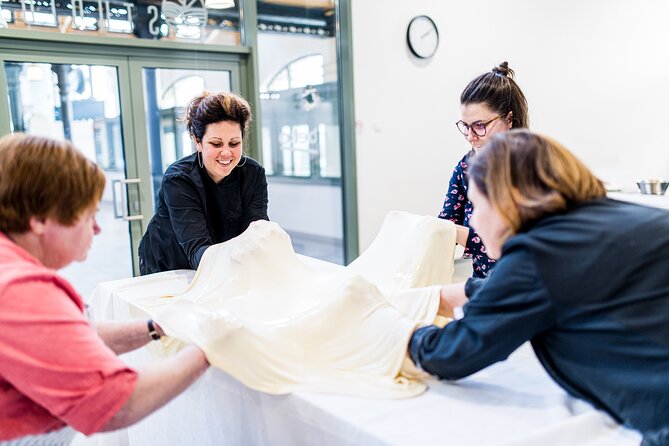
Food classes can be hit-or-miss. Some are mostly watching. Some are more about performance than learning. This one is different because the point is the work: stretching dough, assembling fillings, and getting the strudel into the oven without turning your kitchen into a disaster zone.
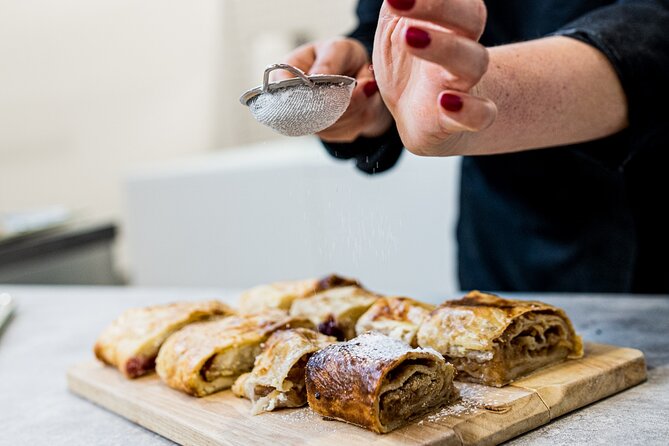
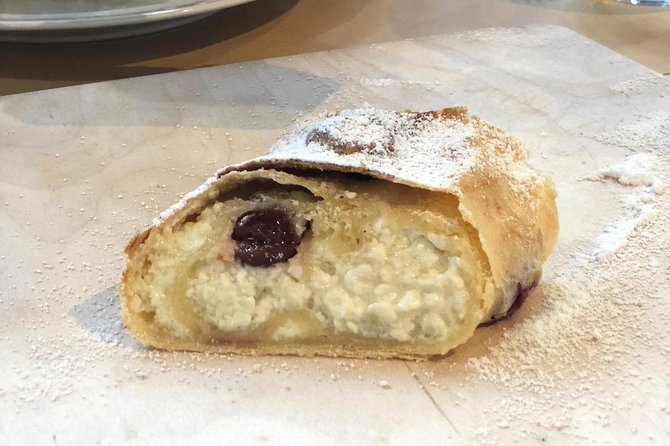
Also, it is not just sweets. The menu includes both savory and sweet strudels, with seasonal fillings like cottage cheese–sour cherry, poppy seed–zucchini, and apple–cinnamon. That variety matters because it gives you a feel for the Hungarian flavor logic: fruit and nuts show up next to dairy and gentle spices, not as random desserts.
Finally, the class includes the eating part. You do not finish with crumbs and a “good luck at home” handshake. You make the strudel, then you sit down for the baked results.
You can also read our reviews of more food & drink experiences in Budapest


Meeting at Pannónia Street and settling into a real home rhythm

The meeting point is on Pannónia Street, at Pannónia u., 1136 Hungary. It is near public transportation, which is a big deal in Budapest. You can get there without adding stress to your morning.
The class also runs on a simple loop: you start at the meeting spot, you cook and taste, then it ends back at the same place. That keeps you from losing time to transfers or getting pulled into a half-day detour.
What I like about the family-home format is the pace. One review highlights meeting multiple generations of the host family, and another describes the relaxed feeling of sitting together while the strudels bake. That’s the real value: you are not just doing a recipe. You’re learning how a Hungarian household thinks about food—when to chat, when to taste, and when to treat baking like a craft.
The group limit is 12 travelers. That size is small enough for hands-on help and big enough that you do not feel like you’re the only one with questions.
From dough to three fillings: what you’ll actually make
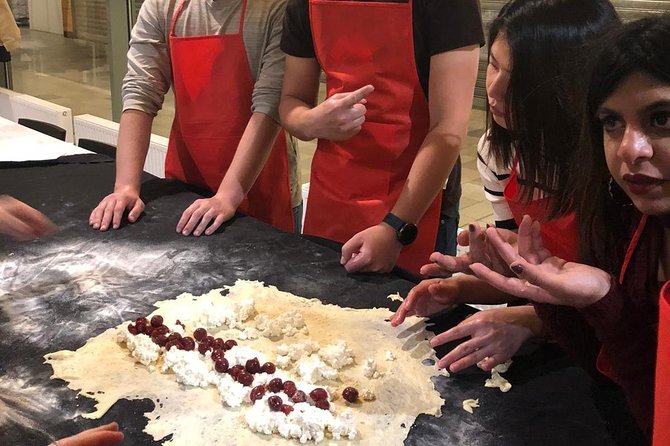
This class is hands-on and built for all levels. You might start the morning nervous about dough stretching. That is normal. The whole point is that someone shows you what good dough looks like, how it behaves, and how to handle it without panic.
The core of the experience is making homemade strudel dough and assembling different strudels. The plan includes several seasonal fillings such as:
- cottage cheese–sour cherry
- poppy seed–zucchini
- apple–cinnamon
On top of that, the class focuses on both sweet and savory styles. That means you leave with more than one flavor memory. You can better understand how Hungarian cooks balance rich fillings with dough that stays tender and flaky.
You also get guidance through the process while you work. In the reviews, people specifically call out the teaching style as making strudel feel approachable—even when they expected it to be intimidating. That lines up with the format: if you get stuck, you get help before it turns into a group standstill.
One practical note: strudel is technique-led, not “mix and bake.” So if you want to take something home, pay attention to how the dough is stretched and how the filling is portioned. Those are the parts that affect the final roll.
While the strudels bake: snacks, then lunch you don’t have to plan
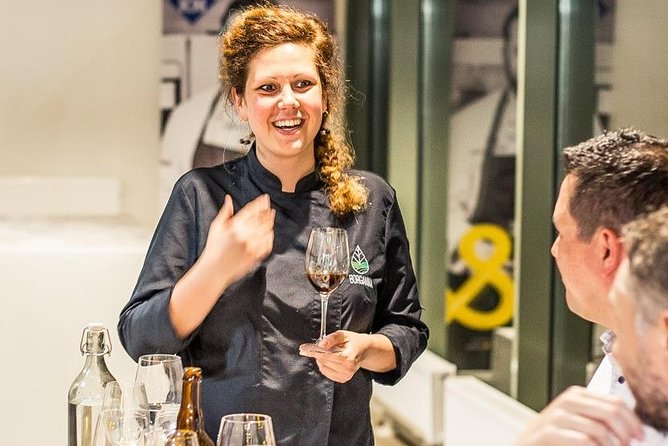
Strudel-making takes time. Dough prep and rolling are slower than cooking pasta. This tour handles that gap with a sensible structure.
While the strudels are in the oven, you get snacks. Then you move into the meal part of the class. Lunch is included, which is one of the smartest ways to keep the day simple. You do not need to hunt for a spot that matches your appetite, your route, and your budget.
The included meal is essentially what you created. In other words, you do not just learn technique. You get to taste the results immediately, while the experience is still fresh in your brain.
This also helps with learning. You can connect the “why” behind each step. Too thick in one spot? You’ll feel it. Filling leak risk? You’ll notice what worked. It’s the fastest way to turn cooking tips into repeatable muscle memory.
Wine tasting in Hungary: what you get and how it fits the meal
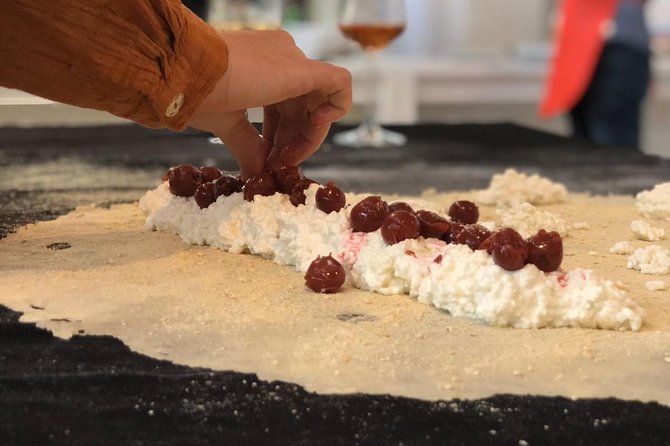
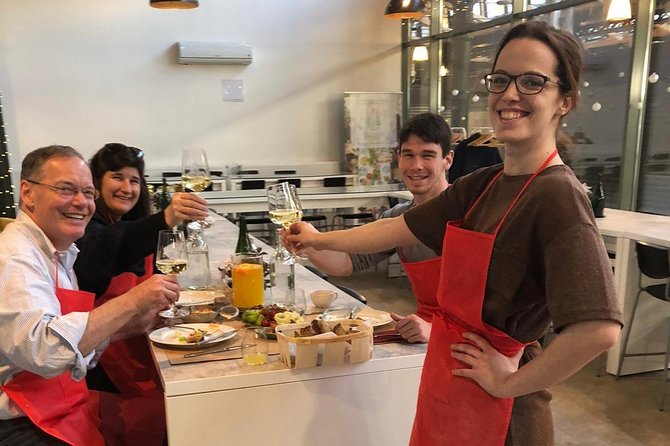
After—or alongside—the cooking, you’ll enjoy a Hungarian white/rose wine tasting. The tasting includes white & rosé wines, still water, and Nespresso coffee.
A couple of practical points for your decision-making:
- Alcohol is only served to guests of legal drinking age.
- Still water is included, so you can pace yourself without having to ask for anything.
Wine matters here because Hungarian wine culture is tied to everyday meals, not just special events. Pairing wine with the food you made helps you understand why Hungarian flavors work the way they do—how acidity cuts dairy richness, how fruit notes play with sweetness, and how savory strudel flavors can stand up to a lighter pour.
One review also mentions sampling wine and cheeses before the strudel. Even if your session sticks tightly to the stated menu, the bigger idea is consistent: it is a food-and-drink rhythm, not just a single sip and then back to cooking.
You can also read our reviews of more wine tours in Budapest




Budapest tips from the people who actually live here
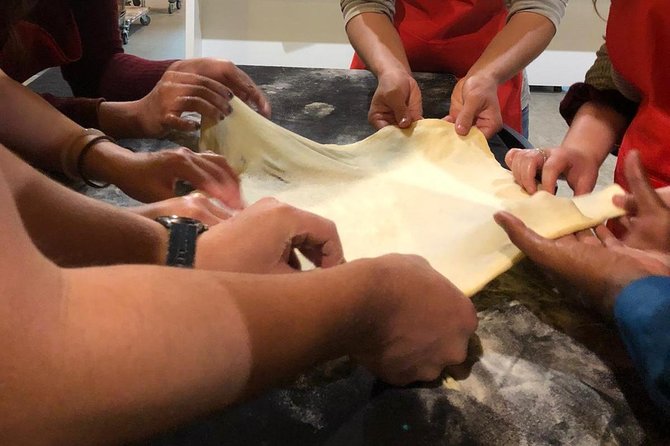
Cooking classes can be purely culinary. This one adds something extra: the host and family share advice on what to see and eat in Budapest.
That matters because you get tips in the language of real choices. It’s not a list of major landmarks only. It’s more like: here’s what to try nearby, here’s when to go, and here’s what’s worth your money.
In the reviews, people praise the chance to sit and chat with a Hungarian family in their home. That’s where you often get the best guidance: small, practical recommendations you can use right away.
So if you’re the type who likes to travel by eating, this class does more than teach dough. It gives you a better shopping-and-snacking sense for the city.
Price and value: what $126.66 buys you in real terms
At $126.66 per person for about two hours, this sits in the “you’re paying for access” category. You are not just paying for instructions. You’re paying for a whole setup: a home kitchen experience, guided technique, the ingredients and tools, and the included meal and tastings.
Here’s how the value stacks up:
- Hands-on instruction with an intentionally small group (max 12)
- You eat what you make, which is rare for cooking classes that only “sample” a bite
- Lunch is included, so you avoid additional meal cost that day
- Wine tasting is included, plus still water and coffee
Also, the group format helps keep costs down. You’re sharing the experience with others, instead of paying for a private class that may be more expensive than it sounds worth.
If you plan to buy lunch and have a wine tasting anyway, this becomes easier to justify. It turns two separate spending items into one organized afternoon with a cultural component.
Dietary restrictions: what you can plan for, and what you can’t
This is a key section for anyone with food needs.
Most special dietary requests can be accommodated, but there is an exception: gluten cannot be accommodated because it is a key ingredient in the dough. You need to share dietary restrictions and allergies at least 48 hours in advance.
So if you have celiac disease or severe gluten sensitivity, you should treat this as a firm no. If your needs are different—like certain allergies or other restrictions—the class can usually work with you, as long as you communicate early.
My advice: message your dietary details clearly, not vaguely. If the operator can adjust, they will usually need specifics to do it safely.
Who should book this strudel and wine class
Book it if you want:
- a hands-on cooking experience with guidance
- a morning or daytime activity that ends with a real meal
- a Hungarian food and wine moment that feels local, not staged
It’s also a great fit for couples, friends, and even solo travelers who like small-group interaction. The class being open to all levels makes it especially friendly if you’re not confident in the kitchen.
What might not fit you:
- If you must avoid gluten, this is not the right option.
- If you only want to watch and take photos, this may feel too active for your style.
Final call: should you book this experience?
Yes, if you want a Budapest food experience that mixes technique with a sit-down meal and local wine tasting. The best part is the way the class is built around doing the work, then eating the results immediately. Add the small group size and the family-style atmosphere, and it becomes more than a recipe lesson.
I’d skip it only if gluten is a dealbreaker. Otherwise, it’s one of those experiences that makes a city feel personal fast—by teaching you something you can taste, remember, and (with practice) repeat.
FAQ
How long is the Hungarian strudel class and wine tasting?
The experience runs for about 2 hours.
Where do we meet in Budapest?
You meet at Pannónia u., 1136 Hungary (Pannónia Street). The activity ends back at the meeting point.
Is the class offered in English?
Yes. The class is offered in English.
What will I make during the class?
You’ll make sweet and savory strudels using homemade dough and seasonal fillings such as cottage cheese–sour cherry, poppy seed–zucchini, and apple–cinnamon.
Is lunch included?
Yes. Lunch is included as part of the class while the strudels bake.
Can the class accommodate dietary restrictions?
Most dietary requests can be accommodated, except gluten, because gluten is a key ingredient. You must communicate restrictions at least 48 hours in advance.
Is alcohol included, and do I have to be of legal drinking age?
A Hungarian white/rose wine tasting is included, and guests must be of legal drinking age to be served alcohol.
What is the cancellation window for a full refund?
You can cancel up to 24 hours in advance for a full refund. Canceling less than 24 hours before the start time is not refundable.