REVIEW · BUDAPEST
Budapest All In – Full Day Tour with Lunch & Metro Pass
Book on Viator →Operated by Budapest Urban Walks · Bookable on Viator
One day can feel like a week in Budapest. This all-in full-day outing strings together the city’s biggest highlights with a guide who keeps the plan moving, usually using the metro and tram when walking gets too long. I like how the route mixes landmark photos with real “sit down and eat” time, not just sightseeing marathons.
My favorite part is the included Hungarian lunch with dessert and drinks, which turns a hectic day into something that feels human. Second, I love the small-group feel (up to 20 people), plus the practical guidance—getting from place to place without playing map Tetris. One caution: this is a lot of walking, and at several major buildings you may only see the outside; interior access can mean extra tickets.
In This Review
- Key things that make this tour worth your time
- Price and Logistics: What you’re paying for (and what to plan for)
- Meeting Point at the Hungarian State Opera House: your 9:00 AM launchpad
- Heroes’ Square, Vajdahunyad Castle, and the Széchenyi Bath stop
- Heroes’ Square: statues, symbolism, and what to notice
- Vajdahunyad Castle: the City Park centerpiece
- Széchenyi Medicinal Bath: famous water, short time, big payoff
- Andrássy Avenue, the Opera House facade, and St. Stephen’s Basilica
- Andrássy Avenue: UNESCO grandeur on a timeline
- Hungarian State Opera House: design notes to spot from outside
- St. Stephen’s Basilica: the reliquary detail to remember
- Liberty Square and the Hungarian Parliament: civic power in stone
- Liberty Square: banks, embassies, and a formal square feel
- Hungarian Parliament Building: a must-see exterior, interior is optional
- Chain Bridge to the Jewish Quarter: switching sides and viewpoints
- Széchenyi Chain Bridge: the classic Budapest line
- Great/Central Synagogue (Nagy Zsinagóga): landmark exterior, separate admission
- Castle District priorities: Matthias Church, Fisherman’s Bastion, and Buda Castle
- Matthias Church: the Assumption Church in the Holy Trinity Square area
- Fisherman’s Bastion: the viewpoint payoff
- Buda Castle: where multiple centuries sit under one name
- Central Market Hall and Shoes on the Danube: eat, then remember
- Central Market Hall: a time capsule market stop
- Shoes on the Danube Bank: Holocaust memorial with no fluff
- The lunch that turns a long day into a real break
- How the public transport plan works (and why it matters)
- Who this tour suits best
- Should you book Budapest All In?
- FAQ
- How long is the Budapest All In tour?
- Where does the tour start and when?
- Is the tour in English?
- Is admission included for all sights?
- Are the Széchenyi Baths and pools included?
- What’s included in the lunch?
- Can children join?
Key things that make this tour worth your time
- Public transport included: your guide helps you use the metro and trams instead of burning your whole day on long routes.
- Lunch is genuinely included: you get a proper meal, dessert, and drinks, not a token snack.
- Real highlights, tightly scheduled: Heroes’ Square, Parliament area, Chain Bridge, and the Castle District all fit in one day.
- Short stops at major landmarks: you get the “wow” views and photos, but don’t expect long museum-style visits.
- Széchenyi Bath stop: you’ll get time at the famous medicinal baths building and pools.
- You’ll cross both sides of the river: Pest sights first, then Buda, then a final stretch back toward the Danube.
Price and Logistics: What you’re paying for (and what to plan for)
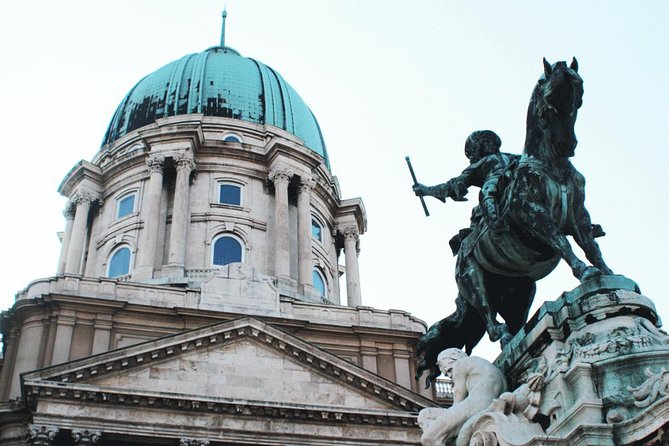
At $204.04 per person for about 7.5 hours, you’re paying for four things at once: a guide, an efficient route across two sides of Budapest, a bundle of food (lunch plus drinks plus dessert), and a metro pass included with the experience. For short-stay first-timers, that mix often beats trying to stitch together everything solo—especially when you want to hit the major icons without second-guessing transit.
The tradeoff is physical and ticket-related. This is a walking-heavy day, and it’s not framed as a slow-paced stroll. In one real example, a guest measured around 9.5 miles; plan your shoes accordingly.
Also, don’t assume you’ll enter every famous building. Some stops are described as ticket-free within the tour flow, while other key sights have admission not included. Even when the building is visible, time can be tight, and interior access may require you to buy extra tickets. My advice: treat the tour as a guided overview plus photos, then decide later what you want to go back for in depth.
You can also read our reviews of more tours and experiences in Budapest


Meeting Point at the Hungarian State Opera House: your 9:00 AM launchpad
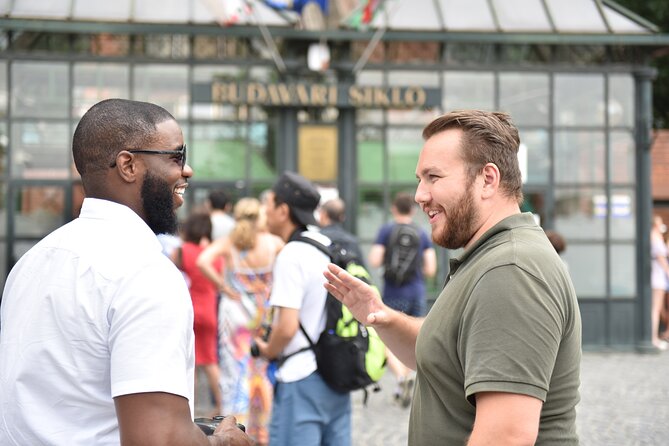
The day starts at the Hungarian State Opera on Andrássy út (address: 22, 1061). Starting here makes sense: it’s on the grand boulevard (Andrássy Avenue) and connected to public transportation, so the group can quickly swing toward the City Park side or move into the Castle District plan later.
Because it runs in all weather, you’ll want to dress for rain and wind. Budapest in a sudden drizzle isn’t unusual, and the guides here are used to working around it using metro and trams rather than canceling the plan.
Heroes’ Square, Vajdahunyad Castle, and the Széchenyi Bath stop
This is a strong opening because it sets the tone for Budapest: monumental, scenic, and very “postcard Hungary.”
Heroes’ Square: statues, symbolism, and what to notice
You’ll spend time at Heroes’ Square (Hősök tere), one of Budapest’s major civic plazas. Look up at the statue complex with the Seven chieftains of the Magyars and other Hungarian leaders, and don’t forget the Memorial Stone of Heroes nearby. A fun detail: it’s often mistaken for the Tomb of the Unknown Soldier—so now you’ll know what you’re looking at.
Even if you only have about 10 minutes, that’s enough time to photograph the full composition and get the quick historical context your guide provides.
Vajdahunyad Castle: the City Park centerpiece
Next comes Vajdahunyad Castle (Vajdahunyad vára) in City Park. This castle is tied to the 1896 Millennial Exhibition, created to mark 1,000 years since the Hungarian conquest of the Carpathian Basin in 895. What matters for you on a tour day: it’s a perfect background for photos, and it anchors the park area before you head into transit again.
You can also read our reviews of more tours and experiences in Budapest




Széchenyi Medicinal Bath: famous water, short time, big payoff
Then you’ll reach Széchenyi Baths and Pool. This stop is special because Széchenyi is described as the largest medicinal bath in Europe, fed by two thermal springs. The water temperatures are listed as 74°C and 77°C, which helps explain why this place feels like a warm oasis even when the weather is chilly.
The time is brief, so treat it like a “try the vibe” visit rather than a full spa day. If you want to actually use the pools, come prepared with swimwear. If you’re only there for the atmosphere and architecture, the stop still gives you the signature Budapest bath experience in a schedule-friendly way.
Andrássy Avenue, the Opera House facade, and St. Stephen’s Basilica
After the City Park zone, the route returns to the grand boulevard energy.
Andrássy Avenue: UNESCO grandeur on a timeline
Andrássy Avenue (Andrássy út) links Erzsébet Square to Városliget, dating back to 1872. The building rhythm is part of the show—Neo-renaissance mansions and townhouses line the street, and it was recognized as a World Heritage Site in 2002. On a walking day, it’s a relief to have a visually rich corridor where every block has something to look at while you move between stops.
Hungarian State Opera House: design notes to spot from outside
You also stop by the Hungarian State Opera House on Andrássy út. It’s neo-Renaissance in style and associated with architect Miklós Ybl, a major figure in 19th-century Hungarian architecture. Even if you don’t go inside, you can still appreciate the overall form and historic character of the building from the street.
St. Stephen’s Basilica: the reliquary detail to remember
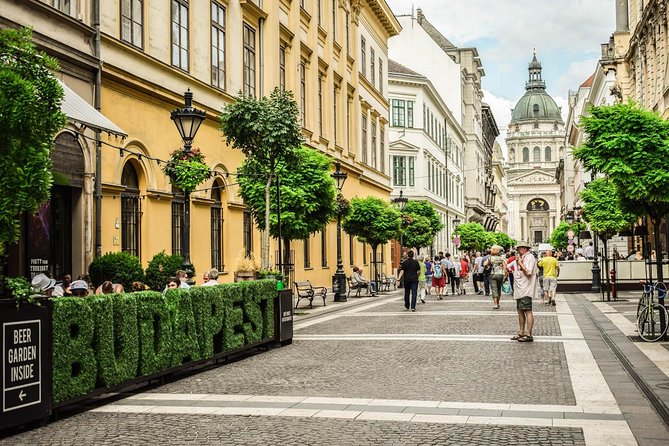
At St. Stephen’s Basilica (Szent István-bazilika), the big “why it matters” fact is the dedication. It’s named for Stephen, the first King of Hungary, and his right hand is housed in a reliquary. The tour notes that admission is not included here, so if you want interior time, plan for extra ticket cost and a separate decision about whether the inside is worth your limited day-hours.
Liberty Square and the Hungarian Parliament: civic power in stone
Budapest can go from pretty to serious fast, and this part of the day leans into the serious.
Liberty Square: banks, embassies, and a formal square feel
Liberty Square (Szabadság tér) sits in the Lipótváros district and has a business-residential mix. You’ll see landmarks on the western side, including the United States Embassy and the historicist Hungarian National Bank headquarters. This stop is more about context—understanding where government and finance live in the city’s layout.
Hungarian Parliament Building: a must-see exterior, interior is optional
Then you reach the Hungarian Parliament Building (Országház). It’s the seat of the National Assembly and one of Hungary’s top tourist landmarks. The tour indicates admission is not included, so expect exterior time and photo angles rather than a full guided tour of the chambers.
If Parliament interior is high on your list, don’t wing it. Make your decision early so you don’t waste time later when the group is moving.
Chain Bridge to the Jewish Quarter: switching sides and viewpoints
Now you cross the Danube, and the city’s vibe changes in a visible way.
Széchenyi Chain Bridge: the classic Budapest line
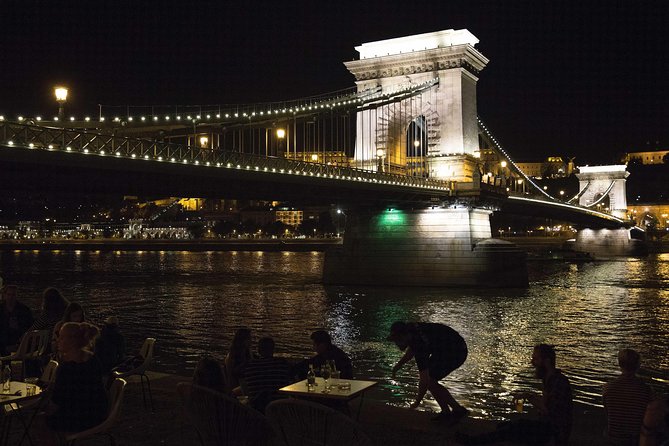
At Széchenyi Chain Bridge, you’re spanning the Danube between Buda and Pest. This is one of those stops where even a quick photo time gives you a real sense of the geography: the river cuts the city into two distinct worlds, and the bridge is the connecting backbone.
Great/Central Synagogue (Nagy Zsinagóga): landmark exterior, separate admission
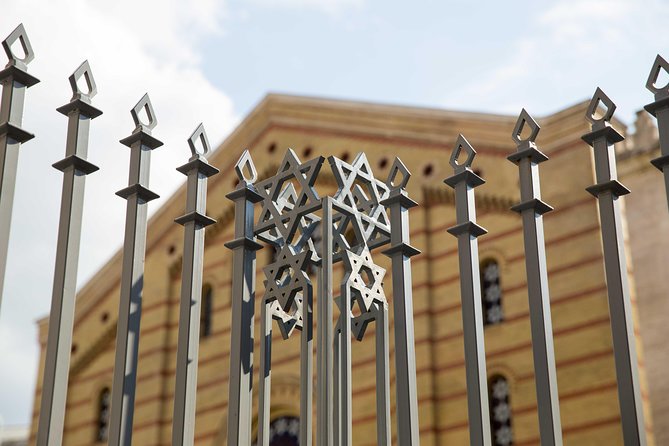
Next is the Great Synagogue, also known as the Dohány Street Synagogue, located in Erzsébetváros (District VII). The tour notes that admission is not included, so plan on exterior viewing rather than assuming you’ll walk in. If the synagogue interior is important to you, ask your guide about best timing during the day so you’re not scrambling later.
Castle District priorities: Matthias Church, Fisherman’s Bastion, and Buda Castle
This is the part many people come for—Budapest’s famous “castle hill” visuals, stacked in one compact route.
Matthias Church: the Assumption Church in the Holy Trinity Square area
You’ll stop by Matthias Church (Mátyás-templom), officially the Church of the Assumption of the Buda Castle. It’s in the Holy Trinity Square area, near the Fisherman’s Bastion. The tour suggests it’s sometimes referred to as the Coronation Church of Buda, which is a useful clue for understanding why people photograph it again and again.
Fisherman’s Bastion: the viewpoint payoff
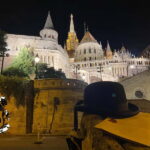
Then comes Fisherman’s Bastion (Halászbástya), one of Budapest’s most recognizable lookouts. The key reason to prioritize it: the panoramic terraces. Even if you don’t spend long, this stop is built for “turn around, look at the river, then look back at the city” moments. It’s a classic Budapest skyline scene.
Buda Castle: where multiple centuries sit under one name
Finally in the Castle District, you reach Buda Castle. The site traces back to the 1200s, with completion dates noted as 1265, while the Baroque palace visible today was built between 1749 and 1769. That timeline matters because it explains why the area feels layered rather than uniform.
This stop is short, so focus on getting oriented. If you plan to explore the Castle District after the tour ends, this gives you the spatial map you’ll need.
Central Market Hall and Shoes on the Danube: eat, then remember
Two of the final stops connect Budapest’s everyday life with the city’s heavier memories.
Central Market Hall: a time capsule market stop
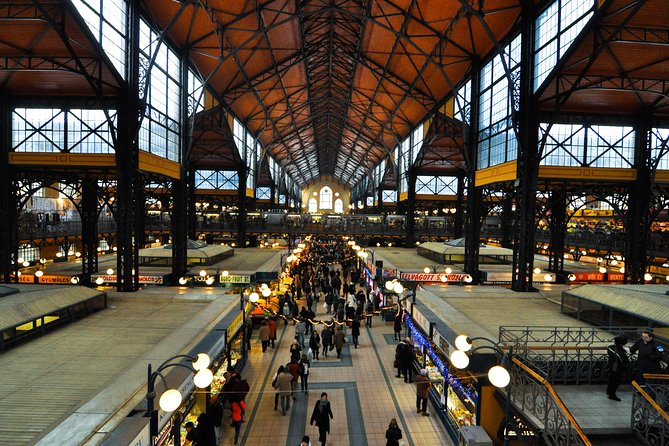
At Central Market Hall (Nagyvásárcsarnok), you get a longer stretch of time—around 30 minutes. It’s the largest and oldest indoor market in Budapest, with the building idea tied to Károly Kamermayer, the city’s first mayor. The hall’s opening is recorded as February 15, 1897. Even if you don’t buy much, it’s a good place to pause, browse, and reset your energy.
Shoes on the Danube Bank: Holocaust memorial with no fluff
Then you reach Shoes on the Danube Bank, a Holocaust memorial dedicated to Jews murdered by fascist Hungarian militia connected to the Arrow Cross Party during World War II. This isn’t a “quick photo and move on” stop, even if the schedule time is short. It’s one of those places where a couple of minutes of quiet attention adds meaning to the entire day’s sightseeing.
The lunch that turns a long day into a real break
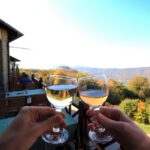
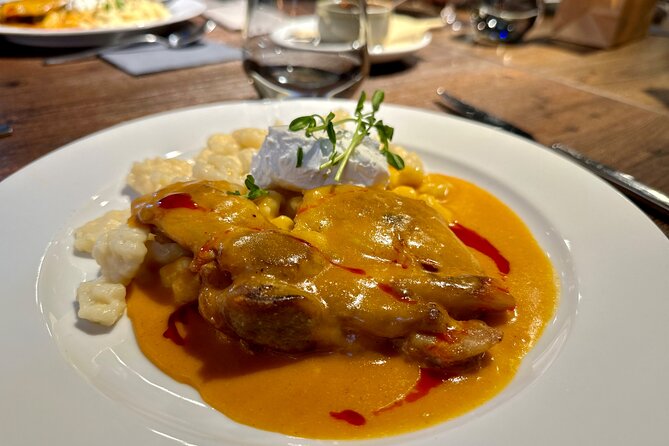
Lunch is one of the biggest reasons this tour feels worth it. Your meal includes lunch plus traditional Hungarian dessert, and alcoholic beverages are included.
That dessert + drinks part matters because a full walking day can otherwise turn into constant grazing. Here, you get a real break midway through the day, plus a restaurant setting chosen for the time constraints of the schedule.
Two practical notes:
- Alcohol is included, but the tour lists a minimum drinking age of 18.
- Lunch is described as preset with no substitutions, so if you have dietary restrictions, contact the provider before you go.
In past groups, guides like Zoltan, Emese, Fanni, and Odea have been praised for keeping the meal break easy and on time, even when the day is wet or hectic.
How the public transport plan works (and why it matters)
The best part of a big highlight tour isn’t just the sights. It’s the logistics you don’t have to think about.
This day uses public transportation—metro, tram, and bus. Your metro pass is part of the package, and your guide accompanies you so you’re not guessing which line goes where. That’s especially useful for a city like Budapest, where the distances can surprise you and where staircases and hills stack fast.
If the weather is bad, don’t fight the day. Let the guide steer you. One smart tip from real tour experiences: if you want extra metro freedom for afterward, consider picking up a separate 24-hour metro pass at a station. (One guest mentioned it was 2500 forints.) That way your post-tour plans aren’t trapped inside the tour’s schedule.
Who this tour suits best
Book this if you want:
- A first-timer’s overview with major highlights laid out in one day
- A guided plan that includes food and drinks, not just walking
- Comfort with public transit and a schedule that moves fairly quickly between stops
- A chance to get your bearings for a longer Budapest stay (then you return later for the interiors you care about most)
If you hate walking, or you only want interior visits at every landmark, you might feel frustrated by the short stop times and the fact that some entrances are not included.
Should you book Budapest All In?
I think it’s a strong choice if your goal is to see as much of Budapest’s big-picture story as possible in limited time. The lunch and dessert help a lot, and the guide-supported metro/tram approach is a real value add.
Just go in with the right expectations: plan for a long walking day, expect mostly exterior viewing at several famous buildings, and treat any interior entry as an optional upgrade you decide on with your guide. If that fits your style, this tour is one of the most efficient ways to sample Budapest’s two-city personality—Pest’s civic grandness and Buda’s castle views—in a single day.
FAQ
How long is the Budapest All In tour?
It runs for about 7 hours 30 minutes.
Where does the tour start and when?
It starts at 9:00 am at the Hungarian State Opera (Andrássy út 22, 1061 Hungary). The tour ends back at the same meeting point.
Is the tour in English?
Yes, it’s offered in English.
Is admission included for all sights?
Not all admissions are included. Some stops note admission ticket not included (for example St. Stephen’s Basilica, the Parliament Building, the Opera House, and the synagogue area), while other stops are marked as ticket free.
Are the Széchenyi Baths and pools included?
The stop at Széchenyi Baths lists admission ticket free, meaning it’s included in the tour flow.
What’s included in the lunch?
Lunch is included, along with traditional Hungarian dessert and alcoholic beverages.
Can children join?
Children must be accompanied by an adult. The tour also notes that most travelers can participate.