REVIEW · BUDAPEST
Budapest Private Full Day City Sightseeing Tour Walking or by Car
Book on Viator →Operated by Tourist Angel · Bookable on Viator
Budapest in one day, with real flexibility. This private full-day tour strings together the biggest sights on both sides of the Danube, with enough control to steer your day toward what you care about most. It’s also built for pacing that feels human, not like a conveyor belt.
I love the private guide setup: you can ask questions, pause for photos, and adjust what you do next instead of being stuck with a rigid group script. I also love the mix of stops, from Saint Stephen’s Basilica and the Parliament area to the Shoes on the Danube Bank memorial and the Central Market Hall food-and-photo break.
One thing to plan around is that the day is packed with major points, and several churches can be closed for services (especially Sunday mornings). If you’re not into walking cobblestones and stairs—particularly in Castle Quarter—you may want the car option or ask for more time at fewer stops.
In This Review
- Key things to know before you go
- A Private Day That Actually Feels Personal
- Walking, Metro, and the Car Option: How You’ll Get Around
- St. Stephen’s Basilica to Szabadság tér: Start With Hungary’s Core Symbols
- Parliament Area, Kossuth Lajos Square, and the 1956 Freedom Thread
- Shoes on the Danube Bank: The One Stop You’ll Remember for a Long Time
- Central Market Hall: Where to Find Real Budapest Snacks
- The Oldest Hungarian Museum Building and the City-Center Junction
- Buda Castle Quarter: Panoramas and Old Streets That Feel Like Another City
- Fisherman’s Bastion and Matthias Church: Gothic, Views, and Possible Indoor Time
- Heroes’ Square and the Millennium Monument: The Big Symbols in a Big Space
- Vajdahunyad Castle and City Park: A Break From the Monuments
- Passing Szechenyi Baths and Riding Andrassy Avenue’s Historic Rail
- Hungarian State Opera House: A Famous Facade Without the Ticket Pressure
- Price and Value: What $181.48 Really Buys You
- Best Fit: Who This Tour Works For (and Who Should Rethink)
- Should You Book This Budapest Private City Tour?
- FAQ
- How long is the Budapest private city sightseeing tour?
- Is this tour private or shared?
- Do I get hotel pickup and drop-off?
- What language is the tour offered in?
- Is the tour mostly walking or driving?
- Are public transport tickets included?
- Which church entries are included?
- Is lunch included?
- Are the churches open every day?
- What should I wear for church stops?
Key things to know before you go
- Private pacing: your guide can shape the order and time you spend.
- Two transport modes: walking + public transit, or an upgraded driving tour.
- Tickets that matter: Basilica and Matthias Church entries can be included on request.
- A strong emotional center: the WWII Shoes memorial and the 1956 freedom story are part of the route.
- Food time built in: the Central Market Hall stop is long enough to snack or shop.
- Dress for churches: shoulders and legs covered is required.
A Private Day That Actually Feels Personal
If you want a great first pass at Budapest without feeling trapped, this is the kind of tour that makes sense. It covers major monuments in one loop, yet it’s still private, so you’re not stuck waiting for someone to remember where the meeting point is.
Your guide is a licensed professional, and the tour is designed so you learn the stories behind what you’re seeing. One day can cover both Pest and Buda, plus viewpoints that explain how the city sits along the river. In practice, this means you get context fast: why the big buildings look the way they do, and why these squares and streets matter.
There’s also real flexibility baked in. You can explore on foot and use public transit during part of the day, or choose an option that leans more on a car. If you have mobility limits or just don’t want to climb as much, that choice can make the whole day feel easier.
You can also read our reviews of more city tours in Budapest


Walking, Metro, and the Car Option: How You’ll Get Around
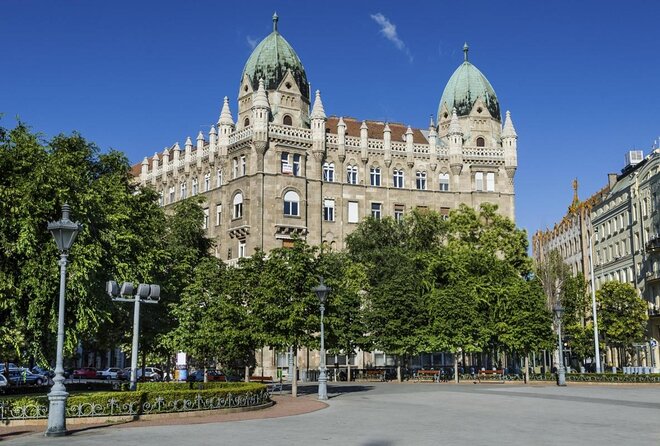
Budapest can feel like two different worlds: Pest is the broader city of boulevards and energy, while Buda is higher, older, and hillier. This tour helps you cross that divide without doing a ton of figuring-out.
You’ll have two ways to move:
- Walking + public transit (public transport tickets aren’t included, so budget for that if needed).
- Upgrade to a driving tour for shorter walking stretches and a smoother ride between stops.
You’ll still do walking, though. The itinerary includes places like Buda Castle and the Matthias Church area, which means cobblestones, stairs, and uneven ground. If you’re even mildly concerned about comfort, consider the car option early rather than hoping you’ll manage everything on foot.
One more logistics note: there’s mention of an iconic bridge under renovation during 2021–2022. That kind of work can affect routes and timing, so expect your guide to work with the street realities of the day rather than treating the map as perfect.
St. Stephen’s Basilica to Szabadság tér: Start With Hungary’s Core Symbols
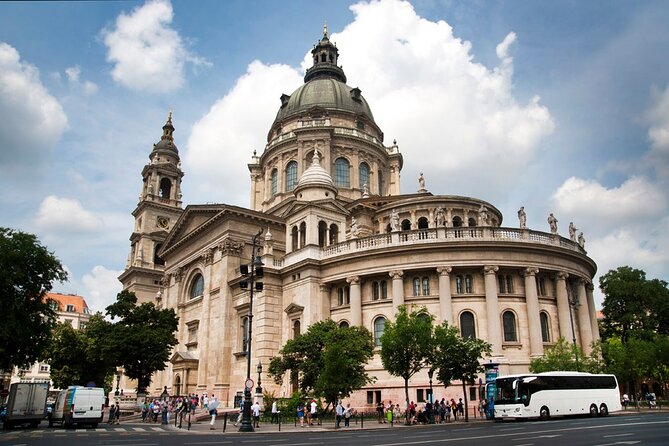
The day opens at St. Stephen’s Basilica (Szent István Bazilika). This isn’t just a pretty church stop; it’s tied to the story of Hungary’s first king, and you’ll see how the building remembers him. The Basilica is open daily except for Sunday morning religious services, so your timing matters if your trip includes Sunday.
What you’ll want to notice here:
- Statues and frescoes that fill in the religious and national symbolism.
- The unusual detail connected to the first king’s memory, including the famous mummified right hand.
Then the tour moves to Szabadság tér, a compact but heavy-hitting square. You’ll see monuments tied to the Nazi and Soviet occupations, and the dictatorships that shaped the 20th century here. In warmer season, there’s also mention of a fountain—so you might catch a more playful visual moment before the mood shifts again.
This is a smart early sequence. It gives you a baseline: sacred Hungary first, then the political machinery that followed.
Parliament Area, Kossuth Lajos Square, and the 1956 Freedom Thread
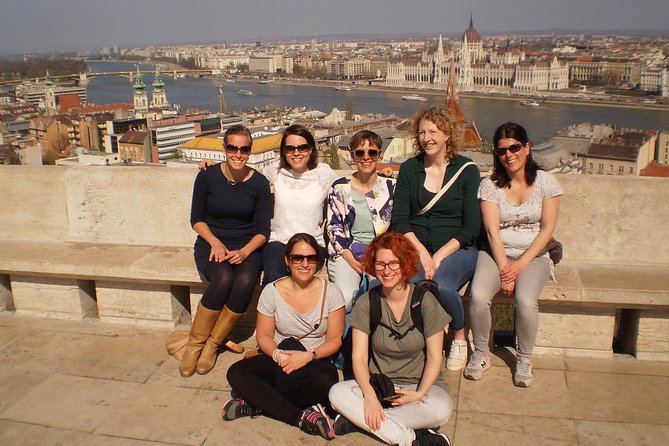
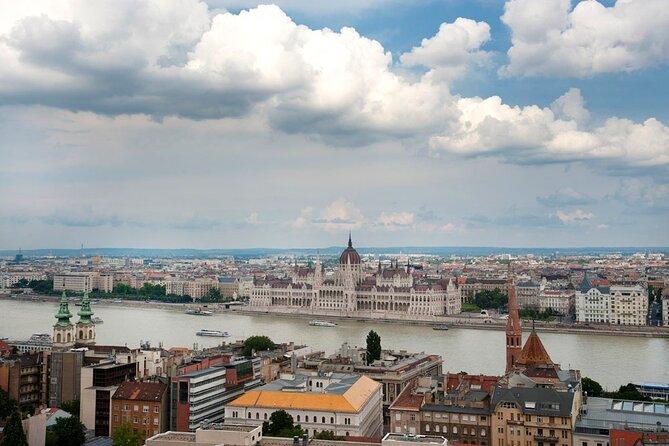
After Szabadság tér, you’ll reach the area around the Hungarian Parliament Building. The exterior viewing window is short (about 20 minutes), and the ticket to go inside isn’t included. Still, it’s worth using that time to take in scale and angles—this is one of those buildings where your brain needs a moment to register what you’re looking at.
From there, you’ll move to Kossuth Lajos Square, where the focus turns to the freedom heroes and the 1956 revolution against Communist dictatorship. This stop is brief, but it’s purposeful. It adds a specific date and a specific struggle, so the earlier occupation monuments don’t feel abstract.
If you like your history with names and dates, this part of the route is satisfying. If you’re more visual than narrative, your guide can still point you to what to photograph and what to notice on the facades and statues.
Shoes on the Danube Bank: The One Stop You’ll Remember for a Long Time
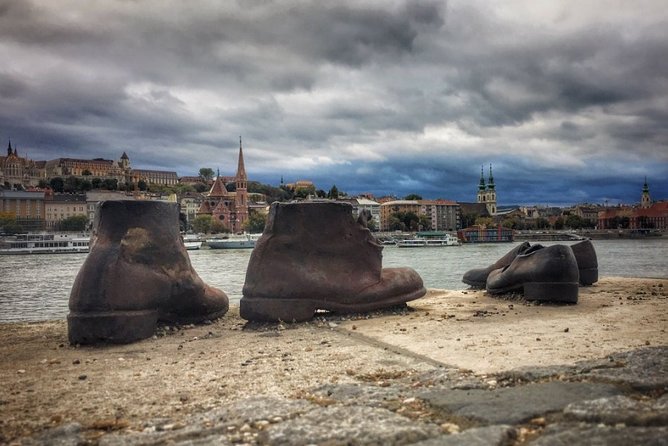
Then comes Shoes on the Danube Bank—one of the most direct WWII memorials in Europe. It’s described as a shocking monument tied to local Jewish martyrs of the genocide.
Plan for this stop emotionally and practically. It’s only about 20 minutes, but it’s the kind of place where you’ll slow down. If you’re traveling with kids or sensitive companions, you might want to ask your guide how they handle the tone, since the subject is intense.
I like that the tour doesn’t rush past it. It’s an anchor point. Once you’ve seen it, the river feels different. The Danube stops being just scenery and becomes a witness.
You can also read our reviews of more private tours in Budapest





Central Market Hall: Where to Find Real Budapest Snacks
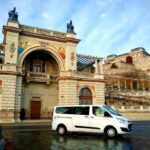
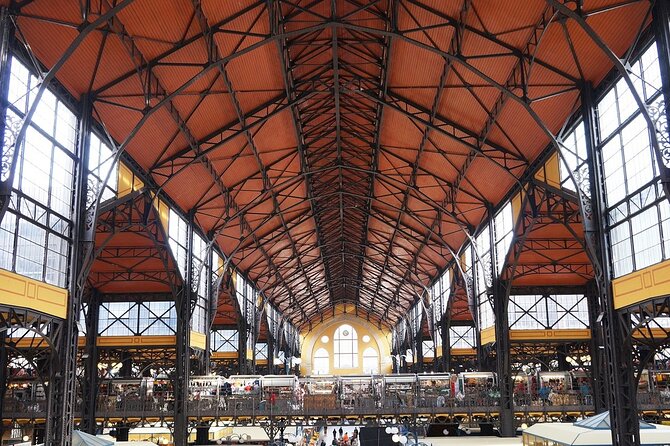
Next is Central Market Hall, which is one of the best “walk-and-browse” stops you can make in one day. You’ll get architecture outside and inside the market, then time with hundreds of vendors and souvenir stalls.
The key advantage here: you get around 40 minutes, which is long enough to do either of these:
- quick snack tasting plus a souvenir wander
- a focused shopping mission for paprika, small food gifts, or pantry-worthy items
If you’re hungry, this is a good place to eat. The tour also allows an optional one-hour lunch break, though that may not count within the core duration. If you want a proper sit-down meal, pick a spot near the market and plan it with your guide’s schedule.
This market stop also works as a reset. You go from heavy memorials to something that feels everyday and local.
The Oldest Hungarian Museum Building and the City-Center Junction
Between the market and the river crossing, you’ll pass the captivating building of the oldest Hungarian museum. The entry details aren’t spelled out, but simply seeing the exterior and having a guide connect it to Budapest’s cultural development helps the day feel more than just postcard views.
Then you’ll reach a central traffic junction—the kind of hub where it becomes obvious how you can enter Pest’s old town and also reach the Inner City commercial and touristy area. This is a useful stop even if you don’t linger. It helps you understand orientation.
In a tour with lots of monuments, orientation is underrated. Once your brain maps the “where’s what” from one strong viewpoint, the rest of the day lands more cleanly.
Buda Castle Quarter: Panoramas and Old Streets That Feel Like Another City
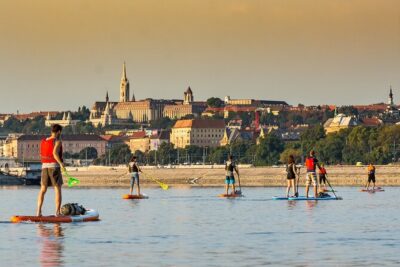
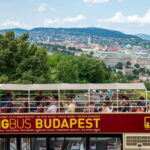
Now you cross the river to Buda Castle. The tour calls this the moment where you’ll get the best panoramic view of the city. That part is why this stop is worth the time: Budapest’s layout makes more sense from above.
You’ll also enter Castle Quarter, described as the oldest district with cute medieval dwelling houses. Even if you don’t obsess over medieval architecture, this area delivers atmosphere fast. You’ll feel the age in the streets.
The practical detail: the Castle Quarter can involve uneven ground and some walking between overlooks. If you’re opting for comfort, mention it early to your guide. A good guide will help you choose which angles are worth the steps.
Fisherman’s Bastion and Matthias Church: Gothic, Views, and Possible Indoor Time
After Buda Castle comes Fisherman’s Bastion, one of the city’s most famous viewpoints over the Danube. The stop is short (about 15 minutes) and the ticket to go inside isn’t included, but the point is clearly the panorama. This is the place where you’ll take the photo you’ll keep.
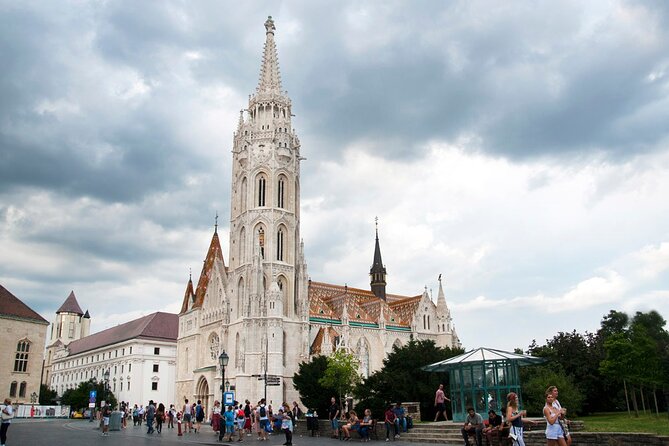
Then you shift to Matthias Church, where Gothic style takes over. There’s a walk-around component (about 30 minutes), and it’s noted that you can request an inside visit with your guide.
Here’s what you need to watch for:
- It can be closed on Sunday mornings due to religious service.
- It may also be closed on Saturdays because of weddings.
So if your schedule lands on those days, build flexibility. Your guide can often work around it, but you’ll still want to plan for the possibility that the inside may not be available.
If the church is open, this is one of the most satisfying “up close” moments of the day. You’ll see the rich artworks and a small historical exhibition on the upper floor (when the interior visit is possible).
Heroes’ Square and the Millennium Monument: The Big Symbols in a Big Space
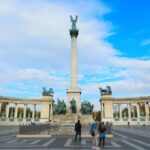
Next is Heroes’ Square, the largest square in Budapest, with about 20 minutes here. This stop is built around scale: the Millennium Monument in the center and, on both sides, arts and fine arts museum buildings.
From there, you also get time specifically at the Millennium Monument—including the unknown heroes’ grave and statues of leaders and kings in the colonnades.
If you’ve ever felt that statues in city squares blur together, this stop helps. The monument tells you how Hungary wants to remember itself: leaders, continuity, and national identity stacked into stone.
Vajdahunyad Castle and City Park: A Break From the Monuments
Then you head to Vajdahunyad Castle in City Park, described as the oldest public park in the world. The tour includes a walk over a bridge to reach an island on the lake, where the castle sits.
You’re given about 30 minutes, and the focus is on the courtyard and the idea that the castle shows copies of buildings representing different periods and styles of Hungarian architecture. If the memorials and palaces start to blur, this stop refreshes your eyes. It’s lighter, more playful, and easier to enjoy without needing every historical detail.
There’s also time at Anonymus Szobor, a statue in the inner courtyard. It’s tied to Anonymus, described as the first Hungarian history writer from the 12th century.
Passing Szechenyi Baths and Riding Andrassy Avenue’s Historic Rail
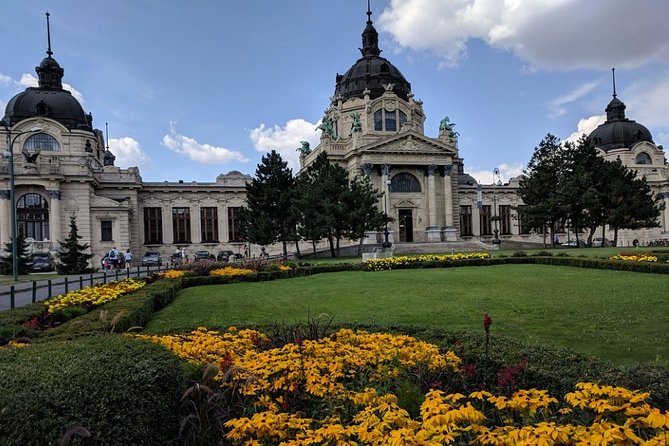
You’ll pass by the main building of Szechenyi Baths, said to be the largest thermal bath of Europe, with a quick look through windows at the outdoor pools and people swimming in warm water.
You’re not stepping into the baths during this stop (time is brief), but it still works. It puts Budapest’s thermal culture on your mental map so you can decide later if you want a soak day.
Then you’ll admire Andrassy Avenue, a historic thoroughfare with the Millennium Subway (Metro line 1) under it, including preserved original stations. This is one of those “you have to see it” stretches: it links the city’s elegance to its transport story.
Hungarian State Opera House: A Famous Facade Without the Ticket Pressure
The tour includes Hungarian State Opera House (Magyar Állami Operaház) as a short stop, with about 15 minutes. Admission isn’t included, so you’re mostly enjoying architecture and learning the basics: history, design, and artworks.
If you’re an opera person, you’ll probably want a separate ticket another day. If you’re not, it still gives you a taste of the city’s artistic side without locking you into a schedule.
Price and Value: What $181.48 Really Buys You
At $181.48 per person, the price isn’t just “someone driving you around.” You’re paying for a private guide, hotel pickup/drop-off, and entry to specific church sites when requested.
What stands out as value:
- Hotel pickup and drop-off: eliminates the time cost of getting to/from the meeting point area.
- Church entries on request: St. Stephen’s Basilica and Matthias Church can be included.
- Private control: you can adjust your order and pacing rather than sacrificing your day to a group timetable.
- Time-efficient loop: you cover both river sides and key landmarks in one organized stretch.
Now the tradeoff: because the day is packed, it’s not the best choice if you want slow wandering and lots of downtime. This tour is for people who want a strong overview plus enough detail to understand what they’re looking at.
Also remember what’s not included. Public transport tickets aren’t included, and several major sights (like Parliament interior and Fisherman’s Bastion interior) aren’t listed as included. So you’ll likely spend a little extra depending on what you choose to do inside versus outside.
Best Fit: Who This Tour Works For (and Who Should Rethink)
This tour is a good fit if you:
- want the top sights in one day without building your own route
- like a guide who can connect architecture, religion, and politics
- need hotel pickup so you can start fresh and not waste morning time
It’s also a great option if you care about the emotional edges of Budapest, not only the pretty ones. The day includes occupation monuments and the WWII memorial on the Danube, plus the 1956 freedom story—so you walk away with more than skyline photos.
Consider skipping or adjusting if you:
- struggle with stairs and uneven surfaces in Castle Quarter
- need lots of free time in cafés or parks
- are traveling on a day when churches may be closed for services, and interior access matters a lot to you
A smart move: if you’re unsure, choose the car option. Even if you still plan to walk around viewpoints, reducing long transfers can make the day feel lighter.
Should You Book This Budapest Private City Tour?
Yes—if you want a strong, structured day that still feels personal. The biggest reason to book is the blend: major landmarks, Danube memorial weight, and a market stop that gives you something to do with your stomach as well as your camera.
I’d book it early if you’re picky about language or timing. The tour notes that it’s often booked around two months in advance, which is a sign that dates can go fast.
If you want to be efficient and you’re okay with a full itinerary, this is a solid way to get your bearings fast. Just go in expecting a lot of stops—and dress for church areas so you don’t lose time at the door.
FAQ
How long is the Budapest private city sightseeing tour?
It runs about 7 to 8 hours.
Is this tour private or shared?
This is a private tour, meaning only your group participates.
Do I get hotel pickup and drop-off?
Yes. Pickup and drop-off are offered, and there’s no extra fee. The pickup location is handled through the hotel reception desk or in front of your accommodation.
What language is the tour offered in?
It’s offered in English, and other options include French, German, and Italian if you select that option.
Is the tour mostly walking or driving?
You can choose a walking or by-car format. One option uses walking plus public transit, and there’s an upgrade for more driving.
Are public transport tickets included?
No. Public transport tickets are not included.
Which church entries are included?
Entry is included for St. Stephen’s Basilica and Matthias Church if you request church stops.
Is lunch included?
An optional one-hour lunch break is possible, and it may be excluded from the tour duration.
Are the churches open every day?
St. Stephen’s Basilica is closed on Sunday mornings for religious services. Matthias Church can be closed on Sunday mornings and sometimes on Saturdays due to wedding ceremonies.
What should I wear for church stops?
The tour requires covering your legs and shoulders in church areas. It also notes the tour runs in all weather, so dress appropriately.