REVIEW · BUDAPEST
Budapest: Best of Downtown and Jewish Quarter Tour
Book on GetYourGuide →Operated by Gábor Glasner · Bookable on GetYourGuide
Budapest’s Jewish Quarter stories hit different. This 2.5-hour guided walk links major Downtown sights to the city’s Jewish Quarter, with a guide explaining Hungarian history and daily life along the way. I especially like the structure: you get quick photo stops at big monuments plus a longer Jewish District segment for real context. One thing to consider: the tour is in German and you stay outside—there are no interior visits.
You’ll start at the statue of Gyula Andrássy and move through a classic Downtown route built from the late-1800s and early-1900s look, including banking landmarks and the area around St. Stephen’s Basilica. I also like that the guides focus on small, useful details, not just dates—people in the German-language group praised the anecdotes and the way the city feels more understandable after the walk. A possible drawback: if you want lots of inside-the-building time, this isn’t your tour.
Expect a lively end point too. The walk finishes at Szimpla Kert, right by Kazinczy Street, with plenty of cues for where to eat and drink next—plus a digital restaurant guide with 12 sites. If you’re traveling solo, in a small group, or just want the fastest way to orient yourself, this route makes a smart first move.
In This Review
- Key highlights worth your attention
- Start at Gyula Andrássy: a clean launch for your Budapest day
- Parliament Building: the big landmark stop that frames the whole story
- Szabadság Square and the Downtown walk: art nouveau meets old institutions
- St. Stephen’s Basilica: monumental views plus quick guided meaning
- Jewish Quarter on foot: synagogues, monuments, and modern street life
- Kazinczy Street finish at Szimpla Kert: your next meal starts here
- Price and time value: $23 for a focused orientation route
- Language, pace, and logistics that affect your comfort
- What this tour is best for (and who might want something else)
- Should you book the Budapest Downtown and Jewish Quarter walk?
- FAQ
- How long is the Budapest Downtown and Jewish Quarter tour?
- Where do I meet the guide?
- Where does the tour end?
- What language is the tour in?
- Are entrance fees included for buildings?
- Is the tour wheelchair accessible?
Key highlights worth your attention
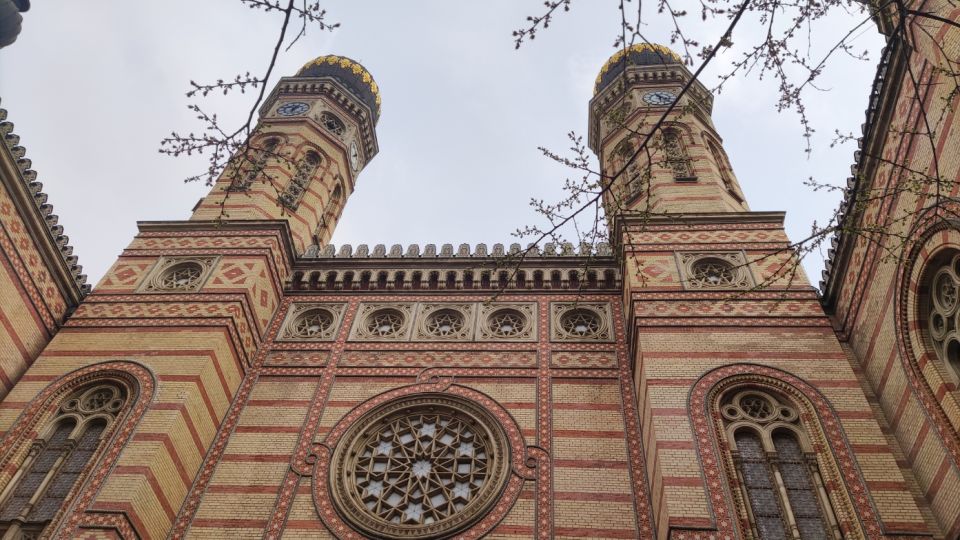
- Houses of Parliament photo stop with historical context right at the start
- Downtown Budapest architecture from the late-1800s and art nouveau style areas
- St. Stephen’s Basilica views without ticket lines since you stay outside
- A longer Jewish Quarter segment focused on synagogues, monuments, and meaning
- Kazinczy Street to Szimpla Kert finish with real food-and-bar pointers
Start at Gyula Andrássy: a clean launch for your Budapest day
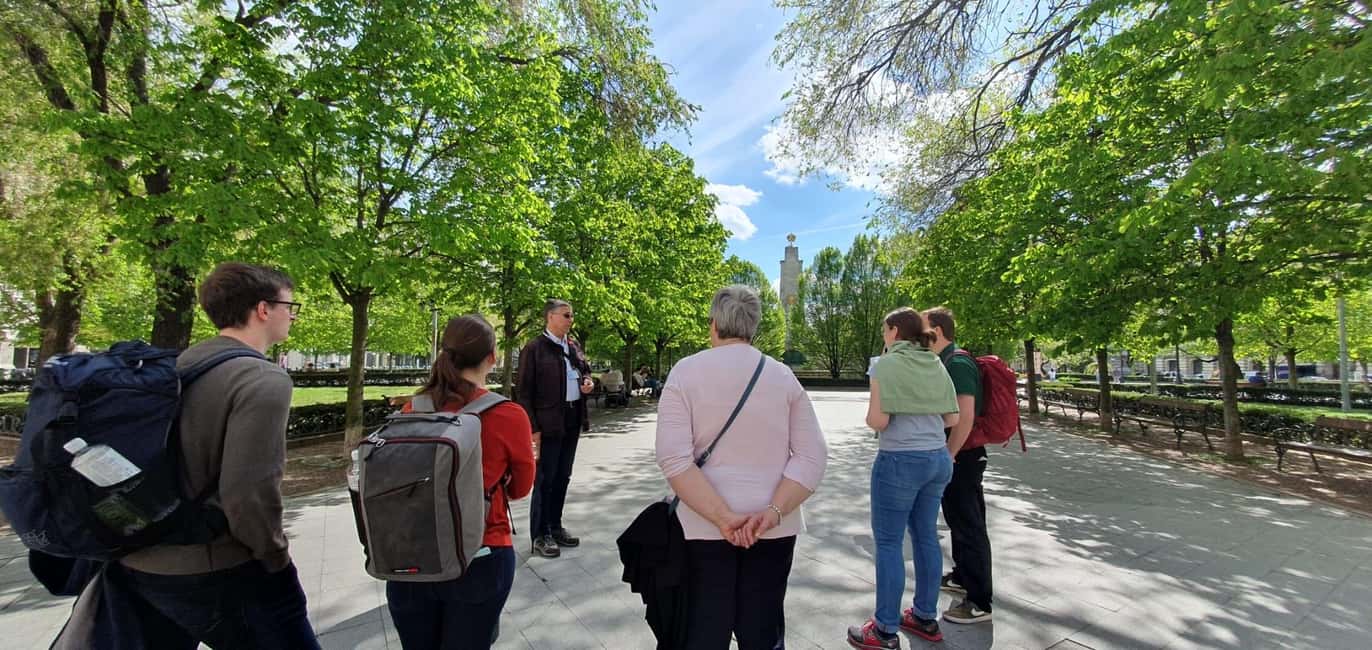
Your tour begins outside, at the statue of Gyula Andrássy, where the guide will be wearing a tour guide card. That matters more than it sounds. Budapest has a lot of landmark points that look close on a map but feel different when you’re standing there, and a clear starting spot helps you avoid that first-day wandering.
Right from the beginning, the guide sets the tone with a short background on Hungarian history and how Hungarians think about their country. This is the kind of intro that makes the rest of the walk click, because it gives you a lens for what you’re seeing instead of just collecting photos.
One more practical thing: you’re on foot for the whole experience. So wear comfortable shoes, and bring a layer for weather changes. This is a city-walk tour, not a sit-and-stare museum day.
Also note the tour language: it’s conducted in German. If you don’t speak German, you’ll still catch the big sights, but you’ll miss the “why it matters” parts that make this one shine.
You can also read our reviews of more tours and experiences in Budapest.



Parliament Building: the big landmark stop that frames the whole story
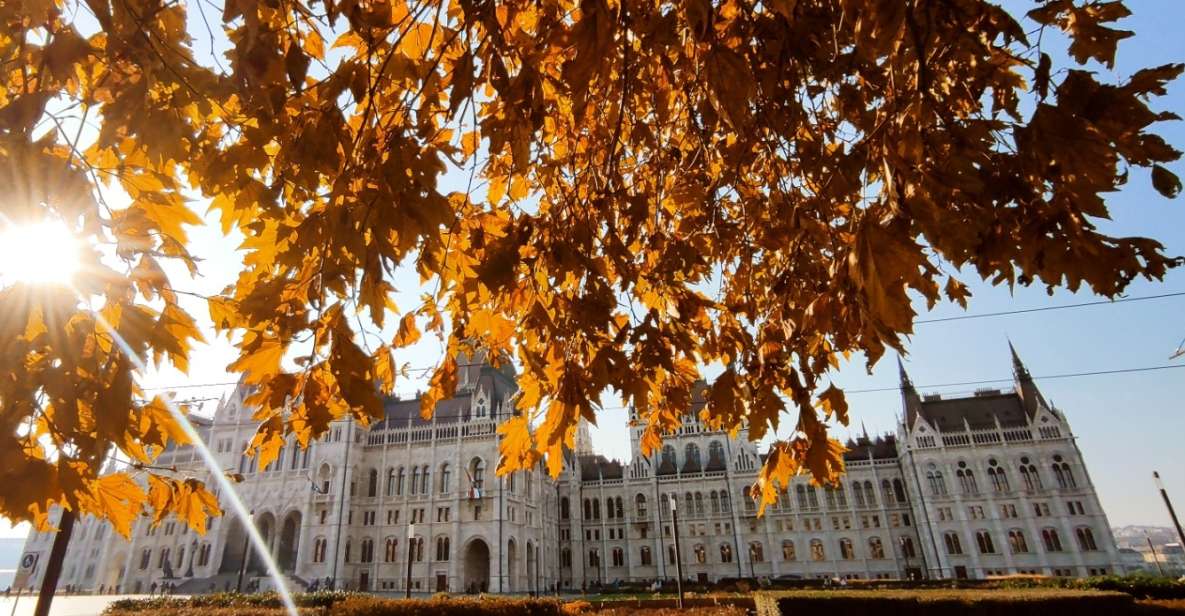
The first major stop is the Hungarian Parliament Building, with a photo stop plus a guided overview. Even if you’ve seen Parliament photos before, being there changes the scale. It’s one of those buildings that makes you slow down without trying.
The guide uses this moment to talk history, which is a smart choice. Parliament isn’t just a pretty façade here. It’s a symbol people connect to politics, national identity, and the ongoing story of Hungary—so starting there gives you an emotional reference point for the rest of the route.
You’re not going inside, so don’t expect a guided interior walk. Instead, you’ll get sightseeing on the outside plus time for photos. The stop is short—about 15 minutes—so you’ll want to be ready to move.
If you like your history with a human voice instead of a textbook, this is where that starts.
Szabadság Square and the Downtown walk: art nouveau meets old institutions
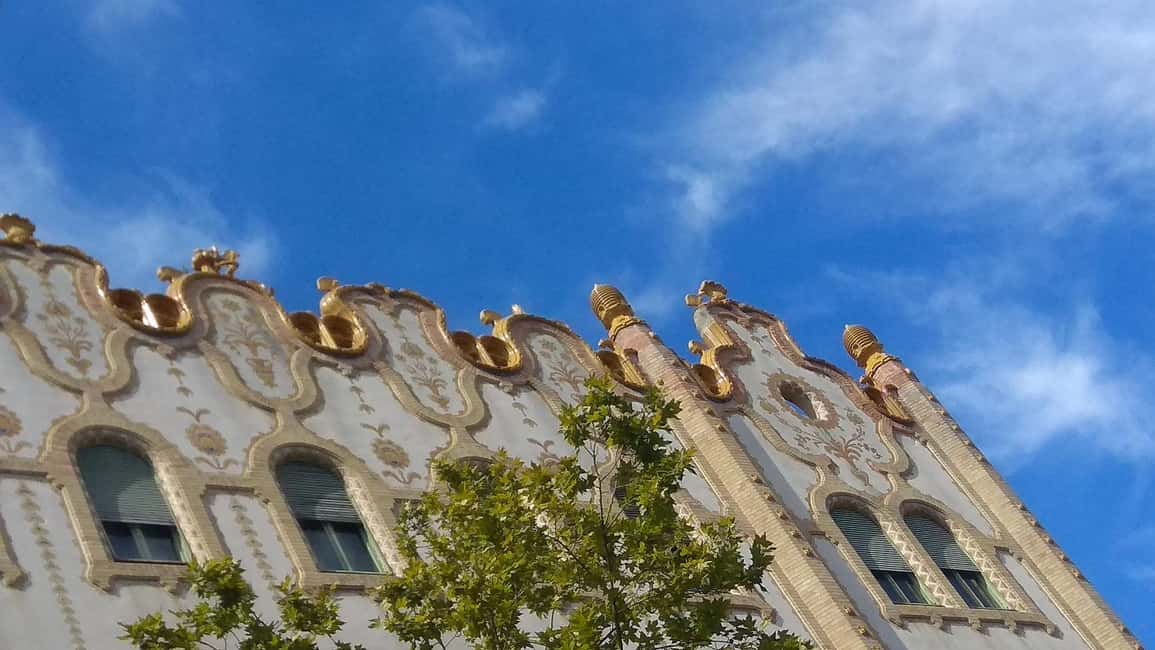
After Parliament, the walk turns toward Szabadság Square for another short photo stop and guided sightseeing. This part is about rhythm. The tour keeps moving, so you see Downtown as a lived-in city, not a checklist of monuments.
Then comes the Downtown stretch through older central-city buildings, including art nouveau palaces and major civic and finance landmarks like the Postal Savings Bank and the Hungarian National Bank. These buildings from the late 1800s don’t look like generic old architecture. They show how Budapest wanted to present itself—modern, confident, and ambitious.
Because the tour doesn’t go inside, you’re mostly reading the city through its façades: the style lines, the ornamenting, and the scale of the institutions. That’s a tradeoff. You lose interior detail, but you gain quick orientation and street-level context.
This is also where you’ll likely notice the guide’s style. Several people praised the way the guide combined facts with small anecdotes so you could understand Hungarian culture, not just memorize dates. If you’re the kind of traveler who likes to connect buildings to everyday life, this Downtown segment is a solid bridge.
St. Stephen’s Basilica: monumental views plus quick guided meaning
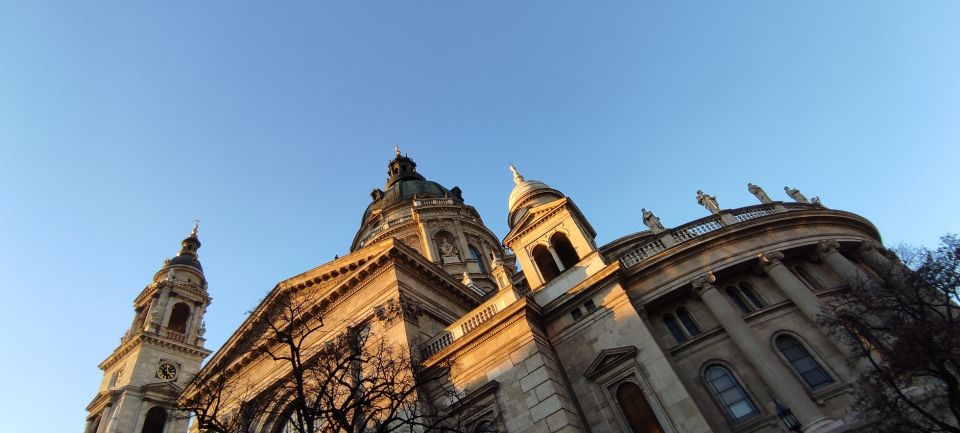
Next is St. Stephen’s Basilica. Expect another 15-minute stop with photo time and guided sightseeing. Even outside, the basilica feels like a landmark you can’t ignore. It helps that your route brings you to it without delays, so you’re not spending your energy buying tickets or hunting entrances.
The guided part here is less about architectural schooling and more about meaning. The guide frames why this basilica matters in Budapest’s identity, which makes the photo stop more than a photo stop.
Since you’re not going inside, focus on what you can access fast:
- the way the basilica dominates the skyline
- the surrounding street view that shows how the city has grown around it
- the positioning that helps you picture where you might want to return later
If you want a tour that gives you a strong first look and tells you which landmarks are worth your later time, this stop plays that role well.
Jewish Quarter on foot: synagogues, monuments, and modern street life
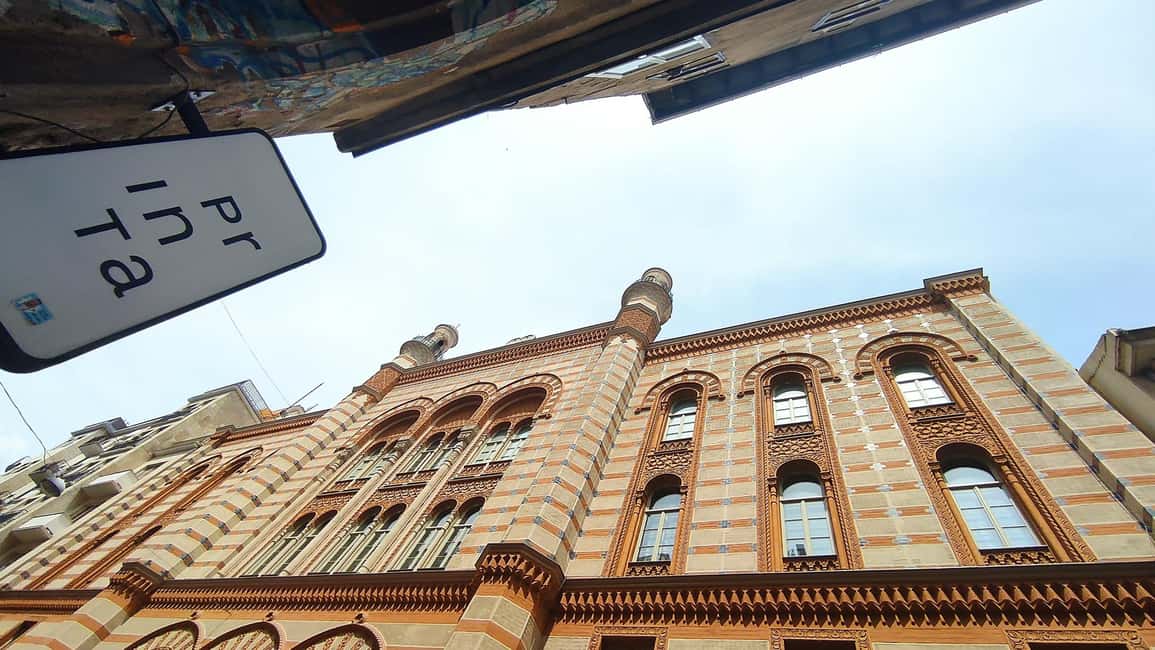
The longest segment is the Jewish Quarter walk, about 50 minutes. This is where the tour earns its reputation. The route takes you past major Jewish Quarter landmarks, including several synagogues and Jewish monuments you can see from the street.
What makes this section work is that it’s not only about places. The guide adds interpretation—history and cultural habits—so the district doesn’t feel like a separate world you simply pass through. You start to understand how the community shaped the city and how memory remains visible.
Another modern layer is built into the walk. You’ll also come across street art and the famous ruin pub culture. That blend is important. It reminds you that this isn’t just a preserved past. It’s a district where history and present-day street life overlap.
The guide typically also hands out practical suggestions: where to eat, what neighborhoods are worth exploring, and how to keep moving without burning time. People specifically highlighted the guide’s warmth and humor, and that kind of energy matters here, because the subject can be heavy. A guide who can balance tone helps you stay engaged and learn instead of feeling overwhelmed.
If you want Jewish Quarter context without planning a complicated self-guided route, the time you get here is a good amount. It’s long enough to feel meaningful and short enough to keep your energy for the finish.



Kazinczy Street finish at Szimpla Kert: your next meal starts here
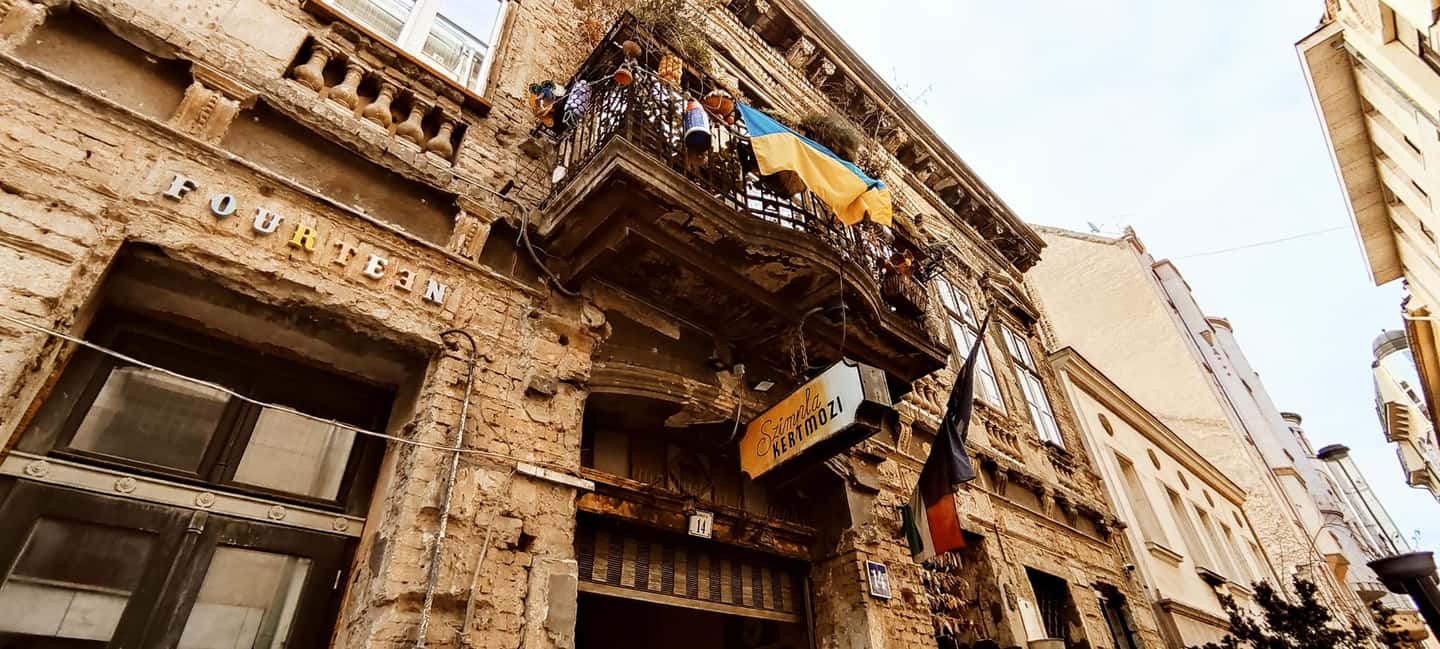
The tour ends at Szimpla Kert, near Kazinczy Street, close to the Karavan Street Food area. That’s a smart ending. You finish with momentum, not with exhaustion and a “now what?” feeling.
This is where the tour’s food and nightlife tips become practical. The guide provides pointers for restaurants and bars in the area, and the experience also includes a digital restaurant guide with 12 sites. That means you can follow up immediately, even if you don’t want to plan dinner from scratch.
Szimpla Kert is also a good way to cap a walking tour. It’s a place where you can stop, regroup, and decide what you want next without needing transport. If you’re the type who likes to keep exploring right after a tour, this ending gives you that option.
Quick tip for your own planning: if you want to continue that same evening, keep dinner flexible. The neighborhood around Kazinczy is exactly the kind of area where you might stumble into a better choice than what you planned earlier.
Price and time value: $23 for a focused orientation route
At $23 per person for about 2.5 hours, this tour is priced like a practical city-orientation experience. You’re not paying for museum admissions or lengthy interior visits. You’re paying for a live guide, a structured route through key areas, and a digital restaurant resource.
That’s a value sweet spot for many first-time visitors. You get:
- a guided explanation at major landmarks
- a longer, more thoughtful walk in the Jewish Quarter
- a concrete place to end for food and drinks
If you’re already thinking, I want to see the highlights but also understand what they mean, this is the type of tour that tends to pay off. The most consistent praise in the feedback centers on the guide’s knowledge, friendliness, and the way anecdotes make Hungarian culture and history feel graspable.
A note on expectations: because entrance fees aren’t part of the tour, you should not judge it by what you don’t get inside. Judge it by what you do get outside: efficient access, context, and route clarity.
Language, pace, and logistics that affect your comfort
This tour runs in German, and the guide explains the route in that language. If you speak German, you’ll get the full benefit. If you don’t, you’ll still see the sights, but the learning portion will be limited.
The walking pace is steady, and the timing is tight at most stops (around 15 minutes for the major Downtown and basilica viewpoints). The Jewish Quarter is the exception at 50 minutes, so you’ll have time to slow down there.
There’s no hotel pickup or drop-off included. You meet at the statue of Gyula Andrássy and finish at Szimpla Kert. That’s simple, but it does mean you’re responsible for getting to the meeting point.
On accessibility: the tour is listed as wheelchair accessible. If you use a wheelchair, you’ll still want to check the exact route conditions with the provider, but it’s at least designed with access in mind.
What this tour is best for (and who might want something else)
This one fits you if you want a first pass through major Downtown anchors and the Jewish Quarter without complicated planning. It’s also a strong match if you like your history told through stories and culture, not only through dates and plaques.
It also works well for people who want food guidance after a sightseeing block. The end at Szimpla Kert plus the digital restaurant guide with 12 sites makes it easier to turn learning into real-world choices—where to eat and where to spend your evening.
You might want a different kind of tour if you specifically want inside visits to synagogues or ticketed landmark interiors. Here, you stay outside. The payoff is fast orientation and a guided narrative, not inside access.
If you’re choosing between doing this early in your trip or late, I’d pick early. You learn the city’s layout and cultural context, so your later exploration feels less random.
Should you book the Budapest Downtown and Jewish Quarter walk?
I’d book it if you want a 2.5-hour guided walk that hits the big Downtown landmarks, then gives real time to the Jewish Quarter, and ends in a place where your evening can start right away. The pricing makes sense for the live guide and the digital restaurant follow-up.
Before you choose, be honest about one thing: language. Since it’s German, you’ll feel the difference in comprehension and enjoyment. If you speak German, you’re set. If not, you should treat it more as a guided sightseeing route than a deep cultural lesson.
If you want to learn and laugh a little along the way, this tour’s strongest ingredient is the guide experience. Guides such as Zsuzsanna, Georgiana, and Gábor are repeatedly praised for being friendly, funny, and genuinely tuned in to what makes Budapest click.
FAQ
How long is the Budapest Downtown and Jewish Quarter tour?
The tour lasts about 2.5 hours.
Where do I meet the guide?
You meet by the statue of Gyula Andrássy. The guide will be wearing a tour guide card.
Where does the tour end?
The tour ends at Szimpla Kert, near Kazinczy Street.
What language is the tour in?
The live tour guide speaks German.
Are entrance fees included for buildings?
No. The tour does not go inside of buildings, so entrance fees are not included.
Is the tour wheelchair accessible?
Yes, the tour is listed as wheelchair accessible.