REVIEW · BUDAPEST
Communist Budapest Private Walking Tour
Book on Viator →Operated by Insight Cities · Bookable on Viator
Communism is still written on Budapest’s streets. This private walking tour takes you through the capital’s Soviet-era footprint, using major buildings and street-level details to explain how communist rule shaped daily life from 1949 to 1989, with a local historian guiding the story. You also get a morning or afternoon option, and it’s designed around an efficient route so you can see a lot without feeling rushed.
What I like most is the private historian guide approach. You can ask real questions, and the pacing feels built around understanding what you’re looking at, not just checking off stops. I also like how you get to the heart of the theme fast, from revolution-era symbolism near Kossuth Square into Cold War set pieces near Liberty Square.
One thing to consider: you only visit the House of Terror area outside. The museum exhibit is not included, so if you want the galleries themselves, you’ll need to add that on your own time.
In This Review
- Key highlights worth planning for
- Why this Budapest communist tour works in the first place
- Meeting up and getting around without slowing the day down
- Kossuth Square to Liberty Square: revolution monuments and Cold War theater
- House of Terror outside: the former secret police HQ you can’t ignore
- Puskas Stadium: socialist realist statues and propaganda in plain view
- The Ronald Reagan statue: Budapest’s unusual Cold War gratitude
- Bem József Square: the 1956 spark and a 1960s coffee interior
- What you’ll learn about life under “goulash communism”
- Timing, pace, and who this tour fits best
- Price and value: is $393.17 per group worth it?
- Should you book the Communist Budapest Private Walking Tour?
- FAQ
- How long is the Communist Budapest private walking tour?
- What is included in the price?
- Is the House of Terror Museum entry included?
- Do I need tram and metro tickets?
- Is pickup available from my hotel or apartment?
- Where do I meet the guide if I’m not getting pickup?
- What group size and language should I expect?
Key highlights worth planning for
- Historian-led private format with a local guide who tells the story like a host, not a lecturer
- 1956 Hungarian Revolution sites tied to the street layout around Bem József Square
- Cold War landmark sequence from Soviet Army monuments and US Embassy area to an atomic shelter connection
- Socialist realist propaganda visuals spotted around the former People’s Stadium area and public statuary
- Goulash communism explained through hardship, not just slogans and dates
Why this Budapest communist tour works in the first place
Budapest has plenty of beautiful architecture, but this tour uses that same city fabric as a kind of evidence board. You’ll look at statues, memorials, embassies, and major civic spaces, then connect them to a specific political era: communist Hungary under Soviet influence, roughly from 1949 until the system collapsed around 1989.
The best part is that you’re not studying communism only in theory. The route mixes big symbolism (parliament, revolution squares) with more everyday-looking spaces, including a 1970s-style housing estate setting mentioned as part of the story arc. That’s where “communism” stops being a word and starts becoming visible in how people lived, what they stood in line for, what they feared, and what they celebrated.
This is also a smart choice if you want context for what you’ll see later on your own. After this walk, other Cold War-era clues around Budapest make more sense, because you’ll understand what the regime wanted the city to communicate.
You can also read our reviews of more walking tours in Budapest


Meeting up and getting around without slowing the day down
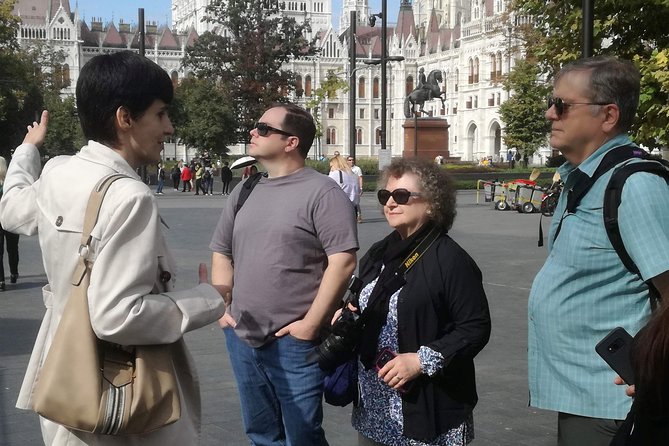
This is a private, guided walking tour with a historian, typically about 3 hours. The exact pace can flex a bit depending on questions, but the plan is structured enough that you won’t spend your time wandering.
Pickup is offered. Your guide can meet you at your central hotel or flat and then bring you to the start area using metro, tram, or foot when sites are close. If you don’t want pickup, or you don’t send an address, you’ll meet at the default starting point: Frankel Leó út 2-4, 1027 Hungary.
Public transport tickets are not included. If you don’t already have a pass, your guide can help you purchase what you need. This matters because it keeps the tour’s theme moving at a city pace. You’ll be walking, but you’ll also avoid turning every major stop into a long slog.
Kossuth Square to Liberty Square: revolution monuments and Cold War theater
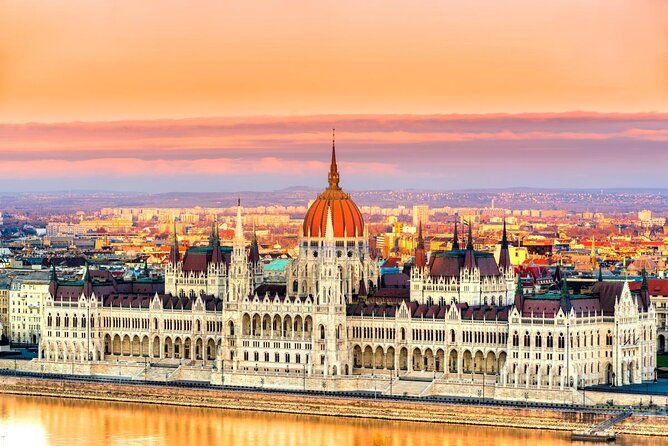
You start at the Hungarian Parliament Building area, then head to the Kossuth Square zone. This is an excellent first stop because it’s a public, high-visibility space where political symbolism has been layered on for generations.
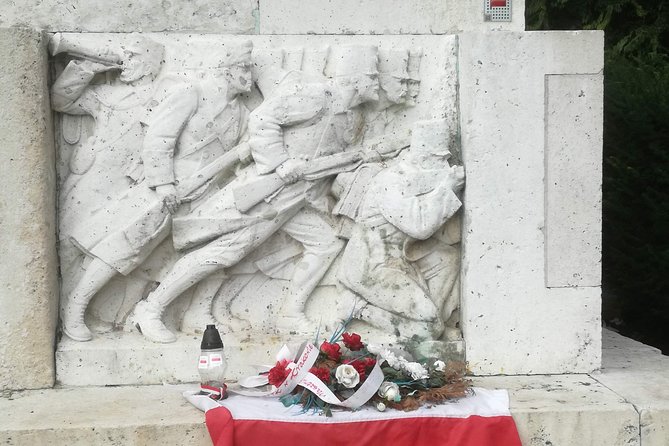
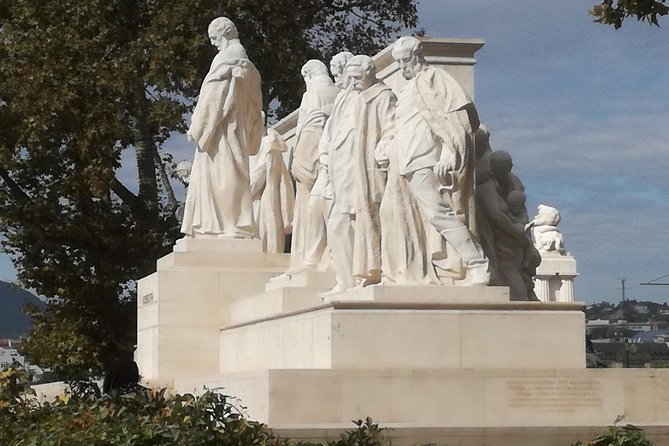
From there, the walk turns to monuments connected to the 1956 Hungarian Revolution—an uprising that remains one of the clearest points of rupture with Soviet-style control. You’ll explore how the landscape around the parliament communicates power and resistance, and how the story of 1956 still echoes in street-level details.
The route continues toward Liberty Square, where the tone shifts from revolution memory to Cold War messaging. You’ll discuss key Cold War features in the neighborhood, including the US Embassy area, a monument to the Soviet Army, and the statue connected to Ronald Reagan. You’ll also hear about an atomic shelter concept tied to the period’s fears and planning.
This section is where the tour gets especially vivid: you’re not just seeing objects. You’re seeing competing narratives placed within sightlines and civic space. That’s what makes this stop sequence feel more than “architecture sightseeing.”
House of Terror outside: the former secret police HQ you can’t ignore
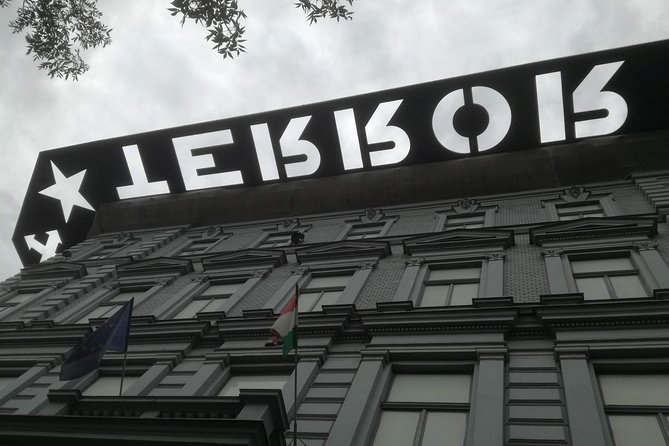
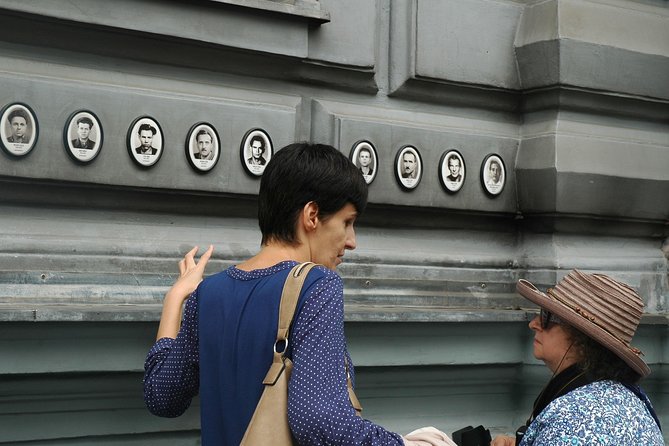
You end this segment outside the House of Terror Museum, located in the former headquarters of communist secret services. Even from the outside, it’s imposing, and there’s a notable Berlin Wall slab in front that visually anchors the broader theme of repression and division.
Here’s the practical detail that shapes your expectations: the tour does not include the museum exhibit inside. You’ll get the exterior setting and the historical framing, but you’ll have to decide separately whether you want to go in.
If you’re curious, this makes the perfect endpoint. You’ll finish the walking portion already understanding why the building matters. Then you can step inside later with clearer context about what you’re about to see and why it was placed in this part of Budapest.
Puskas Stadium: socialist realist statues and propaganda in plain view
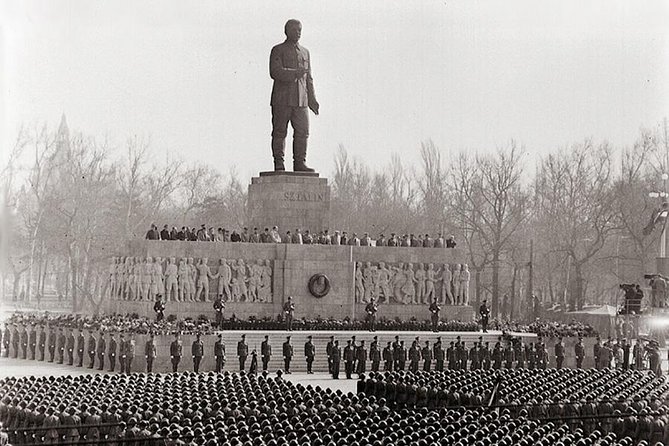
Next you’ll stop at the former People’s Stadium, now Puskás Aréna, under the name of Puskas Ferenc. This area adds a different texture to the story. It’s not just political administration or policing. It’s also about mass events, public performance, and the kind of visual messaging a regime wants people to absorb during everyday life.
Classic socialist realist statues still stand here, and that’s a big reason this stop works well on a walking tour. You can connect the style—how heroic figures are rendered, how public space is staged—with the message the government tried to send. It’s propaganda, but it’s propaganda you can point at in real space instead of reading about in a book.
Also, it’s a useful contrast after the emotionally heavy House of Terror area. You get a new angle: how ideology seeped into leisure, crowds, and public celebrations.
You can also read our reviews of more private tours in Budapest





The Ronald Reagan statue: Budapest’s unusual Cold War gratitude
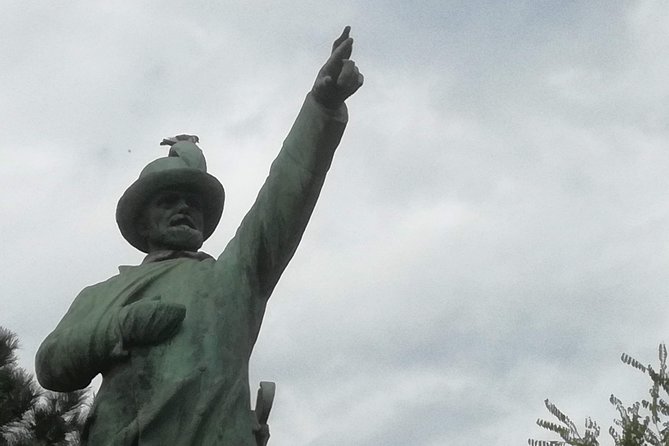
You get a focused look at the Ronald Reagan statue and the story tied to it. The tour frames how, in Hungary, there’s a sense of obligation to this US president for his efforts connected to bringing down the Iron Curtain.
This stop is brief, but it’s not random. Placing Reagan into the Budapest landscape helps you see how communist-era change wasn’t only about inner political decisions. It also involved international pressure, diplomacy, propaganda wars, and the shifting power balance between blocs.
If you like your history with a little human angle, this is one of those stops where the meaning might surprise you. The same city that holds Soviet-era monuments also points at the person associated with their weakening. That contrast is part of the message.
Bem József Square: the 1956 spark and a 1960s coffee interior
Bem József Square is one of the most compelling stops on this route. It’s tied to the start of the first big demonstration of the 1956 uprising, so the place carries real historical weight.
The square also includes a coffeehouse that retains its original interior from the 1960s. That detail matters more than it sounds. It gives you a small, tangible bridge to how people spent time during that later communist phase—another step in the tour’s larger goal: show you how ideology changed the feel of ordinary life.
This is also a nice moment for breathing room. The square setting gives you a pause point while still staying inside the historical narrative. You can look around and mentally map what you’ve learned: revolution energy here, Cold War symbolism nearby, and socialist-era everyday life in the background.
What you’ll learn about life under “goulash communism”
The tour’s theme isn’t only about big events and hard power. You also learn about privations of life under Hungary’s goulash communism. That phrase helps explain a common misconception: communism didn’t always look identical across places or time.
In this tour’s telling, you’ll get a grounded sense of what people endured, how shortages and limits shaped daily routines, and why the state’s public messaging often felt disconnected from what life actually delivered. You’ll also hear how May Day parades and other public rituals fit into the regime’s need to control visibility—what got celebrated, what got displayed, and what got ignored.
That’s the value for you: you leave with an understanding that history isn’t only dates and leaders. It’s also what it felt like to get through a day when the system expected you to play along.
Timing, pace, and who this tour fits best
The tour runs about 3 hours, and it’s designed as a walking route with key transit hops (subway/tram/foot as needed). It’s a manageable length: long enough to connect multiple eras and neighborhoods, short enough to keep your day flexible.
This is also a good pick if you want more than a quick overview. The private format means you’re not competing with a crowd’s attention span. You can get your guide to slow down for the part that interests you most—1956, secret police history, propaganda styling, or how Budapest’s Cold War geography works.
It’s especially well-suited to:
- history-minded travelers who like seeing meaning in streets and buildings
- visitors who want a structured Cold War context without drowning in museums
- couples or small groups who prefer a conversation over a slideshow
Price and value: is $393.17 per group worth it?
The price is listed as $393.17 per group (up to 10), with a small cap of maximum 8 travelers on this experience. That might sound steep until you translate it into how private guides work in a city like Budapest.
Here’s the practical way to judge value: you’re paying for a private historian guide and a focused route that strings together multiple major Cold War and communist-era locations in one coherent walkthrough. If you’re traveling with 2–6 people, the cost per person quickly drops versus booking separate group tickets for each museum or trying to assemble a DIY plan without context.
It’s also not just sightseeing. The guide’s job here is to interpret what you’re seeing—why the sites matter, how different eras connect, and what daily life was like under “goulash communism.” That interpretive layer is what you’re really buying.
If you’re a solo traveler, you’ll want to think about whether paying for private context is your priority. If it is, this tour is a strong use of your time because you finish with a storyline you can carry into the rest of your Budapest days.
Should you book the Communist Budapest Private Walking Tour?
Book this tour if you want Budapest as a living history lesson, not just a photo backdrop. The private historian format is the main draw, and the route makes smart use of public spaces to explain communism’s impact from the 1956 revolution through the Cold War era and into everyday hardship.
Skip it only if you want a light, scenery-first walk. This is a politically serious theme, and while the tour keeps moving, it doesn’t treat the subject as a casual topic. Also remember: you’ll see the House of Terror from outside, so pair it with a museum visit later if that part is a priority for you.
FAQ
How long is the Communist Budapest private walking tour?
It’s about 3 hours.
What is included in the price?
You get a 3-hour guided walk with a private historian guide.
Is the House of Terror Museum entry included?
No. You conclude outside the House of Terror, but the exhibit inside is not included in the tour.
Do I need tram and metro tickets?
Tram and metro tickets are not included. If you don’t have a transport pass, your guide will assist you in purchasing what you need.
Is pickup available from my hotel or apartment?
Yes. Your guide can meet you at your central hotel or flat and lead your group to the start using metro, tram, or foot when sites are close.
Where do I meet the guide if I’m not getting pickup?
If you don’t request pickup or don’t respond with your address, meet the guide 15 minutes before the start time at the default meeting point: Frankel Leó út 2-4, 1027 Hungary.
What group size and language should I expect?
It’s offered in English, with a maximum group size listed as 8 travelers.
If you’d like, tell me your travel dates and whether you prefer a morning or afternoon start, and I’ll suggest a simple plan for what to do before and after this tour around the same area.