REVIEW · BUDAPEST
Budapest City Walk in Jewish Quarter
Book on Viator →Operated by Budapest Jewish Walk · Bookable on Viator
This walk turns Budapest’s streets into living memory. You’ll cover the Jewish Quarter on foot with a licensed guide and get clear context for what life here meant before, during, and after WWII.
I especially love how the tour balances big monuments with human stories, not just dates. It also helps that it’s small-group focused, so you can ask questions without feeling shoved along.
I also like the way the route mixes landmark sites with places locals actually use. You’ll move past the synagogue triangle, the Gozsdu Courtyard area, and even ruin-bar energy like Szimpla, so the neighborhood feels real, not museum-only.
One possible drawback: this is a moderate-walking tour, and a few sights involve paid synagogue entrances, so budget for about up to €46 per person for one synagogue.
In This Review
- Key Highlights You’ll Care About
- Why This Jewish Quarter Walk Works Best on Foot
- Pickup, Private Attention, and a Guide You’ll Want to Talk To
- The Synagogue Triangle: Kazinczy, Rumbach, and Dohány Street
- WWII Memory in Place: Ghetto Wall, Wallenberg, and the Danube Shoes
- Beyond Memorials: Jewish Museum, Archives, and the Meaning of Continuity
- Courtyards, Mikveh Stops, Ruin Bars, and Everyday Pest
- Cost and Value: What You Pay, What You Don’t, and How Much to Plan
- Pace, Clothing, and Who This Walk Fits
- Should You Book This Budapest Jewish Quarter City Walk?
- FAQ
- How long is the Budapest Jewish Quarter City Walk?
- How many people are on the tour?
- Is hotel pickup and drop-off included?
- What language is the tour offered in?
- Are there entrance fees for synagogues?
- Does the tour include food and drinks?
- Is there walking involved, and can I take breaks?
Key Highlights You’ll Care About
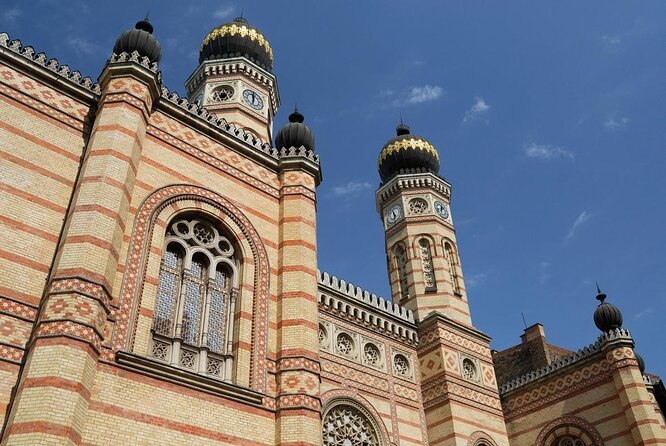
- Synagogue triangle route: Kazinczy, Rumbach, and Dohány Street Synagogue in a compact walking loop
- Memorial garden details: the Raoul Wallenberg Memorial Garden and the touching Emmanuel tree
- WWII traces you can actually stand beside: stumbling stones, ghetto wall remnants, and the Danube Shoes
- Local-life stops: courtyards, little shops, cafés, and the ruin-bar scene around Szimpla
- Flexible pacing with purpose: your guide can adjust time if something grabs your attention
- Small group feel: priced for up to 6 people, with a maximum of 10 on the tour
Why This Jewish Quarter Walk Works Best on Foot
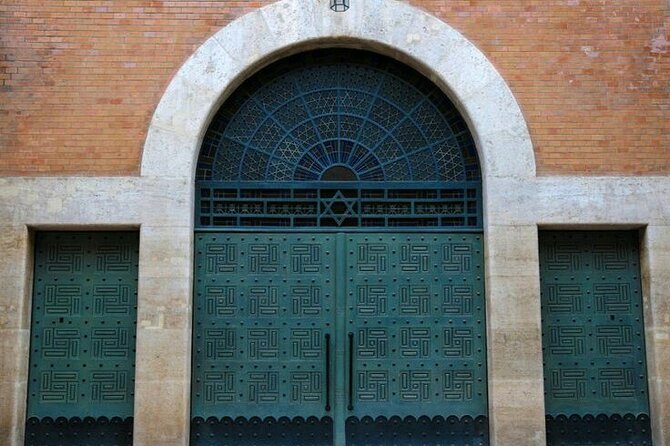
Budapest’s Jewish Quarter (in the 7th district) is compact, and that matters. You’re not trying to “cover Budapest.” You’re trying to understand one neighborhood and how its layers fit together. Walking lets you feel that layering: street scale, courtyards you’d miss from the sidewalk, and the way memorials sit right in the middle of normal life.
A good guide turn this into a story you can follow. That’s exactly what you’ll get here: a steady flow of stops that build from religious life to community life to WWII tragedy and onward. And because it’s designed as a walking tour, your time is spent where it counts: at the front doors, along the memorial lines, and in the small spaces that explain how people lived.
You’ll also appreciate the rhythm. The tour is about 4 hours, but it doesn’t feel like a sprint. It includes breaks as needed, and the guide can tweak the pace if you want more time on something specific (or if you need to skip a stop to keep energy up).
You can also read our reviews of more city tours in Budapest


Pickup, Private Attention, and a Guide You’ll Want to Talk To
Convenience is part of the value here. You can get hotel pickup and drop-off, or a restaurant drop-off for lunch/dinner. That means you start the tour without navigating transit or hunting a meeting point at the last minute.
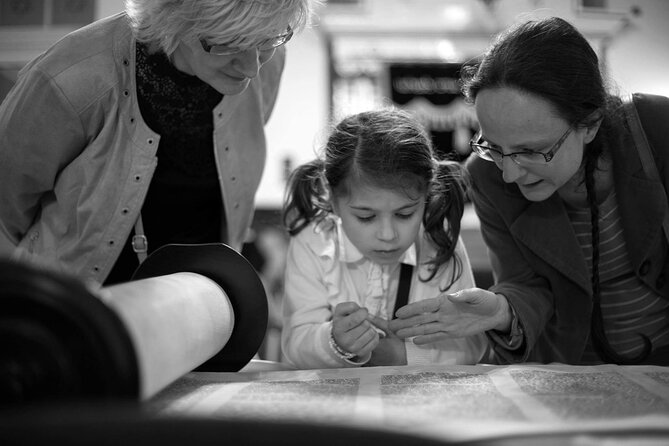
The other big win is the guide dynamic. You’ll be with a professional, licensed local guide, and the group size stays small. The pricing is per group up to 6 people, and the tour has a maximum of 10 total, so you won’t feel lost in a crowd. When the guide is explaining sensitive WWII topics, this small-group setup keeps things human. You can ask questions, and the answers can stay connected to what you’re seeing.
I also love that the tour isn’t only lecture mode. The guide’s approach is story-driven, with room for back-and-forth. In the past, guides on this route have shared personal connections and even adjusted on the spot when the group needed help or extra time. You may not plan for that, but it’s a good sign: the tour is built to meet you where you are.
The Synagogue Triangle: Kazinczy, Rumbach, and Dohány Street
This is the core of the walk, and it’s more meaningful than a simple “see three synagogues” checklist. In a small area, you get a quick comparison of how different communities and styles shaped Jewish life in Budapest.
You’ll focus on the synagogue triangle:
- Kazinczy Street Synagogue (including a look at the mikveh in Kazinczy Street)
- Rumbach Synagogue
- Dohány Street Synagogue
These stops are worth it because the tour ties architecture to story. You’re not only looking at walls and domes; you’re learning how worship spaces fit into neighborhood survival, identity, and continuity. Even if you already know the headline facts about the Holocaust, the guide’s framing helps you see the community as something more than a tragedy.
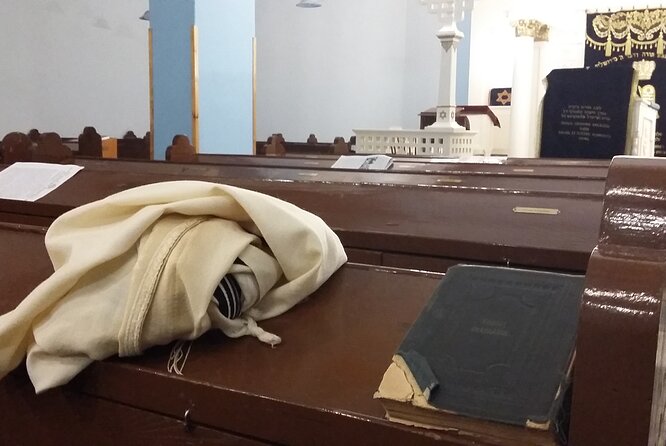
Practical tip: synagogue rules can affect what you wear and how you move inside. Dress code guidance includes having your own hat/cap and scarf if you don’t want to wear pieces provided by the synagogues. And entrances may require additional payment, so consider that part of the day’s planning rather than a surprise.
Also, don’t rush the details. If something catches your eye—inscriptions, side spaces, or small memorial elements—this tour is set up so you can pause and ask. That pause is where the history sticks.
WWII Memory in Place: Ghetto Wall, Wallenberg, and the Danube Shoes
If there’s one part of Budapest that hits hard, it’s the Jewish Quarter’s WWII remnants. The strongest effect comes from seeing traces in their real setting, not from photos alone.
You may see:
- Raoul Wallenberg Memorial Garden, including the Emmanuel tree
- Carl Lutz Memorial
- the last remaining part of the WWII ghetto wall
- stumbling stones embedded along streets
- the Shoes Monument along the Danube riverbank
Here’s why these stops matter for you: each one teaches a different angle of the same story. A garden and tree element focuses on memory and rescue narratives. The wall and ghetto traces show how confinement shaped everyday movement. The stumbling stones force you to slow down and notice how commemoration can be built right into the pavement. And the Shoes Monument turns a mass event into something physically specific, like a moment you can stand beside.
It’s also where your guide’s tone matters. You’ll be walking through painful history while trying to keep your footing on uneven sidewalks and staying aware of what’s around you. A good guide keeps the pacing steady, gives context without turning it into shock entertainment, and explains why the details matter.
If you’re someone who likes to process slowly, tell your guide. The itinerary is described as flexible, and the goal is overall understanding with lots of stories, not a frantic checklist.
Beyond Memorials: Jewish Museum, Archives, and the Meaning of Continuity
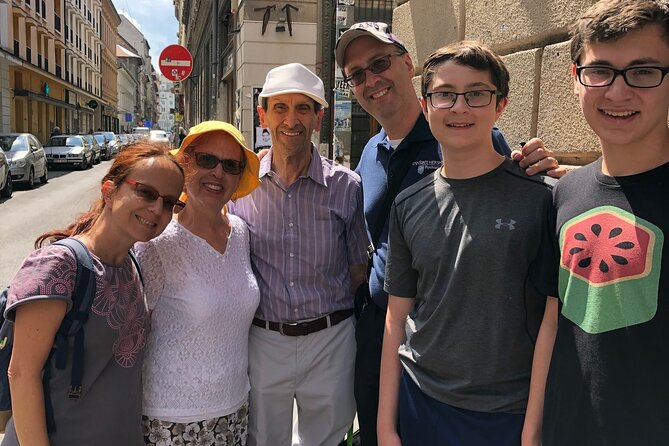
One of the best things about this tour is that it doesn’t stop at WWII. It points you toward what survived, what re-emerged, and what exists now in Budapest.
You may visit:
- the Budapest Jewish Museum
- exhibitions connected to the Jewish Archives
This is valuable because it helps you connect the past to the present, without forcing a single narrative. You’ll learn how Jewish life in Hungary has shaped public culture, community institutions, and religious practice over time. It’s not just “then” and “then it ended.” It’s “then, and now.”
This part of the day is where you’ll likely start noticing how your earlier synagogue stops fit together. Worship spaces connect to community institutions. Community institutions connect to archives and museums. And those, in turn, connect to today’s neighborhood texture—the cafés, courtyard life, and local businesses you’ll see later.
If you’re traveling with anyone who gets overwhelmed by heavy topics, this museum-and-archives segment often helps. It gives meaning and continuity, and it answers the question you might not realize you have: what happened next, and what’s still alive here?





Courtyards, Mikveh Stops, Ruin Bars, and Everyday Pest
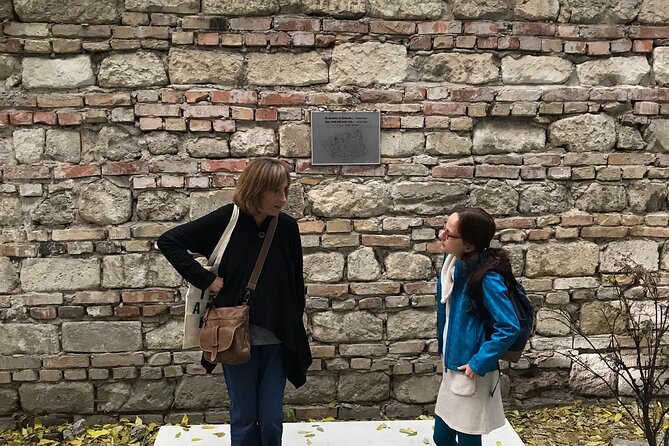
Not every tour of the Jewish Quarter includes the “lived-in” parts. This one does, and that’s why it feels like a true neighborhood walk.
You may pass or pause at:
- Gozsdu Courtyard, with its courtyard atmosphere
- little shops and eateries
- cafés and confectionery spots
- art galleries and festival-like scenes (depending on timing)
- the mikveh area connected to Kazinczy Street
- ruin bars, including Szimpla
Why these stops matter: the Jewish Quarter isn’t only a set of preserved buildings. It’s a working neighborhood with daily routines. Seeing how courtyards connect buildings, how cafés cluster, and how modern life overlays older structures helps you understand the neighborhood’s resilience.
For you, it’s also just fun. Even if your brain is full from WWII memorials, a shift to courtyards and everyday places gives you a mental breather. It keeps the day from feeling like a single long solemn minute.
And if you love local scenes, this is where you’ll pick up practical ideas. The tour includes recommendations and can even help book a table at a local restaurant on the day of the tour or later. If you’re trying to eat well without defaulting to tourist places, that handoff is useful.
Cost and Value: What You Pay, What You Don’t, and How Much to Plan
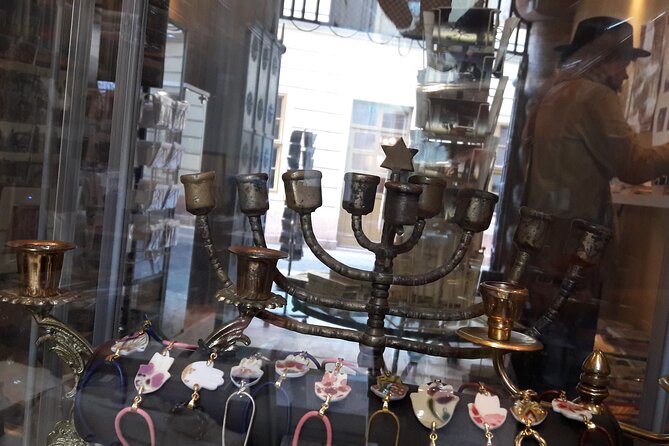
At $356.90 per group (up to 6), this isn’t the cheapest walk on the Budapest menu. But it’s priced like a focused private experience: a licensed local guide, hotel pickup and drop-off, and a route designed for a compact neighborhood where you’ll see a lot in a short time.
What’s included:
- professional, licensed local guide
- hotel pick-up and drop-off (or restaurant drop-off for lunch/dinner)
- guide help with restaurant booking
- kosher meal/snack arrangements if required
What’s not included:
- food and drinks
- synagogue entrance fees
The tour notes that synagogue entrance costs have a maximum additional expense of €46.00 per person. You can typically choose to visit one synagogue, and you may get discounted prices (for example, family or senior categories). That’s a big deal for budgeting: you have a ceiling.
My advice: treat the entrance fees as part of the day’s reality, not a penalty. If you care about interior spaces and not just exteriors, you’ll probably want at least one synagogue visit. If you’re more focused on street-level memorials and museums, you can decide how much extra you want to spend.
Either way, the value piece isn’t only the stops. It’s the guide’s explanations that connect all the dots so you leave with structure, not just snapshots.
Pace, Clothing, and Who This Walk Fits
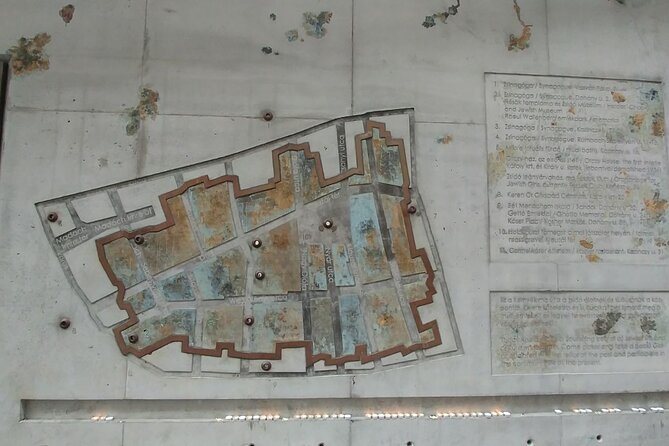
This experience involves moderate walking, and you can ask for a break. That makes it a good choice if you’re comfortable moving for a few hours on city streets.
A few practical notes you should plan around:
- You’ll likely want comfy shoes for uneven sidewalks and short transitions between areas.
- Bring a hat/cap and scarf if you prefer your own, since synagogues may provide or require head coverings.
- The tour is offered in English, and service animals are allowed.
- It’s near public transportation, but the pickup option makes life easier if your hotel is in the center.
This tour fits best if you want more than surface-level sightseeing. If you enjoy asking questions and want a guided narrative that connects religion, neighborhood life, and WWII history, you’ll likely love it. If you want a purely upbeat tour with zero heavy moments, you may find portions emotionally intense. But if you’re ready to learn with care, this is one of the more human ways to understand Budapest’s Jewish Quarter.
Should You Book This Budapest Jewish Quarter City Walk?
I’d book it if you want a small-group, guided way to understand the Jewish Quarter as a living neighborhood, not just a set of monuments. The combination of the synagogue triangle, memorial stops like Raoul Wallenberg and Carl Lutz, and neighborhood-life sights such as Gozsdu Courtyard and Szimpla gives you a complete picture in just about 4 hours.
You should think twice if:
- you strongly dislike moderate walking or want a strictly accessible route with minimal steps, or
- you don’t want to pay any additional entrance fees for synagogue visits.
But for most people, the biggest reason to book is clarity. A good guide helps you see why a ghetto wall fragment, a row of stumbling stones, and a Danube memorial belong to the same story. Once you have that, Budapest’s Jewish Quarter makes sense in a way that photos never quite do.
FAQ
How long is the Budapest Jewish Quarter City Walk?
The tour lasts about 4 hours.
How many people are on the tour?
The experience is priced for up to 6 people per group, and the tour has a maximum of 10 travelers.
Is hotel pickup and drop-off included?
Yes. Hotel pick-up and drop-off are included, and in some cases you may have restaurant drop-off for lunch/dinner.
What language is the tour offered in?
The tour is offered in English.
Are there entrance fees for synagogues?
Yes. Entrance fees are not included, with a maximum additional cost of €46.00 per person. You can choose visiting one synagogue only, and discounted prices may apply (such as family or senior discounts).
Does the tour include food and drinks?
No. Food and drinks are not included, though the guide can recommend and help book a table. Kosher meal/snacks can be arranged if needed.
Is there walking involved, and can I take breaks?
There is moderate walking involved, and you can always ask for a break.