REVIEW · BUDAPEST
Budapest: Cooking School – Hungarian Menu & Local Market
Book on GetYourGuide →Operated by Chefparade cooking school · Bookable on GetYourGuide
Hungarian cooking is better when you start by eating first. This 4-hour class pairs a real Market Hall walk with a chef-led, hands-on 3-course lunch, plus Hungarian spirits.
I like that you do two things many tours skip: you learn the ingredients in context at the market, then you cook them yourself at a fully stocked studio. I also like the small group size (up to 10) and the English instruction, so you can ask questions while the food is still hot. One thing to consider: the exact start spot matters, and it’s easy to waste time if you’re aiming at the wrong market entrance.
In This Review
- Key reasons this class works so well
- Central Market Hall Start: Eating Kolbász Before You Cook
- Palinka and Unicum on Arrival: Spirits That Explain the Meal
- The Chefparade Studio: Hands-On Cooking in a Real Teaching Kitchen
- Your 3-Course Hungarian Lunch: From Soup to Paprikash to Pie
- What You Learn Beyond Recipes (and How You’ll Actually Use It)
- Price and logistics: Is $170 per person worth it?
- Who should book this Hungarian menu cooking day?
- Should you book? My practical take
- FAQ
- Where is the meeting point for the class?
- How long is the cooking school experience?
- What language is the instruction?
- Is the group size small?
- What’s included with the market visit?
- What will I cook and eat?
- Can the menu be adapted for dietary restrictions?
Key reasons this class works so well
- Central Market Hall tastings: You sample typical Hungarian bites like kolbász and körözött before you cook.
- Palinka and Unicum included: You get a fruity Palinka on arrival and Unicum before lunch, so the meal starts with the culture.
- Chef-led, side-by-side cooking: You work with local chefs, not just watch from the sidelines.
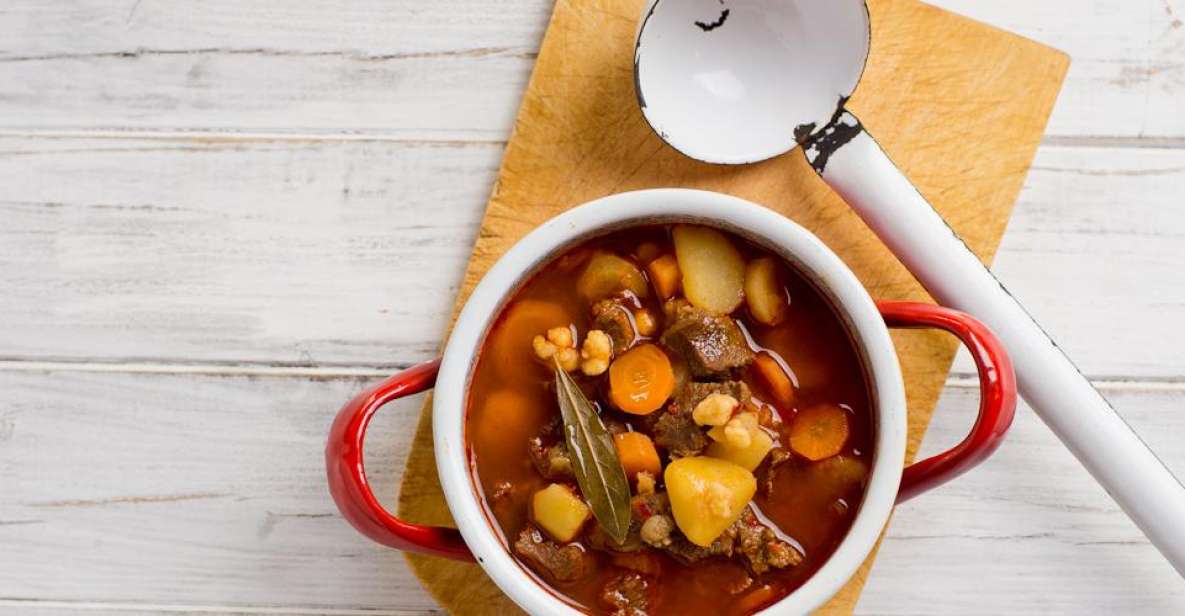
- A real 3-course Hungarian lunch: Expect dishes such as creamy potato soup, chicken paprikash, and sour cherry pie depending on the class flow.
- Recipes you can actually use later: You leave with take-home recipes to recreate the menu at home.
- Small group energy: Limited to 10 participants, which helps you move fast and still get answers.
Central Market Hall Start: Eating Kolbász Before You Cook
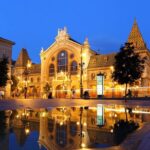
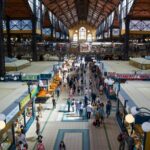
You’ll meet in front of the Central Market Hall at the Burger King, and the whole experience starts with a simple idea: Hungarian food makes more sense when you first see the ingredients. The guide takes you through the Market Hall and gives you the background you need, then steers you toward the foods you’ll be using later.
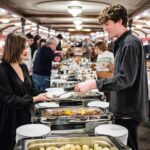
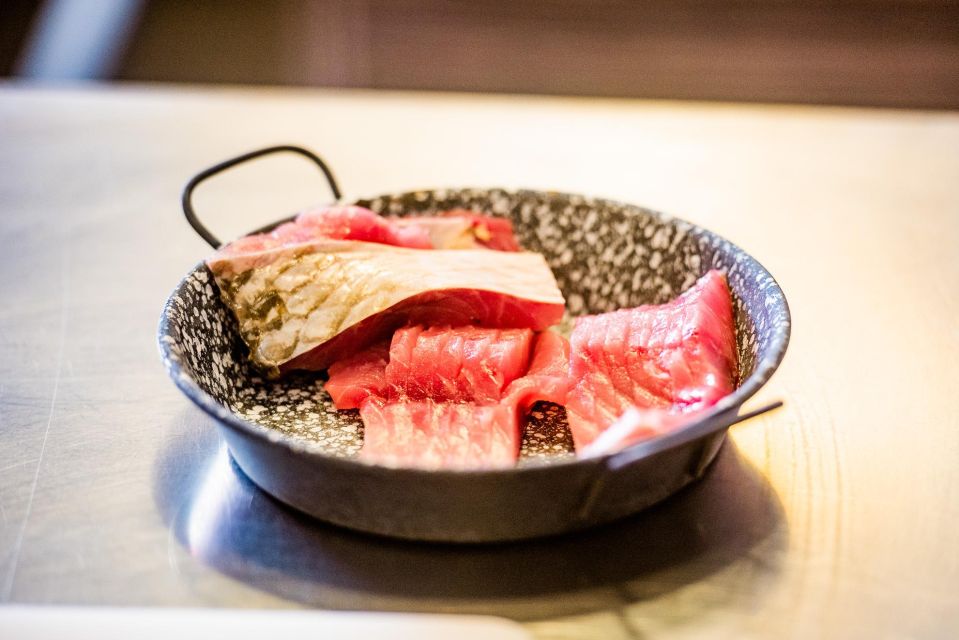
This first stop isn’t just a photo moment. You’ll get guided tastings during the market visit, including a little platter of Hungarian appetizers such as kolbász and körözött, plus a small breakfast-style setup so you’re not starving before the kitchen work begins. That snack-and-learn rhythm is a big part of why this class feels practical.
A quick heads-up: one guest ran into confusion because the description pointed to a different metro area, but the correct meeting spot was still the Central Market Hall. My advice is boring but useful: head straight to the Burger King sign in front of the Central Market Hall and don’t rely on vague map pins.
You can also read our reviews of more shopping tours in Budapest
Palinka and Unicum on Arrival: Spirits That Explain the Meal
Before lunch, the class includes Hungarian spirits—because in this country, food and drink are not separate stories. You’ll have a fruity Palinka on arrival, and there’s some Unicum before you sit down to eat what you helped make.
Why this matters: Palinka and Unicum aren’t just “drinks included.” They give you context for the flavor style of the meal—fruit notes, herbal bitterness, and the way Hungarians treat strong flavors as part of everyday dining. If you’re a casual foodie, it makes the lunch feel like a complete experience, not a cooking demo.
You also get unlimited soft drinks, coffee, and tea, which is the kind of detail that makes a difference in a 4-hour format. You can sip, snack, and settle in without feeling like you need to ration water.
The Chefparade Studio: Hands-On Cooking in a Real Teaching Kitchen
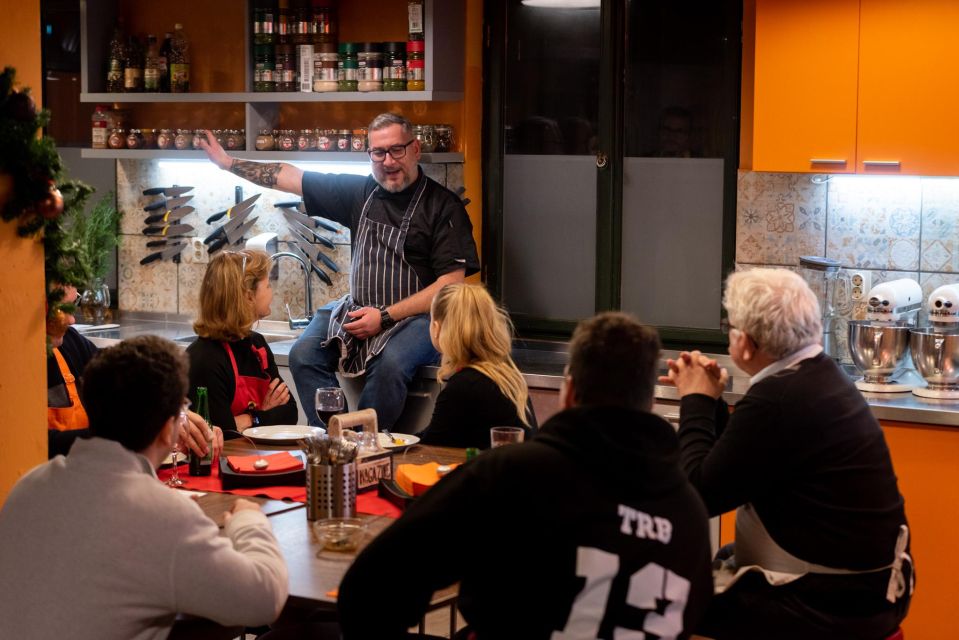
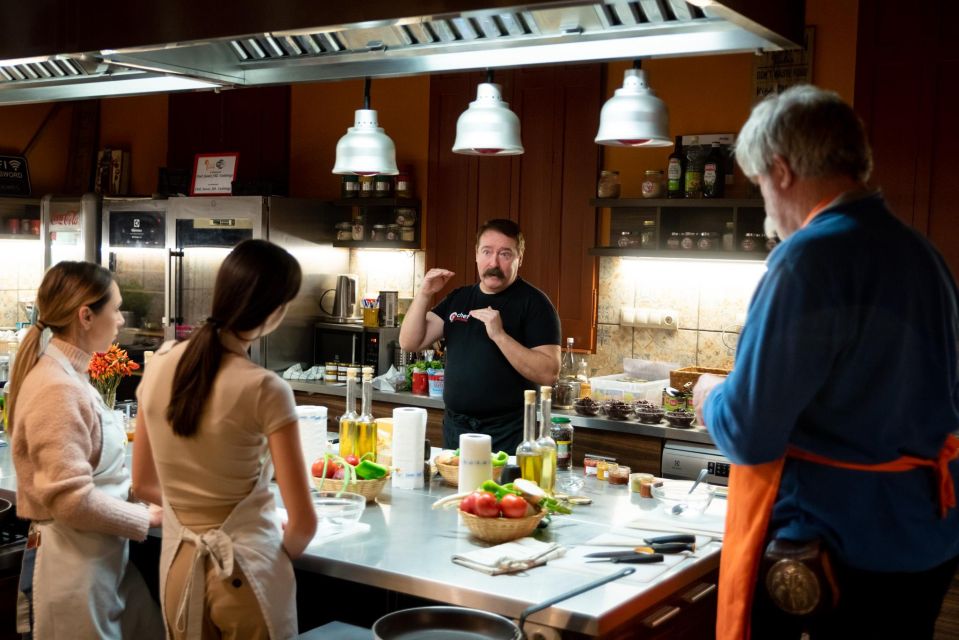
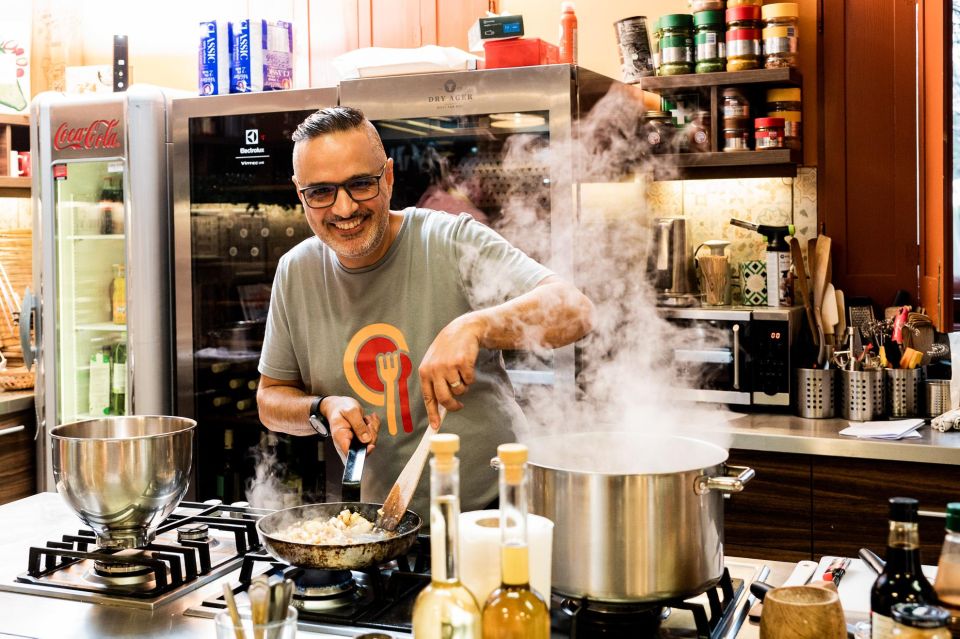
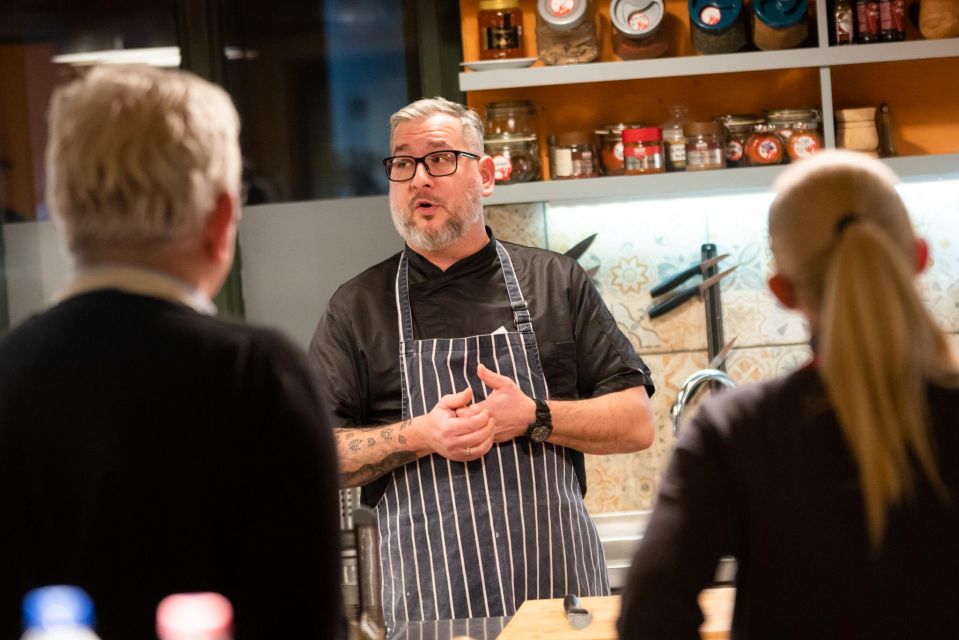
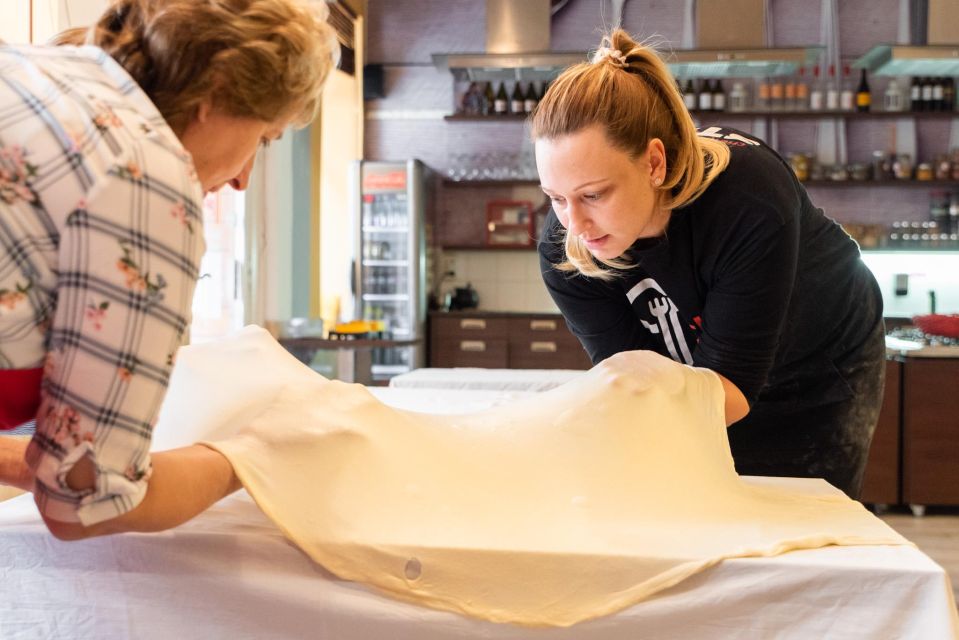
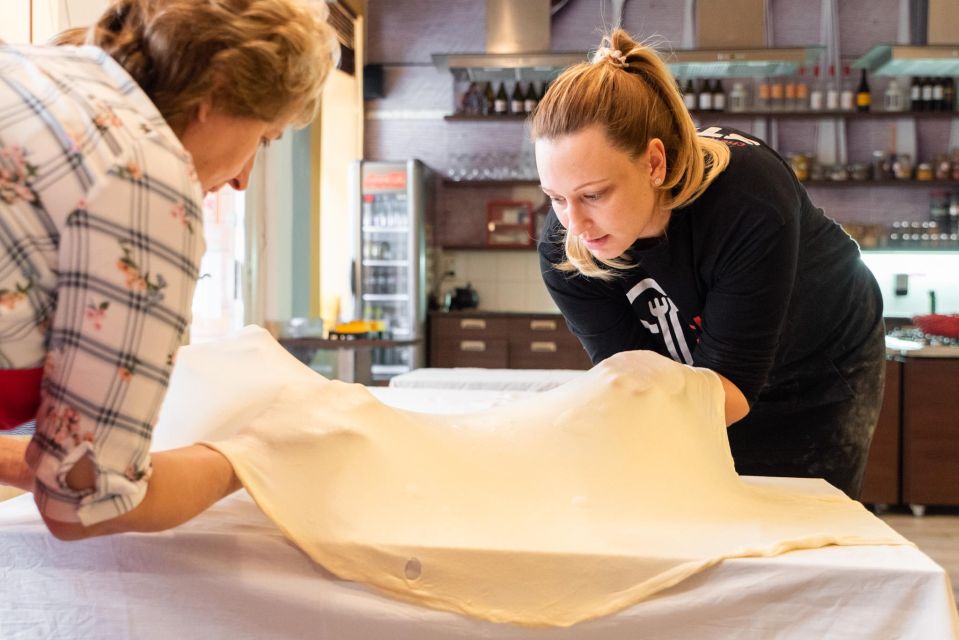
After the market, there’s a transfer from the market to the cooking school. Chefparade’s cooking setup is described as a contemporary, cosmopolitan studio, but the key point for you is simpler: it’s built for learning. The kitchen is well equipped, and you cook side-by-side with the chefs, not from behind glass.
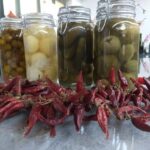
The class is very interactive. You learn how to handle core Hungarian ingredients and spices—especially paprika powder—and you practice the basic techniques that keep Hungarian cooking consistent. If you’ve ever tried to cook paprikash at home and felt like the flavor didn’t match, this is where you pick up the method behind it.
In past classes, names like Vesna and Aggie have led cooking sessions, and Sylvie has guided the market portion. That matters because a good instructor makes the difference between tasting a dish and understanding what to do with your own pot at home.
Also, you’ll get an apron, which sounds small, but it helps you relax into the cooking. Hungarian food can involve sauces that stain, herbs that cling, and dough that behaves like dough. Give yourself the right setup.
Your 3-Course Hungarian Lunch: From Soup to Paprikash to Pie
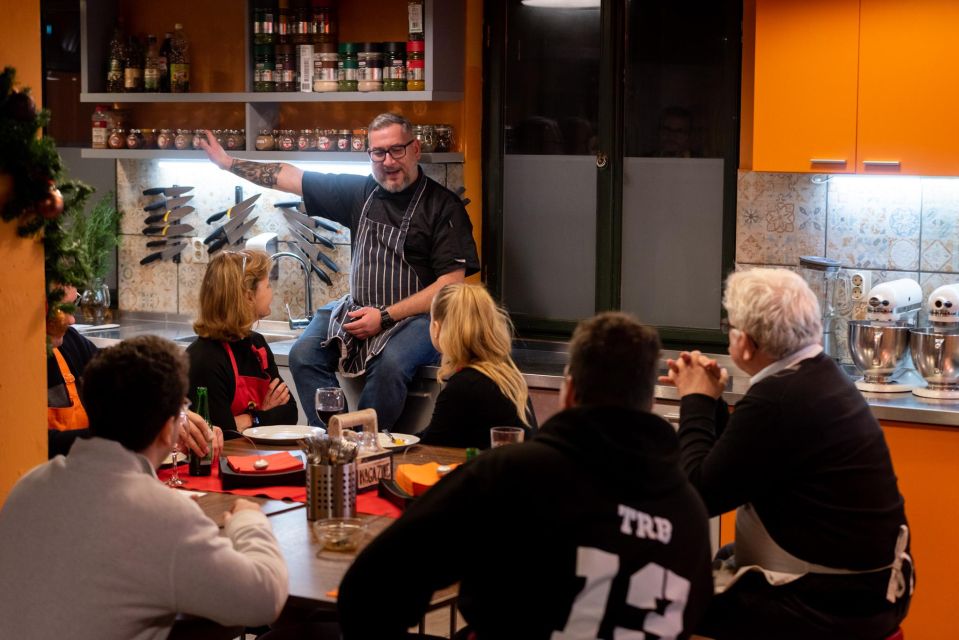
The heart of the day is the traditional 3-course meal, prepared by you. Courses typically run in the morning and finish with your lunch, so you’re not waiting around all day for the best part. The format is chef-guided but participatory, meaning your hands are busy and your questions have a place to go.
Based on the examples from earlier class menus, you can expect meals in the Hungarian comfort-food lane, such as:
- Tejfölös krumplileves (creamy potato soup)
- Csirkepaprikas (chicken paprikash)
- Meggyes pite (sour cherry pie)
Even if your exact menu shifts slightly by class timing, the lesson stays consistent: learn how Hungarian flavors get built through spice, simmering, and balance. Paprikash is a great example of why technique matters. You’re not just adding paprika—you’re learning how to manage heat and texture so the sauce turns silky instead of flat.
And yes, you’ll eat together in a relaxed lunch setting after cooking. This is one of those tours where the meal isn’t a separate event. It’s the proof that you can replicate what you just practiced.
You’ll also have a glass of wine with your lunch, which pairs naturally with a Hungarian menu that leans warm, savory, and slightly sweet in places (especially with dessert).
What You Learn Beyond Recipes (and How You’ll Actually Use It)
A lot of cooking classes teach recipes. This one also teaches ingredients and how Hungarians put them together. During the market portion, you’ll be introduced to typical Hungarian ingredients and traditions, then you’ll carry that knowledge directly into the kitchen.
That connection is the real value. When you understand why something is purchased or prepared a certain way, it’s easier to reproduce later—even if you don’t find the exact same brand of paprika back home. The takeaway is usually practical: you learn the role of spices, how ingredients behave, and what the finished dish should look and taste like.
You’ll also get recipes to take home, which means you’re not relying on memory after the day ends. That’s important because once you leave Budapest, you’ll want a clear path to recreate what you cooked, not just a list of ingredients you guessed at.
Finally, the class runs in English, and the group is small (limited to 10 participants). That combo makes it easier to keep pace and get answers while you’re actively cooking. In a larger class, you might watch. Here, you’re likely doing.
You can also read our reviews of more tours and experiences in Budapest
Price and logistics: Is $170 per person worth it?
At $170 per person for about 4 hours, this isn’t the cheapest thing you can book in Budapest. But if you look at what’s included, the price makes sense for many travelers.
You’re getting:
- a guided Market Hall tour
- tastings and a small breakfast-style start
- transfer between the market and the cooking school
- a hands-on 3-course lunch
- unlimited soft drinks, coffee, and tea
- a glass of wine
- aprons
- recipes to take home
- instruction in English with a small group format
Most value-conscious food travelers care about two things: time and skill. You’re paying for both. Four hours is long enough to learn technique and actually produce a full meal, not just sample one dish. And the small-group setup makes it more likely you’ll leave with usable know-how, not just a full stomach.
If your main goal is tasting without cooking, you might find cheaper options. If your goal includes learning and leaving with recipes, this is strong value.
Who should book this Hungarian menu cooking day?
I think this class fits best if you:
- want a food-forward Budapest experience beyond ruin bars and sightseeing photos
- enjoy hands-on cooking and want a guided path to Hungarian favorites
- prefer small-group learning with room for questions
- like the idea of starting with a Market Hall intro, then moving straight into the kitchen
It’s also a good fit for couples and solo travelers who don’t want to feel lost in a crowd. Small groups tend to feel more like a shared table than a factory line.
If you have dietary needs, the good news is that the operator says they can come up with a menu that suits your diet if you contact them. That’s the practical way to handle it—ask early so the kitchen can plan your course.
Should you book? My practical take
If you want one activity in Budapest that gives you both story and skill, I’d book this. The best part is how the day connects: market tastings lead into the cooking, and the meal you make becomes your reward. Add in the included Hungarian spirits (Palinka on arrival and Unicum before lunch) and the fact that you get recipes to take home, and it becomes more than a one-time meal.
Skip it only if you know you hate hands-on cooking or you’re trying to fill your schedule with the cheapest possible food stops. Otherwise, this is an efficient way to learn Hungarian flavors while eating like you mean it.
FAQ
Where is the meeting point for the class?
You’ll meet in front of the Central Market Hall at the Burger King.
How long is the cooking school experience?
The duration is 4 hours.
What language is the instruction?
The instructor teaches in English.
Is the group size small?
Yes. The class is limited to 10 participants.
What’s included with the market visit?
You get a guided tour in a local Market, including tastings of Hungarian appetizers such as kolbász and körözött, plus a small breakfast.
What will I cook and eat?
You’ll prepare a traditional 3-course Hungarian meal and eat a three-course lunch together.
Can the menu be adapted for dietary restrictions?
Yes. If you have dietary needs or restrictions, you should contact the tour operator, and they will come up with a menu that suits your diet.