REVIEW · BUDAPEST
Easy Cooking Class Budapest – with Market Walk (local wine & pálinka included)
Book on Viator →Operated by Easy Cooking Budapest · Bookable on Viator
Budapest flavors, handled like locals. This class pairs a guided sweep through Central Market Hall with a kitchen session built around Hungarian comfort food and pálinka and local wine. One thing to plan for: there’s no hotel pickup, so you’ll need to make your own way to the meeting point at Vámház krt. 1-3.
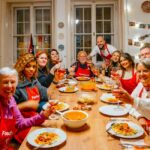
I like how it’s small and practical. With a maximum of 12 people and a chef leading the way, you’re not watching from the sidelines. The pace is relaxed enough to learn techniques, but quick enough that you end up eating a full 4-course lunch before the afternoon slips away.
The possible downside is also part of the “easy” promise. If you’re looking for advanced, high-skill, gourmet cooking, you may find the instruction more basic than you hoped, depending on the group and the chef.
In This Review
- Key takeaways before you book
- Why this Budapest market-to-kitchen format works
- Getting to the meeting point at Vámház krt. 1-3
- Central Market Hall stop: more than a pretty building
- The kitchen session with expert tips (and real participation)
- Pálinka and wine: turning tastes into context
- What you’ll cook: 4 courses that teach Hungarian flavor
- Starter: körözött (cottage cheese dip)
- Starter: Green peas soup with tarragon
- Main: Chicken paprikás with nokedli (or stuffed cabbage)
- Dessert: mákos guba (poppy seed bread pudding)
- Small-group size and why it matters for learning
- Dietary needs: vegetarian and allergy support with notice
- Timing and pace for a 11:00 am start
- The real value of paying $143.61 for this class
- Who this is best for (and who should think twice)
- Should you book Easy Cooking Class Budapest with Market Walk?
- FAQ
- What is the duration of the Easy Cooking Class Budapest with Market Walk?
- Where does the tour start, and when?
- Is hotel pickup included?
- What food and drinks are included?
- Are vegetarian options available?
- How large is the group?
- Can I cancel for a full refund?
Key takeaways before you book
- Central Market Hall food shopping where you’re guided through what Hungarians actually buy
- Pálinka and wine tastings timed around the cooking so it feels like a lesson, not a detour
- A full 4-course lunch that you cook and then sit down to enjoy
- Small group size (max 12) for real Q&A and hands-on participation
- Multiple chef-hosts you may meet, including Ildy, Kata, Cecilia, Zita, or Viki
- Vegetarian option available if you request it ahead of time
Why this Budapest market-to-kitchen format works
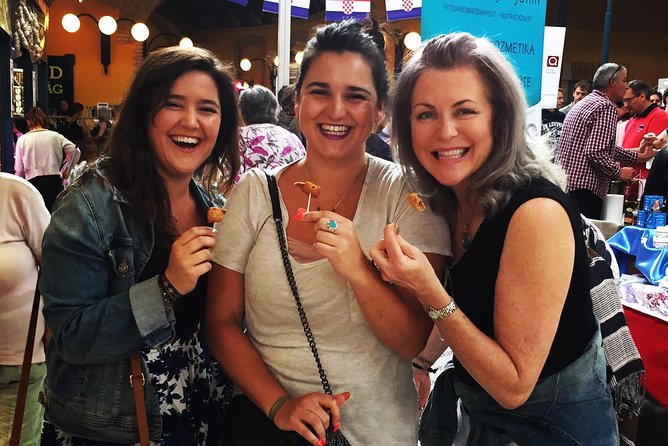
This experience is built around one idea: the best way to understand Hungarian food is to see the ingredients first, then cook them. Starting at Central Market Hall gives you context you won’t get from a simple restaurant meal—seasonality, staple produce, and the kinds of foods that show up again and again on Hungarian tables.
Then the kitchen part makes it stick. You’re not just tasting. You’re learning how dishes come together, from flavor-building (paprika, herbs, and simple seasoning) to classic textures like nokedli. And because you’ll be drinking local wine while you cook, the session stays fun without drifting into sloppy party energy.
For value, the price makes more sense once you count what’s included: market walk, ingredient tastings, a hands-on cooking class, beverages and wine tasting, and a sit-down 4-course lunch you help prepare.
You can also read our reviews of more shopping tours in Budapest
Getting to the meeting point at Vámház krt. 1-3
The tour starts at 11:00 am, and it ends back at the same place. The meeting point is Budapest, Vámház krt. 1-3, 1093 Hungary, near public transportation—so you can keep it simple with tram/metro/bus rather than arranging a longer transfer.
Because hotel pickup and drop-off aren’t included, I suggest planning to arrive a little early. Budapest schedules can be reliable, but you’ll still want a few minutes to find the exact spot and settle in before the market portion starts.
If you’re combining this with other sights the same day, think of it as a “midday anchor.” You’ll finish fed, not hungry-and-exploring.
Central Market Hall stop: more than a pretty building
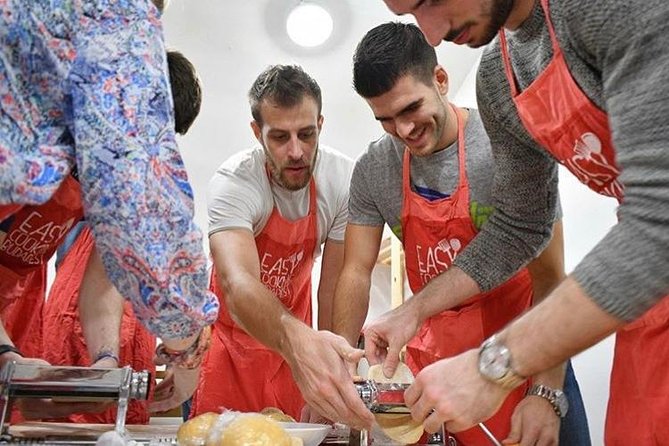
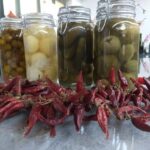
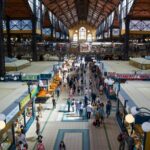
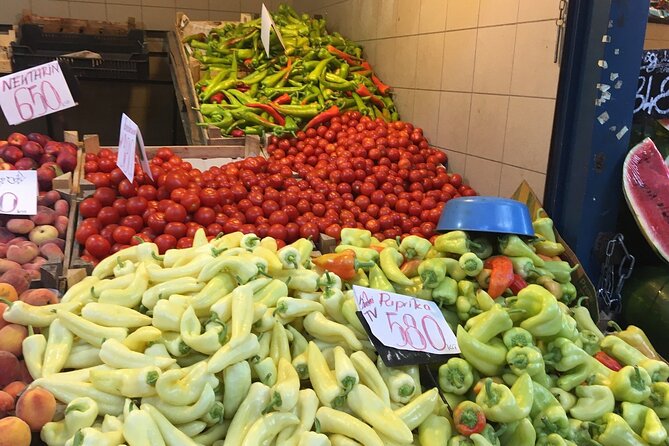
Central Market Hall is one of those places where the setting alone feels like part of the lesson. In this class, you don’t just wander. You get a guided walk that helps you understand what you’re seeing and what you’ll later cook with.
Expect:
- tasting and sampling local specialties as you shop
- practical guidance on ingredients you might not recognize
- shop-and-learn moments tied to what ends up on your plate later
A big plus is that you’re shopping in a working-style market environment—this is where locals buy food. That matters because it steers you toward real staples instead of tourist-marketed snacks.
Also, the timing is smart. You’ll be in the market before you’re fully “food-saturated” from lunch plans elsewhere, so tasting feels intentional, not stuffed.
The kitchen session with expert tips (and real participation)
After the market, you head to the kitchen with a professional chef guiding the process. This is where the class earns its name: it’s hands-on, but it’s designed to feel doable.
Here’s what I like about the way it’s set up:
- The group size stays small, so questions don’t get lost.
- You’ll cook alongside the guide, not just watch techniques get demonstrated.
- The class includes pick-up tips and techniques that are specific enough to recreate later.
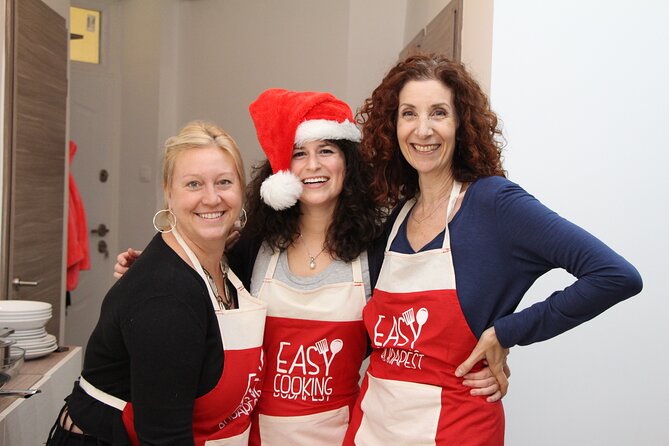
Different chefs and hosts may run your day, and the reviews highlight a few names—Ildy, Kata, Cecilia, Zita, and Viki. The consistent thread is a teaching style that’s friendly and practical, with people making sure you get chances to participate.
One detail worth noting: you may learn techniques beyond the exact menu. At least one class experience included making dumplings, for example. Even if your menu differs slightly, the “skills you leave with” is a major part of the value.
Pálinka and wine: turning tastes into context
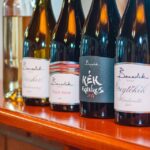
Hungarian alcohol can be a whole story on its own, and this tour doesn’t treat it like a random add-on. You’ll taste a local spirit (pálinka) and also work your way through local wine during the cooking session.
The timing matters. You taste, then cook, then eat. That order helps you connect flavors to ingredients and spices you’re using right then, instead of remembering alcohol as a separate event.
Practical tip: if you’re the type who wants to pace alcohol, this is still manageable. You’re in a structured group activity, so drinking doesn’t become a free-for-all.
You can also read our reviews of more tours and experiences in Budapest

What you’ll cook: 4 courses that teach Hungarian flavor
The menu is classic Hungarian, built around familiar textures and comforting sauces. You’ll be making an array of dishes that add up to a satisfying full meal—not just small bites.
Starter: körözött (cottage cheese dip)
Körözött is a great “first win.” It’s approachable, and it teaches you how Hungarian seasoning can turn something simple into something memorable. Expect a creamy dip built on cottage cheese with savory flavors.
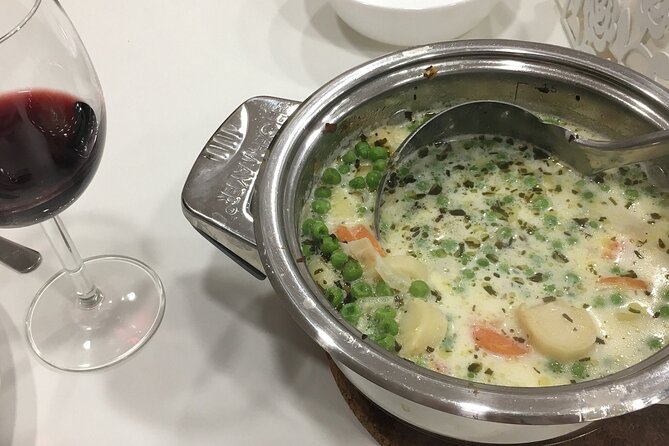
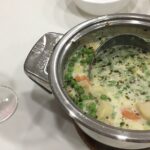
Starter: Green peas soup with tarragon
This soup helps you understand how herbs show up in Hungarian home cooking. Green peas plus tarragon gives a fresh note that keeps the meal from becoming heavy. It’s also a reminder that not every Hungarian dish is just paprika and comfort.
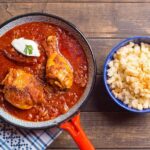
Main: Chicken paprikás with nokedli (or stuffed cabbage)
This is the heart of the cooking class. Two main paths are listed:
- Chicken paprikás with nokedli
- Or stuffed cabbage
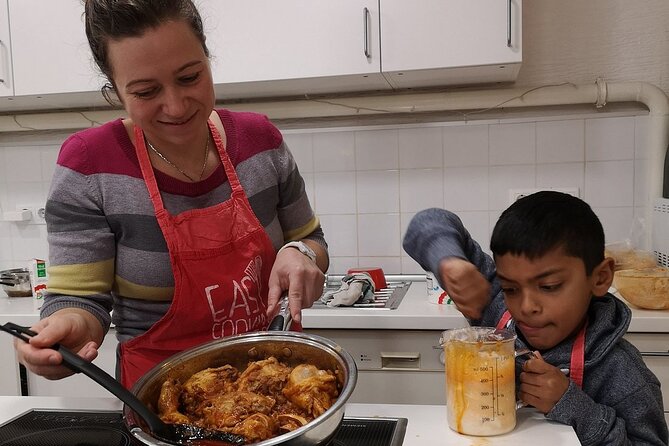
Chicken paprikás is a stew built around paprika flavor and a creamy, warm sauce. Nokedli matters too: those Hungarian dumpling-like egg noodles bring texture and help you understand how sides are part of the flavor logic, not just filler.
Stuffed cabbage is another classic comfort angle. If your class route goes this way, you’ll learn how to build and balance filling and cabbage together, turning humble ingredients into something that feels special.
Dessert: mákos guba (poppy seed bread pudding)
Mákos guba is a sweet ending that feels unmistakably Hungarian. Poppy seeds show up with a comforting, rich bread-pudding style base, so you leave with a dessert idea you likely won’t recreate from memory without the class instruction.
Small-group size and why it matters for learning
With a maximum of 12 travelers, you get a more personal rhythm. In practice, that means:
- easier eye contact with the chef
- quicker help when you’re chopping or assembling
- more chances to taste, ask, and adjust as you go
One review-style theme that stands out is how the chef made the experience feel intimate and personal. That’s not just “nice to hear.” It usually shows up as less waiting and more active cooking time.
If you’re traveling with a friend or you like structured experiences where you’re not stuck in a crowd, this size is a strong match.
Dietary needs: vegetarian and allergy support with notice
This is one area where you should be proactive. Vegetarian options are available, but you need to request them at booking.
Also, several reviews mention the chef accommodating specific allergies (including gluten, and other allergy concerns). That’s a good sign, but it also means you should describe your dietary requirements clearly when you book, not after you arrive.
If you have serious allergies, I’d treat the “advise at time of booking” note as a must-do. You want the team preparing with you in mind from the start.
Timing and pace for a 11:00 am start
The tour runs about 5 hours. Starting at 11:00 am works well if you want a late morning plan that still gives you afternoon time afterward.
Here’s the rhythm you can expect:
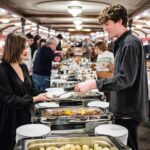
- Market visit and tasting
- Head to the kitchen
- Spirit introduction and tasting
- Cook together while drinking Hungarian wines
- Eat what you made
Because it ends at the meeting point, you’ll want a plan for the rest of your day nearby. Good option: pair it with Central Budapest sights you can reach by tram/metro without a complicated schedule.
The real value of paying $143.61 for this class
At around $143.61 per person, this isn’t a “cheap and cheerful” snack tour. But it’s also not overpriced when you itemize what you get.
Your money is paying for:
- guided shopping at Central Market Hall
- tastings (including local specialty samples)
- an in-kitchen, chef-led cooking class
- wine tasting during cooking
- beverages and a full 4-course lunch you help prepare
This is the kind of activity where the value is in the combination. Most single parts cost money on their own: a market tasting tour without cooking, or a cooking class without market context, or a restaurant meal without the ingredient learning.
If you want one experience in Budapest that gives you both food education and an eat-at-the-end payoff, this format is a solid choice.
Who this is best for (and who should think twice)
I’d put this class high on your list if:
- you love food and want to learn how dishes are built
- you’re curious about Hungarian staples like paprika-based cooking
- you prefer a small-group setting with hands-on teaching
- you want a fun midday meal you can recreate later
You might want to set expectations if:
- you’re looking for a gourmet, advanced-level masterclass
- you want purely sightseeing with minimal time in a kitchen
The “easy” approach is intentional. One review noted the cooking instruction felt rather basic rather than high-end gourmet. That doesn’t make it bad—it just means you’ll get more from it if you’re there to learn fundamentals and make authentic comfort food, not to chase Michelin-level technique.
Should you book Easy Cooking Class Budapest with Market Walk?
Yes, I’d book it if you want your Budapest food day to be both practical and memorable. The best reason is the sequence: market first, then cooking, then eating. That flow helps you learn faster and taste more intentionally.
Book it sooner rather than later. It’s often reserved in advance, and small-group tours with a hard max of 12 can fill up.
My final decision tip: if you’re the type who likes leaving with recipes and real confidence in at least a few dishes, this is your kind of day. And if you’re traveling with dietary needs, send those details at booking so the chef can plan your menu.
If you’re excited by Hungarian classics like chicken paprikás, nokedli, stuffed cabbage, and mákos guba—and you want to understand the ingredients at Central Market Hall—this is a smart, value-forward choice.
FAQ
What is the duration of the Easy Cooking Class Budapest with Market Walk?
It runs for about 5 hours.
Where does the tour start, and when?
It starts at 11:00 am at Budapest, Vámház krt. 1-3, 1093 Hungary.
Is hotel pickup included?
No. Hotel pickup and drop-off aren’t included. You’ll meet at the listed location and return there at the end.
What food and drinks are included?
The class includes food tasting, beverages, wine tasting, and a 4-course home-cooked lunch with the dishes on the menu.
Are vegetarian options available?
Yes. A vegetarian option is available if you request it when booking.
How large is the group?
The tour has a maximum of 12 travelers, which keeps it more personal.
Can I cancel for a full refund?
Yes. You can cancel up to 24 hours in advance for a full refund.