REVIEW · BUDAPEST
Hungarian Cooking and optional Local Market Tour
Book on Viator →Operated by Chefparade Cooking School · Bookable on Viator
Budapest has plenty of food stops, but this one teaches you. You’ll cook a real 3-course Hungarian meal from scratch, sip wines as you go, and get the kind of hands-on guidance that turns paprikash into something you can repeat at home. I especially like how the instructors make the food history and everyday culture part of the lesson, not an afterthought.
Two things I truly like: first, the small groups (up to 15) make it feel personal while you’re chopping, stirring, and learning technique. Second, the menu is classic and practical, built around flavors like beef goulash, chicken paprikash with nokedli or spaetzle, and apple strudel. The one drawback to consider is that the optional market portion can feel time-tight, so if you want to linger and browse freely, this may not match your style.
In This Review
- Why This Budapest Cooking Class Beats Another Restaurant Lunch
- Quick Highlights You’ll Care About
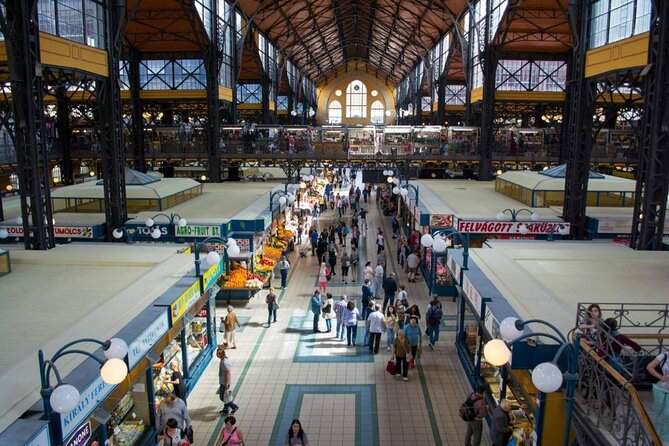
- The Optional Market Walk: Central Market Hall Without the Tourist Script
- Chefparade Cooking School: Where the Classroom Helps You Cook
- The 3-Course Hungarian Menu: What You’ll Actually Make
- Starter: Beef Goulash Soup
- Main: Chicken Paprikash With Nokedli or Spaetzle
- Dessert: Apple Strudel
- You Might Also See Hungarian Variations
- Wine, Palinka, and the Cultural Stories During the Cooking
- Pace and Group Size: 4 Hours That Move
- Price and Value Check for $126.98
- Logistics: Meeting Point, Getting to the Kitchen, and Getting Back
- Who This Budapest Class Fits Best
- Should You Book This Hungarian Cooking and Market Experience?
- FAQ
- What dishes will we cook in the Hungarian cooking class?
- Is a vegetarian menu available?
- How long is the experience?
- Is the tour offered in English?
- Where does the tour start and where does it end?
- Is the group size small?
Why This Budapest Cooking Class Beats Another Restaurant Lunch
I love booking cooking classes when I’m in a place for a short time. A good meal is great, but a good meal plus a skill you can carry home is better value. Here, you don’t just taste Hungarian comfort food; you build it in a kitchen designed for instruction, then sit down and eat what you made.
This experience is built for real understanding. Instructors like Vesna, Bernadette, and Brigitte show not only what to do, but why a dish works. That matters with Hungarian staples like paprika-based sauces, where timing, stirring, and texture are everything.
Also, you’re not guessing your way through the lesson. The class is structured so you’re cooking alongside the group during the same 3–4 hours. And yes, there’s wine, plus a small palinka tasting that fits the Hungarian tradition of turning a meal into an occasion.
Quick Highlights You’ll Care About
- Hands-on 3-course cooking in about 3–4 hours, with an emphasis on classic Hungarian dishes
- Small group size (maximum 15) for more help while you cook
- Optional local market walk at Central Market Hall for shopping vibes and taste comparisons
- Wine + palinka pairing as part of the meal-building experience
- Take-home recipe copies so you can cook again later
You can also read our reviews of more shopping tours in Budapest
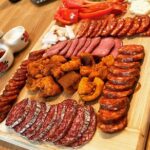
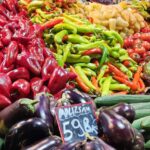
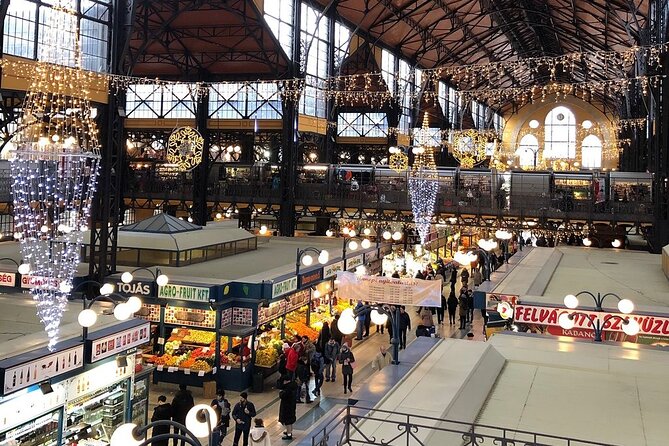
The Optional Market Walk: Central Market Hall Without the Tourist Script
If you add the optional market tour, you’ll start learning before you start cooking. The vibe is market-walking the Hungarian way: snack while you browse, notice differences in ingredients, and pay attention to what looks fresh and tastes right.
The tour plan includes stops tied to Páva Street and Central Market Hall. Even when time is limited, the goal is clear: help you understand what you’re going to cook with. You’ll also get the sense that Hungarians use markets as a social routine, not just a place to buy things quickly.
One of the best parts of a market component like this is the shopping education. In reviews, people mention learning the difference between peppers and other ingredients you may recognize from home, but not in the same flavor intensity. If you’ve ever bought paprika and wondered why it doesn’t taste the way you expected, this is the kind of lesson that fixes that mystery.
Now, the honest caution. A few people found the market portion rushed, with not much time for purchases. So if your dream is hours of free browsing and bargaining, consider the cooking-only version. If your goal is to understand ingredients and then cook with confidence, the market tour is a strong add-on.
Chefparade Cooking School: Where the Classroom Helps You Cook
After the market (if you choose it), you shift from street-level shopping energy to kitchen time. The cooking school locations are listed as either Bécsi street 27 (Buda) or Páva street 13 (Pest), depending on the session.
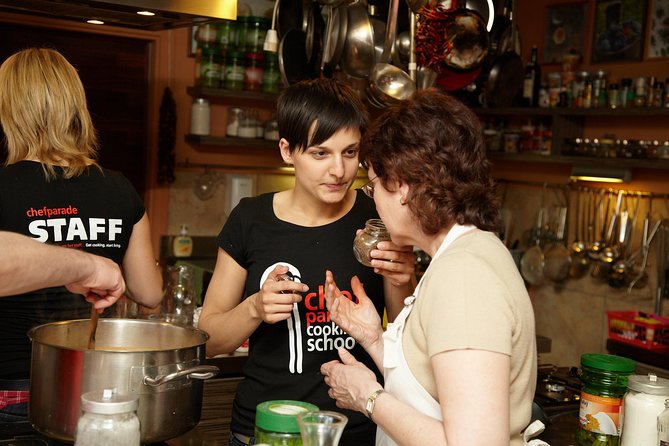
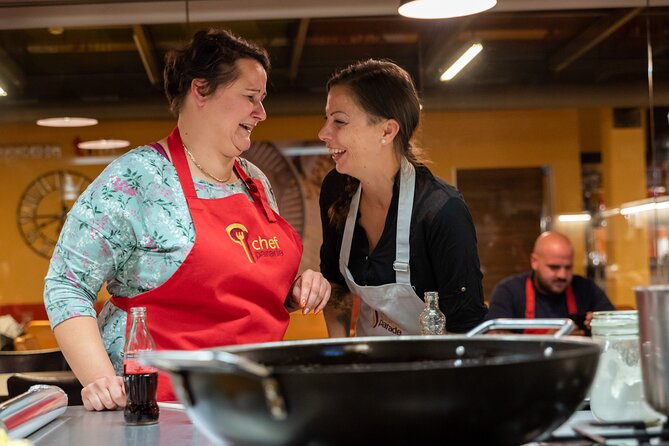
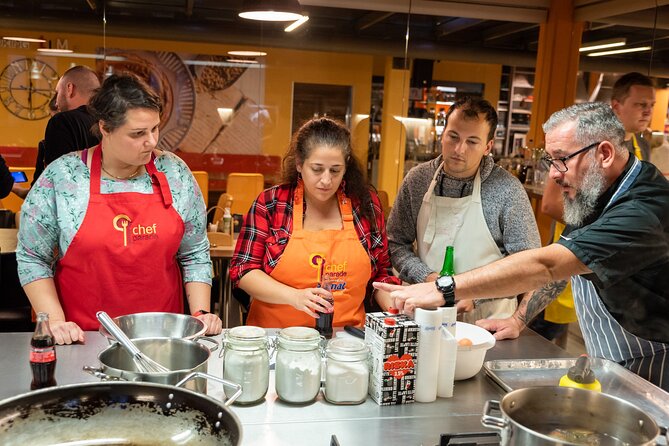
In practice, this is a good setup for a first-time Hungarian cook. The kitchen is built for instruction, not just entertainment. You’re not watching from the sidelines; you’re prepping and cooking alongside your instructor. Reviews mention that the school is well organized and that instructors are patient, even when people are new to technique.
Two details matter for comfort:
- The activity is near public transportation, so you’re not stuck arranging complicated transit.
- You get a mobile ticket, which is usually the easiest way to show up on time while you’re navigating a busy city.
The 3-Course Hungarian Menu: What You’ll Actually Make
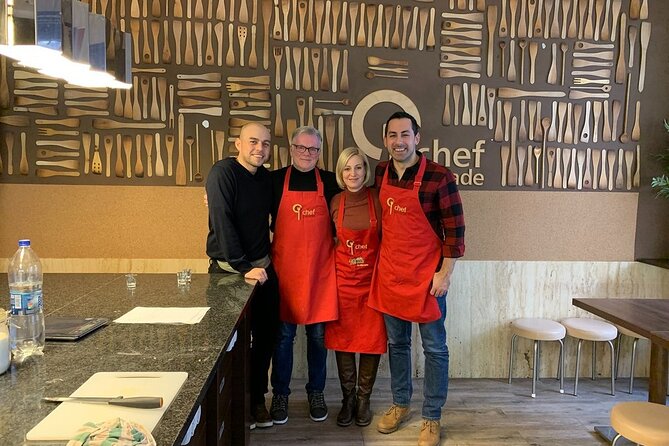
This class is built around a traditional Hungarian structure: soup, a paprika-driven main, and a pastry dessert. Your exact menu can vary by session, but the core dishes stay very recognizable.
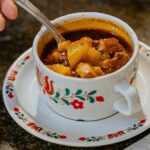
Starter: Beef Goulash Soup
You’ll cook a hearty goulash soup made with beef and plenty of vegetables. This is one of those dishes where flavor comes from more than one step. Expect lots of time spent on prep and simmering, and don’t be surprised if you learn how to build the sauce so it tastes deep rather than flat.
If you’ve eaten goulash before, this takes it from restaurant version to kitchen understanding. You’ll see how the ingredient ratios and cooking method change the texture and thickness.
You can also read our reviews of more tours and experiences in Budapest

Main: Chicken Paprikash With Nokedli or Spaetzle
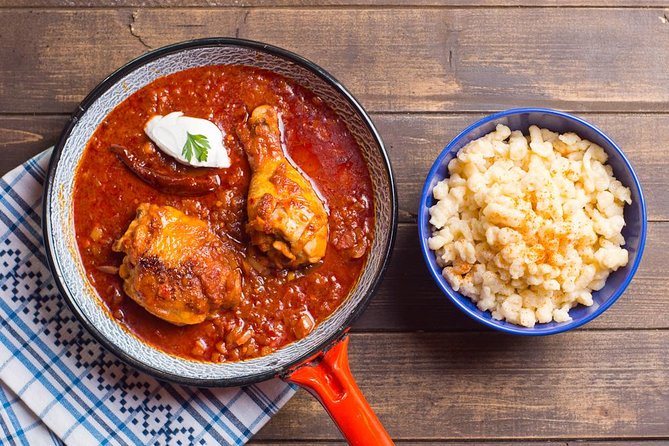
Next up is chicken paprikash, one of Hungary’s signature comfort meals. You’ll cook the creamy paprika sauce around the chicken, and then you’ll make the side—often nokedli or spaetzle, depending on the session’s menu wording.
This is where technique matters. A few reviews highlight the care involved in cooking the chicken and stirring the sauce consistently. The lesson isn’t just about following a recipe; it’s about learning the rhythm so the sauce stays smooth and the chicken doesn’t overcook.
There’s also an option for a different main: a mushroom paprikash version. If you prefer a vegetarian-leaning meal (the class itself notes a vegetarian menu is available upon request), you may find this style more up your alley.
Dessert: Apple Strudel
For dessert, you’ll make apple strudel, built with a classic thin phyllo-style pastry and sweet apple filling with cinnamon. Even if you’re not a dessert person, strudel is a satisfying finale because you can see the transformation from ingredients to a finished pastry.
Some reviews mention taking extra strudel home, which makes sense because this is the kind of dessert that travels well for a short time after class.
You Might Also See Hungarian Variations
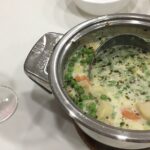
The menu template is the one above, but the dish set can shift. Reviews mention other Hungarian dishes in classes, like porkolt, potato soup, and palacsinta. So if you have your heart set on only one specific dish, focus on the “Hungarian paprika comfort meal” promise rather than expecting every session to be identical.
Wine, Palinka, and the Cultural Stories During the Cooking
Food classes are often either all technique or all talk. This one is designed to mix both while you’re cooking. As you prep and stir, you’ll hear storytelling about Hungarian gastronomy and traditions. It’s not a lecture that kills your appetite; it’s woven into the cooking flow.
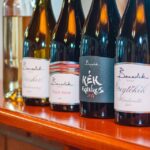
And then there’s the drinks. You’ll enjoy amazing wines during the meal prep, with a little palinka tasting as part of the tradition. People also mention an additional Hungarian digestif like Unicum at the end in at least one session, so plan on a final sip moment, even if it isn’t always front-and-center in your expectations.
Instructors also make the experience feel human. Review names show up again and again—Vesna, Bernadette, Brigitte, Betty, and Adrienne—and the consistent theme is how clearly they explain steps and how patient they are when you’re trying something unfamiliar.
If you like learning through doing, this format works. It turns a food you may have only eaten before into something you understand.
Pace and Group Size: 4 Hours That Move
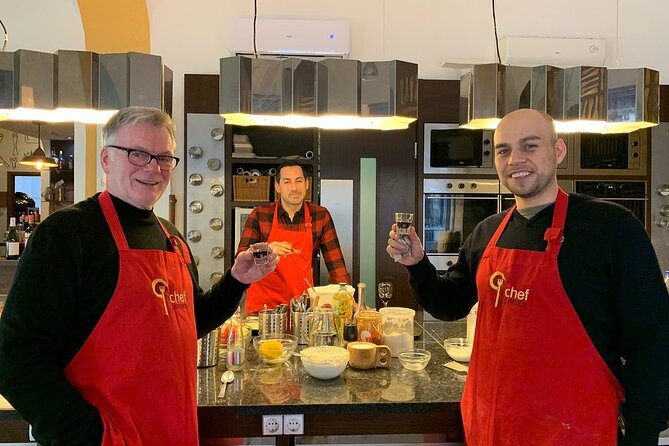
This is not a marathon. The tour runs about 4 hours, and that includes cooking, eating, and tasting. With up to 15 travelers, the pace stays manageable, and the instructor can keep an eye on multiple people without the whole class feeling rushed.
Hands-on time is a major selling point. Reviews frequently mention actually cooking, not just assembling. You’ll be doing real prep and cooking tasks as a group while your instructor watches and adjusts when needed.
That said, keep one consideration in mind: the pace can feel tighter when the market option is included, especially if someone books the market add-on and also wants extra time to shop. If you’re sensitive to time pressure, you might prefer cooking-only so you can focus fully on the kitchen.
Price and Value Check for $126.98
At $126.98 per person, this sits in the mid-range for a guided cooking class in a major European city. The value comes from three things:
- You eat what you cook. This isn’t a light tasting. You’ll prepare a full 3-course meal and sit down afterward, with wine and palinka in the mix.
- You get recipes. Reviews mention receiving recipe copies you can take home. That’s the biggest long-term value—your future dinners can borrow directly from what you learned.
- You’re in a kitchen class, not just a tour. Market experiences are fun, but the main payoff here is technique: learning how Hungarian-style sauces and pastries actually come together.
The market add-on can change value depending on what you expected. Some people felt the market tour didn’t leave much time to shop, so the best match is someone who sees the market as ingredient education rather than free shopping time.
Logistics: Meeting Point, Getting to the Kitchen, and Getting Back
You’ll start at Central Market Hall (1093 Budapest, Hungary). The activity ends back at the meeting point, but the cooking school address is given as either Bécsi street 27 (Buda) or Páva street 13 (Pest).
So here’s what that means for you: expect a short shift from the market area to the cooking school, then back to your original meeting point when the program ends. It’s also worth reading your exact booking details carefully, because one negative experience described confusion around what transportation was included depending on booking channel.
My practical advice:
- If you choose the optional market tour, check whether transportation back to the center is included in what you purchased.
- If you’re traveling with family or you hate last-minute ride decisions, confirm up front so you’re not thinking about taxis while you’re trying to enjoy dessert.
Who This Budapest Class Fits Best
This is a great fit if you want more than a meal and you like learning by doing. It’s especially good for:
- First-time visitors who want classic Hungarian dishes without figuring out recipes from scratch
- Non-cooks who need clear steps and patient instruction
- Food lovers who like paprika-based comfort food and want to understand the sauce-making logic
It may not fit as well if:
- You want hours of free market browsing and don’t want any time pressure
- You have allergies or religious dietary needs that need careful handling, because the class notes that options may be limited and you should specify dietary requirements at booking
Should You Book This Hungarian Cooking and Market Experience?
I think you should book it if your goal is simple: cook a true Hungarian meal with guidance, eat well, and take home recipes you’ll actually use. The small group size and instructor-led hands-on format make it one of the best “learn and enjoy” activities in Budapest food culture.
Book cooking-only if you’re picky about shopping time or you’re anxious about tight schedules. Book the market tour if you want the ingredient education—how to spot good produce and what matters for flavor—so the kitchen part feels even more meaningful.
If you do book, send in dietary requests early and double-check what your package includes, especially if you care about transportation back to the city center.
FAQ
What dishes will we cook in the Hungarian cooking class?
The sample menu includes goulash soup, chicken paprikash with nokedli or fresh spaetzle, and apple strudel. There’s also an option for mushroom paprikash with fresh spaetzle, depending on the session. Some classes may include other Hungarian dishes, but the core 3-course structure is the focus.
Is a vegetarian menu available?
Yes. A vegetarian menu is available upon request, but options may be limited for guests with allergies or religious dietary restrictions, so it’s best to specify dietary needs when booking.
How long is the experience?
It runs about 4 hours (approx.), including cooking and eating.
Is the tour offered in English?
Yes, it’s offered in English.
Where does the tour start and where does it end?
The meeting point is Central Market Hall in Budapest (1093 Hungary). The activity ends back at the meeting point, and the class itself ends in the cooking school at either Bécsi street 27 (Buda) or Páva street 13 (Pest).
Is the group size small?
Yes. The class has a maximum of 15 travelers.
If you tell me your travel dates and whether you want the market tour, I can help you decide which option makes the most sense for how you like to spend a half day in Budapest.