REVIEW · BUDAPEST
Budapest: Memento Park Ticket
Book on GetYourGuide →Operated by Memento Park · Bookable on GetYourGuide
Big statues. Strange calm. Real history. Memento Park gathers Hungary’s socialist-era monuments into one focused visit, so you can see the message of the dictatorship without bouncing around the city. I especially like the scale and placement of Stalin’s Grandstand, which helps you understand how power wanted to look, sound, and control public space.
The second thing I really enjoyed is the mix of serious context and media inside the park: the The Life of an Agent documentary and the photo exhibition make the symbolism easier to decode. One drawback to plan for up front: the park paths are gravel, so it isn’t suitable for wheelchair users.
In This Review
- Quick hits
- Why this park feels different from a normal museum
- The real value of a $10, 1-day ticket
- Getting to the entrance: where your voucher gets checked
- Entering: Stalin’s Grandstand and the feeling of a political stage
- The Most Cheerful Barrack: documentary + photo exhibition time
- Under Stalin’s Boots: storage-showroom style exhibits
- Trabant photo point and the funny side of propaganda
- How the monument themes translate into real learning
- Timing your day: a simple pacing plan
- Practical tips that make the visit easier
- Who should book this ticket (and who might skip it)
- Should you book the Budapest Memento Park ticket?
- FAQ
- How much does the Budapest Memento Park ticket cost?
- How long does the experience take?
- Where do I enter and present my voucher?
- Is transportation included?
- Is a guided tour included?
- What’s included with admission?
- What documentary is shown?
- Is the park suitable for wheelchair users?
Quick hits
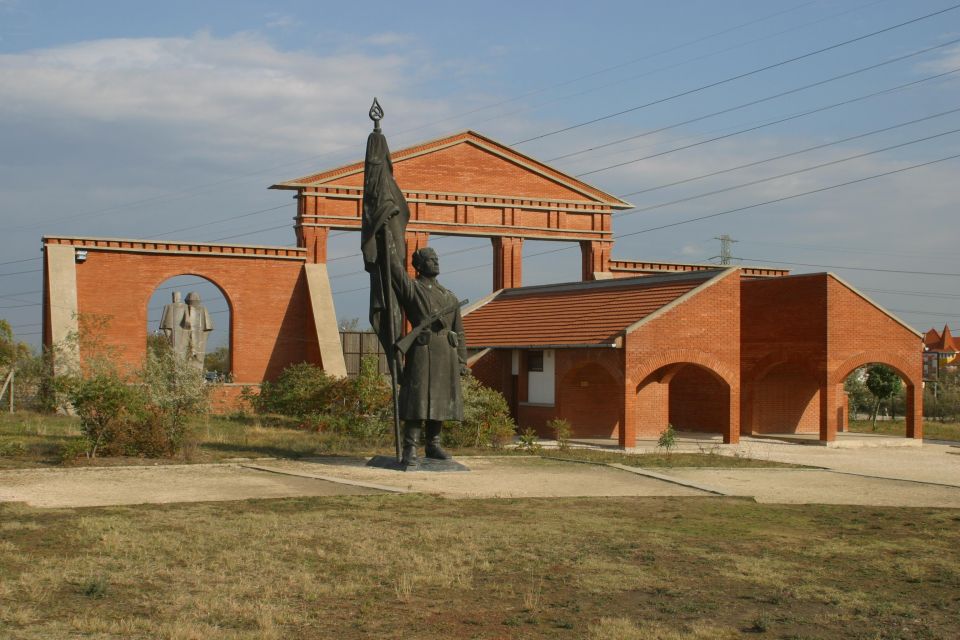
- Stalin’s Grandstand replica brings you back to the kind of public-show staging used on socialist holidays
- The Life of an Agent documentary plus a photo exhibition explains the former political secret service
- The Most Cheerful Barrack adds an odd contrast between the name and the subject matter
- Under Stalin’s Boots includes a storage-showroom style display and art exhibition
- Trabant car photo stop gives you an easy, fun picture moment on-site
- Selfie-friendly statues (like Lenin and Red Army soldiers) make the visit feel less like a lecture
Why this park feels different from a normal museum
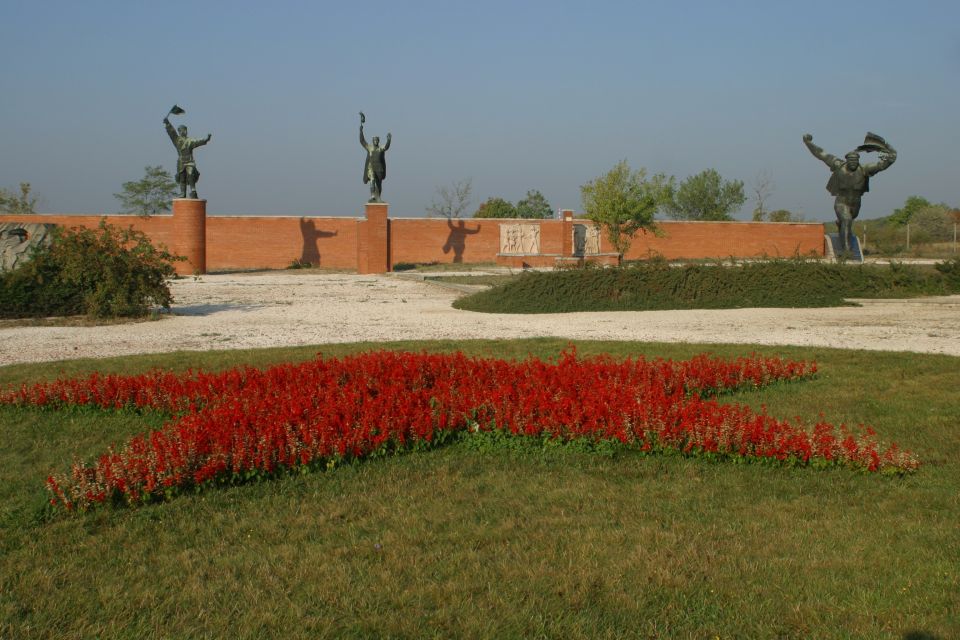
Memento Park isn’t trying to be a traditional museum with quiet rooms and timed ticketed tours. It’s an outdoor collection of monumental propaganda—giant figures, stern allegories of “liberation,” and political statuary that once dominated streets. At the end of the communist era, those statues were removed from Budapest streets and set up here as a reminder of what that period looked like.
That change in setting matters. You’re not just reading about a system; you’re standing in the leftover “stage” it built. And because the pieces are all in one place, you can compare them quickly: who got memorialized, what themes were repeated, and how the visuals tried to do the persuading.
You can also read our reviews of more tours and experiences in Budapest



The real value of a $10, 1-day ticket
The ticket is about $10 per person and you’re planning for roughly 1 day. In practical terms, that’s good value because this is a self-paced park you can slow down in. If you’re the type who likes to take photos, reread labels, and stop to think, you’ll use the time well.
It’s also a solid deal if you want context without booking a guided tour. You get the park admission plus the key indoor elements (documentary/photo exhibition and the exhibits), so you’re not paying extra for the “thinking parts.”
Where value can drop a bit is if you’re expecting a short stop with lots of modern conveniences. This is mostly a monument walk. You’ll be happiest if you come with curiosity and comfortable shoes.
Getting to the entrance: where your voucher gets checked
You’ll present your voucher at the Memento Park entrance at Balatoni út – Szabadkai utca sarok, 1223 Magyarország. Transportation isn’t included, so you’ll want to treat this as a do-it-yourself trip from wherever you’re staying in Budapest.
One practical point: roadworks and changing bus routes can affect how close you can get. In the area, you may need up-to-date instructions for nearby bus service (including lines like 101E and 150), especially if stops aren’t operating normally. I’d check local transit updates the day you go, then plan a backup way to reach the entrance if anything is detoured.
Entering: Stalin’s Grandstand and the feeling of a political stage
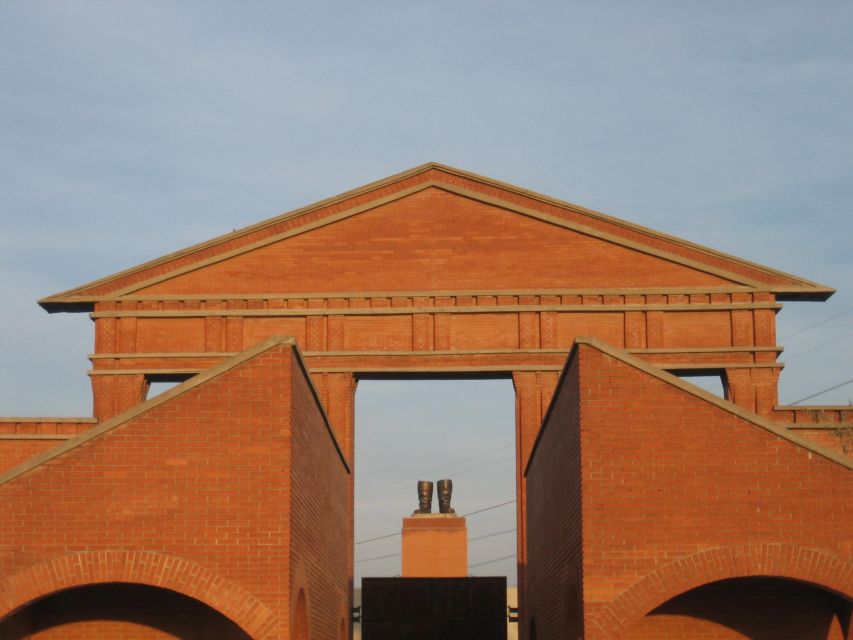
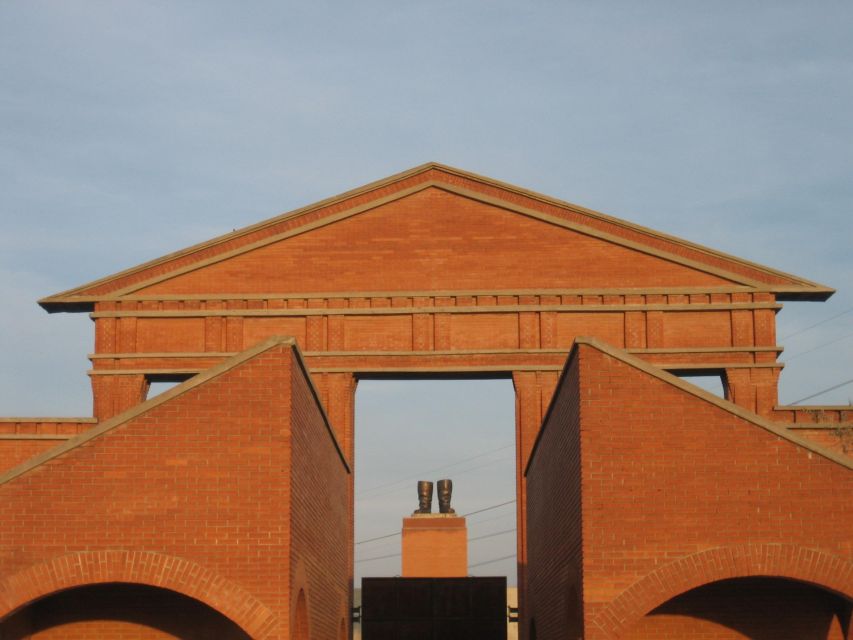
When you arrive, the first big impression is Stalin’s enormous grandstand. It’s a replica of the one that used to stand in the former Parade Square, where socialist leaders celebrated on political holidays. Even if you know the basics, standing in front of something built for mass spectacle gives you a better sense of scale and intent.
What I find useful here is how the grandstand pulls everything together. It’s not just a statue. It’s a viewpoint platform, an exhibition area, and a marker of how leaders wanted audiences to feel: small, lined up, watched, and part of a performance.
Make time for the grandstand level because it’s where you’ll get more statues, exhibitions, and views. If you rush, you’ll miss the way the site layout turns you into the audience the system was designed for.
The Most Cheerful Barrack: documentary + photo exhibition time
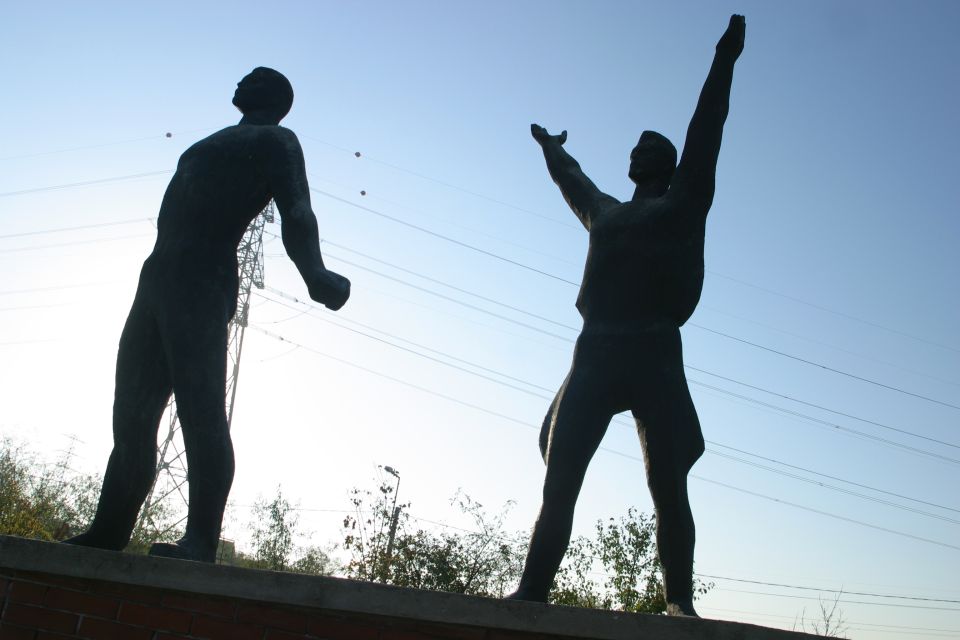
Next, head to The Most Cheerful Barrack—yes, the name is a bit of a joke compared to what’s inside. This is where you’ll watch an on-site documentary and see the photo exhibition that adds historical background.
The documentary is titled The Life of an Agent and focuses on the former political secret service. That topic can feel heavy, but the park context helps. Instead of reading about intimidation in the abstract, you’re seeing how a surveillance-style system supports propaganda. The photo exhibition gives you supporting visuals so the story doesn’t float off into vague ideas.
If you like learning while you’re standing still, this is your stop. It’s also a good reset if you’ve been outside in the sun or cold—indoors, you can regroup, take notes, and then head back out with sharper questions.





Under Stalin’s Boots: storage-showroom style exhibits
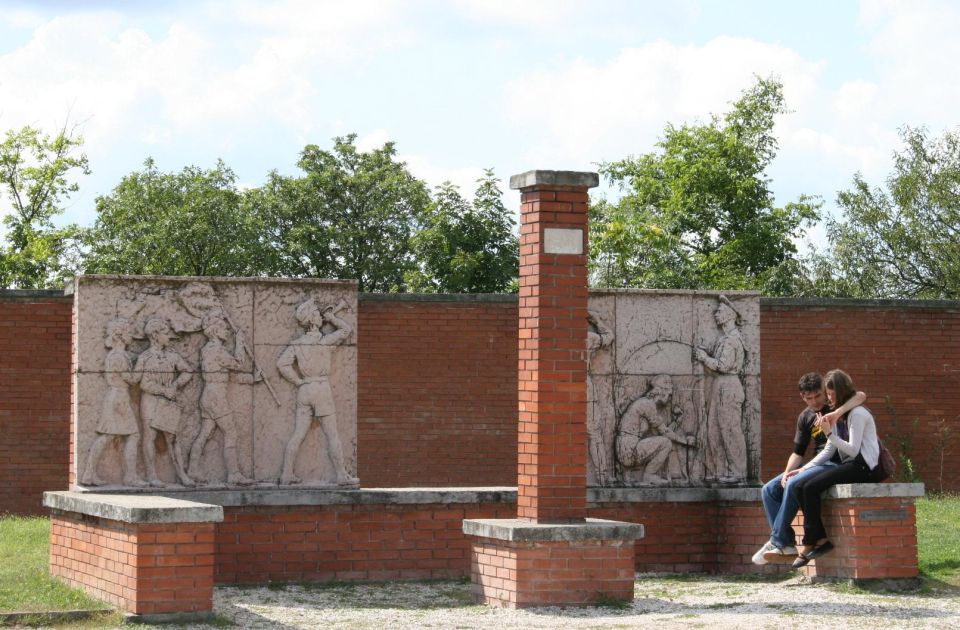
One of the more interesting components is the exhibit described as under Stalin’s Boots, including a storage showroom and art exhibition. I like this approach because it gives a different angle on the monuments.
Instead of treating everything as sacred or untouchable, the site shows how objects of power can end up categorized, stored, and displayed like artifacts. That shift is part of the point. These were tools used to persuade millions in public spaces. Here, they’re re-framed—still powerful visually, but no longer in control of the streets.
Also, don’t underestimate how much this area can change the mood of your visit. It’s a reminder that the dictatorship didn’t only rely on dramatic posters and parades. It relied on everyday control mechanisms, and the park’s exhibit approach helps you connect the dots.
Trabant photo point and the funny side of propaganda
You’ll find an original Trabant car, and it’s one of the most popular photo spots on site. This is the kind of photo moment that works even if you’re not a “car person.” It grounds the propaganda era in everyday material culture, which makes the statues less like “history from far away” and more like lived-in reality.
And yes, the park has a playful side: there are selfie-friendly opportunities with statues such as Lenin and Soviet Red Army soldiers. You can absolutely take photos here, but I’d keep one foot in context. That balance is what makes this place more than just a quirky photo stop.
How the monument themes translate into real learning
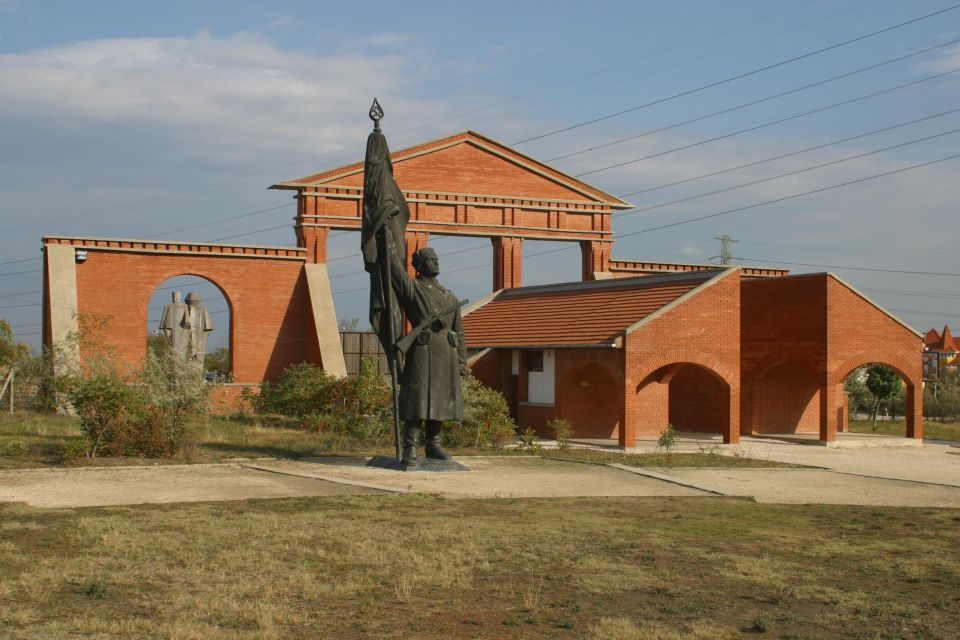
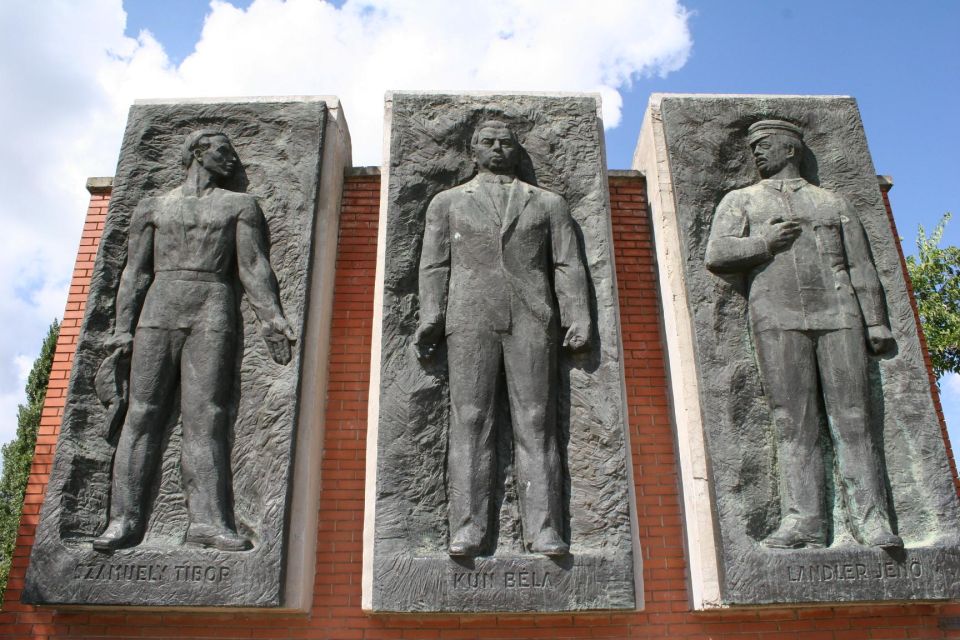
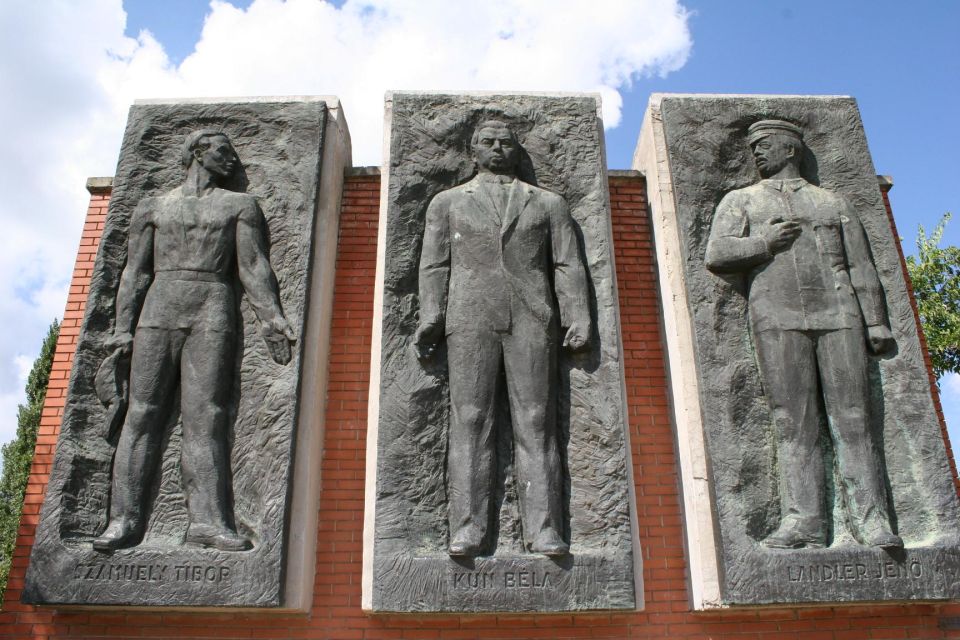
The site is built around the symbols of socialist Hungary: propaganda monuments, allegories of liberation, statues linked to the labor movement, and soldiers of the Red Army. Standing among them helps you notice patterns quickly.
Here are the patterns I’d watch for as you walk:
- Allegories of liberation tend to present force as moral duty. Look at the mood and gesture—who is leading, who is being “saved,” and what the body language communicates.
- Labor movement figures often connect power to productivity and unity. Even when you don’t read every label, the intended relationship between worker and state is visible in the styling.
- Red Army imagery is designed to make political legitimacy feel like military reality. You’ll often see a blend of commemoration and intimidation.
The park’s value is that you can make these comparisons without needing a guided tour. It’s self-paced, so you can slow down at the pieces that ask the biggest questions for you.
Timing your day: a simple pacing plan
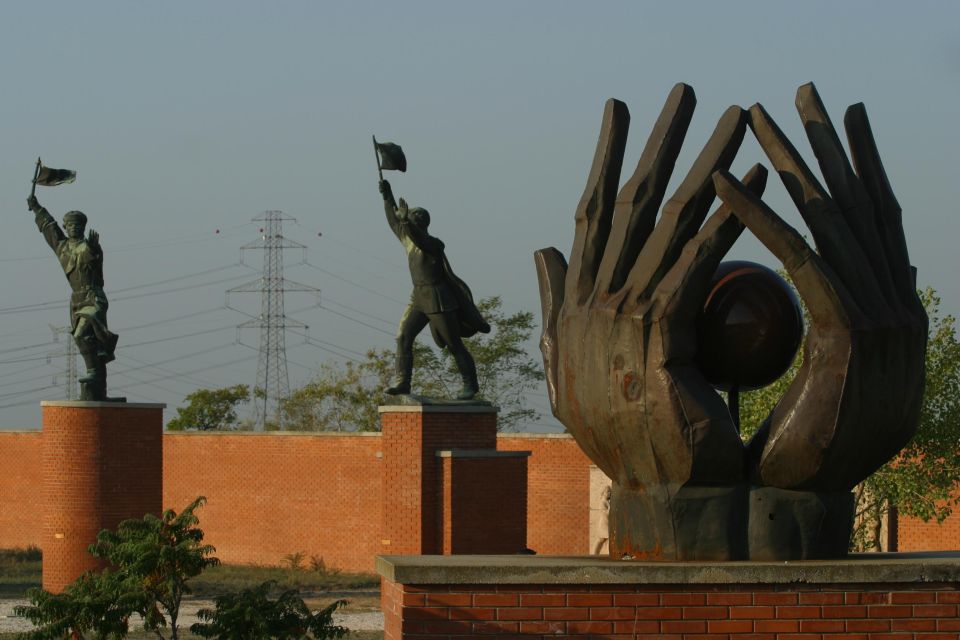
Because this is a 1-day, self-paced park ticket, you’ll get the best experience by not treating it like a quick checkbox. I’d plan for a few hours outside to walk and photograph, then one solid block for the indoor documentary and photo exhibition.
A helpful pacing rhythm:
- Start with the grandstand and outer monuments for the big-picture context
- Then shift into The Most Cheerful Barrack for the documentary and photo exhibition
- Finish with the exhibits around under Stalin’s Boots and the Trabant photo moment
Even if you don’t read everything, this order helps. The site makes more sense when you learn the story after seeing the visuals first.
Practical tips that make the visit easier
The big practical issue is the ground. Paths are covered with gravel, and the park isn’t suitable for wheelchair users. If you use walking aids, the gravel can still be slow-going, so wear shoes with good grip.
Also, plan for limited food options. The experience includes admission and specific indoor exhibits, but there’s no mention of a sit-down lunch stop as part of the ticket. Bring water, and consider a snack you can eat when you pause for photos. Your day will feel less stressful.
Finally, bring your camera mindset, but not just your selfie mindset. This place is designed to communicate. If you take a minute before each photo—what am I photographing, and what message is being repeated?—you’ll come away with a much better understanding than a simple “I was there” picture.
Who should book this ticket (and who might skip it)
Book this if you:
- want a compact, self-paced way to see socialist propaganda monuments in one location
- like pairing outdoor visuals with indoor context like a documentary and photo exhibition
- enjoy photographing statuary and want a classic Trabant moment
Consider skipping if you:
- need wheelchair-friendly paths (the park isn’t suitable)
- are only interested in mainstream city sights and want something fully guided or strictly chronological
This is also a great match for people who like thoughtful travel—history that you can walk through, not just read about in a book.
Should you book the Budapest Memento Park ticket?
I think it’s worth booking if your idea of a good travel day includes seeing how politics becomes art, and art becomes public space. At about $10 for admission plus the documentary/photo exhibition and the key exhibits, the value is strong—especially because you can set your own pace.
If you’re looking for comfort and convenience, or if mobility is a factor, you might feel constrained by the gravel paths and the outdoors-heavy layout. But if you show up with sturdy shoes and a curious mind, Memento Park is one of those visits that sticks with you. You’ll leave having seen propaganda up close—then having a clearer sense of how that power worked.
FAQ
How much does the Budapest Memento Park ticket cost?
The price is listed as about $10 per person.
How long does the experience take?
It’s listed as valid for 1 day.
Where do I enter and present my voucher?
Present your voucher at the Memento Park entrance at Balatoni út – Szabadkai utca sarok, 1223 Magyarország.
Is transportation included?
No, transportation isn’t included.
Is a guided tour included?
No guided tour is included.
What’s included with admission?
Admission includes the photo exhibition and movie show in The Most Cheerful Barrack, the storage showroom and art exhibition under Stalin’s Boots, and the original Trabant car for fun photos.
What documentary is shown?
The documentary is titled The Life of an Agent.
Is the park suitable for wheelchair users?
No. The paths are gravel and the activity isn’t suitable for wheelchair users.