REVIEW · BUDAPEST
Budapest: Communist History Tour with House of Terror Option
Book on GetYourGuide →Operated by Tourist Angel · Bookable on GetYourGuide
Communism hits different in Budapest. This tour gives you a small-group walking route across central monuments, then lets you pick between the playful Budapest Retro Experience Center or the intense House of Terror. I like that the guide is there to connect names, dates, and locations into one clear story, and I like the practical flow: you get museum time without wrestling with logistics. The only real drawback is the subject matter: House of Terror can feel heavy and emotional.
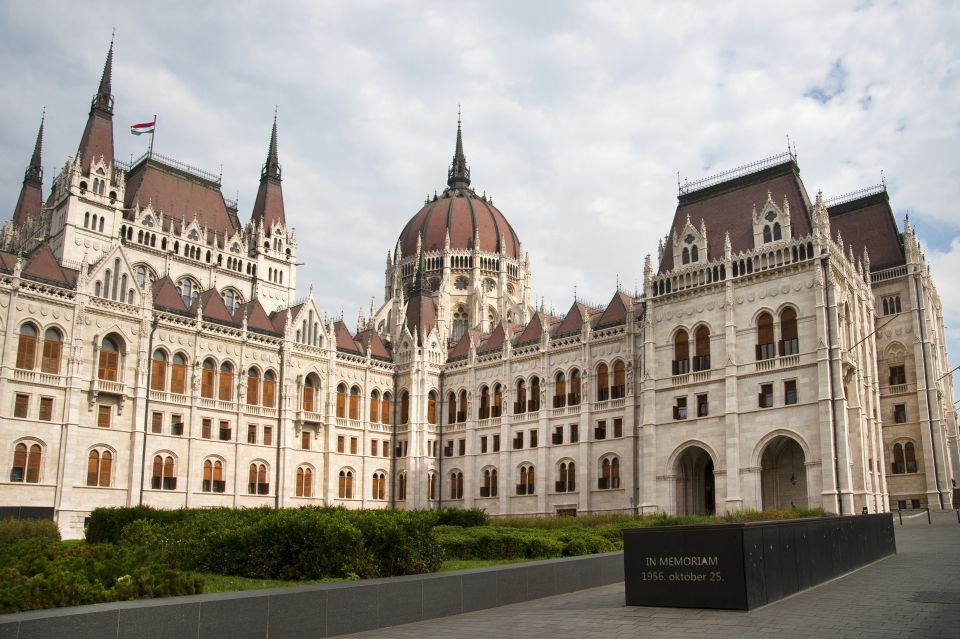
The core route is about seeing how power was built into the city. Starting around the Hungarian Parliament area and working toward Liberty Square, you’ll get historical context for what you’re actually looking at—rather than just photo-stops.
Then you choose your tone for the second half. In the morning option, you shift from politics to objects and everyday life at Retro Center. In the afternoon option, you head for the House of Terror Museum, focused on the machinery of repression and the path from WWII through Nazi rule, Soviet occupation, and the 1956 uprising.
In This Review
- Key highlights worth planning for
- From Parliament to Liberty Square: where the story becomes visible
- Mindszenty’s windows and the city’s Cold War “hidden parts”
- The 1956 uprising: what you see and why the guide’s framing matters
- Morning mood: Budapest Retro Experience Center and the 1960–1980 look at daily life
- Afternoon intensity: House of Terror Museum, AVO, and the machinery of fear
- Why the guide matters on this one: clarity, pacing, and human context
- Price and value: what you’re actually paying for at $58
- Who should book this Budapest Communist History tour
- Should you book this tour with the House of Terror option?
- FAQ
- How long is the Communist History tour?
- What museum options are available?
- Are the tours guided in English?
- How big is the group?
- Does the price include museum entry?
- Is the tour run by the museum staff?
- Where do I get my ticket?
- Can I get a refund if my plans change?
Key highlights worth planning for
- Two options after the same walk: Retro Center for the 1960–1980 everyday world, or House of Terror for interrogation and punishment.
- Specific “you-are-here” landmarks: Parliament monuments, the Soviet Liberation Memorial at Liberty Square, and the famous windows linked to Cardinal Mindszenty’s exile.
- Cold War details in the street: ventilation channels from a secret underground nuclear bunker built during the Cold War.
- 1956 shown on the ground: you’ll hear where the anti-Soviet revolution played out and why it mattered afterward.
- A tight group size: limited to 10 people, so questions actually land and the guide can keep a steady pace.
From Parliament to Liberty Square: where the story becomes visible
This is the kind of walking tour where I like to start with the big public symbols, because Budapest makes its politics impossible to miss. You begin near the Hungarian Parliament, a stunning backdrop that also frames the message: Hungary’s Communist period left marks in stone, plaques, and monuments. One of the first things you’ll notice is the memorial-style design pointing to the many victims of the red dictatorship. It’s not subtle.
From there, the walk moves you toward Liberty Square, and the tone changes again. Here you’ll find the Soviet Liberation Memorial—described as the last Communist monument remaining in the city in its original place. That detail matters. It helps you understand not just what was built, but what survived after Communism faded and what the city chose to keep visible.
This route is practical too. Central Budapest is compact, so you can connect spots you’d otherwise see as separate sights. The guide’s job is to stitch them together: what Soviet military occupation meant locally, how control worked, and why certain locations became political stages.
You can also read our reviews of more historical tours in Budapest



Mindszenty’s windows and the city’s Cold War “hidden parts”
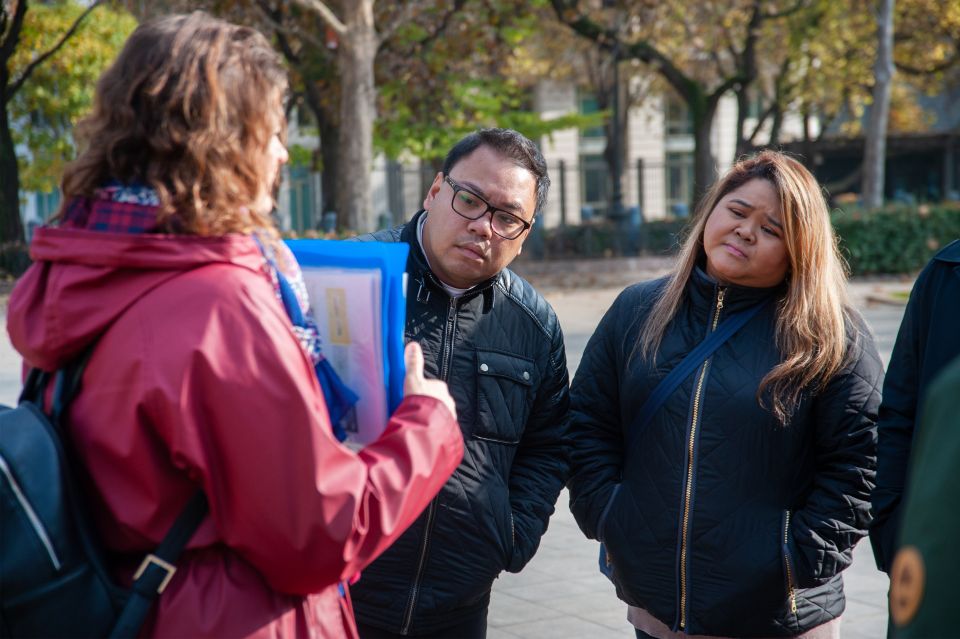
Budapest doesn’t only show history through grand buildings. It also shows it through the smaller, stranger details—especially the ones that don’t fit the postcard.
One standout stop is the famous windows of Budapest, tied to Cardinal Mindszenty, the anti-Communist Catholic church leader who spent years in exile. This is the sort of context that can flip how you read a location. You’re not just looking at architecture; you’re looking at where a major figure had to live through a long and difficult political chapter.
Then you get the Cold War element that feels almost cinematic: the ventilation channels of a secret underground nuclear bunker built in the Cold War years. You’re not touring a movie set. You’re learning how fear and preparedness were engineered into the city itself. Even if you only catch fragments of the system, the point lands: the Communist era in Hungary wasn’t just ideology—it was planning, secrecy, and protection for those in power, while everyone else lived with the consequences.
The 1956 uprising: what you see and why the guide’s framing matters
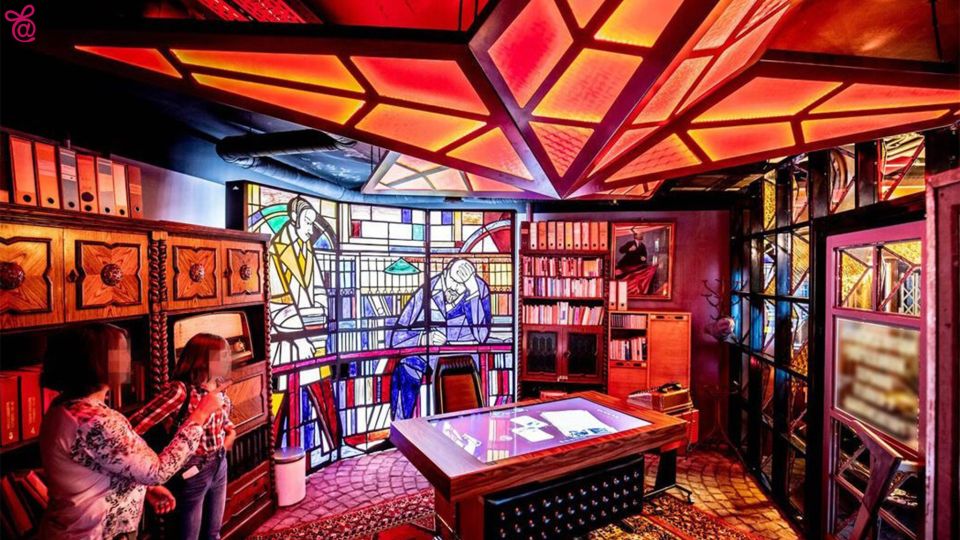
You’ll also encounter sites tied to Hungary’s anti-Soviet revolution of 1956. This part is important because 1956 is often mentioned in passing, if you learn it at all. On this tour, you get a grounded sense of what people were reacting to, how Soviet influence was felt on the ground, and what happened after the uprising.
What I value here is the way the walk keeps connecting cause and effect. The guide ties the earlier Soviet occupation and Communist consolidation to the pressures that led to resistance. Then it carries forward to show why 1956 wasn’t just a moment—it shaped how the Communist period ended later.
If you like history you can point to, you’ll enjoy this. You’ll look at streets and plazas and think: that was where political tension turned into action.
Morning mood: Budapest Retro Experience Center and the 1960–1980 look at daily life
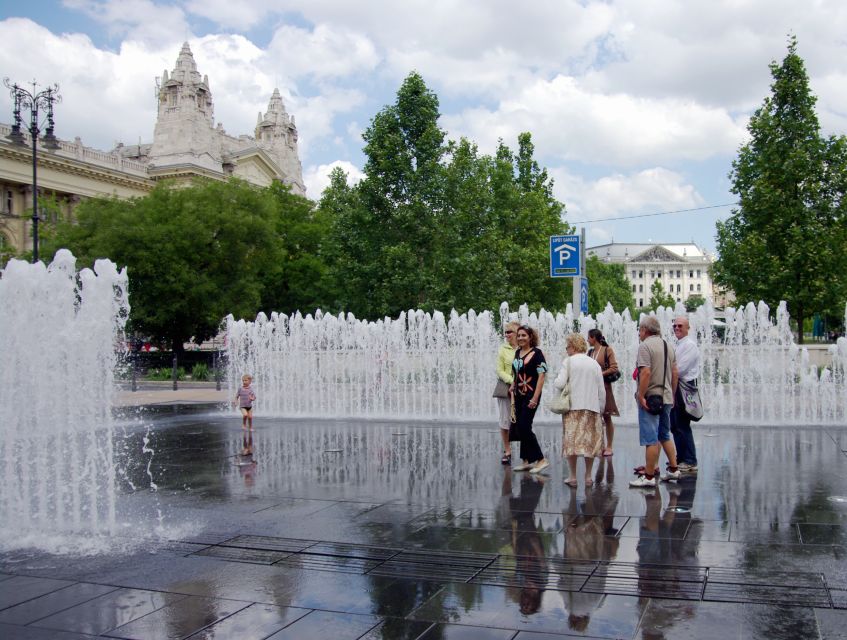
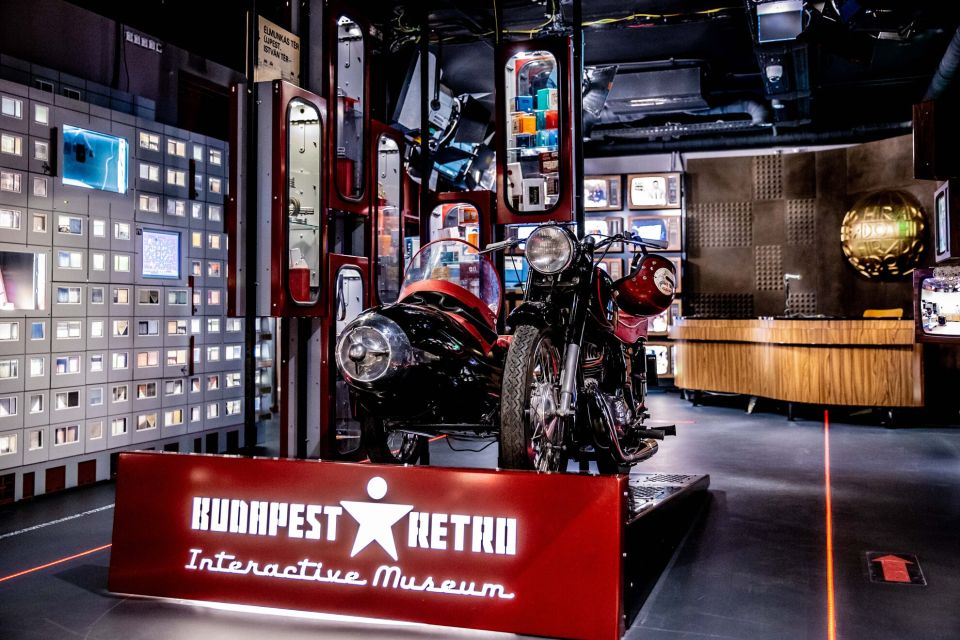
If you pick the morning option, the second half shifts gears. After the walking portion, you get a 1-hour guided visit at the Budapest Retro Experience Center (also called Budapest Retro Experience Center in the tour description).
This museum is built around everyday life during the 1960–1980 period. You’re not just reading panels. You’re seeing street views, typical vehicles, real interior home designs, and thousands of objects from the era. There are also references to the Soviet-Hungarian space flight, which adds a surprising, human side to propaganda and ambition.
What makes this option fun (without turning history into a joke) is how interactive it is. The exhibition is arranged across three floors, and you’re given the chance to dress up as a Communist comrade or try a TV news presenter role. It’s performative, yes, but it’s also a way to experience how media and identity were packaged.
This is a great choice if you want contrast. You’ll already have the walk laying out political control. Then Retro Center shows what control looked like from the inside: objects people lived with, symbols people repeated, and the normal rhythm of a state-shaped life.
One small consideration: if you’re only in Budapest for serious, heavy material, the retro angle may feel lighter than you expected. I’d still argue it’s useful, because it makes the era feel real rather than only monstrous.
Afternoon intensity: House of Terror Museum, AVO, and the machinery of fear
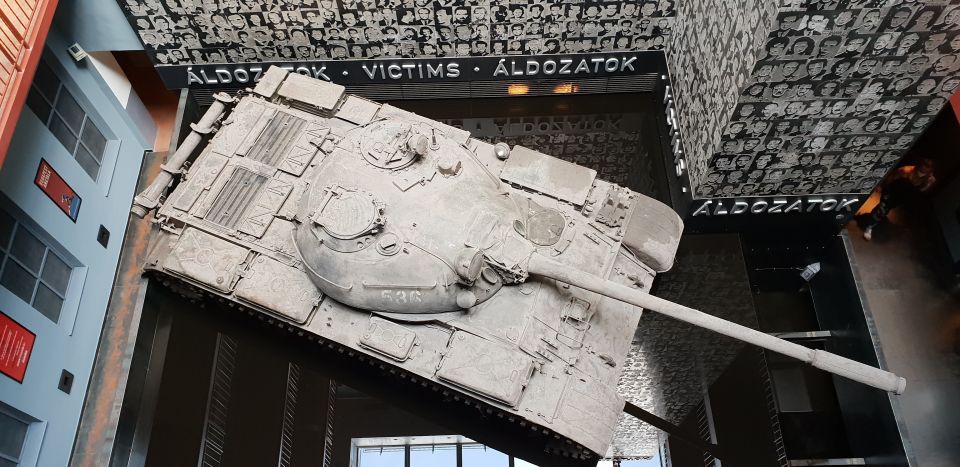
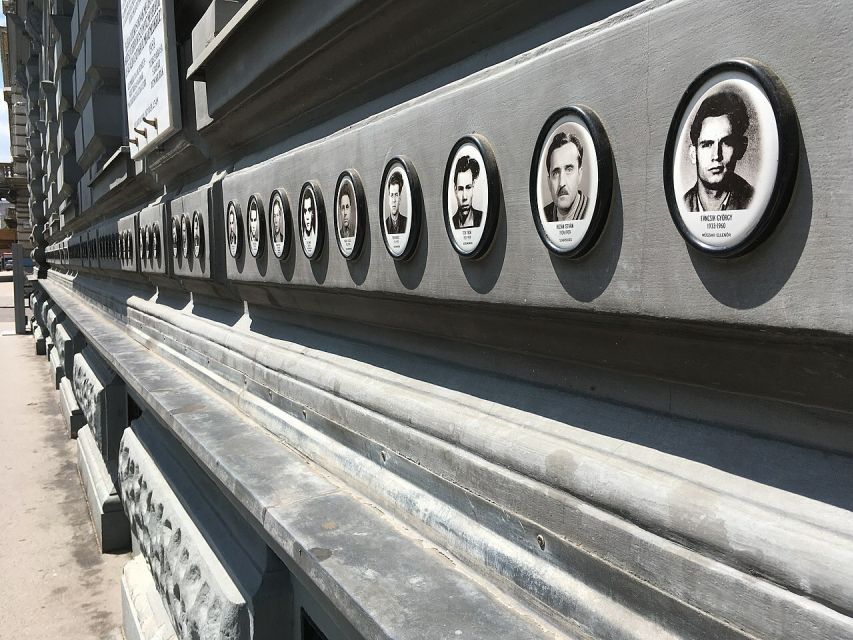
The afternoon option is for people who want the story at full emotional volume. The House of Terror Museum is described as the former seat of the AVO State Protection Police—the local version of the Soviet KGB—and that alone sets the expectation.
Before you even step deep into the exhibits, you’re being asked to consider place. The museum is presented as being faithfully restored to commemorate victims of Hungary’s most brutal period of Communist dictatorship in the 1940s and 1950s. The building isn’t just an information container; it’s part of the memory.
You also have flexibility in how you experience it:
- You can add a ticket and visit on your own after the walk.
- Or you can choose a guided tour inside the museum, with a walkthrough that covers the full arc.
In the guided version, the route moves chronologically and topically:
- From WWII to Nazi rule, then on to Soviet Communist occupation
- The life and economy of the 1950s
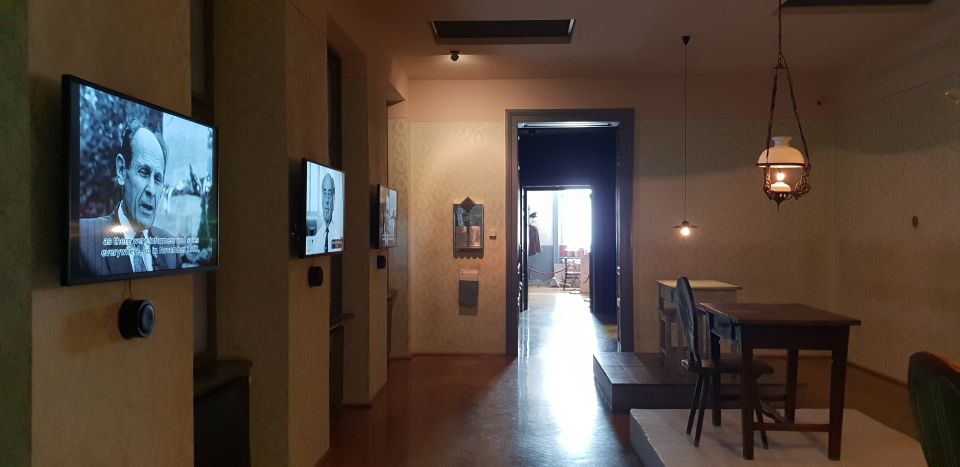
- Interrogation and torture cells
- The office room of the director
- Stories and memories tied to mass deportations, labor camps, and political trials
- The brave 1956 revolution and its consequences
- The long road to the end of Communism in 1989
This is the section where your emotions might do the work your textbooks never managed. If you prefer not to think about torture rooms or mass deportations on vacation, plan accordingly. If you do want to understand what a repressive state built into daily life, this is the clearest place to go.






Why the guide matters on this one: clarity, pacing, and human context
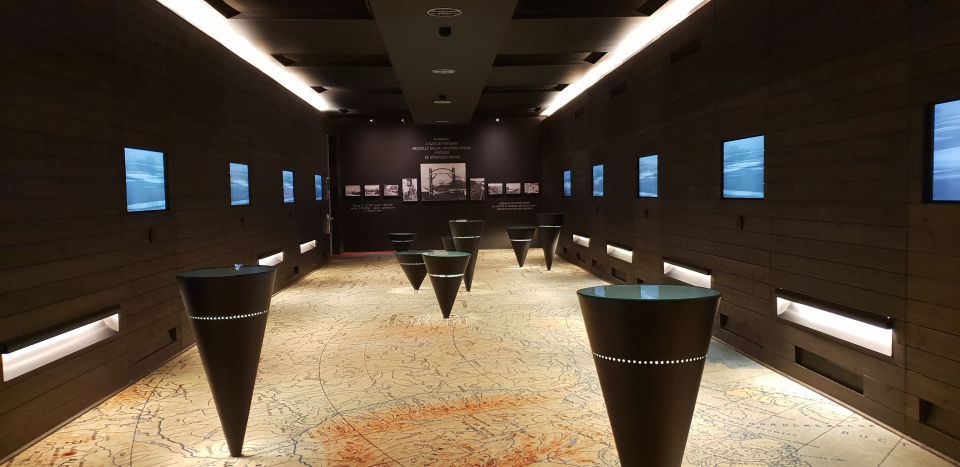
A big part of the value here is the guide style. This isn’t a script reading. It’s a guided explanation tied to locations you can see, plus museum content you can connect back to the walk.
In practice, the best guides for this kind of tour tend to do three things well:
- Keep the pacing steady so you don’t feel rushed at each stop.
- Answer questions with real specificity, including how Communist-era events shaped modern Hungary.
- Add a human angle without turning it into a personal memoir.
The tour is led by an English live tour guide, and the group is limited to 10 participants, which helps a lot when you want to ask follow-ups (or when someone needs a slightly slower rhythm). Names you may encounter include Alexa, Beata, Alexandra, Flora, Naomi, Noémi, Kati, Veronika, Adam, and Et—each of them highlighted for clear explanation, strong presence, and a careful approach to the emotional parts of the museum.
Also note a helpful logistics detail: the tour is not provided by the museum, and the guide is an autonomous professional rather than museum staff. That matters because you’ll interact with one narrative and one pacing plan across the city and into the museum, instead of being bounced between different instructions.
Price and value: what you’re actually paying for at $58
At $58 per person, this tour can feel like a bargain or a fair deal depending on what you care about. Here’s the math that makes it work:
You get:
- A professional tour guide
- A Communist-themed walking tour across central Budapest (for the walking portion)
- An included entry ticket to the museum that matches your option (Retro Center or House of Terror)
- A skip-the-ticket-line approach
So you’re not paying just to be inside a building. You’re paying for a guide to explain why Parliament, Liberty Square, Mindszenty-related sites, and Cold War remnants connect to a longer political story. If you’ve ever visited a museum and felt like you missed the point, this is the antidote.
The other value lever is time. The experience is sold as a 2-hour tour duration, and that fits well for a half-day block in Budapest. The Retro option explicitly adds a guided museum visit afterward, so if you choose that, you’re getting more than a quick stop.
Who should book this Budapest Communist History tour
This is a strong match if you:
- Want a structured walk that makes Communist-era Budapest easier to understand
- Care about the 1956 revolution as more than a headline
- Like getting local guidance tied to specific addresses and monuments
- Prefer small-group tours where your questions don’t get swallowed
Pick the Retro Center option if you want historical context with a lighter entry point—objects, interiors, vehicles, and media-style roleplay that show what life felt like between 1960 and 1980.
Pick the House of Terror option if you’re ready for the darker side: interrogation cells, political trials, and the AVO system tied to Soviet practices.
And one honest note: because the House of Terror focuses on torture and mass deportations, I’d treat it as an intentional choice, not casual sightseeing.
Should you book this tour with the House of Terror option?
Yes—if you want Budapest to make sense as a Communist story, not just a list of attractions. The walking route gives you the anchors, and the museum option gives you the depth.
Choose House of Terror if you’re the type who can handle serious history and wants a guided path through WWII, Nazi rule, Soviet occupation, and 1956. Choose Retro Center if you’d rather understand how the regime-shaped everyday culture, then tie it back to the city walk.
If your time is limited, book this for the walking portion plus your museum choice. It’s one of those setups where the guide does the hard part: connecting monuments, architecture, and hidden Cold War clues into one clear thread.
FAQ
How long is the Communist History tour?
The tour duration is listed as 2 hours.
What museum options are available?
You can choose a guided walk followed by a visit to the Budapest Retro Experience Center, or an afternoon option that adds the House of Terror Museum ticket (self-guided), or a guided tour inside the House of Terror Museum.
Are the tours guided in English?
Yes. The live tour guide is listed as English.
How big is the group?
The group is limited to 10 participants.
Does the price include museum entry?
Yes, the included entry ticket depends on your option: either Budapest Retro Experience Center or House of Terror Museum.
Is the tour run by the museum staff?
No. The tour is not provided by the museum. The tour guide is an autonomous professional, not an employee of the museum.
Where do I get my ticket?
You receive your ticket from your tour guide. The instructions say not to look for it in the ticket office.
Can I get a refund if my plans change?
Free cancellation is available up to 24 hours in advance for a full refund.