REVIEW · BUDAPEST
Budapest River Cruise with 1 Free Tokaj Frizzante and Audio Guide
Book on Viator →Operated by Duna Cruises · Bookable on Viator
Budapest looks its best from the Danube, and this short cruise is a smart way to see why. You’ll start at Március 15. tér, float past major landmarks, and follow along with an online audio guide in 30 languages at your own pace.
Two things I really like: the warm, covered indoor area (plus blankets) for cold or windy evenings, and the fact that the trip is quick enough that you can plan the rest of your day on land. One thing to watch: it’s a short, panoramic cruise—so if you want museum stops or interior access, you’ll need to pair it with separate sightseeing afterward.
In This Review
- Quick hits before you board
- Price and what you’re really buying for $16.93
- Where to start: finding Március 15. tér without stress
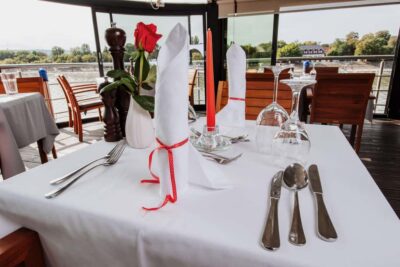
- Boat comfort plan: indoor warmth, outdoor views, and the blanket strategy
- The welcome drink: Tokaj Premium Frizzante vs. orange juice
- The audio guide: how to make it work on your phone
- What you’ll see from the Danube: landmark by landmark
- Danube panorama: the fast orientation tool
- St. Gellért Thermal Bath: spa views without the ticket line
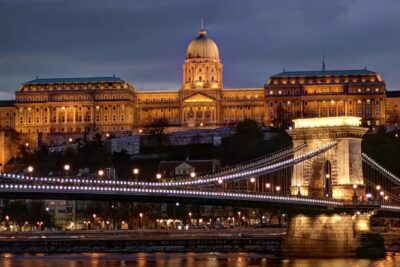
- Buda Castle: the hilltop centerpiece from a better angle
- Chain Bridge: the iconic connector you can’t miss
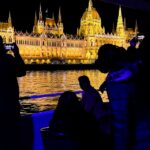
- Hungarian Parliament Building: neon-lite grandeur from the water
- Riverside architectural moments between the big names
- Liberty Statue on Gellért Hill: a city watcher view
- MÜPA (Müvészetek Palotája) and the cultural stretch
- National Theatre: the performing arts landmark along the water
- Bálna Budapest: modern riverfront energy
- Budapest University of Technology and Economics and Central Market Hall area context
- Gresham Palace and Fisherman’s Bastion (the view-maker)
- A quick word on walking your day after the cruise
- Best timing: when the lights actually matter
- Who this cruise suits (and who should skip it)
- Small practical notes that affect your experience
- Should you book this Budapest river cruise with Tokaj and audio?
- FAQ
- How long is the cruise?
- Is the welcome drink included?
- Do I need headphones for the audio guide?
- Where does the tour start and end?
- Are seats assigned?
- Is food included in the ticket price?
Quick hits before you board
- A fast 55–60 minutes on the water: enough time to get the big sights without eating your whole evening
- Tokaj welcome drink (or orange juice): a nice touch that makes the start feel special
- Heated indoor cabin + blankets: a lifesaver when the Danube wind shows up
- Audio guide in 30 languages: use your phone and headphones to catch the details
- Free Wi‑Fi on board: handy if you need the audio or maps
- Capped at 70 travelers: generally easier than “everyone squeeze in” tourism
Price and what you’re really buying for $16.93
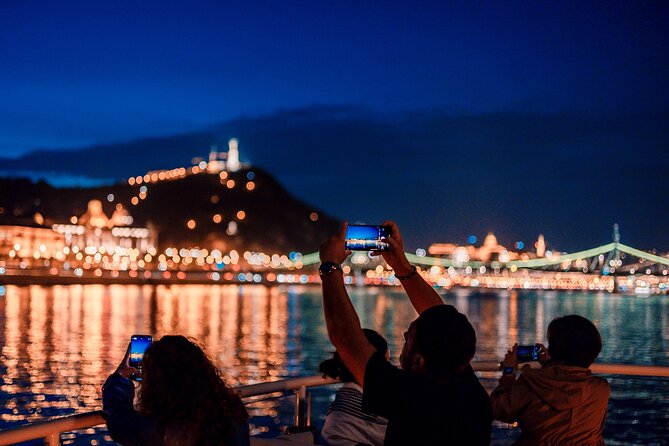
At $16.93 per person, this isn’t a “do one expensive thing” kind of tour. It’s more like paying a modest fee to save time and get orientation fast. In one hour, you’re basically getting a moving postcard of Budapest’s most photographed corners—especially when the buildings start lighting up.
You’re also not just paying for the ride. Your ticket includes a welcome drink (Tokaj Premium Frizzante or orange juice), a 30-language audio guide, and practical comfort stuff like a heated indoor area, blankets, umbrellas/parasols, and restrooms. Those extras matter more than they sound, because Budapest weather can switch moods quickly.
The tradeoff is obvious but important: it’s not a guided walking tour with entrances. You’ll see a lot from the water, but you’ll still want land time later if you want to go inside places.
You can also read our reviews of more boat tours in Budapest

Where to start: finding Március 15. tér without stress
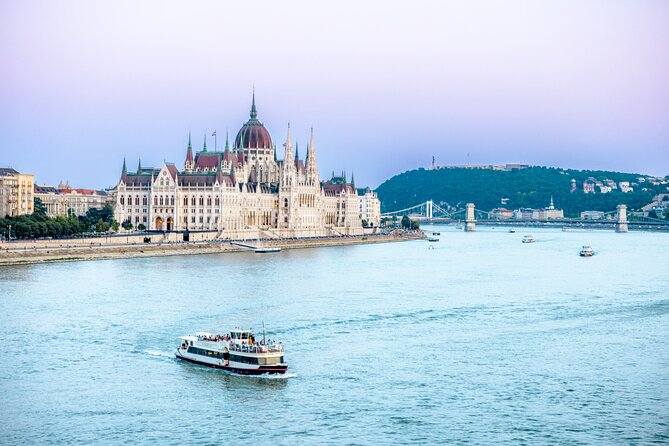
Your meeting point is Március 15. tér hajóállomás, Jane Haining rkp. 10, 1052 Hungary. The good news is that this dock area is designed for river traffic, so it’s usually easier to spot the boats than random street kiosks.
A small practical tip: because this is a busy downtown area, give yourself a little cushion to find the right boat and get sorted. Seats are guaranteed but not assigned, so arriving early can help you choose where you want to sit.
Also worth noting: the operator Duna Cruises has a couple of different cruise options using the same docking zone. If you care about the boat style, make sure you’ve picked the one you want (the modern “elegant” option vs. a “historic” paddle wheel option are both commonly offered at this spot).
Boat comfort plan: indoor warmth, outdoor views, and the blanket strategy
Budapest from the river is a wow moment—but the Danube can be chilly, even in months when you’d expect mild weather. The cruise is built with that reality in mind.
Here’s what you get for comfort:
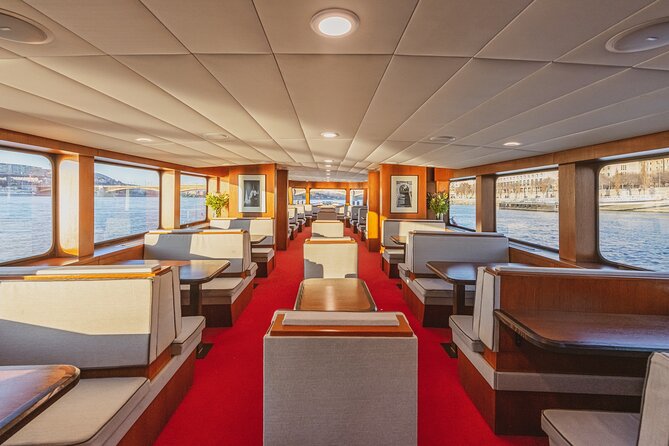
- A heated indoor area
- Blankets
- Umbrellas and parasols
- Restrooms
- Free Wi‑Fi
- A place to enjoy views both on deck and indoors
So you don’t have to commit to the cold for the full hour. You can step outside when the lights hit, then warm up inside when you need a break.
One more detail that shows up in real life: even when the boat is comfortable, you’ll still want to dress like you’ll be outside for parts of the hour. Bring a coat, and if you’re going in cooler months, a hat helps.
The welcome drink: Tokaj Premium Frizzante vs. orange juice
The tour starts with a welcome drink: either a glass of Tokaj Premium Frizzante or an orange juice. It’s a small perk, but it sets the tone. You’re not just boarding and rushing—there’s a moment to settle in, sip something, and get ready for the view.
If you’re traveling with kids or teens: no alcohol is served to anyone under 18, and proof of age may be required. (If you’re planning to order extra drinks later, that age rule still matters.)
If you want options beyond the welcome drink, the boat has bars where cash or card payment is available.
The audio guide: how to make it work on your phone
This cruise uses an online audio guide in 30 languages. The key practical point is that it runs through your own phone—so plan to bring your headphones.
What to expect:
- You can follow along at your own pace
- The audio gives you context for what you’re seeing along the route
- It helps you turn quick views into actual understanding
A common disappointment on short sightseeing cruises is “we didn’t get the commentary.” To avoid that, look for how it’s set up on board (it’s accessed via a QR code on the table). Then test it before the really iconic sights come into view.
Also, because this is a phone-based system, download anything you need ahead of time if your data signal is weak. Free Wi‑Fi is available, but your phone may be happier with offline audio you already set up.
You can also read our reviews of more guided tours in Budapest


What you’ll see from the Danube: landmark by landmark
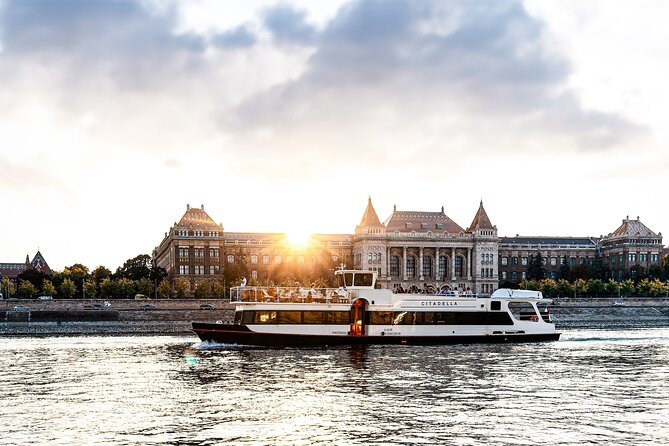
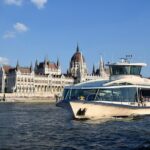
This isn’t a long “stop at every place” tour. Instead, the cruise route gives you a moving skyline view, and the audio guide highlights landmarks as you pass.
Here’s the core lineup you’ll get to enjoy from the water:
Danube panorama: the fast orientation tool
You start on the Danube River, and the whole point is to get your bearings quickly. Budapest’s geography can feel confusing until you see how Buda (hillside) and Pest (flatter city) relate to the river. This cruise does that in one hour.
Best use of this part: stand where you can see both riverbanks. Then, once you’re back on land, you’ll have a mental map for where to go next.
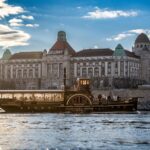
St. Gellért Thermal Bath: spa views without the ticket line
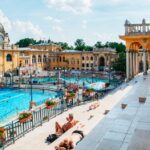
As you go along, you’ll see St. Gellért Thermal Bath from the river side. Even if you don’t plan to go inside, it’s a useful landmark because it anchors the Gellért Hill area and helps you understand why so many people pair Budapest’s spa culture with city exploring.
Drawback to keep in mind: this is a visual pass, not admission. If you want pools and treatments, you’ll need a separate booking.
Buda Castle: the hilltop centerpiece from a better angle
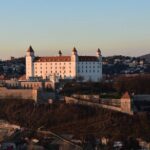
You’ll get views of Buda Castle, perched above the river. From the water, it looks like it dominates the city—because it does. The cruise angle also makes it easier to appreciate the castle’s position on the hill rather than just seeing it as a distant silhouette.
If you’re the type who likes to walk: use the cruise as a preview. Once you’re on land, you can decide how much time you want to spend climbing around that whole hill area.
Chain Bridge: the iconic connector you can’t miss
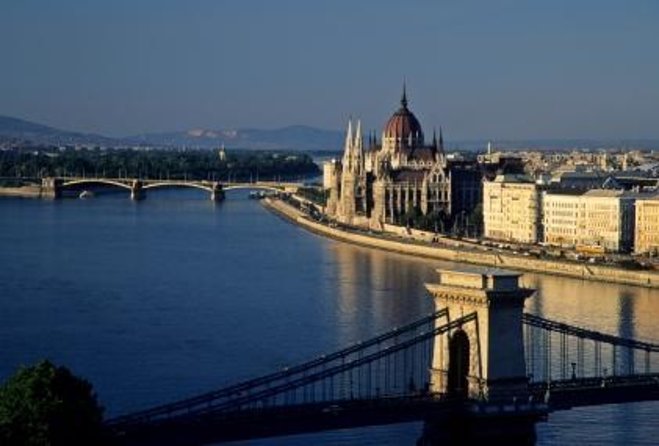
Then comes the Chain Bridge, the classic link between Buda and Pest. From the river, it’s a strong photo subject—especially because the bridge sits between the two halves of the city’s skyline.
This is one of those sights where day vs. night really changes the mood. At night, you’ll get more “graphic” lighting and reflections. During daylight, you’ll see more stone texture and skyline detail.
Hungarian Parliament Building: neon-lite grandeur from the water
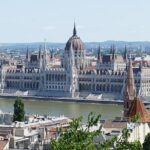
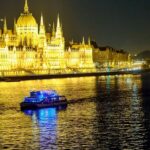
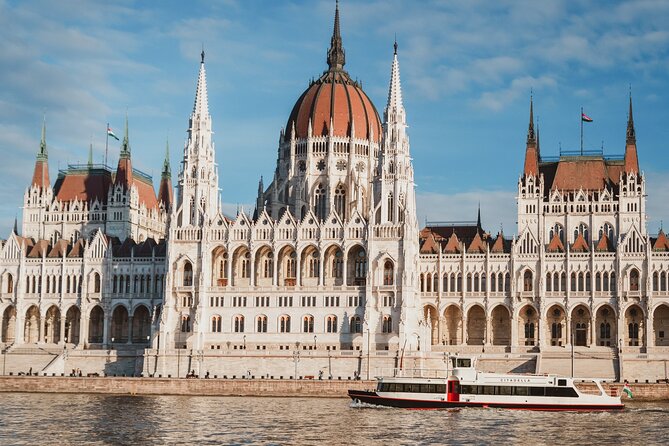
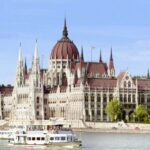
The cruise features views of the Hungarian Parliament Building, a neo-Gothic standout right on the riverfront. Seeing it from the Danube makes the façade feel bigger and more exact, because you’re not viewing it from a distance with buildings blocking parts of the view.
Planning tip: for the strongest impact, aim for the time when lighting turns on and reflections start forming on the water.
Riverside architectural moments between the big names
As you continue, the audio highlights additional riverside architectural scenes—places you might spot again later when you’re walking along the Danube. The cruise is especially good for spotting what to target next, even when you can’t go inside during this hour.
This is where the audio guide can do a lot of work: it turns “I saw something cool” into “I know what that building is.”
Liberty Statue on Gellért Hill: a city watcher view
You’ll pass visuals of the Liberty Statue atop Gellért Hill. From the river, it’s easier to understand it as a landmark above the urban sprawl, not just a photo background.
If you’re planning to visit Gellért Hill later, this section helps you decide whether it’s worth the climb for your schedule.
MÜPA (Müvészetek Palotája) and the cultural stretch
You’ll also see MÜPA (Müvészetek Palotája), Budapest’s arts palace. It’s a modern cultural marker along the river corridor, and it gives the cruise a nice balance: you’re not only looking at historic buildings.
Practical value: once you recognize MÜPA and the surrounding area, you’ll find it easier to map your evening on foot.
National Theatre: the performing arts landmark along the water
Along the same river stretch, the National Theatre appears in the views. Like MÜPA, it’s useful because it changes the cruise from “only monuments” into “this is a living city.”
If you happen to be in Budapest for a performance, seeing the theatre from the river helps you plan where you’ll go next without guessing.
Bálna Budapest: modern riverfront energy
You’ll pass Bálna Budapest, which is a modern cultural-and-shopping type of building by the water. This stop is helpful if you like mixing traditional sightseeing with current-city life.
Again, it’s a look-from-the-water moment, not a guided walk in. But it tells you where to head if you want shops, exhibitions, or just a pleasant stroll.
Budapest University of Technology and Economics and Central Market Hall area context
The route’s highlights include Budapest University of Technology and Economics and the area near the Central Market Hall. That matters because it helps you connect Budapest’s major institutions and food culture with where you’re already standing on the river.
If you plan to eat like a local, Central Market Hall is a logical next step after you finish the cruise.
Gresham Palace and Fisherman’s Bastion (the view-maker)
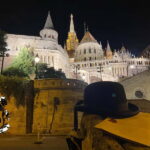
You’ll also see Gresham Palace along the river. Then, in the broader skyline mix, the cruise references Fisherman’s Bastion on Buda Castle Hill. This is one of the easiest ways to understand why that viewpoint is so popular: it sits above the river and frames the city in a way you can’t fully grasp from street level.
The “good to know” drawback: Fisherman’s Bastion is a must-visit for many people, but the cruise won’t replace the walk up there. Treat it as a preview that helps you decide when to schedule the hill climb.
A quick word on walking your day after the cruise
Because this is one hour, you’ll get back to the dock with a list of things you want to follow up on. Use that. Pick one or two priorities for land time:
- One hill/castle area
- One landmark building area
- One food stop (Central Market Hall is a natural candidate)
You don’t need to do everything on foot—just do what fits your energy.
Best timing: when the lights actually matter
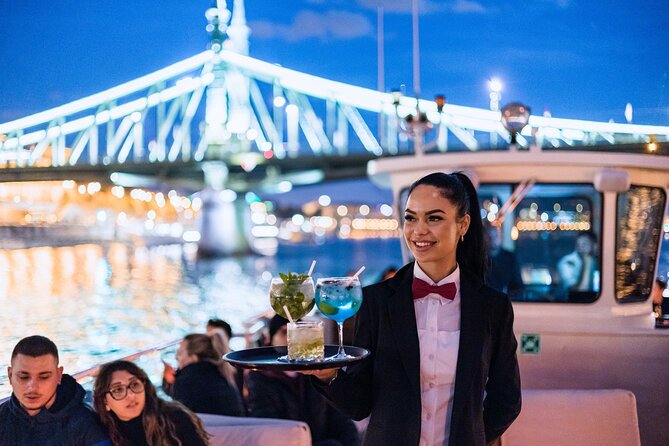
The cruise shines at night, and timing is key. If you want the full effect, go when it’s dark enough for real lighting. A practical tip from experience: plan to be on the water at least half an hour past sunset, so you’re not chasing “almost dark” views.
If you’re traveling in busy season, that timing also helps because you’ll be inside the hour-long window when everyone else is rushing for photos.
Who this cruise suits (and who should skip it)
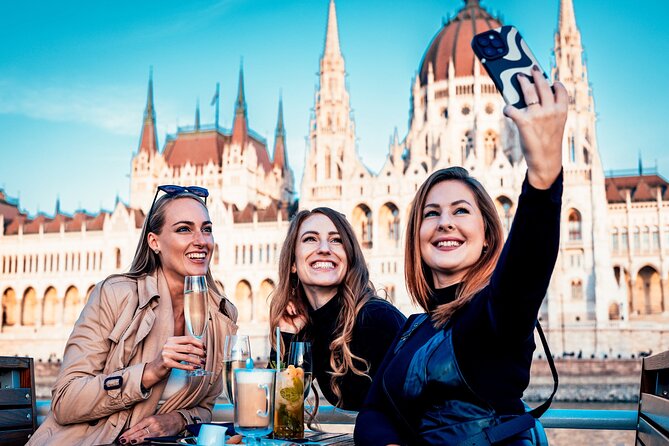
This tour makes sense if you:
- Want a first-night orientation to Budapest
- Like skyline photos and panoramic views
- Prefer audio help so you don’t feel lost
- Need indoor warmth and blankets as insurance
It may not be your best move if you:
- Want museum entrances, guided walking routes, or long stops
- Expect a traditional “live guide talking the whole time”
- Are trying to stack too many paid activities into one evening
Small practical notes that affect your experience
A few details that can change how smooth your hour feels:
- Seats are guaranteed but not assigned, so early arrival helps you pick your spot
- Only small dogs in a carrier are allowed
- Service animals are allowed
- You can use cash and card at the bars
- If you’re taking kids, remember the no-alcohol-under-18 rule
Should you book this Budapest river cruise with Tokaj and audio?
I’d book it if you want a low-effort, high-reward way to see Budapest from the water and you care about comfort. The combination of a quick 55–60 minute cruise, a Tokaj welcome drink, and the 30-language audio guide is strong value for first-timers.
Skip (or pair it with a bigger plan) if you’re expecting long stops, interior access, or a full walking itinerary. Think of this as your setup: you get the skyline, then you choose what to chase on land.
If you do book, do two things that pay off right away: bring headphones for the audio guide, and dress for the deck even if you plan to bounce into the heated cabin.
FAQ
How long is the cruise?
The cruise lasts about 1 hour, with cruising time listed at 55–60 minutes.
Is the welcome drink included?
Yes. You’ll get a welcome drink: a glass of Tokaj Premium Frizzante or orange juice.
Do I need headphones for the audio guide?
The audio guide is accessed on your phone (using the QR code on board), so having headphones is the practical way to listen clearly.
Where does the tour start and end?
It starts at Március 15. tér hajóállomás (Jane Haining rkp. 10, 1052 Hungary) and ends back at the same meeting point.
Are seats assigned?
Seats are guaranteed, but they are not assigned.
Is food included in the ticket price?
Food is not included. The cruise includes a welcome drink, and bars are available, but you’ll need to plan meals separately.