REVIEW · BUDAPEST
Budapest Castle District Walking Tour
Book on Viator →Operated by Triptobudapest.hu - Free Budapest Walking Tours · Bookable on Viator
If you like your sightseeing with real context, this Castle District walk fits the bill. In two hours, you cover the Buda side’s biggest symbols and survival stories on foot, from Matthias Church to Buda Castle and the Pest panorama. It is fast, scenic, and made for asking questions along the way.
I especially like how the tour keeps things practical: you do not need to enter major sites to get the story, and you get clear guidance on where the best Castle Hill views happen. Another win is the small-group feel and the way guides pace the uphill stretches so you do not feel rushed at every corner.
One thing to plan for: this route involves stairs and uphill walking, and spots like Fisherman’s Bastion can feel crowded, especially in good weather.
In This Review
- Key points worth knowing before you go
- How this Budapest Castle District walk works (and why 2 hours feels like a lot)
- Price and donations: what $3.62 really gets you
- Meeting at Batthyány tér: where you start and how you avoid wasting time
- The climb factor: stairs, uphill walking, and the best way to prepare
- Stop 1: Batthyány Square and the Castle District big picture
- Stop 2: Matthias Church area from the outside (and what you learn without entering)
- Stop 3: Fisherman’s Bastion—Walt Disney, cross stripes, and where to find the view
- Stop 4: The Medieval Jewish Prayer House and the baroque residential framing
- Stop 5: National Archives of Hungary—WWII damage, Nazi presence, and Gül Baba
- Stop 6: Hospital in the Rock—nuclear bunker, labyrinths, and the huszar trivia
- Stop 7: Buda Castle—rebuilt after wars, Turul myth, and government offices
- Stop 8: Prince Eugene of Savoy statue—Pest panorama, trivia, and wrap-up Q&A
- The guide experience: what the best versions of this tour feel like
- Who should book this Castle District tour—and who might skip it
- My booking advice: should you do it?
- FAQ
- How long is the Budapest Castle District walking tour?
- What language is the tour offered in?
- Where do I meet the guide?
- Does the tour include entering Matthias Church or other interiors?
- Are there admission tickets involved?
- How much walking and stairs should I expect?
- What should I do about tips and donations?
- Is this tour affected by weather?
Key points worth knowing before you go
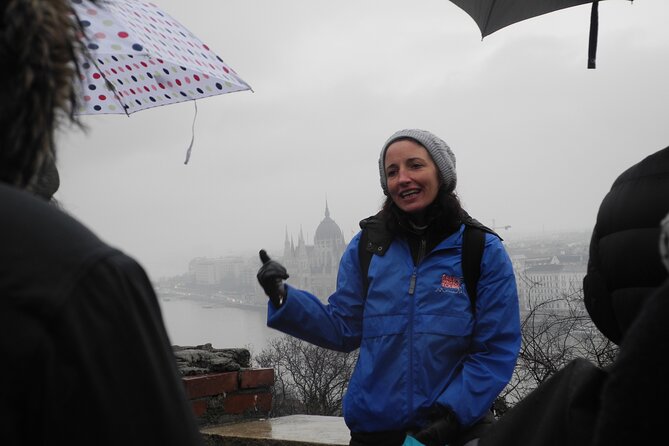
- Small-group pacing (max 30): easier conversation and more room to keep up.
- You skip church entry: you still learn the big story around Matthias Church without waiting in lines.
- Castle Hill viewpoints: photo opportunities are built into the route, not left to luck.
- WWII and underground defense: Hospital in the Rock adds a very different angle on history.
- Guides with personality: lots of humor, and time for questions to fill gaps you have.
- Up-and-down terrain: expect an uphill slog and bring water and grippy shoes.
How this Budapest Castle District walk works (and why 2 hours feels like a lot)
Budapest’s Castle District can feel like a maze if you wander alone. This tour is designed to give you a mental map quickly: where power was, where worship happened, where communities lived side by side, and how the area kept getting rebuilt after conflict.
The route is a straight-to-the-point walk that strings together eight classic stops. You do not spend half your day in ticket lines or long interior visits. Instead, you get the context from your licensed guide at the exact places where the history happened—or where its impact still shows in the buildings and viewpoints.
And yes, it is a walk. Reviews consistently mention the climb and stairs, plus guides who manage the rhythm so you can stay with the group. If you prefer a slow stroll with zero elevation, you might find it tiring. If you are fine with an active morning, it is one of the easiest ways to make the Buda side click.
You can also read our reviews of more walking tours in Budapest



Price and donations: what $3.62 really gets you

The listed price is low at $3.62 per person, and that is worth understanding before you book. The booking fee is included, and that fee covers administration rather than guide pay. The guide portion runs on your donation at the end, and tips to the guide are not included in the price.
So the value is not just in the itinerary. It is in the fact that you are paying for guidance and storytelling with a donation model behind it. If you want a guide to keep going, answer your questions, and pace the group well, your donation is what makes that possible.
Meeting at Batthyány tér: where you start and how you avoid wasting time
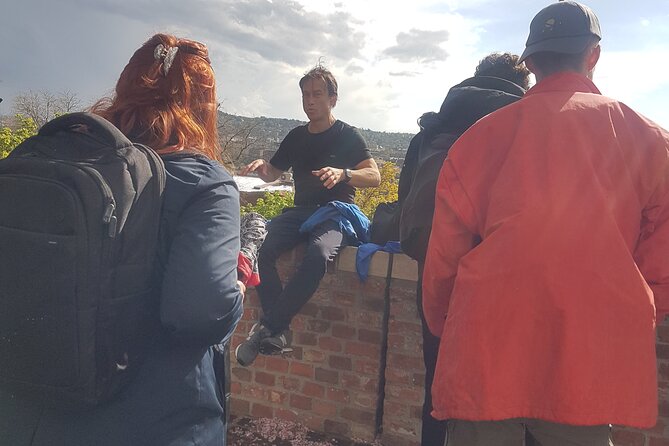
You meet at Batthyány tér 1, and the key detail is the exact location: Batthyányi ter metro exit in the park. The tour starts with your guide meeting you at the metro exit, then laying out what you will see and why it matters.
This matters more than it sounds. The Castle District area has multiple entrances and viewpoints, so arriving early and finding the meeting point correctly helps everything feel smooth. Many reviews praise that the meeting spot is easy to find, which usually means fewer start delays and a cleaner start to the walk.
The tour ends at the Statue of Prince Eugene of Savoy (1013 Hungary). Expect that the end point is not the same spot as the start, so build in time to continue exploring from there.
The climb factor: stairs, uphill walking, and the best way to prepare
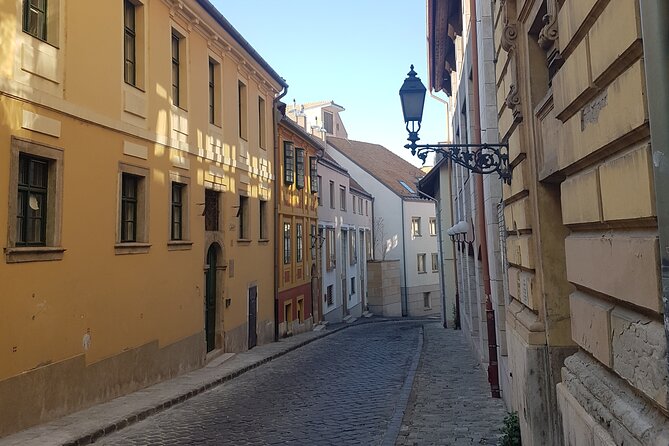
Moderate fitness is required, including the chance of a 10-minute uphill walk. Even if you are fit, the Castle District has uneven ground and stairs, and several reviews call out that this is a real trek.
Bring:
- Grippy shoes (stone streets and steps can be slippery)
- Water (there are notes about refill options around the Buda Castle area)
- A light layer if it is windy, plus a warm one in colder months
- A small plan for photos: you cannot stop anywhere you want, so be ready when your guide points out viewpoints
Also, this walk is weather-dependent. If conditions are rough, the tour may shift dates or you may be offered a refund. In other words, on a perfect day, you will feel the magic more.
Stop 1: Batthyány Square and the Castle District big picture
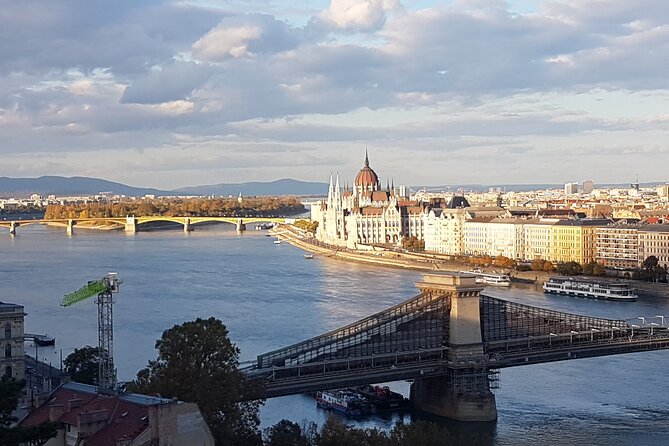
Your first stop at Batthyány Square sets the theme. You get oriented in the Castle District and learn what this area includes: the Royal Palace, Matthias Church, Fisherman’s Bastion, Maria Magdalena Church Tower, plus terraces and an underground cave system.
Your guide also frames the district as a layered city space, not just a postcard. You will hear about public art mini-monuments and how the area’s layout connects different eras of life on the hill.
This is a helpful start because it changes how you view every next stop. Instead of seeing random buildings, you start seeing relationships: where power sat, where worship mattered, and where the city defended itself.






Stop 2: Matthias Church area from the outside (and what you learn without entering)
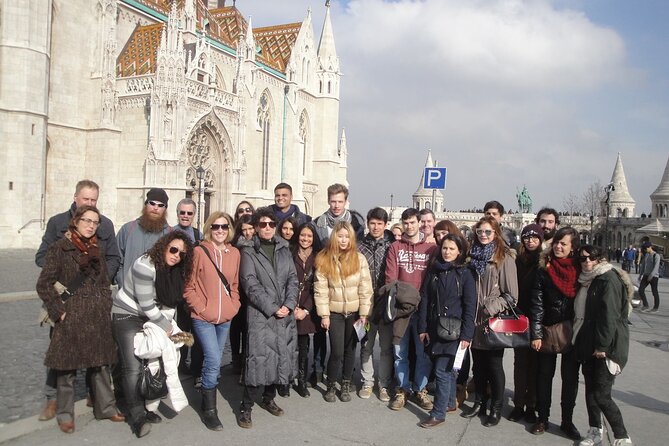
At Matthias Church, the tour stays outside. You still get the deep timeline: about 800 years of history tied to wars and occupations. Your guide also connects the area to everyday life across communities—German, Jewish, and Hungarian—so the district feels lived-in rather than just monumental.
Why I like this approach: entering the church is not required for the context. You save time, avoid interior crowding, and you can move on while the story is still fresh in your head.
If you are sensitive to long waits or you want a fast route that still feels meaningful, this outside-exterior format is a plus.
Stop 3: Fisherman’s Bastion—Walt Disney, cross stripes, and where to find the view
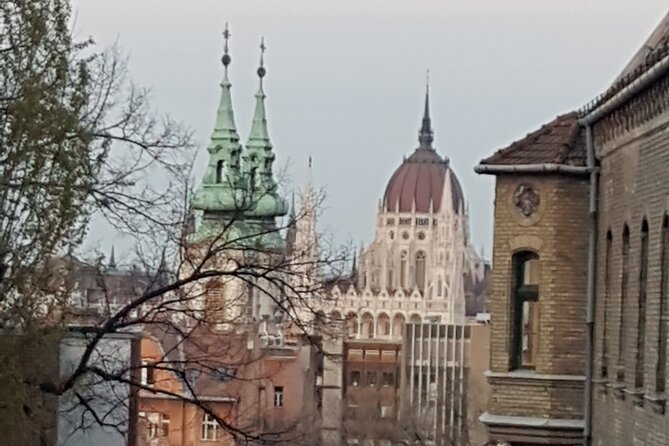
Fisherman’s Bastion is one of those places where you see it and instantly understand why people crowd it. This stop adds details you might not notice on your own: the connection between Walt Disney and Fisherman’s Bastion, plus the explanation of the cross design—specifically the differences in a cross with one, two, or three strips.
You also learn how to enjoy a free viewpoint from Castle Hill. That last part is key. It means the tour is not only about standing in one busy spot. You get direction on where to look and how to catch the view efficiently.
The main drawback to keep in mind: crowds. If the day is packed, you might not get the same calm photo moment you hoped for. Still, the guide’s routing and commentary help you make sense of what you are seeing even in heavy foot traffic.
Stop 4: The Medieval Jewish Prayer House and the baroque residential framing
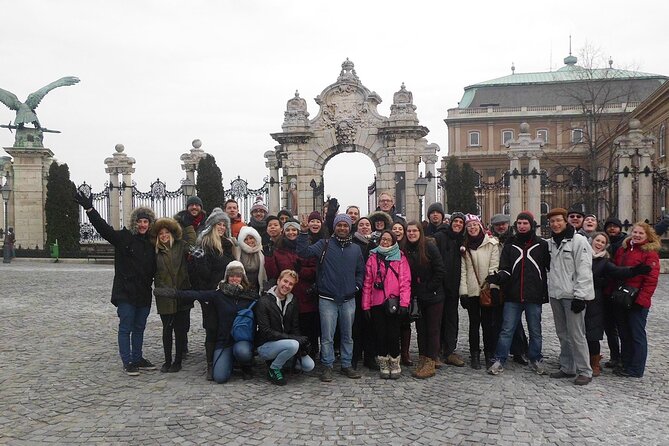
Next up is the Medieval Jewish Prayer House. This stop focuses on the prayer house itself and the beautiful baroque residential buildings around it.
The value here is how it changes your mental map. The Castle District is often treated like a Christian-monument zone, but this area brings another thread—Jewish religious life and community presence—into the same walking story.
Even if you only do a quick look before moving on, the guide’s framing helps you notice details you would otherwise skip: how the street and surrounding facades set the mood around the site.
Stop 5: National Archives of Hungary—WWII damage, Nazi presence, and Gül Baba
At the National Archives of Hungary, the tour turns to the violent 20th century. You see how WWII destruction shaped the area and you hear where the Nazi stronghold was.
Then the story broadens again, because the guide points out layers of later cultural significance too, including where rich Hungarians live and the Muslim pilgrimage connection for Gül Baba, described as an Ottoman Turkish monk and soldier.
This stop is powerful because it makes the hill feel like a timeline of power struggles and cultural intersections. You are not just learning dates. You are learning how those dates affected where people lived and what survived.
Stop 6: Hospital in the Rock—nuclear bunker, labyrinths, and the huszar trivia
The Hospital in the Rock Nuclear Bunker Museum is where the tour becomes genuinely different. You get introduced to the underground Castle Hill world: labyrinths, the defense role it served over centuries, and how life operated below the surface.
There is also quirky, memorable detail that keeps the stop from feeling like only grim history. You will hear about the funniest public statues in Budapest and learn about the womanizer light cavalry fighters called huszar.
If you think you only want castles and views, this is a smart reality check. It shows the Castle District as a defense system, not just a backdrop for photos.
Stop 7: Buda Castle—rebuilt after wars, Turul myth, and government offices
At Buda Castle, you get the full scale of the place. You see the massive complex that served as the residence of Hungarian kings, and you hear how it was rebuilt many times due to war destruction.
You also get myth and symbolism. The guide highlights the mythical bird tied to Hungarian identity, plus where the president and prime ministers offices are located in the complex today.
One practical bonus from the overall walking experience: people note there are bathrooms at Buda Castle and that you can refill water bottles there. For a stamina-heavy walk, that matters.
This is also the part where you should manage your expectations. Some people wish they had a bit more time for photos, especially because the views are world-class. The solution is simple: be ready. When your guide pauses the group, that is your moment for quick shots and catching the wide Danube panorama.
Stop 8: Prince Eugene of Savoy statue—Pest panorama, trivia, and wrap-up Q&A
The tour finishes at Prince Eugene of Savoy’s Equestrian Statue. This is a great ending point because it rewards your effort with a terrace-style view across to Pest side of the Danube.
If you are the type who likes interactive learning, you might get a quick trivia moment with tricky questions about Castle Hill landmarks and Hungarian life. Then you close with practical info and time to ask remaining questions.
I like wrap-up Q&A because it often helps you plan the rest of the day. You walk away with better choices for what to see next, instead of wandering back into confusion right after your guide leaves.
The guide experience: what the best versions of this tour feel like
Guide style is a big factor on a walking tour like this, and the feedback patterns are clear. Names that come up with strong enthusiasm include Dora, Zsofia, Rita, Esther, Gary, Endre, Gabor, Sophia, Judy, Valeria, Emma, Balázs, and Andy.
Common strengths:
- Clear, fun explanations that keep moving
- Humor mixed with history, so it does not feel like a lecture
- Guides who make time for rest during uphill sections
- A willingness to answer questions
There is also one caution. Some visitors report that one guide’s delivery felt a bit dry, and on hot days that can make the climb harder. You cannot control guide selection, but you can control how you show up—hydration, pacing, and focusing on the why behind each stop helps a lot.
Who should book this Castle District tour—and who might skip it
This tour is a great fit if:
- You are visiting for the first time and want a fast mental map of the Buda side
- You like guided context more than solo wandering
- You want a route that includes big viewpoints without needing lots of entry tickets
- You enjoy history stories that connect different communities and time periods
Consider skipping or swapping to a gentler option if:
- You do not do well with stairs and uphill walking
- You hate crowded viewpoints and might get stressed by Fisherman’s Bastion foot traffic
- You want lots of free time at just one site for long photo sessions
My booking advice: should you do it?
Book it if you want your Castle District visit to make sense quickly. The structure is efficient, the stop mix is varied (church area, Jewish sites, WWII context, underground defense, royal palace complex), and the ending viewpoint gives you a satisfying finish.
Skip it if your ideal day is low-effort sightseeing. This walk earns its views with climbing. If that part will exhaust you, you will likely feel the schedule as pressure.
If you do book, do these two things: wear shoes built for steps, and bring a donation mindset. Your $3.62 buys the scheduled experience, but the guide’s energy and attention depend on your generosity at the end.
FAQ
How long is the Budapest Castle District walking tour?
It runs for about 2 hours.
What language is the tour offered in?
The tour is offered in English.
Where do I meet the guide?
Meet at Batthyány tér 1, and the guide meets you at the Batthyányi ter metro exit in the park.
Does the tour include entering Matthias Church or other interiors?
The tour does not enter Matthias Church. Other stops are presented from the outside as part of the walk.
Are there admission tickets involved?
The tour lists admission tickets for the stops as free, and the schedule indicates no paid entry is required for the included stops.
How much walking and stairs should I expect?
You should expect uphill walking and a good amount of stairs. The tour notes you should have moderate physical fitness and be able to handle a 10-minute uphill walk.
What should I do about tips and donations?
Tips are not included in the price. Guides depend on donations at the end of the tour, and the amount is your choice.
Is this tour affected by weather?
Yes. It requires good weather, and if it is canceled due to poor weather, you’ll be offered a different date or a full refund.