REVIEW · BUDAPEST
Budapest: Virtual Reality Tour in 8 Languages
Book on GetYourGuide →Operated by VR Tours · Bookable on GetYourGuide
Budapest has a way of layering eras on top of each other, and this tour uses virtual reality to make that layering make sense fast. I like how you literally time-travel through the Buda Castle District—medieval construction, WWII destruction, and the 1956 uprising—then you step back into the real streets with context that actually clicks. I also like that you get both a live guide and an audio track, so the story lands in your language. The main thing to consider is the VR headset and light hiking route, so it’s not a good match if you get migraines, feel woozy with screens, or you prefer flat, low-stimulation walks.
You start on the Buda side of Budapest near the Chain Bridge and Clark Ádám Square, meet your guide, and head into the Castle District. Along the way, you’ll pause for VR at six stops, with narration guiding what you’re seeing and why it mattered in Hungarian history. Expect a fun way to learn, not a sit-and-listen lecture.
In This Review
- Key Highlights Worth Your Time
- Meeting On The Buda Side: Starting Point And First Impressions
- VR Gear, Hygiene, And What You Should Bring
- Walking Stops That Turn Budapest Into A Timeline
- Medieval Budapest At The Buda Castle District
- World War II Scenes: Why The Visuals Stick
- 1956 Through VR: The Hungarian Revolution Moment
- The Bird’s-Eye View That Helps You Orient Fast
- Live Guide + Audio In 8 Languages: Getting The Story Right
- The Light Hike: A Small Effort With Real Reward
- Price And Value: Is $39 Worth It?
- Who This Budapest VR Tour Fits Best
- Should You Book This Budapest VR Tour?
- FAQ
- How long is the Budapest VR tour?
- Where do I meet, and where does the tour end?
- What languages are available?
- Do I need to bring anything for the VR headset?
- Is this tour safe for everyone?
- What is the cancellation policy?
Key Highlights Worth Your Time
- Six VR stops across major turning points in Hungarian history
- Buda Castle District in medieval and wartime scenes, including WWII destruction
- The 1956 Hungarian Revolution on modern technology, with clear audio context
- A bird’s-eye view that helps you understand Budapest’s layout
- Live guidance plus an 8-language audio track, so you’re never lost
- Sterile headset setup with hygienic masks available on request
Meeting On The Buda Side: Starting Point And First Impressions
You begin at Budapest, Lánchíd u. 23, 1013 Magyarország, looking for the VR Tour flags facing the street. Do plan to arrive about 15 minutes early. That buffer matters because you’ll want time to check in, get fitted for the VR gear, and settle before you start moving through the Castle District.
This location is a practical advantage. It’s on the Buda side, stone’s throw from the Chain Bridge and near Clark Ádám Square. You’re not trekking across town just to start a story. You’re stepping right into the part of Budapest where the views and history both feel close up.
You can also read our reviews of more tours and experiences in Budapest.



VR Gear, Hygiene, And What You Should Bring
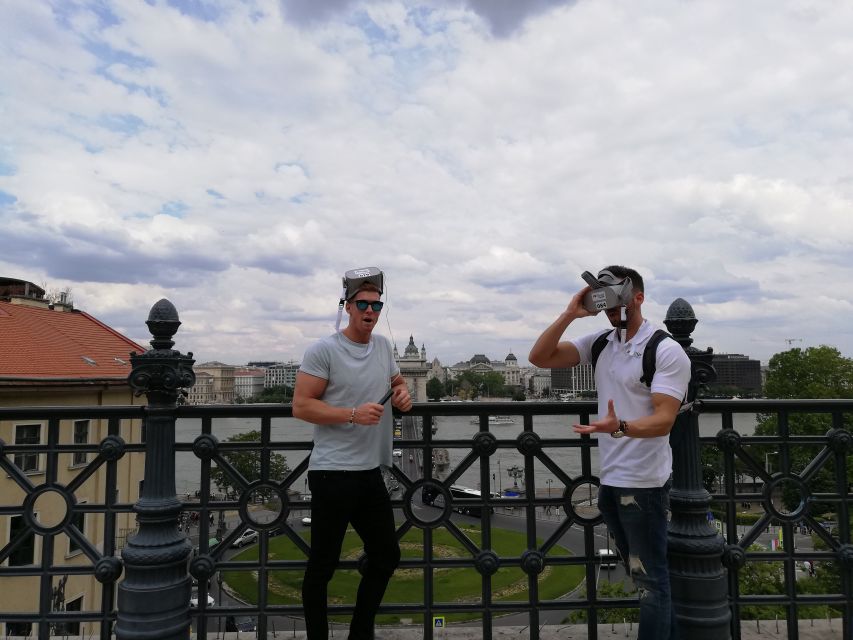
Once you meet your guide, you don VR gear and start your time-jump. The headset setup includes a sterile headset, and you can request a hygienic mask. That combination is reassuring if you’re the kind of person who worries about shared equipment while traveling.
You’ll also want to bring a few basics:
- A passport or ID card for the VR headset deposit
- Or 200 euros as the deposit, if you prefer
- Comfortable shoes for a light hike
- Something to drink for hot summer tours
One more note that’s easy to miss until you’re there: this is not recommended for people with migraines, and it’s also not suitable if you have epilepsy or heart problems. If you’re afraid of heights, the VR content and panoramic moments may not feel comfortable. Take that seriously, not casually.
Walking Stops That Turn Budapest Into A Timeline
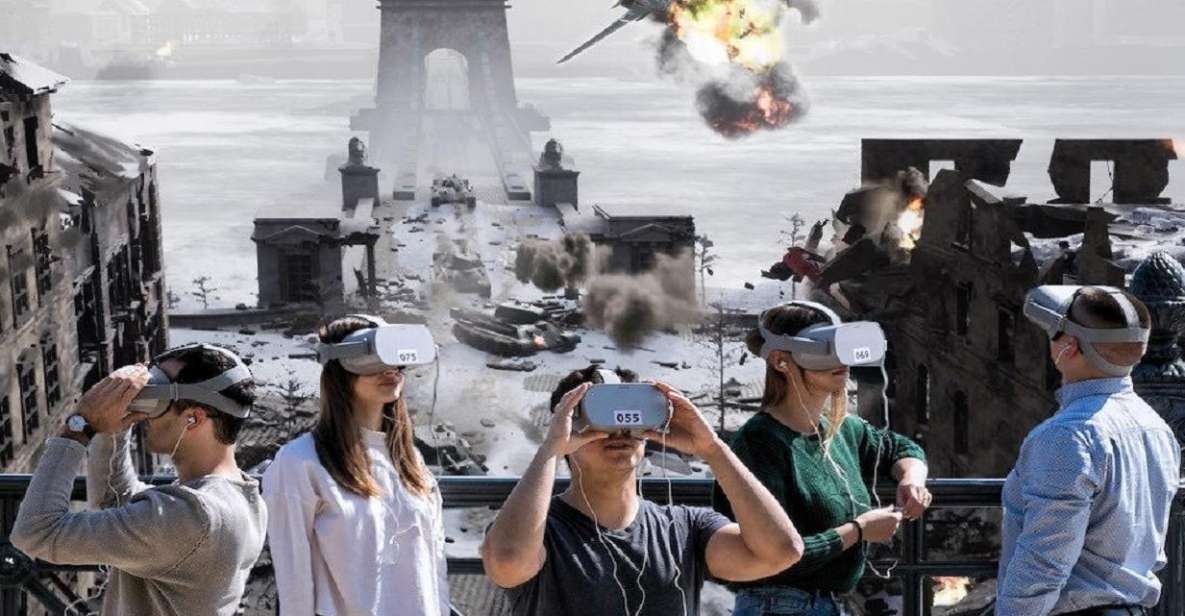
The tour runs about 1.5 hours, and the experience is described as roughly a two-hour outing once you factor in movement between the VR pauses. Either way, it stays active: you walk between six VR stops, guided from pause to pause.
Here’s what that “six stops” approach does for you. If history is hard to picture, this format gives your brain anchor points. Instead of one huge explanation, you get multiple short “I see it now” moments. You also get to move your body between scenes, which helps the pacing feel natural.
At the VR stations, the story jumps across key eras that shaped Budapest:
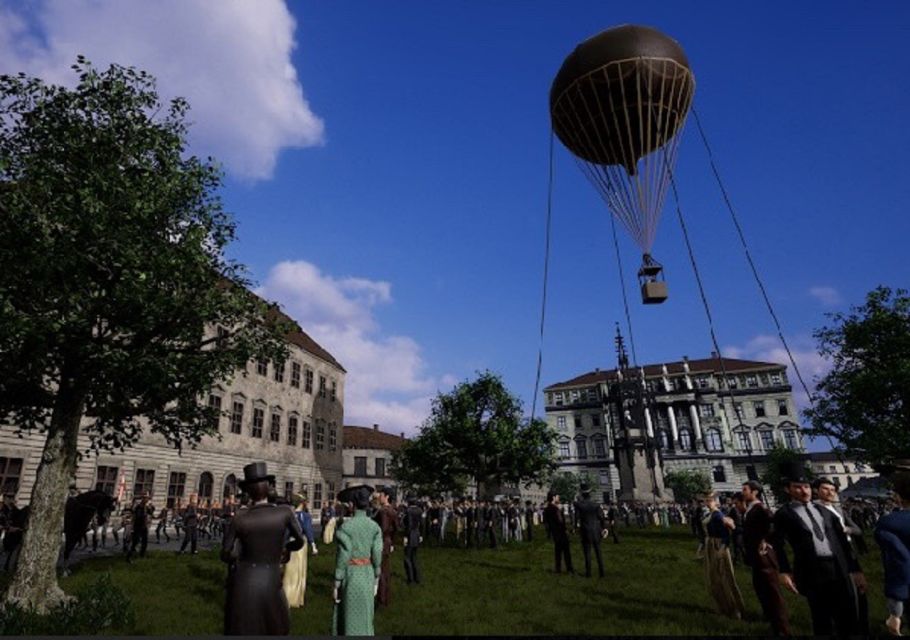
- You’ll be taken back to the construction of Buda Castle and view it as it took shape.
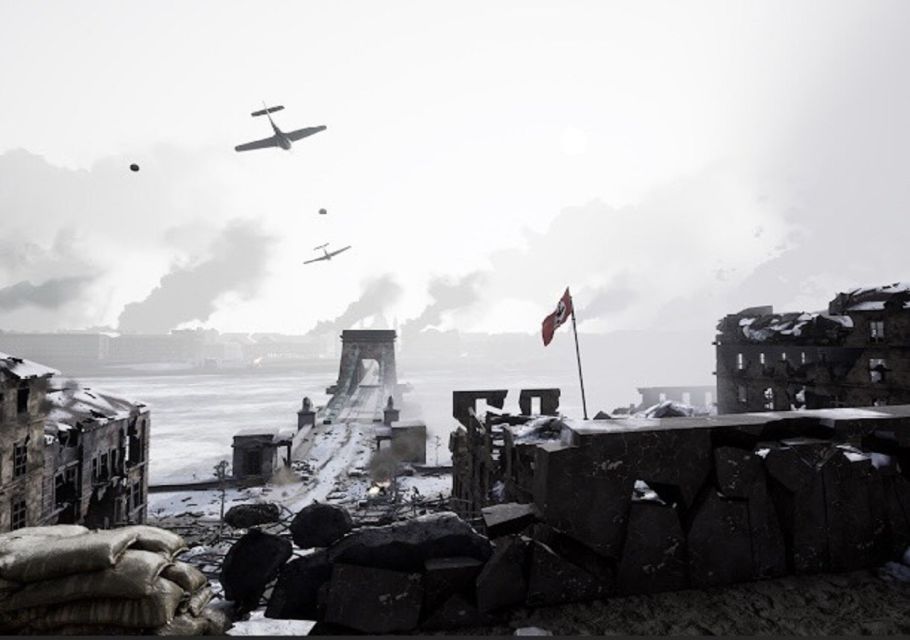
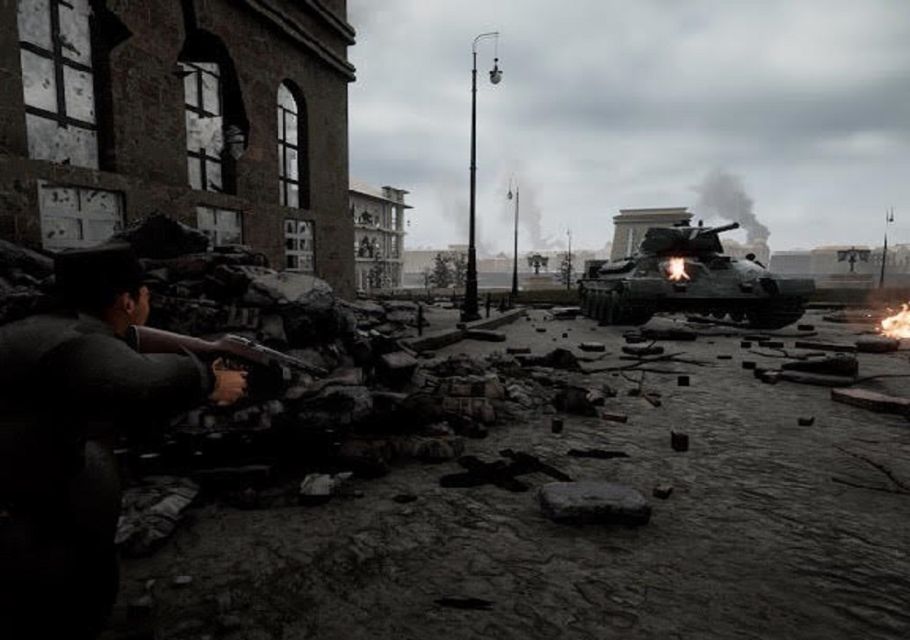
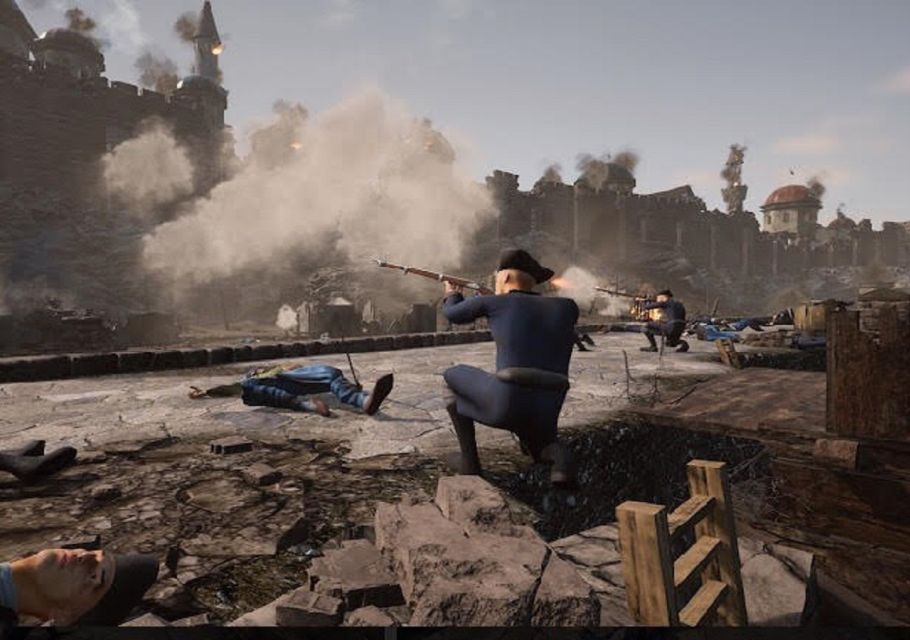
- You’ll watch brutal battles and World War II destruction, showing how the city changed under conflict.
- You’ll experience the Hungarian Revolution breaking out in 1956, with narration that ties the visuals to the larger historical picture.
- And you’ll hit a bird’s-eye view moment that helps you connect those events to the city’s real geography.
The best part is not just what you see, but how the audio guide explains what you’re looking at while you’re looking at it. That’s where VR can either turn into gimmick—or become a real learning tool. This one aims for the learning side.
Medieval Budapest At The Buda Castle District
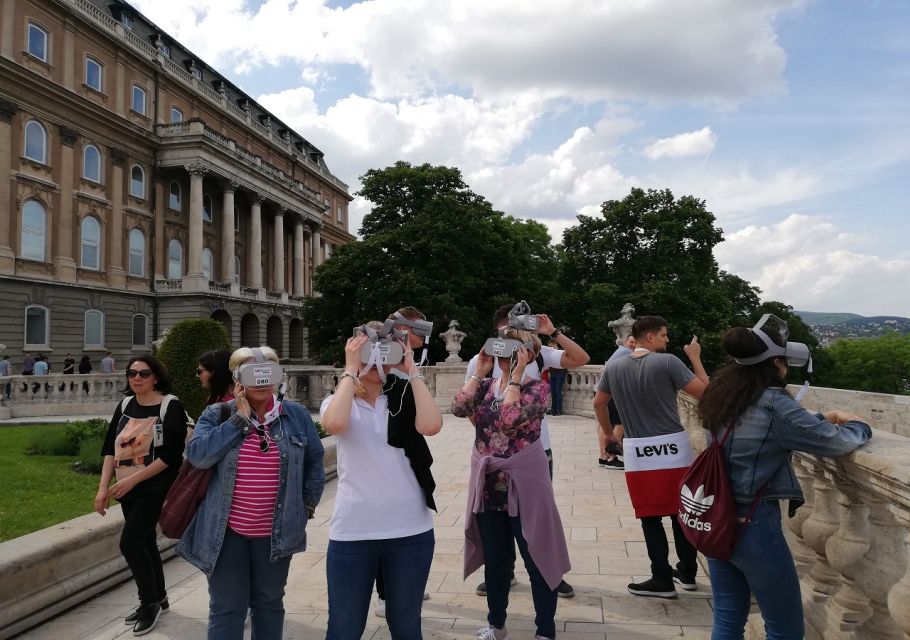
The Buda Castle District is already one of Budapest’s star neighborhoods in real life. On this tour, it becomes a launchpad for something more specific: seeing the castle construction era in a way that feels immediate.
When you’re standing in the real district and then watching the medieval construction unfold in your VR headset, your sense of scale shifts. You stop thinking of the castle as a static postcard. It becomes a living project—people building, moving, working, and shaping what the area would become.
I love this kind of scene-based storytelling because it answers a common problem: Budapest’s big landmarks can feel “important” without being fully understood. Medieval VR helps you understand why the castle mattered and how the built environment came to be.
World War II Scenes: Why The Visuals Stick
The tour doesn’t shy away from hard history. One of the VR segments focuses on battles and the World War II destruction that Budapest endured.
This is the part where you may feel the strongest impact, and also where the narration becomes crucial. Without context, war visuals can feel like just a dark movie clip. With an audio guide walking you through what’s happening and why it mattered, the scenes become historical moments rather than shock value.
The feedback from past participants consistently points to this as the standout style of effect: being placed into the middle of major events. That’s exactly why this tour works for many people. It helps you connect events to place—something you can’t get from a quick photo or a museum placard.



1956 Through VR: The Hungarian Revolution Moment
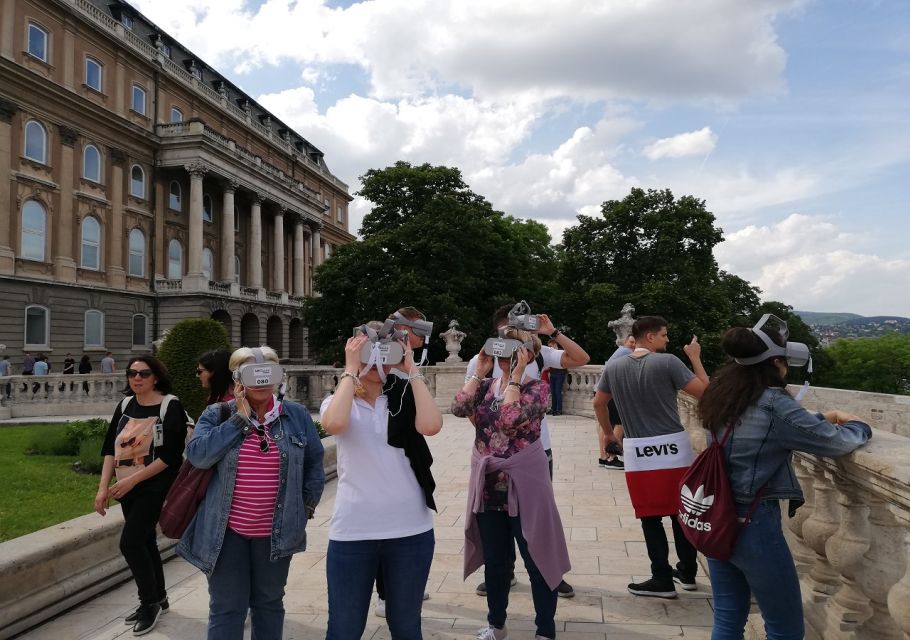
Then the timeline moves forward to the Hungarian Revolution in 1956. Again, the point isn’t only to watch. It’s to understand what you’re seeing and how the moment fits into Hungarian history.
A lot of history tours focus on dates and political names. VR changes the balance. The audio guide is there to keep the story from turning into a series of scenes without meaning. In other words, you get both the emotional “what it felt like” energy and the factual “what it meant” explanation.
If you like history that feels human—people caught in the middle of change—this segment is likely to hit.
The Bird’s-Eye View That Helps You Orient Fast
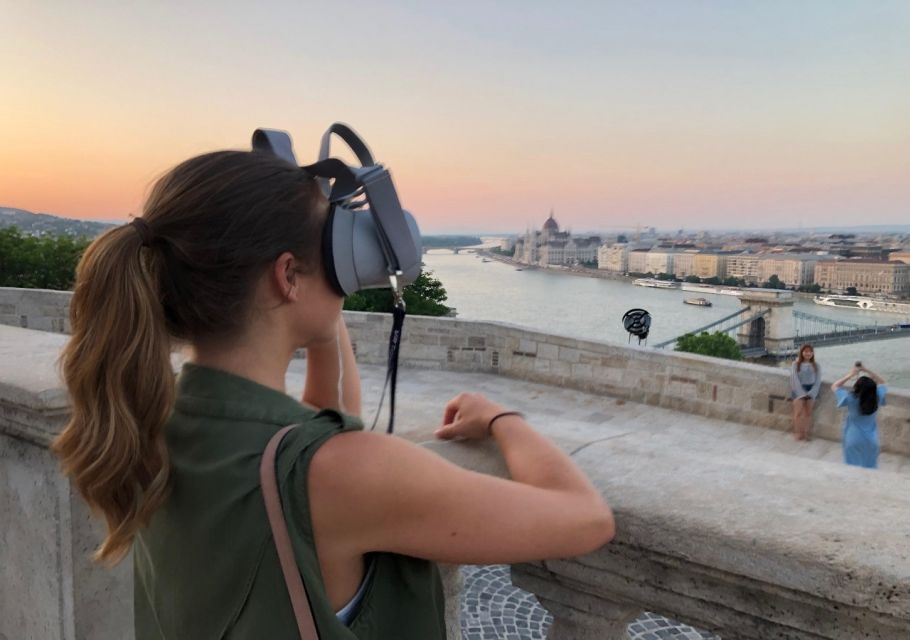
Budapest can be confusing at first because the city sits across the river, and the hills add another layer of complexity. That’s why the included bird’s-eye view over the whole city is such a smart add-on.
Even without knowing the city, that aerial perspective helps you understand how the Castle District, major landmarks, and river views connect. It’s the kind of moment that makes your later sightseeing easier. You stop walking around wondering what you’re looking at and start recognizing relationships: where the neighborhoods sit, how the terrain rises, and how the city spreads out.
If you want your trip to feel less like wandering and more like navigating, this kind of orientation is worth real energy.
Live Guide + Audio In 8 Languages: Getting The Story Right
This tour uses two layers of explanation:
- A live tour guide in English and Hungarian
- An audio guide included in English, Chinese, German, Hungarian, Spanish, Russian, Italian, and French
That structure is practical. The live guide helps you move between stops and keeps the group on track. The audio narration handles the details in a language you can choose, which matters when the scenes involve complex historical events.
I like this approach because it reduces confusion. You can focus on the visuals while still receiving clear context. And if something doesn’t click right away, the way the narration is timed to the scene gives you a second chance to connect the dots.
The Light Hike: A Small Effort With Real Reward
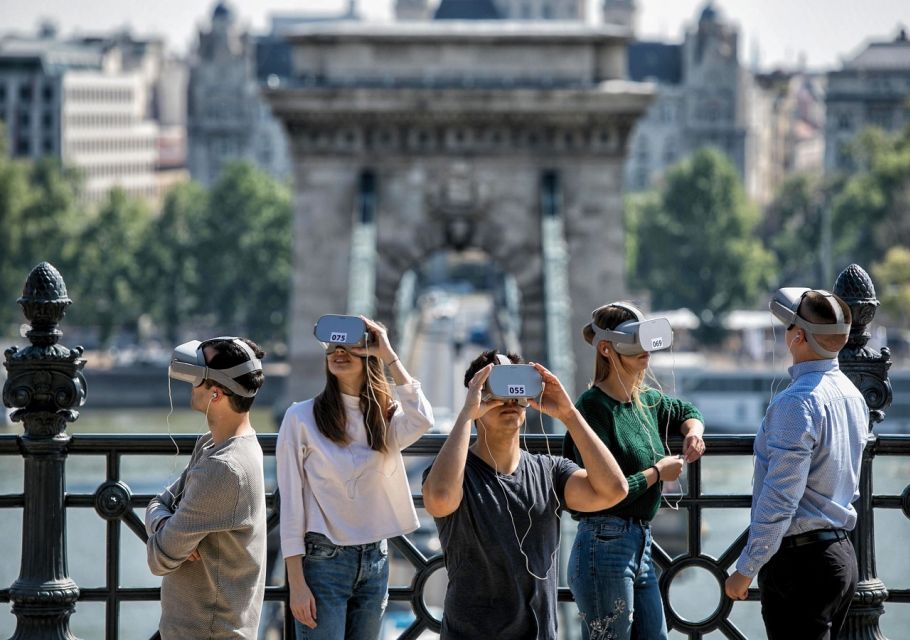
You should expect a light hike as part of the experience. The tour is not described as strenuous, but the route does require comfortable shoes. The Castle District has slopes and uneven walking compared to flat city areas, so this is not a “barely move” activity.
I’d treat it as a gentle ups-and-downs city walk plus headsets. That combo means your legs do some work and your eyes do a lot of processing. If you’re sensitive to dizziness or you’re prone to feeling unwell in VR, pacing and hydration become important.
That’s also why bringing a drink is specifically recommended for hot summer tours. If you’re busy with views and visuals, you may not realize how warm you’re getting until you feel it.
Price And Value: Is $39 Worth It?
At $39 per person, this tour sits in a middle-price zone: not the cheapest way to see Budapest, not the most expensive, either. So what makes it feel worth the money?
First, you’re paying for more than a city walk. You’re paying for VR gear, a guided structure, and scene-based narration tied to major historical events. That’s a different kind of value than a standard walking tour where you’re mostly hearing explanations.
Second, the language options matter. With audio offered in eight languages and a live guide in English and Hungarian, the tour is designed for people who want comprehension, not just atmosphere.
Third, the payoff is time-efficient. In about 1.5 hours (roughly two hours in practice), you get multiple eras and a bird’s-eye orientation moment. If your schedule is tight and you want a concentrated experience in Budapest, this has good “hit density.”
Where it may not be worth it is if you strongly dislike VR headsets or you’re worried about feeling unsteady. In that case, you may not get the full benefits—and the headset requirement (plus the deposit) makes it less flexible than a normal walking tour.
Who This Budapest VR Tour Fits Best
This tour is a strong match if you:
- Want history that feels like a scene, not a lecture
- Like Budapest’s big landmarks and want a deeper sense of how they developed
- Prefer guided context with a narrative timed to what you’re seeing
- Travel with someone who wants the same activity but different language comfort
It’s also a good “first-week in Budapest” choice. The Castle District focus and the bird’s-eye orientation can make the rest of your sightseeing easier.
Skip or reconsider if you:
- Get migraines
- Have epilepsy
- Have heart problems
- Are afraid of heights
- Need a mobility-friendly route
Those limitations aren’t small footnotes here; they can directly affect whether the experience feels safe and comfortable.
Should You Book This Budapest VR Tour?
I’d book this if you want a fun, story-driven way to understand Budapest’s biggest historical moments—especially the Buda Castle era, WWII destruction, and the 1956 revolution—without spending hours in a museum setting. The combination of live guiding, an audio track in eight languages, and multiple VR stops is built to keep you oriented and engaged.
You might hold off if you know VR headsets don’t sit well with you, or if your comfort rules are strict for migraines, epilepsy, heights, or heart conditions. Also, if you hate any walking at all, remember there’s a light hike built in.
If you’re on the fence, the safest way to decide is simple: ask yourself whether you’ll enjoy the core format—VR scenes plus guided walking. If the answer is yes, this is one of the more memorable ways to see Budapest’s history in a short time.
FAQ
How long is the Budapest VR tour?
The duration is listed as 1.5 hours, and the on-the-ground experience is described as roughly a two-hour tour once you include stops and walking. You should check availability for exact start times.
Where do I meet, and where does the tour end?
Meet at Budapest, Lánchíd u. 23, 1013 Magyarország. Look for the VR Tour flags facing the street. The tour ends back at the meeting point.
What languages are available?
The live tour guide is available in English and Hungarian. The audio guide is included in English, Chinese, German, Hungarian, Spanish, Russian, Italian, and French.
Do I need to bring anything for the VR headset?
Yes. You’ll need a passport or ID card for the VR headset deposit, or you can bring 200 euros as a deposit. Comfortable shoes are also recommended, and it’s advised to bring something to drink for hot summer tours.
Is this tour safe for everyone?
It is not recommended for people who suffer from migraines. It is also not suitable for people with mobility impairments, heart problems, epilepsy, or those who are afraid of heights.
What is the cancellation policy?
Free cancellation is available up to 24 hours in advance for a full refund. You can also reserve now and pay later to keep plans flexible.