REVIEW · BUDAPEST
Budapest 3-Hour Private Walking Tour with Route Options
Book on GetYourGuide →Operated by Cityrama Budapest Travel Agency · Bookable on GetYourGuide
Budapest on foot, tuned to you. This private 3-hour walking tour lets you pick what you care about most, then your guide builds a route around it—so you don’t waste time guessing what to see first. I especially like the pick-your-route flexibility and the way the tour can shift between big landmarks and practical spots like the Central Market Hall.
The catch: guide style can vary. Some experiences may feel fast-paced or heavy on a one-person monologue, and if you want a strictly neutral tone on sensitive history, it’s smart to ask your guide how they frame topics.
In This Review
- Key Things I’d Focus On
- Pick a Route: Pest Downtown, Castle District, Jewish Quarter, or City Shopping
- Pest Downtown: Parliament, St. Stephen’s Basilica, Liberty Square, and Central Market Hall
- Parliament and the riverfront civic mood
- St. Stephen’s Basilica: the skyline marker
- Liberty Square: a pause for meaning
- Central Market Hall: history and shopping in one stop
- Buda Castle District: Royal Palace Lands, Alexander Palace, Castle Theater, Fisherman’s Bastion, and Matthias Church
- The former Royal Palace: National Library and National Gallery
- Alexander Palace: the President’s Office
- Castle Theater: the arts in stone
- Fisherman’s Bastion: the classic skyline moment
- Matthias Church: the final landmark with personality
- Jewish Quarter Focus: Synagogue, Jewish Museum, Cemetery, and Raoul Wallenberg Memorial Park
- Europe’s largest synagogue and what a guide can add
- Jewish Museum and the cemetery stop
- Raoul Wallenberg Holocaust Memorial Park
- City Shopping Tour: Central Market Hall, Váci Street, Fashion Street, and Malls
- Central Market Hall as your starting engine
- Váci Street for the classic shopping lane
- Fashion Street for a more fashion-leaning browse
- Shopping malls: for when you want variety fast
- How the Guide Makes This Private Walk Work for You
- Price and Timing: What $150 Buys (and What to Watch)
- Who Should Book This Tour, and Who Might Prefer Something Else
- Should You Book This Private Budapest Walk?
- FAQ
- What routes are available on this 3-hour private walking tour?
- How long is the tour?
- Is this tour private?
- Which languages are offered?
- Are entrance fees included?
- Are public transport fees included?
- Is hotel pickup included?
Key Things I’d Focus On
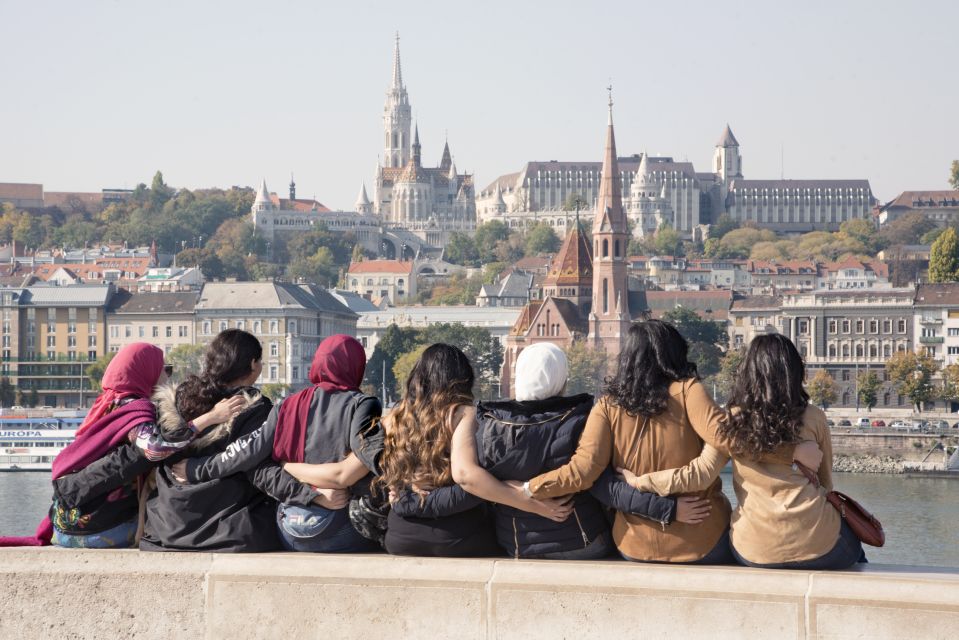
- Your route choice is the backbone: Pest Downtown, Castle District, Jewish Quarter, or a focused City Shopping route
- Landmarks plus real context: you’ll connect buildings to the city’s story (and learn what matters for each area)
- Central Market Hall is a common anchor: it can be history-heavy or shopping-first, depending on your option
- Private pacing beats big-group tours: you can ask questions and adjust if your feet or interests shift
- Guide quality really shows: some guides are clear, funny, and precise (Vera is one name that comes up), while others may not tailor as much
- You might use public transport: only when it makes sense, since walking time is limited to 3 hours
Pick a Route: Pest Downtown, Castle District, Jewish Quarter, or City Shopping
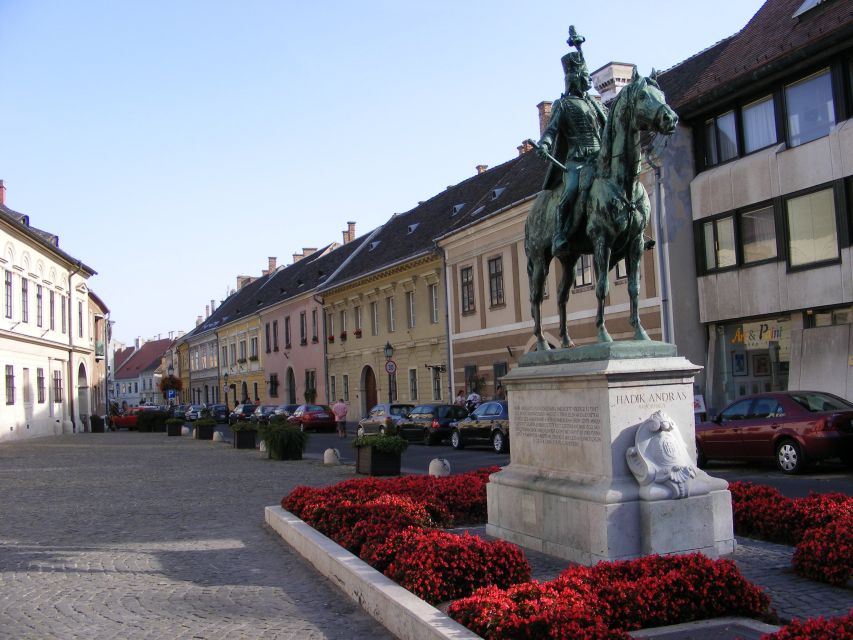
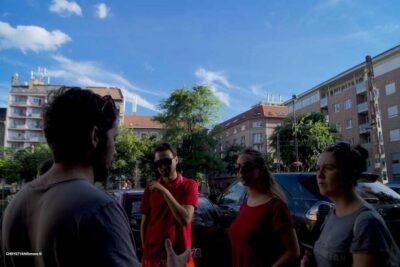
This is a 3-hour private walking tour with route options, not a fixed checklist. You choose the theme, and your professional guide shapes the walk to match your interests and walking pace. That matters in Budapest, because the city is spread across distinct districts with very different vibes.
Here’s the practical menu of choices:
- A. Pest Downtown: great if you want the postcard core of Budapest, plus major civic landmarks.
- B. Castle District: ideal for views and architecture on the Buda side, with churches and royal-era leftovers.
- C. Jewish Quarter: a focused route built around Jewish cultural and memorial sites.
- D. City Shopping Tour: less about formal sightseeing and more about places to browse and buy, using shopping streets and markets as your route spine.
If you’re traveling with a flexible mind—meaning you want a smart plan but also room to wander—this format works well. You can go from “show me the classic views” to “I want food, markets, and shopping streets” without switching tours.
You can also read our reviews of more walking tours in Budapest



Pest Downtown: Parliament, St. Stephen’s Basilica, Liberty Square, and Central Market Hall
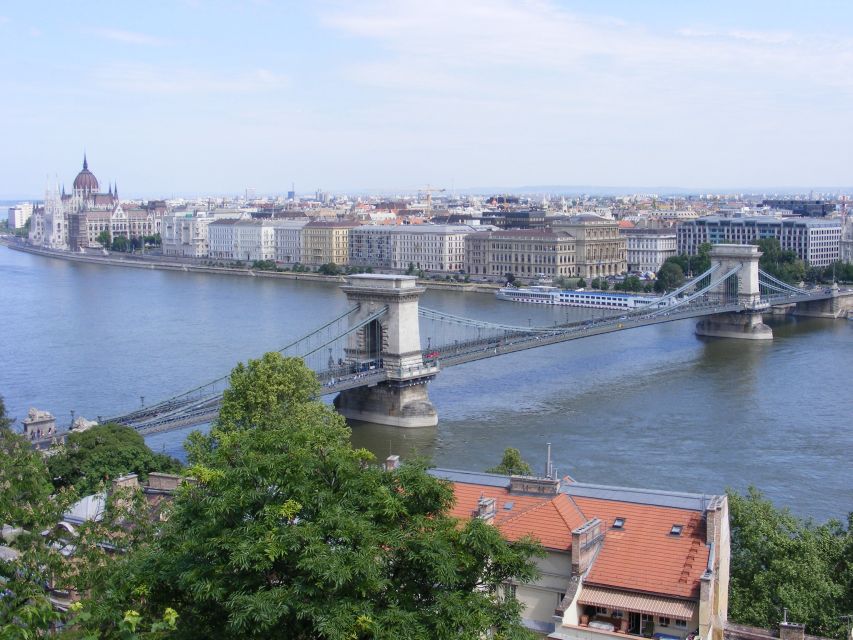
If you pick the Pest Downtown option, you’re basically selecting the big, central Budapest axis. It’s the route that helps you understand what the city looks like when you land and want instant context.
Parliament and the riverfront civic mood
Starting with Parliament makes sense because it sets a political and architectural tone. Even if you don’t go inside, your guide can help you read the building’s location and importance in the city’s identity.
A small caution: Parliament-area sightseeing can feel crowded at certain hours. In a private setting, you should be able to time your walking so you’re not stuck in a mob-and-photo loop the whole way.
St. Stephen’s Basilica: the skyline marker
Next is St. Stephen’s Basilica, which is one of those landmarks you spot again later even after the tour ends. The value here isn’t just the exterior—your guide can connect it to how Budapest’s major religious and cultural symbolism shows up in street-level sightseeing.
Wear shoes you can walk in without regret. Basilica areas often mean stairs, sidewalks that shift from wide to narrow, and quick stops that add up.
Liberty Square: a pause for meaning
Liberty Square gives you a break from pure landmark-watching and a chance to talk about national identity and changing political eras. This is a good segment if you like your history told in plain human terms, not just dates.
One practical note: squares are where wind finds you. Bring a layer even in mild weather.
You can also read our reviews of more private tours in Budapest




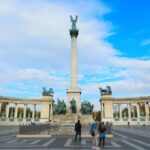

Central Market Hall: history and shopping in one stop
The tour ends at Central Market Hall, and this is where the option gets smart. You can treat it as a food-and-shopping mission, or as a snapshot of how Budapest organizes its public life. Either way, the guide can steer you toward what to look for quickly.
If your goal is shopping, use this stop to focus. Pick a short list—something you’ll actually carry home—then let the rest be fun browsing, not decision fatigue.
Buda Castle District: Royal Palace Lands, Alexander Palace, Castle Theater, Fisherman’s Bastion, and Matthias Church
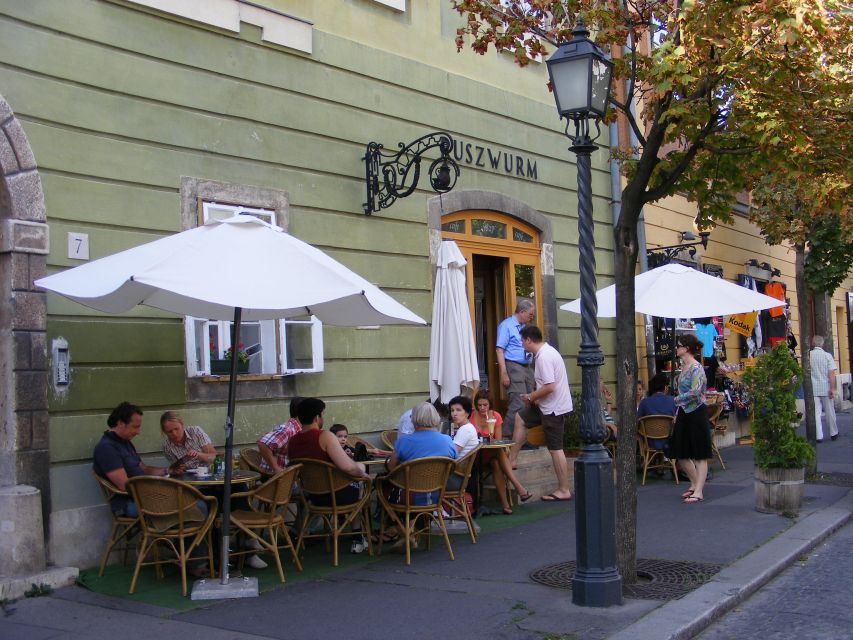
The Castle District option is a bet on views, stepped streets, and the kind of landmark density that makes Budapest feel like a movie set. It’s also physically more “hill-and-stairs” than some Pest routes, so it rewards good shoes and a realistic pace.
The former Royal Palace: National Library and National Gallery
Visiting the former Royal Palace area (now the National Library and National Gallery) is a strong choice because it connects “power and culture” in one zone. You get a sense of how the district evolved from royal-era function into modern cultural institutions.
This stop works best if you like architecture details and want your guide to explain what changed and why.
Alexander Palace: the President’s Office
Alexander Palace adds a modern state presence to the same dramatic landscape. It’s a reminder that Budapest’s history isn’t frozen in postcards—it continues in how buildings get reused.
Because you’re outside and walking, you’ll get the layout and symbolism more than deep interior time, which is exactly right for a 3-hour walk.
Castle Theater: the arts in stone
Castle Theater is a smaller stop, but it helps round out the district’s identity. It’s one of those places where a guide can connect the district to performance culture and civic life.
If your interests skew toward churches and views only, this stop might feel like an in-between chapter—but it gives the district more texture.
Fisherman’s Bastion: the classic skyline moment
Then you reach Fishermen’s Bastion, a viewing point that’s basically engineered for photos and city-reading. Even if you don’t care about photography, the view helps you understand the geography of the Danube bends and the way the city layers across hills and flats.
Watch your timing here. Private walking helps, but the viewing points can still get busy.
Matthias Church: the final landmark with personality
Matthias Church is a fitting finish. It has enough character to feel like the tour’s “closing sentence.” Your guide’s job here is to help you see beyond the wow-factor and notice what makes the church stand out in the larger Budapest picture.
This option is ideal if you want the scenery of Buda without committing to a long full-day climb.
Jewish Quarter Focus: Synagogue, Jewish Museum, Cemetery, and Raoul Wallenberg Memorial Park
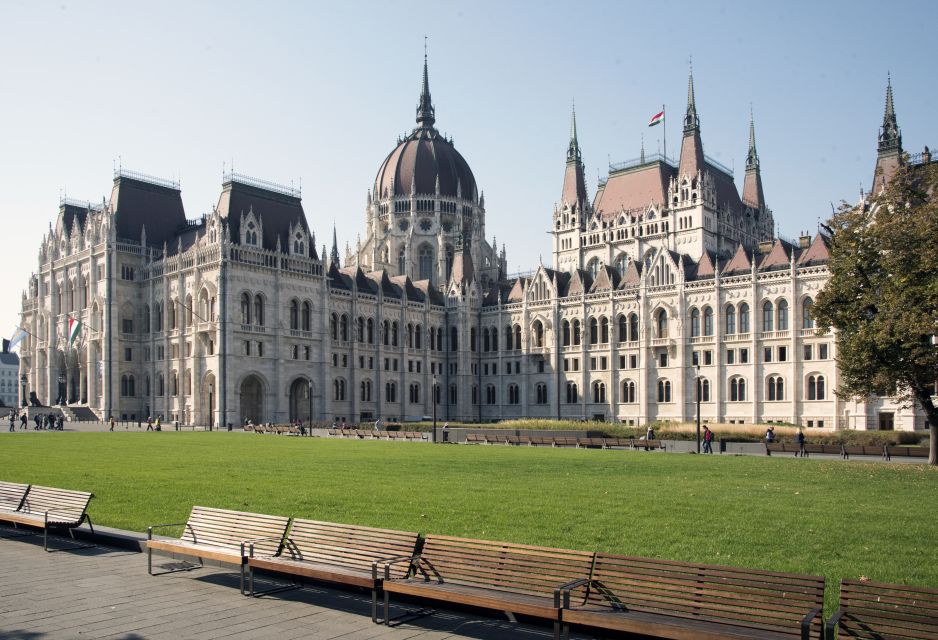
The Jewish Quarter route is built around major cultural and memorial stops, so it’s the best choice if you want a structured look at identity, community, and tragedy—without turning it into a random walking day.
Europe’s largest synagogue and what a guide can add
The route includes Europe’s largest synagogue, and this is where your guide really matters. A landmark like this can be seen in two ways: as a famous building, or as a marker of community life. With the right guide, you get both.
If you prefer a thoughtful pace, this is the option to choose. Memorial and heritage sites often benefit from slower, question-friendly moments.
Jewish Museum and the cemetery stop
You’ll also see the Jewish Museum and Jewish Cemetery. Even without deep museum time, the guide can help connect place to people and explain why these locations belong together in a coherent walk.
Cemeteries require a respectful tone and some emotional distance. If that’s not your style, pick Pest or Castle instead.
Raoul Wallenberg Holocaust Memorial Park
The route finishes with the Raoul Wallenberg Holocaust Memorial Park. This is a heavy subject, so it’s worth checking your expectations ahead of time. I’d want a guide who keeps explanations clear and humane, and who doesn’t rush past the point.
One practical thought: this option can involve standing and walking between concentrated sites. Plan for it with water and comfortable footwear.
City Shopping Tour: Central Market Hall, Váci Street, Fashion Street, and Malls
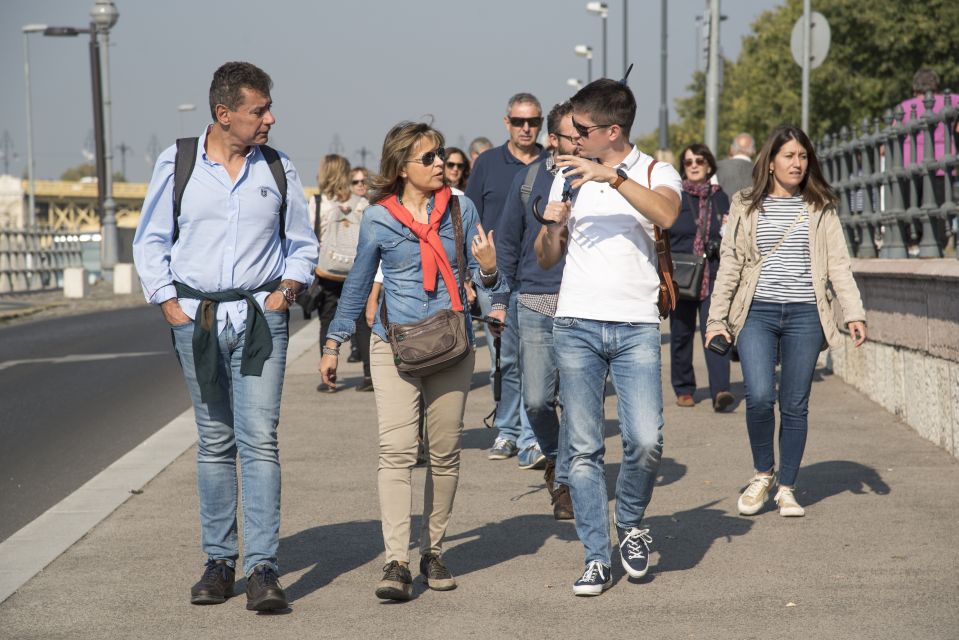
If your idea of sightseeing includes spending time inside shops and scanning what’s good quality, the City Shopping Tour is the route I’d recommend. It still uses major anchors, but the focus is practical: where to browse and what to look for.
Central Market Hall as your starting engine
Central Market Hall works well as a shopping-first meeting point because it concentrates variety. Your guide can help you decide where to go within the hall so you don’t get overwhelmed by options.
This is also where you can ask quick questions like what items make good gifts or what locals tend to buy—if your guide is the type who answers with detail.
Váci Street for the classic shopping lane
Then you move to Váci Street, the well-known shopping corridor. The advantage of doing it on a guided walk is that you’re less likely to wander in circles and more likely to spot which sections fit your taste and budget.
Fashion Street for a more fashion-leaning browse
Fashion Street adds another layer, giving you a change of pace. It’s a chance to compare styles and price ranges without turning the whole day into mall hopping.
Shopping malls: for when you want variety fast
The route also includes city shopping malls. This can be a smart add-on if you want air-conditioned breaks or a concentrated shopping experience.
A key consideration: if you’re more interested in markets and streets than in malls, you may want to tell your guide early. Private tours work best when you steer the balance.
How the Guide Makes This Private Walk Work for You

This is where the experience can go from good to great—or from great to frustrating.
In the best cases, the guide handles two tasks at once: structure and flexibility. Structure means you always know where you’re going next and why a stop matters. Flexibility means you can ask questions, switch angles, or slow down when something catches your eye.
Some guides mentioned in past experiences have a clear teaching style. Vera, for example, is described as mastering historical angles with humor and seriousness. Eszter comes up as a guide who offers an interesting window into the city’s history. Silvia is also named as exceptional.
But style can vary, and that’s the drawback to respect. If your guide starts flying through facts, doesn’t ask what you want, or waits for you to chase the conversation, the tour can feel like a sprint.
Here’s how to protect your end of the deal:
- At the first stop, ask for the plan in one sentence: what you’ll see and how it will flow.
- Tell the guide what you want most: history, views, shopping, or photo stops.
- If you care about neutral framing on sensitive topics, say so early and ask how they approach sensitive history.
Because it’s private, you should be able to negotiate the rhythm.
Price and Timing: What $150 Buys (and What to Watch)
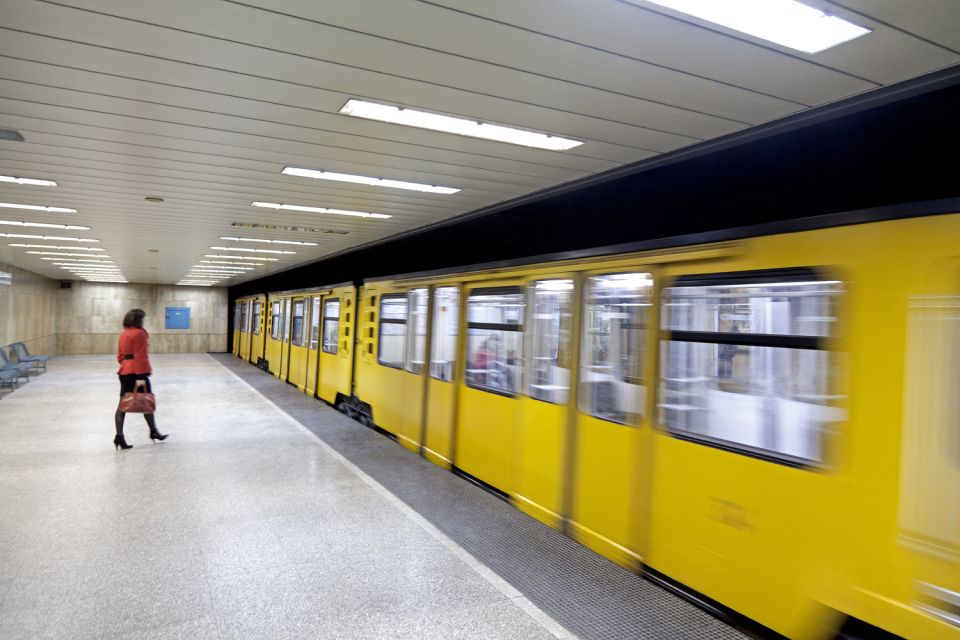
At $150 per person for 3 hours, you’re paying for a guide plus route planning. In Budapest, that can be good value when:
- you want a custom focus instead of a crowded group tour,
- you’re short on time and want to see big anchors efficiently,
- you’d rather have someone point out what matters than you do all the research on your phone.
What’s not included matters for your budget. You won’t have entrance fees covered, and public transport fees aren’t included either. That said, the tour may recommend public transport in certain instances, which can help you cover more ground without turning the whole walk into a leg day.
Also pay attention to the pickup detail. The information provided is inconsistent: one part notes hotel pickup isn’t included, while another states pickup is provided from accommodations within Budapest. I’d confirm pickup in writing when you book, especially if you’re staying outside the center.
Practical timing note: a 3-hour walk means you’ll do a lot of moving, but you also won’t want to schedule heavy museum time the same day. Plan a relaxed buffer before or after.
Who Should Book This Tour, and Who Might Prefer Something Else
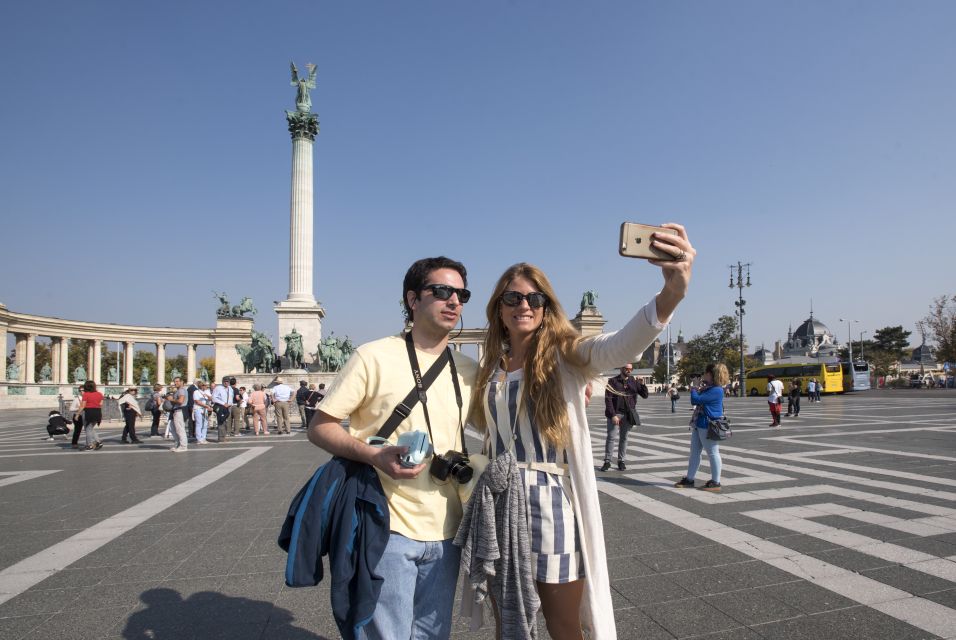
This is ideal for you if:
- you want a private Budapest walking tour with options and a guide who can shift emphasis,
- you like history explained in a way that connects buildings to people and civic identity,
- you want either a classic landmark sweep (Pest or Castle) or a purpose-driven theme (Jewish Quarter) or a practical browsing day (Shopping).
I’d consider skipping or switching if:
- you dislike tours that can move quickly between stops,
- you want long indoor time at museums or multiple paid-entry sites,
- you need a very specific subject focus that requires lots of interpretation.
Private doesn’t mean effortless. You still need comfy shoes and a little patience while a guide threads different stops into one clean route.
Should You Book This Private Budapest Walk?
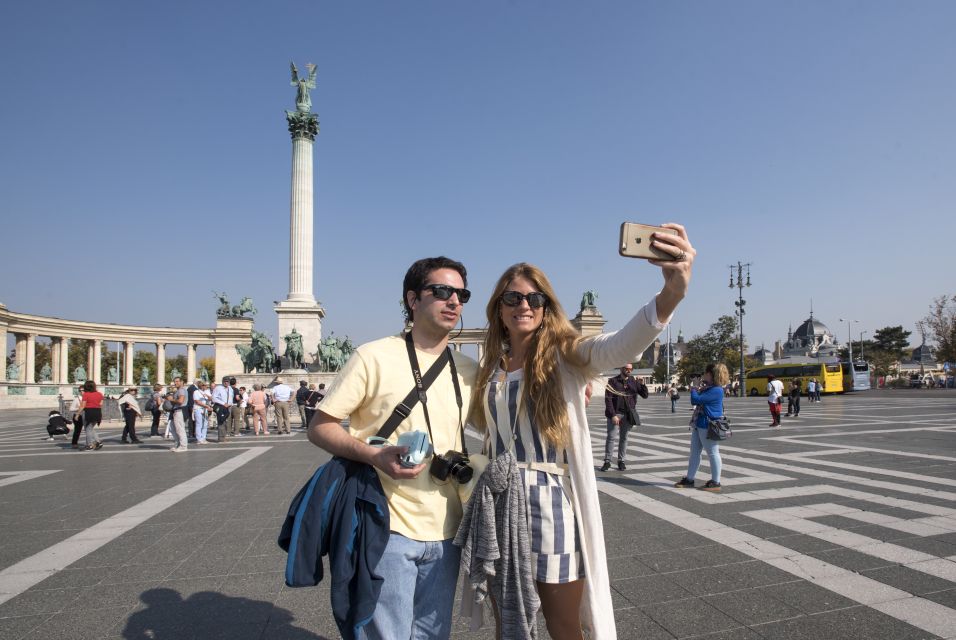
Yes—if you pick the route that matches your mood, and you make sure the guide knows what you want.
Book it if you value a structured walk in a limited time window and you like the idea of adapting the day on the fly. The best version of this tour gives you clear context, good humor, and a route that feels personally planned—whether you’re aiming at Parliament and St. Stephen’s Basilica, the Buda skyline from Fisherman’s Bastion, the memorial weight of the Raoul Wallenberg area, or shopping efficiency around Central Market Hall and Váci Street.
If you’re the type who hates rushing, say so immediately and ask for a slower pace. If you want the tone to stay neutral on sensitive topics, ask for that upfront too. With those two checks, this tour can be a smart use of a few hours in Budapest.
FAQ
What routes are available on this 3-hour private walking tour?
You can choose from four options: Pest Downtown, Castle District, Jewish Quarter, or City Shopping. Each route focuses on different landmarks and areas.
How long is the tour?
The duration is 3 hours.
Is this tour private?
Yes. It’s a private group experience.
Which languages are offered?
The live tour guide is available in Spanish, English, French, German, and Italian.
Are entrance fees included?
No. Entrance fees are not included.
Are public transport fees included?
No. Public transport fees are not included, though the guide may recommend using public transport in certain instances.
Is hotel pickup included?
Pickup is described as being provided from any accommodation within Budapest, but other details also indicate hotel pickup is not included. Confirm pickup arrangements when booking.