REVIEW · BUDAPEST
Budapest : Must-see attractions walking tour
Book on GetYourGuide →Operated by Guydeez Tours · Bookable on GetYourGuide
Budapest clicks into place fast. This private 2-hour walking tour links the big sights with real street-level context, starting at the Kempinski Hotel Corvinus Budapest and moving through the heart of the city. You’ll get history, architecture, public art, food culture, and even a bit of basic Hungarian along the way.
I especially like how the route hits the stops you actually want first time in town: St. Stephen’s Basilica, Danube viewpoints, and the Hungarian Parliament Building. I also like that the guide keeps it flexible and answers your questions, with plenty of advice for what to do after the walk.
One possible drawback: at just 2 hours, it’s a fast-moving highlights format. You’ll see a lot, but you won’t have time for long sits, museum-style pacing, or a slower “take it all in” day.
In This Review
- Key things to know before you go
- Meeting at Kempinski Corvinus: where the tour starts and how you’ll feel
- Elizabeth Square to St. Stephen’s Basilica: the first anchor of Budapest
- St. Stephen’s Square public art and Hungarian food culture
- József nádor tér ceramics and Habsburg connections
- Vörösmarty Square and Váci utca: where your feet meet the people
- Danube Embankment panoramas: Castle Hill, Fisherman’s Bastion, and more
- Vigadó Square to Gresham Palace: coronations and the look of a city
- Finishing at the Hungarian Parliament Building: neo-Gothic and modern politics
- Private and customizable: why the guide style is the real value
- Price and value: is $29 a smart first look at Budapest
- Practical checklist for a 2-hour highlights walk
- Should you book this Budapest highlights walking tour?
- FAQ
- How long is the Budapest must-see attractions walking tour?
- Where does the tour meet?
- Is this tour private?
- Can the tour be customized?
- What sights are included on the walk?
- What languages are available for the live guide?
- Do you use public transport during the tour?
- Is food or drinks included?
- Is the tour wheelchair accessible?
- When can I cancel for a full refund?
Key things to know before you go

- Private, exclusive group so you can set the pace and ask questions freely
- Major landmarks in one loop from Elizabeth Square to Parliament Building
- Danube panoramas with a wish stop by the Little Princess Statue
- Culture stops beyond postcards like Habsburg-era ceramics and public art details
- Public transport can be part of the plan if your option includes it
- English, Spanish, Italian, and French with wheelchair access
Meeting at Kempinski Corvinus: where the tour starts and how you’ll feel
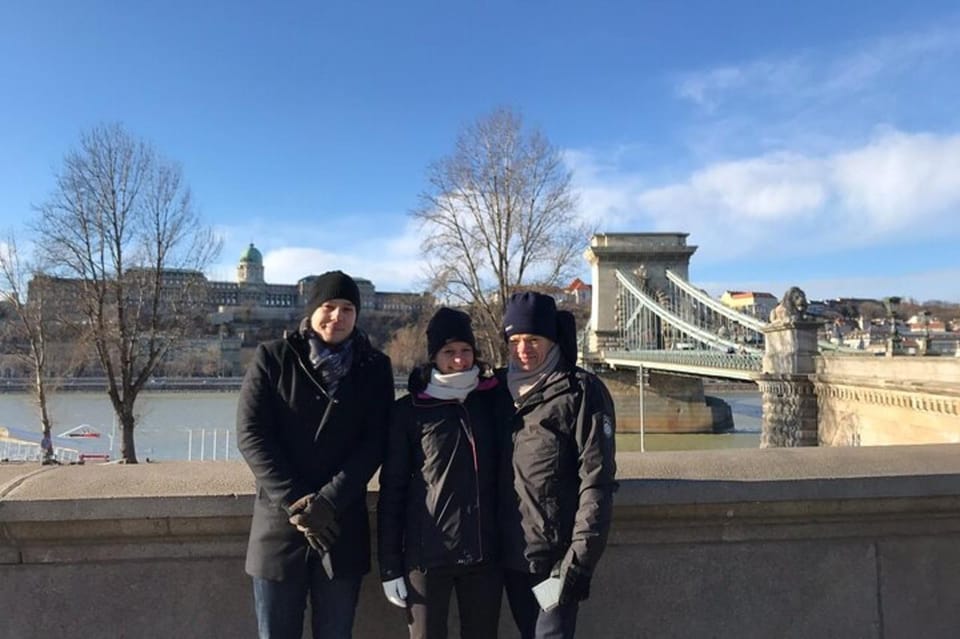
The tour kicks off in a very easy-to-find spot: meet your guide in front of Kempinski Hotel Corvinus Budapest, at Erzsébet tér 7. That matters more than it sounds. When you start in the same area you’ll likely pass again (near Elizabeth Square), you quickly get oriented for the rest of your stay.
From there, the guide sets the tone. You’re not just marching from photo spot to photo spot. You’ll get a tour introduction that ties together history, architecture, and public art, plus how daily life and society show up in the streets. It’s also where you pick up small but useful basics—like a bit of Hungarian—so even simple street names and signage feel less random.
This is also a tour where your questions are part of the rhythm. In the best moments, it feels like getting a morning plan from a friend who actually knows the area and is willing to explain the why behind what you’re seeing.
You can also read our reviews of more walking tours in Budapest



Elizabeth Square to St. Stephen’s Basilica: the first anchor of Budapest
Elizabeth Square is where you begin the story of Budapest as a layered city—built, rebuilt, and expressed through buildings, sculptures, and the way people move around. Expect the guide to point out things you might otherwise miss: architecture choices, public art, and how culture shows up in everyday spots.
Then you’ll move to St. Stephen’s Basilica, described as the largest church in Budapest. This is a strong early stop because it gives you a clear visual anchor. You’ll learn about its architecture and history, which helps when you later see other styles around the city. You’re not just collecting landmarks—you’re training your eye to notice patterns.
A good benefit here is pacing. Early on, you’re fresh enough to absorb details, and the guide can frame what you’re seeing so the rest of the walk makes more sense. If you’ve got questions about how Budapest developed or why certain areas look the way they do, this first stretch is the time to ask.
St. Stephen’s Square public art and Hungarian food culture
From the Basilica area, the tour continues through St. Stephen’s Square. This is where public art takes a starring role. You’ll see public art depicting fat policemen, and you’ll get context for what you’re looking at rather than treating it like a random statue.
This stop also brings in Hungarian culinary art and culinary history. I like that the tour doesn’t keep things trapped in architecture only. Food culture tells you a lot about a place—what people value, what they celebrate, and how everyday life connects to national identity. Even if you only remember one or two food-cultural points, it can help you order with more confidence later.
The tradeoff is that it’s still a walking tour. You might not have a long “linger and read everything” moment, but you’ll get enough context to understand why these details are included. And once you understand the style of the tour, you’ll know what kind of attention to bring.
József nádor tér ceramics and Habsburg connections
Next up is József Nador Ter, a stop designed for people who like the in-between stuff: the history that shows up in objects and design. Here, you’ll learn about Hungarian Habsburg history. Then you’ll get to see exquisite hand-painted porcelains and colorful ceramics.
This works well because it’s tangible. It’s easy to understand a “big history theme” when you can connect it to a visual craft tradition. Instead of only hearing political timelines, you’re also seeing how power and taste can show up through decorative arts.
A practical note: ceramics and porcelain displays can be visually intense. If you want to get the most out of it, slow down for a minute and look at color, pattern, and the way items are presented. Your guide can help connect the design choices to the historical ideas you’re hearing.
Vörösmarty Square and Váci utca: where your feet meet the people
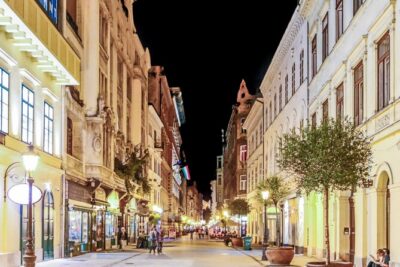
The route then moves through Vörösmarty Square and toward the end of the famous pedestrian street Váci utca. This part of the walk shifts gears—from culture explanations into something closer to city atmosphere.
Vörösmarty Square is a people-watching zone, and it’s also a useful place for a short mental reset. Once you’ve taken in Basilica details, Habsburg-era ceramics, and Danube views ahead, this is a good checkpoint to regroup.
If your goal is to understand Budapest in a practical way, this is where the guide’s advice can matter a lot. You’ll have the chance to ask what to do next—especially when you know what your first-day priorities should be. The tour is set up so the guide can point you toward other sights and choices based on what you care about.






Danube Embankment panoramas: Castle Hill, Fisherman’s Bastion, and more
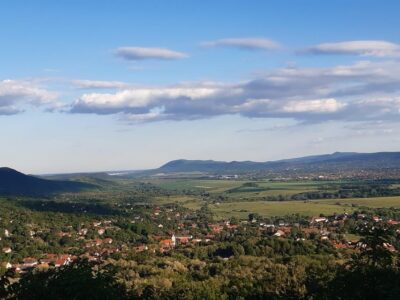
Now the walk earns its keep. Along the Danube Embankment, you’ll get panoramic views of Castle Hill, Matthias Church, Fisherman’s Bastion, Buda Castle, and Gellert Hill with Citadel. That’s a serious lineup of landmarks in one direction.
Why this matters for first-timers: once you see how these places relate across the river, you stop thinking of Budapest as separate postcards. You start seeing it as a connected city with clear sight lines, neighborhoods, and viewpoints.
At one point, you’ll also stop at the Little Princess Statue to make a secret wish. It’s the kind of moment that doesn’t require much time, but it adds a fun break in the middle of heavy sightseeing. It’s also a nice reminder that this walk is meant to be enjoyable, not just educational.
One practical consideration: embankments can get busy. If you want photos, watch for when groups shift and create a quick window rather than trying to force a shot from the exact middle of foot traffic.
Vigadó Square to Gresham Palace: coronations and the look of a city
Next the tour reaches Vigado Square, where you’ll learn about the coronation banquet of Franz Joseph and Sissy. That’s a history stop with an event focus, which can make it feel more real than abstract timelines.
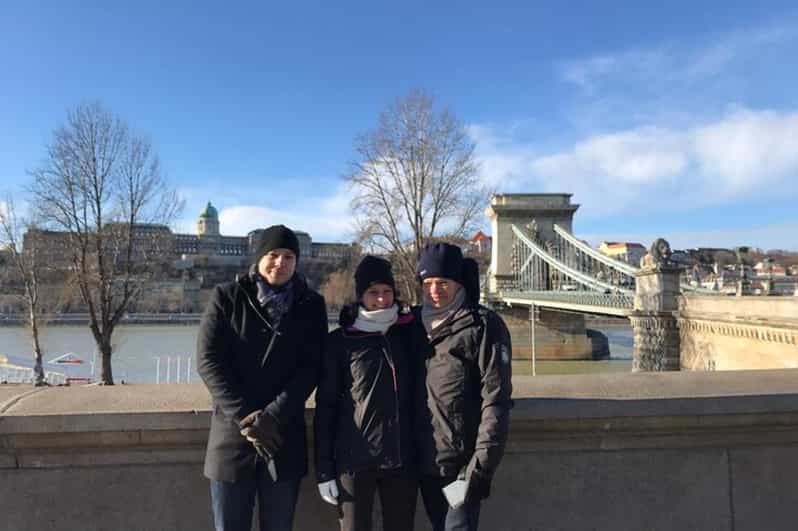
Then the route connects to the Chain Bridge area to talk about the history of Szechenyi Lanchid. You’ll also admire the exceptional secessionist Gresham Palace. Architecture here is a headline feature: you’ll see how style becomes identity, not just decoration.
This stretch is great if you like city design. You’re not only looking at one building. You’re seeing how river crossings, major squares, and prominent facades shape how people experience Budapest.
The only thing to keep in mind is attention span. By the time you reach this area, you’ve already covered several major stops. To stay fresh, ask your guide one targeted question (like why a certain style is used, or what to notice on the way back). A simple question can turn a passive walk into a memorable one.
Finishing at the Hungarian Parliament Building: neo-Gothic and modern politics
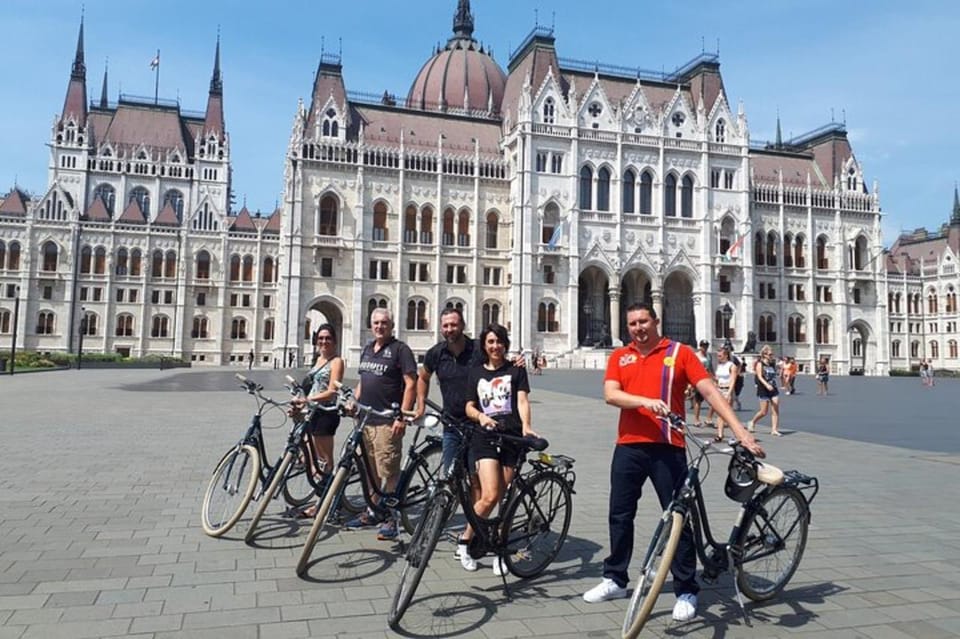
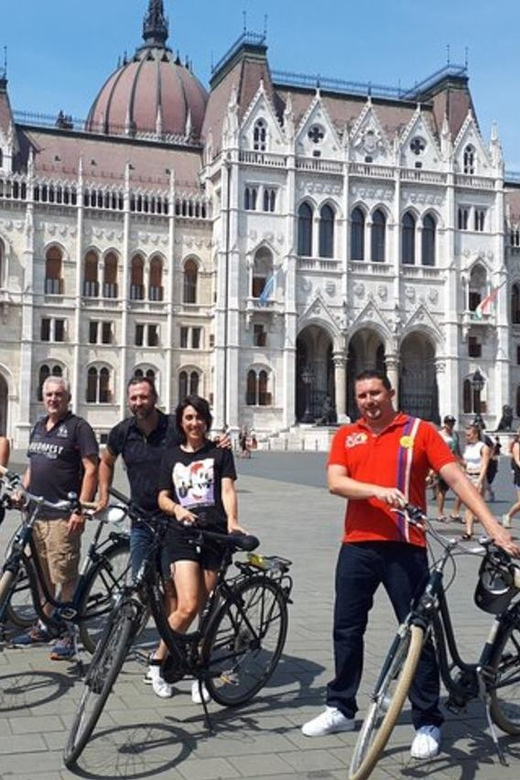
The tour ends at the Hungarian Parliament Building, where you’ll learn about recent history, elections, and neo-gothic architecture. Ending here is a smart choice. It gives you a dramatic closing image and a shift from older themes into more recent civic life.
Neo-gothic architecture can feel detailed from a distance, but once your guide frames it, it becomes easier to notice what’s going on visually. Then the political context—recent history and elections—adds weight. It’s not just a pretty facade. You’re learning how the building connects to the idea of public life and decision-making.
If you’ve got energy after the tour, you’ll likely know what to do next because you’ll understand what you’re looking at and why it matters. And that can make the rest of your trip smoother, since you won’t feel like you’re starting from scratch.
Private and customizable: why the guide style is the real value

The biggest reason this tour can feel worth your time is the private format. You won’t share the walk with other groups. That means you can go at your pace, linger at a detail that catches your eye, or ask questions as they come up.
This also helps with tailoring. The tour is described as private and customizable, and the guide’s familiarity with areas that interest you becomes a practical tool, not just a nice extra. If you’re into architecture, you’ll get more of that. If you care about food culture or public art, you’ll likely get targeted context.
Some guide names mentioned in past bookings include Adrienne and Anikó, both noted for professionalism and strong historical explanations, along with a lot of room for questions. That matches what you want from a highlights tour: clear explanations, friendly energy, and the ability to answer what you actually care about.
Finally, you get lots of valuable advice from your guide about other things to do in the city. That’s often where the real savings show up—you avoid wasting a day chasing the wrong neighborhood, and you get smarter about timing and priorities.
Price and value: is $29 a smart first look at Budapest
At $29 per person for a 2-hour private walk, the value depends on one thing: whether you’re in the stage of travel where you need structure. If you’re arriving in Budapest and want your first-day plan to make sense, this pricing can be a good deal because it bundles orientation, major sights, and contextual explanations into a short format.
The tour also includes walking, and public transport may be part of the plan unless you select an option that changes that. That matters because it reduces the “figuring it out” load. You spend your time looking and learning instead of staring at maps every five minutes.
Also included is help from the team to book tickets for desired visits. The listing you’re looking at doesn’t include food or drinks, but the tour itself covers the main sight connections and guidance, which is usually where tours earn their money.
If you’re already a Budapest power-walker who’s done independent research and you want deep, slow museum time, you might not need a guided highlights circuit. But if you’re first-timer, or if you want the city to click into focus quickly, $29 is a fair entry ticket to get momentum.
Practical checklist for a 2-hour highlights walk
This is a walking tour with a 2-hour duration, so plan for movement. Wear comfortable shoes and expect the route to cover major central sights rather than only one neighborhood.
Bring your questions. The best moments tend to be when your guide explains what you’re seeing and you get answers on the spot—especially around architecture styles, public art, and the links between historic events and the city today.
If you want a smoother trip, think ahead about what you want most:
- the big landmarks and viewpoints
- Hungarian culture signals like food culture and basic language
- architecture styles and public art details
The tour is wheelchair accessible, and it’s built for private pacing, so you’re not locked into a rigid group schedule.
Should you book this Budapest highlights walking tour?
I’d book it if you want your first taste of Budapest to feel organized and meaningful. The route covers the key visual story—Basilica to Danube panoramas to Parliament—plus the cultural extras like Hungarian Habsburg ceramics, public art details, and food culture context. And because it’s private and customizable, it’s easier to match the tour to your interests instead of swallowing a one-size plan.
I’d skip it if you hate walking, you want long indoor stops, or you’re looking for a slow, museum-heavy day. At 2 hours, it’s built for getting your bearings and seeing the essentials, not for lingering for hours at a time.
If you fall into that first group—first-timers, short on time, and craving structure—this is a solid way to start Budapest on the right foot.
FAQ
How long is the Budapest must-see attractions walking tour?
The tour lasts 2 hours.
Where does the tour meet?
Meet your guide in front of Kempinski Hotel Corvinus Budapest, at Erzsébet tér 7.
Is this tour private?
Yes. It’s a private and exclusive tour, with no one else in your group.
Can the tour be customized?
Yes. The tour is private and customizable.
What sights are included on the walk?
You’ll visit Elizabeth Square, St. Stephen’s Basilica, St. Stephen’s Square, József Nádor Ter, Vörösmarty Square (near Váci utca), the Danube Embankment viewpoints, the Little Princess Statue, Vigadó Square, Szechenyi Chain Bridge, Gresham Palace, and finish at the Hungarian Parliament Building.
What languages are available for the live guide?
The live tour guide is available in English, Spanish, Italian, and French.
Do you use public transport during the tour?
You’ll do a walking tour and public transport, except if you select an option that changes that.
Is food or drinks included?
No. Drink or food is not included.
Is the tour wheelchair accessible?
Yes, the tour is wheelchair accessible.
When can I cancel for a full refund?
You can cancel up to 24 hours in advance for a full refund.