History shows up at every corner. This Spanish Free Tour Budapest Essential strings together major landmarks and the big political stories behind them, from Hungary’s early tribes to the Austro-Hungarian era and the 20th century. Two things I really like: the storytelling is built around what you can see (not just dates), and it ends with a very “Budapest” mix of symbolism, castles, and thermal-bath thinking. Rafa, the guide name that keeps showing up, also brings strong recommendations for the rest of your stay.
You’ll also like the practical value: your payment secures a metro ticket and a reservation, and some memorial sites have entry included. One consideration: it’s mostly a walking-and-looking tour (the Parliament is explained from the outside), so bring weather-appropriate clothes and expect steady steps for almost 3 hours.
In This Review
- Key highlights you should care about
- Price and Logistics That Actually Matter in Budapest
- Meeting Point to Final Castle: The Route Makes Sense
- Hungarian Parliament Building: Big Exterior Views, No Entry Stress
- St. Stephen’s Basilica and the Shape of Hungarian Belief
- Andrassy Avenue and the Opera Lobby: Budapest’s Theater Side
- Heroes’ Square: Where Statues Explain Politics
- City Park and the Real Talk About Széchenyi Baths
- Vajdahunyad Castle (Dracula’s Castle) and the Fairy-Tale Ending With Teeth
- Trianon Memorial and the Eternal Flame: What You Should Notice
- The Guide Effect: Why Rafa’s Name Keeps Coming Up
- Who Should Book This Budapest Essential Tour (and Who Might Skip It)
- Should You Book Free Tours Budapest Essential in Spanish?
- FAQ
- How long is the Free Tour Budapest Essential?
- What time does the tour start, and where do I meet?
- Where does the tour end?
- Is the Hungarian Parliament Building included for entry?
- Do I get Metro 1 during the tour?
- Which sights have included admissions?
- Are tickets included for St. Stephen’s Basilica?
- Does the tour enter the Opera House?
- What is the group size limit?
- What if the weather is bad?
Key highlights you should care about
- Parliament from Kossuth Lajos Square: history talk without the pressure of entering
- Metro 1 included with your booking: a classic 1896 subway ride into the center of the story
- Opera House lobby stop: you get access to a famous interior without a full museum detour
- Heroes’ Square symbolism: you learn what the statues and layout are trying to say
- Vajdahunyad Castle to Dracula legends: a playful ending that still connects to real history
- Trianon Memorial and Eternal Flame entry included: key 20th-century memory stops aren’t just photo ops
Price and Logistics That Actually Matter in Budapest
Budapest “free tours” can mean very different things, so I pay attention to the structure. Here, the listed price is $3.43 per person, which functions more like a booking fee than a true freebie. The important part for your wallet: when you pay, you secure a reservation and receive the metro ticket included.
That metro detail changes how useful the tour is. Instead of spending your first day guessing how to get around, you get set up for the city’s historic core and then you can keep exploring afterward with less friction. With a duration of about 2 hours 40 minutes and a maximum group size of 30, it also tends to feel manageable rather than chaotic.
You’ll receive confirmation at booking time and get a mobile ticket, which is handy when you’re juggling maps, phones, and cold air. And because the meeting point is by public transit, you’re not forced into a long trek just to start.
Weather is a real factor. The experience notes that it needs good weather, and if it’s canceled for poor conditions, you’ll be offered a different date or a full refund. If you’re booking for a rainy week, I’d keep an eye on forecasts and dress like you expect wet sidewalks.
You can also read our reviews of more tours and experiences in Budapest.

Meeting Point to Final Castle: The Route Makes Sense
The tour starts at Budapest, Kossuth Lajos tér 10, 1055 Hungary at 10:30 am, and it finishes at Vajdahunyad Castle (also called Dracula’s Castle), near Budapest, Vajdahunyad stny., 1146 Hungary.
That start-to-finish route is smart. You begin in the political heart of the city, then move through iconic architecture, open monuments, and finally end in City Park territory where the atmosphere shifts. By the time you reach the castle and memorials, the tour has already taught you enough context to read what you’re seeing.
It’s also a format that works well if you’re new to Budapest. You get orientation without the usual “look at that, look at this” monotone. The guide is there to explain how the city’s landmarks connect to changing power, changing borders, and changing identities.
Hungarian Parliament Building: Big Exterior Views, No Entry Stress
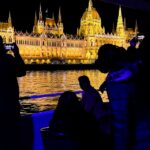
Your first major stop is in front of the Hungarian Parliament Building from Kossuth Lajos Square. The tour’s approach is practical: you don’t enter. Instead, you get a history summary of Hungary plus “secrets” of the building from the outside.
That matters for first-timers. Parliament buildings are dramatic, but inside access can be a hassle—lines, strict timing, and often extra planning. By keeping it exterior, the tour stays on schedule and you don’t waste your limited vacation time chasing logistics.
What you should do here is slow down and actually look. The guide’s goal is to help you connect the site to Hungarian history, and once you understand what you’re looking at, the building stops being just a photo backdrop. Instead, it becomes a symbol of national story and political change.
You spend about 20 minutes at this stop. You’ll also see the important monuments around Kossuth Lajos Square as part of the context, and those nearby landmarks help the story land faster than one building alone.
St. Stephen’s Basilica and the Shape of Hungarian Belief
Next comes St. Stephen’s Basilica (Szent Istvan Bazilika), where the tour explains the history of the building. It’s not listed as an included admission, so you’re not there to tour inside as part of the guided time. It’s more about understanding what the basilica means in Budapest’s long religious and cultural storyline.
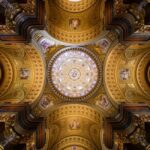
St. Stephen’s Basilica is visually powerful from different angles, so even without entry you still get value. The guide’s job is to point you toward the details you might otherwise miss—why it looks the way it does and what it represents.
Expect around 10 minutes here. That’s not long, but for a free-orientation style tour, it’s enough time to go from unfamiliar to “I get it,” especially if you pay attention to the story being told.
Andrassy Avenue and the Opera Lobby: Budapest’s Theater Side
After the basilica, you move onto Andrássy út, a section of which is part of a World Heritage site. This is billed as the most luxurious and beautiful avenue in Budapest, and it helps that the guide keeps the focus on why this corridor matters, not just how pretty it is.
You’ll spend about 10 minutes here. It’s a quick hit, but Andrassy Avenue is one of those places where a short explanation turns your photos into something more meaningful. You’re learning to see the city’s style as political and cultural messaging, not only fashion.
Then comes a strong architectural stop: the Hungarian State Opera House (Magyar Állami Operaház). You get to enjoy the building and enter the lobby, where the story of the opera house is explained. The lobby entry being included is a nice upgrade, because it gives you that indoor “wow” moment without requiring extra ticket planning.
This is another about 20 minutes stop. The time works well because the opera house is one of those places where details reward your attention—columns, grand spaces, and the sense of spectacle that opera buildings are designed to create.



Heroes’ Square: Where Statues Explain Politics
Heroes’ Square is next, and it’s one of the best “context” stops in Budapest. The tour frames this as one of Hungary’s most important squares, and it promises you’ll understand why once the secrets are revealed.
This is exactly the kind of place that can feel overwhelming if you just walk through it. You see big figures, big symbolism, and a lot of stone. Then you wonder what you’re actually looking at. Here, the guide is there to translate the visual language—who the figures represent and what the arrangement is trying to communicate.
You spend about 15 minutes, and that’s enough time to get orientated. If you want photos, take them, but also pause long enough to listen. Heroes’ Square rewards the seconds you spend thinking, not just the minutes you spend snapping.
City Park and the Real Talk About Széchenyi Baths
From Heroes’ Square, you move into Varosliget / City Park, described as the green lung of Budapest. This part of the tour is about pace change. You get walking and scenery, which helps break up the heavy historical stops.
You spend about 10 minutes here, so it’s not a long park stroll. It’s a reset moment, and it gives you time to breathe while still staying part of the guided narrative.
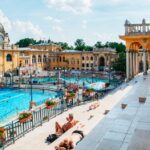
Then the tour brings in an essential Budapest culture topic: hot springs, with explicit attention to Széchenyi Baths. The tour asks a practical question—are you bringing your swimsuit?—and uses the thermal baths moment to address doubts, which suggests the guide explains how to approach bath time in a way that doesn’t feel confusing for first visits.
Because the itinerary doesn’t spell out bath entry in a step-by-step way, I’d treat this as guidance plus context rather than assuming a full bath session. But even if you don’t go in immediately, the explanation helps you decide which bath to visit next and how to plan so it feels like part of your day, not a random detour.
Vajdahunyad Castle (Dracula’s Castle) and the Fairy-Tale Ending With Teeth
The tour finishes with Vajdahunyad Castle, where you’re guided into a fairy-tale environment of legends and the big question: what does Dracula have to do with Budapest?
This is where Budapest’s playful side hits. You get to connect a famous Gothic story to the local area and the kind of folklore that tourists hear about. But the value isn’t just in the campfire vibe. The guide’s framing ties it back to why the area and its buildings feel like they belong to a legend machine.
You spend around 20 minutes here, and since it’s the end point, it’s also a convenient place to continue on your own. If you want more park time or a relaxed wander after the tour, this is a natural spot to start stretching your legs.
Trianon Memorial and the Eternal Flame: What You Should Notice
Two of the tour’s included-admission moments are memory sites that carry weight.
First is Trianon emlékmű. You enter the monument and the tour explains its symbolism and why it is so controversial. The included admission is a big deal, because it signals that the guide is taking this stop seriously, not treating it like a quick photo.
Next is Lajos Batthyányi Eternal Flame, also with included admission. You visit the memorial that commemorates the dead of the 1848 revolution, and you learn why it matters to the Hungarian population.
These stops are about more than seeing stone. They teach you how Budapest remembers. If you’ve ever visited a city where monuments feel like decoration, this is a good corrective. Here, the tour helps you understand that monuments are political statements carved into public space.
Both stops are about 20 minutes each. That’s enough time to hear the story and still take a moment to look around without feeling rushed.
The Guide Effect: Why Rafa’s Name Keeps Coming Up
One thing that pops up in the feedback is the guide’s style. Rafa is repeatedly credited with making the tour fun and keeping the pace entertaining, to the point where time seems to fly. There’s also a practical angle: Rafa doesn’t just end after the final stop. The guide is known for sharing excellent recommendations for the rest of your stay, including the Jewish Quarter.
That’s not a small detail. A good free tour can leave you with “cool photos” but no next steps. A great one gives you a mental map plus suggestions for what to do next, especially if you’re trying to fit neighborhoods into limited time.
So if you like tours that teach you how to keep exploring, this format makes sense. It also helps that the group size is limited and the tour is in Spanish, which matters if you want history explained in a language you can really absorb.
Who Should Book This Budapest Essential Tour (and Who Might Skip It)
This tour is a strong fit if:
- You’re new to Budapest and want a structured overview without spending all morning researching.
- You like history that connects to visible landmarks like Parliament, Heroes’ Square, and memorial sites.
- You want a Spanish guide and appreciate practical end-of-tour recommendations (Rafa’s name comes up for that).
You might consider skipping or pairing it differently if:
- You prefer tours that include long museum-style interiors. The Parliament stop is outside and several sights are explained without paid entry.
- You hate walking. It runs close to three hours and moves through a lot of big, spread-out landmarks.
In practice, I’d think of this as a smart “first big day” tool. It sets your context, helps you read symbols, and then you can choose how much time to spend on each area later.
Should You Book Free Tours Budapest Essential in Spanish?
If you’re looking for value, context, and an efficient route through the most recognizable parts of Budapest, book it. The mix of landmark explanation, the included Metro 1 ticket, and the included admissions at Trianon and the Eternal Flame make the small booking fee feel purposeful rather than symbolic.
Where it really wins is how it turns the city into a story you can follow: from political identity at Kossuth Lajos Square, to cultural architecture around Andrassy and the Opera, to public symbolism at Heroes’ Square, and finally to the heavier memory stops that matter.
One final tip: dress for the weather and keep your phone charged. This tour is timed, outdoors-heavy, and very visual. If you show up ready to look and listen, you’ll leave with a much clearer Budapest—and you’ll know what to do next.
FAQ
How long is the Free Tour Budapest Essential?
The tour lasts about 2 hours 40 minutes.
What time does the tour start, and where do I meet?
It starts at 10:30 am at Budapest, Kossuth Lajos tér 10, 1055 Hungary.
Where does the tour end?
The tour ends at Vajdahunyad Castle, Budapest, Vajdahunyad stny., 1146 Hungary.
Is the Hungarian Parliament Building included for entry?
No. The Parliament is explained from the outside, and entry is not included.
Do I get Metro 1 during the tour?
Yes. With your payment, you get the metro ticket included.
Which sights have included admissions?
Trianon emlékmű (Trianon memorial) and the Lajos Batthyányi Eternal Flame memorial include admission.
Are tickets included for St. Stephen’s Basilica?
No. Admission tickets for St. Stephen’s Basilica are not included.
Does the tour enter the Opera House?
The tour includes visiting the Opera House lobby, and the stop lists admission as free.
What is the group size limit?
The tour has a maximum of 30 travelers.
What if the weather is bad?
The experience requires good weather. If it’s canceled due to poor weather, you’ll be offered a different date or a full refund.