REVIEW · BUDAPEST
Alternative Budapest Walking Tour
Book on GetYourGuide →Operated by Absolute Tours · Bookable on GetYourGuide
Street art is the new map of Budapest. This Alternative Budapest Walking Tour uses graffiti, murals, and today’s underground culture to show you the city beyond the usual photos, moving between Pest and Buda on an ever-changing route. You get a small crew, so you can ask real questions instead of shouting over a herd.
What I like most is the focus on local street-art culture and the way guides connect it to the Jewish district and Budapest’s current creative scene, not just old landmarks. One thing to consider: at $67 per person, it’s best value if you actually want cafes, ruin bars, and design shops—not if you only came for classic monuments and views.
In This Review
- Key things that make this tour worth your time
- Starting at the pale-yellow Lutheran Church: your launch point into “other” Budapest
- Jewish quarter stories: how the underground scene grew out of neglected spaces
- Street art you can read: murals, graffiti writers, and Budapest’s “sidewalk language”
- Ruin bars, art-cafes, and design shops: the stops that make it feel local
- The small-group setup: why the answers feel tailored
- Price and value: what $67 buys you in 2.5 hours
- Who should book this tour, and who should skip it
- Should you book the Alternative Budapest Walking Tour?
- FAQ
- How long is the Alternative Budapest Walking Tour?
- Where do I meet the guide?
- Is this a small group tour?
- What language is the tour offered in?
- What’s included in the price?
- What’s not included?
- Is the tour suitable for wheelchair users or people with mobility impairments?
- Can I cancel for a refund?
Key things that make this tour worth your time
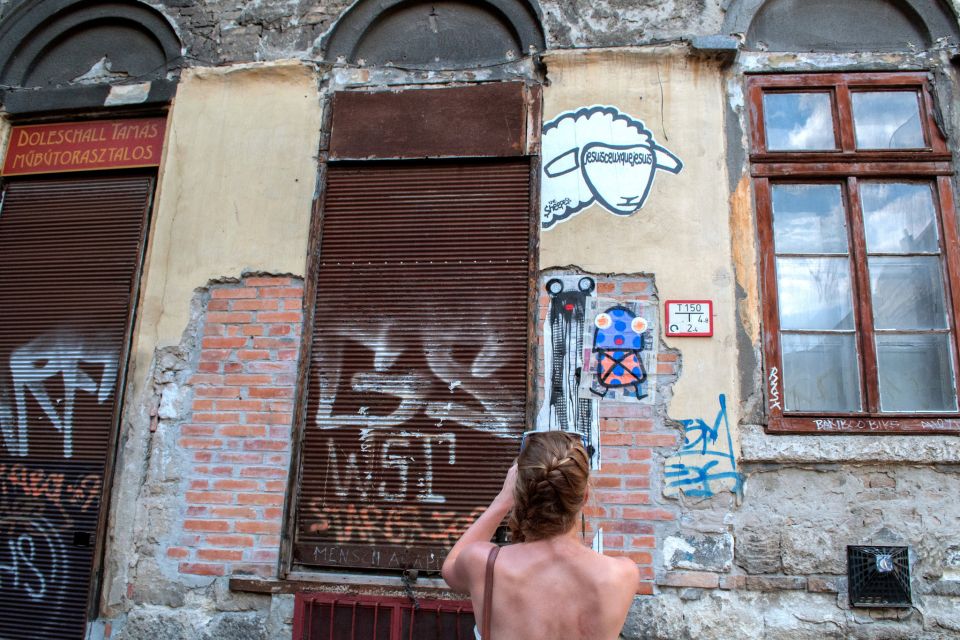
- Street art with names and meaning: You learn how writers and artists fit into Budapest’s streets, not just what you’re looking at.
- Jewish district focus on the now: The route connects community history with squats, cultural centers, and today’s nightlife.
- Ruin bars and coffee stops are part of the story: You may visit places like Szimpla Kert or stop for coffee at spots that blend art and design.
- Design shops and analogue photo energy: Some routes include bike-workshop or analogue photography stops, plus creative retail you won’t stumble on.
- Small group, real back-and-forth: Groups cap at 10, so your guide can adjust and answer your questions.
- You’ll get a guide-brain map for the rest of your trip: Many tours end with tailored recommendations for what to do next.
Starting at the pale-yellow Lutheran Church: your launch point into “other” Budapest
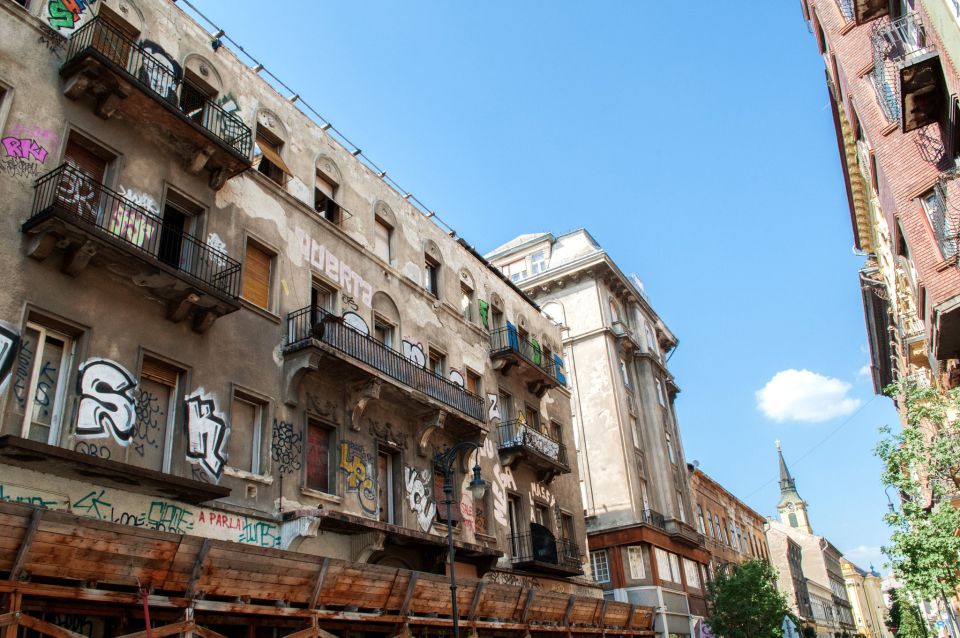
You meet your guide at the Lutheran Church steps, a pale-yellow landmark in central Budapest. That’s a good move. It’s easy to find, and it lets the tour begin with orientation before you cut into side streets and neighborhoods that don’t get shoved into every postcard itinerary.
From there, the walk starts shaping a different mental map of the city. Instead of building your day around one big sight at a time, you move along the edges of where art, music, fashion, and nightlife actually happen. This is the kind of tour where the guide’s commentary changes how you read the city: doorways, courtyards, street corners, and walls start telling you stories.
You’ll also be walking enough that comfortable shoes matter. This isn’t a sit-and-stare tour. It’s a “watch the city while you move” style. And if the weather is bad, you’re not stuck out in the wind the whole time—some stops work as shelter and conversation time, like coffee/beer and indoor creative spaces.
You can also read our reviews of more walking tours in Budapest



Jewish quarter stories: how the underground scene grew out of neglected spaces
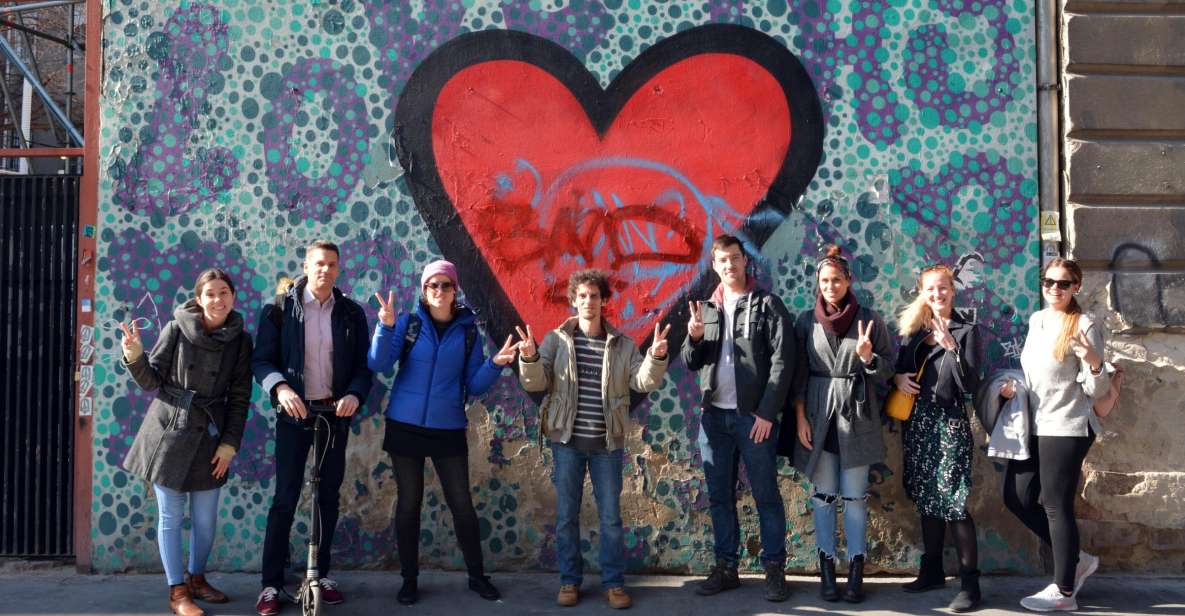
One of the strongest parts of this tour is how it frames Budapest’s alternative culture through the Jewish district. The walk doesn’t treat the area like a museum zone. It treats it like a living place where new scenes grew from old cracks in the city.
You may see or discuss things like squats, cultural centers, and abandoned synagogues—then connect that to what’s happening today in art galleries, nightlife, and community spaces. In plain terms: you’re seeing how creative energy takes root where the city used to fail people, then turns those spaces into something people choose to be part of.
Guides often bring this alive with stories about the neighborhood’s entertainment revival and how ruin bars became part of that comeback. That’s why the tour’s alternative angle isn’t just about aesthetics. It’s about why the scene matters and how it changed the district’s identity over time.
Also, don’t expect only heavy history. You’ll get the human side: why certain hangouts work, how locals talk about the scene, and how politics and culture mix in everyday life. Guides like Krisztián and Cristian are especially noted for tying Jewish community history to the street-art and ruin-bar world, so the connections don’t feel random.
Street art you can read: murals, graffiti writers, and Budapest’s “sidewalk language”
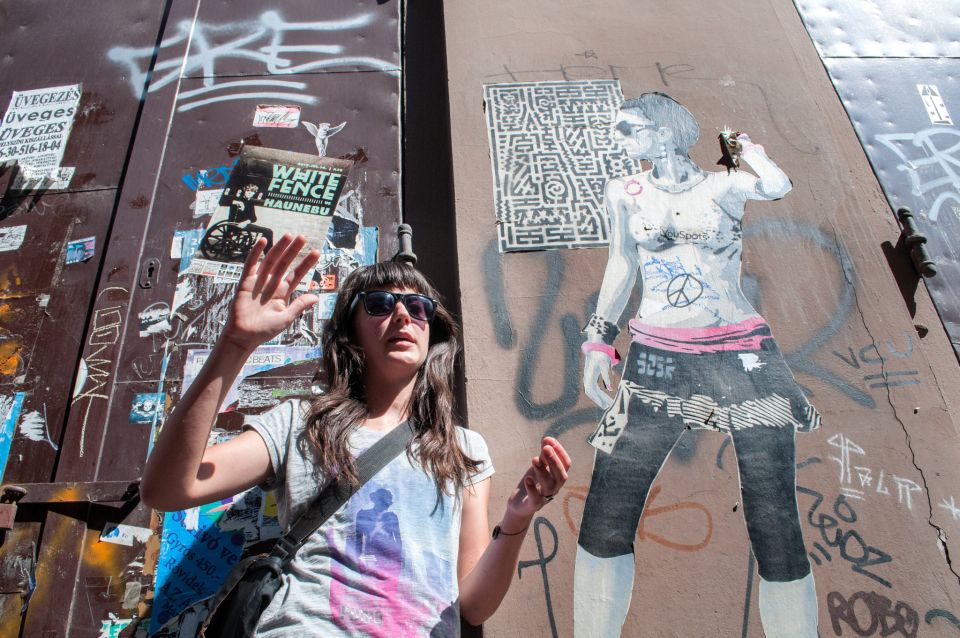
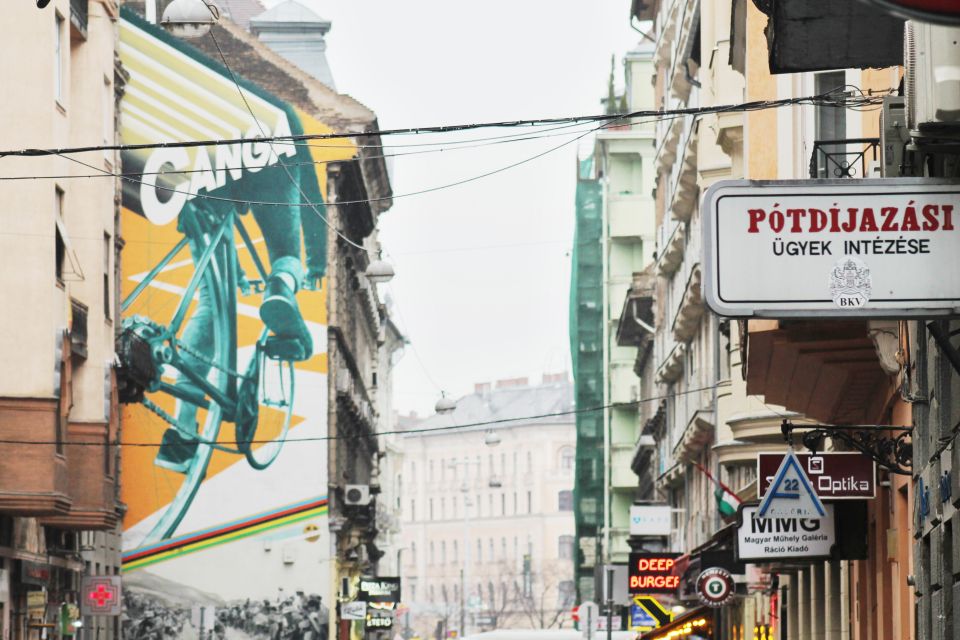
Budapest’s walls are basically open-air newspapers—if you know what to look for. This tour leans into that. The goal isn’t to point at murals and move on. It’s to explain the local street-art culture and the people behind it, including graffiti writers and street artists.
On these streets, you learn that style is part of message. You may hear how artists use public space to claim visibility, how different styles spread, and how the city’s changing neighborhoods influence what gets painted where. If you’ve followed street art for years, the structure can still be satisfying because it’s tied to Budapest’s specific story, not just global trends.
One practical bonus from the tour style: you start noticing details in the built environment you would normally ignore. There’s a recurring theme that Hungarians have an unusual way of treating architecture and even surfaces—things like paint on the sidewalks or the way certain visual cues show up in public space. Even if you don’t remember every fact, you’ll remember the feeling of seeing the city more clearly.
Ruin bars, art-cafes, and design shops: the stops that make it feel local
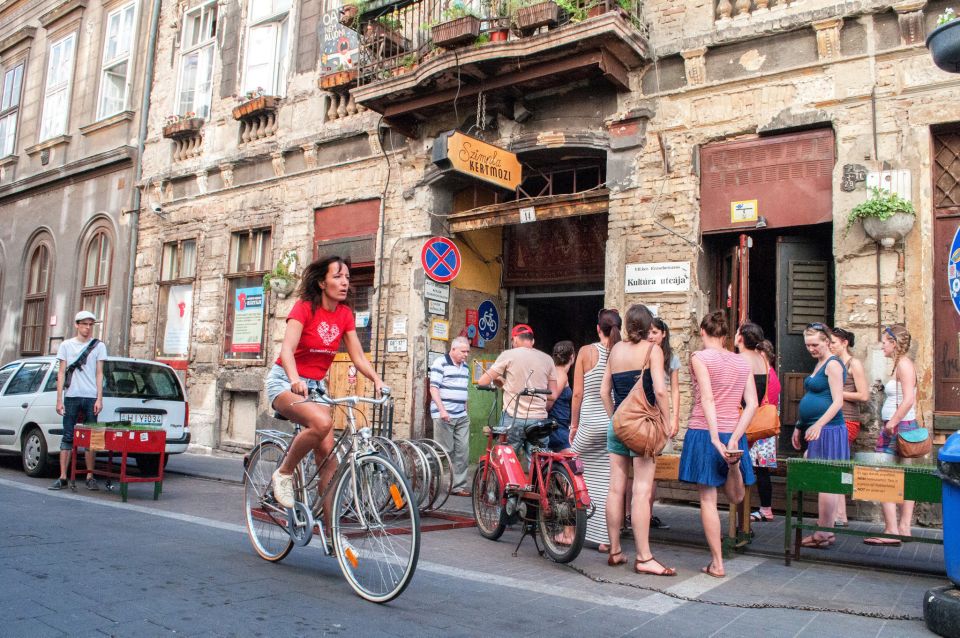
This is where the tour earns its “alternative” badge in a way that’s easy to understand. A ruin bar isn’t just a quirky backdrop—it’s part of the neighborhood’s social engine. And the tour treats those spaces like cultural hubs, not just nightlife destinations.
A few specific examples show up repeatedly in the experience:
- Szimpla Kert is often mentioned as a standout ruin bar stop, with its mix of mismatched rooms and objects that feel deliberately chaotic.
- You might get a coffee break at Printa, an eco design shop that works as a creative pause during the walk.
- Some routes include a book-shop café stop and other small creative businesses that fit the alternative scene.
- The tour description also points to an art-and-coffee collective style stop, plus places like a bike workshop and an analogue photography gallery in some routes.
The value here is not the brand names. It’s what the breaks let you do: sit, reset, and ask questions while the guide is still in motion-mode. This is how you leave with real recommendations for what to try later—what to book, what to skip, and how to find the same vibe without copying an online checklist.
One more thoughtful note: since food and beverages aren’t included, you’re in control. If you want a coffee or beer, you can grab it. If you don’t, you can just use those stops as shelter and conversation time. That keeps the walk from turning into a forced spend.
The small-group setup: why the answers feel tailored
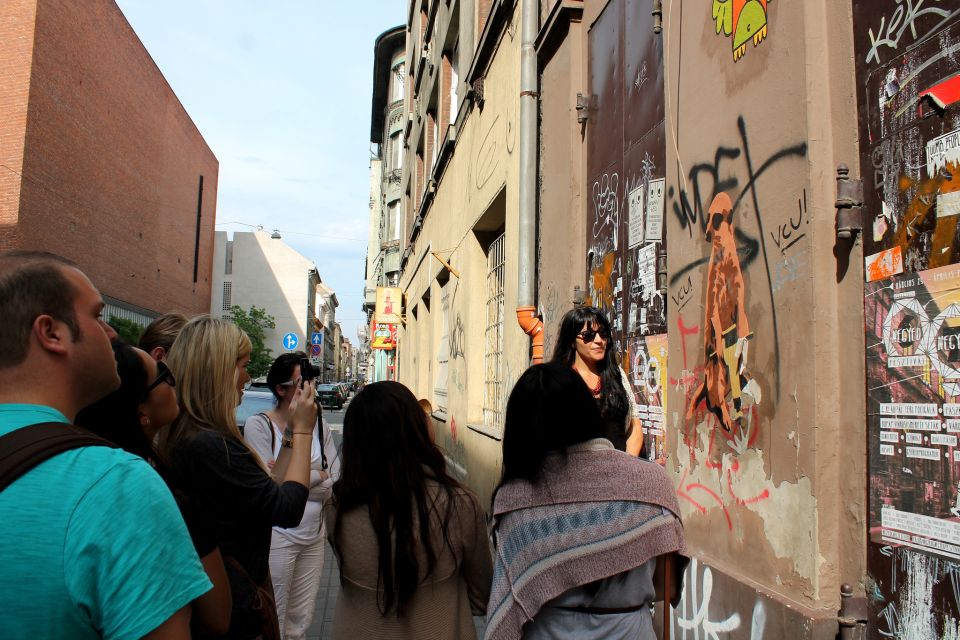
Small group means something here. Groups are limited to 10 participants, and that size makes a difference in two ways.
First, you get time to ask questions. Guides are repeatedly praised for being friendly, engaged, and open to discussion, not just reciting facts. That’s especially helpful for topics like gentrification, nightlife culture, and why certain parts of the city evolved the way they did.
Second, your route and pacing can feel more personal. Several guides are described as using stories and anecdotes to connect the places you’re seeing with what you’ll want to do next. That’s why people often leave not just informed, but with a sense of what fits their taste.
If you’re the type who likes to compare what you’re seeing with your own questions—art vs. politics, street art vs. tourism, history vs. today—this format supports that.
It also makes the walk easier emotionally. Budapest can feel huge on a first visit. A smaller group helps you build confidence faster: you stop feeling lost, and you start feeling like the city is talking back.






Price and value: what $67 buys you in 2.5 hours
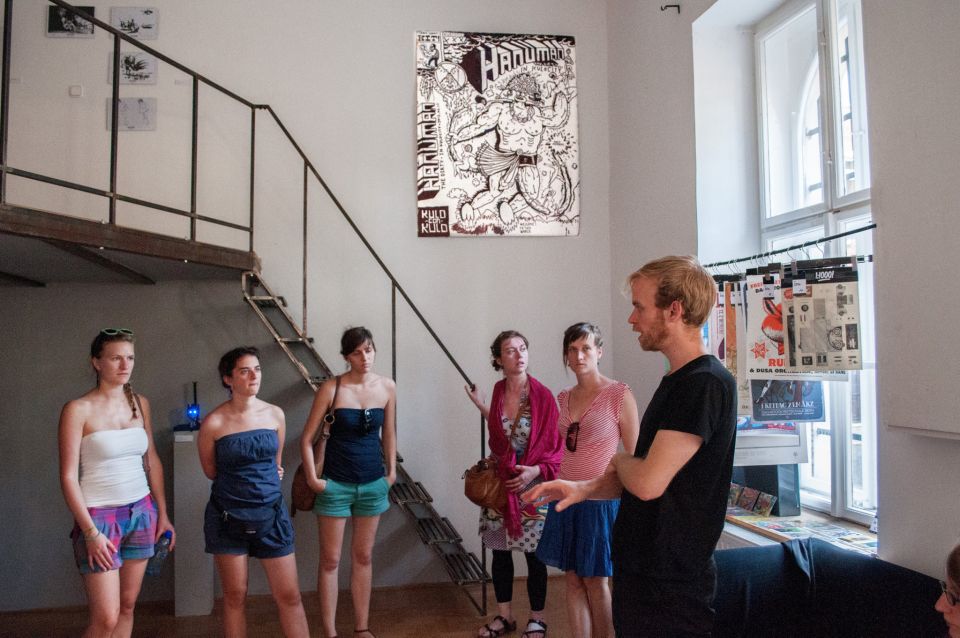
At $67 per person for about 2.5 hours, this tour is priced like a guided neighborhood experience, not like a bargain bus tour. The question is whether the guide’s time and local scene access are worth it for you.
Here’s what you’re paying for:
- A professional guide who focuses on alternative culture rather than standard landmarks.
- A tight route that covers multiple themes: street art, Jewish district culture, ruin bars, and creative design spaces.
- A format built for interaction, with a small group and frequent opportunities to ask questions.
What you’re not paying for:
- Entrance fees
- Food and beverages
So your real budget is $67 plus whatever you choose to buy during breaks. In practice, that might mean a coffee or beer (or skipping it). If you’re already planning to spend money on nightlife or creative cafes anyway, this tour can feel like money that also buys context.
Is it “overpriced” for you? That depends. One comment flags the price as a bit high. I’d treat that as a sanity check: if you only want the top monuments and panoramic views, you might feel like you’re paying for a vibe you don’t care about. If you do care about street art, music venues, and the story behind ruin-bar culture, the value is clearer.
Who should book this tour, and who should skip it
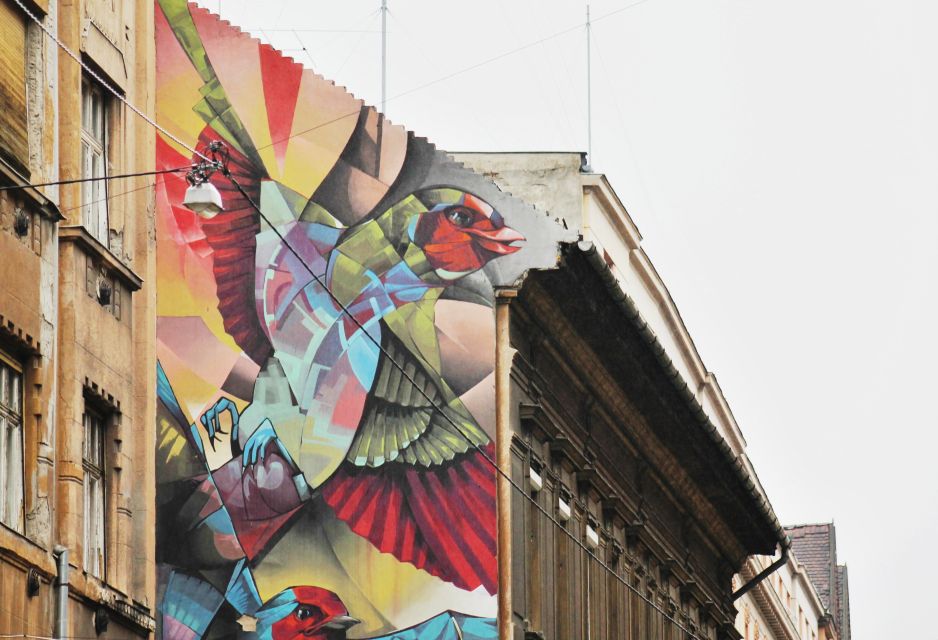
This tour is a strong match for you if:
- You like street art, design shops, and local nightlife.
- You want a present-day Budapest view, not a pure monuments day.
- You enjoy guides who talk through stories, not just dates and names.
- You’re traveling in a small group and want a walk where you can ask questions.
Skip it if:
- You need wheelchair-friendly routes or have mobility limitations. The tour is listed as not suitable for people with mobility impairments and wheelchair users.
- You’re only interested in major sights. The itinerary focus is alternative culture and neighborhoods outside the core tourist script.
Also note the meeting point is at a church—so even if you’re not into churches, you should be ready for that start before the tour shifts into the street-art and creative districts. It’s the launch pad, not the main event.
Should you book the Alternative Budapest Walking Tour?
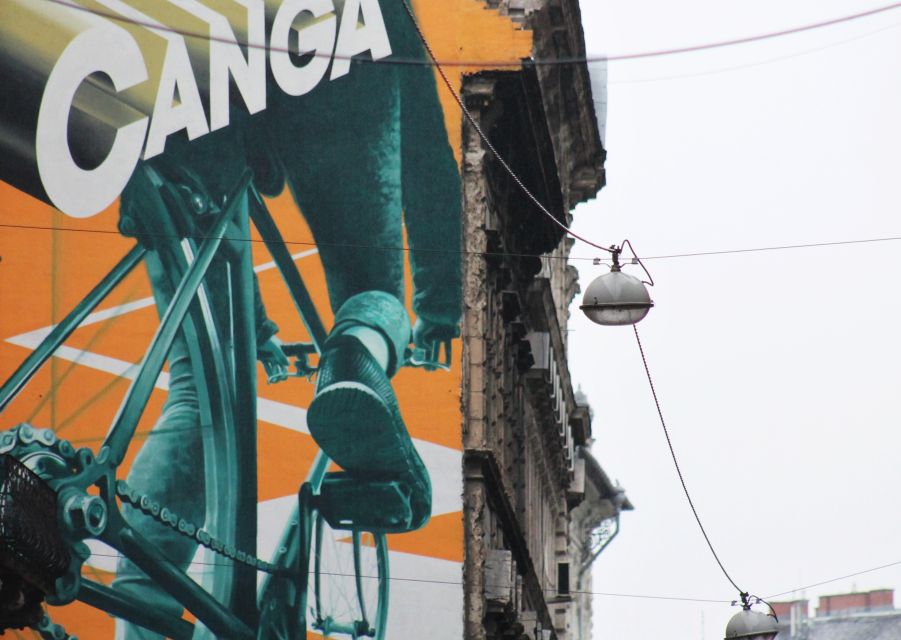
If your Budapest wish list includes street art, ruin bars, and the Jewish district’s creative scene, I think this tour is a smart way to start (or even to course-correct) your trip. You’ll come away with a better sense of what locals actually pay attention to and where the city’s future-facing energy shows up.
But if you want a classic sightseeing checklist, this won’t scratch that itch. The best way to decide is simple: ask yourself whether you’d rather understand Budapest’s culture through murals, cafes, and after-dark spaces than through a tight set of monuments. If yes, book it. If not, save your time and money for a tour that matches your style.
FAQ
How long is the Alternative Budapest Walking Tour?
The tour runs for about 2.5 hours.
Where do I meet the guide?
Meet your guide in front of the Lutheran Church (pale yellow), on the church steps.
Is this a small group tour?
Yes. It’s limited to 10 participants.
What language is the tour offered in?
The live tour guide speaks English.
What’s included in the price?
The price includes the walking tour and a professional guide.
What’s not included?
Entrance fees and food and beverages are not included.
Is the tour suitable for wheelchair users or people with mobility impairments?
No. It’s listed as not suitable for people with mobility impairments and wheelchair users.
Can I cancel for a refund?
Yes. You can cancel up to 24 hours in advance for a full refund.
If you tell me when you’re going (month and approximate time of day), I can suggest the best way to pair this with a few other Budapest plans so the whole day feels natural.