REVIEW · BUDAPEST
Budapest: All in One Walking Tour with Strudel House Stop
Book on GetYourGuide →Operated by Absolute Tours · Bookable on GetYourGuide
Budapest, condensed into one tasty walk. This small-group route stitches together the city’s headline landmarks—Heroes’ Square, Parliament, St. Stephen’s Basilica, and those Buda Castle views—without wasting time, and it keeps moving at a 3.5-hour pace.
I also love the built-in break: the Strudel House stop makes the walking feel human, not just efficient. One thing to keep in mind: you’ll admire major churches and monuments from the outside, since the tour doesn’t include interior entry tickets.
In This Review
- Key things I’d circle on your map
- Meeting at Andrássy Avenue: getting your bearings fast
- Andrassy Avenue photo stop: classic Budapest, quick and useful
- Millennium metro to Heroes’ Square: cover distance without losing the story
- Városliget park and Vajdahunyad Castle: a World Expo relic you’ll remember
- Szechenyi Bath House area: bathing culture, not a ticketed entry
- St. Stephen’s Basilica area and a café break: the pastry is the reset button
- Szabadság Square and Parliament: big exterior views, tight timing
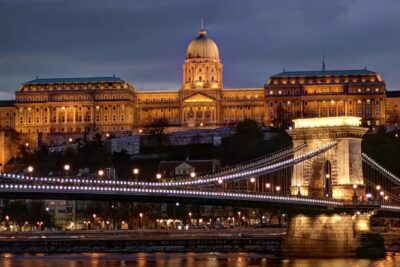
- Chain Bridge walk to the Buda side: the Danube views are the payoff
- Shuttle to the Castle area: why this matters for pace
- Matthias Church and Fisherman’s Bastion: cobblestones, then the final panorama
- Strudel House stop: more than dessert
- How long it really takes: 3.5 hours, with about 3 hours on your feet
- Weather and the no-headphone rule: you’re listening live
- Guides matter here: you’ll hear real personality
- Value check: what you get for $88
- Who this tour fits best (and who should skip it)
- Should you book this tour?
- FAQ
- Where does the tour start?
- How long is the walking tour?
- How much walking should I expect?
- Is the tour in English?
- Does it include a Strudel House stop?
- Are church interiors included?
- What transportation is included?
- Is a public transport ticket included to get around during the tour?
- Is the tour audio-guided with headphones?
- What should I wear or bring, and what isn’t allowed?
- Does the tour run in bad weather?
Key things I’d circle on your map
- Small group of up to 10 means you can ask questions and actually hear the guide
- Metro + shuttle help you cover distance without turning the day into one long slog
- Strudel House strudel with coffee is timed as a real reset, not a random snack stop
- Outside-only sightseeing (no church interiors) keeps the pace tight
- End at Fisherman’s Bastion for one last “wow” panorama over the Danube
Meeting at Andrássy Avenue: getting your bearings fast
The tour meets at the Hungarian State Opera House area, right on Andrássy út 22, at the steps outside. If you’re staying in the city center, this is a convenient starting point for day-one orientation.
One detail I like: you’re not stuck trudging from your hotel and guessing transit routes. The group starts by laying down a simple map of the city—Pest first, then Buda—so the walking later actually makes sense. And since the group is capped at 10 people, the guide can keep the whole crew together on wider streets and busy junctions.
You can also read our reviews of more walking tours in Budapest


Andrassy Avenue photo stop: classic Budapest, quick and useful
The first stretch includes a photo stop on Andrassy Avenue. It’s short, but it matters. Andrassy Avenue is one of those “you’ll recognize it later” streets, and getting a quick look early helps you connect the big landmarks you’ll hit afterward.
Expect light walking, not a workout. This is the moment to get comfortable with the pace and timing, and to make sure your shoes are up for cobblestones later in the day.
Millennium metro to Heroes’ Square: cover distance without losing the story
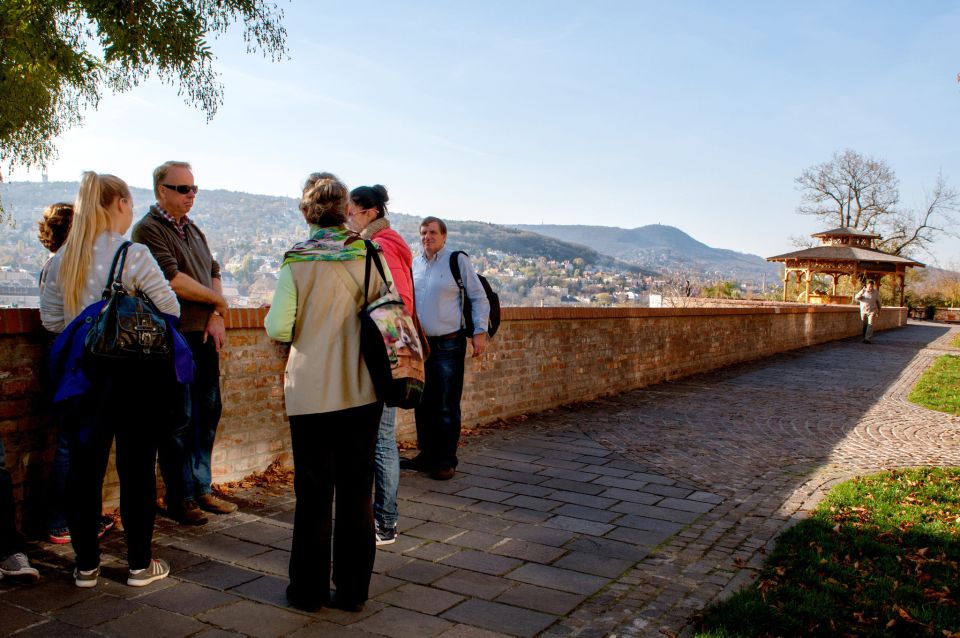
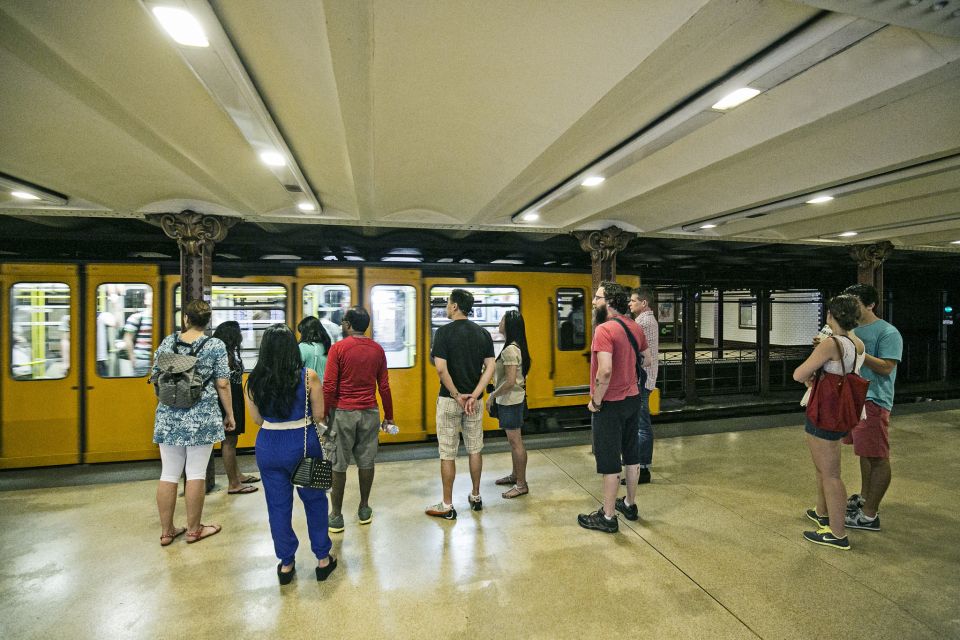
A short ride on the Millennium metro brings you toward Heroes’ Square and the big city park. This is smart for two reasons. First, it saves time. Second, it gives you an easy public-transit win you can reuse later—Budapest is much easier once you’ve watched it in motion once.
You’ll spend time around Heroes’ Square itself, including a guided look at the monument’s statues and what they represent. This stop isn’t just about photos. It’s about context: why this area was built, what it’s trying to say, and how Hungarian identity shows up in public art.
Városliget park and Vajdahunyad Castle: a World Expo relic you’ll remember
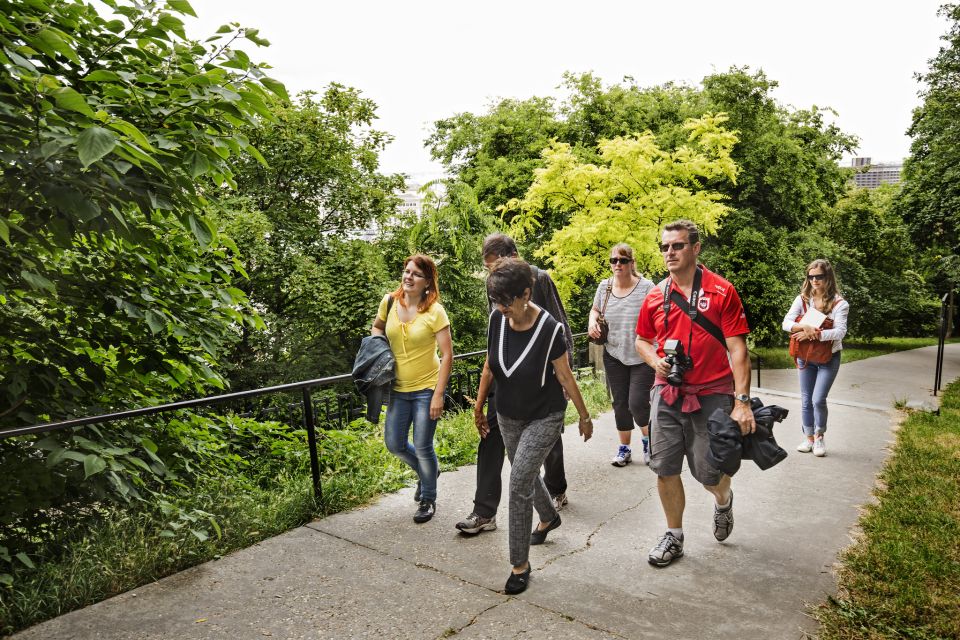
From Heroes’ Square you move into Városliget, Budapest’s main city-park zone. This is where the tour shifts from “icon spotting” to “what the city values.” You get a guided walkthrough here, plus time to see the park’s major landmarks in daylight-friendly conditions.
Then comes Vajdahunyad Castle, a complex originally built for the 1896 World Expo. Even if you don’t usually care about architecture facts, this stop clicks because you can physically see how a temporary event building became part of Budapest’s permanent identity.
Drawback to note: you won’t have a long sit-down break here. It’s scenic and historical, but it’s still part of a packed schedule. If you’re the type who wants to linger for 45 minutes at one spot, you’ll need to plan your own solo time afterward.
Szechenyi Bath House area: bathing culture, not a ticketed entry
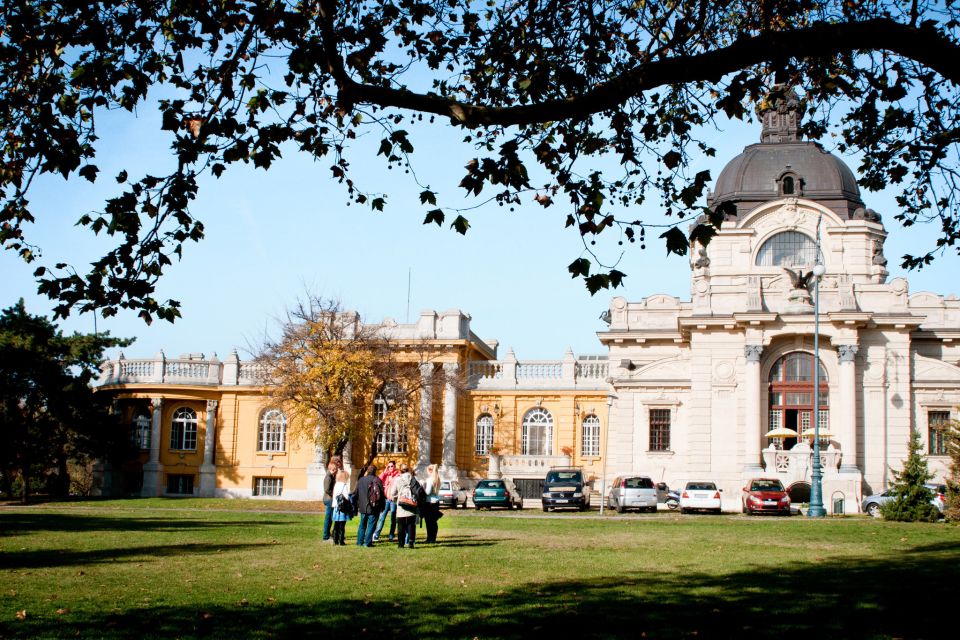
Next up is a stop near Szechenyi Bath House. You’ll get a photo stop and learn about Hungary’s bathing culture. This is a good use of tour time because most first-timers either skip the topic entirely or stumble into it too late.
Important practical point: there’s no promise of interior entry during this tour. The focus is on explaining the role baths play in daily life and Hungarian tradition. If you want the full thermal experience—pools, saunas, the works—you’ll need to add a separate visit on your own schedule.




St. Stephen’s Basilica area and a café break: the pastry is the reset button
The route continues through central Pest toward Elizabeth Square and St. Stephen’s Basilica. You’ll get sightseeing time here, and the city naturally slows down in this area because tourists and locals both orbit the same streets.
After that, you’ll take a café break for a taste of Hungary’s famous pastry. This matters more than it sounds. When you’re walking 6 km (about 4 miles) with short stops, energy dips are real. A planned food break keeps you from turning the tour into a grumpy endurance test.
Szabadság Square and Parliament: big exterior views, tight timing
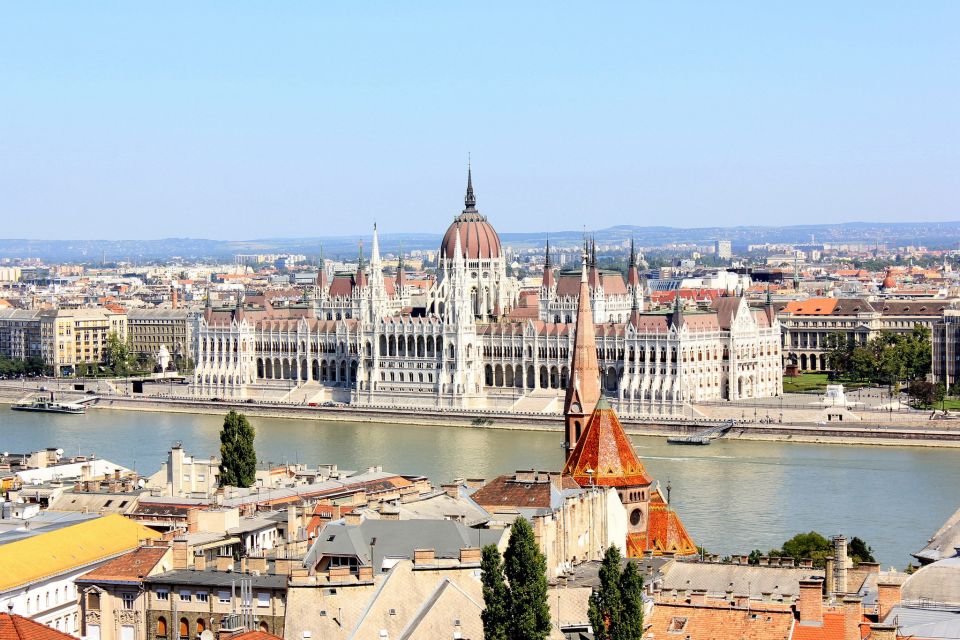
One of the tour’s main payoff moments is the Hungarian Parliament Building stop. You’ll see it up close from the outside, with photo time and a guided explanation. There’s also time at Szabadság Square beforehand, so the approach isn’t just a random “here’s a building” moment.
Plan for crowds and angles. This area can be busy, and your group will move as a unit. The good news: you’re not stuck staring at one spot. You’ll walk enough to see Parliament from multiple viewpoints as the tour shifts toward the Danube.
Chain Bridge walk to the Buda side: the Danube views are the payoff

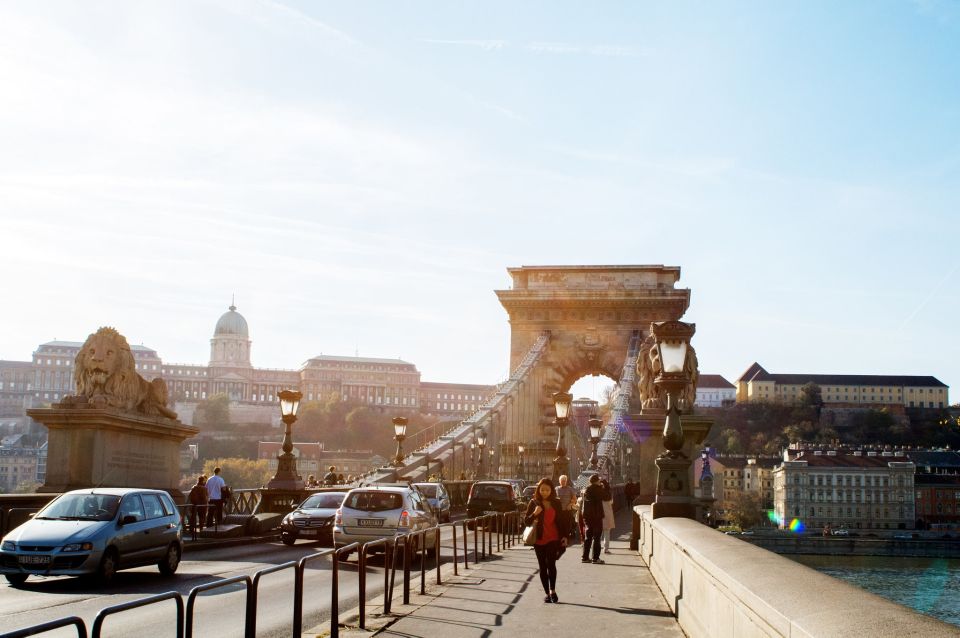
After Parliament, you’ll head toward the Chain Bridge along the riverbank. This portion is built for your phone camera, yes—but also for your sense of geography. You get the famous Danube-banking feeling for Budapest, and it’s easier to understand the city’s layout once you’ve walked the river approach.
Crossing the Chain Bridge puts you on the Buda side, where the vibe changes quickly: more hillside streets, old-city textures, and that “Budapest is two cities” feeling you read about before you ever arrive.
Shuttle to the Castle area: why this matters for pace
Once you’re on the Buda side, the tour uses a shuttle to the Castle area. This is a big deal for value. Without that assist, you’d spend extra time climbing and waiting—time you’d rather spend at the viewpoints.
It also keeps the day enjoyable for a broader range of people. The tour already includes several walking segments, plus cobblestones near the old district. The shuttle is the difference between “fun and focused” and “just trying to survive the slope.”
Matthias Church and Fisherman’s Bastion: cobblestones, then the final panorama
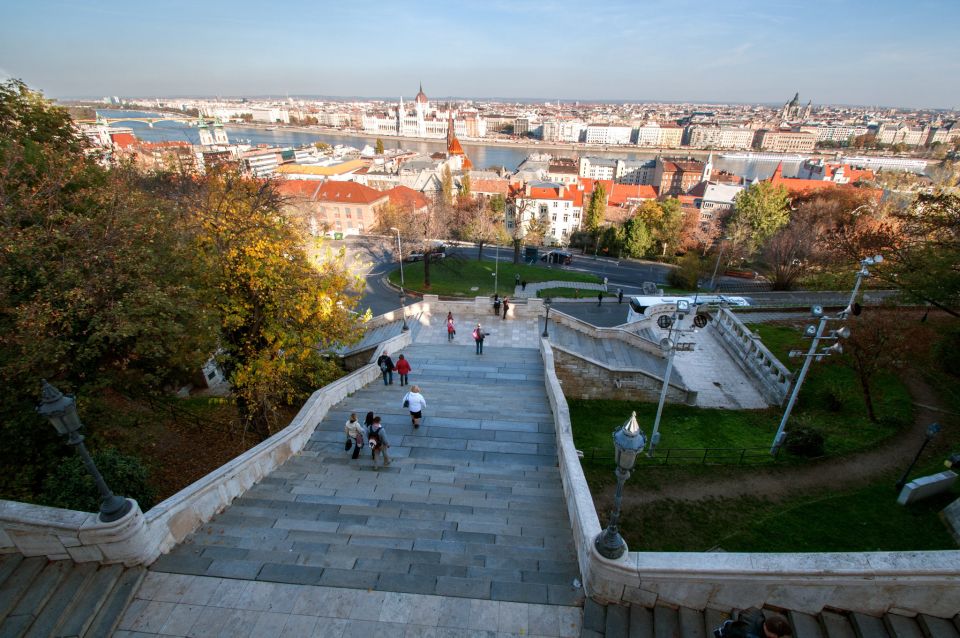
The Buda Castle District portion is where the walking gets more picturesque. You’ll stroll through cobblestone streets toward Matthias Church, with photo time and sightseeing.
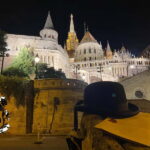
Then you end at Fisherman’s Bastion (Halászbástya). This is the part that sticks with most people: the panorama over the Danube and Pest. It’s the kind of final stop where you naturally slow down, because you can see why everyone comes back for photos.
Also helpful: the tour ends at Halászbástya, so you’re positioned right where you can keep exploring on your own afterward—assuming you’re comfortable doing a bit of navigation and walking.
Strudel House stop: more than dessert
The Strudel House stop is included, and it comes with strudel and a drink. In practice, this is a smart placement near the later part of the tour: you’ve done the hard sightseeing work, and now you’re rewarded with something distinctly Hungarian that also feels like a break.
I’ve noticed a pattern in how people talk about this stop: it’s not just that the pastry is good. It’s that it’s timed well. One comment even notes the portion can be more than expected, with multiple flavors available—so arrive hungry, and consider sharing if you’re worried about finishing everything.
How long it really takes: 3.5 hours, with about 3 hours on your feet
The tour runs for 3.5 hours total, but the walking component is about 3 hours, with short stops. The distance is around 6 km / 4 miles, which is manageable if you wear comfortable shoes and expect some uneven footing.
You’ll also use public transport during the experience, which keeps the pace from being “all street, all the time.” Still, it’s a packed schedule. Don’t plan a late-night museum after this unless your feet are usually fine with it.
Weather and the no-headphone rule: you’re listening live
The tour goes in rain or shine. That sounds obvious until you’re standing in open areas near Parliament or the river in wet weather. Bring layers you can handle, and keep your plan simple: wear shoes that can deal with slick cobbles.
Another practical note: there’s no audio equipment or headphones. You’ll rely on your guide’s voice and the group’s movement. In real terms, this is a bonus for understanding, because you can’t zone out with noise-canceling tech.
Guides matter here: you’ll hear real personality
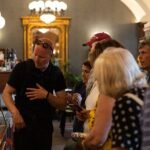
This is the kind of tour where the guide can turn a list of monuments into a story you remember. In the available feedback, guides such as Greg, Andi, Monika, Petra, and Anna are repeatedly praised for being engaging, friendly, and ready to answer questions.
Even a quirky question can work here—people have been able to ask stuff that goes beyond the basics, from everyday-life topics to deeper details about the region. If you like asking why things were built the way they were, this setup rewards you.
Value check: what you get for $88
At $88 per person for a 3.5-hour small-group outing, the value comes from three bundled parts:
- a licensed live guide who connects the stops
- included Strudel House strudel and a drink
- public transportation tickets plus an extra single ticket to return to Pest downtown
That last point is quietly helpful. Since the tour finishes in the Buda Castle area, you’re not left guessing how to get back to where you’re staying. You still need to ride like a normal person afterward, but you’re set up with a ticket for the return leg.
Who this tour fits best (and who should skip it)
This works well if you want a fast introduction to Budapest’s major highlights without building a DIY itinerary and hopping between transit lines. It’s also a solid choice for solo travelers, because the small-group size makes it easier to talk with the guide and other people.
It’s not a fit if:
- you need accessibility accommodations (mobility impairments and pre-existing medical conditions are not suitable)
- you can’t manage cobblestones and steady walking
- you’re hoping for inside visits to churches or buildings during the tour
Should you book this tour?
I’d book it if you’re visiting Budapest for a short time and want a structured route that covers both Pest and Buda efficiently. The combo of Parliament, Basilica, the river views, and a final panorama at Fisherman’s Bastion is a strong use of 3.5 hours.
Skip it only if your top priority is entering churches and spending long minutes inside them. This tour is built for outside sightseeing, smart transit moves, and a pastry break that actually helps you enjoy the day.
FAQ
Where does the tour start?
Meet your guide in front of the Hungarian State Opera House on the steps (Andrássy út 22).
How long is the walking tour?
The tour lasts about 3.5 hours.
How much walking should I expect?
Expect around 3 hours of walking, about 6 km (4 miles), with short stops.
Is the tour in English?
Yes, the tour is conducted in English by a live guide.
Does it include a Strudel House stop?
Yes. Strudel and a drink are included at the Strudel House.
Are church interiors included?
No. The tour does not include interior visits to churches or buildings.
What transportation is included?
You’ll use public transport during the tour, including metro time, and you also get a shuttle to the Castle area.
Is a public transport ticket included to get around during the tour?
Yes. A public transportation ticket is included during the tour, plus 1 extra single ticket to return to Pest downtown.
Is the tour audio-guided with headphones?
No. There are no audio devices or headphones used on this tour.
What should I wear or bring, and what isn’t allowed?
Wear comfortable shoes and clothes. Luggage or large bags aren’t allowed.
Does the tour run in bad weather?
Yes, the tour runs in rain and shine.