REVIEW · BUDAPEST
Budapest: Jewish Heritage Guided Tour with Synagogue Ticket
Book on GetYourGuide →Operated by Hungaria Koncert Ltd. · Bookable on GetYourGuide
Budapest has a second city under your feet. This guided Jewish Heritage walk threads Hungarian Jewish life through places you can’t really understand from photos, from the Dohány Street Synagogue to the memorial sites nearby.
Two things I really like: the way your guide turns street corners into a timeline, and how the stops connect daily tradition, community growth, and the hard breaks in between. I also like the built-in museum time—Jewish Museum Budapest is handled as a story, not a checklist.
One drawback to consider: you’re moving, and a museum visit can feel short if you like to read every label slowly. Also, this tour isn’t suitable for wheelchair users, so plan for steady walking and standing.
In This Review
- Key highlights worth marking on your mental map
- Walking the Pest Jewish Quarter like a timeline, not a route
- Dohány Street Synagogue: the big stop, with real context
- Jewish Museum Budapest: family life, artifacts, and one very heavy room
- Raoul Wallenberg Memorial Park and the Martyrs’ Cemetery: remembrance built into the route
- Rumbach Street Synagogue and Kazinczy Street Synagogue: architecture with meaning
- The 2-hour vs 4-hour choice: what you gain with extra time
- Price and value: is $81 a smart use of your time?
- Tips to make the tour easier (and better)
- Who this tour fits best
- Should you book this Budapest Jewish Heritage tour?
- FAQ
- How long is the Budapest Jewish Heritage guided tour?
- Which sites are included?
- Do I need to buy separate tickets?
- What language is the tour?
- Is the tour suitable for wheelchair users?
- What do I need to bring, and what’s not allowed?
Key highlights worth marking on your mental map
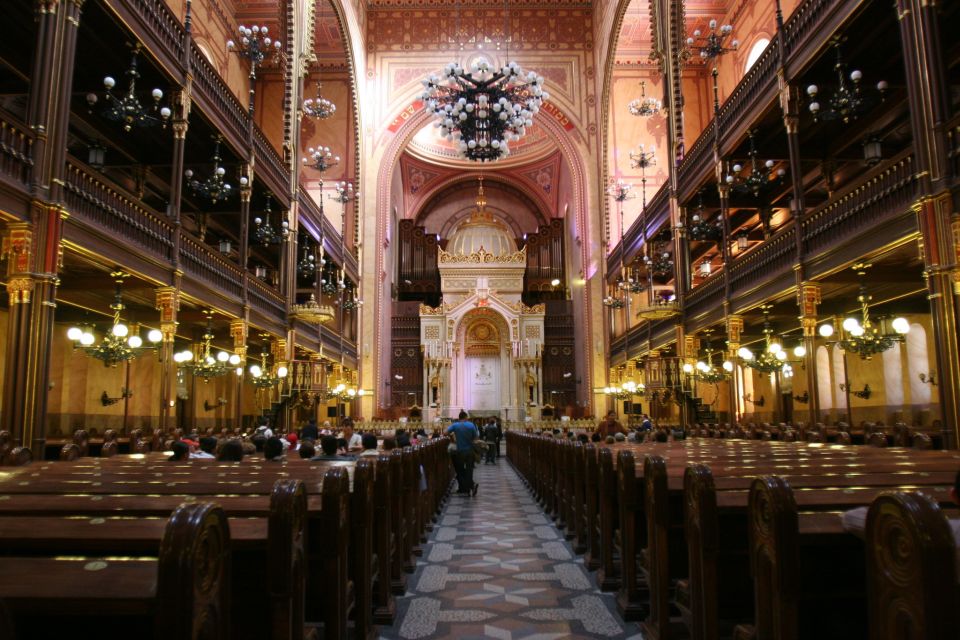
- Dohány Street Synagogue interior access with skip-the-line entry so you spend less time waiting and more time looking
- Jewish Museum Budapest as a guided narrative, including a dedicated Holocaust-focused room
- Raoul Wallenberg Memorial Park and the Martyrs’ Cemetery area, where remembrance is part of the route
- Rumbach Street Synagogue option (4-hour tour), including a chance to go inside on the longer departure
- A guide who speaks like a local, with many groups led by Benjamin and others, plus plenty of room for questions
Walking the Pest Jewish Quarter like a timeline, not a route
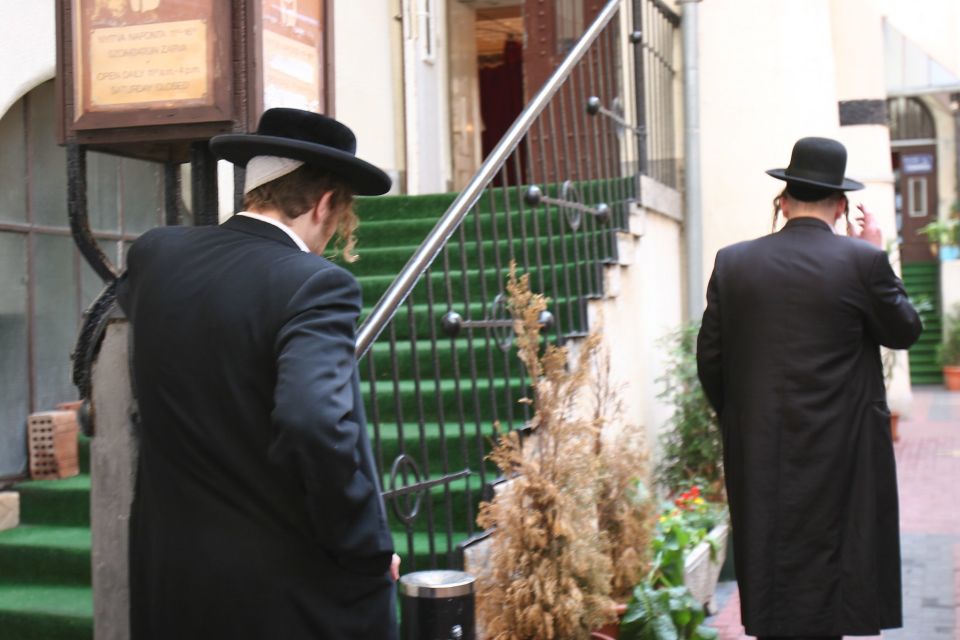
This tour works because it treats the Jewish Quarter as one connected lesson. You start with the buildings people can recognize, then your guide fills in what those walls meant—how community life worked, how it changed, and what was lost.
I like that the pace is “walk and talk,” not “walk and stare.” You’ll be looking up at facades, moving along streets between sites, and stopping where the story needs your attention. If you’re the type who asks questions, you’ll probably enjoy yourself here, because the best moments come from back-and-forth conversations.
Practical note: wear comfortable shoes. You’re on foot for 2 to 4 hours, and standing still for explanations is part of the deal.
You can also read our reviews of more tours and experiences in Budapest



Dohány Street Synagogue: the big stop, with real context
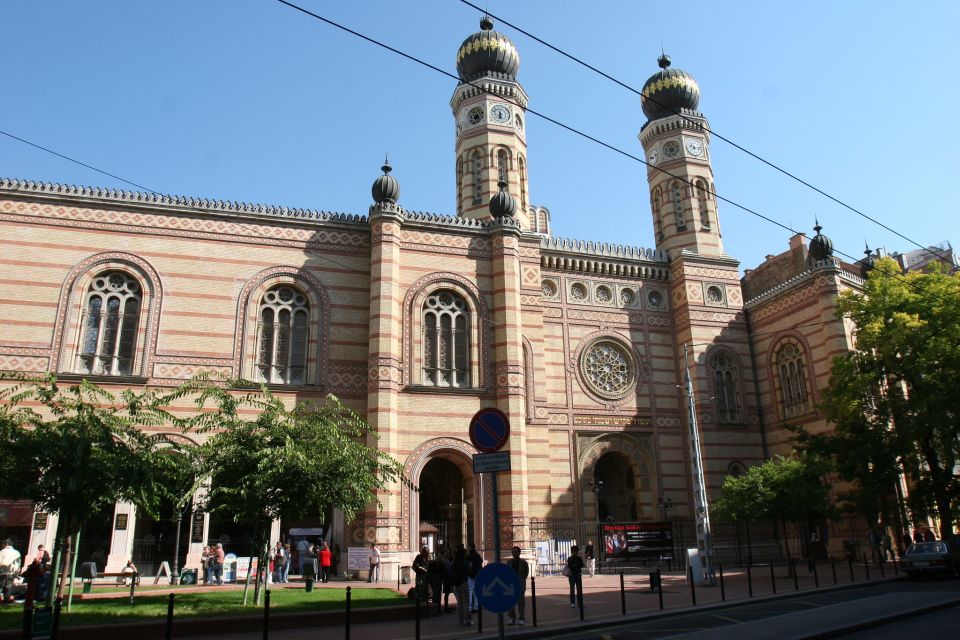
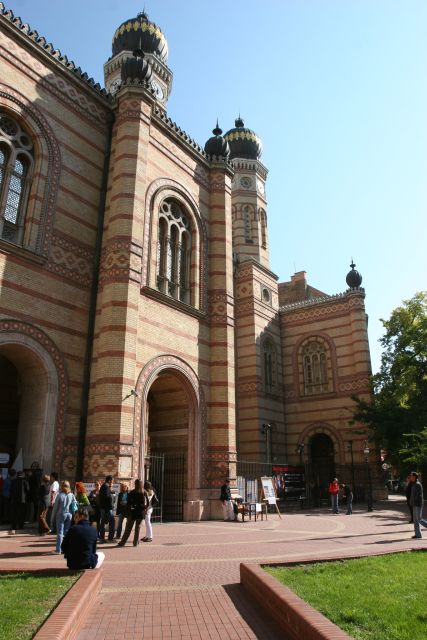
Dohány Street Synagogue is the headline for a reason. It’s described as the largest synagogue in Europe and the second largest in the world, and once you’re in front of it, you’ll understand why guides keep returning to it. Your first impression is scale: you gaze up, you notice the details, and you start to see how architecture can signal permanence.
Then you step inside, where the focus shifts from size to meaning. The tour points out the synagogue’s role in Jewish history, and the atmosphere inside—high ceilings and an ornate interior—supports the tone of the visit. It’s not just sightseeing; it’s a place where the past is physically present.
What I think makes this synagogue stop valuable for you: it’s often easier to understand the rest of the route once you’ve seen how “community center” can be both literal and symbolic.
Jewish Museum Budapest: family life, artifacts, and one very heavy room
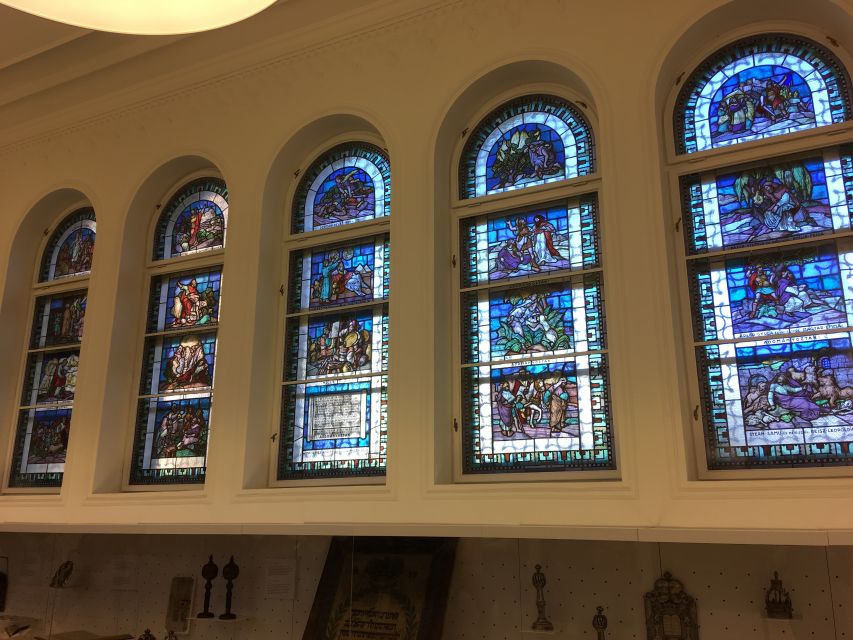
After Dohány Street, the story moves indoors to the Jewish Museum Budapest. This is where the tour becomes less about monuments and more about people. The museum visit is guided, and you’ll see collections of art pieces connected to Jewish heritage across Hungary and Eastern Europe.
You’re also shown how Judaism connects to holidays and everyday life, not only major historical events. That matters because it keeps the narrative human. It helps you feel what was interrupted, instead of only learning what happened afterward.
The museum also includes a separate room dedicated to commemorating the Hungarian Holocaust and those who perished. This is the emotional weight of the tour. If you prefer a lighter approach to history, you’ll still want to visit—but it’s good to know that part is built in, not optional.
A real-world consideration: one review noted the museum tour felt short relative to how much there is to read and view. If you’re a slow reader, plan for the fact that you’ll get an overview guided by a human storyteller, not a full self-paced deep scan.
Raoul Wallenberg Memorial Park and the Martyrs’ Cemetery: remembrance built into the route
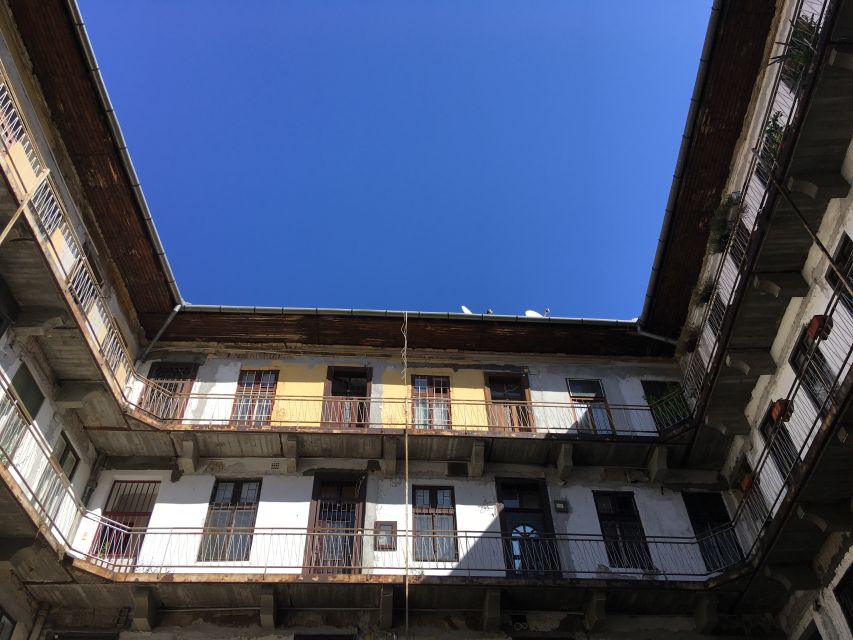
From the museum area, the tour follows your guide toward key remembrance sites. One of the major stops is the Raoul Wallenberg Memorial Park area, which ties the narrative to rescue and loss through a specific place in the city.
You’ll also visit the Martyrs’ Cemetery, where the atmosphere is different—quieter, more reflective. In the same general arc of the route, you’ll see the Tree of Life at the Raoul Wallenberg Memorial Park and the Heroes’ Temple. The route keeps reminding you that memory isn’t abstract here; it’s anchored to names, symbols, and physical locations.
If you care about historical context but also want your feelings taken seriously, this part of the tour hits the right balance. You’re not rushed past the heavy sites; you’re guided to pause and understand what you’re looking at.
Rumbach Street Synagogue and Kazinczy Street Synagogue: architecture with meaning
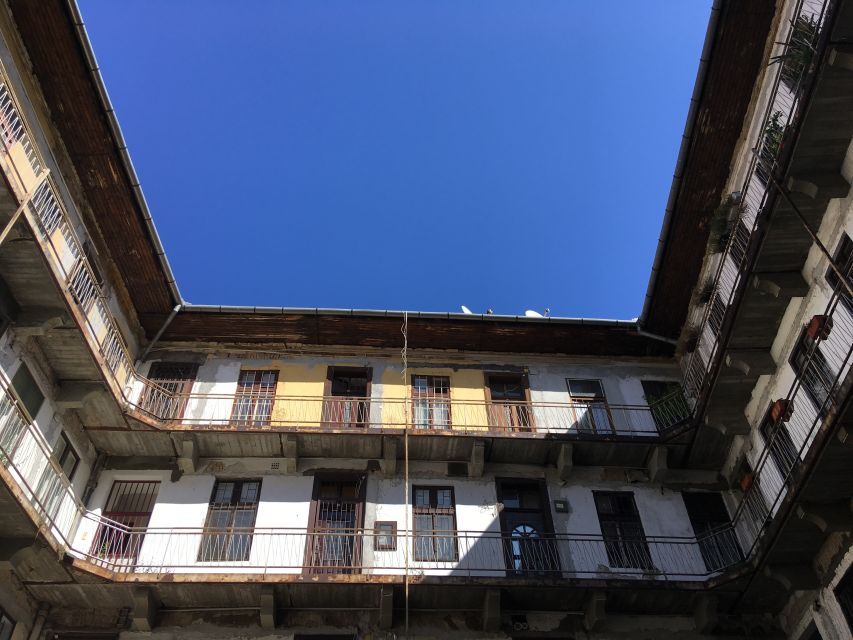
Budapest’s Jewish Quarter isn’t only about churches-that-aren’t-churches. It’s also about style—how different synagogues communicated identity through design.
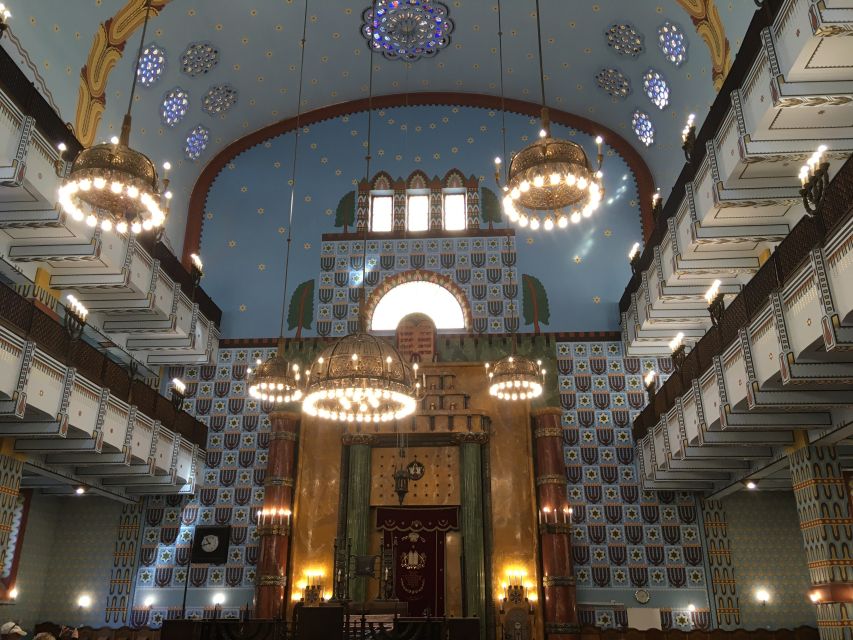
You’ll have time at the Rumbach Street Synagogue to appreciate its Moorish Revival architecture. The route notes the grandeur and invites you to look closely at the exterior first. If you book the longer 4-hour option, you also get entry to the Rumbach synagogue, which lets you experience the interior rather than only the facade.
Another stop is Kazinczy Street Synagogue. You’ll see it as part of the walking story, which helps break up the emotional weight with a different kind of learning: architectural language, community presence, and the way places of worship sit inside everyday city life.
What to expect from these stops: you’ll get guided interpretation, not just building photos. That’s the difference between walking past synagogues and understanding why they matter.
You can also read our reviews of more guided tours in Budapest




The 2-hour vs 4-hour choice: what you gain with extra time
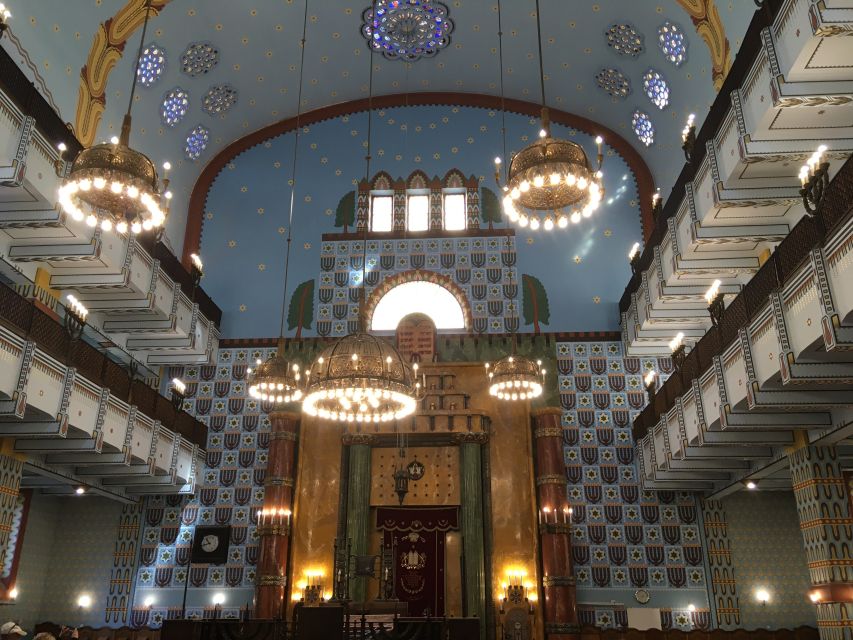
This is a flexible tour by design, with durations from 2 to 4 hours. The longer departure adds value for people who want more site access and more context on the physical Jewish Quarter landscape.
In the 4-hour option, you get entry to the Rumbach Synagogue (not just the exterior viewing) and you also get to see the Ghetto Wall with exhibition. That Ghetto Wall stop is especially useful if you want the story to move from buildings and museum artifacts to the way people were restricted—and what those restrictions looked like on the ground.
If you’re short on time, the shorter option still delivers the core experience: synagogue + museum + memorial focus. But if you can spare the extra hour or two, the add-ons help the overall narrative feel more complete.
Price and value: is $81 a smart use of your time?
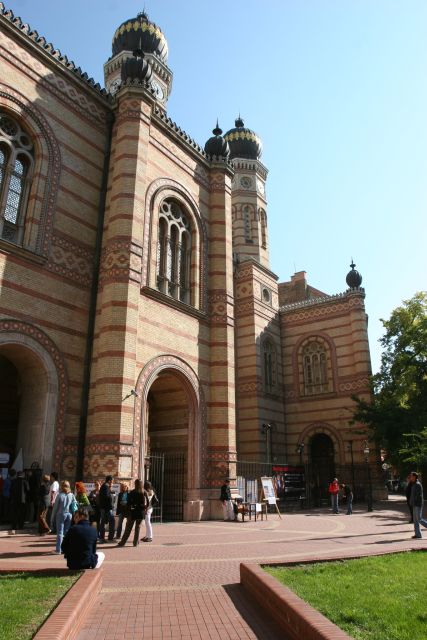
At $81 per person, this tour sits in a mid-to-higher bracket for walking tours. The value comes from what you actually receive: a guide plus entry to multiple key sites, including the Jewish Museum, the Dohány Street Synagogue, and the Raoul Wallenberg Memorial Park. The skip-the-line detail also matters here. When you’re dealing with popular, ticketed sites, saving time can be worth real money.
That said, one review did call out the price as expensive compared with other tours. So here’s how I’d think about it before you book:
- If you want a guided narrative that covers both architecture and tragedy with context, the ticketed entries help justify the cost.
- If you mainly want to walk outside, take photos, and move on, you might find a cheaper option better suited.
For most people who care about Jewish history in Budapest, this tour is priced fairly for what’s included—especially because it’s not just one museum stop, but a connected set of places.
Tips to make the tour easier (and better)
A few small choices can make a big difference:
- Bring a passport or ID card. You’ll need it for entry.
- Wear comfortable shoes. You’ll be walking and standing.
- Keep in mind the tour rules: no pets and no luggage or large bags. Pack light.
- Come ready to ask questions. Many groups praised guides for answering deeply and making it feel personal. The most frequently named guide in the feedback is Benjamin, and you’ll notice a pattern: he shares history with real-life perspective and encourages dialogue. Other guides mentioned include Scilla, Suzanne, Orshi, Ursula, and Barbi, depending on the departure.
One more “do this” tip: bring a moment of patience for the emotional parts. The Holocaust-focused room and the remembrance sites aren’t quick photo stops. If you treat them with time and attention, the tour lands much better.
Who this tour fits best
This is a strong choice if you:
- Want a guided way to understand Hungarian Jewish history in the places where it happened
- Like architecture with meaning, not just buildings as backdrops
- Prefer a structured walking format over trying to research each site alone
It’s less ideal if you:
- Need wheelchair access (the tour is not suitable for wheelchair users)
- Want a casual, purely scenic walk without heavy content
- Plan to read everything line-by-line at the museum (time is limited)
Should you book this Budapest Jewish Heritage tour?
If your goal is to understand the Jewish Quarter beyond postcards, I’d book it. The mix of Dohány Street Synagogue, Jewish Museum Budapest, and the memorial stops gives you a full arc—from community life to the Holocaust era—plus the architectural language that makes Budapest feel distinct.
Choose the 4-hour option if you’re the type who likes to see interiors when possible and you want the extra stop at the Ghetto Wall. Choose the 2-hour option if you want the core story without stretching your day.
One more smart check: if you’re nervous about emotional topics, don’t skip it—just go in prepared. The tour is guided, and the framing is designed to help you understand what you’re seeing.
FAQ
How long is the Budapest Jewish Heritage guided tour?
The duration is 2 to 4 hours, depending on the option you book.
Which sites are included?
You’ll get a walking tour with a guide and entry to the Jewish Museum Budapest, Dohány Street Synagogue, and the Raoul Wallenberg Memorial Park. If you choose the 4-hour option, you also get entry to the Rumbach Synagogue and the Ghetto Wall exhibition.
Do I need to buy separate tickets?
No. Entry to the key sites listed above is included with the tour, and you’ll also use a separate entrance to skip the line.
What language is the tour?
The live guide operates in English.
Is the tour suitable for wheelchair users?
No. This activity is not suitable for wheelchair users.
What do I need to bring, and what’s not allowed?
Bring a passport or ID card and comfortable shoes. Pets are not allowed, and you can’t bring luggage or large bags.