REVIEW · BUDAPEST
BloodThirsty Hungary: Walking tour & Dark Historical Stories
Book on GetYourGuide →Operated by Legendary Tours Budapest · Bookable on GetYourGuide
Spooky history, served with stunning views. This Castle District walk pairs actor-led storytelling with photo-friendly stops as you move between iconic landmarks. The result feels like a theatrical evening walk, but in the real streets of historic Buda.
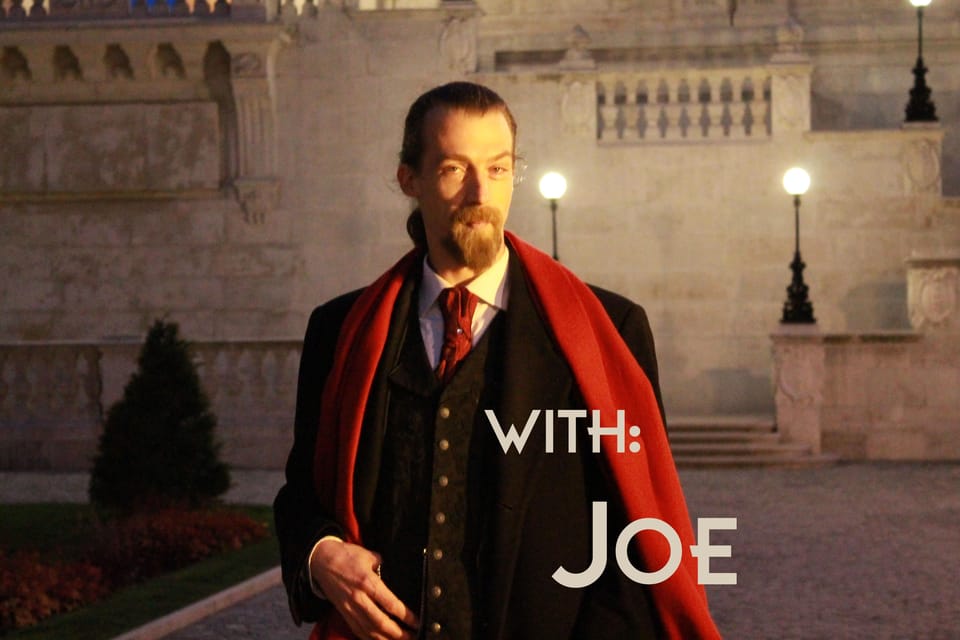
I especially like two things: first, the professional actor in high-end costume who tells stories that are described as legendary but true, and keeps the tone fun rather than dull. Second, you get built-in photo stops at major sights like Matthias Church, Fisherman’s Bastion (a pass-by), and the Royal Riding Hall.
One drawback to plan for: it’s an on-foot evening tour on uneven streets and it can get cold. If you hate wind or stairs, pack warm layers and wear good shoes.
In This Review
- Key highlights at a glance
- The Castle District is the perfect stage for dark history
- Where the tour starts: St. Stephen I and the Matthias Church area
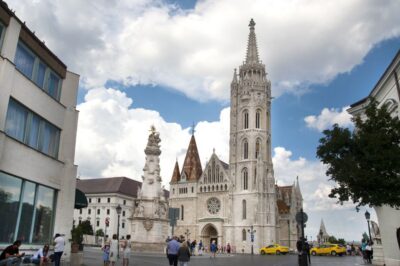
- Matthias Church and the first big photo pause
- Fisherman’s Bastion, then the Hadik equestrian moment
- Ősforrás (Zsolnay-díszkút): an artistic pause for your camera
- Sándor Palace to the funicular: changing your perspective on Castle Hill
- Buda Castle and the Fountain of King Matthias
- Main Guardhouse and the Royal Riding Hall: the performance peaks
- The actor guide: costumes, story pacing, and real engagement
- Price and value: is $21 for 110 minutes actually fair?
- Timing, walking style, and what to wear
- Who should book this tour (and who might skip)
- Should you book BloodThirsty Hungary: Walking tour & Dark Historical Stories?
- FAQ
- How long is the BloodThirsty Hungary walking tour?
- Where do I meet the guide?
- What language is the tour offered in?
- Where does the tour finish?
- Is it a walking tour?
- Do I need to check in before the tour starts?
- What’s the cancellation policy?
Key highlights at a glance
- Actor-led, costume-wearing guide who turns historic figures into vivid stories
- Photo-stop rhythm at landmarks like Matthias Church and the Fountain of King Matthias
- Castle District focus on recognizable monuments and viewpoints around Castle Hill
- Legendary-but-true dark tales described as well-researched and historically accurate
- Helpful, end-of-tour support for getting back to transport links
- English-language delivery with a guided, scripted-feeling flow
The Castle District is the perfect stage for dark history
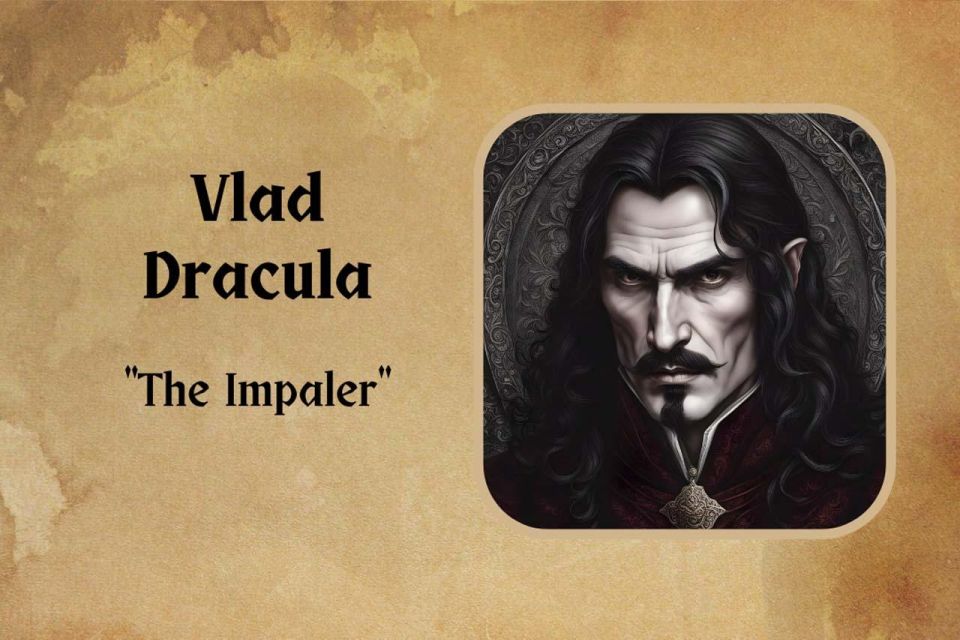
Budapest’s Castle District has a way of making everything look dramatic, even when you’re just turning a corner. That matters here, because the tour’s hook is not museum facts on a screen. It’s legendary but true stories performed by a professional actor as you stroll between landmark backdrops.
I like how the route is designed for people who want both sides of travel: scenery you can photograph and stories you can actually follow. This is also why night tours work so well in this part of town. The buildings and viewpoints around Castle Hill tend to look especially cinematic after dark, and you’re encouraged to pause, look up, and frame the scene.
The “bloodthirsty” theme may sound intense, but the pacing is built for listening without feeling overwhelmed. Expect creepy, historical, and theatrical—delivered as a walking performance rather than a lecture.
You can also read our reviews of more walking tours in Budapest


Where the tour starts: St. Stephen I and the Matthias Church area
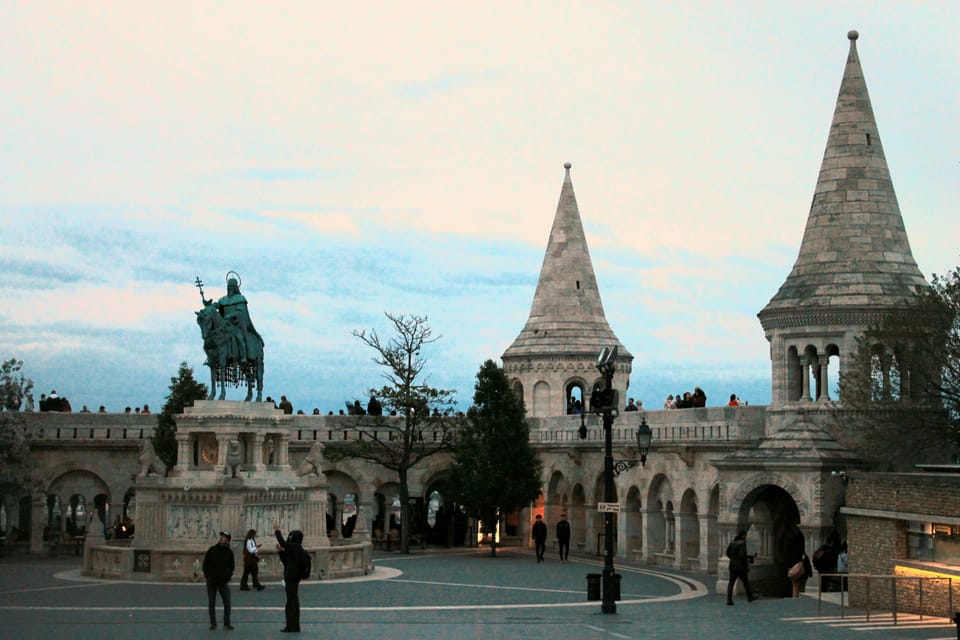
You’ll meet at the Statue of St. Stephen I, with the guide standing next to the Horsemen Statue of Saint Stephen on the right side of Matthias Church. The meeting point is straightforward, but do one small thing that helps: check in with the guide before the start time.
This start spot is useful because it quickly gets you oriented. You’re already in the right visual zone—close to the cluster of sights you’ll keep returning to through the evening. And if you’re the kind of traveler who likes to build a mental map fast, this tour does that for you with a clear start and an end point.
You’ll then move on foot for quick segments between stops. In a short time, you’ll be in the thick of the Castle District vibe—cobblestones underfoot and viewpoints around every bend.
Matthias Church and the first big photo pause
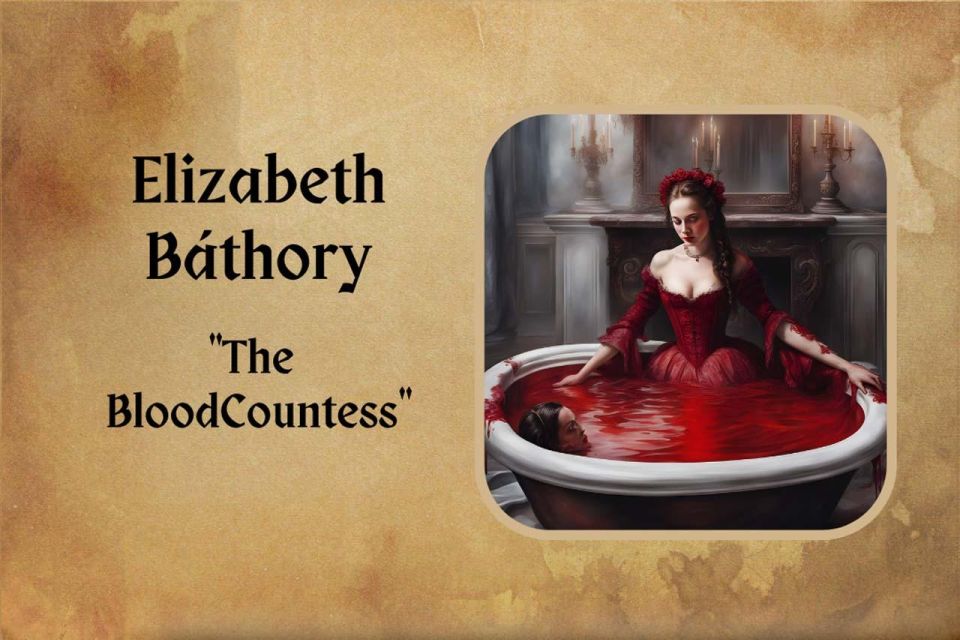
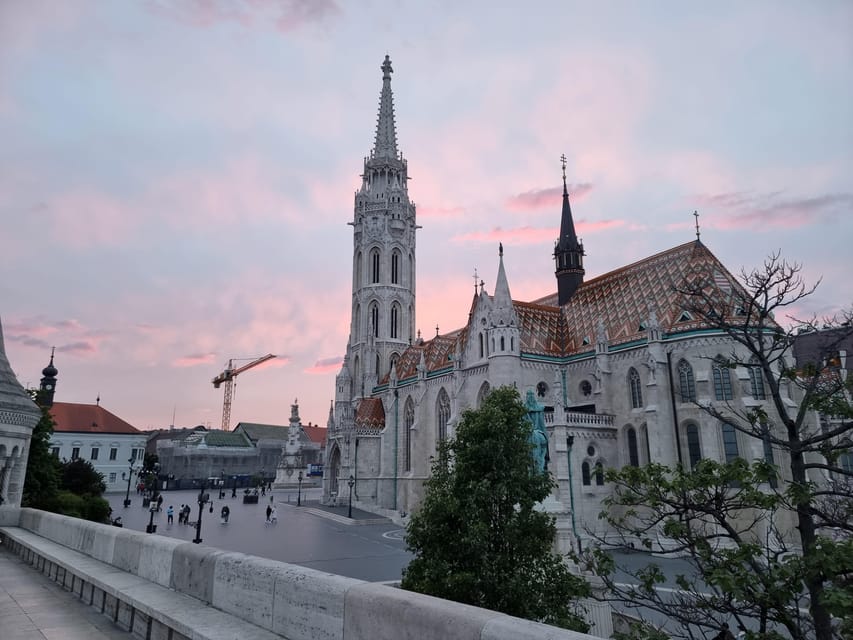
One of your first “stop and look” moments is Matthias Church. You’ll have time set aside for photos and sightseeing, not just a quick glance while walking.
Matthias Church works as an anchor landmark for the whole evening because it’s instantly recognizable. It also helps you reset your attention from street-level detail to skyline views—what comes next will make more sense after you’ve seen the church’s presence in the area.
Practical tip: plan to take your photos early in the tour. The closer you get to night, the more you’ll want to focus on the actor’s performance, and you’ll naturally miss a few shots if you’re still settling into your camera settings.
Fisherman’s Bastion, then the Hadik equestrian moment
After the start, you pass Fisherman’s Bastion. The tour doesn’t position it as a long stop, but it’s still there to give you a sense of place. You get that Castle District “this is what people mean when they say Budapest views” feeling, even if you’re not lingering for a full photo session.
Then comes a standout photo stop: the Equestrian Statue of András Hadik. This is the kind of landmark that photographs well because it’s vertical, detailed, and meant for you to look up at it from street level. The tour uses stops like this to break up the walk and keep the evening moving.
What I like about this section is the balance: you’re not stuck at one location long enough to freeze in place, but you also don’t feel rushed. You get movement, pauses, and a story thread tying the stops together.
Ősforrás (Zsolnay-díszkút): an artistic pause for your camera
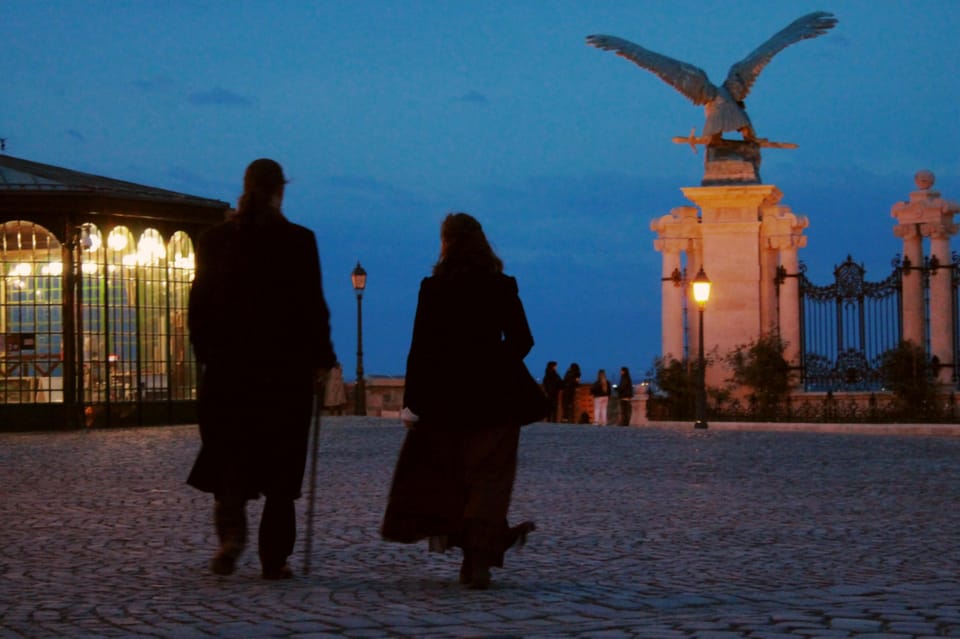
Next up is Ősforrás (Zsolnay-díszkút), another dedicated photo stop with scenic views on the way. Even if you’re not the type to chase fountains, this kind of stop matters on a walking tour because it gives your eyes something different than statues and church facades.
Fountains and decorative structures are often where you’ll get the best variety in your photos: reflections, ornamental shapes, and a softer look compared with stone monuments. It’s also a nice breathing space between heavier story beats.
If you want photos that look more “Budapest” and less “tour group,” use this stop to slow down. That’s when you’ll naturally get shots that feel less posed and more real.
You can also read our reviews of more historical tours in Budapest





Sándor Palace to the funicular: changing your perspective on Castle Hill
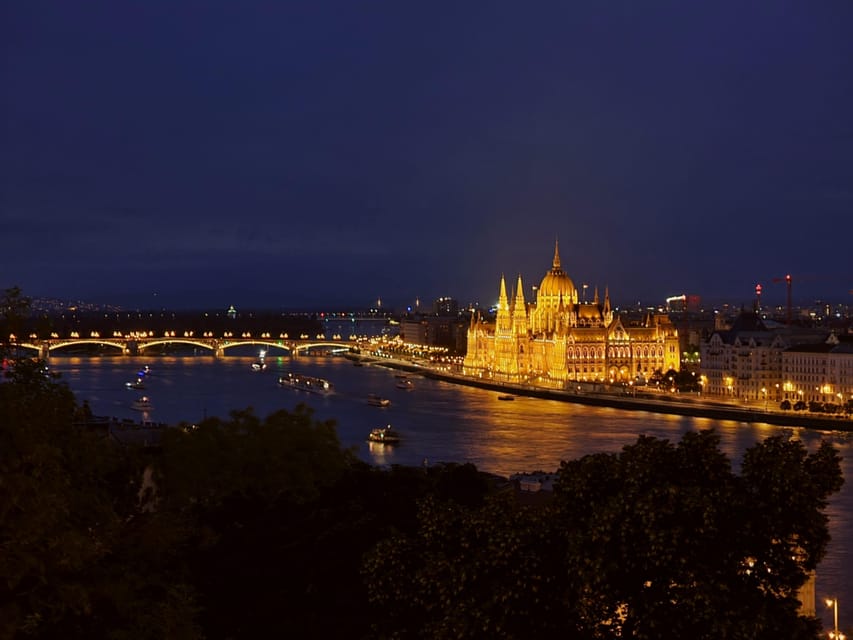
You’ll pass by Sándor Palace—then continue toward Budapest Castle Hill Funicular for a photo stop with scenic views on the way.
This part of the route is smart because it changes your perspective. Even if you’re walking, the funicular area helps you understand the terrain. Castle Hill isn’t flat, and once you feel that slope in your legs, the whole district makes more sense. The tour doesn’t require you to ride anything; it just uses the viewpoint and surrounding scenery to frame what comes next.
One small drawback to note: Castle Hill walks can feel like more work than they look from Google Maps. If you’re sensitive to stairs or steep ground, take your time in this segment. Your reward is the next cluster of iconic landmarks.
Buda Castle and the Fountain of King Matthias
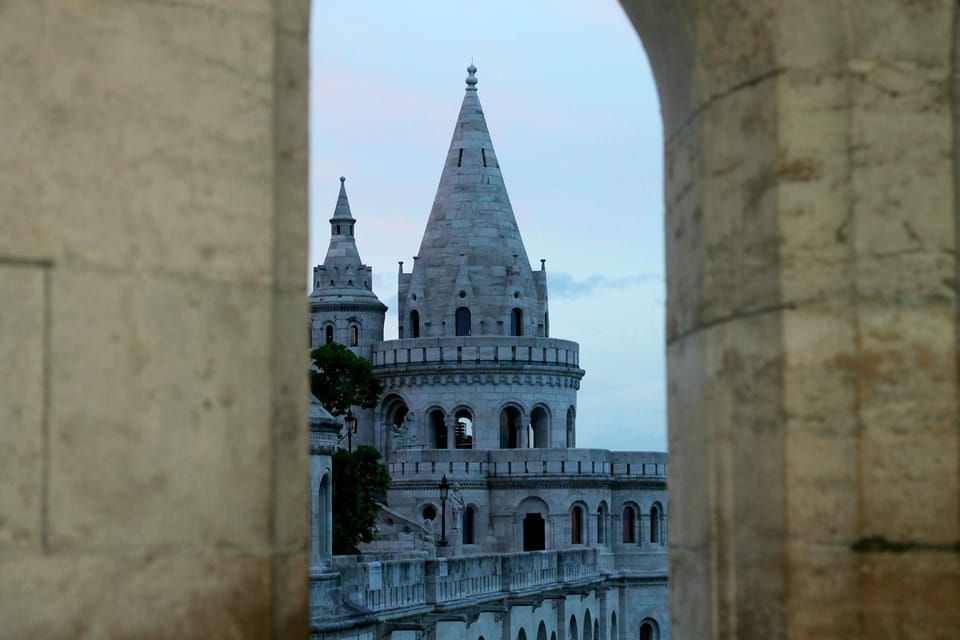
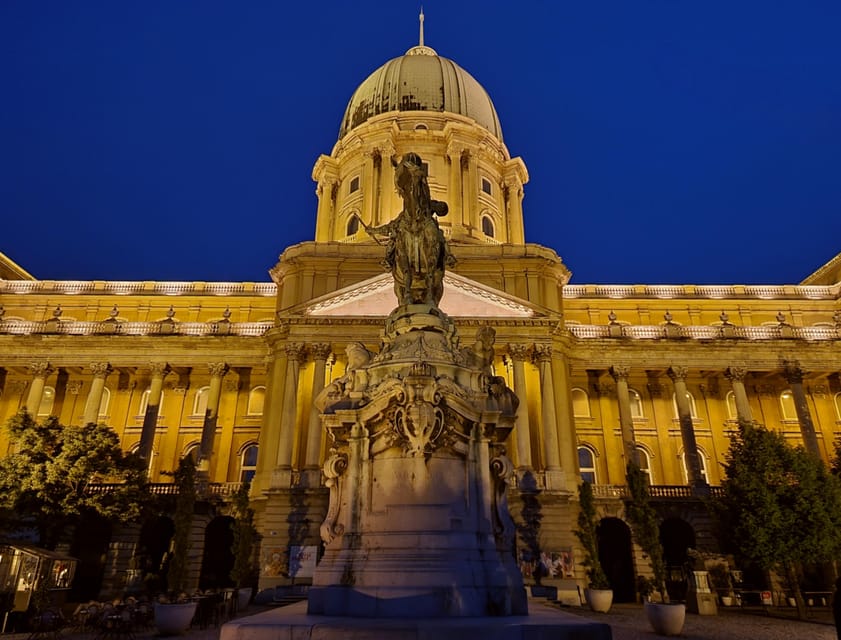
You’ll pass Buda Castle, then later return to a major highlight: the Fountain of King Matthias. You get a photo stop and time for sightseeing here.
This is one of the best moments to combine listening and looking. When you pause at a central landmark like this, your brain has room to connect the story’s themes to the physical place. You’re not just learning about historical figures—you’re seeing where their world would have played out on the ground beneath you.
Why this matters: in a tour like this, the performance is doing the storytelling, but the setting is doing the reinforcement. Landmarks become mental anchors. Later, when you’re walking on your own, you’ll remember where things happened because your photos and your map in your head link to the narrative.
Main Guardhouse and the Royal Riding Hall: the performance peaks
As you continue, you’ll pass the Main Guardhouse, then end your landmark run with a longer photo stop at the Royal Riding Hall, Budapest.
This final stretch is where the tone tends to feel most “theatrical.” Royal Riding Hall-style architecture tends to look formal and historic, which fits the tour’s dark-story style. It’s a strong closing visual, especially if you’ve been taking photos throughout and your camera roll is starting to tell a story of the evening.
After that, you wrap up walking and head to the finish point at Budapest, Dózsa György tér 4, 1174 Hungary. Ending at a different location from where you met is common for walking tours, and it’s actually helpful. It lets you leave the Castle District area with less backtracking.
The actor guide: costumes, story pacing, and real engagement
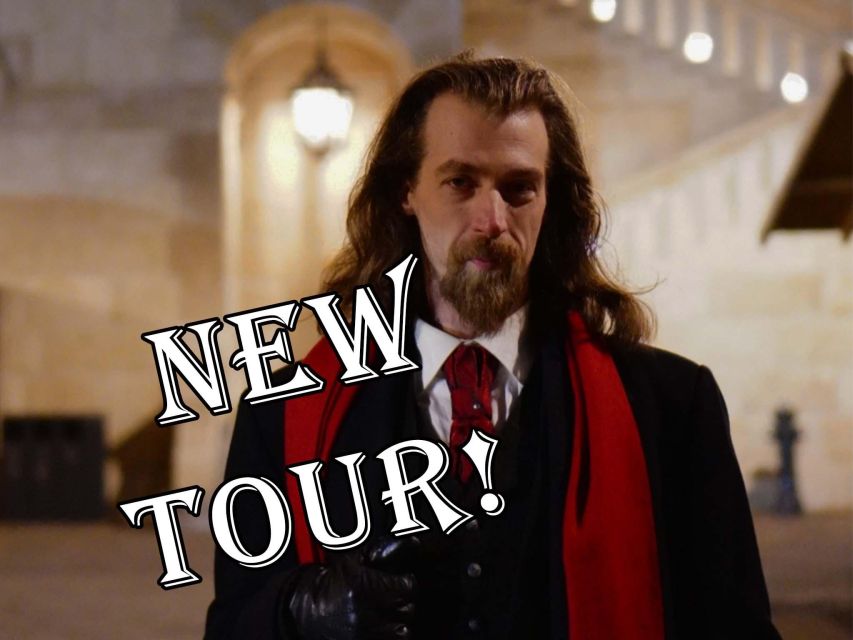
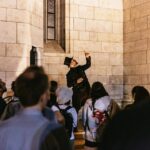
The tour’s differentiator is the guide: a professional actor in high-end costumes. The stories are described as well-researched, interesting, and true, delivered in English with a live, performance-style approach.
What that usually means in practice is pacing. You’re not listening to the same delivery style the whole time. The actor can slow down for details at a landmark moment, speed up during walking time, and bring the story back into focus when you arrive at a new stop.
In recent departures, guides have included performers named Oscar and Joe, both described as energetic showmen and strong storytellers. That’s a clue about what you should expect: not just facts, but an entertainer’s rhythm—enough humor and personality to keep you paying attention, even when the air turns cold.
Also, pay attention to how the tour ends. The guide support is reported as genuinely helpful, including making sure you know how to get back to transport after the last stop. That’s not a small thing on an evening walk in a hilly area.
Price and value: is $21 for 110 minutes actually fair?
At $21 per person for 110 minutes, this is priced like a budget-friendly evening activity. The key is that you’re not just paying for access to sights that cost extra. You’re paying for three things that are hard to “DIY”:
- A prepared storyline built for walking through the Castle District
- A professional actor in costume who delivers it live in English
- Multiple photo stops at major landmarks, so you’re not guessing where the best shots are
If you already plan to spend time in the Castle District anyway, the tour adds value by turning that time into an organized, story-driven experience. If you prefer silent sightseeing, you can still have a good evening here—but you’d be paying in time and effort trying to build your own narrative.
For many visitors, the sweet spot is doing this early in your Castle District time. You’ll leave with a better sense of place, plus the landmarks that you’ll naturally want to revisit later.
Timing, walking style, and what to wear
This is a walking tour with several photo stops, plus shorter pass-by segments. You’ll spend enough time on your feet that shoes matter.
Based on typical conditions for this kind of evening in the Castle District, I’d plan for cold. Multiple departures have involved snow or harsh winter weather, and the tour atmosphere clearly benefits from that, but you still need comfort. Wear layers you can adjust and bring something warm for your head and ears.
Also, give yourself a little extra margin if you’re arriving close to start time. You’ll need to find the guide at the meeting point, get checked in, and then settle into the group.
Who should book this tour (and who might skip)
You’ll likely love this if you want:
- A dark, theatrical take on Hungarian historical characters
- Built-in pauses for photos at Matthias Church, fountains, and the Castle Hill area
- An English-speaking guide who keeps the story moving and the group engaged
You might choose something else if you:
- Want only daytime, museum-style history
- Dislike creepy themes altogether
- Struggle with walking on uneven streets and cold evenings without breaks
If you’re comfortable with a light-to-medium spooky vibe and you’re willing to walk, this is a strong way to see the Castle District with a storyline attached.
Should you book BloodThirsty Hungary: Walking tour & Dark Historical Stories?
Yes, if your ideal Budapest evening includes live storytelling and photo stops in the Castle District. The value is strong for 110 minutes at $21, especially because you’re getting more than sightseeing—you’re getting a guided performance anchored to recognizable landmarks.
Book it if you want a structured way to experience the Castle Hill highlights without spending time figuring out what to see in what order. I’d especially recommend it for your first or second night in the Castle District, when you’ll most benefit from an organized route and a strong set of landmarks to remember.
If the idea of bloodthirsty-themed tales doesn’t sound fun for you, or if walking in cold conditions is a dealbreaker, then skip it and choose a calmer tour. But for most visitors who want history with atmosphere, this one is an easy pick.
FAQ
How long is the BloodThirsty Hungary walking tour?
The tour lasts 110 minutes.
Where do I meet the guide?
You’ll find the guide next to the Horsemen Statue of Saint Stephen, on the right side of Matthias Church.
What language is the tour offered in?
The tour is offered in English.
Where does the tour finish?
The tour finishes at Budapest, Dózsa György tér 4, 1174 Hungary.
Is it a walking tour?
Yes. It’s an on-foot experience with several photo stops and short pass-by segments.
Do I need to check in before the tour starts?
Yes. All customers must check in with the guide before the starting time.
What’s the cancellation policy?
Free cancellation is available up to 24 hours in advance for a full refund.