
REVIEW · BUDAPEST
Hungarian Cooking Class with Iconic Dishes
Book on GetYourGuide →Operated by Cooking Hungary - Culinary Experiences · Bookable on GetYourGuide
A great Hungarian meal starts with a shortcut to the culture. In this small-class in central Budapest, you cook an iconic dish with a professional chef and hear the stories behind the food. I like that it’s hands-on and not just a show, and I especially like the host-led feel that turns the kitchen into a living room. One thing to consider: you cook only one dish from four choices in the 2.5 hours, so pick your priority dish before you go.
If you’re the type who wants to go beyond a menu and learn how the flavors are built, this is a smart choice. Marti runs the experience with warmth, practical kitchen guidance, and a steady stream of context about Hungarian life, plus plenty of food-world detail you can use later at home. I also appreciate that you get drinks and Hungarian bites during the session, not just a bowl and a spatula.
The only drawback I’d flag is timing. Two and a half hours is great fun, but it’s not long enough to master multiple courses, and the class moves through steps quickly since you’re cooking from start to finish. If you prefer a slower, observational food walk, you may want something else.
In This Review
- Key things to know before you cook Hungarian classics
- Hungarian Cooking in a Central Budapest Studio (How the 2.5 Hours Works)
- Meet Marti: Stories, Traditions, and the Real Reason the Food Feels Personal
- Your Four Dish Choices (and what each one teaches you)
- 1) Goulash soup (beef, celery)
- 2) Chicken paprikash with small dumplings (dairy, egg, flour)
- 3) Stuffed cabbage (pork, dairy, egg)
- 4) Hortobágy-style savoury meat crêpe (dairy, egg, flour)
- Hands-On Cooking and the Tricks You’ll Still Use at Home
- Farmer’s Plate, Hungarian Bites, and Included Drinks (What you’ll actually sip while cooking)
- Price and Value: What $102 Buys (and what you’re getting for the money)
- Where this class really shines (and the one thing to watch)
- Who should book this Hungarian cooking class
- Tips to make your evening smoother
- Should you book it?
- FAQ
- How long is the Hungarian cooking class?
- What dish will I cook?
- Where do we meet?
- Is the class a small group?
- Are drinks and Hungarian bites included?
- Do I get recipes to take home?
- Can the menu be adapted for dietary needs?
- How much does it cost?
- Can I cancel or pay later?
Key things to know before you cook Hungarian classics
- Central Budapest setting: a cozy studio apartment that keeps the vibe local and relaxed
- Small group (max 8): you actually get attention while you chop and stir
- Cook one dish from four: goulash soup, chicken paprikash with dumplings, stuffed cabbage, or Hortobágy-style meat crêpe
- All ingredients and tools provided: less planning, more time learning the technique
- Drinks included: wine (white and/or red), mineral water, and two types of homemade soft drinks
- Take-home recipes: you leave with a plan to repeat the dish for friends and family
Hungarian Cooking in a Central Budapest Studio (How the 2.5 Hours Works)
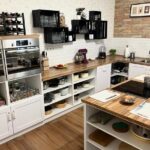
You meet at Flavors of Budapest, Király u. 77, 1077 Hungary, and the activity ends back at the same spot. From there, you’ll spend about 2.5 hours in a private, cosy studio apartment in the center of Budapest—small enough that the whole group feels part of the process, not stuck watching from the edge.
This setup matters more than you might think. Cooking classes that sprawl across a big restaurant kitchen can feel impersonal. Here, the apartment-style space keeps things conversational, so when you ask about heat levels, texture, or timing, you’re not competing with a line of plated orders. With a group limited to eight participants, you’re also far more likely to get hands-on time rather than waiting for the chef to free up tools.
In practice, the class rhythm usually looks like: meet, get briefed, start prepping, cook together, and then eat what you make (plus Hungarian bites and drinks during the session). If you want the kind of experience where you learn by doing, that structure is exactly the point.
You can also read our reviews of more cooking classes in Budapest


Meet Marti: Stories, Traditions, and the Real Reason the Food Feels Personal
Marti is the heart of the experience. People come away talking about how quickly it feels like being at home, with Marti acting as host and teacher at the same time. She doesn’t just recite recipes; she explains why foods show up on Hungarian tables and how customs and history shape everyday cooking.
One detail I find especially meaningful: Marti shares stories about Hungarian customs, culture, and history, including the background of Jewish people. She also cooks recipes from her husband’s grandmother’s books, and she credits an older relative who still lives and teaches. That matters because it signals continuity—recipes passed down with actual family context, not only cookbook instructions.
You’ll also notice that the storytelling isn’t treated like a lecture. It comes off like conversation. And that makes the cooking tips stick, because you’re not memorizing steps in a vacuum—you’re learning the “why” that helps you cook confidently later.
Your Four Dish Choices (and what each one teaches you)
You’ll cook one iconic dish out of four options. This is a key decision, because the class is built around the dish’s core techniques—soup simmering, sauce thickening, dumpling timing, cabbage assembly, or crêpe structure.
1) Goulash soup (beef, celery)
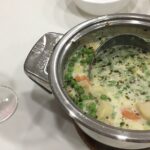
Goulash soup is where Hungarian comfort food starts. You’re learning about building flavor through simmering and getting the balance right so the beef turns tender without losing character. Celery is part of the base, and that’s a useful detail: it’s not only about paprika heat; it’s also about the backbone of the broth.
Good for you if you love hearty, spoonable meals and want to understand how slow cooking creates depth.
2) Chicken paprikash with small dumplings (dairy, egg, flour)
This is the “paprika sauce” lesson. Chicken paprikash is known for its creamy, savory sauce feel, and the dumplings mean you’ll experience a second skill set: dough consistency and timing, so the dumplings come out right instead of dense or overcooked.
Great pick if you want a dish that feels celebratory yet still realistic to make at home.
You can also read our reviews of more tours and experiences in Budapest



3) Stuffed cabbage (pork, dairy, egg)
Stuffed cabbage is all about patience and structure. You’ll learn how to treat cabbage so it’s pliable, and how stuffing and seasoning work together so each bite has balance rather than pockets of blandness. The dairy and egg details matter here too, since they affect richness and texture in the filling.
Pick this if you like make-ahead comfort food and want a recipe that feels “family-sized.”
4) Hortobágy-style savoury meat crêpe (dairy, egg, flour)
This option shifts the class into something more technique-driven. A crêpe base changes everything: thickness, fold, and how filling stays cohesive when cut and served. Hortobágy style also connects to a broader Hungarian tradition of hearty, meat-forward meals.
Choose this if you enjoy the satisfaction of building a composed dish and want something a bit more special for guests.
Dietary needs: the experience can accommodate requests. You can ask about vegetarian options, and for gluten-free, lactose-free, or nut allergy needs, you just need to tell the organizer in advance so adjustments can be made.
Hands-On Cooking and the Tricks You’ll Still Use at Home
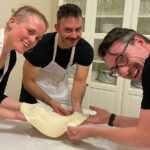
The biggest value here is that you’re not just tasting—you’re building the dish step by step. You’ll get all ingredients and kitchen tools/equipment provided, which removes the usual friction of cooking classes where you have to track specialty items or wonder if you’ll have the right pan.
You’ll also get cooking tips and tricks as you go. While the exact methods depend on the dish you choose, you can expect guidance on fundamentals that matter in Hungarian home cooking:
- getting seasoning right early rather than scrambling at the end
- understanding how sauces change as heat and simmer time do their work
- working with dough or stuffed components without overhandling
- learning what “done” looks like by texture and smell, not just clock time
And yes, you leave with all recipes and useful kitchen tips. For me, that’s what turns an evening activity into something that can actually pay off later. Without recipes, the class becomes a nice memory. With recipes, you can reproduce the food when your friends ask for the dish again.
Farmer’s Plate, Hungarian Bites, and Included Drinks (What you’ll actually sip while cooking)
This class doesn’t treat food and drink like an afterthought. During the session, you’ll have Hungarian bites and drinks, and you’ll also enjoy a Farmer’s plate.
Drink options include:
- wine, in either white and/or red (depending on what’s offered that day)
- two types of homemade soft drinks
- mineral water (still and/or sparkling)
One reason this feels extra “Budapest” is that Marti knows wine from growing up in a wine region. That doesn’t mean you’ll get a sommelier lecture; it means you’re more likely to get thoughtful pairing and a real sense for what’s worth pouring with food.
Also, homemade soft drinks are often where you notice the difference between generic tourism and real local flavor. If you’re the type who enjoys refreshing sips between bites, these are the kind of included extras you’ll actually remember.
Price and Value: What $102 Buys (and what you’re getting for the money)
At $102 per person for about 2.5 hours, this isn’t a “cheap food sampler.” But you’re not just buying a meal. You’re paying for professional instruction, ingredients, tools, drinks, and take-home recipes—plus a small-group environment that keeps the learning personal.
Here’s what justifies the cost in practical terms:
- One full dish you cook yourself, not just sample bites
- Hungarian bites and included drinks during the cooking
- All ingredients and equipment provided, saving you both time and hassle
- A professional chef/host format with stories and cultural context
- Small group size (max 8), which generally means more help when you get stuck
The main “value tradeoff” is that you won’t cook all four dishes. You pick one, you master it, and you move on. If your goal is to try a little of everything, you may feel you’re leaving options behind. If your goal is a repeatable home-cooking skill, the structure is a strong fit.
Where this class really shines (and the one thing to watch)
This is the kind of experience that works best when you like two things at the same time: food and conversation. The talk about customs, history, and everyday life makes the cooking feel grounded. And because Marti creates a relaxed atmosphere, you’re more likely to ask questions instead of sitting quietly through instruction.
The other standout: the apartment setting. It’s described as a private, cosy studio apartment in central Budapest. One review-style detail you might care about: it’s not presented as someone’s private home-in-hiding. It’s set up for the class, quiet and stylish, which usually means a more comfortable experience than typical “tour kitchen” setups.
What to watch: the class is hands-on and time-paced. Come hungry, and don’t plan on treating it like a leisurely chat with snacks only. You’re cooking the meal, and you’ll want to be mentally ready to chop, stir, and taste as you learn.
Who should book this Hungarian cooking class
You’ll likely love this if:
- you want a recipe you can reproduce at home, not just a one-time meal
- you enjoy Hungarian flavors like goulash, paprikash, cabbage dishes, and meat crêpes
- you prefer small groups and a host who tells the story behind the food
- you want included drinks and bites as part of the whole experience
You may want to skip it if:
- you’re strictly looking for a guided sightseeing day
- you want to taste multiple dishes rather than cook one in depth
- you prefer very hands-off, watch-only activities
Tips to make your evening smoother
A few practical moves help you get the most out of a hands-on class like this.
Before you go:
- Tell the organizer your needs early if you want vegetarian or gluten-free/lactose-free or have a nut allergy.
- Choose your dish choice thoughtfully if you care about the learning outcome. Chicken paprikash teaches sauce and dumplings; stuffed cabbage teaches assembly and cabbage handling.
During the class:
- Be ready to taste as you cook. Hungarian dishes often depend on seasoning balance as they simmer.
- Ask questions when you’re holding the ingredient. The best moment to learn a trick is when you’re actively doing it.
- Take notes on any step that feels “feel-based” rather than exact-measurement, especially for dumplings or sauce thickness.
If you do those things, you’ll leave with more than recipes—you’ll leave with confidence.
Should you book it?
I’d book this Hungarian cooking class if you want an evening that’s equal parts cooking skill, local flavor, and storytelling—served in a small, central Budapest setting. At $102 for 2.5 hours, the value holds up because you cook an iconic dish, get Hungarian bites and drinks, and take home the recipes and kitchen tips. The only time I’d hesitate is if you want multiple dishes in one night or a more relaxed, sightseeing-based plan.
If you’re craving the kind of Budapest night where you go home knowing how to make goulash, paprikash, stuffed cabbage, or Hortobágy-style crêpe from scratch, this one makes a lot of sense.
FAQ
How long is the Hungarian cooking class?
The experience lasts about 2.5 hours.
What dish will I cook?
You cook one iconic dish out of four options: goulash soup, chicken paprikash with small dumplings, stuffed cabbage, or a savoury meat crêpe (Hortobágy style).
Where do we meet?
The meeting point is Flavors of Budapest, Király u. 77, 1077 Hungary.
Is the class a small group?
Yes. The group is limited to 8 participants.
Are drinks and Hungarian bites included?
Yes. You’ll have Hungarian bites during the session and drinks are included, including wine (white and/or red), homemade soft drinks, and mineral water (still and/or sparkling).
Do I get recipes to take home?
Yes. All recipes and useful kitchen tips are included so you can recreate the dish later.
Can the menu be adapted for dietary needs?
Yes. Vegetarian options can be requested. Gluten-free, lactose-free, and nut allergy needs can also be accommodated if you tell the organizer.
How much does it cost?
The price is $102 per person.
Can I cancel or pay later?
You can cancel up to 24 hours in advance for a full refund. You can also reserve now and pay later, so you can book without paying immediately.