REVIEW · BUDAPEST
Memento Park: Official Guided Tour with Entry Ticket
Book on GetYourGuide →Operated by Memento Park · Bookable on GetYourGuide
Politics, bigger-than-life statues, and real context. That’s the hook at Memento Park, where Soviet and communist monuments were moved outside Budapest so you can face them without the old intimidation. I especially liked how the guide turns the sculpture into a story—explaining the symbolism and the architecture so you start reading propaganda instead of just staring at it.
I also love the hands-on feel of the walk: you’ll get time to ask questions, and the route includes standout moments like Stalin’s Grandstand and a photo stop in an original Trabant. One thing to consider before you go is logistics and pace: it’s out in the outskirts (public transport takes about 40 minutes), and the experience is history-heavy and outdoors on gravel, so comfy shoes matter.
In This Review
- Key moments worth building into your day
- Why Memento Park is more than a statue park
- Getting there from Budapest: plan for the 40-minute ride
- Starting at Witness Square: how the guided flow works
- Stalin’s Grandstand and the hidden rooms you’ll want explained
- Statue Park: learning to decipher communist propaganda in 70–95 minutes
- Trabant photo time: the funniest contrast on a serious day
- The Most Cheerful Barrack: film, exhibitions, and extra wandering time
- Price and value: what $28 buys you in practice
- Who this tour is perfect for (and who should skip it)
- Should you book this Memento Park guided tour?
- FAQ
- How long is the Memento Park guided tour?
- Where does the tour meet?
- What do I need to show at the start?
- Is the tour in English?
- Is the ticket price just admission, or does it include the guide?
- What’s not included with the tour?
- Can I bring kids?
- Is it wheelchair accessible?
Key moments worth building into your day
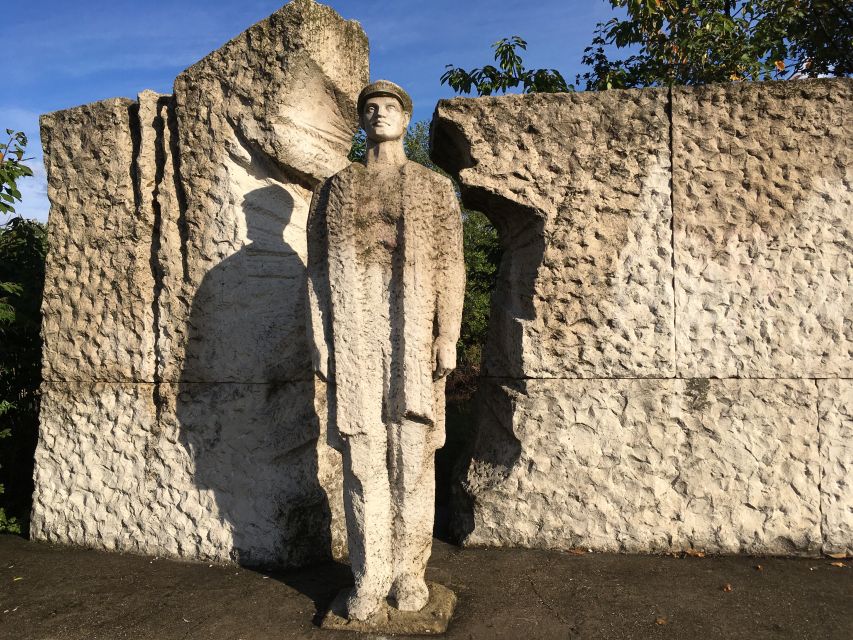
- Witness Square start: you begin right at the museum’s doorstep, then the tour flows into the main sites.
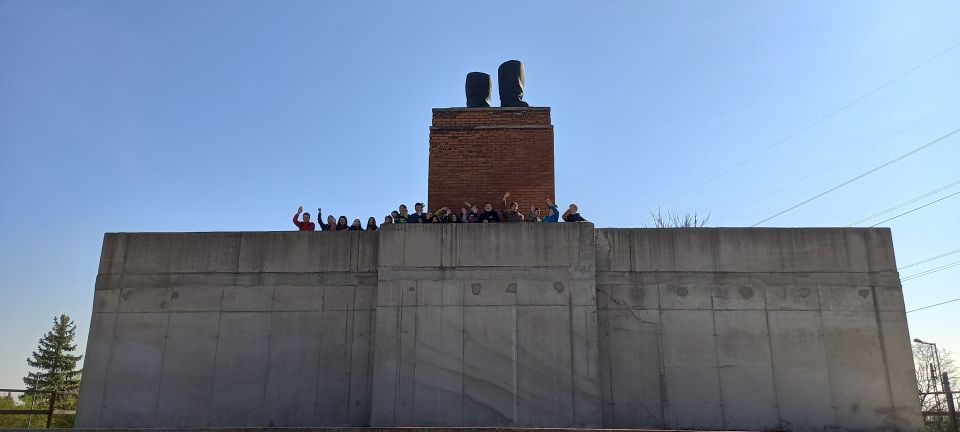
- Stalin’s Grandstand: not just statues—your guide points out hidden rooms and the story behind this structure.
- Waving Balcony views: you get a look outward to the surroundings while learning what this spot was meant to signal.
- Statue Park reading time: you walk along communist-era figures and events and learn how to interpret what you see.
- Trabant photo opportunity: a fun, slightly surreal break from solemn monuments.
- Most Cheerful Barrack extras: after the walk, you can watch a movie show and explore exhibitions.
Why Memento Park is more than a statue park
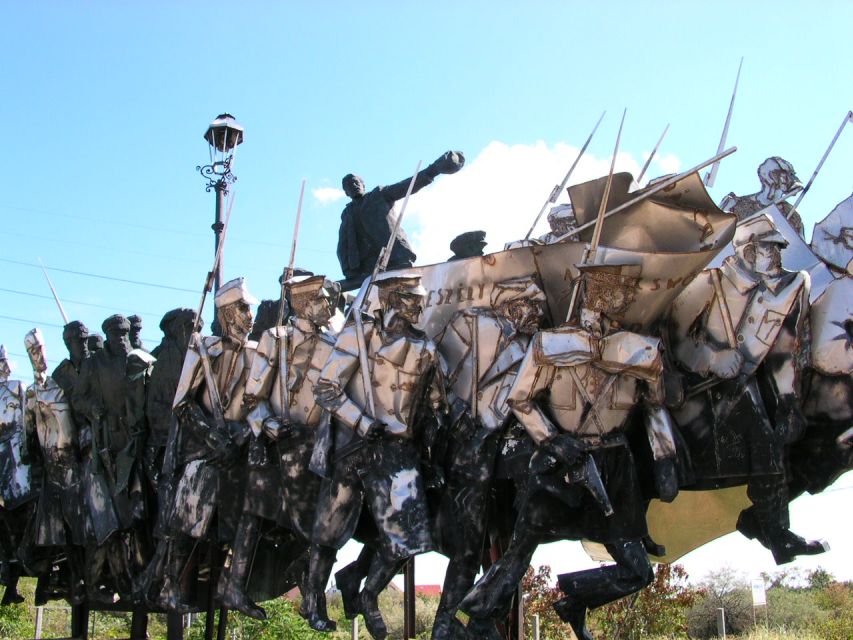
Memento Park (Memorial Park) feels like a museum with a purpose: it takes monuments that once dominated public space and relocates them so you can study what they tried to do. The statues are huge—bronze giants that can look almost theatrical—but the real value is the guide’s commentary. I found that once you understand the intended message, the figures stop being generic and start acting like political tools with a job.
This is also a good place to learn the day-to-day angle, not just the big-name history. The tour frames what life could feel like under communist dictatorship and the iron curtain atmosphere, so you’re not only tracking governments and leaders. You’re picking up how propaganda worked on ordinary people: what was celebrated, what was ignored, and how power was displayed.
If you prefer quick photo stops with no context, you might feel impatient here. But if you like explanations you can connect to what you’re seeing, this tour hits the right note.
You can also read our reviews of more tours and experiences in Budapest



Getting there from Budapest: plan for the 40-minute ride
Memento Park sits in the outskirts of Budapest. Getting there by public transport takes about 40 minutes, so it’s not a “pop over after breakfast” kind of outing. If you’re the type who likes stress-free transit, a taxi may be the simpler option—people do use one when the timing or connections aren’t friendly.
Also note the practical reality once you arrive. The promenades inside the park are covered with gravel, and you’ll be walking outdoors. That means comfortable shoes are not a suggestion. It’s also a rain-or-shine tour, so bring weather-appropriate clothing and basic sunscreen if the forecast looks sunny.
The good news: because it’s outside the city center, you can experience the park at a pace that feels spacious. You won’t be swallowed by crowds the way you can be near famous central attractions.
Starting at Witness Square: how the guided flow works
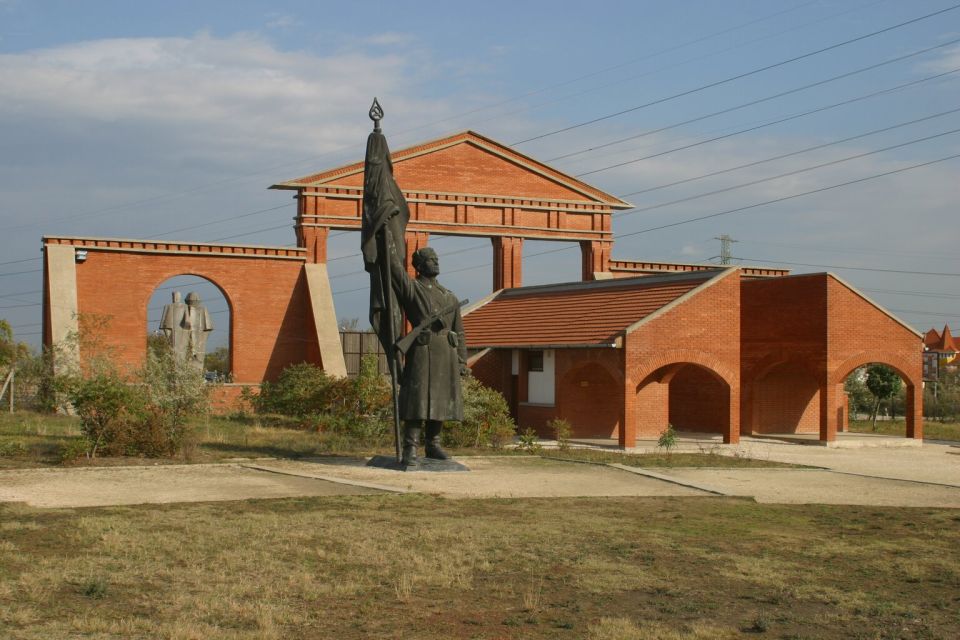
Your experience starts at the desk inside Memento Park. You’ll present your ticket first, then join the group for the guided walk. Arrive about 15 minutes early so you can check in calmly and get your bearings.
The walk begins at Witness Square, the space in front of the museum. From there, the route is designed like a narrative. You don’t just shuffle from one statue to another. You move through major elements in a logical order: first the outside museum areas and Stalin’s Grandstand, then the statue-heavy sections where the propaganda messaging becomes the main event, and finally the end point at the End Wall.
The tour is interactive and built for questions. That matters more than it sounds. Propaganda images can be confusing, and it helps to hear the guide’s interpretations while you’re still standing in front of the exact sculpture or setting being discussed.
Stalin’s Grandstand and the hidden rooms you’ll want explained
One of the best reasons to take the guided version is that Stalin’s Grandstand is the kind of structure where you can walk past details without realizing they’re important. Your guide will point out what this area was meant to represent, and you’ll also learn about its hidden rooms—spaces that help explain how grand political theater was staged.
This stop also includes the story behind the viewing platform logic. You’ll get to the Waving Balcony, and the view from there is a learning moment as much as a scenic one. The guide connects what you’re seeing outward to how the location would have been used and understood in its time, and you’ll get a fascinating look to the surroundings and to historic points nearby.
Even if you’ve read about communist-era architecture before, it’s the on-site explanation that makes it click. The guide helps you connect form (the way the structure is built) to function (how it was used to influence the public). That’s not just trivia—it changes how the rest of the park reads.
Statue Park: learning to decipher communist propaganda in 70–95 minutes
After the Grandstand area, the tour moves into Statue Park, where the monuments become the main language. Here you’ll walk along a sequence of political propaganda statues featuring workers, Hungarian and international communist figures, and major events tied to workers’ movements. This is where you’ll start noticing patterns: the poses, the uniforms, the symbols attached to ideals, and the way the statues frame identity and history.
What you take away depends on your curiosity, but the guided element is key. Left to your own devices, you might interpret the statues as “Soviet art” or “political leftovers.” With the guide, you learn what the images were trying to communicate—how they promoted certain roles, elevated leaders, and reinforced the idea of a single correct narrative.
You should also expect the tour to be fairly history-centered. The goal isn’t to be light entertainment. It’s designed to give you context so the park doesn’t feel like an odd outdoor warehouse of old sculpture. Instead, it feels like a visual record of how control can be built into public spaces.
You can also read our reviews of more guided tours in Budapest





Trabant photo time: the funniest contrast on a serious day
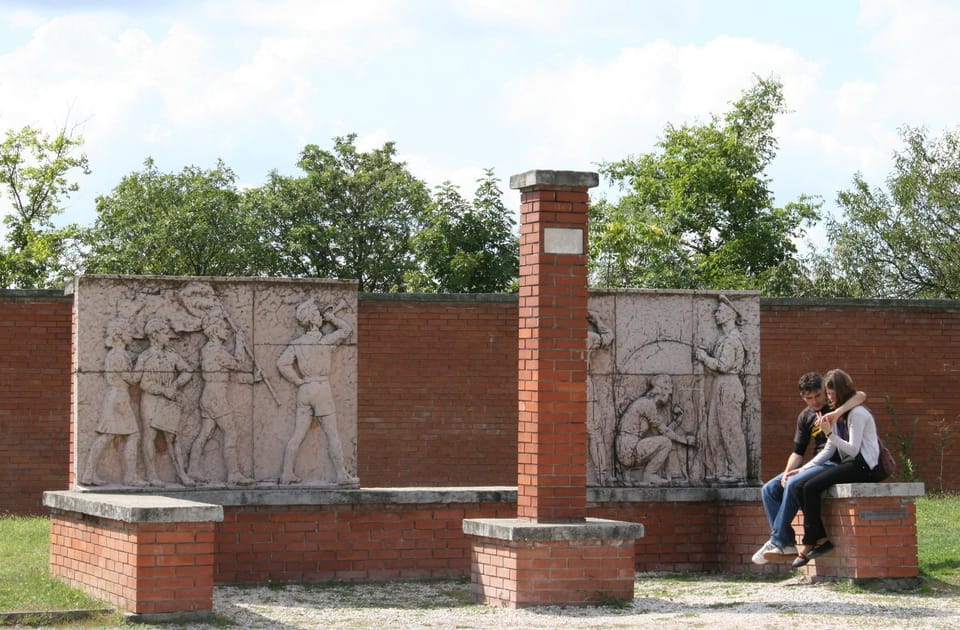
Not every moment here is solemn. A highlight is the chance to take a photo in an original retro car: the Trabant. It gives you a break from the heavy symbolism, and it also helps you remember that these eras were lived—not just displayed.
The Trabant stop works because it’s a tangible everyday artifact. Even without getting a full lesson on car culture, the contrast makes sense: political power can be gigantic and bronze, but daily life also has its own objects, routines, and textures. That’s part of why the photo feels more than a gimmick.
If you enjoy candid travel photos, this is an easy win. Bring your camera (or phone with a reliable charge), and don’t rush it—framing matters if you want shots that make the Trabant look like it belongs right inside the history scene.
The Most Cheerful Barrack: film, exhibitions, and extra wandering time
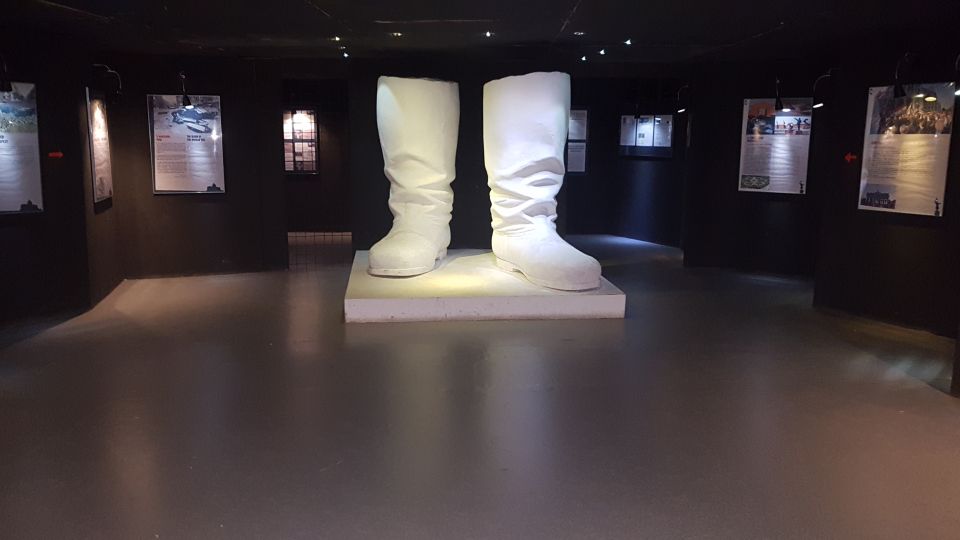
When the main guided route finishes at the End Wall, the schedule opens up. You can use the extra time for photos, a look through the souvenir shop, and the museum’s indoor offerings.
One of the most memorable add-ons is the movie show and the exhibitions in The Most Cheerful Barrack. Even if you’re not a cinema person, it helps ground the atmosphere. The film content includes soviet-era recruitment-style material, and there’s a special kind of humor in how outdated the messaging can feel—unintentionally funny to many people, but still revealing.
If you like museums that give you multiple ways to learn—walk-through context outside, then media and displays inside—this part of the experience is worth planning for. It’s also a good time to slow down if you’ve been reading a lot of interpretation during the walk.
Price and value: what $28 buys you in practice
At about $28 per person, this is not a budget “free walk” experience, but it’s also not overpriced for what you get: entry to Memento Park plus a live English-guided tour. The biggest value is the context. A lot of outdoor sites like this can turn into a solo photo session where you don’t know what you’re looking at.
Here, your guide helps you decode the visual language—especially in the most “meaningful” areas like Stalin’s Grandstand and the statue sequence in Statue Park. Add in that the tour is interactive, includes question time, and runs on a set route that takes you to key points efficiently, and the price starts to make sense.
Where you might question value is if you only want quick sightseeing. If you’re the type who will read every label, take photos, and ask questions, the guide time becomes the core attraction—and then $28 feels fair.
Who this tour is perfect for (and who should skip it)
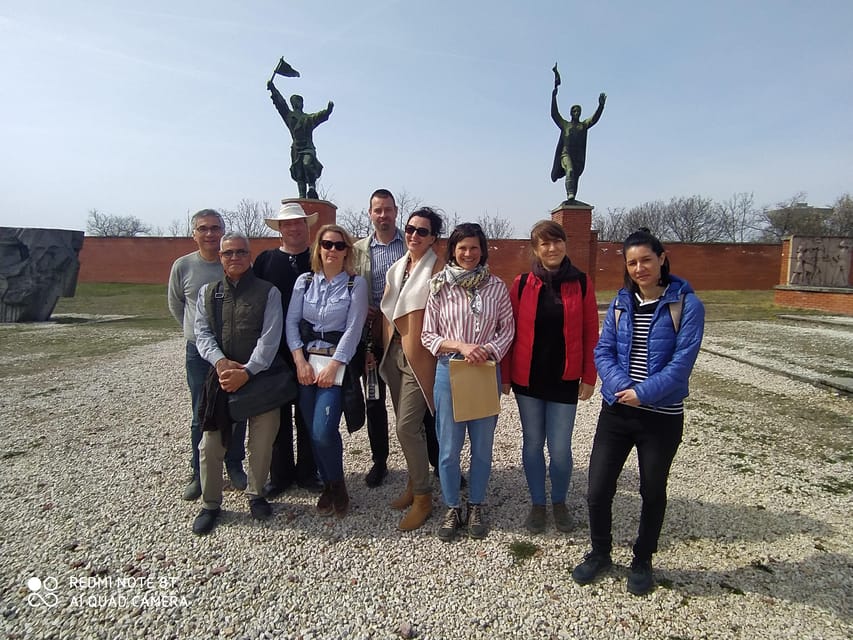
This guided tour works best for you if you’re curious about communist-era propaganda, how it shaped public life, and how Hungary remembers that period today. It also suits history-minded travelers who like on-site explanation—standing in front of the object while the meaning is fresh.
It can be less ideal if you want a casual, low-effort outing. The tour is outdoors, runs in rain or shine, and the emphasis is on learning rather than pure sightseeing. There’s also an age note: it’s not suitable for children under 10, which tells you the pacing and content lean more serious than playful.
If you’re traveling as a couple or small group, this is a great way to feel both efficient and informed. If you’re traveling with teens who can handle heavier themes, it can be a strong educational day. But for young kids, you’ll likely be better off with a different kind of Budapest stop.
Should you book this Memento Park guided tour?
I’d book it if you want the park to make sense. The main reason to choose the guided version is that the sculptures are only half the experience; the other half is the interpretation—especially around Stalin’s Grandstand, the Waving Balcony, and the long Statue Park walk. Also, the fact that the tour is live and English adds real comfort if you’re not reading Hungarian labels on your own.
I’d hesitate only if you dislike history-heavy stops, or if you know you’ll struggle with outdoor gravel walks in varying weather. Otherwise, this is a very direct, meaningful way to understand a strange chapter of Budapest’s past—without treating it like either pure tragedy or pure spectacle.
FAQ
How long is the Memento Park guided tour?
The guided program is interactive and runs for about 70 minutes, with the guided portion listed at around 95 minutes depending on the schedule.
Where does the tour meet?
You meet at the desk in Memento Park. Arrive about 15 minutes before the activity starts.
What do I need to show at the start?
Present your voucher/ticket first at the desk, then join the group for the guided tour.
Is the tour in English?
Yes. The live tour guide is listed as English.
Is the ticket price just admission, or does it include the guide?
It includes admission to Memento Park and its premises plus a guided tour in Memento Park.
What’s not included with the tour?
Transportation, food and drinks, and gratuities are not included.
Can I bring kids?
The tour is not suitable for children under 10.
Is it wheelchair accessible?
Yes. The tour is listed as wheelchair accessible, though the promenades inside the park are covered with gravel.